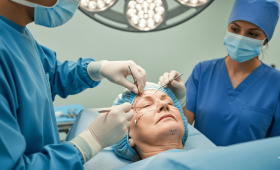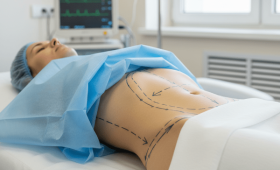
Cost and planning note (Mommy Makeover 2026)
The figures below are indicative market ranges, not a quote: your own price is confirmed after a clinical assessment.
Indicative price range: Standard Package: 4,500 – 7,500 USD | Advanced Combination: 8,000 – 12,000 USD | Tummy Tuck: 3,000 – 5,000 USD | Breast Lift: 2,500 – 4,500 USD | Liposuction Per Area: 500 – 1,500 USD | Bbl Fat Transfer: 3,500 – 5,500 USD
Facility standards: In Türkiye, any facility treating international patients must hold the Ministry of Health’s international health tourism authorisation; hospitals and medical centres must also be accredited by TÜSKA, and complication insurance is compulsory for procedures carried out in an operating theatre (Regulation of 26 April 2025).
Recovery Focus: Post-pregnancy body restoration & safety first.
Currency: GBP, EUR, USD accepted.
How to Review Turkish Surgeons without Falling for Instagram Fakes
The Digital Illusion: Navating Surgical Veracity in the Age of Social Media
In the era of hyper-saturated social media, the distinction between a medically sound aesthetic procedure and a curated digital illusion has become increasingly blurred. For patients seeking post-pregnancy restoration, the “Mommy Makeover” is not merely a cosmetic luxury; it is a complex reconstructive endeavor involving the correction of structural anatomical changes. While Instagram offers a window into global surgical trends, it often lacks the clinical depth required to evaluate a surgeon’s proficiency in handling complex tissue reconstruction, such as abdominal wall repair or advanced mastopexy.
To navigate this landscape, patients must move beyond the “before and after” photos and scrutinize the technical methodologies employed. A legitimate surgical review should focus on the surgeon’s mastery of specific techniques—such as the management of the abdominal fascia or the precision of ultrasonic-assisted lipolysis—rather than the superficial aesthetic of a single filtered image. Turkey has emerged as the global epicenter for these advanced procedures, not simply due to competitive pricing, but because of an unprecedented concentration of surgical expertise and state-of-the-art medical infrastructure dedicated to complex body contouring.
The Foundations of Abdominal Reconstruction: Diastasis Recti and Abdominoplasty
Post-pregnancy abdominal aesthetics are often compromised by more than just excess skin; the underlying muscular architecture frequently undergoes significant alteration. A primary concern for many patients is Diastasis Recti, a condition characterized by the longitudinal separation of the rectus abdominis muscles. High-level surgical excellence in Turkey is defined by the surgeon’s ability to perform Diastasis Recti repair, which involves internal corset suturing of the abdominal fascia. This procedure reinforces the abdominal wall, providing a structural “cinch” that restores the midsection’s stability and prevents the protrusion common in postpartum patients.
Depending on the extent of skin laxity and muscle separation, surgeons offer various abdominoplasty modalities:
- Mini Abdominoplasty: Targeted at patients with localized skin laxity in the lower abdomen, avoiding extensive incisions.
- Full Abdominoplasty: A comprehensive approach involving the removal of excess skin and significant muscle tightening across the entire abdominal region.
- Extended (360) Tummy Tuck: A sophisticated technique designed to address skin and tissue laxity around the entire circumference of the waist, essential for total midsection contouring.
When reviewing a surgeon, it is imperative to confirm their experience with these specific anatomical modifications. A surgeon capable of executing a 360 degree repair demonstrates a higher level of proficiency in managing tension lines and scar placement than one focused solely on minor procedures.
Advanced Mastopexy and Augmentation Standards
Post-pregnancy breast changes—often involving ptosis (sagging) and loss of glandular volume—require a delicate balance of tissue repositioning and, if necessary, volume replacement. A true expert in breast reconstruction will focus on the preservation of the nipple-areola complex and the natural movement of the breast tissue. The technical execution of a breast lift (mastopexy) involves the surgical repositioning of the nipple to a more youthful, higher position on the chest wall.
Safety in augmentation is predicated on the quality of the implant. When evaluating surgical packages, patients should ensure the use of JCI-approved implants, specifically Mentor, Motiva, or Polytech. These brands are globally recognized for their cohesive gel technology and biomechanical compatibility with human tissue, minimizing the risk of capsular contracture or rupture.
Precision Liposculpture: Vaser Technology and Fat Transfer
Modern body contouring has transitioned from simple fat removal to “liposculpture,” where the goal is to create high-definition anatomical features. A hallmark of premium Turkish surgical centers is the utilization of Vaser Liposuction. Unlike traditional methods, Vaser Liposuction is used for high-definition contouring with minimal bruising, as it uses ultrasonic energy to selectively emulsify fat cells while leaving nerves, blood vessels, and connective tissues intact. This precision is vital for the “sculpted” look desired in a Mommy Makeover.
Furthermore, the integration of autologous fat transfer (BBL) represents the pinnacle of biological integration. By harvesting fat from areas resistant to liposuction and reinjecting it into the gluteal region, surgeons can achieve a seamless transition between the flanks and the buttocks. This procedure, often referred to as BBL fat transfer, relies heavily on the surgeon’s ability to process the graft to ensure maximum cell viability.
The Logistics of Medical Excellence in Turkey
The reason Turkey serves as a global hub for post-pregnancy restoration is the seamless integration of clinical precision and luxury recovery logistics. The medical ecosystem is designed to minimize patient stress, allowing the focus to remain entirely on the biological healing process. This includes:
- Strategic Access: Most international patients arrive via Istanbul (IST) or Antalya (AYT) airports, both of which are connected to world-class medical clusters.
- Seamless Transit: Comprehensive care packages typically include VIP private transfers from airport to clinic, ensuring a sterile and controlled environment from the moment of arrival.
- Premium Recovery: Post-operative care is facilitated in 5-star recovery suites with companion stay included, providing the necessary environment for the 7-10 days in Turkey required for initial wound healing and follow-up assessments.
- Pre-Surgical Verification: To mitigate the risks of “Instagram fakes,” Cure Holiday specialists facilitate free online video assessments with board-certified plastic surgeons, allowing patients to discuss technical surgical plans and anatomical concerns directly with the operating physician.
The Financial Framework of Post-Pregnancy Restoration
Transparency in pricing is a cornerstone of professional surgical practice. While costs vary based on the complexity of the reconstruction, the following benchmarks represent the standard for high-quality, medically-led packages in Turkey:
- Standard Package (e.g., Basic Tummy Tuck/Lift): 4,500 – 7,500 USD
- Advanced Combination (Comprehensive Mommy Makeover): 8,000 – 12,000 USD
- Abdominoplasty (Tummy Tuck) alone: 3,000 – 5,000 USD
- Mastopexy (Breast Lift) alone: 2,500 – 4,500 USD
- Liposuction (per targeted area): 500 – 1,500 USD
- BBL (Autologous Fat Transfer): 3,500 – 5,500 USD
It is important to note that the recovery trajectory requires patience; while the initial period in Turkey is brief, a 6 weeks for full exercise return is the standard clinical recommendation to ensure the structural integrity of the internal corset suturing and the stability of the fat grafts.
The Instagram Illusion: Why Likes Do Not Equal Surgical Excellence
In the era of digital aesthetics, the “results” presented on social media often exist in a vacuum of heavy filtering, strategic lighting, and curated angles. For patients researching body contouring in Turkey, the primary danger lies in mistaking high engagement for surgical proficiency. A surgeon’s Instagram feed may showcase stunning transformations, but these images frequently omit the complexities of the surgical technique, the quality of the implants used, and the rigorous adherence to international safety protocols.
To move beyond the aesthetic surface, a professional review must focus on clinical indicators. True surgical excellence is verified through JCI (Joint Commission International) accreditation standards, which mandate strict protocols regarding patient safety, sterilization, and surgical precision. When reviewing a surgeon, look past the “before and after” photos and investigate the technical specifications of their practice: Are they utilizing advanced technologies like Vaser Liposuction? Are the implants sourced from globally recognized manufacturers such as Motiva, Mentor, or Polytech?
The Anatomy of a Transformation: A Technical Breakdown of Combination Surgery
A “combination surgery” is a sophisticated procedure designed to address multiple anatomical concerns in a single operative session. This is often preferred by patients seeking a comprehensive “body recomposition” rather than isolated changes. The surgical journey involves a highly coordinated sequence of maneuvers designed to optimize both structural stability and aesthetic contour.
A typical advanced combination procedure—such as an integrated abdominoplasty and gluteal augmentation—follows a precise technical roadmap:
- Abdominal Wall Reconstruction: Beyond simple skin excision, the surgeon addresses Diastasis Recti. This involves the internal corset suturing of the abdominal fascia, effectively tightening the underlying muscle layers to create a stable, flat foundation.
- High-Definition Contouring: Using Vaser Liposuction, the surgeon employs ultrasonic technology to emulsify adipose tissue. This method is superior for high-definition contouring as it targets fat cells specifically while preserving surrounding connective tissue, leading to minimal bruising and smoother transitions.
- Autologous Fat Transfer (BBL): The harvested fat is processed and injected into the gluteal region. This BBL fat transfer requires meticulous precision to ensure graft survival and natural volume distribution.
- Structural Augmentation: If the procedure includes breast work, the surgeon may perform a breast lift or augmentation using JCI-approved implants, ensuring the pocket is created with anatomical accuracy to prevent displacement.
“The goal of modern combination surgery is not merely the removal of tissue, but the architectural redesign of the body’s proportions through advanced tissue manipulation and fat grafting.”
Case Study: The Journey of Siobhán, 34, Irish Mother of Three
To understand the patient journey, we look at Siobhán, a 34-year-old mother from Ireland. Following three pregnancies, Siobhán faced significant abdominal laxity and loss of muscle tone. Her primary concern was not just skin removal, but the functional repair of her midsection.
Siobhán’s journey began with a free online video assessment with board-certified plastic surgeons, allowing her to discuss her medical history and anatomical goals without leaving her home in Ireland. After selecting an advanced combination protocol, her logistics were seamless. Upon landing at Istanbul (IST), she was met by VIP private transfers that transported her directly to her 5-star recovery suite, which included a companion stay included to assist during her initial healing phase.
Her procedure focused on an Extended (360) Tummy Tuck to address the flanks, combined with fat transfer. The surgical team performed the necessary Diastasis Recti repair to restore her core strength. Siobhán remained in Turkey for her initial 7-10 days of post-operative care, ensuring her surgical drains were monitored and her wound healing was progressing within the clinical safety window. Following her return to Ireland, she adhered to a structured recovery plan, allowing for 6 weeks for full exercise return.
Transparent Financial Planning for Surgical Care
Understanding the financial investment is critical for transparent patient planning. While Turkey offers significant savings compared to Western Europe or the US, the cost varies significantly based on the complexity of the anatomical reconstruction. Below is a breakdown of the estimated investment for common procedures:
- Standard Package (Single Area): 4,500 – 7,500 USD
- Advanced Combination Surgery: 8,000 – 12,000 USD
- Tummy Tuck (Full, Mini, or Extended): 3,000 – 5,000 USD
- Breast Lift (Mastopexy): 2,500 – 4,500 USD
- Liposuction (Per Area): 500 – 1,500 USD
- BBL (Autologous Fat Transfer): 3,500 – 5,500 USD
When reviewing quotes, always ensure the price is inclusive of the logistics mentioned above—specifically the VIP transfers and the 5-star recovery suites—as these are essential components of a safe, high-end patient journey. Avoid “budget” packages that omit the possibility of free online video assessments or the use of JCI-approved medical grade implants, as these omissions often indicate a compromise in clinical standards.
The Digital Illusion: Moving Beyond Instagram-Centric Reviews
In the current era of medical tourism, the primary challenge for patients is distinguishing between “Instagram-optimized” marketing and genuine surgical excellence. High-frequency posting, heavily filtered “before and after” transitions, and bot-driven engagement often mask a lack of clinical depth. To truly review a surgeon, one must look past the aesthetic output and scrutinize the logistical infrastructure and the technical complexity of their surgical protocols.
A legitimate surgeon’s reputation is built not on the brightness of their photography, but on the transparency of their recovery protocols and the specificity of their surgical techniques. When evaluating a clinic, do not ask for more photos; instead, request details on their approach to Diastasis Recti repair, which involves the meticulous internal corset suturing of the abdominal fascia, or their proficiency in Vaser Liposuction for high-definition contouring with minimal bruising. A surgeon focused solely on aesthetics will provide vague answers; a surgeon focused on clinical outcomes will discuss the nuances of tissue handling and lymphatic drainage.
The Logistics of Recovery: Assessing the Post-Operative Ecosystem
True surgical quality is revealed in the 7 to 10 days following the procedure. The “post-op villa” concept is becoming the gold standard for high-end medical tourism in Turkey, providing a controlled, sterile, yet luxurious environment that facilitates healing. When reviewing a surgeon, you must audit their entire logistical chain, from the moment you land at Istanbul (IST) or Antalya (AYT).
A premium surgical experience should include the following logistical hallmarks:
- VIP Private Transfers: Seamless, sterile transport from the airport directly to the clinic or recovery suite to minimize physical exertion.
- 5-Star Recovery Suites: Accommodation that includes a companion stay included, acknowledging that post-operative care often requires a trusted person to assist with mobility and medication schedules.
- Direct Surgeon Access: The ability to undergo free online video assessments with board-certified plastic surgeons prior to travel, ensuring that the surgical plan is technically sound before any deposit is made.
When planning your return to the UK or USA, it is vital to understand the physiological timeline. While the immediate post-operative period in Turkey lasts approximately 7-10 days, the biological healing process is much longer. You must plan for a window of at least 6 weeks for a full return to strenuous exercise. Reviewing a surgeon’s ability to manage this “fly-home” transition—ensuring you are medically cleared for long-haul flight—is a non-negotiable component of your due diligence.
2026 Cost Breakdown: Global Financial Comparison
The economic driver for seeking surgery in Turkey remains significant, but the 2026 projections show a shift toward “all-inclusive” high-complexity packages. To avoid falling for “budget” traps that sacrifice safety, patients should compare the following standardized cost expectations against the significantly higher premiums found in the UK and USA.
Projected 2026 Surgical Investment Ranges:
- Standard Surgical Package: 4,500 – 7,500 USD (Includes basic recovery and transfers)
- Advanced Combination Package: 8,000 – 12,000 USD (Multi-area contouring)
- Tummy Tuck (Abdominoplasty): 3,000 – 5,000 USD (Options include Full, Mini, or Extended (360))
- Breast Lift (Mastopexy): 2,500 – 4,500 USD
- Liposuction (Per Area): 500 – 1,500 USD (Utilizing Vaser technology)
- BBL (Brazilian Butt Lift/Fat Transfer): 3,500 – 5,500 USD
When reviewing costs, always verify if the quote includes the specific implant brands. Premium clinics will exclusively utilize JCI approved implants, such as Mentor, Motiva, or Polytech. If a clinic cannot provide the manufacturer’s documentation for these implants, the low price point is a significant red flag.
Technical Verification: Identifying Clinical Competence
To bypass the “Instagram Fakes,” you must adopt the vocabulary of a medical auditor. A surgeon’s competence is best measured by their mastery of specific technical specifications. For example, if you are seeking body contouring, do not simply look for “liposuction.” Investigate their use of Vaser Liposultion, which uses ultrasound energy to emulsify fat cells, allowing for more precise sculpting of the subcutaneous layer with less trauma to the surrounding vasculature.
Similarly, for abdominal procedures, the distinction between a simple cosmetic tweak and a functional repair is critical. A high-quality surgeon will be able to explain their technique for Diastasis Recti repair, specifically how they manage the tension on the abdominal fascia during the Full or Extended (360) tummy tuck process. The ability to discuss the anatomical implications of internal corset suturing is a hallmark of a surgeon who prioritizes long-term structural integrity over short-term visual impact.
Ultimately, the most effective way to review a Turkish surgeon is to ignore the “likes” and focus on the logistics: the precision of their technical approach, the transparency of their 2026 cost structures, and the robustness of their post-operative recovery infrastructure. If the clinic’s communication focuses more on the luxury of the hotel than the specifics of the Motiva or Mentor implant integration, they are likely prioritizing marketing over medicine.
Considering a Mommy Makeover in Turkey? Get a Free Quote for your How to Review Turkish Surgeons without Falling for Instagram Fakes Transformation with cureholiday.com
Free Consultation
Fill out the form below to get your free medical travel plan and price quote.
Sources and how to verify this yourself
- Ministry of Health, Regulation on International Health Tourism and Tourist Health, Official Gazette 26 April 2025, No. 32882 — authorisation requirement for facilities and intermediaries, TÜSKA accreditation, compulsory complication insurance (deadline 31 December 2025 for insurance, 31 December 2026 for accreditation). source
- Ministry of Health, Regulation on Promotion and Information Activities in Health Services, Official Gazette 12 November 2025, No. 33075 — treatment promises and guarantees are prohibited; price and campaign announcements are permitted only within international health tourism. source