Cost and planning note (Mommy Makeover 2026)
The figures below are indicative market ranges, not a quote: your own price is confirmed after a clinical assessment.
Indicative price range: Standard Package: 4,500 – 7,500 USD | Advanced Combination: 8,000 – 12,000 USD | Tummy Tuck: 3,000 – 5,000 USD | Breast Lift: 2,500 – 4,500 USD | Liposuction Per Area: 500 – 1,500 USD | Bbl Fat Transfer: 3,500 – 5,500 USD
Facility standards: In Türkiye, any facility treating international patients must hold the Ministry of Health’s international health tourism authorisation; hospitals and medical centres must also be accredited by TÜSKA, and complication insurance is compulsory for procedures carried out in an operating theatre (Regulation of 26 April 2025).
Recovery Focus: Post-pregnancy body restoration & safety first.
Currency: GBP, EUR, USD accepted.
Why Many Irish Retirees are Getting “Grandma Makeovers” in Turkey
Reconstructing the Anatomical Foundation: The Science of Post-Pregnancy Restoration
The “Grandma Makeover” phenomenon is often perceived through the lens of superficial aesthetic enhancement, yet the true clinical objective is far more profound. At its core, this surgical movement is about addressing the structural degradation caused by the physiological rigors of pregnancy and subsequent aging. To achieve a lasting transformation, surgeons in Turkey focus on what we term the “Foundational Restoration”—the surgical correction of the abdominal wall, the recalibration of mammary tissue volume, and the stabilization of the muscular corset.
For many patients, the primary concern is not merely skin laxity, but the loss of structural integrity within the abdominal midline. This is most commonly manifested as Diastasis Recti, a condition where the rectus abdominis muscles separate, leading to a permanent protrusion of the midsection that diet and exercise cannot rectify. Successful restoration requires more than surface-level excision; it necessitates a deep, technical reconfiguration of the underlying anatomy.
The Abdominal Core: Diastasis Recti Repair and Abdominoplasty Variants
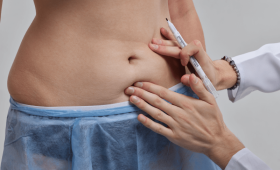
The cornerstone of post-pregnancy restoration is the repair of the linea alba. In a formal Diastasis Recti repair, the surgeon performs internal corset suturing of the abdominal fascia. This process involves pulling the separated muscle bellies back to the midline and securing them with heavy-duty, absorbable sutures. This creates a biological “cinch” that restores intra-abdominal pressure and flattens the profile from the inside out.
Depending on the degree of tissue redundancy and muscle separation, surgeons offer three distinct tiers of abdominoplasty:
- Mini-Tummy Tuck: Ideal for patients with localized skin laxity in the lower abdomen, focusing on a smaller incision and minimal muscle repair.
- Full Abdominoplasty: The gold standard for comprehensive restoration. This involves an extended incision to address both upper and lower abdominal skin laxity and significant muscle repair.
- Extended (360) Tummy Tuck: A circumferential approach that addresses the flanks and the posterior aspect of the waist, ensuring a seamless transition from the front to the sides of the torso.
ability to address a small area of the abdominal wall without significant downtime.
When combined with advanced lipoplasty, the results are transformative. Using Vaser Liposuction, surgeons can achieve high-definition contouring. Unlike traditional suction-assisted methods, Vaser technology uses ultrasound to selectively emulsify fat cells, preserving the structural integrity of surrounding tissues and minimizing bruising and swelling. This allows for the precise sculpting of the flanks to complement the tightened abdominal wall.
Mastopexy and Volumetric Reconstruction: Restoring the Upper Quadrant
The second pillar of restoration focuses on the mammary glands. Pregnancy and breastfeeding often result in mammary ptosis—the downward displacement of the nipple-areola complex relative to the inframammary fold. To restore the youthful “perkiness” of the breast, a Mastopexy (breast lift) is essential. This procedure involves removing excess glandular and cutaneous tissue and repositioning the nipple to a higher, more aesthetic anatomical location.
In cases where tissue volume has been significantly lost, the procedure is often augmented with high-grade prosthetics. Turkey has established itself as a global leader in this sector due to the widespread availability of JCI-approved implants. Patients can choose from premium brands including Motiva, Mentor, or Polytech, ensuring that the implants are biocompatible, highly stable, and designed to mimic the natural movement of breast tissue.
For patients seeking a more dramatic volumetric shift, the BBL (Brazilian Butt Lift) via fat transfer is often integrated into the foundational plan. This involves harvesting adipose tissue from the abdomen (via liposuction) and injecting it into the gluteal region. This not only enhances the posterior silhouette but also utilizes the patient’s own biological material for a more natural-looking augmentation.
The Turkish Global Hub: Safety, Precision, and Logistics
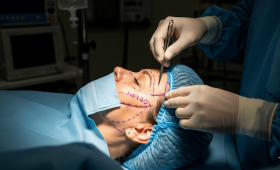
The reason Turkey has become the epicenter for these complex, multi-component surgeries is the seamless integration of surgical excellence and high-tier medical logistics. The “Grandma Makeover” is not a single surgery but a coordinated surgical campaign. The precision of the Turkish approach is supported by rigorous safety benchmarks and a specialized infrastructure designed for international recovery.
“The hallmark of a successful reconstructive procedure is not just the aesthetic outcome, but the adherence to international safety protocols and the use of advanced, ultrasound-assisted technologies that minimize postoperative trauma.”
The logistical framework is designed to alleviate the stress of post-operative care, which is critical during the sensitive 7-10 day window spent in Turkey. The infrastructure includes:
- Seamless Transit: VIP private transfers are provided from major hubs, including Istanbul (IST) or Antalya (AYT), directly to the clinic or recovery suite.
- Specialized Recovery: Patients are accommodated in 5-star recovery suites, which often include a companion stay, ensuring that the patient has constant support during the initial healing phase.
- Pre-Surgical Precision: Before even departing, patients can undergo free online video assessments with board-certified plastic surgeons. This allows for a technical review of the patient’s anatomy and a customized surgical plan.
Investment in Transformation: Comprehensive Cost Analysis
Transparency in medical budgeting is essential for patients planning an international medical journey. While the complexity of a “foundational restoration” varies based on the number of procedures, the cost-efficiency of the Turkish medical sector allows for high-tier surgical options at a fraction of the cost found in the UK or Ireland.
Below is a breakdown of the standard investment ranges for these procedures:
- Standard Package (Foundational Repair): 4,500 – 7,500 USD
- Advanced Combination (Full Reconstruction): 8,000 – 12,000 USD
- Tummy Tuck (Abdominoplasty): 3,000 – 5,000 USD
- Breast Lift (Mastopexy): 2,500 – 4,500 USD
- Liposuction (Per Area): 500 – 1,500 USD
- BBL (Fat Transfer): 3,500 – 5,500 USD
It is important to note that the recovery timeline is a critical component of the surgical budget. While the acute post-operative phase requires 7-10 days in Turkey for monitoring and initial wound care, patients should plan for a 6-week period before they can safely return to high-impact physical exercise or strenuous activity. This period is vital for the stabilization of the internal sutures and the settling of the newly transferred fat cells.
The Architecture of Transformation: Engineering the Advanced Combination Surgery
The phenomenon of the “Grandma Makeover”—a term used colloquially to describe the restorative body contouring sought by women post-childbirth or post-weight loss—is not merely about aesthetic vanity. It is a sophisticated surgical undertaking designed to address anatomical changes through a single, coordinated anesthetic event. For many Irish patients, the appeal lies in the advanced_combination package, which typically ranges from 8,000 – 12,000 USD. This approach allows for the simultaneous correction of multiple anatomical deficits, maximizing the efficiency of the recovery period.
At the heart of these transformations is the integration of abdominoplasty (tummy tuck) and high-definition liposuction. When a patient opts for a tummy_tuck, which ranges from 3,000 – 5,000 USD, the surgical objective often extends beyond skin excision. A critical component of this procedure is the Diastasis Recti repair. This involves internal corset suturing of the abdominal fascia, where the separated rectus abdominis muscles are repositioned and anchored. This structural reinforcement provides much-needed core stability and flattens the abdominal wall from the inside out.
To complement the abdominal tightening, surgeons frequently employ Vaser Liposuction. Unlike traditional mechanical liposuction, Vaser technology uses low-frequency ultrasonic energy to selectively emulsify fat cells while preserving vital structures like nerves and blood vessels. This precision allows for high-definition contouring with minimal bruising, sculpting the flanks, waist, and hips. When integrated with a bbl_fat_transfer (costing between 3,500 – 5,500 USD), the emulsified fat is processed and re-injected into the gluteal region, creating a seamless transition from a narrow waist to a curved silhouette.
The upper body transformation often involves a breast_lift, priced between 2,500 – 4,500 USD, to address ptosis (sagging). Depending on the degree of skin laxity, surgeons may utilize Mentor, Motiva, or Polytech implants, all of which are JCI approved for safety and biocompatibility. These implants are selected for their cohesive gel properties and anatomical profiles, ensuring the result looks natural under the skin.
“The goal of a combination procedure is not to change the patient’s identity, but to restore the anatomical blueprint that existed prior to the physiological stresses of pregnancy or significant weight fluctuations.”
Case Study: Siobhan’s Journey from Cork to Clinical Excellence
To understand the clinical trajectory, one must look at the journey of Siobhan, a 34-year-old mother of three from Co. Cork. After her third pregnancy, Siobhan struggled with persistent abdominal protrusion and loss of breast volume—changes that no amount of traditional fitness could resolve. Her journey began not in Turkey, but via a free online video assessment with board-certified plastic surgeons, allowing her to discuss her medical history and anatomical goals from the comfort of her home.
Upon deciding to proceed with an advanced_combination procedure, Siobhan’s logistical transition was seamless. Following her arrival at Istanbul (IST), she was met by VIP private transfers that transported her directly to her clinic. Her recovery was centered in 5-star recovery suites, where the package included a companion stay, ensuring she had the emotional and physical support required during the immediate post-operative phase.
Siobhan’s surgical plan included an Extended (360) Tummy Tuck to address the lateral flanks, paired with liposuction_per_area (averaging 500 – 1,500 USD per targeted zone) and a breast augmentation. The technical precision of the Diastasis Recti repair was the most transformative element for her, as it restored her core strength. Within 7-10 days in Turkey, Siobhan was able to begin her descent back to Ireland, following a strict post-operative protocol that allowed for a 6 weeks for full exercise return.
Precision, Safety, and the JCI Standard
The decision to undergo major surgery abroad hinges entirely on the rigor of the medical environment. The “Grandma Makeover” is only as successful as the safety protocols governing the operating theatre. The surgeons participating in these transformations operate under JCI (Joint Commission International) standards, the gold standard in global healthcare accreditation. This ensures that every aspect of the patient journey—from sterilization techniques to the management of anesthetic complications—meets stringent international benchmarks.
The technical versatility of the procedures offered allows for highly personalized care:
- Tummy Tuck Options: Patients can choose between Full, Mini, or Extended (360) techniques depending on the extent of skin laxity and abdominal muscle separation.
- Standardized Packaging: For less invasive needs, the standard_package (4,500 – 7,500 USD) provides essential contouring without the complexity of full abdominoplasty.
- Advanced Fat Processing: The use of high-grade centrifuges during bbl_fat_transfer ensures that only the highest quality adipocytes are used for grafting, maximizing graft survival rates.
- Implant Integrity: Strict adherence to using only JCI approved implants, such as Motiva, ensures the longevity of the breast augmentation and minimizes the risk of capsular contracture.
For the Irish retiree or the busy mother, the intersection of high-tier medical technology and streamlined logistics provides a pathway to physical restoration that is both economically viable and clinically superior. By focusing on the technical mechanics of the surgery—the internal corset suturing, the Vaser-driven contouring, and the JCI-vetted implantology—the “Grandma Makeover” transcends simple aesthetics, becoming a profound medical intervention in personal well-being.
The Architecture of Recovery: Navating Post-Operative Logistics in Turkey
For the Irish retiree seeking a “Grandma Makeover,” the surgical procedure itself is only one half of the equation. The true hallmark of a premium medical journey lies in the post-operative sequestration—the period following surgery where clinical precision meets luxury convalescence. Unlike the standard recovery models found in the UK or USA, which often necessitate a solitary, often difficult, return to domestic responsibilities, the Turkish model is engineered around a managed medical itinerary. This involves a seamless transition from the operating theatre to high-end recovery environments designed to mitigate the physical stressors of healing.
The logistics of this transformation are anchored by highly efficient transport and accommodation infrastructures. Upon arrival at either Istanbul (IST) or Antalya (AYT), patients are met with VIP private transfers that bypass the typical stressors of international travel. This continuity of care extends to the accommodation phase, where patients are transitioned into 5-star recovery suites. Crucially, these packages are designed with the “companion stay” model, allowing a spouse or family member to remain in the suite, providing the necessary emotional and physical support during the acute healing phase without the logistical burden of managing separate hotel bookings.
“The success of aesthetic rejuvenation is not merely measured by the surgical outcome, but by the physiological stability maintained during the post-operative window.”
Clinical Specifications: The Science of Rejuvenation
The “Grandma Makeover” often targets the structural changes that occur following multiple pregnancies and the natural effects of aging. This requires more than simple fat removal; it requires advanced anatomical reconstruction. A primary focus for many patients is the repair of Diastasis Recti, a condition where the abdominal muscles have separated. The surgical protocol involves a meticulous internal corset suturing of the abdominal fascia, which restores the core’s structural integrity and flattens the midsection from the inside out.
To achieve high-definition contouring with minimal trauma to the surrounding tissue, surgeons frequently utilize Vaser Liposuction. This ultrasonic technology uses low-frequency vibrations to emulsify adipose tissue, allowing for more precise sculpting and significantly minimal bruising compared to traditional methods. This is particularly vital for patients who need to adhere to a strict recovery timeline before their return flight.
Furthermore, the integrity of breast augmentations or lifts is predicated on the quality of the implants used. Premium Turkish clinics utilize only JCI-approved materials, specifically Mentor, Motiva, or Polytech implants. These brands are selected for their shell stability and cohesive gel properties, ensuring long-term aesthetic satisfaction. Depending on the patient’s anatomical requirements, surgeons may offer various tummy tuck options, ranging from Full, Mini, or Extended (360) techniques to address both the epigastric and lower abdominal regions.
The Timeline: Managing the Return to Routine
One of the most critical logistical considerations for Irish patients is the “fly-home” window. The recovery protocol is strictly divided into two distinct phases: the acute clinical phase and the functional reintegration phase.
- The Acute Phase (7-10 days in Turkey): This period is spent in the controlled environment of the recovery suite. During these 7-10 days, the focus is on wound monitoring, lymphatic drainage, and managing the initial inflammatory response.
- The Functional Phase (6 weeks): While the patient will return to Ireland after the first week, the physiological healing continues. Patients are advised that a 6-week period is required before a full return to strenuous exercise or heavy lifting.
For those traveling with family or managing childcare logistics, this timeline allows for a period of “active rest” in Turkey, where the physical burden of care is shifted to the medical support staff and companions, allowing the patient to focus entirely on the biological demands of tissue healing.
2026 Financial Comparative: Turkey vs. UK/USA
The economic driver for the “Grandma Makeover” trend remains the profound disparity in cost-to-quality ratios. When projecting for 2026, the cost of elective reconstructive surgery in the UK or USA is expected to rise due to inflationary pressures on medical consumables and specialized labor. In contrast, the Turkish model leverages high-volume efficiency to offer premium results at a fraction of the cost.
Below is a breakdown of the projected 2026 costs for essential procedures:
| Procedure Type | Estimated Cost (USD) |
| Standard Package (All-inclusive) | 4,500 – 7,500 USD |
| Advanced Combination Surgery | 8,000 – 12,000 USD |
| Tummy Tuck (Abdominoplasty) | 3,000 – 5,000 USD |
| Breast Lift (Mastopexy) | 2,500 – 4,500 USD |
| Liposuction (Per target area) | 500 – 1,500 USD |
| BBL (Fat Transfer/Brazilian Butt Lift) | 3,500 – 5,500 USD |
When these figures are compared to the UK or USA, where a single tummy tuck can easily exceed 15,000 USD (excluding hospital fees and anesthesia), the savings allow patients to allocate funds toward a more extended, luxury recovery stay. This financial surplus essentially funds the “medical holiday” aspect of the journey.
Pre-Operative Precision via Digital Consultation
To bridge the gap between the initial inquiry and the physical arrival in Turkey, the process begins with free online video assessments. This is not merely a way to discuss pricing, but a sophisticated clinical step where board-certified plastic surgeons review photographic evidence of the patient’s anatomy. This allows for the remote calculation of surgical requirements—such as determining if a patient requires an Extended (360) tummy tuck or a Mini version—ensuring that when the patient arrives at IST or AYT, the surgical plan is already finalized and the logistics are perfectly synchronized with the clinical needs.
Considering a Mommy Makeover in Turkey? Get a Free Quote for your Why Many Irish Retirees are Getting “Grandma Makeovers” in Turkey Transformation with cureholiday.com
Free Consultation
Fill out the form below to get your free medical travel plan and price quote.
Sources and how to verify this yourself
- Ministry of Health, Regulation on International Health Tourism and Tourist Health, Official Gazette 26 April 2025, No. 32882 — authorisation requirement for facilities and intermediaries, TÜSKA accreditation, compulsory complication insurance (deadline 31 December 2025 for insurance, 31 December 2026 for accreditation). source
- Ministry of Health, Regulation on Promotion and Information Activities in Health Services, Official Gazette 12 November 2025, No. 33075 — treatment promises and guarantees are prohibited; price and campaign announcements are permitted only within international health tourism. source