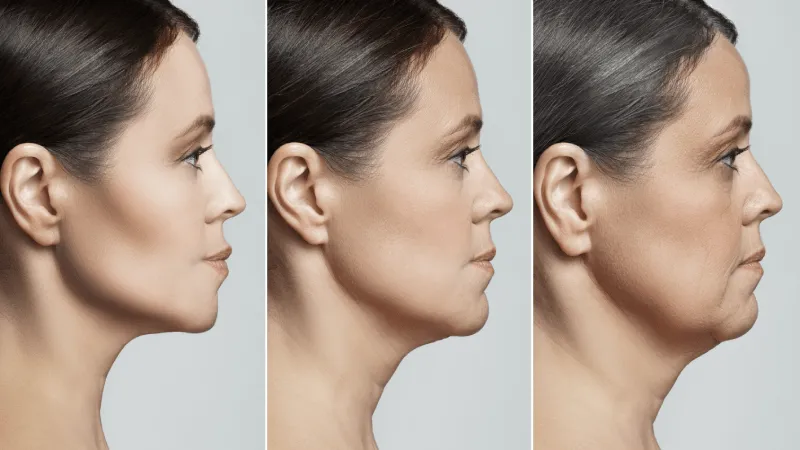
What Exactly Is Blepharoplasty and What Is Its Purpose?
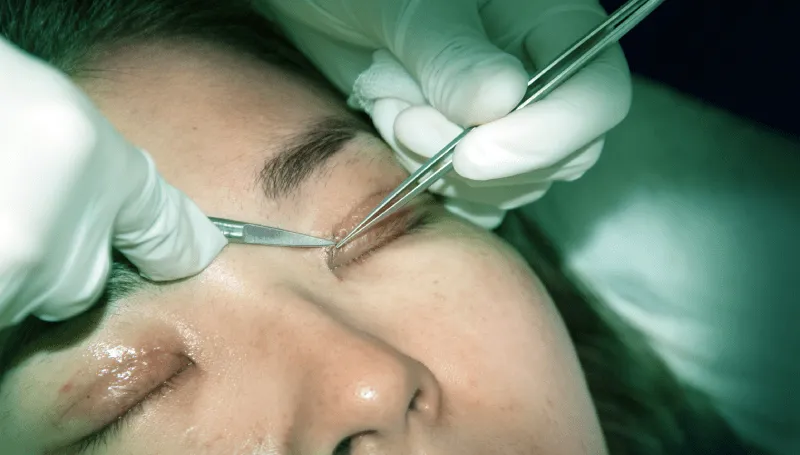
Blepharoplasty is a surgical procedure aimed at aesthetically and functionally correcting the eyelids. Its main purpose is to eliminate sagging and puffiness in the eyelids by removing or repositioning excess skin, muscle, and fatty tissue that accumulate over time. This procedure provides both aesthetic improvement by reducing signs of aging (wrinkles and droopiness) and functional benefit by correcting upper eyelid sagging that can restrict the field of vision. Consequently, patients achieve a younger, more alert, and vibrant look around the eyes.
Which Problems Does Upper Eyelid Surgery Solve?
Upper eyelid surgery generally targets excess skin and fatty tissue accumulated in the upper eyelid due to aging, genetic factors, or lifestyle. This excess causes the eyelid to sag, pushes the eyebrows downward, and makes the person look tired and sleepy. In some advanced cases, this sagging skin can even narrow the field of vision. The surgeon removes the excess skin and, if necessary, fat pads through an incision hidden in the natural crease line, restoring the eyelid’s tightness and youthful appearance, and improving visual function.
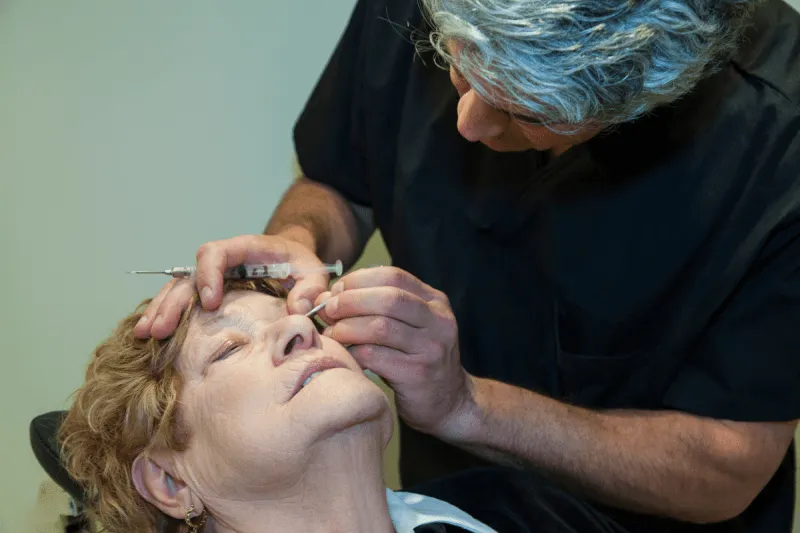
Why Is Lower Eyelid Surgery Performed?
The main reason for lower eyelid surgery is to eliminate the puffy and baggy appearance caused by the herniation of fat pads under the lower eyelid. Lower eyelid sagging and resulting deep wrinkles are also targets of this operation. The surgeon can remove these herniated fat pads or reposition them to fill the tear trough under the eye. Lower eyelid blepharoplasty also reduces the shadowing of dark circles, smooths the lower eyelid-cheek junction, and gives the patient a more rested, energetic expression.
Who Is Suitable for Blepharoplasty?
Blepharoplasty is generally suitable for healthy individuals aged 35 and over who show signs of aging such as sagging, puffiness, bags, or deep wrinkles in their eyelids. However, individuals who experience these problems at a younger age due to genetic predisposition may also be candidates. Candidates must have realistic expectations, have serious eye conditions (such as glaucoma, dry eyes) under control, and be in a general state of health suitable for surgery. Smoking is an important factor that must be stopped before surgery as it can negatively affect the healing process.
How Does the Pre-operative Preparation Process Work?
The pre-operative preparation process begins with an assessment of the patient’s general health status. The surgeon thoroughly reviews the patient’s medical history, especially eye diseases (such as dry eye syndrome) and medications being used. Patients are asked to discontinue blood-thinning medications and certain herbal supplements for a specific period before the surgery. Detailed photographs are taken, and a comprehensive consultation regarding the patient’s expectations is carried out. Completely stopping smoking and alcohol consumption during this period is essential for a successful operation and rapid recovery.
How Is Blepharoplasty Performed: Step-by-Step Procedure
The blepharoplasty procedure varies depending on whether it is applied to the upper or lower eyelid. In the upper eyelid, the surgeon makes an incision hidden in the natural crease line, removes the excess skin and fat, and then closes the incision with fine sutures. In the lower eyelid, an incision is usually preferred just below the lash line or via a transconjunctival approach (through the inside of the eyelid). The fat pockets are either removed or spread into the tear trough. Both procedures are completed with precision, and incisions are planned to minimize scarring.
Is Local or General Anesthesia Preferred?
Blepharoplasty is generally performed under local anesthesia and sedation (a state of light sleep). This method ensures that the patient does not feel pain or discomfort during the procedure while eliminating the risks and long recovery time associated with general anesthesia. However, general anesthesia may also be preferred in cases of extensive procedures where upper and lower eyelid surgeries are performed together, or if the patient experiences excessive anxiety. The surgeon evaluates the patient’s general health and the scope of the operation to determine the most suitable anesthesia method.
How Long Does the Post-operative Recovery Period Last?
The post-operative recovery period varies from person to person, but the first few days are critical. Patients are usually discharged on the same day. Swelling and bruising are most intense during the first week. Stitches are removed 5 to 7 days later. Most patients can return to work with light makeup after the stitches are removed. While major swelling subsides within 2-3 weeks, the final and complete results can take 3 to 6 months to appear. Applying cold compresses and keeping the head elevated in the early period accelerates healing.
What Are the Possible Side Effects and Risks?
As with any surgical procedure, blepharoplasty has some possible side effects and risks. The most common side effects are temporary swelling, bruising, dry or watery eyes, sensitivity to light, and temporary blurred vision. Rarer and more serious risks include infection, bleeding, wound healing problems, asymmetry, and very rarely, vision disturbances. The surgeon’s experience, meticulous adherence to post-operative instructions, and selection of the right clinic are vital to minimize risks.
When Are Stitches Removed and Do Scars Remain?
Blepharoplasty stitches are usually removed within 5 to 7 days after the surgery. Since the incision in the upper eyelid is hidden in the natural crease line of the eyelid, the scars become almost invisible when healing is complete. Scars from incisions made just below the lash line in the lower eyelid also fade quickly. When the transconjunctival method is used, there is absolutely no visible external scar. Good wound care, sun protection, and adherence to the doctor’s advice play a critical role in the fading of scars.
What Are the Combined Treatments in Periocular Aesthetics?
Blepharoplasty can often be combined with other aesthetic procedures to address all signs of aging around the eyes. For example, blepharoplasty can be performed simultaneously with ptosis (droopy eyelid) correction. If the eyebrows are sagging, it can be combined with a brow lift (temporal lift) operation. Furthermore, non-surgical treatments such as Botox, fillers, laser applications, or mesotherapy can be added during or after the surgery to improve fine wrinkles and skin quality, achieving much more holistic and successful results.
How Are Post-operative Swelling and Bruising Managed?
Post-operative swelling and bruising are natural responses of the body to surgery and usually peak within the first 48 hours. To manage these symptoms, applying cold compresses regularly (at 15-20 minute intervals per hour) during the first 48 hours is vital. Additionally, keeping the head elevated while sleeping (with extra pillows) helps resolve the edema. Anti-inflammatory medications and ointments recommended by the surgeon also accelerate this process. Most bruising completely disappears within 10-14 days.
Are Blepharoplasty Results Permanent?
Blepharoplasty results provide long-lasting and permanent improvements in the appearance of the eyelids. Since the excess skin and fatty tissue that are removed are permanently gone, the effect of the operation lasts for many years. However, it should be remembered that the procedure does not completely stop the aging process. The eye area will naturally continue to age over time. Therefore, a healthy lifestyle, sun protection, and good skin care are crucial to maximize the permanence and duration of the blepharoplasty results.
Is Treatment for Droopy Eyelid (Ptosis) Different?
Droopy eyelid (ptosis), unlike sagging caused only by excess skin, is a condition where the eyelid sits lower than normal due to weakness or damage to the muscle that lifts the eyelid (levator muscle). Ptosis treatment requires a different surgical technique than aesthetic blepharoplasty; this involves shortening or repairing the levator muscle. Since many patients experience both ptosis and excess skin sagging, the surgeon can correct both conditions with a single combined operation to achieve both a functional and aesthetic outcome.
What Is Transconjunctival Blepharoplasty?
Transconjunctival blepharoplasty is a method preferred particularly when the bagginess and herniated fat in the lower eyelid need to be addressed, but there is no significant skin sagging or excess skin. In this technique, the surgeon makes the incision through the inner surface of the lower eyelid (conjunctiva). This means there is no incision scar on the skin surface, and the risk of a visible scar is completely eliminated. The recovery process is generally faster and is an ideal solution, especially for younger patients or those with only a fat bag problem.
Why Is Turkey a Popular Destination for Eyelid Aesthetics?
Turkey has become a global center for eyelid aesthetics due to its qualified plastic surgeons, high-tech, fully equipped hospitals, and the significant cost advantages it offers compared to Western countries. Turkish surgeons have international experience in both aesthetic and functional blepharoplasty. The opportunity to combine the treatment process with a holiday experience rich in history and culture is one of the most important factors that make Turkey attractive to international patients.
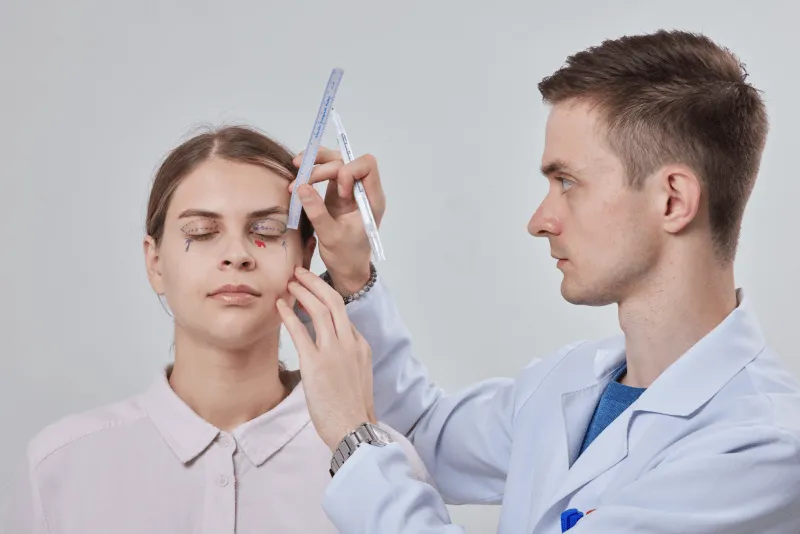
The Experience and Expertise of Turkish Plastic Surgeons
Turkish plastic surgeons have often trained abroad and worked at internationally recognized medical institutions. The high patient volume and demand for aesthetic surgery in Turkey have allowed surgeons to specialize in a wide variety of case types. In delicate facial aesthetic procedures like blepharoplasty, Turkish surgeons are generally known for their high precision and artistic approaches. This experience guarantees that patients receive treatment with a high success rate in reliable hands.
Technological Equipment and Standards of Clinics in Turkey
Leading aesthetic surgery clinics and hospitals in Turkey are equipped with state-of-the-art technology devices that comply with international standards. Operating rooms adhere to the strictest international protocols for sterilization and hygiene. Modern surgical instruments and digital imaging systems that provide precise cutting and minimal trauma are widely used in blepharoplasty procedures. This high-level technological infrastructure forms the basis for safe and effective operation delivery.
International Comparison of Blepharoplasty Costs in Turkey
Blepharoplasty costs in Turkey are generally 50% to 70% lower compared to similar quality operations in Europe, the USA, and Canada. This significant cost advantage includes not only the surgical costs but also anesthesia, hospital stay, and medical supply expenses. The price difference stems from Turkey’s general economic structure and lower operational expenses; it certainly does not indicate a lack of service or quality. This situation allows patients to utilize their budgets more efficiently.
Cultural and Touristic Advantages of Receiving Treatment in Turkey
Choosing Turkey for blepharoplasty treatment means not only an aesthetic improvement but also a rich cultural experience. Patients can explore the historical texture of Istanbul, the beaches of Antalya, or the modern Aegean atmosphere of Izmir. They can use the short post-operative recovery period to rest in a luxury hotel or participate in guided tours. This is a unique advantage that transforms the health journey into an unforgettable and holistic holiday experience.
Health Tourism Opportunities in Istanbul, Antalya, and Izmir
Istanbul, Antalya, and Izmir, the prominent cities for health tourism in Turkey, offer different opportunities. Istanbul is known for its numerous internationally accredited hospitals and high concentration of expert surgeons. Antalya is ideal for those who want to spend their recovery period in the relaxing atmosphere of the Mediterranean climate. Izmir combines the quality of life of the Aegean with modern clinic facilities. Agencies like Cure Holiday offer support in choosing the most suitable city and clinic for the patient’s expectations.
Accommodation and Transfer Facilities in Turkey
Accommodation and transportation services are flawlessly organized in Turkey for the comfort of health tourism patients. Often, accommodation included in the treatment package is provided in luxury hotels located close to the clinic. All transfers between the airport, hospital, and hotel are carried out with private and comfortable vehicles. This logistical support completely eliminates the stress of transportation and settling in that a patient might experience in a foreign country, allowing the patient to focus solely on their recovery.
Is a Language Barrier Experienced During Treatment?
All leading clinics and agencies operating in the field of health tourism in Turkey employ multilingual staff and professional interpreters to ensure smooth communication for international patients. Personnel providing services in languages such as English, German, Arabic, and Russian facilitate communication between patients and their surgeons, nurses, and other healthcare staff. Cure Holiday guarantees that all details of the treatment plan are accurately understood by providing uninterrupted interpreting services in the patient’s native language.
Post-treatment Follow-up Procedures in Turkey
Reliable Turkish clinics and Cure Holiday attach great importance to post-operative follow-up processes. Even after patients return to their home countries, they continue to be monitored remotely by their surgeons via digital communication channels (video conferencing, e-mail). The recovery process is regularly tracked, immediate answers are given to possible questions, and necessary advice is provided. This comprehensive remote follow-up ensures that patients feel safe at home and allows for the early detection of possible complications.
Turkish Hospitals with International Accreditations
Many large private hospitals and surgical centers in Turkey hold prestigious accreditations like JCI (Joint Commission International), indicating their compliance with international quality and safety standards. These accreditations show that the hospital is globally audited and approved for hygiene, patient safety, technology, and the quality of medical services. Patients undergoing blepharoplasty should prefer facilities with these accreditations, as it provides an additional guarantee of treatment safety.
How to Choose the Right Surgeon for Aesthetic Treatment in Turkey?
Choosing the right surgeon in Turkey is the most critical step for a successful outcome. Prospective surgeons’ membership in the Turkish Society of Plastic, Reconstructive and Aesthetic Surgeons, certifications from international surgical associations, and specific experience in blepharoplasty should be checked. Reviewing patients’ before/after photos and reading previous patient reviews is also important. Cure Holiday facilitates and guarantees the process of selecting surgeons with proven expertise that best fit the patient’s needs and expectations.
Pre-operative Consultation Process in Turkey
Before traveling to Turkey, patients conduct a detailed online consultation with their surgeon through Cure Holiday. During this meeting, the patient’s photos and medical information are evaluated, expectations are clarified, and the details of the operation (incision sites, anesthesia, combined procedures) are discussed. Upon arrival in Turkey, a second face-to-face consultation is held immediately before the surgery. This is vital for the surgeon to perform final checks, answer the patient’s last questions, and precisely make the surgical markings.
Travel Duration and Planning to Turkey
Travels to Turkey for blepharoplasty are usually planned to cover a period of 5 to 7 days. This period includes the final pre-operative consultations, the day of the operation, the initial recovery period (days with the most intense swelling and bruising), and the removal of the stitches. Patients are usually advised to rest in a comfortable hotel near the clinic for the first 3-4 days to ensure a smooth recovery. Cure Holiday organizes all appointments and transfers during this period according to the patient’s schedule.
Rapid Recovery Advantages of Blepharoplasty Treatment
Blepharoplasty offers a faster recovery process compared to other major aesthetic surgical procedures. The rich blood supply around the eyes helps resolve bruising and swelling quickly. This rapid recovery is a great advantage, especially for international patients, as they do not have to stay away from work or social life for a long time. Most patients have the comfort of returning to their social life with light makeup about a week after the stitches are removed.
Combining Treatment with a Holiday in Turkey
Blepharoplasty treatment in Turkey offers the opportunity to combine the recovery process with a cultural holiday experience. Patients can spend their first rest days after the surgery in their hotels, and after the stitches are removed, they can dedicate the remaining days to city tours, museum visits, or relaxing by the sea. This means a holistic travel plan that renews both the spirit and the body, rather than just undergoing an operation. Cure Holiday plans this combination flawlessly.
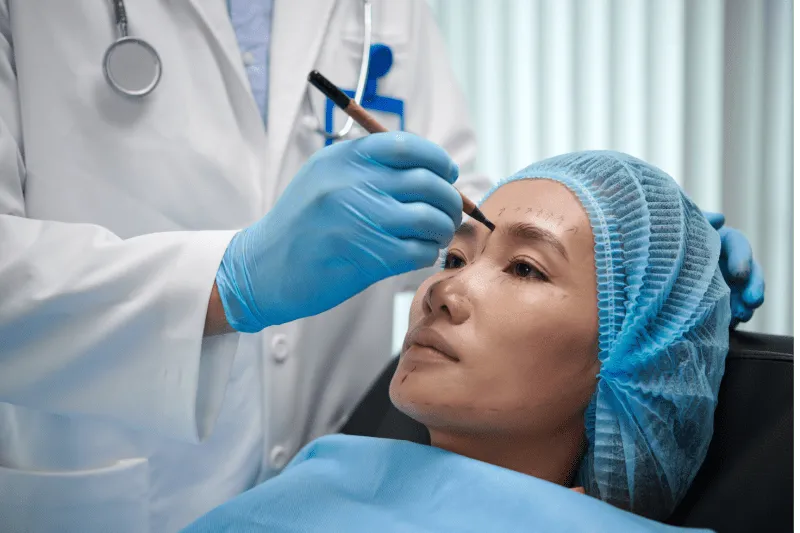
What Is Cure Holiday and What Services Does It Offer?
Cure Holiday is a full-service health tourism agency that offers medical and aesthetic procedures like blepharoplasty to international patients in Turkey. Its services are not limited to just organizing the operation. It manages the entire process from the patient’s initial online consultation to their return home, and even post-operative remote follow-up. It offers luxury accommodation, VIP transfers, 24/7 support, and multilingual interpreting services under one package, ensuring patients have a worry-free treatment process.
Expert Surgeons Contracted by Cure Holiday
Cure Holiday collaborates only with leading Turkish plastic surgeons who have high success rates and international certifications in their fields. These surgeons are professionals specialized in facial aesthetics and blepharoplasty, having performed hundreds of successful operations. Cure Holiday prioritizes quality, experience, and patient satisfaction in surgeon selection. Patients can be assured of receiving treatment from Turkey’s best aesthetic surgeons under the guarantee of Cure Holiday.
How Does the Treatment Process Start and Progress with Cure Holiday?
The blepharoplasty treatment process with Cure Holiday begins with a free initial online consultation. The patient’s photos and expectations are evaluated, and the suitable surgeon and treatment plan are determined. Upon approval, travel and accommodation arrangements are made by Cure Holiday. Upon arrival in Turkey, patients are met at the airport and settled in the hotel. Final checks are done before the surgery, and the operation is performed. After recovery, the stitches are removed, and the patient returns safely to their country with all support services.
How Are Accommodation and Transfer Services Organized?
Cure Holiday organizes accommodation and transfer services luxuriously and smoothly to ensure the patient’s comfort. Accommodation is usually arranged in high-quality 4 or 5-star hotels located close to the clinic where the treatment will be received. All transfers between the airport, the hospital, and the hotel, before and after the surgery, are carried out with private and comfortable VIP vehicles. These arrangements completely eliminate the patient’s stress of navigating or settling in a foreign city and ensure a comfortable recovery period.
What Does the Treatment Package Content Cover?
The Cure Holiday blepharoplasty treatment package is prepared with full transparency and generally includes all essential needs. The package content covers the specialist surgeon’s operation fee, anesthesia and hospital costs, necessary post-operative medications, all airport-hotel-clinic transfers, accommodation for a specified period, and multilingual personal interpreting services during the treatment. This all-inclusive approach prevents patients from encountering unexpected additional costs and facilitates budget planning.
Cost Transparency and Absence of Hidden Fees with Cure Holiday
Cure Holiday adheres to the principle of full cost transparency in the services it provides. The initial detailed quote presented to the patient clearly specifies all service items included and excluded from the package. The total cost of the surgery is fixed, and there are absolutely no hidden fees or surprise additional payments requested during the process. This transparent pricing policy is a fundamental guarantee that increases the trust of international patients and is one of the reasons they choose Cure Holiday.
Customer Satisfaction Rates and Real Patient Feedback
Cure Holiday stands out in the industry with its high customer satisfaction rates. The majority of patients praise both the quality of the surgical results and the professionalism of the travel and logistical services. Verified real patient feedback on the company’s website and independent evaluation platforms (Google, Trustpilot, etc.) provides the most tangible evidence of Cure Holiday’s service quality and reliability. These feedbacks are an important reference source for new patients.
Extra Advantages Offered by Cure Holiday for International Patients
Cure Holiday offers extra advantages beyond standard services to maximize the comfort and ease of international patients. These may include VIP meet-and-greet and transfer options, organization of food/beverage orders to the hotel during the recovery period, guidance services for cultural activities, or accommodation arrangements suitable for special dietary requirements. This personalized approach ensures patients feel safe and valued, as if they were at home.
Emergency Management and Support During Treatment
Cure Holiday provides comprehensive and uninterrupted support for any potential emergencies during the treatment process. Patients are assigned a 24/7 emergency support line. In case of unexpected medical needs or minor complications, patient coordinators quickly step in to coordinate the patient’s prompt access to the surgeon or clinic. This continuous support and emergency planning is a great source of safety and peace of mind for international patients.
Psychological Comfort and Assurance of Treatment with Cure Holiday
Receiving blepharoplasty treatment in Turkey through Cure Holiday means not only a physical transformation but also a significant psychological relief for patients. The uncertainty and stress associated with undergoing surgery in a foreign country are eliminated because all logistics, accommodation, and medical coordination are managed by a single expert. Patients can focus entirely on their recovery, with the comfort of knowing they are with the best surgeons in the safest clinics.
Why Should You Choose Cure Holiday for Your New Look?
Blepharoplasty is a delicate operation that fundamentally changes the aesthetic of your face. Therefore, working with the best surgeons is vital. Cure Holiday brings together Turkey’s most experienced plastic surgeons, the highest standard hospital conditions, and the most favorable cost advantages for you. We offer personalized, 24/7 uninterrupted support, and full cost transparency throughout the entire process. Choose Cure Holiday to safely achieve your new, rested, and vibrant look.
When Does Makeup Use Start After Blepharoplasty?
Makeup use after blepharoplasty surgery is generally recommended approximately 10 days later, after the stitches have been removed and the surgical incisions have fully closed. Even after the stitches are removed, non-pressurizing, hypoallergenic, and preferably mineral-based makeup products should be preferred. Especially makeup applied to the eyelids must be cleaned gently. Concealer can be used to cover bruises during the first few weeks, but makeup should absolutely not be applied without the surgeon’s approval.
Functional Effect of the Surgery on the Field of Vision
Blepharoplasty provides significant functional improvement, especially in cases where the field of vision is restricted due to excessive sagging of the upper eyelid. Sagging skin can narrow the field of vision, particularly when looking up or sideways. When this excess skin is removed during the operation, the patient’s peripheral field of vision expands. This is not just an aesthetic gain but also a medical benefit that significantly increases the quality of daily life, especially in activities like driving and reading.
What Questions Should Be Asked When Choosing the Ideal Surgeon for Blepharoplasty?
When selecting a surgeon for blepharoplasty, there are some critical questions that must be asked of the prospective physician. These include: “How many blepharoplasty operations do you perform annually?”, “Which technique (transconjunctival/transcutaneous) do you recommend for the lower and upper eyelids and why?”, “What is your potential complication rate?”, and “How does your post-operative care and follow-up process work?”. Clear and satisfactory answers to these questions are vital for understanding the surgeon’s experience and approach.
Special Dietary Requirements During Treatment in Turkey
Cure Holiday takes into account all the special requirements of international patients. A low-salt, high-protein diet is recommended in the post-operative period to reduce swelling and support rapid healing. If the patient has vegetarian, vegan, gluten-free, or other special dietary requirements, Cure Holiday’s contracted accommodation and clinics provide menus and arrangements suitable for these nutritional needs. Sensitivity regarding nutrition is kept at the highest level for the patient’s comfort and speed of recovery.
The Difference Between Under-Eye Light Filler and Blepharoplasty
Under-eye light filler is a non-surgical procedure that temporarily fills and improves the hollowness and dark circles under the eyes. Blepharoplasty, on the other hand, is a surgical solution that permanently corrects the herniated fat pads or sagging skin causing bags under the eyes. The two procedures can be complementary rather than alternatives. If the problem is just mild hollowness, filler may be sufficient, but if there is advanced fat bagging, the permanent solution is blepharoplasty. The surgeon evaluates the patient’s condition in detail to make the correct decision.
Free Consultation
Fill out the form below to get your free medical travel plan and price quote.
Sources and how to verify this yourself
- Ministry of Health, Regulation on International Health Tourism and Tourist Health, Official Gazette 26 April 2025, No. 32882 — authorisation requirement for facilities and intermediaries, TÜSKA accreditation, compulsory complication insurance (deadline 31 December 2025 for insurance, 31 December 2026 for accreditation). source
- Ministry of Health, Regulation on Promotion and Information Activities in Health Services, Official Gazette 12 November 2025, No. 33075 — treatment promises and guarantees are prohibited; price and campaign announcements are permitted only within international health tourism. source