What is a Dental Bridge and How Does It Work?
A dental bridge is a traditional restoration method used to replace one or more missing teeth. As the name suggests, it establishes a “bridge” between two adjacent, healthy teeth. This treatment involves preparing (reducing) the natural teeth on either side of the missing tooth (abutment teeth) to cap them with crowns, and then fixing an artificial tooth (pontic) between these crowns. This structure restores the function and aesthetics of the lost tooth, significantly improving chewing ability and speech quality.
What are the Types of Conventional Dental Bridges?
The conventional bridge is the most commonly used type and requires natural tooth support on both sides of the missing tooth gap. These abutment teeth are capped with porcelain or metal-porcelain crowns. Although this method offers a solid and reliable solution, it is important to remember that it necessitates the permanent removal of healthy tooth structure to support the bridge. This type of bridge is generally preferred for posterior tooth loss in areas where chewing forces are intense and requires careful preparation of the adjacent teeth.
Who is Suitable for Cantilever Bridges?
Cantilever bridges are a type of bridge used when there is an abutment tooth only on one side of the missing tooth. This means only a single natural tooth is available to support the bridge, and the pontic extends over the gap, anchored to that one abutment tooth. This design can offer an alternative in cases of missing end teeth in the posterior region or in special circumstances where the adjacent tooth cannot be used for bridge support. However, due to single-sided support, they have less stability and are not recommended in areas subjected to excessive chewing pressure, which can increase the risk of failure over time.
What are the Advantages of Maryland (Resin-Bonded) Bridges?
Maryland bridges are a more minimally invasive option that does not require the preparation (shaving) of the abutment teeth. The artificial tooth (pontic) is attached to the adjacent teeth behind the missing tooth using specialized cement and metal or porcelain wings (bands). This is an excellent solution, especially for small gaps in the anterior teeth, as the healthy tooth structure is preserved entirely. The disadvantage is that they are less durable than conventional bridges and may occasionally detach from the surface to which they are bonded, requiring regular maintenance.
How Does the Dental Bridge Placement Process Work?
The process of placing a dental bridge is typically completed over two or more appointments. In the first visit, the abutment teeth that will support the bridge are shaped, and an impression is taken. While this impression is sent to the laboratory to prepare the bridge structure, a temporary bridge is placed. In the second visit, the fit and color of the permanent bridge prepared in the lab are checked before it is cemented into place. This straightforward procedure can be completed within a few hours, allowing patients to return to their daily lives immediately, which is a great convenience for those seeking a quick solution.
Key Benefits and Advantages of Dental Bridges
The most important benefit of dental bridges is that they offer a relatively fast solution and generally have a lower initial cost compared to implants. Furthermore, they do not require surgical intervention, making them attractive to patients who prefer to avoid surgery or who have insufficient bone structure for an implant. They immediately restore chewing function and help preserve the jaw structure by preventing adjacent teeth from shifting into the gap.
What are the Long-Term Disadvantages of Dental Bridges?
The biggest disadvantage of bridges is the requirement to reduce the supporting natural teeth. The loss of healthy tooth structure makes these teeth more vulnerable to future risks of decay or nerve damage. Additionally, the jawbone beneath the bridge may continue to resorb over time because the pontic does not make direct contact with the bone. This bone loss can lead to a gap forming under the bridge in later years and cause aesthetic problems.
What is a Dental Implant and What is its Structure?
A dental implant is the most modern and effective way to permanently replace a missing tooth. The implant is a small screw made of titanium that is surgically placed into the jawbone
. This screw acts as an artificial tooth root. It consists of three main components: the post placed in the bone (implant), the abutment (connector piece) attached to this post, and the artificial crown placed over the abutment. Implants have a wide range of uses, from replacing a single tooth to full jaw restoration.
How Does a Dental Implant Work and Integrate with the Bone?
The key to the success of a dental implant is a biological process called osseointegration. During this process, the titanium implant material fuses directly with the jawbone cells, forming a solid, permanent foundation within the bone. Osseointegration typically takes 3 to 6 months to complete. This fusion allows the implant to function like a natural tooth root, transmitting chewing forces directly to the bone, which helps preserve the bone and prevent resorption.
What are the Stages of Dental Implant Treatment?
Implant treatment consists of several stages: The first stage is the surgical placement of the implant into the jawbone. This is followed by a healing period (osseointegration) that allows the implant to fuse with the bone. Once healing is complete, the abutment is attached to the implant. In the final stage, the permanent crown, designed to look as much like a natural tooth as possible, is cemented onto the abutment. The entire process can take anywhere from a few months to a year, depending on the patient’s bone condition, but the results are long-lasting and natural.
Long-Lasting Advantages of Dental Implants
Dental implants are permanent solutions that, with proper care, can last a lifetime. Their longevity sets them apart from other restoration options. Implants do not harm adjacent teeth or use them for support, which means healthy tooth structure is preserved. They also stimulate the jawbone, preventing bone loss and helping to preserve facial contours, thereby preventing facial collapse and ensuring a youthful appearance.
Disadvantages and Risks of Dental Implants
The most apparent disadvantages of dental implants are that they require a surgical procedure and have a higher initial cost compared to bridges. Furthermore, not all implants may succeed; smoking, poor hygiene, or certain underlying health conditions can increase the risk of failure. The treatment period is also longer than for bridges, as there is a healing period required for osseointegration to take place.
Bridge or Implant: Key Decision Criteria
The fundamental decision between a dental bridge and an implant depends on the patient’s overall health, budget, bone density, and expectations regarding treatment duration. Implants are considered a better long-term investment because they preserve adjacent teeth and support the jawbone. Bridges, on the other hand, are a good alternative for those seeking a quick, non-surgical solution or those who do not have suitable bone structure for an implant.
The Difference in Impact on Adjacent Teeth
The most critical difference between these two treatments is their effect on adjacent teeth. Bridges require the permanent reduction of healthy teeth next to the missing tooth, whereas implants function independently and require no alteration to neighboring teeth. This means implants are clearly superior in preserving healthy tooth structure. In the long term, the protection of natural teeth is vital for overall oral health.
Which Treatment is Superior in Preserving Jawbone Health?
In terms of jawbone health, dental implants are clearly superior to dental bridges. Like natural tooth roots, implants transmit chewing forces directly to the bone, stimulating it and preventing resorption. With bridges, the artificial tooth (pontic) does not contact the bone, so there is no bone stimulation, and the bone tissue under the bridge continues to be lost over time, which can lead to changes in facial features.
Comparison of Treatment Duration and Number of Procedures
Bridge treatment is usually completed within a few weeks, while implant treatment can take 3 to 9 months due to the osseointegration period. Bridges offer a faster solution for urgent aesthetic or functional needs. However, since implants act as a permanent root, the longer treatment time is often acceptable given the lasting benefits achieved.
Ease of Maintenance and Differences in Oral Hygiene
Dental implants are easily cleaned with brushing and flossing, just like natural teeth. They do not require special maintenance and facilitate excellent oral hygiene. Cleaning under dental bridges, however, requires special dental floss or small brushes (superfloss), which can make maintaining hygiene more difficult and increase the risk of decay or gum disease in the supporting teeth under the bridge.
Initial Investment Cost and Long-Term Expenses
Initially, dental bridges may seem more affordable than implants, but the situation can reverse in the long term. Bridges have an average lifespan of about 10-15 years and need replacement, which means recurring costs. Implants, on the other hand, can last a lifetime and, by protecting adjacent teeth, can eliminate the cost of future dental problems, thus offering a more economical solution in the long run.
Which Patients are Ideal Candidates for a Dental Bridge?
Ideal bridge candidates are patients looking for a relatively quick fix, those hesitant about surgery, or those with insufficient bone structure for an implant who are reluctant to undergo additional procedures like bone grafting. Having strong and healthy abutment teeth to support the bridge is also vital for the success of bridge treatment. Furthermore, it is a more accessible option initially for patients with budget constraints.
Which Patients are Ideal Candidates for a Dental Implant?
Ideal implant candidates are patients in good general health who have sufficient density and volume of jawbone, or who can achieve this through bone grafting. Implants are the most suitable option for patients who desire lifelong permanence and the most natural feel, who want to avoid the shaving of adjacent teeth, and who are willing to accept the longer treatment duration. Having good oral hygiene habits also increases the success rate significantly.
Aesthetic Results: Which is More Successful in Naturalness?
Aesthetically, dental implants generally provide more natural results. Implant crowns can be designed to perfectly match natural teeth and integrate seamlessly with adjacent teeth as they emerge from the gum line. With bridges, gum recession may occur over time due to bone loss beneath the bridge, which can create a gap between the pontic and the gum, leading to an aesthetically unpleasing dark shadow.
What is the Best Solution for Multiple Missing Teeth?
In cases of multiple missing teeth, the best solution is usually implant-supported bridges or a combination of individual implants. An implant-supported bridge eliminates the need to reduce multiple adjacent teeth and provides a fixed restoration. Conventional bridges may not provide sufficient support to cover very long gaps, so implants offer a more stable and permanent solution, maximizing chewing efficiency.
Possible Complications After Bridge Treatment
Possible complications that can arise after bridge treatment include the development of decay in the supporting teeth, gingivitis, and aesthetic problems due to bone loss under the bridge. Additionally, the nerves of the abutment teeth can be damaged, leading to the need for root canal treatment. The displacement or fracture of the bridge is also a common issue that requires repair or replacement.
Possible Complications After Implant Treatment
Complications from implant treatment are rare, but the most significant is the failure of osseointegration, meaning the implant does not fuse with the bone. This condition is often seen in smokers or those with uncontrolled chronic diseases like diabetes. Other risks include sinus perforation (in the upper jaw), nerve damage, and peri-implantitis (inflammation of the gum around the implant), but these risks can be minimized by an experienced specialist.
The Place of Bridges and Implants Among Types of Dental Prostheses
Among the types of dental prostheses, there are removable (take-out) and fixed restorations (such as bridges and implants). Fixed solutions are preferred because they offer the closest feel and function to a natural tooth. Implants are the most independent and biologically compatible fixed solution on their own, while bridges, as a more traditional fixed prosthetic method, offer an excellent temporary or permanent alternative when an implant is not feasible.
The Role of Digital Technology in Treatment Planning
Digital technologies play a critical role in both bridge and implant treatment. Computed Tomography (CT) and 3D scans allow for precise evaluation of the bone structure where the implant will be placed. For bridges, CAD/CAM technology is used to produce perfectly fitting and aesthetic crowns. These digital planning tools increase treatment success and patient comfort while minimizing the margin of error to almost zero.
Turkey: Why is it the Rising Star of Medical Tourism?
Turkey stands out as a medical tourism hub that combines high-quality healthcare services with affordable costs globally. Especially in the field of dentistry, clinics in Turkey use the latest technology and provide services that meet international standards. Patients not only receive much more comprehensive and high-quality service compared to Western countries for the budget they allocate for treatment but also get the opportunity to have a wonderful holiday.
Experience and Expertise Level of Turkish Dentists
Dentists in Turkey, particularly in the fields of implantology and aesthetic dentistry, have globally recognized expertise. Thanks to the high volume of patients, Turkish practitioners have gained extensive experience in a wide variety of complex cases. Many Turkish dentists have received international training and hold global certifications, which demonstrates their commitment to continuously updating their knowledge and skills.
High-Quality Standards and International Accreditations
Modern dental clinics in Turkey are accredited by respected international organizations such as JCI (Joint Commission International). These accreditations confirm that the hygiene, safety, and quality of treatment in the clinics comply with the highest global standards. Hospitals and clinics use the latest technology equipment and the highest quality materials to offer their patients a reliable treatment environment.
How is Cost-Effectiveness Achieved in Dental Treatment in Turkey?
The cost-effectiveness of dental treatments in Turkey stems from lower general living and operating costs. Without compromising quality, prices can be 50% to 70% more affordable compared to the same treatments in Western European and North American countries. This not only allows patients to receive more affordable treatment but also enables them to include holiday and accommodation expenses in their budget.
The Allure of Combining the Treatment Process with a Holiday
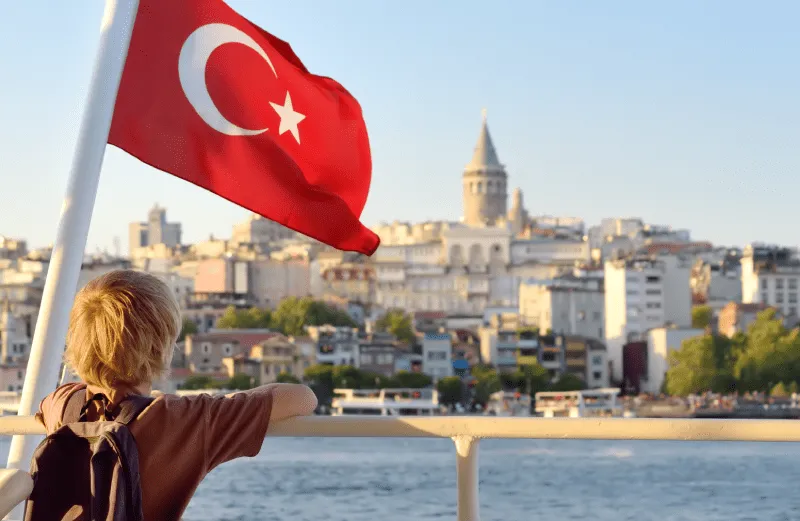
Turkey is a tourism paradise famous for its historical, cultural, and natural beauties. You can combine your dental treatment with an unforgettable holiday, such as exploring Istanbul’s historical peninsula, relaxing on Antalya’s sunny beaches, or seeing the unique geography of Cappadocia. This “health holiday” concept reduces treatment stress and makes your recovery process more pleasant and comfortable, so your soul rests while your smile is renewed.
Accommodation and Transportation Facilities in Turkey
Medical tourism centers in Turkey are planned with the comfort of the patient and their companion in mind. Luxury hotels and accommodation options are conveniently located near the clinics, offering a comfortable recovery process. Furthermore, major cities (Istanbul, Izmir, Antalya) are easily accessible with international flights, and clinics often provide airport transfer services, making transportation extremely practical and hassle-free.
Comprehensive Patient Care Before and After Treatment
Patients receiving treatment in Turkey receive comprehensive care not only during the procedure but also before and after. Detailed pre-treatment consultation, digital planning, and health checks are performed. Following the procedure, detailed instructions and regular follow-up appointments are provided to monitor the healing process and prevent potential complications, which makes patients feel secure and well cared for.
Translation and Support Services Provided in Different Languages
Turkish clinics serving international patients employ professional multi-lingual interpreters and patient coordinators to eliminate the language barrier. Uninterrupted support is offered in English, German, French, Arabic, and many other languages. These services guarantee that patients fully understand their treatment plans and can receive answers to all their questions without communication problems.
Dental Treatment Guarantee and Follow-up Programs in Turkey
Reliable Turkish clinics offer long-term guarantees and detailed follow-up programs for the treatments they apply. For instance, international guarantees lasting several years are provided for implants and crowns. These guarantees allow for corrections or replacements without additional charge in case of possible issues, ensuring patients are confident in their investment and enhancing their post-treatment peace of mind.
Cure Holiday: Your Reliable Health Partner in Turkey
Cure Holiday is a reliable health tourism agency specialized in international patients seeking dental treatment in Turkey. The company not only connects you with the most experienced and accredited Turkish dentists but also organizes all your travel and accommodation logistics from start to finish. This way, you focus solely on the renewal of your smile, and Cure Holiday’s expert team handles the rest.
Personalized Treatment Planning Process
Your journey with Cure Holiday begins with a personalized treatment plan. Firstly, your existing X-rays and dental photos are sent to expert dentists. The dentists prepare a plan tailored to you, including the most suitable treatment options (implant, bridge, or a combination of both), after a detailed analysis. This plan includes all details such as cost transparency and treatment duration.
Cure Holiday’s Comprehensive Package Inclusions
Cure Holiday typically offers all-inclusive packages for patient comfort. These packages cover the treatment fee, as well as personal VIP transfer services from your arrival at the airport, accommodation in luxury hotels, all transportation between the clinic and the hotel, and professional interpreting services. This holistic approach eliminates surprise additional costs and makes the treatment process stress-free.
Airport VIP Welcome and Transfer Services
When you arrive in Turkey for treatment, Cure Holiday’s special welcome team meets you at the airport. You are comfortably and safely transported to your hotel or directly to the clinic using VIP transfer vehicles. This seamless service minimizes the anxiety of arriving in a foreign country and ensures you feel valued and secure from the very first moment.
Luxury Accommodation Options During Treatment
Cure Holiday meticulously selects the hotels where you will stay during your treatment. You are guaranteed to stay in highly-rated and comfortable hotels located in central areas. Your accommodation provides a peaceful environment for your recovery and allows you to explore the city’s beauties between treatments, making you feel like you are on holiday.
Financial Transparency and Budgeting with Cure Holiday
Cure Holiday ensures complete transparency regarding treatment costs. The services and materials included in your treatment package (e.g., the brand of implant used, type of crown) are clearly specified. You can precisely plan your budget in advance without hidden costs or surprising extra fees. This honest approach is one of the most important elements that reinforces trust in Cure Holiday.
Post-Treatment Follow-up and Support
Cure Holiday’s support continues even after your treatment is complete and you have returned to your home country. Post-operative care instructions, at-home hygiene protocols, and 24/7 communication channels are provided for any questions you may have. Regular virtual check-ups are scheduled to ensure your healing process progresses successfully, which offers great comfort and security for international patients.
Cure Holiday’s Success Stories and References
Cure Holiday has helped thousands of international patients gain their new smiles and has accumulated numerous success stories. On the company’s website and social media channels, you can find real patient references and video testimonials from people from different countries who share their treatment processes and results. These references are concrete proof of the quality of service provided by Cure Holiday.
A Guide to Safely Planning Your Dental Treatment in Turkey
When planning dental treatment in Turkey, Cure Holiday guides you step-by-step. They are by your side throughout the entire process, from the initial consultation to the final check-up. They work diligently to provide you with the most suitable and stress-free travel and treatment experience, offering immediate solutions for any issues or changes that may arise during your treatment period.
Why Should You Contact Cure Holiday Immediately?
Delaying your missing tooth problem increases jawbone loss and causes more damage to adjacent teeth. Now is the perfect time to act! By contacting Cure Holiday, you can receive a completely free initial consultation appointment with experienced specialists, learn your personalized treatment plan right away, and confidently take the first step towards the smile of your dreams.
May Your New Smile Be the Beginning of Your New Life
Implant or Bridge? How Can We Help You with Your Final Decision?
When it comes to long-term aesthetics, functionality, and the preservation of adjacent teeth, the gold standard in modern dentistry is dental implants. However, every patient is unique, and your final decision depends on many factors such as your jawbone condition, budget, and timeline. Cure Holiday’s experts will evaluate all these factors with you during a free consultation to determine the best solution specifically for you.
Avoid the Cost of Delaying with Cure Holiday
The cost of delaying dental treatments is not just financial, but also impacts health and self-confidence. A missing tooth can lead to digestive issues, speech impediments, and social isolation over time. Cure Holiday helps you break this cycle of delay by combining high-quality treatment with affordable prices. Act now to improve both your health and quality of life.
Treatment Guarantee: Rest Assured
The clinics Cure Holiday collaborates with use materials that meet international standards and provide detailed guarantee certificates for implants and crowns. This means your investment is protected for many years. Even in the event of a potential problem, Cure Holiday will be by your side, managing the guaranteed repair or replacement processes smoothly for you, so you can receive treatment with peace of mind.
Detailed Roadmap of Your Treatment Process in Turkey
Cure Holiday plans the entire process step-by-step, from the moment you decide on treatment until your departure from Turkey. They handle every detail, such as organizing your flights, scheduling your appointments, making accommodation reservations, and arranging your city transfers. This detailed roadmap creates a comfortable and pre-planned experience where you can solely focus on your treatment.
Expertise in Dental Aesthetics: The Hollywood Smile Opportunity
Turkey is a brand not only in functional treatments but also in aesthetic dentistry. The implant or bridge treatment you receive with Cure Holiday can often be combined with a “Hollywood Smile” concept. Aesthetic specialists design the most suitable tooth color, shape, and alignment for your face shape, skin tone, and personal expectations, promising you a flawless smile.
The Power of Virtual Consultation with Cure Holiday
No matter where you are in the world, you can benefit from the power of virtual consultation with Cure Holiday. You can meet with an experienced dentist via online platforms, share your X-rays, and learn all the details about your treatment plan. This first step is a perfect, risk-free opportunity to explore your treatment options without making any travel commitment.
Specialist Selection: The Cure Holiday Difference
Cure Holiday partners only with surgeons who have a proven track record in implantology and prosthetics, using only the best technology and high-quality materials, rather than random clinics. This meticulous selection process maximizes the success of your treatment and guarantees you the highest level of care you deserve. Choosing a dentist is the most critical factor determining the outcome of the treatment, and Cure Holiday provides assurance in this regard.
Comfort and Pain Management During Treatment
In modern Turkish dental clinics, patient comfort is the top priority. Implant surgery is generally performed under local anesthesia, but sedation (semi-sleep state) or general anesthesia options are also available. The clinics Cure Holiday collaborates with are committed to minimizing the discomfort you may experience during and after treatment by utilizing the latest pain management techniques.
Cultural Exploration Opportunity with Cure Holiday
Between your treatments, Cure Holiday also offers you the opportunity to explore the cultural and historical riches of the city you are in. You can visit Istanbul’s fascinating mosques, Cappadocia’s underground cities, or Antalya’s ancient ruins. These cultural explorations transform your health tourism experience into an unforgettable journey that is much more than just a medical process.
Solutions from Single Missing Tooth to Full Mouth Restoration
Cure Holiday offers solutions for all situations, from patients deciding between a bridge and an implant for a single missing tooth to those needing full mouth restoration. Expert dentists can create comprehensive plans, even in the most complex cases, using advanced implant techniques like All-on-4/6, ensuring you regain full functionality and aesthetics in a short time.
The Key to Successful Treatment: Adhering to Post-Treatment Instructions
No matter how successful the treatment, strictly adhering to post-treatment instructions is critical for long-lasting results. Cure Holiday provides comprehensive information on implant or bridge care, nutrition, and regular check-ups with detailed care guides prepared specifically for you. By following these instructions, you guarantee the permanence of your new smile.
Your First Step to a New Smile with Cure Holiday: Contact Us
Don’t wait any longer to achieve the smile that will change your life. Cure Holiday is ready to help you make the most suitable decision for your dental health. Reach out to the expert team by filling out the free consultation form on the website or contacting them directly. In Turkey, in the hands of experts and using the latest technology, confidently achieve the smile of your dreams.
Free Consultation
Fill out the form below to get your free medical travel plan and price quote.
Sources and how to verify this yourself
- Howe M-S, Keys W, Richards D. Long-term (10-year) dental implant survival: a systematic review and sensitivity meta-analysis. Journal of Dentistry, 2019 — pooled 10-year implant survival 96.4% (95% CI 95.2–97.5%); conservative sensitivity estimate 93.2%. source
- Ministry of Health, Regulation on International Health Tourism and Tourist Health, Official Gazette 26 April 2025, No. 32882 — authorisation requirement for facilities and intermediaries, TÜSKA accreditation, compulsory complication insurance (deadline 31 December 2025 for insurance, 31 December 2026 for accreditation). source
- Ministry of Health, Regulation on Promotion and Information Activities in Health Services, Official Gazette 12 November 2025, No. 33075 — treatment promises and guarantees are prohibited; price and campaign announcements are permitted only within international health tourism. source