What Is Otoplasty Surgery?
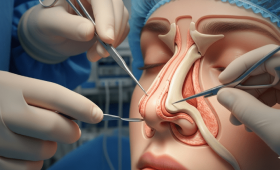
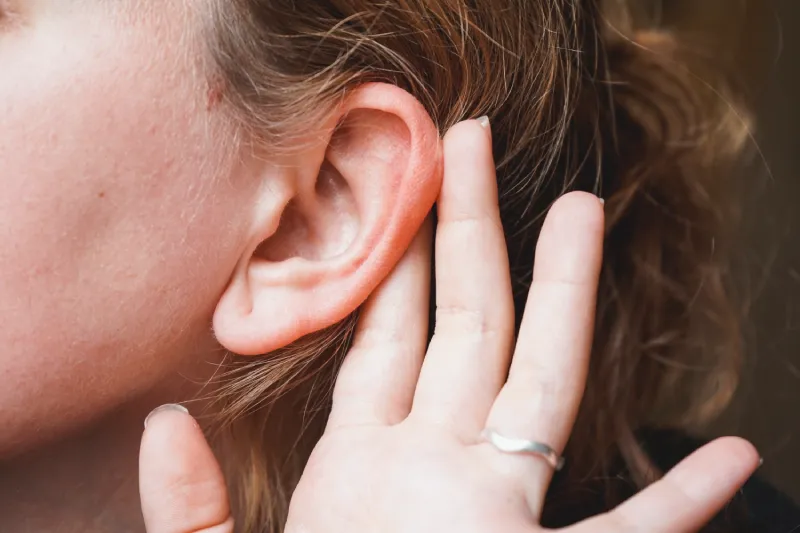
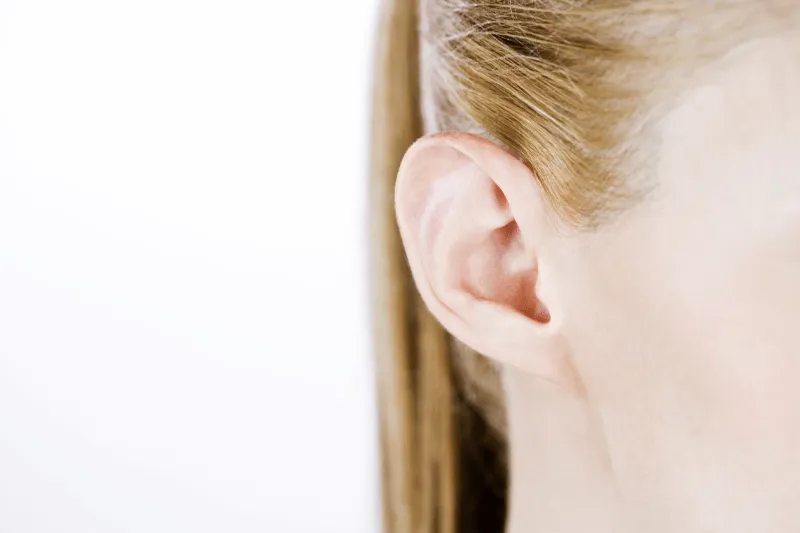
Otoplasty, commonly known as prominent ear surgery, is an aesthetic and reconstructive surgical procedure performed to correct the shape, position, or size of the ears. It is most often preferred when the ears protrude too far from the head, a condition often referred to as “bat ears.” This operation not only provides a physical correction but also significantly improves the individual’s overall facial symmetry and balance. Thanks to advancements in modern medicine, otoplasty can now be performed using minimal invasive techniques, and surgical scars are typically hidden within the natural folds behind the ear. Suitable for both children and adults, this procedure directly aims to increase the patient’s quality of life and satisfaction with their physical appearance. The surgical intervention is based on the principle of reshaping the cartilage tissue, and the results obtained are generally permanent.
When Is Ear Development Complete In Children?
Unlike many other organs in the human body, the ears complete their development largely at a very early age. The ear cartilage, which grows rapidly from birth, reaches approximately 85% to 90% of its adult size by the time a child is five or six years old. This rapid developmental process is the fundamental biological justification for why surgical interventions like otoplasty can be performed during early childhood. At this age, the cartilage tissue is soft enough to be reshaped yet resilient enough to maintain its new form. The stabilization of the ear’s shape and its angle relative to the skull base allows surgeons to achieve permanent and safe results. This early completion of development opens a biological window for children to be treated before they even reach school age.
What Is The Most Ideal Age For Otoplasty?
From a surgical perspective and based on the consensus of child development experts, the most ideal age range for otoplasty is between 5 and 7 years old. This period coincides with the stage where the ear cartilage is most suitable for surgical intervention and has completed the majority of its growth. Additionally, this age group marks a critical time when the child begins to enter social environments and starts their school life. Experts emphasize that performing this procedure before the child starts primary school is a strategic move to prevent potential peer bullying. In terms of both physical and psychological preparation, these years are considered the golden period that maximizes the success of the operation. Interventions made at this age greatly contribute to the child building a healthy body image.
Why Wait Until Age Five For Surgery?
The five-year age limit is not a randomly determined number; it is a safety limit based entirely on anatomical data. Before the age of five, ear cartilages are still very soft and not fully developed; this situation can make it difficult for surgical sutures to hold the cartilage or may negatively affect further development. Furthermore, around age five, a child’s capacity to tolerate anesthesia increases and they reach a level of maturity where they can better understand and follow commands. It is essential for this growth spurt to be completed so that the distance between the ears and the head becomes permanent. This waiting period is critical to minimize the risk of the ears returning to their former shape after surgery and to ensure the stability of the tissues. Being patient is the key key to lifelong aesthetic success.
What Are The Advantages Of Early Otoplasty?
The greatest advantage of otoplasty operations performed at an early age is the high malleability of the cartilage. Children’s cartilage tissue is more flexible than adults’, allowing the surgeon to create more natural-looking curves and folds. Additionally, early intervention increases the speed of recovery; because cell regeneration is very fast in children, suture sites heal rapidly and the risk of scarring is reduced. Psychologically, the child solves the problem without the prominent ear appearance becoming a fixed part of their identity and without experiencing trauma due to this condition. A correction made at an early age sets the foundation for the individual to spend their youth and adult years with much higher self-confidence. Children adapt to their new appearance much faster than adults after surgery.
Why Is The Pre-School Period Preferred?
The pre-school period is that delicate line where the child’s social consciousness is fully developed but they have not yet begun to be criticized by peers for their physical characteristics. A child starting primary school may be called nicknames like “donkey ears” by classmates, which can lead to a permanent loss of self-confidence. Performing the surgery during the transition from kindergarten to primary school allows the child to enter their new environment with a new and corrected ear structure. This way, the child continues their social life without receiving any negative feedback regarding their ears. For families, this timing means removing distractions that would prevent the child from focusing on their education. Throughout school life, the child gets the chance to stand out with their achievements rather than their appearance.
How Does Prominent Ear Problems Affect Child Psychology?
The problem of prominent ears is not just an aesthetic concern; it is a condition that can open deep wounds in the inner world of children. Children are very observant about physical differences and can sometimes be quite cruel. A child with prominent ears may feel different from others, “funny,” or even “ugly.” This situation can cause the child to withdraw, avoid social activities, and even decrease their desire to go to school. Over time, this low self-perception can overshadow the child’s academic success and friendships. Surgical intervention at this point does not just fix the ears; it also acts as a protective shield for the child’s mental health. A child who loves themselves is more likely to be productive and happy in every area of life.
How Does Social Bullying Trigger The Otoplasty Decision?
Many parents make the decision for otoplasty as a result of the mocking jokes or nicknames their child is exposed to at school. Social bullying is one of the biggest factors that shakes a child’s emotional resilience. If a child comes home sad and tries to hide their ears with their hair or hats, it indicates that the time for a solution has come. Experts state that the trauma caused by bullying is much greater than the fear of surgery itself. Therefore, the joint decision of the family and the surgeon is usually in the direction of saving the child from this social pressure. The surgery ensures that this “weapon” is taken out of the hands of bullies, normalizing the child’s social status. In the fight against bullying, aesthetic surgery can sometimes become the most effective tool for emotional healing.
How Should One Speak To The Child Before Surgery?
When talking to a child about surgery, it is vital to use an honest, calm, and supportive language. It should be explained to them that their ears are not “wrong,” but that they will feel more comfortable with just a small correction. The stages of the operation can be explained in simple terms they understand, for example, as “magic that will be done so your ears can rest a bit closer to your head.” The bandages to be worn after the surgery can be gamified by saying they will be like a “superhero mask” for a while. Listening to the child’s fears and making them feel that this decision was made for their own good will greatly reduce the stress to be experienced on the day of surgery. A prepared child feels much safer in the hospital environment and contributes more positively to the recovery process.
Is There An Upper Age Limit For Surgery?
There is no determined upper age limit for otoplasty surgery; this procedure can be applied to individuals of any age who are healthy. However, in the context of “otoplasty in children,” this procedure can be performed at any stage from childhood through adolescence and even into adulthood. Some individuals may not have had this opportunity in childhood and may decide to have this correction in their 20s or 30s. Although the cartilage structure is harder and less flexible in adults, excellent results are achieved with modern techniques. The important thing is that the patient’s general health status is suitable for surgery. Therefore, it is possible to get rid of the prominent ear problem regardless of age. It is never too late for an aesthetic change, and refreshing self-confidence is a right at any age.
Are Non-Surgical Methods Possible In Infants?
Yes, it is possible to solve the prominent ear problem without the need for surgery during infancy, but this is limited to a very narrow window of time. The cartilage of newborn babies is extremely soft due to the influence of estrogen hormone passed from the mother. Using special molds or taping methods within the first few weeks after birth (usually the first 2-3 months) can shape the ears. If intervention is made during this time, the cartilage can remain in the correct position as it hardens, and surgery may not be necessary in the future. However, once this window of opportunity is missed, the only permanent solution is surgical intervention performed after age five because the cartilage has hardened. Families being aware of this can completely eliminate the need for a future surgery.
How Does Cartilage Structure Change With Age?
Cartilage tissue is in a dynamic state of change throughout life. In children, the cartilage is much more elastic, soft, and has high blood supply; this allows it to be shaped easily. As age progresses, the cartilage tissue hardens, the structure of the elastic fibers within it changes, and it can become more brittle. This hardening process, while making otoplasty operations performed on adults slightly more technically demanding, does not make them impossible. In interventions performed on children, it is easier to maintain the shape given to the cartilage because tissue memory is not yet very strong. These changes that come with age explain why “early age otoplasty” is more highly recommended in the medical world. Tissue quality is one of the most important determining factors in choosing the surgical technique.
Does The Type Of Anesthesia Change Based On Age?
Yes, the anesthesia method used during otoplasty varies according to the patient’s age and compliance capacity. In young children (between 5-12 years), general anesthesia is usually preferred to ensure the child remains motionless during surgery and to prevent them from experiencing trauma. General anesthesia allows the child to spend the entire process asleep. In older children, adolescents, and adults, a combination of local anesthesia and sedation (a state of light sleep) may be sufficient. In this method, only the ear area is numbed and the patient does not feel pain even if they are awake. The surgeon and the anesthesiologist determine the safest method together based on the child’s psychological state. In both methods, patient comfort and safety are kept at the highest level.
How Long Does The Surgical Process Take?
A standard otoplasty operation is usually completed within 1.5 to 2 hours, depending on the degree of deformity in the ears. Procedures performed for both ears are carried out meticulously to ensure symmetry. The duration of the surgery can vary depending on whether it includes only pinning the ears back or removing excess cartilage from within the ear concha. The surgeon makes a small incision behind the ear to reach the cartilage, rasps the cartilage if necessary, or reshapes it with permanent sutures. At the end of the operation, the ears are covered with sterile dressings and protective wraps. This duration is considered a very fast and effective process under modern hospital conditions. The patient’s recovery time after the operation is also usually completed within an hour.
How Is The Recovery Process For Children?
Children have a much faster biological recovery capacity compared to adults. A slight tingling or pressure sensation is normal for the first few days after surgery, but this is easily controlled with pain relievers. Typically, patients are discharged from the hospital on the same day or the following day. A special bandage that protects the ears is worn for the first week. At the end of one week, the stitches are checked, and since dissolvable sutures are usually used, the stress of stitch removal is not experienced. Children’s energy returns quickly; however, they need to be careful with physical activities for a few weeks to avoid taking blows to the ears. The speed of recovery is a factor that greatly facilitates children’s adaptation to daily life and the school environment.
How Is Post-Operative Pain Managed?
Thanks to modern anesthesia and surgical techniques, serious pain is not expected after otoplasty. Long-acting local anesthetics applied to the ear area before the surgery ends ensure the child spends the first hours very comfortably. Once at home, simple children’s syrups or pain relievers prescribed by the doctor are usually sufficient. Rather than pain, the itching caused by the bandage on the ears or a light pressure sensation might make children a bit restless. Cold compress applications (with doctor’s approval) and keeping the head elevated provide relief by reducing edema. The calmness of parents and their encouragement of the child is also an important factor that raises the psychological pain threshold. Generally, the need for pain relievers disappears completely by the second day.
How Long Should The Bandages Stay On?
Immediately after the surgery, a thick, soft dressing is applied to keep the ears fixed in their new position and to minimize edema. This large wrap is usually removed within the first 2 to 5 days and replaced with a lighter, protective headband similar to a tennis headband. Continuous use of this thin band day and night usually continues for the first week. From the second week onwards, it is recommended to wear it only at night to prevent the ears from folding or being damaged, especially during sleep. The total bandage and band usage process can extend up to 4-6 weeks depending on the surgeon’s preference, but this does not affect daily life. Bandage usage is as critical as the operation itself for preserving surgical success.
When Can One Return To Sports Activities?
Protecting the ears during the post-operative period is critical for the longevity of the result. Light activities like walking can be started a few days after surgery. However, at least 3-4 weeks should be waited for children to run around at school, play ball, or engage in contact-based sports. Especially for returning to branches like football, basketball, or combat sports where there is a risk of direct blows to the ears, a 6-week period with the surgeon’s approval may be required. The issue of swimming is generally allowed after the 3rd or 4th week, depending on the complete healing of the sutures. During this process, using a protective band provides an extra layer of safety during sports. Avoiding excessive physical strain in the early period is essential to maintain the stability of the sutures.
Are Otoplasty Results Permanent?
Yes, the results achieved with otoplasty surgery are permanent for a lifetime. During the surgery, the cartilage tissue is fixed in its new place with sutures or shaping techniques. When healing is complete, the body forms a hardened tissue (scar tissue) around this new position, which prevents the ears from returning to their old shape. In very rare cases, a very slight opening might be observed in the ears due to reasons such as an extremely hard cartilage structure or early failure of the sutures, but this is usually minimal. The success of an operation performed in childhood is maintained exactly into adulthood because the growth of the cartilage is complete. This is a lifelong aesthetic investment and does not require additional intervention throughout the patient’s life.
Are Surgical Scars Noticeable In Children?
One of the greatest advantages of the otoplasty operation is that the surgical incision is hidden inside the natural fold behind the ear. This area is a place that is almost impossible to see from the outside. When the healing process is complete, this thin line-shaped scar turns to skin color and becomes indistinct over time. Because children’s skin regenerates quickly, wound healing usually gives more aesthetic results than in adults. Surgeons aim to keep the scar at a minimum level by using hidden suturing techniques when closing the incisions. As a result, even if the child has their hair cut short or tied up, it is extremely difficult to notice the scar behind the ear. Aesthetic perfection is completed not only by the new position of the ears but also by a scarless healing.
Might A Revision Surgery Be Necessary?
Revision surgery comes to the agenda when the results of the first surgery are not satisfactory or when rare complications develop. The revision rate after otoplasty is quite low (around 3-5%). The need for revision usually arises for aesthetic reasons such as the ears looking asymmetrical, not being pulled back enough, or the middle part remaining too flat, a condition called “telephone ear.” If a revision is required, it is recommended to wait at least 6 months to 1 year for the tissues to heal completely and take their final shape. The possibility of revision is minimal in the first operation performed by an experienced surgeon; therefore, choosing the right specialist is of vital importance. Most patients reach their dream result effortlessly on the first try.
What Are The Most Frequently Asked Questions By Families?
Families often wonder whether the surgery is painful, when the child can return to school, and whether hearing will be affected. The question “Will my child’s ears open up again?” is one of the most common concerns. Furthermore, the risks of anesthesia and whether the surgery will leave a psychological fear in the child are frequently asked. Experts respond to these questions by stating that the surgery definitely does not affect hearing, the pain is very low, and a return to school is usually possible within a week. Resolving these concerns of families through a professional consultation increases trust and peace in the operation process. Being informed reduces parental stress, allowing them to provide healthier support for the child’s recovery process.
Is Prominent Ear Hereditary?
Prominent ear condition is largely a genetically transmitted trait. If the ear structure is prominent in either the mother or the father, the probability of it being seen in the child is quite high. However, sometimes prominent ears can be seen in a child even if no one in the family has this trait; this situation arises from the failure of the cartilage folds (antihelix) to form completely during ear development in the womb. Being a genetic trait does not mean the condition is a disease or a defect; it is just a physical variation. Families, remembering similar problems they experienced in their own childhoods, seek early solutions for their children and want to resolve this aesthetic problem brought by genetic heritage. Genetic predisposition once again emphasizes the importance of early intervention in prominent ear treatment.
Does The Surgery Affect Hearing?
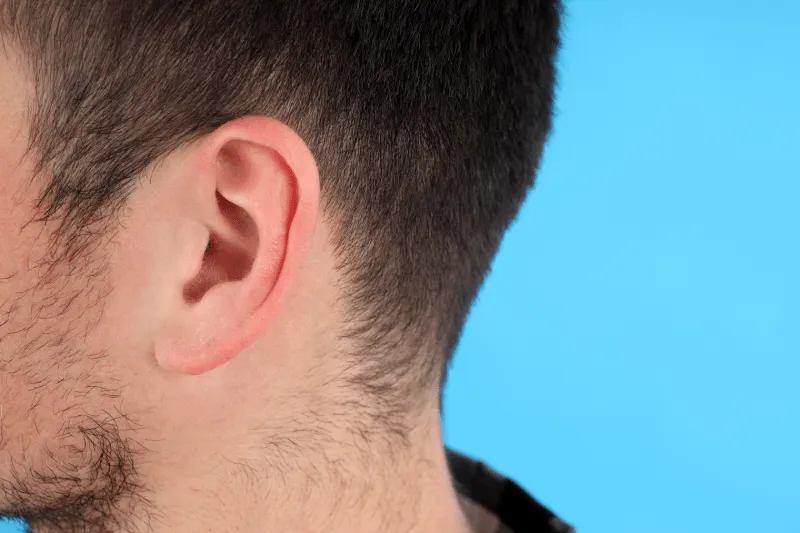
This is one of the biggest urban myths about otoplasty. Otoplasty surgery is entirely concerned with the outer ear structure (the auricle) and has no connection with the middle or inner ear. Therefore, the surgery has no negative or positive effect on hearing function, the eardrum, or balance mechanisms. The procedure only corrects the angle and shape of the ear relative to the head. Because the bandages worn after the surgery temporarily cover the ear canal, the child may hear sounds a bit less or muffled for a few days; however, hearing returns to normal as soon as the bandages are removed. Families can be sure that their child’s ear health will not be harmed by this procedure. Otoplasty is an aesthetic intervention and never leads to functional loss.
In Which Situations Should Surgery Be Postponed?
There may be some medical and psychological conditions that require the postponement of the surgery. If the child has an active ear infection, a sore throat, or a febrile illness, the operation should be left until after recovery. Additionally, if the child shows extreme resistance and fear towards the idea of surgery, it is more correct to wait a while longer and prepare the process psychologically rather than forcing them. The child’s cooperation is very important during the recovery process for surgery. In some cases, the surgeon may think that cartilage development is not yet sufficient and may recommend waiting for a few more months or a year. Health is always ahead of aesthetic concerns, and performing surgery at the safest time is the primary priority.
Why Is It Important For The Child To Want The Surgery?
Otoplasty, although decided by parents, is ultimately a change made to the child’s body. The child feeling uncomfortable with their ears when looking in the mirror or eagerly waiting for their “new ears” after the surgery makes the recovery process much easier. Children who lay on the operating table of their own will approach bandages and protective bands more compliantly. If the child does not want the operation, they may feel forced, and this situation could lead to hospital/doctor phobia in the future. For this reason, surgeons try to understand how ready the child is for this change and whether they really want it by communicating directly with the child during the consultation. The child’s motivation is decisive for the psychological satisfaction of the surgical result.
What Should Be Considered When Choosing A Surgeon?
The surgeon who will perform otoplasty on children must have not only technical skills but also a high level of ability to communicate with children. It is important that the chosen surgeon is a specialist in plastic and aesthetic surgery, has a wide portfolio regarding otoplasty, and can share the results of previous surgeries. “Before and After” photos allow you to see the surgeon’s aesthetic understanding. Additionally, it should be checked whether the hospital where the operation will be performed has child-friendly equipment and an expert anesthesia team. Choosing a physician you and your child feel comfortable with, and who gives transparent answers to all your questions, guarantees the success of the process. A sense of trust is one of the most important building blocks of the surgical process.
What Are The Risks And Complications Of Surgery?
Like any surgical procedure, otoplasty carries some risks, but these are quite rare in experienced hands. The most common risks include infection, blood accumulation in the surgical area (hematoma), or the sutures showing a reaction. Rarely, asymmetry can occur or the ears can be pulled back more than expected. However, these situations can usually be corrected with minor interventions. The use of antibiotics and strictly following the surgeon’s instructions reduces the risk of infection to almost zero. Temporary numbness in the ears after surgery is normal and passes spontaneously within a few months. It is important for families to know the risks but understand that they are manageable with a professional team. Transparent risk management is the most fundamental element that protects patient satisfaction and safety.
Why Is Ear Bandage Usage Critical?
The ear bandage is the secret hero of otoplasty success. The cartilage tissue cannot hold the new shape given by surgery on its own; it needs external support until the tissues fuse. The bandage both protects the ears and speeds up healing by preventing the spread of edema. Especially children bending their ears unintentionally while playing or sleeping can cause the sutures to strain or break. This bandage creates a physical barrier, taking the load off the sutures. Using the bandage disciplinedly for the period specified by the surgeon is a vital step for the long-term success of the surgery and preserving the symmetry of the ears. Disciplined bandage usage is an insurance policy that ensures the permanence of the surgical effort.
How Should The Sleeping Position Be After Surgery?
Paying attention to the sleeping position for the first few weeks after surgery directly affects the healing process. The child lying on their ears can increase pain by putting pressure on the sutures or lead to a distortion of the shape. The most ideal position is lying on the back with the head supported by two pillows and kept slightly elevated. This position also helps the edema (swelling) in the face and ears to go down faster. If the child turns a lot during sleep, support pillows placed on their sides can help them maintain their position. As long as the protective band is worn, light touches will not cause problems, but direct pressure should be avoided. A healthy sleep routine prepares the ground for a fast biological recovery.
Do Seasons Have An Effect On Surgery Timing?
Otoplasty surgery can be performed safely in any season of the year, but considering children’s life patterns, some periods may be more advantageous. Summer vacation is often preferred so that the recovery process can be spent calmly at home and school is not missed. However, extreme heat in summer can lead to sweating and itching under the bandage; additionally, going into the sea or pool is forbidden until healing is complete. In operations performed in winter or spring months (for example, during the semester break), it is easier to camouflage the bandage with a hat or scarf. Consequently, surgery can be planned whenever it is more suitable for the family and when the child feels ready. Timing is a logistical choice that increases recovery comfort.
Is An Increase In Self-Confidence Observed After Otoplasty?
Absolutely yes. The most prominent change observed in children after otoplasty is in their mood rather than their physical appearance. Social interactions of children who do not have to hide their ears and do not carry the fear of being mocked at school increase rapidly. Children who never used to tie their hair up or cut it short before take pride in showcasing their new look. This situation raises the child’s self-esteem and helps them become a more outgoing individual. Many families report that their children are happier, more enterprising, and more successful in their lessons after the surgery. An aesthetic touch actually triggers a great psychological transformation. Spiritual well-being is the most valuable byproduct of physical change.
Is There A Link Between School Success And Otoplasty?
Although there is no direct link, otoplasty can indirectly positively affect a child’s academic focus. A child who is mocked about their ears at school focuses on protecting and hiding themselves rather than giving their attention to lessons. Social anxiety and unhappiness can lead to loss of concentration and a decreased desire to learn. With the removal of this social pressure after the surgery, the child feels more comfortable and safe in the school environment. The learning capacity and sense of belonging to the school of a child who feels safe increases. In this context, otoplasty can be evaluated as a step that removes the invisible obstacles in front of the child’s school life. Academic success emerges as a reflection of spiritual freedom.
Why Is Health Tourism Popular In Turkey?
Turkey has become one of the first centers that come to mind when aesthetic and reconstructive surgery is mentioned in the world. The fundamental reasons for this include the presence of internationally recognized and highly experienced surgeons, hospitals being equipped with state-of-the-art medical devices, and costs being much more affordable compared to the quality of service provided. Patients who choose Turkey for delicate procedures like otoplasty receive not only a successful surgical process but also a high-comfort care service. The understanding of hospitality and the all-inclusive packages offered by health tourism agencies make Turkey an attractive destination for both children and adults. Quality and accessibility in health make Turkey a global center.

How Does The Treatment Process Work With Cure Holiday?
Cure Holiday is a patient-oriented health tourism platform that organizes the process from start to finish for families who want to receive treatment in Turkey. When you plan an otoplasty through Cure Holiday, a free online consultation is held with expert surgeons in the first stage. Once the process starts, every detail from airport pickup to luxury accommodation options, from hospital appointments to post-operative follow-up processes is managed by professional teams. Your child’s health and comfort are always kept in the foreground, and 7/24 assistance service is provided without a language barrier. With Cure Holiday, you achieve both reliable medical results and can turn your treatment process into a peaceful holiday experience accompanied by the beauties of Turkey. You can be sure that you are at the most professional address for this important touch to be made for your child’s future. With Cure Holiday, you can safely reach the look of your dreams.
If you have concerns about your child’s ear structure and want to offer them a more self-confident future, you can contact Cure Holiday, one of Turkey’s leading health destinations. With our expert staff and comfortable treatment packages, we are here to turn this process into an unforgettable and successful recovery journey for both you and your child. Contact us today for more information and an appointment!
Free Consultation
Fill out the form below to get your free medical travel plan and price quote.
Sources and how to verify this yourself
- Ministry of Health, Regulation on International Health Tourism and Tourist Health, Official Gazette 26 April 2025, No. 32882 — authorisation requirement for facilities and intermediaries, TÜSKA accreditation, compulsory complication insurance (deadline 31 December 2025 for insurance, 31 December 2026 for accreditation). source
- Ministry of Health, Regulation on Promotion and Information Activities in Health Services, Official Gazette 12 November 2025, No. 33075 — treatment promises and guarantees are prohibited; price and campaign announcements are permitted only within international health tourism. source