How Common is Breast Asymmetry in Women?
Breast asymmetry, contrary to popular belief, is a very common condition and affects the vast majority of women. Studies show that nearly 88% of women have some degree of breast asymmetry. This means there are small differences in size, shape, or position between the two breasts that are not always obvious. Generally, these small differences are not noticed in daily life and do not constitute a medical problem. However, when this asymmetry reaches a difference of one cup size or causes a significant shape distortion, it can lead to aesthetic concerns and difficulties in choosing clothes. The prevalence of this condition helps us understand that it is a biological variation, not a disease.
Why Does Breast Asymmetry Occur and What is the Development Process?
The primary cause of breast asymmetry is usually rooted in hormonal and developmental processes. During puberty, breast tissue begins to develop under the influence of the estrogen hormone, but the rate and amount of this development may not be equal on both sides. One breast may grow faster or develop more breast tissue than the other. Genetic factors also play a large role here; if there is a family history of breast asymmetry, the likelihood of this condition increases. Additionally, posture disorders such as trauma, infections, or scoliosis can also trigger asymmetry in later years.
What Are the Different Types of Breast Asymmetry?
Breast asymmetry is not just about size difference; it can manifest in various ways. The most common type is volume asymmetry, characterized by one breast being larger or smaller than the other. A second type is position and areola asymmetry, known by the nipple (areola) being at a different height or having a different diameter on one breast compared to the other. Finally, when the two breasts have different shapes (for example, one being more conical and the other more round), it is called shape asymmetry. Most women exhibit a combination of these types, and treatment planning needs to address all these differences.
What is Volume Asymmetry and How is it Defined?
Volume asymmetry, as the name suggests, is the difference in fullness and size between the two breasts. This difference is measured in milliliters, and a surgical correction need usually arises when the volume difference corresponds to the size of a breast implant. If there is a difference of half a cup size or more between the two breasts, it is generally noticed by patients and causes aesthetic concern. Volume differences can result from different development of glandular tissue, fatty tissue, or both. 3D scanning and measurement systems can be used to detect breast volume asymmetry.
What Does Position and Areola Asymmetry Mean?
Position and areola asymmetry is the condition where, even if the breasts are equal in volume, the general placement of the breast or the position of the nipple and areola differs between them. One breast may hang lower or be turned more outward than the other. Areola diameters or colors may differ, and even the nipples may point in different directions. Such asymmetries become noticeable, especially when wearing low-cut clothing or a bra. Correction of these types of asymmetries usually requires mastopexy (breast lift) or areola reduction/repositioning surgery.
How Does Shape Asymmetry Affect Breast Aesthetics?
Shape asymmetry is the condition where the general contour and projection of the two breasts are different from each other. For example, one breast base might be wider and flatter, while the other is narrower-based and projects more forward (conical). This situation causes the bra to struggle to support both breasts equally and can lead to a noticeable appearance even under clothing. Shape asymmetries can occur in conjunction with developmental problems like tubular breast deformity, and their correction requires reshaping the internal structure of the breast.
What are the Psychological Effects of Breast Asymmetry?
Breast asymmetry is not just a physical condition but also a problem that can have serious psychological consequences. Patients often struggle with issues such as lack of self-confidence, body dysmorphia, difficulty choosing clothes, social avoidance, and discomfort in their sexual life. Young girls, in particular, may feel different from their peers due to asymmetry starting in adolescence, and this can negatively affect long-term self-perception. The decision to correct asymmetry is often a pursuit of psychological well-being rather than just an aesthetic choice.
Can Exercise Eliminate Asymmetry? What Are the Scientific Facts?
The answer to this question is unfortunately no; breast asymmetry cannot be corrected with sport or exercise. Breast tissue primarily consists of fat and milk glands; the shape and volume of this tissue are independent of muscle mass. Exercises can develop the pectoral (Breast) muscles located beneath the breast tissue. The strengthening of the pectoral muscles can help the breast look more lifted, but it cannot close the difference in volume, position, or shape between the two breasts. Exercises can indirectly improve posture by focusing on correcting muscle strength asymmetry, but they do not directly affect breast asymmetry.
How Does Exercise Affect Breast Muscles?
Exercises, especially movements like push-ups, bench presses, or dumbbell flies, target the major and minor pectoral muscles on the Breast wall. These muscles are located underneath the breasts and attach to the Breast wall. Regular exercise of these muscles increases muscle mass and tone. Well-developed pectoral muscles can provide support from underneath the breasts, making them look firmer and slightly more lifted. However, it must be remembered that the breast itself is composed of fat and glandular tissue on top of these muscles, so muscle development does not change the breast’s size or shape.
Which Exercises Do Not Affect Breast Asymmetry?
No isolated exercise performed to correct breast asymmetry can redistribute the fat and glandular tissue of the breast. Although methods such as single-sided dumbbell presses, one-arm push-ups, or specific movements aimed at working only the muscle beneath the larger breast have been attempted, none of them permanently eliminate differences in breast tissue volume, areola position, or overall shape. Such exercises can only cause muscle fatigue and do not yield the expected aesthetic result. Symmetrical exercise of the Breast muscles is essential.
Does Poor Posture Increase Asymmetry?
Yes, poor posture can optically make existing breast asymmetry more pronounced or cause slight asymmetry over time. Habits like scoliosis (spinal curvature) or consistently carrying a bag on one shoulder can cause the shoulders to sit at different heights. This difference in posture affects the position of the breasts on the Breast wall, leading one breast to look lower or more saggy than the other. In this case, exercises and physical therapy aimed at correcting posture can somewhat alleviate visible asymmetry, but this does not resolve the volume difference in the breast tissue.
Do Massage and Creams Correct Breast Asymmetry?
There is no scientific evidence that special creams, oils, or massage techniques sold on the market to eliminate breast asymmetry cause permanent reshaping of the breast tissue. Such products usually promise to temporarily increase skin elasticity or hydrate it. Breast volume is determined by glandular tissue, fat, and connective tissue; massage or creams do not have the power or effect to change these internal structures. The solution to a structural problem like breast asymmetry is an anatomical correction that requires surgical intervention.
Why is Surgery the Most Effective Solution for Asymmetry Correction?
Surgical intervention is the only permanent and effective way to correct breast asymmetry because only a plastic surgeon can directly address the underlying structural differences of the breast. The surgeon has the ability to increase (implant), reduce (reduction), reshape the volume of the breast, and reposition the areola/nipple. This is a personalized and measurable approach to achieving the targeted symmetry. Unlike exercises, surgery permanently alters the quantity, density, and placement of breast tissue.
How is Breast Asymmetry Diagnosed?
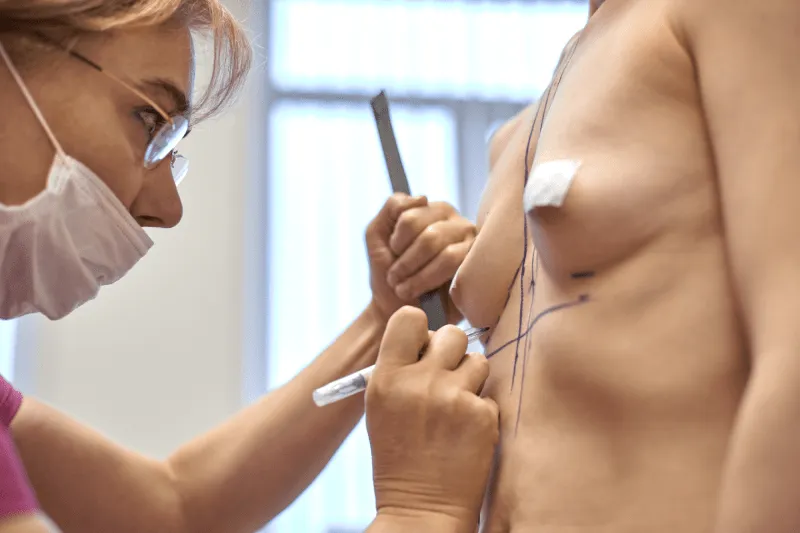
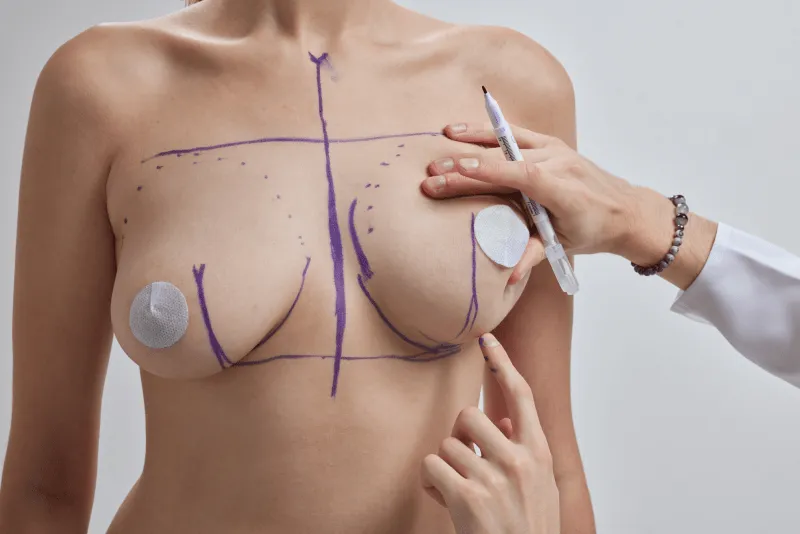
The diagnosis of breast asymmetry usually begins with the patient’s complaints and a physical examination. The plastic surgeon measures the volume, height, inframammary fold position, and areola diameters of both breasts. Today, 3D scanning systems (e.g., Vectra) can be used to determine the millimeter volume differences between the breasts, and this data forms the basis of surgical planning. The surgeon uses these detailed measurements to establish a specific symmetry goal for the patient and decides which surgical techniques (augmentation, reduction, lift) are most suitable.
Which Methods Are Used for Surgical Correction?
Several different methods are available for the surgical correction of breast asymmetry, and usually, multiple techniques are used simultaneously. Common methods include: 1) Breast Augmentation: Placing an implant in the smaller breast. 2) Breast Reduction: Reducing and reshaping the larger breast. 3) Breast Lift (Mastopexy): Elevating the position of the saggier breast. 4) Fat Transfer: Filling small volume differences between the breasts with the patient’s own fat. The surgeon precisely combines these techniques to ensure maximum symmetry.
How Do Breast Augmentation Implants Correct Asymmetry?
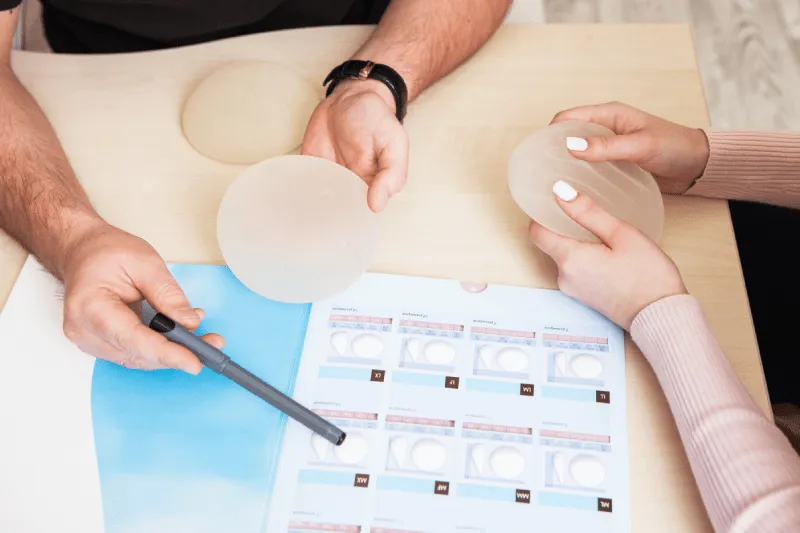
In most cases of volume asymmetry, placing an implant in the smaller breast is the preferred method. The surgeon selects an implant size specifically designed to match the larger breast. Symmetry is achieved by placing implants of different sizes or different shapes (e.g., round in one, anatomical in the other) in the different breasts. This approach not only addresses the volume difference but also improves the overall aesthetic appearance of both breasts. Implant selection is based on the surgeon’s experience and 3D measurements.

How Does Breast Reduction Surgery Correct Asymmetry?
If the asymmetry is caused by one breast being significantly larger than the other, reduction mammoplasty (reduction surgery) is applied to the larger breast. The surgeon removes excess tissue and fat from the large breast and reshapes it, aiming to match the size and shape of the other breast. During the reduction procedure, the nipple and areola are also elevated to the appropriate position, allowing both volume and position asymmetry to be corrected simultaneously. This method is especially preferred in cases of macromastia (excessively large breasts).
In Which Cases is Breast Lift (Mastopexy) Necessary?
A breast lift is used to correct asymmetry when one of the breasts is saggier or the nipple position is lower than the other. The surgeon removes excess skin and re-gathers the breast tissue, lifting the breast to a higher, more youthful position. In most asymmetry cases, especially those that occur after aging or pregnancy, only a lift is performed on one breast, while a combination of lift and volume addition (implant) may be applied to the other breast. Mastopexy is the key to eliminating position asymmetry.
Can Small Volume Differences Be Covered with Fat Transfer?
Fat transfer plays a complementary role in asymmetry correction and is generally ideal for eliminating small volume or shape differences. Fat taken from the patient’s own body via liposuction is processed and injected into the smaller breast or areas lacking contour. This method is a good option for patients who do not want a prosthesis implant or only need minimal correction. Fat transfer provides a natural result but is not sufficient alone for large volume differences.
Is Breast Asymmetry Correction Surgery Safe?
Breast asymmetry correction surgery is generally considered safe but carries risks, like any surgical procedure. These risks include infection, bleeding, wound healing problems, and anesthesia-related complications. The most significant risk is the possibility of the surgery maintaining some asymmetry or creating a new one; thus, the surgeon’s experience is critically important. The patient’s adherence to the doctor’s post-operative instructions and avoidance of smoking significantly reduce the risk of complications.
Does Surgical Correction Provide Permanent Results?
Breast asymmetry correction surgery is designed to offer long-term and permanent results. However, no surgical outcome is completely immune to the effects of time and gravity. If the patient’s weight changes, if pregnancy occurs, or if the aging process continues, new changes may occur in the breasts. Placed implants are permanent, but slight asymmetries may reappear over time as a result of natural changes in the patient’s body structure. These situations can usually be easily managed with minor adjustments.
How Long Does Asymmetry Correction Surgery Take?
The duration of breast asymmetry correction surgery varies greatly depending on the complexity of the techniques used. A simple procedure like placing an implant in only one breast can take 1-2 hours, while a more complex case, such as a combination of reduction on one breast and a lift/implant on the other, can take 3 to 4 hours. Since the surgeon’s priority is to meticulously achieve symmetry, the operation time may be extended due to this precision. Patients are usually operated on under general anesthesia, requiring an overnight stay in the hospital.
What is the Post-Operative Recovery Process Like?
The post-operative recovery process varies depending on the surgical technique applied. Generally, mild to moderate pain and swelling are expected in the first few days, which can be controlled with painkillers. Patients can usually return to most of their daily activities within a week, but they must avoid heavy lifting and strenuous exercises for 4 to 6 weeks. The surgeon will recommend wearing a special surgical bra to support healing and maintain shape. Full recovery and seeing the final result can take six months to a year.
When Can I Start Sports and Exercise After Surgery?
The time to start sports after breast asymmetry surgery should be gradual. Patients can usually start light walking a few days after the surgery. However, intense Breast exercises involving the pectoral muscles, running, or heavy lifting are strictly prohibited for the first 4 to 6 weeks. This period is critical for the incision sites to heal and for the implants or reshaped breast tissue to settle. Starting such exercises without your surgeon’s permission can jeopardize healing and negatively affect the results.
Do Scars Remain After Asymmetry Correction?
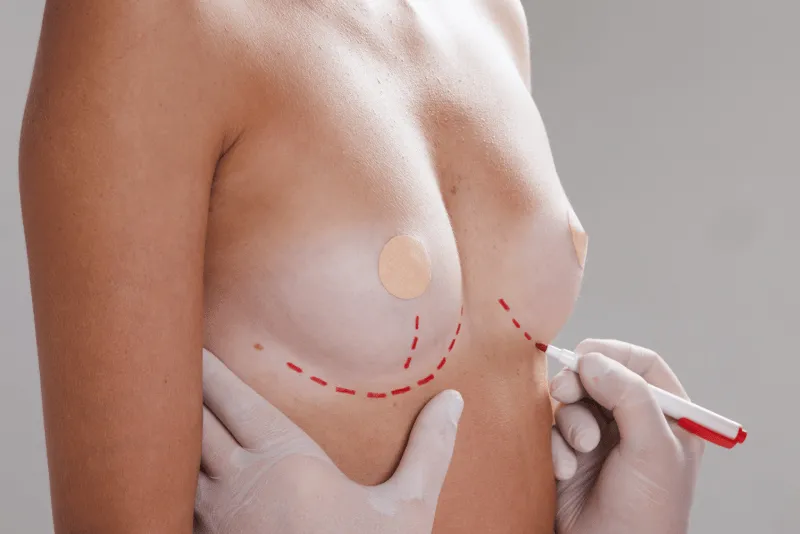
Permanent scars will remain after breast asymmetry surgery, depending on the technique used, but surgeons try to conceal them as much as possible. For instance, in an augmentation procedure using only an implant, the scars are small and hidden in the inframammary fold or around the areola. In complex asymmetry corrections involving reduction or lifting, the scars may typically be “lollipop” shaped (around the areola, vertically extending to the inframammary fold) or an inverted “T” shape. These scars fade over time, becoming less noticeable, but they do not disappear completely.
How is Post-Surgical Symmetry Preservation Ensured?
Maintaining the achieved symmetry for a long time after surgery requires the patient to make lifestyle changes. Maintaining a healthy and stable body weight is essential, as large weight fluctuations can affect the fat tissue of the breast and cause new asymmetries. Additionally, regular use of the special bra recommended by the surgeon after the operation and attending regular doctor check-ups support long-term success. Avoiding excessive sun exposure also helps the scars heal better.
Does Pregnancy and Breastfeeding Re-trigger Asymmetry?
Yes, the process of pregnancy and breastfeeding can re-trigger previously corrected asymmetry because it causes dramatic changes in breast size, shape, and position. Due to hormonal changes, breast tissue grows, and after breastfeeding, the breasts can shrink and sag. These changes can have different effects on the two breasts, creating a new asymmetry. Therefore, plastic surgeons generally recommend that patients undergo asymmetry correction surgery after their future pregnancy plans are complete.
What is Tubular Breast Asymmetry and How is it Corrected?
Tubular (tuberous) breast asymmetry is a rare developmental deformity where the base of the breast develops in a narrow, cylindrical, or tube shape. In this condition, the breast appears herniated into the areola, and a noticeable difference in shape and volume occurs between the breasts. The correction of tubular breast asymmetry involves not only adding volume but also a complex surgical procedure that requires loosening the constricted breast base, reducing the herniated areola, and recreating the general shape of the breast. This is usually done with a combination of implant and tissue reshaping.
What are the Silicone Implant Types in Asymmetry Correction?
The silicone implants used in breast asymmetry correction surgery can be of different types. Round implants provide more fullness to the upper part of the breast, while anatomical (teardrop) implants offer a more natural slope and projection, filling the lower pole more. In asymmetry cases, the surgeon may use both types of implants in different sizes and projections to balance the shape of the two breasts. The implant’s surface (smooth or textured) and contents (silicone gel or saline) are also determined according to the surgeon’s preferences and the patient’s anatomy.
Does Asymmetry Worsen Over Time If Not Treated?
Breast asymmetry generally remains stable after adolescence. However, due to aging, gravity, collagen loss, and hormonal changes, breast tissue begins to sag (ptosis) over time. If one of the breasts is already larger or saggier, this natural process may be faster or more pronounced than on the other side. That is, the degree of asymmetry can increase over time, and its visibility may worsen as age progresses. Therefore, postponing surgical correction may require a more complex procedure in the future.
What is the Role of Structural Bone Differences in Breast Asymmetry?
Some cases of breast asymmetry are caused not by the breast itself, but by differences in the bone structure beneath the Breast wall. For example, conditions like Pectus Excavatum (funnel Breast) or Pectus Carinatum (pigeon Breast) can cause the Breast wall to be sunken or protruding. These structural differences lead the breasts to sit in different positions on the Breast wall, optically worsening the asymmetry. In such cases, the surgeon may first correct the bone structure or prefer to place breast prostheses in a way that camouflages the bone deformity.
Are There Non-Surgical Asymmetry Correction Methods?
Although surgical intervention is the only effective solution for severe breast asymmetry, some non-surgical options are available for very mild asymmetries. These include using special bra pads or padded underwear that temporarily fill out the breast. Fat transfer (though considered surgical, it is minimally invasive) or hyaluronic acid-based dermal fillers (which provide temporary results) can also be used to cover small volume differences, but fillers have low longevity, and injecting them into breast tissue can be risky.
Do Diet and Weight Changes Affect Asymmetry?
Since a large part of the breast tissue is composed of fat, gaining or losing weight directly affects the breast’s volume. If the asymmetry results from different fat tissue distribution in the two breasts, rapid weight loss can lead to the breasts shrinking and the asymmetry decreasing. However, weight gain or loss can affect both breasts disproportionately, which can worsen the asymmetry. In general, maintaining a stable weight is the best way to preserve surgically achieved symmetry.
Why is Wearing a Bra After Surgery Important?
Wearing a special compression bra after surgery is a critical part of the recovery process. This bra helps reduce swelling and bruising, provides support to the newly shaped breast tissue, and helps keep the implants in the correct position. Patients are generally required to wear this bra day and night for the first 4 to 6 weeks. The regular use of the bra is as important as the surgery in achieving the final symmetrical result and should never be neglected.
How is Implant Size Chosen in Asymmetry Correction Surgery?
Implant size selection is the most sensitive stage of asymmetry correction surgery. The surgeon considers not only the patient’s desired look but also the existing volume and projection of the other breast. 3D scanning data determines the targeted volume difference with millimeter precision. The surgeon uses implants of different sizes and shapes to ensure perfect symmetry with the other breast when placing the implant. The goal is to achieve a result where both breasts look the same but maintain a natural stance.
What Are the Advantages and Limitations of Fat Transfer?
Fat transfer is a natural and low-risk method for asymmetry correction. Advantages: No foreign body (implant) is used, natural appearance and feel, and the liposuction area is also contoured. Limitations: The amount of fat that can be transferred per session is limited (usually less than 250cc), and some of the transferred fat can be absorbed by the body over time (longevity 60-80%), which may require multiple sessions. It is not effective alone for large volume differences and is generally used to complement implant surgery.
How is Nipple and Areola Correction Performed?
Nipple and areola correction (nipple-areola complex – NAC) is often performed in cases of position asymmetry. The surgeon can reduce the areola to a smaller diameter and then reposition the nipple upwards or downwards so that it is at the same height as the nipple of the other breast. This repositioning procedure is standardly performed during a mastopexy (lift) surgery. The goal is to ensure not only the symmetry of the breast tissue but also that the nipple and areola look aesthetically harmonious and centered.
The Importance of Getting a Second Opinion in Breast Asymmetry Treatment
Breast asymmetry correction surgery is a complex procedure that requires a high degree of personalization and technical skill. Therefore, patients are strongly advised not to rely on a single surgeon and to get a second opinion from multiple experienced surgeons in the field. A second opinion allows you to compare the approaches, techniques, and recommended implant types of different surgeons. Cure Holiday facilitates access to multiple expert surgeons in this process to increase patient confidence.
How Quickly is the Correction of Breast Asymmetry Noticeable?
The symmetry achieved after surgical correction is immediately noticeable, but the final result is not visible right away due to swelling and bruising. The majority of the swelling subsides within the first few weeks, and a more symmetrical appearance emerges. However, the complete settling of the breast tissue, the seating of the implant, and the maturation of the incision scars can take six months to a year. During this time, the shape and softness of the breasts continue to improve, and the correction in asymmetry becomes clearer.
Why is Breast Asymmetry Treatment Popular in Turkey?
Turkey has become a global center for aesthetic and reconstructive surgery, including breast asymmetry surgery. The main reasons for this are the highly qualified and internationally experienced plastic surgeons. Turkish surgeons are specialized in correcting complex asymmetry cases and routinely use the latest surgical techniques (such as 3D planning and fat transfer). Furthermore, clinics and hospitals in Turkey are accredited to European standards, offering a significant advantage as the treatment costs are much more affordable compared to Western countries.
How is Asymmetry Treatment Done with Cure Holiday in Turkey?
Cure Holiday is an expert health tourism agency for international patients who want to plan breast asymmetry correction treatment in Turkey. The process begins with the evaluation of the patient’s photos and medical history. Cure Holiday shares this information with expert surgeons specializing in asymmetry correction. The patient is presented with a personalized, detailed treatment plan and a transparent price quote. Travel, accommodation, airport transfers, and hospital appointments are organized from start to finish by Cure Holiday, allowing the patient to focus only on recovery.
What is Cure Holiday’s Contribution to Surgical Success?
Cure Holiday collaborates only with clinics and hospitals that provide services at the highest standards and possess international accreditations (JCI, ISO). This guarantees patients access to the latest technology and the most sterile environments. Especially in cases requiring personalized and challenging surgery like breast asymmetry, the surgeons chosen by Cure Holiday have extensive experience. The comprehensive support and consultancy services provided before and after the treatment significantly contribute to the sustainability of surgical success.
What Are the Costs of Asymmetry Correction in Turkey?
The costs of breast asymmetry correction surgery in Turkey are 50% to 70% lower compared to similar quality treatments in Western Europe, America, or Canada. This cost advantage is offered in comprehensive packages that usually include the surgical procedure, as well as accommodation, transfer, and all hospital expenses. The low cost does not mean compromising quality; on the contrary, operations are performed by experienced surgeons using state-of-the-art equipment. This makes Turkey a cost-effective health tourism destination.
What is the Appropriate Age Range for Asymmetry Correction?
The ideal age for breast asymmetry correction surgery is generally 18 years and older, as breast development must be fully complete. Asymmetry correction is rarely performed on individuals under 18, and only considered with parental consent if there are severe deformities causing great psychological distress. Surgery performed after breast development is complete maximizes the probability of achieving permanent and stable results because the body structure will no longer undergo significant changes.
How Should I Prepare Before Surgery?
There are important points patients should consider before breast asymmetry correction surgery. Smoking and alcohol consumption must be strictly stopped at least two weeks before the surgery, as they negatively affect healing and increase the risk of complications. Blood-thinning medications (including aspirin, certain vitamins, and herbal supplements) must be discontinued with the doctor’s knowledge. The surgeon may request imaging tests such as breast ultrasound or mammography before the operation, and blood tests will be conducted to ensure the patient’s general health condition is suitable for surgery.
Do Hospitals in Turkey Provide International Standard Services?
Yes, many private hospitals and surgical centers in Turkey have international accreditation standards (e.g., JCI – Joint Commission International). These accreditations indicate that the hospitals meet the highest global standards in medical quality, patient safety, and sterilization. Cure Holiday carefully selects clinics that possess these accreditations, use the latest technology devices and operating rooms, and work with experienced surgeons. This maximizes the safety and satisfaction of international patients treated in Turkey.
Is Language Support Provided for Patients Coming with Cure Holiday?
Cure Holiday provides comprehensive language support to make the treatment process stress-free for international patients. Patients are accompanied by a consultant or interpreter who speaks their native language, from the initial contact to post-operative care. This support eliminates all language barriers that may arise during hospital appointments, communication with the surgeon, and accommodation. Language support is critically important for accurate understanding of the medical details of the treatment and for the patient to feel safe.
Post-Treatment Follow-up Process in Turkey
The post-surgical follow-up process is very important for the long-term success of the treatment. Patients usually stay in Turkey for 5 to 7 days after the operation, and during this time, they are checked by their surgeon several times. The healing process is monitored in detail, and stitches are removed or checked. After returning to their home country, they can continue remote communication with their surgeon through Cure Holiday. The patient is encouraged to go for periodic check-ups with a physician in their own country and share progress reports with the surgeon.
Why is Getting Treatment in Turkey Also a Holiday Opportunity?
Turkey’s rise in health tourism is directly related to combining cost-effective treatment with a cultural experience. Treatment centers like Istanbul, Antalya, or Izmir are home to world-famous historical and tourist sites. Cure Holiday offers treatment packages that allow patients to spend part of their recovery period relaxing in a beautiful hotel or coastal town. This reduces the patient’s surgical stress, boosts morale, and enriches the treatment experience.
How to Choose the Right Surgeon for Asymmetry Correction Surgery?
Choosing the right surgeon for breast asymmetry surgery is the most critical factor determining success. The candidate surgeon should be registered with the Turkish Society of Plastic, Reconstructive and Aesthetic Surgeons (TSPRAS) and possess international certifications (e.g., EBOPRAS). The surgeon’s experience in asymmetry correction cases should be demonstrated with before and after photos. Most importantly, the surgeon needs to communicate openly with you and manage your expectations realistically. Cure Holiday is committed to working with surgeons who meet all these criteria.
Is Getting Treatment with Cure Holiday Reliable?
Cure Holiday acts as a bridge between patients and accredited clinics as a health tourism agency. The company offers legal contracts and insurance coverage that secure all the patient’s medical and logistical needs. Its possession of health tourism certifications and its commitment to working only with experienced, strongly referenced surgeons make Cure Holiday a reliable option. Positive patient feedback and transparent communication support the company’s reliability.
Why Should You Get Treatment with Cure Holiday?
Intensive exercise to correct breast asymmetry has no scientifically proven effect. The fat and glandular tissue that forms the breast cannot be shaped or redistributed with exercise; therefore, the only way to permanently eliminate asymmetry is surgical intervention. Personalized surgical combinations like breast augmentation, reduction, lift, or fat transfer can provide you with the symmetry you deserve. If your self-confidence is decreasing due to breast asymmetry and you are seeking a solution, do not postpone this treatment. Turkey is an ideal destination with expert surgeons in this field and cost-effective, high-quality health services. You can contact Cure Holiday today to create your personalized treatment plan and take the first step towards a symmetrical appearance.
Free Consultation
Fill out the form below to get your free medical travel plan and price quote.
Sources and how to verify this yourself
- Ministry of Health, Regulation on International Health Tourism and Tourist Health, Official Gazette 26 April 2025, No. 32882 — authorisation requirement for facilities and intermediaries, TÜSKA accreditation, compulsory complication insurance (deadline 31 December 2025 for insurance, 31 December 2026 for accreditation). source
- Ministry of Health, Regulation on Promotion and Information Activities in Health Services, Official Gazette 12 November 2025, No. 33075 — treatment promises and guarantees are prohibited; price and campaign announcements are permitted only within international health tourism. source