What Are the Methods for Breast Augmentation?
Breast augmentation operations are essentially divided into two primary categories that cater to different aesthetic needs and anatomical requirements. The first and most traditional method involves surgically placed breast implants, which are medical devices filled with either silicone gel or sterile saline solution. The second, more modern approach is the fat injection method, where adipose tissue is harvested from the patient’s own body, purified through specialized medical processes, and then meticulously transferred into the breast area. Both techniques aim to enhance breast volume and improve the overall silhouette, yet they differ significantly in terms of application techniques, longevity, and final aesthetic outcomes. Choosing the right method depends on your expectations, body type, and the advice of your surgeon.
What Are Breast Implants?
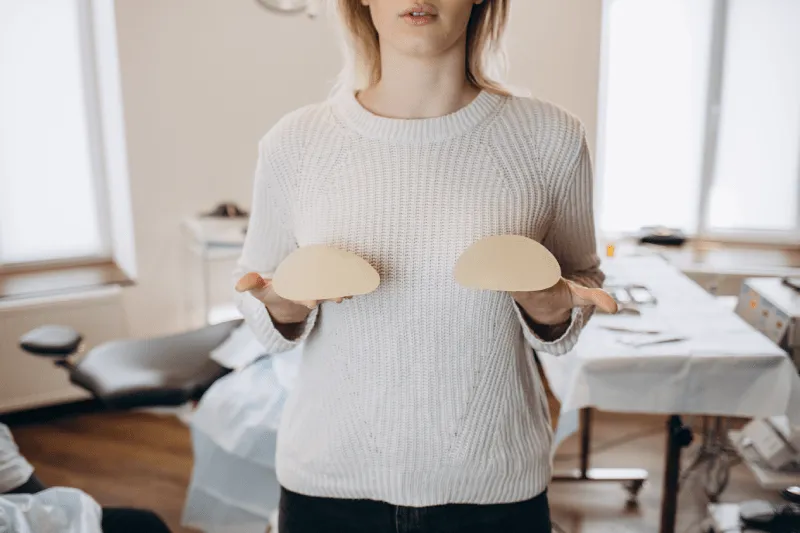
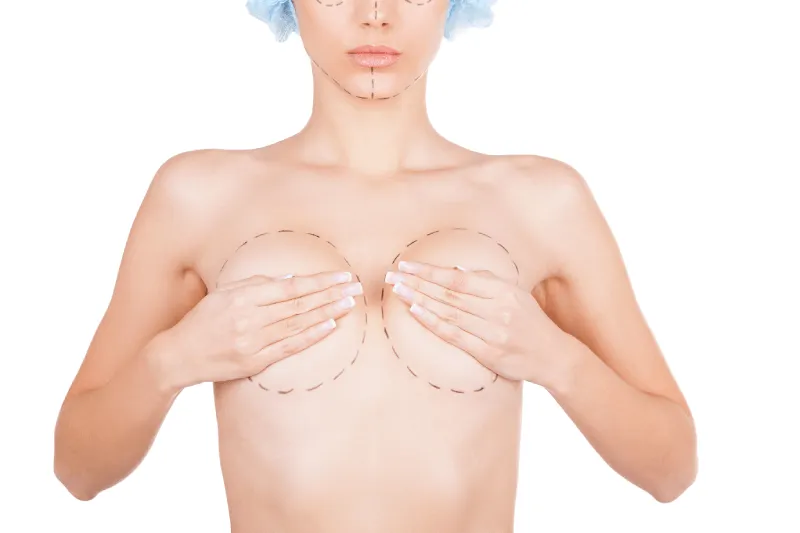
Breast implants are prosthetic devices used to increase the size, change the shape, and alter the texture of a woman’s breasts for reconstructive or aesthetic purposes. These implants consist of an outer shell made of solid, high-quality silicone and are filled with either cohesive silicone gel or a saline solution (saltwater). They have been used safely for decades to provide a predictable and significant increase in breast volume. Implants come in various shapes, such as round or anatomical (teardrop), and different profiles, allowing surgeons to customize the projection to perfectly match the patient’s specific body frame and desired look.
How Is Fat Injection Performed?
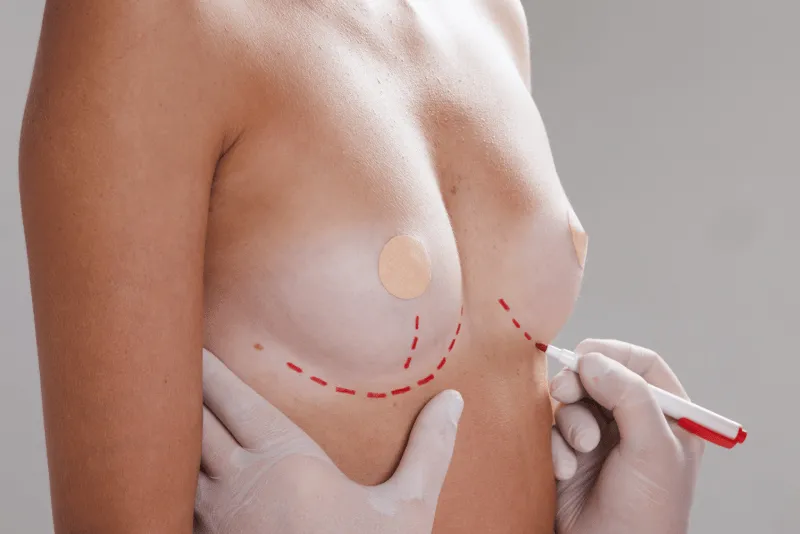
Breast augmentation through fat injection, also known as autologous fat transfer, is a sophisticated two-stage procedure that utilizes the patient’s own biological material. In the first phase, excess fat is harvested from donor areas like the abdomen, hips, or thighs using gentle liposuction techniques. In the second phase, this harvested fat is processed in a centrifuge to separate healthy fat cells from other fluids and impurities. Once purified, the concentrated fat is injected into the breast tissue using very fine cannulas. Because this method uses unwanted fat from other parts of the body, it is often referred to as “natural breast augmentation” and avoids the use of foreign materials.
Which Method Provides a More Natural Result?
The concept of naturalness in breast surgery encompasses both the visual appearance and the physical sensation when the breast is touched. Fat injection is generally considered the most natural-feeling method because it uses the patient’s own living tissue, resulting in a soft texture that is indistinguishable from original breast tissue. There are no palpable implant edges or foreign firmness. However, modern silicone implants, especially those containing highly cohesive “gummy bear” gel, are now designed to offer an incredibly natural softness and look. For patients with very low body fat, implants might have more visible edges, making fat transfer a better option for achieving seamless transitions.
What Are the Differences in Recovery Times?
The recovery process differs between the two methods primarily due to the level of invasiveness involved in the surgical approach. Fat injection usually offers a significantly faster recovery because it does not require large surgical incisions or the creation of a submuscular pocket. The small needle entry points heal rapidly, and most patients can return to their daily routines within just a few days. Silicone implant surgery is more invasive; since the implant is placed either under the gland or under the chest muscle, there may be more initial pain and restricted mobility. Full recovery and a return to strenuous exercise typically take 4 to 6 weeks for implants, whereas this period is much shorter for fat transfer.
How Long Does Silicone Implant Surgery Take?
A typical breast implant surgery is a relatively quick procedure that usually takes between 1 and 2 hours to complete, provided there are no complications. The operation is performed under general anesthesia to ensure patient comfort and safety. During the procedure, the surgeon makes a carefully planned incision in the inframammary fold, around the areola, or in the armpit to create a pocket for the implant. After the placement of the prostheses and meticulous suturing, the operation concludes. Including the time for waking up from anesthesia and the observation period, patients usually stay in the hospital for one day before being discharged.
Who Is a Suitable Candidate for Fat Transfer?
Patients who wish to undergo breast augmentation with fat transfer must meet several specific criteria, the most important being having sufficient donor fat elsewhere on their body. Individuals who are very thin or have a very low body mass index may not have enough fat to harvest for a successful transfer. Additionally, the ideal candidates are those seeking a modest increase in size—typically 1 to 1.5 cup sizes—and who do not have significant breast sagging. For those expecting dramatic changes in volume or a significant lift, fat injection alone might be insufficient to meet their aesthetic goals.
Do Breast Implants Last a Lifetime?
While breast implants are designed to be long-lasting medical devices, most surgeons recommend that they be monitored and potentially replaced every 10 to 15 years. Over time, factors such as wear and tear on the shell, deflation of saline models, or the body’s reaction to the implant (such as capsular contracture) may necessitate a revision. However, if no issues are detected and regular check-ups with imaging are performed, it is not mandatory to remove or replace them. The durability of new-generation implants produced with modern technology is significantly higher than older models, but they are still not considered permanent devices.
Are Fat Injection Results Permanent?
In the fat injection process, not all of the transferred fat cells survive the transition; typically, about 60% to 80% of the injected fat successfully integrates with the blood supply in the breast. The fat that “takes” and survives the first few months becomes a permanent part of the breast tissue. However, because these are living cells, they will respond to your body’s weight fluctuations. Significant weight loss can lead to a decrease in breast volume, just as it would in other parts of the body. The longevity of the results depends heavily on the surgical technique used and the patient’s ability to maintain a stable weight.
Which Method Provides More Volume?
For women who desire a dramatic and significant increase in breast volume, silicone implants are undeniably the superior option. With a single operation, it is possible to achieve nearly any desired size, moving from an A cup to a C, D, or even larger, depending on the patient’s anatomy. Fat injection is limited by the amount of fat that can be safely injected in one session without compromising the survival of the cells. There is a limit to how much pressure the tissue can handle while still providing nourishment to the new fat. Therefore, implants are the most effective solution for those seeking substantial transformation.
Where Are the Surgical Scars Located?
Breast implant surgery requires an incision of approximately 3 to 5 centimeters. This incision is strategically placed to be as inconspicuous as possible, usually hidden in the crease under the breast (inframammary fold), around the edge of the nipple (periareolar), or in the armpit (axillary). Once healed, these scars typically fade into thin, pale lines. In contrast, fat injection involves only tiny, millimeter-sized entry points for the cannulas. These holes are so small they often do not even require stitches and become virtually invisible once healed. For patients who are highly concerned about scarring, fat transfer offers a distinct advantage.
What Are the Potential Complication Risks?
Every surgical procedure carries its own set of risks that patients should carefully consider. For silicone implants, the most common risks include infection, bleeding, implant displacement, and capsular contracture. With fat injection, specific risks include “fat necrosis” (where fat hardens and forms a small cyst), asymmetrical absorption of the fat, or infection at the donor or recipient sites. Because silicone implants are foreign objects, there is a small possibility of the body reacting to them, whereas fat transfer eliminates this risk as the tissue is autogenous. Both procedures are safe when performed by experienced, board-certified surgeons.
Is the Breastfeeding Process Affected by These Procedures?
When performed using the correct surgical techniques, neither method typically interferes with a woman’s ability to breastfeed in the future. In silicone implant surgeries, surgeons usually place the prosthesis under the chest muscle or behind the milk glands to ensure the milk ducts remain intact and functional. Similarly, in fat injection, the fat cells are placed into and around the existing breast tissue without directly disturbing the milk-producing structures. However, since incisions around the nipple carry a slightly higher risk of affecting sensation or duct integrity, it is vital to discuss your plans for future breastfeeding with your surgeon before the operation.
Is There a Risk of Implants Rupturing?
Modern cohesive gel implants are designed with a “form-stable” interior, meaning they do not “burst” or “leak” like older liquid silicone models. Even if the outer shell is cut, the gel stays together and does not migrate into the body. However, a rupture can still occur due to severe trauma or a sharp injury, requiring the implant to be replaced. Saline-filled implants will simply deflate if they leak, which is immediately noticeable. Silicone gel ruptures can sometimes be “silent,” which is why periodic ultrasounds or MRI scans are recommended to ensure the integrity of the implants over the long term.
How Does Body Fat Percentage Affect the Choice?
The amount of body fat you have is a major determining factor in which breast augmentation method is feasible for you. If you have an athletic build with very little body fat, you likely lack the “raw material” needed for a successful fat injection. In such cases, silicone implants are the only viable option for increasing volume. On the other hand, women who have stubborn localized fat in areas like the belly or thighs and also want to enlarge their breasts can “kill two birds with one stone” through fat transfer. This approach allows for body contouring and breast enhancement simultaneously.
What Are the Anesthesia Options Available?
Breast implant surgeries are almost exclusively performed under general anesthesia to ensure the patient is completely unconscious and the muscles are fully relaxed for surgical safety. Fat injection, depending on the extent of the liposuction required, can sometimes be performed under local anesthesia combined with deep sedation. However, for maximum patient comfort and to allow the surgeon to work with precision, general anesthesia is usually preferred for fat transfer as well. An experienced anesthesiologist will evaluate your medical history to determine the safest and most appropriate method for your specific case.
Which Procedure Is More Cost-Effective?
The cost of breast augmentation depends on the materials used and the complexity of the surgery. In silicone implant procedures, the cost of the high-quality prostheses is a significant factor. For fat injection, there is no cost for an implant, but the surgical effort and time increase because liposuction must be performed first. Generally, in countries like Turkey, both methods are offered at very competitive and accessible prices. It is important to note that fat transfer may sometimes require a second session to achieve the desired volume, which could potentially increase the total investment compared to a single implant surgery.
What Is the Expected Pain Level After Surgery?
Following a breast implant operation, especially if the prosthesis was placed under the chest muscle, patients may experience moderate pain along with a feeling of pressure and tightness for the first few days. With fat injection, the pain in the breast area is usually minimal; patients more frequently report soreness or a “bruised” feeling in the areas where liposuction was performed. In both scenarios, discomfort is effectively managed with modern pain medications prescribed by your surgeon. Most patients find that they no longer need strong pain relief within 3 to 4 days after the procedure.
What Should Be Considered During the Recovery Period?
The most critical rule during recovery is the consistent use of a specialized medical support bra as recommended by your surgeon. this bra helps reduce swelling and ensures that the implants or the transferred fat remain properly positioned. During the first few weeks, you must avoid lifting heavy objects, reaching high above your head, and sleeping on your stomach. Additionally, avoiding smoking is crucial, as nicotine restricts blood flow, which can severely hinder tissue healing and the survival of newly injected fat cells. Following all post-operative instructions is the best way to ensure a beautiful result.
Does It Make Breast Cancer Screening Difficult?
This is a common and important concern for many women. Fortunately, both silicone implants and fat injections do not prevent effective breast cancer screening when performed by an experienced radiologist. When undergoing a mammogram, you must inform the technician about your implants so that specialized views (such as Eklund maneuvers) can be used. In the case of fat injection, small calcifications or fat cysts can sometimes appear on scans, but modern MRI and ultrasound equipment can clearly distinguish these from suspicious masses. Both methods are considered safe regarding cancer detection and overall breast health.
What Is Capsular Contracture?
Capsular contracture occurs when the body perceives a breast implant as a foreign object and forms a layer of scar tissue (a capsule) around it. In some cases, this scar tissue becomes unusually thick and begins to tighten or “contract” around the implant, leading to firmness, distortion of the breast shape, and sometimes pain. While this was more common in the past, modern implant surfaces and refined surgical techniques have significantly reduced this risk. Because fat injection uses the patient’s own tissue rather than a foreign object, the risk of capsular contracture is completely eliminated with this method.
Is Liposuction Always Part of Fat Injection?
Yes, liposuction is an essential and inseparable part of the fat injection process. To obtain the fat that will be injected into the breasts, the surgeon must first extract it from areas where there is an excess, such as the abdomen, waist, or inner thighs. This provides a dual benefit for the patient: while the breasts are being enlarged and shaped, the donor areas are simultaneously contoured and slimmed down. This “two-in-one” effect is one of the biggest motivators for patients choosing the fat transfer method, as it results in a more balanced and aesthetic overall body silhouette.
When Can You Return to a Sports Routine?
During the first two weeks following surgery, only light walking is recommended to promote circulation. From the third week onwards, you can usually begin lower-body exercises that do not strain the chest. However, heavy lifting, high-impact activities, fitness routines involving the pectoral muscles, and swimming should generally be avoided for at least 6 weeks. Wearing a supportive sports bra during this period is vital to minimize bounce and protect the healing tissues. Engaging in strenuous exercise too early can lead to complications such as implant displacement or the opening of incisions.
When Can Sexual Life Resume?
After any surgical intervention, the body needs time to recover its energy and for the tissues to stabilize. Generally, you can return to sexual activity about 2 to 3 weeks after the operation, but it is important to be very cautious. Pressure on the breast area and vigorous movements should be strictly avoided for at least 6 to 8 weeks. The breasts may be sensitive or tender during this time, and you should wait until the swelling has significantly subsided. If you feel any pain or discomfort, you should stop and allow your body more time to rest.
Does the Breast Shape Change Over Time?
The human body is constantly affected by aging, gravity, and hormonal fluctuations. Silicone implants provide a degree of internal support, but over time, the natural breast tissue sitting on top of the implant may still sag (a condition known as pseudoptosis). With fat injection, the breasts follow the completely natural aging process of the body. If the skin loses its elasticity due to age or weight changes, sagging will occur. To maintain the results of either operation for as long as possible, it is important to maintain a stable weight and use high-quality, supportive bras.
Can Two Procedures Be Performed at Once?
In some cases, a technique called “hybrid breast augmentation” is used to achieve the best possible result. This method combines the placement of a silicone implant with fat injection around the edges of the implant to soften its transition and create a more natural cleavage. The hybrid approach is particularly beneficial for patients with very thin skin or prominent rib cages, where an implant alone might look too “artificial.” Your surgeon will evaluate your tissue quality during the consultation to determine if this combination is the most aesthetic path for you.
Is the Use of Drains Necessary?
In breast implant surgeries, surgeons sometimes place thin tubes called “drains” to remove any blood or fluid that might collect at the surgical site. However, thanks to advanced “bloodless” surgical techniques used today, the use of drains is no longer necessary for many patients. Drains are almost never used in fat injection procedures. If drains are required for your implant surgery, they are typically removed within 24 to 48 hours, usually before you are discharged from the hospital or during your first follow-up appointment, and the process is quick and painless.
How Does Smoking Affect Recovery?
Smoking significantly impairs blood circulation by constricting blood vessels and reducing the amount of oxygen that reaches the healing tissues. In breast implant surgery, this can lead to slow wound healing, more visible scarring, or an increased risk of infection. For fat injection, the impact of smoking is even more critical; the transferred fat cells must quickly establish a blood supply from the surrounding tissue to survive. In smokers, the “take rate” of the fat is much lower, which can lead to a failed procedure. Therefore, quitting smoking at least 4 weeks before and after surgery is strongly advised.
Is Massaging the Breasts Necessary?
In the past, vigorous massage was often recommended for smooth-surface implants to help prevent capsular contracture. However, with the majority of modern implants having textured or micro-textured surfaces, massage is generally no longer recommended because the goal is for the implant to adhere slightly to the surrounding tissue. In the case of fat injection, you must strictly avoid massaging the breasts during the first few weeks to prevent the newly injected fat from being displaced. Your surgeon will provide you with a specific protocol based on the type of implant and technique they have utilized.
Why Is Aesthetic Surgery So Popular in Turkey?
Turkey has become a global hub for aesthetic surgery, with cities like Istanbul and Antalya leading the way. The secret behind the country’s success lies in its combination of highly trained surgeons with thousands of cases of experience, world-class hospitals equipped with the latest technology, and significant cost advantages. In breast augmentation procedures, Turkey offers not just medical success but a holistic experience for the patient. Professional organizations like Cure Holiday transform this process from a mere medical operation into a comfortable and life-changing journey of transformation in a beautiful setting.
How Is the Treatment Process Planned With Cure Holiday?
Cure Holiday is a leading organization that meticulously plans every detail for patients choosing Turkey for their breast augmentation surgery. The process begins with an online consultation where you can share your photos and have a preliminary discussion with expert surgeons. Based on your expectations, the team helps determine whether implants or fat injection is the best fit for your anatomy. From your flight arrangements to your luxury accommodation, everything is organized by the Cure Holiday team, allowing you to focus entirely on your recovery and your new look.
What Facilities Does Cure Holiday Offer to Its Guests?
Patients traveling to Turkey through Cure Holiday experience much more than just a medical service; they enjoy a VIP experience. This includes being greeted at the airport by private vehicles, staying in 5-star luxury hotels, and having a personal assistant who accompanies you throughout the hospital processes. All the medications, medical bras, and care kits you will need after the surgery are prepared in advance by Cure Holiday. To ensure there are no communication barriers, translation support is available at every stage of your journey, making you feel right at home.
What Are the Advantages of Having Surgery in Turkey?
The biggest advantage of having breast augmentation surgery in Turkey is receiving top-quality medical care at a fraction of the cost found in Europe or the United States. However, the benefits are not only financial; Turkish surgeons are world-renowned for their aesthetic vision and their sensitivity toward achieving “natural beauty.” With Cure Holiday, these medical advantages are paired with professional organization, ensuring that even though you are away from home, you feel completely safe, cared for, and special throughout the entire surgical process and your recovery stay.
Why Should Cure Holiday Surgeons Be Preferred?
Cure Holiday works exclusively with surgeons who are experts in their fields, hold international certifications (such as EBOPRAS and ISAPS), and have high success rates. These doctors, specialized in breast aesthetics, minimize the margin of error by using the latest technologies, including 3D simulations and advanced cohesive gel technologies. They are known for their honest and ethical approach when choosing the most suitable method for a patient’s anatomy. For Cure Holiday surgeons, the priority is always the patient’s long-term health, safety, and ultimate satisfaction with their aesthetic result.
How Can You Contact Cure Holiday?
If you are struggling to decide between breast implants and fat injection, the expert consultants at Cure Holiday are ready to guide you. You can receive a free evaluation by filling out the form on their website, sending a message via WhatsApp, or calling them directly. Starting a safe, professional, and comfortable journey to achieve the look of your dreams is just one step away with Cure Holiday. Their team is dedicated to providing you with all the information you need to make an informed decision and start your transformation today.
Free Consultation
Fill out the form below to get your free medical travel plan and price quote.
Sources and how to verify this yourself
- Howe M-S, Keys W, Richards D. Long-term (10-year) dental implant survival: a systematic review and sensitivity meta-analysis. Journal of Dentistry, 2019 — pooled 10-year implant survival 96.4% (95% CI 95.2–97.5%); conservative sensitivity estimate 93.2%. source
- Ministry of Health, Regulation on International Health Tourism and Tourist Health, Official Gazette 26 April 2025, No. 32882 — authorisation requirement for facilities and intermediaries, TÜSKA accreditation, compulsory complication insurance (deadline 31 December 2025 for insurance, 31 December 2026 for accreditation). source
- Ministry of Health, Regulation on Promotion and Information Activities in Health Services, Official Gazette 12 November 2025, No. 33075 — treatment promises and guarantees are prohibited; price and campaign announcements are permitted only within international health tourism. source