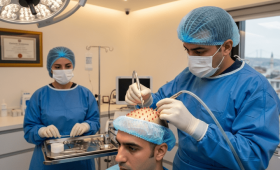
A beard is considered one of the symbols of masculinity, and having patchy, sparse beard hair can lead to self-confidence issues for many men. This comprehensive guide details every stage, starting from topical solutions that can be tried, why these solutions might be insufficient, up to the ultimate, permanent solution: modern beard transplant methods. You can find scientifically-based steps and the opportunities offered by Turkey to turn your beard growth dream into reality in this article.
Do Beard Serums Really Work, and Are Their Effects Permanent?
Beard serums are generally designed to stimulate hair follicles and increase blood circulation in the area to support new hair growth. These products can accelerate the transition of hair follicles from the resting (telogen) phase to the growth (anagen) phase. However, the success of these serums depends on the individual’s genetic structure, hormonal balance, and existing follicle density. If there are no hair follicles in the area, serums cannot create new ones. They can provide a certain degree of thickening by strengthening existing hairs and changing them from thin to thick; however, this effect may usually revert when usage is stopped and does not provide a permanent solution.
How Should Beard Serum Be Used?
Correct application technique is vital to get the maximum benefit from beard serums. First, the skin should be washed with a gentle cleanser and completely dried. The serum is usually applied directly to sparse areas once or twice a day using a dropper. After application, massaging in circular and gentle movements with the fingertips for 1-2 minutes both enhances product absorption and maximizes the effect by increasing blood flow. It should be remembered that using more than the recommended amount does not yield faster results; on the contrary, it can cause skin irritation.
Is Minoxidil-Containing Beard Serum Safe, and Does It Have Side Effects?
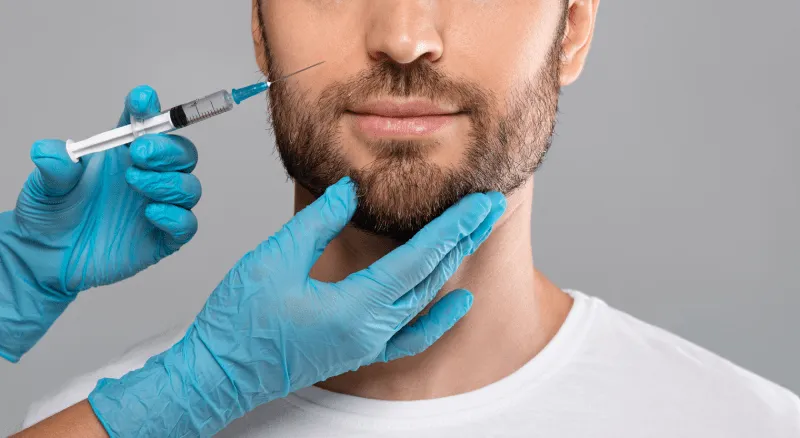
Minoxidil was originally developed for the treatment of high blood pressure, and its property of promoting hair growth was discovered afterward. Beard serums containing this compound can be effective but may also come with some side effects. The most common side effects include dry skin, itching, redness, and increased unwanted body hair. Less commonly, systemic effects such as changes in heart rhythm or dizziness can also occur. It is crucial to consult a specialist before using Minoxidil, and those with heart conditions should proceed under a doctor’s supervision.
What Ingredients Should I Look for When Using Beard Serum?
The formulations of beard serums can vary greatly, but some key ingredients stand out for successful results. In addition to vasodilators like Minoxidil, B vitamins such as biotin (Vitamin B7) and niacin (Vitamin B3) help nourish and strengthen hair follicles. Furthermore, protein building blocks like keratin and collagen, along with moisturizers like hyaluronic acid, support overall skin health and increase the serum’s effectiveness. Paying attention to products that are alcohol- and paraben-free and enriched with natural oils (e.g., Castor oil) is important for skin health.
How Long Should I Use Beard Serum to Get Maximum Efficacy?
For beard serums to show their effects, time and consistency are required. Users are generally advised to apply regularly for at least 3 to 6 months to see the first noticeable results. Since the hair cycle is a long process, it can take months for the serum to push new hairs into the growth phase and for these hairs to become visible. Continuous regular use for up to 1 year is recommended for maximum effect and potential permanent thickening. Stopping use abruptly can cause the gained fullness to rapidly revert, so planning a gradual cessation is better.
Is It Possible for My Beard to Thicken Naturally?
Many men hope to thicken their beards through natural methods like vitamins, specialized oils, and regular shaving. However, the primary factor determining beard density and root count is genetics. If hair follicles (follicles) are nonexistent or highly inactive in an area, no external natural method or serum can create these roots out of nothing. Although natural methods nourish and strengthen existing hairs, they are insufficient to fill regional sparseness or areas lacking roots, and achieving the desired full, dense look often ends in disappointment.
How Do Genetic Factors Affect My Beard Density?
How dense the beard will grow is directly related to the distribution of roots on the facial skin and the genetic sensitivity of the hair follicles to the dihydrotestosterone (DHT) hormone. These characteristics are entirely contained within the genetic code inherited from our parents. Unfortunately, it is not possible to permanently and effectively change genetically determined low root counts or DHT sensitivity with lifestyle changes, vitamin supplements, or topical products. Genetic limitations point to the necessity of a medical intervention for permanent fullness.
How Much Can Nutritional Habits Support My Beard Roots?
A healthy and balanced diet is critically important for the health and growth potential of existing hair follicles, just like for overall body health. Protein, iron, zinc, and Vitamins A, E, and D can contribute to strengthening the hair structure and reducing shedding. However, no matter how flawless the nutrition is, it will not cause new hair follicles to form or magically thicken a genetically sparse area. Nutrition is merely a supportive factor that helps existing roots reach their maximum potential.
Is It Possible to Grow a Beard If Testosterone Levels Are Low?
Beard growth is largely dependent on testosterone and its more active form, dihydrotestosterone (DHT). Men with significantly low testosterone levels may experience slow or sparse beard growth. In this case, hormone replacement therapy may be attempted under medical supervision, but this is usually part of a serious medical condition. On the other hand, having testosterone levels within the normal range does not guarantee a dense beard; because the issue is not so much the hormone level in the blood as the genetic sensitivity of the hair follicles to this hormone.
How Patient Should I Be With Natural Beard Growth Methods?
Patience is the keyword in the beard growth process using natural methods or serums. Given the length of the hair cycle, it usually takes 3 to 6 months for any change to become visible. During this period, it is important to pay attention to factors such as regular application, proper nutrition, and avoiding stress. However, if there is still no significant progress after six months or if the desired density has not been achieved, it may mean that natural methods cannot overcome your genetic limitations and it is time to move towards more permanent solutions.
What Are Common Mistakes Made When Trying to Grow a Beard?
One of the common mistakes made by those trying to grow a beard is over-irritating the skin. For example, failing to disinfect the skin after using a roller or harsh scrubbing can lead to infection and inflammation. Another common mistake is using a much higher dose of serum than recommended to speed up results, which can cause severe side effects on the skin. Furthermore, constantly shaving, believing it will make the beard grow, does not increase the number of roots, it only shortens the existing hairs and does not help thickening, creating a false expectation.
What Does It Mean If I Still See Sparseness After Using Beard Serum?
If, despite regular use of effective beard serums for a period, regional sparse areas persist, especially on the cheeks or jawline, the primary reason is genetic absence of hair follicles in those regions. Serums can stimulate existing roots, but they cannot trigger hair growth in areas where roots are missing. This means you have reached the limits of topical solutions and should consider beard transplantation, the only true permanent solution for increasing density.
If Hair Roots Are Completely Absent, Do Natural Methods Make a Difference?
Sparse or completely hairless areas observed on the skin are usually due to the genetic absence of hair follicles there. If hair follicles are absent, it is scientifically impossible for vitamins, massage, derma rollers, or any natural oil to induce hair growth in that area. These methods can help existing hair follicles grow healthier and thicker, but they do not have the ability to create a new follicle (root). In such cases, the only permanent and effective way to eliminate sparseness is a beard transplant operation, where live hair roots are transplanted.
What Are the Most Common Reasons for Regional Sparseness in My Beard?
The most common causes of regional sparseness in beards include genetic predisposition, hormonal imbalances (especially insufficient DHT sensitivity), and autoimmune diseases (such as alopecia areata). Genetics determine where and how densely the roots will be located, while hormonal factors affect the growth rate. Additionally, past skin traumas like burns, scars, or acne in that area can permanently destroy hair follicles, leading to regional gaps. Consulting a dermatologist or hair transplant specialist for the diagnosis of these conditions is beneficial.
When Should I Consult a Specialist and Abandon Natural Methods?
If you have not achieved the desired density in your beard or if regional gaps (patchy areas) continue despite 6 to 12 months of regular serum and natural method use, it means it is time to consult a specialist. During this period, you would have pushed the limits of natural methods and realized that you need to take steps for a permanent solution. You should consult a clinic specialized in beard transplantation to determine the appropriate number of grafts for your facial structure and need, and reach a permanent solution that overcomes your genetic limitations.
What is Beard Transplant and Why is it a Permanent Solution for Sparse Beards?
Beard transplantation is the procedure of transferring healthy hair follicles (grafts) taken from areas of the body resistant to shedding, usually the nape of the neck (donor area), to areas of the beard that are sparse or hairless. This procedure is a permanent solution because the transplanted hair follicles are genetically coded against shedding and retain this characteristic in their new location. Once transplanted to the face, the roots enter the normal beard hair cycle and continue to grow for life, thus achieving a natural and dense beard appearance.
How Does the Beard Transplant Process Work, and What Are Its Stages?
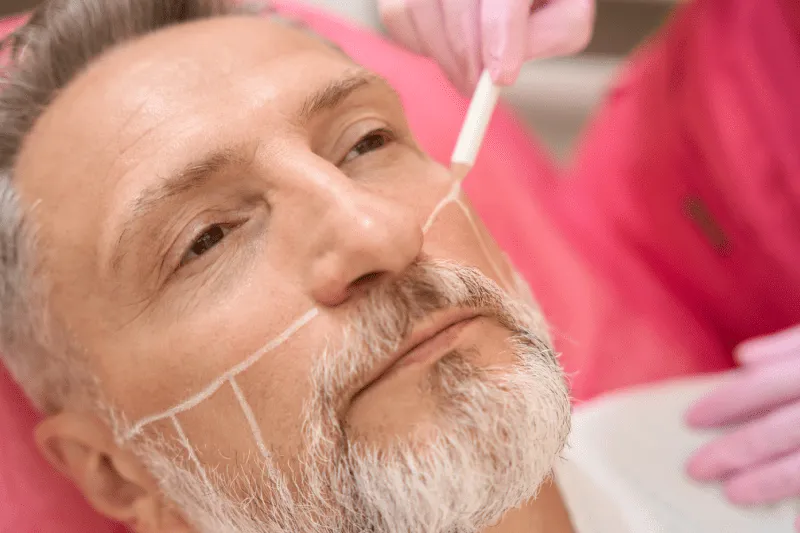
The beard transplantation process generally consists of three main stages. In the first stage, “Preparation and Graft Harvesting,” healthy hair follicles are individually harvested from areas like the nape or behind the ears using a micro-motor or manual punch (FUE or DHI technique). In the second stage, “Channel Opening,” micro-channels are opened in the transplantation area (beard region) according to the natural exit direction, angle, and density of the hair follicles. In the final stage, the harvested grafts are carefully placed into these opened channels. The entire process takes place under local anesthesia, and the patient does not feel any pain.
Is the FUE Technique the Most Suitable Method for Beard Transplant?
Follicular Unit Extraction (FUE) technique is one of the most common and successful hair/beard transplantation methods today. In this technique, grafts are individually harvested using special-tipped micro-motors and placed into the opened channels. FUE offers the possibility of transplanting large areas and leaves minimal scarring in the donor area. For beard transplantation, modified versions of FUE or more precise techniques like DHI may be preferred due to the sensitivity of hair follicle angle and direction, but FUE forms the basis of modern transplantation.
How is DHI Technique Used in Beard Transplant?
DHI technique for beard transplantation is the process of directly implanting hair roots collected from the donor area using Choi implanter pens. Unlike traditional methods, channel opening and root placement are carried out simultaneously. This feature minimizes tissue trauma, accelerating the healing process. Thanks to the angle control offered by the pens, the most suitable and dense appearance aligned with the natural exit direction in the beard area is achieved. Its biggest advantages are minimal bleeding and leaving no scars.
What Are the Key Differences Between DHI Beard Transplant and FUE?
The main difference between the Direct Hair Implantation (DHI) technique and FUE is the combination of the channel opening and root placement stages. In DHI, hair roots are placed inside a special pen (Choi Implanter Pen), and this pen is used to both open the channel in the skin and instantly push the root in. This shortens the waiting time of the roots outside and allows for denser transplantation with less trauma. In beard transplantation, DHI is often the preferred method for achieving a natural angle and increasing transplantation density, especially in thin and sensitive areas.
How Long Does the Beard Transplant Operation Take, and Is It Painful?
The duration of the beard transplantation operation varies depending on the number of grafts to be implanted and the technique applied, but generally takes between 3 to 8 hours. Sparse transplants performed on smaller areas can be completed in 3-4 hours, while creating a full beard line can take longer. Since the procedure is performed under local anesthesia, the patient does not feel any pain or ache during the operation. A slight stinging may be felt during the anesthesia application, but this is temporary. During the operation, the patient can listen to music, watch a movie, or chat with the specialist.
How is the Required Number of Grafts for Beard Transplant Determined?
The required number of grafts is determined individually based on factors such as how much emptiness there is in the person’s beard, the desired density level, and the width of the facial features. A specialized surgeon analyzes the face to assess the deficiencies in the jawline, mustache, and cheek areas. Generally, 500 to 1500 grafts may be sufficient just to fill sparse areas, while 2000 to 3500 grafts may be needed to provide a full and dense beard appearance for a person who has no beard (experiencing beard loss). This number is finalized with an examination performed before the transplant.
Will the Transplanted Hairs Look Natural?
The most important criterion for success in beard transplantation is the natural look of the transplanted hairs. To achieve this, there are two basic rules: correct angle and correct density. Beard hairs, unlike scalp hair, exit the face at a much more horizontal angle (usually 10-20 degrees). The expert surgeon must open the channels in accordance with this natural angle and the changing direction specific to each area (mustache, chin, cheek). Additionally, using single roots in the front lines and gradually increasing the density towards the back ensures a natural transition and appearance.
What is the Recovery Process After Beard Transplant, and What Should I Be Aware Of?
The recovery process after beard transplantation is generally fast. In the first few days, slight redness, scabbing, and swelling may be observed in the transplanted area and the donor area. The most important thing to be aware of during this process is absolutely not to scratch, rub, or expose the transplanted area to impact. Sleeping with your head and face elevated reduces swelling. Regular use of the antibiotics and lotions recommended by the doctor accelerates healing. Generally, scabs fall off within 7-10 days, and the patient can comfortably return to social life.
When is the First Wash Performed, and What Are the Post-Beard Transplant Care Rules?
The first wash after beard transplantation is usually performed 24 to 72 hours after the operation, only in a clinical setting and by specialized personnel. This wash is carried out with a special technique to soften the scabs and clean the area without damaging the sensitive transplanted area. For subsequent washes, you will be given special shampoos and lotions and taught in detail how to apply them. Hard water contact, excessive steam, pool, and sea water should be strictly avoided for the first two weeks. Avoiding sun exposure is also vitally important for the health of the roots.
When Will the Transplanted Hairs Grow, and When Will the Results Be Seen?
The transplanted beard hairs undergo a temporary shedding known as ‘shock loss’ within the first 2-4 weeks after the operation. This is completely normal and expected. The hair roots remain under the skin and enter the resting phase. New and permanent beard hairs usually begin to grow from the 3rd month onwards. 50-70% of the results are visibly apparent by the 6th month. The beard takes its full density, thickness, and final shape in 12 to 18 months. Being patient is the most important key to this process.
What is Shock Loss After Beard Transplant?
Shock loss (Telogen Effluvium) is the temporary shedding of some of the transplanted hair roots 2 to 4 weeks after the implantation procedure. This is a natural reaction of the roots to the stress during transplantation, and it is the hair strand, not the root itself, that sheds. The root enters the resting phase and gathers energy to produce a new and permanent hair. Shock loss is temporary and does not mean the operation was unsuccessful; on the contrary, it is a sign that the healthy hair cycle has begun. Instead of worrying during this process, you should continue to follow your specialist’s care instructions.
What Areas Are Used as the Donor Region for Beard Transplant?
The primary donor area for beard transplantation is usually the area between the two ears on the nape of the neck. The hair roots here are the most genetically resistant to shedding and retain this characteristic when transplanted to the beard area. If there is insufficient root density in the nape area or if a large number of grafts is required, chest hair may be used as a secondary donor area. However, chest hair is thinner than beard hair, and the decision of the expert surgeon is important to ensure tissue compatibility.
Is Beard Transplant a Suitable Treatment Option for Everyone?
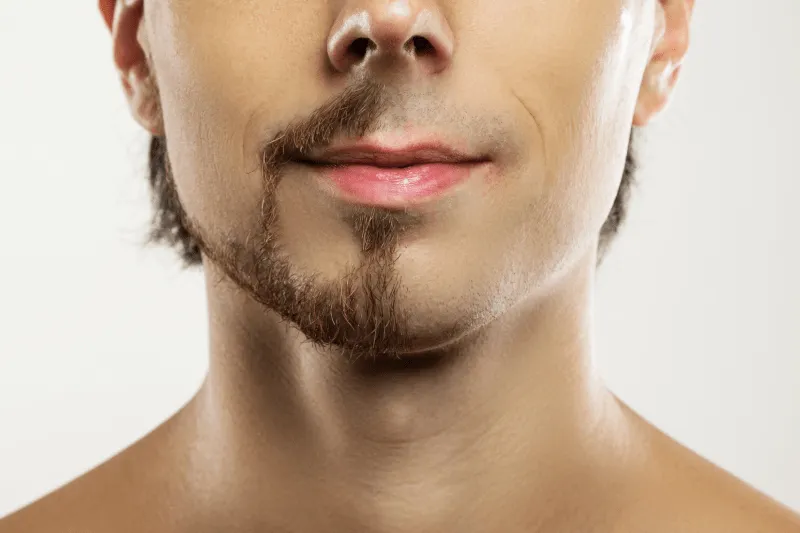
Beard transplantation is a suitable treatment option for individuals over 18 years old who are in good general health and have a sufficient density of healthy hair roots in the donor area. It is ideal especially for those whose beard never grew due to genetic reasons, those with regional gaps, or those who have experienced beard loss due to scarring. However, it may not be suitable for people with uncontrolled chronic diseases (e.g., diabetes), blood clotting issues, or active skin infections. A detailed medical evaluation beforehand is mandatory.
On Which Factors Do Beard Transplant Prices Depend?
Beard transplantation prices depend on many variables, and it is not possible to give a fixed price. The main factors affecting the price are: the total number of grafts required for the transplant (the size of the sparse area), the technique used (FUE, DHI), the experience of the surgeon and the clinic performing the operation, the location of the clinic (country and city), and the additional services included in the package (accommodation, transfer, medications). In countries like Turkey, despite the high quality, costs can be much more affordable compared to other European countries.
How Can I Tell if a Beard Transplant Operation Was Successful?
A successful beard transplantation operation is understood not only by the growth of the transplanted hairs but also by achieving a completely natural and aesthetic appearance. The main indicators of success are: the transplanted hairs matching the natural lines and exit directions of the face, no excessive sparseness or scarring remaining in the donor area, a high survival rate of the transplanted hairs (usually 90% and above), and most importantly, achieving a dense and full result that is compatible with the person’s facial expression.
Why Has Turkey Become a Global Center for Beard Transplant?
Turkey has gained a worldwide reputation in health tourism, especially in the field of hair and beard transplantation. The biggest reasons for this include the high level of expertise and years of experience of Turkish surgeons in this field. At the same time, the use of the latest technologies (DHI, sapphire FUE), high hygiene and safety standards, and the fact that all these services are offered at much more competitive prices compared to Western standards have made Turkey a magnet for international patients.
What is the Cost Advantage of Getting a Beard Transplant in Turkey?
The cost advantage of having a beard transplant operation in Turkey is generally 50% to 70% lower compared to countries in Europe and North America. This large cost difference stems from lower labor and operational costs. However, this low cost does not mean compromising on service quality. Clinics in Turkey work with the latest technology and international accreditations, offering a combination of cost-effectiveness and quality, making it one of the biggest incentives for medical travel.
What Should I Consider When Choosing Beard Transplant Clinics in Turkey?
When choosing a beard transplant clinic in Turkey, you should first pay attention to the surgeon’s experience and certification. The clinic’s approval by the Ministry of Health and possession of international certificates (e.g., ISO) are important for reliability. Reviewing patient reviews and before/after photos helps you understand the team’s experience and the success of the operation. Additionally, you should check whether the clinic offers comprehensive packages that cover not only the operation but also travel, accommodation, and post-operative follow-up.
What is the Experience and Success Rate of Turkish Surgeons in Beard Transplant?
Due to the intensity of health tourism, Turkish surgeons have experience performing a much higher number of hair and beard transplantation operations compared to their colleagues in other countries. This high volume of cases has enabled surgeons to extraordinarily develop their dexterity and aesthetic vision. Especially in beard transplantation, their mastery in placing hair roots according to the angle and direction suitable for natural facial features makes Turkish surgeons world leaders in this field. High success and patient satisfaction rates attest to this.
Which City Should I Choose for Beard Transplant in Turkey?
The city in Turkey with the highest concentration and most experienced clinics for beard transplantation is undoubtedly Istanbul. Istanbul stands out due to both the ease of international access and the presence of large hospitals and clinics equipped with the most advanced medical technologies. However, major cities like Ankara and Izmir also have reliable alternatives offering quality services. The choice of city can be made based on your personal vacation and travel preferences, the clinic’s location, and your budget. The important thing is to be sure about the clinic you choose.
How Should I Plan My Travel for Beard Transplant in Turkey?
When planning travel to Turkey for beard transplantation, it is generally recommended to allocate a period of 3 days. The first day is for examination and operation, the second day for control and bandaging, and the third day is for the first wash and preparation for returning to your country. When you contact the clinic, a package including accommodation and airport transfers will usually be offered. When purchasing your flight tickets, choosing Business Class or seats with extra legroom where you can be comfortable is advisable, as you should not bend your head for the first week after the operation.
What Accommodation and Transfer Services Do Clinics in Turkey Offer?
Most health tourism clinics in Turkey offer comprehensive package services to provide international patients with a comfortable experience. These services typically include airport pick-up and transfer to the clinic/hotel, 2-3 nights of accommodation in luxury or boutique hotels, and city transfers. This ensures that patients can focus on resting after the operation. Some premium packages also include interpreter services and a post-operative care kit, organizing the patient’s experience in Turkey from start to finish.
How Should My Preparation Process Be Before Getting a Beard Transplant in Turkey?
Paying attention to certain preparation steps before the beard transplantation operation increases the success of the operation. You should stop using blood thinners (aspirin, Vitamin E) at least one week before the operation. Minimizing or completely stopping smoking and alcohol consumption accelerates the healing process. You should have breakfast on the morning of the operation, but avoid coffee or caffeinated drinks. When coming to the clinic, choose comfortable, buttoned, or zippered top garments so that you can dress and undress without rubbing your head after the operation.
What is the Minimum Time I Need to Stay in Turkey After Beard Transplant?
The minimum time you need to stay in Turkey after the beard transplantation operation is generally 2 to 3 days. During this period, the operation is performed on the first day, doctor control and bandaging are done on the second day. On the third day, the first wash, which is critical to ensure the roots are securely settled, is performed, and subsequent care processes are explained in detail by specialist personnel. This three-day process is sufficient for the transplanted roots to settle firmly and for the patient to be ready for home care. Staying longer and resting is certainly advisable.
What Languages Can I Use to Communicate With the Clinic in Turkey?
Large clinics and health tourism centers in Turkey offer multilingual services to ensure the comfort of international patients. Interpreters and patient coordinators serving in common languages such as English, German, French, Arabic, Russian, and Spanish are available. In this way, all communication processes, from before the operation to after, are conducted in the patient’s native language or a language they are comfortable speaking, which eliminates the risk of any misunderstanding and makes the patient feel secure.
What Are the Hygiene and Safety Standards of Beard Transplant Centers in Turkey?
Accredited and internationally recognized beard transplant centers in Turkey adhere to high hygiene and safety standards. Operations are generally performed in fully equipped hospitals or modern clinics compliant with international standards such as JCI (Joint Commission International). Sterilization rules are meticulously applied, operations are performed with single-use materials, and local anesthesia is administered by authorized specialists. These high standards guarantee that patients receive both quality treatment and a safe medical environment.
How Many Days Does the Beard Transplant Procedure Require in Turkey?
A beard transplantation treatment in Turkey is usually planned within a 3-day program framework. The first day includes detailed examination, blood tests, and the operation; the second day includes rest, bandaging, and doctor control; and the third day includes the critical first wash to ensure the roots are set at the correct angle, and discharge procedures. Some patients may use the fourth or fifth day for sightseeing and resting in Istanbul or other cities, but the minimum required time medically is 3 days.
How Are Post-Beard Transplant Check-ups Done in Turkey, and Are They Free?
Post-operative checks after beard transplantation in Turkey are usually included in the program and performed free of charge at your clinic (on the 2nd and 3rd days). For the process after returning to your country, most clinics offer remote follow-up and consultation services. Patients are asked to send clear photos of the transplanted area at specific intervals (e.g., 1st month, 3rd month, 6th month, and 1st year) to receive feedback from their surgeon. Furthermore, direct communication channels, usually via WhatsApp or other messaging applications, are provided for any questions you may have about the process. These remote controls and consultations are generally free of charge and included in the package price.
Do I Need a Visa to Come to Turkey for a Beard Transplant?
Turkey’s visa regime varies according to your citizenship status. Visa exemption is granted to citizens of many countries for short-term tourist travel (usually up to 90 days). However, for some countries, an e-visa or a visa from the consulate may be required. It is mandatory to check the current visa requirements on the official website of the Ministry of Foreign Affairs of the Republic of Turkey or the Turkish consulate in your country before your trip. Most clinics also offer guidance services to patients regarding the visa process.
What Are the Satisfaction Rates of International Patients Who Had a Beard Transplant in Turkey?
Turkey enjoys high satisfaction rates among international patients thanks to the balance of high quality and affordable cost it offers. Especially the emphasis of Turkish surgeons on aesthetic and natural appearance meets patient expectations. High success rates (over 90%), comprehensive post-operative care, and professional services are evidenced by the positive reviews left by patients on social media and forums. This satisfaction reinforces Turkey’s leading position in health tourism.
Which Regions Are Recommended for Vacation After a Beard Transplant in Turkey?
It is important to focus on rest due to sensitivity in the first few days after beard transplantation. However, in the process after the operation, especially after the scabs fall off around the 10th day, light-paced vacations can be enjoyed. Istanbul’s historical peninsula, the mystical atmosphere of Cappadocia, or the natural beauties of the Aegean and Mediterranean regions during periods when the sun is not too intense can be recommended. Important note: You should strictly avoid direct sunlight, pools, and sea water for the first month, so a sunny beach vacation should not be among your first choices.
Is It Possible to Get Both Treatment and a Cultural Experience by Getting a Beard Transplant in Turkey?
It is absolutely possible. Turkey is a country rich not only in medical services but also in historical, cultural, and natural beauties. After allocating a part of the time you set aside for beard transplantation to rest after the operation, you can visit the historical structures of Istanbul that are thousands of years old, taste the unique flavors of Turkish cuisine, and experience the hospitality of Anatolian culture. This offers an opportunity to turn your medical trip into an unforgettable cultural journey.
What Do Beard Transplant Packages in Turkey Usually Cover?
Beard transplantation packages in Turkey vary according to the patient’s needs, but they typically cover: pre-operative blood tests and doctor’s examination, the operation itself (graft harvesting and implantation), all necessary medications, bandaging, and the first wash procedures. Generally accommodation (3 nights in a 4-star hotel), airport-hotel-clinic transfers, and interpreter services are usually included in these packages. Some premium packages may also include additional care products and a longer stay duration.
How Can I Remotely Follow Up on My Beard Transplant Results in Turkey?
Most clinics in Turkey have established a flawless remote follow-up system for their international patients. A dedicated patient coordinator is assigned to you after your treatment. Through this coordinator, you can receive feedback from your surgeon by sending clear photos of the transplanted area at different stages of your recovery process (e.g., 3rd month, 6th month). Furthermore, direct communication channels, usually via WhatsApp or other messaging applications, are provided for any questions you may have about the process.
What Should Be the First Step to Book a Beard Transplant Appointment in Turkey?
The first step you should take to book a beard transplantation appointment in Turkey is to identify a reliable clinic that specializes in the field and serves international patients. Request a free pre-analysis by sending your photos (front, right, left profile) through the clinic’s website or communication channels. In this analysis, the expert surgeon will determine the approximate number of grafts you need, the most suitable transplantation technique for you, and the estimated cost. This initial consultation will form the roadmap for planning your treatment process.
Free Consultation
Fill out the form below to get your free medical travel plan and price quote.
Sources and how to verify this yourself
- Comparative study of graft survival by donor site (scalp, beard, chest) at 12 months — roughly 89% for scalp, 95% for beard and 76% for chest hair; survival also falls the longer grafts stay outside the body. source
- Ministry of Health, Regulation on International Health Tourism and Tourist Health, Official Gazette 26 April 2025, No. 32882 — authorisation requirement for facilities and intermediaries, TÜSKA accreditation, compulsory complication insurance (deadline 31 December 2025 for insurance, 31 December 2026 for accreditation). source
- Ministry of Health, Regulation on Promotion and Information Activities in Health Services, Official Gazette 12 November 2025, No. 33075 — treatment promises and guarantees are prohibited; price and campaign announcements are permitted only within international health tourism. source