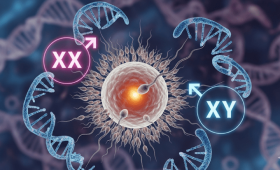
Embarking on Your IVF Journey in Turkey: A Path to Parenthood
For many couples facing infertility, the dream of starting a family can seem distant. Turkey has rapidly emerged as a leading destination for In Vitro Fertilization (IVF) treatment, attracting patients from across the globe. This is largely due to the country’s consistently high success rates – exceeding 60% for women under 35 – coupled with advanced reproductive technologies and cost-effective medical care. The availability of cutting-edge laboratory techniques such as Next Generation Sequencing (NGS) and Intracytoplasmic Sperm Injection (ICSI) significantly enhance the chances of a successful pregnancy. This article will provide a comprehensive, step-by-step guide to IVF treatment in Turkey, specifically focusing on using your own eggs. We at cureholiday.com are dedicated to guiding you through every stage, ensuring a seamless and supportive experience.
Why Choose Turkey for IVF?
Beyond the impressive success rates, several factors contribute to Turkey’s growing popularity as a medical tourism hub for IVF. The country boasts:
- World-Class Facilities: Clinics utilize state-of-the-art equipment and adhere to international standards of quality and hygiene.
- Experienced Specialists: Highly qualified and experienced reproductive endocrinologists and embryologists lead the medical teams.
- Advanced Diagnostic Tools: Comprehensive fertility assessments are performed to identify the underlying causes of infertility and tailor treatment plans accordingly.
- Cost-Effectiveness: IVF treatment in Turkey is significantly more affordable compared to many Western countries, without compromising on quality.
- Comprehensive Care: Clinics often provide holistic care, including psychological support and counseling.
Understanding IVF with Your Own Eggs
IVF, or In Vitro Fertilization, is a process of fertilization where an egg and sperm are combined in a laboratory. The fertilized egg, called an embryo, is then transferred to the uterus to implant and develop. When using your own eggs, the process involves several carefully orchestrated steps designed to maximize the chances of successful fertilization and implantation.
It’s crucial to understand that while IVF success rates are high, they are not guaranteed. Factors influencing success include age, ovarian reserve, sperm quality, and overall health. Clinics employ medical genetic screening like Preimplantation Genetic Testing for Aneuploidy (PGT-A) to identify chromosomally normal embryos, increasing implantation rates and reducing the risk of miscarriage. Please note that gender selection is legally restricted in Turkey, though PGT-A can reveal the sex of the embryo for medical reasons if necessary.
The Initial Consultation & Fertility Assessment
Your IVF journey begins with an initial consultation, which can often be conducted remotely through cureholiday.com. This allows you to discuss your medical history, fertility concerns, and treatment expectations with a specialist. Following the consultation, a comprehensive fertility assessment is necessary. This typically includes:
- Ovarian Reserve Testing: Blood tests to measure Anti-Müllerian Hormone (AMH) and Follicle-Stimulating Hormone (FSH) levels, providing insights into the quantity and quality of your eggs.
- Antral Follicle Count (AFC): An ultrasound scan to count the number of follicles in your ovaries, another indicator of ovarian reserve.
- Semen Analysis: Evaluation of your partner’s sperm count, motility, and morphology.
- Uterine Evaluation: A hysterosalpingogram (HSG) or saline sonohysterogram (SIS) to assess the health of your uterus and fallopian tubes.
- Infectious Disease Screening: Tests to rule out any infections that could affect IVF treatment.
The results of these tests will help the specialist determine the most appropriate IVF protocol for your individual needs. cureholiday.com will meticulously coordinate all aspects of your assessments, ensuring a streamlined and efficient process. We understand this is a sensitive time, and our dedicated team is here to offer support and guidance every step of the way.
In the next section, we will delve into the detailed, step-by-step procedures involved in the IVF process itself, from ovarian stimulation to embryo transfer.
IVF in Turkey: Unlocking Parenthood with Advanced Technology
Turkey has rapidly become a leading destination for individuals and couples seeking IVF treatment, boasting exceptionally high success rates – exceeding 60% for women under 35. This success is fueled by a combination of factors, including the adoption of cutting-edge technologies like Next Generation Sequencing (NGS) for Preimplantation Genetic Testing (PGT-A) and Intra-Cytoplasmic Sperm Injection (ICSI), alongside highly skilled medical professionals and cost-effective treatment packages. While legal restrictions prevent gender selection, comprehensive genetic screening is routinely performed, offering valuable insights into embryo health. This detailed guide, presented by cureholiday.com, provides a step-by-step exploration of the IVF process when utilizing your own eggs in Turkey, empowering you to make informed decisions about your fertility journey.
The Initial Consultation & Fertility Assessment
Your IVF journey begins with an initial consultation, which can often be conducted remotely through cureholiday.com. This allows you to discuss your medical history, fertility concerns, and treatment expectations with a specialist. Following the consultation, a comprehensive fertility assessment is necessary. This typically includes:
- Ovarian Reserve Testing: Blood tests to measure Anti-Müllerian Hormone (AMH) and Follicle-Stimulating Hormone (FSH) levels, providing insights into the quantity and quality of your eggs.
- Antral Follicle Count (AFC): An ultrasound scan to count the number of follicles in your ovaries, another indicator of ovarian reserve.
- Semen Analysis: Evaluation of your partner’s sperm count, motility, and morphology.
- Uterine Evaluation: A hysterosalpingogram (HSG) or saline sonohysterogram (SIS) to assess the health of your uterus and fallopian tubes.
- Infectious Disease Screening: Tests to rule out any infections that could affect IVF treatment.
The results of these tests will help the specialist determine the most appropriate IVF protocol for your individual needs. cureholiday.com will meticulously coordinate all aspects of your assessments, ensuring a streamlined and efficient process. We understand this is a sensitive time, and our dedicated team is here to offer support and guidance every step of the way.
Detailed IVF Procedure: A Step-by-Step Guide
Once your fertility assessment is complete, the IVF process can be outlined. Here’s a detailed breakdown of each stage:
1. Ovarian Stimulation
This phase involves using fertility medications, typically gonadotropins, to stimulate your ovaries to produce multiple eggs instead of the single egg typically released during a natural menstrual cycle. The medication regimen is tailored to your individual ovarian reserve and response. Monitoring is crucial, involving regular transvaginal ultrasounds and blood tests to track follicle development and hormone levels. The stimulation phase typically lasts 8-14 days.
2. Egg Retrieval
When the follicles reach a suitable size, as determined by ultrasound, a trigger shot – usually human chorionic gonadotropin (hCG) – is administered to mature the eggs. Approximately 34-36 hours after the trigger shot, egg retrieval is performed. This is a minor surgical procedure typically performed under conscious sedation or general anesthesia. A transvaginal ultrasound probe with a needle attached is used to aspirate the eggs from the follicles.
3. Sperm Collection & Preparation
On the day of egg retrieval, your partner will provide a sperm sample. The sperm is then washed and prepared in the laboratory to select the healthiest and most motile sperm for fertilization.
4. Fertilization & Embryo Culture
There are two main methods of fertilization: conventional insemination and ICSI. Conventional insemination involves placing the eggs and sperm together in a petri dish, allowing fertilization to occur naturally. ICSI, commonly utilized in Turkey’s advanced labs, involves injecting a single sperm directly into each egg. Following fertilization, the embryos are cultured in a controlled laboratory environment for 3-7 days. Embryologists closely monitor their development.
5. Preimplantation Genetic Testing (PGT-A)
As previously discussed, PGT-A is a common practice in Turkey. A small number of cells are biopsied from the developing embryos (typically on day 5 or 6, at the blastocyst stage) and sent for genetic analysis. This screening identifies chromosomally normal embryos, significantly increasing the chances of successful implantation and reducing the risk of miscarriage. Please remember that gender selection remains legally prohibited.
6. Embryo Transfer
One or two of the healthiest, chromosomally normal embryos are selected for transfer back into your uterus. This is a relatively painless procedure performed under ultrasound guidance. A thin catheter is used to gently deposit the embryos into the uterus.
7. Pregnancy Test
Approximately 9-14 days after embryo transfer, a blood test is performed to determine if pregnancy has occurred.
Understanding Different IVF Protocols
The specific IVF protocol used will depend on your individual circumstances. Here’s a comparison of common approaches:
| Protocol | Description | Suitable For |
|---|---|---|
| Long Protocol | Downregulation with gonadotropin-releasing hormone (GnRH) agonists followed by gonadotropin stimulation. | Women with normal ovarian reserve and predictable cycles. |
| Short Protocol | Gonadotropin stimulation initiated shortly after the start of menstruation. | Women with diminished ovarian reserve or who respond poorly to long protocol. |
| Antagonist Protocol | Gonadotropin stimulation combined with a GnRH antagonist to prevent premature ovulation. | Women at risk of premature ovulation or who have experienced ovarian hyperstimulation syndrome (OHSS) in the past. |
At cureholiday.com, our specialists will meticulously assess your case and recommend the most effective protocol for maximizing your chances of success.
Embarking on an IVF journey is a significant decision. cureholiday.com is dedicated to providing comprehensive support, from initial consultation and assessment to treatment coordination and aftercare. We prioritize your well-being and strive to make your experience as seamless and stress-free as possible. to explore how we can help you realize your dream of parenthood in Turkey.
Navigating Your IVF Journey in Turkey: From Transfer to Testing & Protocol Selection
Turkey has rapidly become a leading global destination for IVF treatment, attracting patients from across the world due to its combination of highly skilled medical professionals, state-of-the-art laboratory facilities utilizing advanced techniques like Next Generation Sequencing (NGS) and Intracytoplasmic Sperm Injection (ICSI), and comparatively affordable costs. Success rates, particularly for women under 35, consistently exceed 60%, a testament to the rigorous standards and continuous advancements within Turkish reproductive medicine. While gender selection is legally restricted, comprehensive medical genetic screening, such as Preimplantation Genetic Testing for Aneuploidy (PGT-A), is routinely performed to ensure the health of the developing embryo.
7. Pregnancy Test & Early Monitoring
Approximately 9-14 days after embryo transfer, a quantitative beta-hCG blood test is performed. This test measures the level of human chorionic gonadotropin (hCG), a hormone produced during pregnancy. A positive result indicates that implantation has occurred. It’s important to understand that the initial hCG level isn’t a guarantee of a viable pregnancy; serial hCG tests, repeated every 48-72 hours, are often conducted to assess the rate of increase. A healthy rise in hCG levels is a positive sign. Following a positive result, an ultrasound scan is typically scheduled around 6-8 weeks gestation to confirm the location of the pregnancy (intrauterine) and visualize the fetal heartbeat.
Even with a positive pregnancy test, continued monitoring is crucial. Early pregnancy complications, while uncommon, can occur. Your Turkish medical team will provide detailed instructions regarding lifestyle recommendations, medication continuation (typically progesterone support is continued in the first trimester), and follow-up appointment schedules.
Understanding Different IVF Protocols
The selection of the most appropriate IVF protocol is a personalized process. It isn’t a one-size-fits-all approach and depends heavily on your age, ovarian reserve, previous IVF attempts (if any), and individual medical history. Here’s a comparison of common approaches:
| Protocol | Description | Suitable For |
|---|---|---|
| Long Protocol | Downregulation with gonadotropin-releasing hormone (GnRH) agonists followed by gonadotropin stimulation. This involves suppressing your natural cycle before starting stimulation to prevent premature ovulation. | Women with normal ovarian reserve and predictable cycles. This is often the first-line protocol for many patients. |
| Short Protocol | Gonadotropin stimulation initiated shortly after the start of menstruation. This bypasses the downregulation phase, offering a quicker pathway to egg retrieval. | Women with diminished ovarian reserve or who respond poorly to long protocol. It can also be suitable for patients who require a shorter treatment cycle. |
| Antagonist Protocol | Gonadotropin stimulation combined with a GnRH antagonist to prevent premature ovulation. Antagonists offer more rapid and flexible control of the ovarian cycle. | Women at risk of premature ovulation or who have experienced ovarian hyperstimulation syndrome (OHSS) in the past. This protocol minimizes the risk of OHSS. |
Each protocol has its advantages and disadvantages, and the decision is made after a thorough evaluation of your ovarian reserve, typically assessed through Anti-Mullerian Hormone (AMH) levels and antral follicle count (AFC). cureholiday.com offers comprehensive diagnostic testing to accurately determine the best course of action for your individual needs.
Beyond the Basics: Preimplantation Genetic Testing (PGT)
While not part of the standard IVF process for every patient, PGT, particularly PGT-A (Preimplantation Genetic Testing for Aneuploidy), is increasingly common in Turkey. PGT-A involves biopsying a few cells from the trophectoderm of the embryo (the cells that will become the placenta) to screen for chromosomal abnormalities. This helps identify embryos with the correct number of chromosomes, significantly increasing the chances of implantation and reducing the risk of miscarriage. cureholiday.com partners with clinics offering state-of-the-art PGT services, ensuring the highest level of accuracy and reliability.
Choosing the right IVF protocol and utilizing advanced techniques like PGT are critical to maximizing your chances of success. cureholiday.com simplifies the process by connecting you with experienced specialists who will meticulously assess your case and recommend the most effective protocol for you. We understand that embarking on an IVF journey can be emotionally and financially challenging, and our commitment is to provide personalized care and support every step of the way.
Let cureholiday.com be your trusted partner in realizing your dream of parenthood. We offer a seamless experience, from initial consultation and travel arrangements to treatment coordination and ongoing support. to learn more about IVF treatment options in Turkey and begin your journey towards building a family.
Optimizing Your IVF Cycle: Protocols, PGT, and Personalized Care in Turkey
Turkey has rapidly become a leading destination for individuals and couples seeking IVF treatment, boasting consistently high success rates – exceeding 60% for those under 35 – thanks to its investment in cutting-edge reproductive technologies like Next Generation Sequencing (NGS) and Intracytoplasmic Sperm Injection (ICSI). While gender selection remains legally restricted, advanced diagnostic tools and preimplantation genetic testing are readily available to maximize the chances of a healthy pregnancy. Understanding the nuances of IVF protocols and supplementary techniques is crucial for a positive outcome. This section delves into the specifics, outlining how cureholiday.com can guide you through this complex process.
Navigating IVF Protocols: Tailoring Treatment to Your Needs
As previously discussed, the long and short protocols are the most commonly employed approaches to ovarian stimulation. However, the ‘best’ protocol is highly individualized. Your physician will consider several factors, including your age, ovarian reserve (determined by AMH and AFC), previous response to stimulation (if applicable), and any underlying medical conditions. cureholiday.com ensures you are matched with clinics that prioritize this thorough evaluation, offering personalized protocols designed to optimize egg quality and quantity.
Beyond the long and short protocols, there are variations like the antagonist protocol, which uses a different timing for the gonadotropin-releasing hormone (GnRH) antagonist to further refine ovarian stimulation and minimize the risk of premature ovulation. The decision-making process involves a delicate balance between maximizing follicular development and preventing ovarian hyperstimulation syndrome (OHSS), a potentially serious complication.
The Role of Preimplantation Genetic Testing (PGT)
Preimplantation Genetic Testing (PGT) is a powerful tool that goes beyond standard IVF procedures. PGT-A, the most frequently utilized type in Turkey, focuses on screening embryos for chromosomal abnormalities, known as aneuploidy. Aneuploidy occurs when an embryo has an abnormal number of chromosomes, often leading to implantation failure, miscarriage, or genetic disorders. By identifying chromosomally normal embryos, PGT-A significantly increases implantation rates and reduces the risk of pregnancy loss, particularly for women of advanced maternal age or those with recurrent miscarriages.
The PGT-A process involves a biopsy of a few cells from the trophectoderm (the outer layer of the developing embryo, which will form the placenta) typically on day 5 or 6 after fertilization. These cells are then sent to a specialized genetics laboratory for analysis. Embryos identified as chromosomally normal are selected for transfer, increasing the likelihood of a successful and healthy pregnancy. cureholiday.com partners with clinics utilizing state-of-the-art PGT technologies and highly experienced embryologists, guaranteeing accurate and reliable results.
Understanding the Benefits of PGT-A
- Increased Implantation Rate: Selecting chromosomally normal embryos significantly improves the chances of successful implantation.
- Reduced Miscarriage Risk: PGT-A identifies embryos with chromosomal abnormalities that would likely result in miscarriage.
- Higher Live Birth Rates: By increasing implantation rates and reducing miscarriage risks, PGT-A contributes to higher overall live birth rates.
- Peace of Mind: Knowing that the transferred embryo has been screened for chromosomal abnormalities can provide significant emotional relief.
Frequently Asked Questions (FAQ) About IVF Protocols & PGT
Q1: Is PGT necessary for all IVF patients?
No, PGT is not mandatory. It is typically recommended for women of advanced maternal age (over 35), those with recurrent miscarriages, or those with a history of chromosomal abnormalities.
Q2: How accurate is PGT-A?
PGT-A is highly accurate, with a low rate of false positives and false negatives. However, it is not a perfect test, and there is a small chance of misdiagnosis.
Q3: Does PGT harm the embryo?
The biopsy procedure is generally considered safe, and the number of cells biopsied is minimal, not affecting the embryo’s development.
Q4: What is the difference between PGT-A and other types of PGT?
PGT-A screens for aneuploidy (abnormal chromosome number). Other types of PGT, such as PGT-M, screen for specific single-gene disorders, and PGT-SR screen for structural rearrangements.
Q5: How long does it take to get PGT results?
PGT results typically take 7-14 days, depending on the laboratory and the testing method used.
Q6: What factors influence the success of IVF in Turkey?
Factors include the clinic’s expertise, the technology used (NGS, ICSI), the patient’s age and ovarian reserve, and the chosen IVF protocol.
Q7: What are the potential risks of IVF?
Potential risks include OHSS, multiple pregnancies, ectopic pregnancy, and infection. Experienced clinics prioritize patient safety and take measures to minimize these risks.
Q8: How does cureholiday.com help with the entire IVF process?
cureholiday.com provides a comprehensive service, including clinic selection, travel arrangements, treatment coordination, legal guidance, and ongoing support throughout your IVF journey.
Q9: Is IVF treatment in Turkey affordable?
Generally, IVF treatment in Turkey is significantly more affordable than in many Western countries, without compromising on quality or success rates.
at cureholiday.com to discuss your individual needs and begin planning your IVF journey in Turkey. Let our experienced team guide you towards realizing your dream of building a family with personalized care, advanced technology, and unwavering support.
Navigating the IVF Journey in Turkey: Addressing Your Concerns
Turkey has rapidly become a leading destination for individuals and couples seeking IVF treatment, boasting consistently high success rates – often exceeding 60% for women under 35 – thanks to its advanced reproductive technologies like Next Generation Sequencing (NGS) and Intracytoplasmic Sperm Injection (ICSI). Beyond affordability, the combination of experienced medical professionals and state-of-the-art facilities makes Turkey a compelling choice. This section addresses common concerns and outlines the support cureholiday.com provides to ensure a smooth and successful IVF experience.
Understanding Potential Risks
While IVF is generally safe, as with any medical procedure, certain risks are involved. Understanding these potential complications is crucial for informed decision-making. Clinics in Turkey, particularly those partnered with cureholiday.com, prioritize patient safety and implement protocols to minimize these risks.
- Ovarian Hyperstimulation Syndrome (OHSS): This is a potential complication of ovarian stimulation, characterized by enlarged ovaries and fluid accumulation. Mild OHSS is common and often resolves on its own, but severe cases require hospitalization. Careful monitoring during stimulation and adjusted medication dosages help to mitigate this risk.
- Multiple Pregnancies: Transferring multiple embryos increases the chance of pregnancy, but also elevates the risk of twins or triplets. cureholiday.com advocates for elective single embryo transfer (eSET) whenever appropriate, balancing the desire for pregnancy with the health of both mother and baby.
- Ectopic Pregnancy: Although rare, there is a slight risk of the fertilized egg implanting outside the uterus (ectopic pregnancy), which requires immediate medical attention.
- Infection: As with any invasive procedure, there’s a small risk of infection. Stringent hygiene protocols and antibiotic administration are standard practice in reputable Turkish clinics.
The Role of Preimplantation Genetic Testing (PGT)
Preimplantation Genetic Testing, particularly PGT-A (for aneuploidy), is becoming increasingly common in IVF cycles. It allows for the screening of embryos for chromosomal abnormalities before transfer, potentially improving implantation rates and reducing the risk of miscarriage. However, PGT is not a necessity for every patient.
When is PGT Recommended?
- Advanced Maternal Age (over 35): The risk of chromosomal abnormalities in eggs increases with age.
- Recurrent Miscarriages: PGT can help identify embryos with chromosomal issues that may be contributing to repeated pregnancy loss.
- History of Chromosomal Abnormalities: Individuals or couples with a known family history of chromosomal disorders may benefit from PGT.
- Previous Failed IVF Cycles: Identifying chromosomally normal embryos can improve the chances of success in subsequent cycles.
PGT-A is a highly accurate test, but it’s not infallible. There’s a small margin for error, which is why it’s crucial to discuss the benefits and limitations with a qualified specialist. Clinics working with cureholiday.com provide thorough counseling on PGT options.
How cureholiday.com Streamlines Your IVF Experience
Undergoing IVF in a foreign country can seem daunting, but cureholiday.com is dedicated to providing a seamless and stress-free experience. We go beyond simply connecting you with a clinic; we offer a fully comprehensive service encompassing every stage of your journey:
- Clinic Selection: We carefully vet and partner with leading Turkish fertility clinics renowned for their expertise, advanced technology (including NGS and ICSI), and high success rates.
- Personalized Treatment Plan: We work with your chosen clinic to develop a tailored IVF protocol based on your medical history, age, and ovarian reserve.
- Travel Arrangements: We handle all aspects of your travel, including flights, accommodation, and airport transfers.
- Treatment Coordination: We act as your dedicated point of contact throughout the entire process, coordinating appointments, tests, and procedures.
- Legal Guidance: We provide information on legal requirements and assist with any necessary paperwork.
- Ongoing Support: We offer continuous support and guidance, even after you return home, to ensure a positive and successful outcome.
Is IVF in Turkey a Financially Viable Option?
One of the primary reasons people choose Turkey for IVF is its affordability. Treatment costs are significantly lower than in many Western countries, such as the United States, Canada, or much of Europe, without any compromise in the quality of care or success rates. This allows you to access world-class fertility treatment at a fraction of the cost.
at cureholiday.com to receive a personalized cost estimate and begin discussing your IVF options. Let our experienced team guide you towards realizing your dream of parenthood with compassionate care, cutting-edge technology, and unwavering support. We believe everyone deserves access to the best possible fertility treatment, and cureholiday.com is here to make that a reality.
Navigating the Final Stages: Post-Transfer Care and Understanding Your Results
The journey through IVF is emotionally and physically demanding. Reaching the embryo transfer stage is a significant milestone, but it’s crucial to understand what happens after the transfer. This final phase requires diligent post-transfer care, a period of anxious waiting, and ultimately, confirmation of pregnancy or a discussion of next steps. Turkey, with its advanced reproductive technologies and supportive healthcare infrastructure, provides a comprehensive approach to this crucial period.
Post-Transfer Protocol: Maximizing Your Chances
Following the embryo transfer, you’ll receive detailed instructions from your clinic regarding post-transfer care. Adhering to these guidelines is paramount to optimizing implantation success. While these instructions can vary slightly between clinics, common recommendations include:
- Rest and Light Activity: Complete bed rest is generally not recommended. Moderate activity is encouraged, but strenuous exercise, heavy lifting, and prolonged periods of standing should be avoided for the first few days. Gentle walking is beneficial.
- Medication Continuation: You will likely continue taking progesterone and potentially other hormone medications prescribed to support the uterine lining and early pregnancy. Strict adherence to the medication schedule is vital.
- Diet and Hydration: Maintaining a healthy, balanced diet rich in essential nutrients and staying well-hydrated are essential. Avoid processed foods, excessive caffeine, and alcohol.
- Stress Management: While easier said than done, minimizing stress is crucial. Techniques like meditation, deep breathing exercises, and spending time in calming environments can be helpful.
- Avoid Certain Activities: You’ll generally be advised to avoid hot tubs, saunas, and potentially certain types of travel during the ‘two-week wait’ (the period between transfer and the pregnancy test).
The Two-Week Wait: Managing Anxiety
The two-week wait is notoriously difficult. It’s a period of intense anticipation and anxiety. Clinics in Turkey recognize this and often provide emotional support resources to help patients cope. Remember that every woman’s body responds differently, and experiencing various symptoms – or none at all – doesn’t necessarily indicate the outcome.
Pregnancy Test and Confirmation
Approximately 10-14 days after the embryo transfer, you will undergo a blood test to determine if the IVF cycle was successful. This test measures the level of human chorionic gonadotropin (hCG), a hormone produced during pregnancy.
- Positive Result: A positive hCG result confirms pregnancy. Your clinic will schedule follow-up ultrasounds to confirm the location and viability of the pregnancy (usually around 6-8 weeks gestation).
- Negative Result: A negative result can be understandably disheartening. Your doctor will discuss the reasons for the failed cycle and explore potential next steps. This may involve repeating the cycle, undergoing further diagnostic testing, or considering alternative options.
- Beta HCG Levels: Your clinic will likely monitor your Beta HCG levels over a few days. Consistent and appropriate increases in these levels are a positive sign of a healthy pregnancy.
Understanding Preimplantation Genetic Testing (PGT) Results
For patients who opted for Preimplantation Genetic Testing (PGT), the results are typically available before the embryo transfer. PGT-A, in particular, screens embryos for chromosomal abnormalities, increasing the chances of a healthy pregnancy and reducing the risk of miscarriage. While PGT-A is highly accurate, it’s important to remember it’s not a 100% guarantee. False positives and negatives, though rare, are possible. PGT results allow for the selection of the most viable embryos for transfer, maximizing the potential for success. In Turkey, PGT is performed using Next Generation Sequencing (NGS) for enhanced accuracy.
Success Rates in Turkey: A Promising Outlook
Turkey has become a leading destination for IVF due to its consistently high success rates. Clinics leverage advanced technologies like Intracytoplasmic Sperm Injection (ICSI) and NGS for PGT. For women under 35, success rates often exceed 60% per cycle. However, success rates are influenced by factors such as age, ovarian reserve, sperm quality, and overall health. Clinics will provide personalized success rate estimates based on your individual circumstances.
Frequently Asked Questions
Embarking on an IVF journey is a deeply personal and significant decision. At cureholiday.com, we understand the complexities involved and are committed to providing a seamless and supportive experience. We connect you with leading fertility clinics in Turkey that offer state-of-the-art technology, highly skilled medical professionals, and personalized care. From your initial consultation through post-transfer care, our dedicated team will be with you every step of the way, answering your questions, addressing your concerns, and ensuring your comfort and peace of mind.
Don’t navigate this challenging path alone. Visit cureholiday.com today to receive a personalized cost estimate and begin discussing your IVF options. Let our experienced team guide you towards realizing your dream of parenthood with compassionate care, cutting-edge technology, and unwavering support. We believe everyone deserves access to the best possible fertility treatment, and cureholiday.com is here to make that a reality.
Schedule a consultation for IVF with Own Eggs Turkey in Turkey with cureholiday.com
Free Consultation
Fill out the form below to get your free medical travel plan and price quote.