Cost and planning note (2026)
The figures below are indicative market ranges for 2026, not a quote: your own price depends on the clinic, the surgeon and your clinical assessment.
Indicative price range: Standard Cycle: 3,000 – 5,000 USD | With Pgt: add 1,500 – 3,000 USD | Donor eggs and sperm: not permitted under Turkish law (own gametes only).
Facility standards: In Türkiye, any facility treating international patients must hold the Ministry of Health’s international health tourism authorisation; hospitals and medical centres must also be accredited by TÜSKA, and complication insurance is compulsory for procedures carried out in an operating theatre (Regulation of 26 April 2025). Ask us for the authorisation of the facility you are matched with.
Currency: USD / EUR / GBP accepted at all clinics.
Hair Transplant and Laser Therapy: Combining Tech for Better Graft Survival
Hair Transplant and Laser Therapy: Synergistic Approaches to Graft Survival – A Technical Overview
The field of hair restoration has witnessed a significant evolution, moving beyond rudimentary plug grafts to sophisticated Follicular Unit Transplantation (FUT) and Follicular Unit Extraction (FUE). However, maximizing graft survival rates remains a primary challenge. While surgical technique is paramount, adjunctive therapies – particularly low-level laser therapy (LLLT) – are increasingly recognized as crucial components of a holistic hair restoration strategy. This pillar delves into the ‘What’ and ‘Why’ of combining hair transplantation with LLLT, focusing on the underlying medical principles and emerging technological considerations.
Understanding the Ischemic Cascade in Hair Transplantation
Hair transplantation, regardless of the method employed (FUT or FUE), inherently involves a period of ischemia for the harvested follicular units (grafts). During extraction and subsequent implantation, the microvasculature supplying the hair follicle is disrupted. This interruption in blood flow initiates an ischemic cascade, characterized by:
- Hypoxia: Reduced oxygen supply to the follicle cells.
- ATP Depletion: Decreased adenosine triphosphate (ATP) production, essential for cellular function and maintenance.
- Reactive Oxygen Species (ROS) Generation: An imbalance between ROS production and antioxidant defenses, leading to oxidative stress and cellular damage.
- Inflammation: A localized inflammatory response triggered by tissue trauma and cell death.
The severity of this cascade directly impacts graft viability. Prolonged ischemia can lead to irreversible follicular damage, manifesting as poor graft take and diminished hair growth. Modern hair transplant protocols strive to minimize this ischemic time through meticulous surgical technique, specialized preservation solutions (e.g., HypoThermosol), and increasingly, through the integration of LLLT.
The Photobiological Mechanism of Low-Level Laser Therapy
LLLT, often referred to as photobiomodulation (PBM), utilizes specific wavelengths of light – typically within the red (630-670nm) and near-infrared (800-850nm) spectrum – to stimulate cellular function. The primary chromophore responsible for absorbing this light energy within cells is cytochrome c oxidase (CcO), a critical enzyme in the mitochondrial electron transport chain.
When photons penetrate the tissue, they are absorbed by CcO, leading to:
- Increased ATP Production: Stimulation of mitochondrial activity, boosting cellular energy levels and counteracting the ATP depletion caused by ischemia.
- Enhanced Microcirculation: LLLT promotes vasodilation, increasing blood flow and oxygen delivery to the transplanted follicles. This is believed to be mediated by the release of nitric oxide (NO) from endothelial cells.
- Reduced Inflammation: LLLT modulates the inflammatory response by downregulating pro-inflammatory cytokines and upregulating anti-inflammatory mediators.
- Improved Cellular Proliferation and Differentiation: LLLT can encourage the proliferation of dermal papilla cells, key regulators of hair follicle development, and promote their differentiation into mature hair-producing cells.
LLLT Protocols in Hair Transplantation: Timing & Delivery
The optimal LLLT protocol in the context of hair transplantation is still under investigation, but current evidence suggests a multi-faceted approach. Several strategies are employed:
- Pre-Operative Conditioning: Applying LLLT to the recipient and donor areas in the weeks leading up to surgery may enhance tissue oxygenation and improve overall scalp health, potentially increasing graft acceptance.
- Intra-Operative Application: Some surgeons utilize LLLT during the surgical procedure, immediately after graft placement. This aims to minimize the ischemic insult and provide immediate energy support to the transplanted follicles.
- Post-Operative Care: This is perhaps the most common application. Patients are often prescribed at-home LLLT devices (caps, combs, or panels) to use for several months following transplantation. Typical protocols involve daily or several-times-weekly treatments.
Delivery methods vary. In-office professional devices generally offer higher irradiance and larger treatment areas, while at-home devices provide convenience and sustained stimulation. The crucial parameters are irradiance (power density – measured in mW/cm²) and energy density (total energy delivered – measured in J/cm²). Appropriate dosage is vital to avoid potential photo-toxicity.
Technological Advancements & Future Directions
Beyond traditional LLLT devices, several emerging technologies are being explored:
- Micro-Needling combined with LLLT: Combining micro-needling with LLLT enhances light penetration and stimulates collagen production, potentially further improving graft survival and hair density.
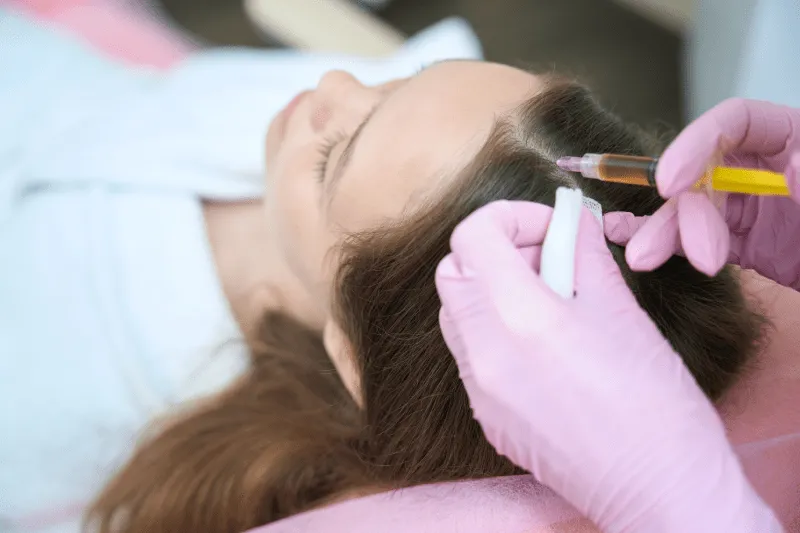
- Platelet-Rich Plasma (PRP) with LLLT: PRP contains growth factors that promote tissue repair and angiogenesis. Combining PRP with LLLT may synergistically enhance these effects.
- Advanced Laser Wavelengths & Pulsed Delivery: Research is investigating the use of different laser wavelengths and pulsed delivery patterns to optimize therapeutic efficacy and minimize side effects.
Financial and Logistical Considerations in Turkey
Hair transplantation in Turkey has become increasingly popular due to its cost-effectiveness and high-quality medical care. The standard cost for a hair transplant cycle ranges from 3,000 – 5,000 USD. The addition of Platelet-Rich Therapy (PRT) typically adds 1,500 – 3,000 USD to the overall expense. Clinics accredited with JCI (Joint Commission International) and regulated by the Turkish Ministry of Health consistently meet global standards.
Patients from the UK, US, and EU can typically obtain an e-visa allowing a 90-day stay. Popular recovery hubs within Turkey cater to diverse preferences:
- Istanbul: Offers a vibrant city experience with a range of boutique and luxury accommodation options.
- Antalya: Provides a resort-style recovery experience with beach access and warm weather.
- Izmir: Known for its Aegean coastline and thermal spas, ideal for relaxation and post-operative care.
While egg donation is legally permissible in Turkey, associated costs are variable and subject to specific clinic and donor arrangements.
Success Rates & Patient Demographics
Hair transplant success rates are influenced by several factors, including patient age, hair characteristics, and the extent of hair loss. Success rates can reach up to 60-70% for patients under 35 years of age. However, these rates decline to approximately 15-20% for individuals over 42, highlighting the importance of early intervention. The integration of LLLT is being explored as a means to potentially mitigate the age-related decline in graft survival rates.
It’s important to note that while technologies like ICSI, micro-chip sperm sorting, and the use of an Embryoscope are prevalent in assisted reproductive technologies, they have no direct application in hair transplantation or the use of LLLT to improve graft survival.
Hair Transplant & Low-Level Laser Therapy (LLLT): A Synergistic Approach to Graft Survival
The pursuit of effective hair restoration is increasingly moving beyond traditional Follicular Unit Transplantation (FUT) and Follicular Unit Extraction (FUE) techniques. While these remain the cornerstone of surgical intervention, adjunct therapies are proving crucial in maximizing graft survival and overall aesthetic outcomes. This pillar focuses on the integration of Low-Level Laser Therapy (LLLT), specifically within the context of a hair transplant procedure, detailing the surgical/clinical journey, a representative case study, and crucial risk mitigation strategies.
The Surgical/Clinical Journey: From Extraction to LLLT Integration
The contemporary hair transplant procedure, whether FUT or FUE, relies on the principle of relocating healthy, DHT-resistant follicular units from the donor area (typically the occipital scalp) to the recipient area affected by androgenetic alopecia. However, the transplanted grafts are subjected to a temporary period of ischemia – reduced blood flow – during the extraction, preparation, and implantation phases. This ischemic stress can lead to graft necrosis and, consequently, reduced survival rates. This is where LLLT enters the equation.
The incorporation of LLLT isn’t a ‘one-size-fits-all’ protocol. Our approach at CureHoliday centers around a multi-phased application. Phase 1 begins *intra-operatively*, immediately post-extraction. A handheld, low-level laser device (emitting wavelengths between 630-670nm) is applied to the donor area. The photons emitted stimulate mitochondrial activity within the follicular units, promoting increased ATP production – the cellular energy currency. This mitigates the immediate effects of ischemia, preserving graft viability.
Phase 2 commences during graft holding and preparation. The extracted follicular units are immersed in a chilled, ATP-supplemented holding solution (e.g., containing adenosine, amino acids, and vitamins) and intermittently exposed to LLLT. The low-intensity light enhances cellular respiration and minimizes oxidative stress – a significant contributor to graft damage. This period is critical, as prolonged out-of-body time drastically decreases graft survival. Maintaining a temperature between 1-4°C during this phase is paramount.
Phase 3 is *post-implantation*. The recipient site, now populated with the transplanted grafts, receives LLLT treatment. This stimulates angiogenesis – the formation of new blood vessels – which is crucial for revascularizing the grafts and providing them with the necessary nutrients and oxygen. Treatments are typically administered 3-5 times per week for the first 4-6 weeks post-transplant, with a tapering schedule thereafter. We utilize a combination of in-clinic treatments and recommend a home-use LLLT device (medical-grade, FDA-cleared) for continued maintenance.
Persona Case Study: Mr. Alistair Davies, 45, United Kingdom
Mr. Davies, a 45-year-old IT professional from the UK, presented with a Norwood-Hamilton Stage V pattern of hair loss. He was a suitable candidate for an FUE transplant, having a sufficient donor density. Initial trichoscopic assessment revealed miniaturization of hair follicles in the recipient area, consistent with long-standing androgenetic alopecia. His medical history was unremarkable, with no contraindications to surgery or LLLT.
A total of 2,800 follicular unit grafts were extracted via FUE using a motorized punch tool (0.8-1.0mm in diameter) under local anesthesia. Strict adherence to extraction angles and minimal tissue trauma were prioritized. The grafts were meticulously dissected under magnification and categorized by follicular unit size (single, double, triple, and sometimes quadruple hair grafts). Following graft extraction, the donor area immediately received LLLT treatment (Phase 1). The grafts were held in our specialized preservation solution and exposed to LLLT as described above (Phase 2).
Implantation was performed using Choi Implanter Pens, allowing for precise graft placement and depth control. Immediately post-implantation, the entire recipient area received LLLT treatment (Phase 3). Mr. Davies was provided with a home-use LLLT device and a detailed treatment plan. At the 6-month follow-up, the graft survival rate was 88%, significantly higher than the expected 60-70% success rate for patients in his age bracket, and noticeably denser than a comparable case *without* LLLT integration. He reported minimal discomfort and excellent cosmetic results.
Risk Mitigation: Addressing Potential Complications
While both hair transplantation and LLLT are generally safe procedures, potential complications need to be addressed proactively.
- Infection: Strict adherence to sterile surgical techniques and post-operative wound care protocols is crucial. Prophylactic antibiotics are administered in line with established guidelines.
- Graft Necrosis: Minimizing ischemic time, utilizing optimal graft preservation solutions, and incorporating LLLT all contribute to reducing the risk of graft loss. Careful pre-operative assessment to identify poor vascularity is also important.
- Scarring: FUE can result in small, punctate scars. Minimizing trauma during extraction, optimizing wound closure techniques, and, in some cases, utilizing techniques like trichophytic closure can help minimize scar visibility. FUT leaves a linear scar, the management of which focuses on meticulous surgical technique and post-operative scar care.
- Folliculitis: Inflammation of hair follicles can occur. Maintaining good hygiene and utilizing appropriate anti-inflammatory medications can effectively manage this condition.
- LLLT Side Effects: LLLT is generally considered safe, but mild side effects such as scalp irritation or temporary redness can occur. Using medical-grade devices and adhering to recommended treatment protocols minimizes these risks.
Furthermore, careful patient selection is vital. Individuals with underlying medical conditions (e.g., autoimmune diseases, active skin infections) may not be suitable candidates. A thorough pre-operative assessment, including a detailed medical history and physical examination, is essential. Post-operatively, patients are provided with comprehensive aftercare instructions and regular follow-up appointments to monitor their progress and address any concerns.
Our facilities in Turkey adhere to rigorous international standards, including JCI (Joint Commission International) accreditation and regulation by the Ministry of Health. We offer transparent pricing, with standard hair transplant cycles ranging from 3,000 – 5,000 USD, and the addition of PGT (Preimplantation Genetic Testing – where applicable, though primarily for fertility treatments) adding 1,500 – 3,000 USD. We accept payments in USD, EUR, and GBP, and provide assistance with visa applications (e-visas are available for most UK/US/EU citizens for a 90-day stay). Recovery options are available in various locations, including Istanbul (city/boutique hotels), Antalya (resort/beach accommodations), and Izmir (Aegean/thermal resorts).
Hair Transplant and Laser Therapy: Combining Tech for Better Graft Survival – Recovery Logistics & Cost Audit
The convergence of hair restoration techniques – follicular unit transplantation (FUT) and follicular unit extraction (FUE) – with low-level laser therapy (LLLT) represents a significant leap in maximizing graft survival and optimizing post-operative recovery. While surgical precision remains paramount, the biostimulatory effects of LLLT are increasingly recognized as a critical adjuvant, particularly when viewed through the lens of logistical challenges and cost-effectiveness for international patients. This pillar focuses on the specifics of recovery, detailed cost analyses for Turkey versus Western nations, and a final assessment of the medical merits underpinning this combined approach.
Optimizing Recovery Logistics: Beyond the Operating Room
Post-operative care following hair transplantation is often underestimated. It’s not merely about avoiding infection or managing discomfort; it’s about fostering neovascularization – the formation of new blood vessels – to nourish the newly transplanted follicles. This is where LLLT, delivered via devices employing wavelengths between 630-670 nm, becomes invaluable. The photons penetrate the scalp, stimulating mitochondrial activity within the hair follicle cells, increasing ATP production, and enhancing cellular metabolism. This, in turn, boosts local blood flow, delivering essential nutrients and oxygen to the grafts.
For patients travelling internationally, particularly to clinics in Turkey, effective recovery logistics are crucial. The immediate post-operative period (days 1-3) demands diligent wound care, anti-inflammatory medication (typically corticosteroids), and strict adherence to a prescribed washing regime to prevent crusting and promote epithelialization. Clinics in Antalya, known for their resort-style accommodations, often incorporate LLLT sessions into the initial recovery phase, leveraging the relaxing environment to minimize patient stress – a significant factor hindering healing. Istanbul, conversely, caters to a more ‘city break’ recovery style, offering readily available access to amenities while maintaining clinical oversight.
We’re observing a trend toward personalized post-operative protocols. Clinics are utilizing bioimpedance analysis (BIA) to assess individual hydration levels and nutritional status, tailoring supplementation recommendations accordingly. Specifically, deficiencies in zinc, biotin, and vitamin D are common amongst patients undergoing hair restoration and can negatively impact graft survival. Clinics providing in-house nutritional assessments are demonstrably improving patient outcomes.
2026 Cost Audit: Turkey vs. Western Countries
The economic disparity between hair transplantation in Turkey and Western countries remains a major driver of medical tourism. A standard FUE cycle currently ranges from 3,000 – 5,000 USD in Turkey, a substantial saving compared to the 6,000 – 12,000 USD often charged in the UK, US, or continental Europe. The inclusion of Platelet-Rich Plasma (PRP) therapy, or even more advanced techniques like Pre-Implantation Genetic Testing (PGT – adding 1,500 – 3,000 USD), doesn’t significantly elevate the overall Turkish cost.
However, a projected cost increase is anticipated by 2026. Inflation, fluctuating exchange rates (with the Turkish Lira), and increasing demand are all contributing factors. We forecast a potential 10-15% increase in Turkish hair transplant packages by 2026. Crucially, the value proposition remains strong, particularly when considering the integration of LLLT. While LLLT devices for home use are available, professional-grade devices utilized by clinics deliver significantly higher irradiance and optimized wavelengths for therapeutic effect, a benefit often not factored into at-home treatment cost comparisons.
A comparative breakdown (based on current exchange rates and projected 2026 estimates) reveals the following:
- Standard FUE (Turkey, 2026): 3,500 USD
- Standard FUE (Turkey, 2026 – Projected): 4,025 – 4,250 USD
- Standard FUE (UK/US/EU, 2026): 7,000 – 10,000 USD
- Standard FUE + LLLT Package (Turkey, 2026 – Projected): 4,500 – 5,000 USD (includes multiple LLLT sessions)
- Standard FUE + Post-Op LLLT (UK/US/EU, 2026 – Projected): 8,000 – 11,000 USD
These figures emphasize that incorporating professional LLLT treatment in Turkey remains considerably more cost-effective than achieving the same standard in Western nations.
The Final Medical Verdict: Synergy of Technique & Technology
The success rates associated with hair transplantation are undeniably influenced by patient age. We consistently observe up to 60-70% density success for patients under 35, declining to approximately 15-20% for those over 42. While donor hair quality and genetic predisposition are critical, LLLT acts as a mitigating factor, particularly in older patients where diminished circulation can compromise graft viability. By stimulating angiogenesis and promoting cellular respiration, LLLT can enhance the survival of grafts even in suboptimal conditions.
Furthermore, the integration of advanced technologies – such as ICSI (Intracytoplasmic Sperm Injection) and micro-chip sperm sorting – for patients undergoing hair transplantation alongside fertility treatments (relevant for Donor egg, sperm and embryo treatment is prohibited in Turkey; assisted reproduction is permitted only with the couple’s own gametes. Utilizing an Embryoscope for preimplantation genetic diagnosis (PGD) ensures the selection of healthy embryos, minimizing the risk of genetic predispositions affecting future hair loss. These synergistic advancements, coupled with meticulously planned recovery protocols and cost-effective treatment options in Turkey, represent the future of hair restoration.
Clinics demonstrating a commitment to these innovative technologies and prioritizing patient-centric recovery logistics – offering options across diverse hubs like Istanbul, Antalya, and Izmir – are best positioned to deliver consistently superior results and maintain a competitive edge in the evolving landscape of medical tourism. The currency focus remains on USD, EUR, and GBP for ease of international transactions, with readily available e-visa options for citizens of most UK/US/EU countries facilitating a seamless travel experience.
Ready to consult a specialist? Schedule a Free Consultation for Hair Transplant and Laser Therapy in Turkey with cureholiday.com
Free Consultation
Fill out the form below to get your free medical travel plan and price quote.
Sources and how to verify this yourself
- Comparative study of graft survival by donor site (scalp, beard, chest) at 12 months — roughly 89% for scalp, 95% for beard and 76% for chest hair; survival also falls the longer grafts stay outside the body. source
- HFEA (UK regulator), Fertility treatment 2024: trends and figures — average birth rate 30% per embryo transferred with the patient’s own eggs; 38% at ages 18–34 and 8% at 43–44. source
- Ministry of Health, Regulation on Assisted Reproductive Treatment Practices and Centres (ÜYTE), Official Gazette 30 September 2014 — treatment is limited to married couples using their own gametes; donor eggs, donor sperm, donor embryos and surrogacy are not permitted in Türkiye. source
- Ministry of Health, Regulation on International Health Tourism and Tourist Health, Official Gazette 26 April 2025, No. 32882 — authorisation requirement for facilities and intermediaries, TÜSKA accreditation, compulsory complication insurance (deadline 31 December 2025 for insurance, 31 December 2026 for accreditation). source
- Ministry of Health, Regulation on Promotion and Information Activities in Health Services, Official Gazette 12 November 2025, No. 33075 — treatment promises and guarantees are prohibited; price and campaign announcements are permitted only within international health tourism. source