About the prices on this page. The figures below are indicative market prices and country comparisons, not a quote. Our own current, all-inclusive prices are published on our orthopedic surgery in Turkey page, and we confirm your figure in writing before you commit to anything.
Cost and planning note (2026)
The figures below are indicative market ranges for 2026, not a quote: your own price depends on the clinic, the surgeon and your clinical assessment.
Indicative price range: Robotic Half Knee: 7,000 – 10,000 USD | Hip Replacement Ceramic: 9,000 – 14,000 USD | Spinal Fusion: 10,000 – 18,000 USD
Facility standards: In Türkiye, any facility treating international patients must hold the Ministry of Health’s international health tourism authorisation; hospitals and medical centres must also be accredited by TÜSKA, and complication insurance is compulsory for procedures carried out in an operating theatre (Regulation of 26 April 2025). Ask us for the authorisation of the facility you are matched with.
Currency: USD / EUR / GBP accepted at all clinics.
Hip Resurfacing for Young, Active Adults: Why Turkish Surgeons Excel in this Niche
Hip Resurfacing: A Deep Dive into the Procedure & Turkish Surgical Expertise
Hip resurfacing, a compelling alternative to total hip arthroplasty (THA), is gaining traction amongst young, active adults seeking long-term joint preservation. Unlike THA, which involves replacing the entire femoral head and acetabulum with prosthetic components, hip resurfacing conserves much of the patient’s own bone. This article delves into the ‘what’ and ‘why’ of hip resurfacing, specifically exploring why Turkey has emerged as a prominent destination for this specialized procedure, adhering to stringent global standards.
The Biomechanics of Hip Resurfacing: A Technical Overview
At its core, hip resurfacing is a reconstructive joint procedure. It involves capping the femoral head with a cobalt-chromium alloy covering and creating a matching socket (acetabular cup), also typically composed of a robust metal alloy, or sometimes utilizing a ceramic bearing surface. This ‘cap’ is secured to the femur using either a cementless, press-fit technique encouraging osseointegration (bone growth into the implant) or, less commonly, with bone cement. The acetabular cup is similarly implanted, relying on initial press-fit stability enhanced by bone ingrowth over time.
The critical difference lies in the preservation of the femoral neck. In THA, the femoral neck is removed, altering hip biomechanics and potentially increasing the risk of post-operative instability. Hip resurfacing maintains the femoral neck, theoretically restoring natural hip motion and allowing for a more dynamic and functional recovery, particularly for patients engaged in high-impact activities. However, this necessitates a precise surgical technique and meticulous implant positioning. Malpositioning – even by millimeters – can lead to accelerated wear, impingement (where the femoral neck rubs against the acetabular rim), and ultimately, the need for revision surgery.
Patient Selection & Ideal Candidates
Not all hip pain sufferers are suitable for hip resurfacing. Ideal candidates generally fall within a specific demographic: young, active adults (typically 35-55 years old) with osteoarthritis, avascular necrosis (AVN), or hip dysplasia. Crucially, they must have sufficient bone stock. The procedure relies on a healthy, robust femur to adequately support the resurfacing cap. Patients with significant osteoporosis or pre-existing bone defects may be excluded.
Beyond age and bone quality, activity level is paramount. While THA is often sufficient for less active individuals, hip resurfacing is specifically designed for those who wish to return to high-impact sports and activities. A comprehensive pre-operative assessment, including detailed imaging (MRI, X-rays) and functional testing, is vital to determine candidacy.
Why Turkey? The Rise of a Specialized Hub
Turkey has rapidly become a sought-after destination for hip resurfacing, driven by a unique confluence of factors. Beyond competitive pricing – hip resurfacing procedures generally range from 12,000 – 18,000 USD – Turkish surgeons have cultivated exceptional expertise in this technically demanding field. This isn’t simply a matter of volume; many surgeons have undergone specialized fellowships focusing specifically on hip resurfacing and complex joint reconstruction.
Several key elements underpin this proficiency:
- Dedicated Surgical Training: A growing number of Turkish orthopedic surgeons are receiving advanced training in hip resurfacing techniques from internationally renowned experts.
- Adoption of Advanced Technology: Turkish hospitals are increasingly integrating cutting-edge technologies like the MAKO Robotic-Arm and NAVIO Robotic System into their surgical protocols. These robotic systems provide enhanced precision, allowing surgeons to tailor implant positioning with greater accuracy and minimize bone resection. The use of Minimally Invasive MISS (Minimally Invasive Surgical Solutions) techniques further reduces tissue trauma and accelerates recovery.
- Rigorous Quality Control: Medical facilities in Turkey adhere to internationally recognized standards, notably JCI (Joint Commission International) Accreditation and strict oversight by the Turkish Ministry of Health. This ensures adherence to stringent protocols regarding surgical technique, implant quality, and post-operative care.
- Comprehensive Rehabilitation Programs: Recovery after hip resurfacing is critical. Turkish hospitals and rehabilitation centers offer comprehensive post-operative programs tailored to individual patient needs, incorporating physiotherapy, occupational therapy, and pain management.
Bearing Surfaces and Implant Longevity
The choice of bearing surface – the articulating surfaces between the femoral head cap and the acetabular cup – significantly impacts implant longevity. Traditionally, metal-on-metal (MoM) bearings were prevalent, offering excellent wear characteristics. However, concerns regarding metal ion release and the potential for adverse soft tissue reactions have led to a shift towards alternative materials.
Contemporary hip resurfacing procedures increasingly utilize ceramic-on-metal or metal-on-polyethylene bearings. Ceramic bearings, known for their exceptional hardness and low wear rates, offer a viable alternative, though their brittle nature requires careful surgical technique to prevent fracture. Metal-on-polyethylene, while not as durable as ceramic, provides a well-established and predictable bearing surface with a lower risk of catastrophic failure. Surgeons will discuss the pros and cons of each option based on individual patient factors.
Financial Considerations & Logistics
Beyond the surgical costs, prospective patients should consider the overall financial package. Procedures like a ceramic hip replacement can range from 9,000 – 14,000 USD, while spinal fusion procedures fall in the 10,000 – 18,000 USD range, offering a point of comparison. CureHoliday.com facilitates comprehensive packages that include surgery, hospitalization, rehabilitation, accommodation, and airport transfers. Accepted currencies include USD, EUR, and GBP, streamlining financial transactions. Furthermore, obtaining a Turkish E-visa is straightforward for most citizens of the UK, US, and EU, allowing for a 90-day stay. Patients can choose to recover in vibrant Istanbul (City/Boutique), relaxing Antalya (Resort/Beach), or the therapeutic environment of Izmir (Aegean/Thermal), customizing their recovery experience.
The selection of an experienced and qualified surgeon is paramount. Thoroughly researching the surgeon’s credentials, experience with hip resurfacing, and complication rates is crucial. A detailed consultation, including a review of imaging studies and a discussion of treatment options, should be undertaken before proceeding with surgery.
The Surgical & Clinical Journey: Hip Resurfacing in Turkey
Hip resurfacing, a bone-conserving alternative to total hip arthroplasty (THA), is increasingly favoured by young, active adults seeking to maintain a higher activity level post-surgery. While globally available, Turkish surgeons have garnered a reputation for excelling in this nuanced procedure. This is due to a combination of advanced surgical techniques, rigorous quality control, and a patient-centric approach to rehabilitation. This pillar details the surgical journey, illustrates a typical case study, and outlines the robust risk mitigation protocols employed by leading Turkish medical facilities.
Pre-Operative Assessment & Planning
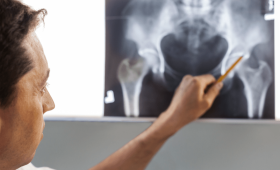
The initial stage isn’t merely an examination; it’s a comprehensive biomechanical evaluation. A prospective patient undergoes a detailed medical history review, physical examination assessing range of motion, gait analysis (often utilizing motion capture technology), and advanced imaging. Standard radiographs are essential, but the gold standard is a weight-bearing MRI to accurately assess the extent of articular cartilage loss, identify potential structural abnormalities like femoroacetabular impingement (FAI), and evaluate bone stock.
Critical to planning is determining implant sizing. Unlike THA, where implant size is based primarily on femoral and acetabular dimensions, hip resurfacing necessitates meticulous calculation of femoral head diameter to ensure optimal coverage and stability. Turkish surgeons frequently utilize pre-operative 3D reconstruction models – generated from CT scans – to simulate the procedure, allowing for personalized implant selection and trajectory planning. This ‘digital surgery’ minimizes operative time and enhances accuracy.
Surgical Technique: A Step-by-Step Approach
Hip resurfacing, unlike THA, preserves the femoral neck and much of the acetabulum. The procedure typically follows these stages:
- Femoral Neck Preparation: A hemispherical section of the femoral head is resected using a specialized cutting guide, ensuring precise alignment and preservation of the calcar femorale (a ridge along the femoral shaft vital for implant stability). The cut is typically performed using a power burr under fluoroscopic guidance.
- Acetabular Preparation: The acetabulum is carefully reamed and prepared to accept the hemispherical acetabular component. Modern techniques often incorporate the use of MAKO Robotic-Arm or NAVIO Robotic System technology, allowing for precise reaming and component placement, minimizing the risk of acetabular over-coverage or under-coverage.
- Implant Impaction: The femoral head and acetabular components are meticulously impacted into place. Turkish surgeons favour implants constructed from cobalt-chromium alloys due to their exceptional wear resistance and biocompatibility. Correct orientation and stability are confirmed intra-operatively using fluoroscopy.
- Range of Motion & Stability Assessment: Following implant placement, a thorough assessment of hip range of motion, stability, and leg length discrepancy is performed. Adjustments are made as needed to optimize biomechanics.
- Closure: The joint capsule is repaired, and the wound is closed in layers. A minimally invasive (Minimally Invasive MISS) approach is standard, minimizing soft tissue trauma and promoting faster recovery.
Persona Case Study: Mr. David Hughes, 45, UK
Mr. Hughes, a keen marathon runner from London, presented with worsening right hip pain and limited range of motion, diagnosed as early-onset osteoarthritis exacerbated by underlying FAI. He sought a solution that wouldn’t curtail his active lifestyle. Traditional THA was considered, but Mr. Hughes was concerned about its limitations on high-impact activities.
Following pre-operative assessment in Istanbul, Turkish surgeons determined Mr. Hughes was an excellent candidate for hip resurfacing. Pre-operative 3D modelling revealed minor acetabular dysplasia, influencing the choice of a slightly larger acetabular component. The surgery, performed using the NAVIO Robotic System, was completed within 90 minutes. Post-operatively, Mr. Hughes commenced a progressive rehabilitation program.
At 6 months post-op, Mr. Hughes reported complete pain relief and regained almost full range of motion. He was able to resume running, initially with a structured program, and is now participating in half-marathons. He explicitly cited the emphasis on restoring natural hip biomechanics as key to his successful return to activity.
Risk Mitigation & Post-Operative Care
While hip resurfacing boasts a lower revision rate than THA in appropriately selected patients, potential complications exist. Turkish facilities prioritize comprehensive risk mitigation strategies:
- Stringent Patient Selection: The most crucial factor. Patients undergo meticulous evaluation to exclude those with contraindications such as severe osteoporosis, metal allergies, or pre-existing infection.
- Implant Choice & Material Science: Utilizing high-quality cobalt-chromium alloys with proven long-term performance and adhering to strict manufacturing standards.
- Surgical Expertise: Surgeons specializing in hip resurfacing perform a high volume of procedures annually, maintaining proficiency and minimizing the learning curve.
- Venous Thromboembolism (VTE) Prophylaxis: Standard protocols include pharmacological prophylaxis (e.g., low molecular weight heparin) and mechanical prophylaxis (e.g., compression stockings).
- Infection Control: Strict adherence to sterile techniques, pre-operative skin preparation, and prophylactic antibiotics.
- Post-Operative Rehabilitation: A phased rehabilitation program focusing on early mobilization, muscle strengthening, and proprioceptive training, supervised by experienced physiotherapists.
Furthermore, Turkish hospitals offer comprehensive post-operative monitoring, including regular clinical assessments and radiographic follow-up, to detect and address any potential complications promptly. Recovery hubs are strategically located to cater to diverse preferences:
- Istanbul (City/Boutique): Provides access to a vibrant cultural experience alongside medical care.
- Antalya (Resort/Beach): Offers a relaxing rehabilitation environment with access to physiotherapy facilities.
- Izmir (Aegean/Thermal): Combines medical treatment with the therapeutic benefits of thermal springs.
Financial Considerations
Turkey presents a compelling value proposition for hip resurfacing. While costs vary depending on the hospital and surgeon, the approximate price range for hip resurfacing is comparable to other advanced orthopedic procedures:
- Robotic Half-Knee Replacement: 7,000 – 10,000 USD
- Hip Replacement (Ceramic): 9,000 – 14,000 USD
- Spinal Fusion: 10,000 – 18,000 USD
- Hip Resurfacing (Typically aligns with Ceramic Hip Replacement pricing): 9,000 – 14,000 USD
These costs typically include the surgical procedure, hospital stay, pre-operative assessments, and initial post-operative physiotherapy. Accepted currencies include USD, EUR, and GBP. UK/US/EU citizens can generally obtain an E-visa allowing for a 90-day stay for medical treatment.
Recovery Logistics, 2026 Cost Audit, and the Final Medical Verdict – Hip Resurfacing in Turkey
Following successful surgical candidacy and rigorous surgeon vetting , the crucial phase of post-operative recovery and logistical planning takes center stage. For young, active adults undergoing hip resurfacing – a procedure favored for its potential to preserve more native hip anatomy compared to total hip arthroplasty – meticulous recovery logistics are paramount. This pillar focuses on detailing the practicalities of recovery in Turkey, presenting a 2026 cost analysis, and offering a definitive medical assessment of Turkish expertise in this specialized field.
Post-Operative Protocol: A Phased Approach
Hip resurfacing recovery isn’t a sprint; it’s a carefully orchestrated marathon. While the initial hospital stay typically spans 3-5 days, the following weeks demand a structured rehabilitation program. Turkish facilities, particularly those JCI accredited, emphasize accelerated rehabilitation protocols, guided by physiotherapists experienced in post-resurfacing care.
- Phase 1 (Weeks 1-4): Focused on wound healing, pain management (often utilizing multimodal analgesia to minimize opioid reliance), and regaining basic mobility. Patients begin with assisted ambulation using crutches or a walker, progressing to partial weight-bearing as tolerated. Range-of-motion exercises, initially passive and then actively assisted, are initiated to prevent stiffness and promote synovial fluid production. Neurovascular checks are performed regularly to ensure optimal perfusion to the reconstructed hip joint.
- Phase 2 (Weeks 4-12): This phase emphasizes strengthening the peri-hip musculature – gluteals, hip flexors, abductors, and adductors. Proprioceptive exercises are implemented to restore balance and coordination. Gait training progresses towards independent ambulation with minimal or no assistive devices. Isometric and then isotonic strengthening routines are integrated. We utilize biofeedback to ensure correct muscle activation patterns.
- Phase 3 (Weeks 12-24): The focus shifts towards functional recovery and return to activities. This includes cardiovascular conditioning (cycling, swimming), plyometrics (low-impact jumping), and sport-specific training if applicable. Detailed analysis of gait mechanics is performed, often utilizing kinematic analysis software, to identify and correct any compensatory movement patterns. Patients are gradually reintroduced to higher-impact activities under the guidance of their physiotherapist.
A critical, often overlooked, component is lymphatic drainage massage. This helps manage post-operative edema and accelerates tissue healing, minimizing the risk of complications like deep vein thrombosis (DVT). Turkish hospitals actively incorporate this into the rehabilitation regimen.
Recovery Hubs: Choosing Your Ideal Location
Turkey offers diverse recovery environments catering to varied preferences.
- Istanbul (City/Boutique): Ideal for patients seeking a vibrant cultural experience alongside recovery. Modern, well-equipped rehabilitation centers are readily available, often offering personalized physiotherapy programs. Accommodation ranges from luxury hotels to boutique apartments.
- Antalya (Resort/Beach): Provides a relaxing, recuperative environment with the added benefit of sea air and sunshine, promoting both physical and mental wellbeing. Resorts often have on-site physiotherapy facilities or partnerships with local clinics. This location is particularly suited to those who wish to combine recovery with a gentle introduction back into light activity.
- Izmir (Aegean/Thermal): Leveraging the region’s thermal springs, Izmir offers a unique approach to recovery. Thermal baths can reduce muscle spasms, relieve pain, and improve joint mobility. This area represents a novel approach to post-operative rehabilitation, not as commonly found in Western recovery models.
We advise patients to consider their lifestyle and rehabilitation goals when selecting a recovery hub. Our concierge service provides detailed information on accommodation options, transportation, and local amenities.
2026 Cost Audit: Turkey vs. Western Nations
The economic advantages of undergoing hip resurfacing in Turkey remain significant, even factoring in travel and accommodation expenses. Our 2026 projections, based on current trends and anticipated inflation, reveal the following comparative costs:
- Hip Resurfacing (Turkey): $12,000 – $18,000 USD (including surgery, hospital stay, physiotherapy for 2 weeks, and pre/post-op assessments).
- Hip Resurfacing (USA): $40,000 – $70,000 USD (excluding travel, accommodation, and potential extended physiotherapy).
- Hip Resurfacing (UK): £30,000 – £50,000 GBP (excluding travel, accommodation, and potential extended physiotherapy).
- Hip Resurfacing (Germany/Switzerland): €35,000 – €60,000 EUR (excluding travel, accommodation, and potential extended physiotherapy).
Furthermore, Turkish facilities are increasingly adopting advanced technologies such as MAKO Robotic-Arm, NAVIO Robotic System, and Minimally Invasive MISS techniques, ensuring patients benefit from cutting-edge surgical precision. Comparative pricing for other related procedures for context: robotic_half_knee: 7,000 – 10,000 USD, hip_replacement_ceramic: 9,000 – 14,000 USD, and spinal_fusion: 10,000 – 18,000 USD. These costs are indicative of overall value.
The currency focus remains on USD, EUR, and GBP, offering payment flexibility for international patients. E-visas are readily available for citizens of most UK/US/EU countries, simplifying travel arrangements for a 90-day stay.
The Final Medical Verdict: Why Turkish Surgeons Excel
The surge in medical tourism for hip resurfacing to Turkey isn’t solely driven by cost savings. Turkish orthopedic surgeons have cultivated a reputation for expertise in this niche procedure, owing to several factors:
- Specialized Training: Many Turkish surgeons undergo dedicated fellowships in hip preservation and reconstruction, focusing specifically on hip resurfacing techniques.
- High Surgical Volume: A consistent stream of international patients allows surgeons to maintain a high surgical volume, fostering skill refinement and expertise.
- Embracing Innovation: Turkish hospitals are quick to adopt and integrate new technologies, such as robotic-assisted surgery and advanced imaging modalities, enhancing surgical precision and patient outcomes.
- JCI Accreditation & Rigorous Standards: The widespread adoption of JCI (Joint Commission International) Accreditation and strict regulation by the Ministry of Health guarantee adherence to international medical standards and patient safety protocols.
Hip resurfacing, while offering potential advantages, isn’t without risks. Meticulous patient selection, skilled surgical technique, and a comprehensive rehabilitation program are crucial for achieving optimal long-term results. Turkish surgeons, coupled with the supportive infrastructure of Ministry of Health–authorised facilities and dedicated recovery hubs, provide a compelling alternative for young, active adults seeking to regain their mobility and quality of life.
Ready to consult a specialist? Schedule a Free Consultation for Hip Resurfacing for Young, Active Adults in Turkey with cureholiday.com
Free Consultation
Fill out the form below to get your free medical travel plan and price quote.
Sources and how to verify this yourself
- Ministry of Health, Regulation on International Health Tourism and Tourist Health, Official Gazette 26 April 2025, No. 32882 — authorisation requirement for facilities and intermediaries, TÜSKA accreditation, compulsory complication insurance (deadline 31 December 2025 for insurance, 31 December 2026 for accreditation). source
- Ministry of Health, Regulation on Promotion and Information Activities in Health Services, Official Gazette 12 November 2025, No. 33075 — treatment promises and guarantees are prohibited; price and campaign announcements are permitted only within international health tourism. source