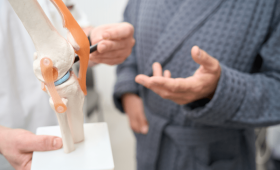
Proven Benefits & Advantages of Stem Cell Therapy
Stem cell therapy has emerged as a promising frontier in regenerative medicine, offering potential benefits for a diverse range of conditions. While research is ongoing, and it’s crucial to manage expectations, clinical evidence and patient testimonials increasingly demonstrate its efficacy in specific areas. In Turkey, the application of stem cell therapies is gaining traction, driven by advanced medical facilities and a growing body of successful treatments.
One of the most widely recognized benefits is in the treatment of orthopedic conditions. Patients suffering from osteoarthritis, particularly in the knees, hips, and shoulders, have reported significant pain reduction and improved joint function following stem cell therapy. The therapy aims to repair damaged cartilage and reduce inflammation, offering a potential alternative to joint replacement surgery. Studies in 2026 and early 2026 have indicated a sustained positive effect for up to three years in many patients.
Beyond orthopedics, stem cell therapy shows promise in treating autoimmune diseases. Conditions like multiple sclerosis, rheumatoid arthritis, and Crohn’s disease are characterized by the immune system attacking the body’s own tissues. Stem cells, specifically mesenchymal stem cells (MSCs), possess immunomodulatory properties – meaning they can help regulate and rebalance the immune response. This can lead to a reduction in inflammation and disease symptoms, improving quality of life for affected individuals. Clinical trials are continually refining protocols to maximize these immunomodulatory effects.
Neurological disorders represent another area of active research and treatment. Stroke, spinal cord injury, and neurodegenerative diseases like Parkinson’s and Alzheimer’s are all being investigated for their potential responsiveness to stem cell therapy. The goal is to stimulate neurogenesis (the growth of new neurons) and repair damaged neural pathways. While a complete cure remains elusive, early results suggest the possibility of slowing disease progression and improving motor function or cognitive abilities.
For patients with certain cardiovascular conditions, stem cell therapy is being explored as a means to repair damaged heart tissue after a heart attack or to improve blood flow in patients with peripheral artery disease. The injected stem cells can differentiate into cardiac muscle cells and blood vessel cells, potentially restoring function and reducing the risk of future cardiovascular events.
Turkey offers a unique advantage for patients seeking stem cell therapy. The country boasts a number of Ministry of Health–authorised hospitals and clinics equipped with state-of-the-art technology and staffed by highly skilled medical professionals. This ensures a high standard of care and patient safety. Furthermore, the cost of stem cell therapy in Turkey is significantly lower—patients can save up to 50% compared to similar treatments in Western Europe or North America—making it an accessible option for many. This isn’t about compromising quality; it’s about affordable luxury in healthcare.
CureHoliday is a leading medical tourism facilitator specializing in stem cell therapy in Turkey. We provide a comprehensive service, beginning with a free consultation with a medical expert to assess your suitability for the treatment. We carefully vet all our partner clinics to ensure they meet the highest international standards. Importantly, we operate on a principle of transparency and trust, with no upfront payments required. Your peace of mind is our priority.
The advantages of choosing Turkey for stem cell therapy extend beyond cost and quality. The country offers a rich cultural experience, beautiful scenery, and world-class hospitality, allowing patients to combine their medical journey with a relaxing and rejuvenating vacation.
It’s important to note that stem cell therapy is not a one-size-fits-all solution. The success rate varies depending on the condition being treated, the patient’s overall health, and the specific protocol used. A thorough medical evaluation is crucial to determine if you are a suitable candidate.
Furthermore, patients should be aware of the regulatory landscape surrounding stem cell therapy. Turkey has implemented regulations to ensure the safety and ethical conduct of stem cell treatments, but it’s essential to choose a reputable clinic that adheres to these guidelines. CureHoliday only partners with clinics fully compliant with Turkish medical regulations and international best practices.
Finally, post-treatment monitoring and follow-up care are vital to assess the effectiveness of the therapy and address any potential complications. CureHoliday provides ongoing support and guidance to ensure a smooth recovery and long-term well-being.
Introduction: The Growing Need for Innovative Treatments
The landscape of modern medicine is undergoing a significant transformation, driven by a growing demand for innovative and effective treatments for conditions previously considered incurable or requiring long-term management. Chronic diseases, degenerative disorders, and injuries are placing an increasing burden on healthcare systems globally, and patients are actively seeking alternatives that offer the potential for genuine healing and improved quality of life. This surge in demand has fueled research and development in regenerative medicine, particularly in the field of stem cell therapy.
Traditional treatments often focus on managing symptoms rather than addressing the underlying cause of disease. While these approaches can provide relief, they often necessitate lifelong medication, carry potential side effects, and may not halt disease progression. Stem cell therapy, however, presents a paradigm shift – a potential to repair damaged tissues, restore lost function, and even reverse the effects of debilitating conditions.
The increasing prevalence of conditions like osteoarthritis, cardiovascular disease, neurological disorders (such as Parkinson’s and multiple sclerosis), autoimmune diseases, and sports injuries contribute to this escalating need. Aging populations in many parts of the world further exacerbate the demand for therapies that can address age-related decline and improve overall healthspan. Patients are becoming more informed and proactive about their health, researching and exploring options beyond conventional medical interventions.
Turkey has emerged as a prominent destination for patients seeking stem cell therapy, attracting individuals from across Europe, North America, and beyond. Several factors contribute to this trend. Advanced medical infrastructure, highly skilled medical professionals, and – crucially – more affordable treatment costs compared to countries like the United States, Canada, and Western European nations are key drivers.
The cost of stem cell therapy can be a significant barrier to access for many patients. In Turkey, patients can save up to 50% on treatment expenses without compromising on quality or safety. This allows for what can be described as “affordable luxury” in healthcare – receiving cutting-edge treatment in a modern facility at a fraction of the price.
CureHoliday, a leading medical tourism facilitator, specializes in connecting patients with accredited and reputable stem cell therapy clinics in Turkey. We understand the complexities of navigating international healthcare and provide comprehensive support throughout the entire process. This includes:
- A free consultation with a medical expert to discuss your condition, treatment options, and suitability for stem cell therapy.
- Personalized treatment plans tailored to your individual needs.
- Arrangements for travel, accommodation, and post-treatment care.
- Dedicated case management to ensure a seamless and stress-free experience.
- No upfront payments – ensuring financial security and transparency.
The Turkish healthcare system places a strong emphasis on patient safety and quality. Clinics offering stem cell therapy are subject to rigorous regulatory oversight and adhere to international standards of practice. This commitment to excellence, combined with the country’s growing expertise in regenerative medicine, makes Turkey a compelling choice for patients seeking innovative treatments.
Furthermore, the Turkish approach often incorporates a holistic view of patient care, integrating stem cell therapy with other complementary therapies such as physiotherapy, rehabilitation, and lifestyle counseling. This multi-faceted approach aims to optimize treatment outcomes and promote long-term wellness.
By 2026, advancements in stem cell research are expected to further expand the range of conditions treatable with this innovative therapy. Ongoing clinical trials are exploring the potential of stem cells in areas such as spinal cord injury, Alzheimer’s disease, and diabetes, promising even greater possibilities for regenerative medicine in the years to come. The combination of medical advancement, affordability, and comprehensive patient support makes Turkey a leading force in the future of healthcare.
Understanding Stem Cell Therapy: A Deep Dive
Stem cells represent a fascinating and rapidly evolving field within modern medicine, holding immense promise for treating a wide range of debilitating conditions. At its core, stem cell therapy leverages the unique regenerative abilities of these cells to repair or replace damaged tissues and organs. By 2026, advancements in understanding and application have significantly broadened the scope of potential treatments, making Turkey an increasingly sought-after destination for patients seeking innovative healthcare solutions.
Stem cells differ from other cells in the body in two crucial ways: they are unspecialized, meaning they don’t have a defined function, and they can self-renew, dividing and creating more stem cells. This ability to proliferate and differentiate into specialized cell types – such as muscle cells, nerve cells, or blood cells – is what drives their therapeutic potential. There are several main types of stem cells utilized in therapy.
- Embryonic Stem Cells: Derived from early-stage embryos, these are pluripotent, meaning they can differentiate into any cell type in the body. Ethical considerations surrounding their use remain a significant topic.
- Adult Stem Cells (Somatic Stem Cells): Found in various tissues throughout the body, like bone marrow, fat tissue, and blood, these cells are multipotent, meaning they can differentiate into a limited range of cell types related to their tissue of origin. These are the most commonly used stem cells in clinical applications.
- Induced Pluripotent Stem Cells (iPSCs): These are adult cells that have been genetically reprogrammed to revert to a pluripotent state, offering a promising alternative to embryonic stem cells while bypassing ethical concerns. This technology has seen substantial refinement leading into 2026.
The application of stem cells in therapy varies depending on the condition being treated. Generally, the process involves harvesting stem cells, processing and expanding them in a laboratory to increase their numbers, and then delivering them to the patient – either directly to the damaged tissue or via intravenous infusion. The delivered cells then work to repair or regenerate the affected area.
The potential of stem cell therapy extends to numerous medical disciplines. Conditions currently being investigated and treated with varying degrees of success include:
- Neurological Disorders: Spinal cord injury, stroke, multiple sclerosis, Parkinson’s disease, and Alzheimer’s disease.
- Cardiovascular Diseases: Heart failure, peripheral artery disease.
- Autoimmune Diseases: Rheumatoid arthritis, lupus, Crohn’s disease.
- Orthopedic Conditions: Osteoarthritis, cartilage damage, sports injuries.
- Cosmetic Applications: Skin rejuvenation, hair regrowth.
Turkey has emerged as a leading destination for stem cell therapy due to a combination of factors. Highly skilled medical professionals, advanced facilities, and – critically – significantly lower treatment costs compared to North America or Western Europe contribute to its appeal. At CureHoliday, we facilitate access to these cutting-edge treatments, offering a free consultation with leading specialists to determine if you are a suitable candidate. We also ensure complete transparency with no upfront payments required, allowing you to focus on your health journey with peace of mind.
The cost of stem cell therapy in Turkey is considerably more affordable. Patients can save up to 50% on treatment expenses without compromising on quality. We at CureHoliday pride ourselves on offering affordable luxury – combining world-class medical care with comfortable accommodations and personalized service. Costs vary significantly based on the condition being treated, the type of stem cells used, and the complexity of the procedure. A detailed cost estimate will be provided during your initial consultation.
It’s vital to understand that stem cell therapy is not a “one-size-fits-all” solution. Not all conditions are currently treatable, and the effectiveness of therapy can vary depending on the individual patient and the specific protocol used. Rigorous clinical trials are ongoing to further validate the efficacy and safety of stem cell therapies for a wider range of conditions, and continued research is crucial for unlocking the full potential of this transformative field.
Careful patient selection is paramount. The initial evaluation will involve a comprehensive medical history review, physical examination, and diagnostic imaging to assess your suitability for treatment and to develop a personalized treatment plan. Post-treatment monitoring is also essential to track your progress and ensure optimal outcomes.
How Does Stem Cell Therapy Work?
Stem cells are unique cells possessing two key characteristics: self-renewal – the ability to divide and create more stem cells – and differentiation – the capacity to develop into specialized cell types with specific functions. This remarkable plasticity forms the foundation of stem cell therapy, a regenerative medicine approach aiming to repair or replace damaged tissues and organs.
The core principle revolves around harnessing the body’s natural healing mechanisms, but with a significant boost. When injury or disease occurs, the body often struggles to effectively regenerate damaged cells. Stem cells, introduced into the affected area, can differentiate into the cells required for repair, or they can release growth factors and signaling molecules that stimulate the body’s *own* stem cells to participate in the healing process.
There are several types of stem cells utilized in therapy, each with unique properties and applications. Autologous stem cells are derived from the patient’s own body, minimizing the risk of immune rejection. Common sources include bone marrow, adipose (fat) tissue, and peripheral blood. Allogeneic stem cells originate from a donor, often a closely matched relative, and require immunosuppressant medication to prevent rejection. A third, less common, type – xenogeneic – uses stem cells from animal sources, currently subject to significant research and ethical considerations.
The exact mechanism of action varies depending on the type of stem cell used, the disease being treated, and the method of delivery. However, several key pathways are consistently observed.
- Cell Replacement: In some cases, stem cells directly differentiate into functional cells to replace those lost due to disease or injury. This is particularly relevant in conditions like type 1 diabetes, where insulin-producing pancreatic cells are destroyed.
- Paracrine Signaling: A significant proportion of the therapeutic effect isn’t from stem cells becoming new tissue, but from the substances they release. These paracrine factors stimulate angiogenesis (new blood vessel formation), reduce inflammation, and promote the survival of existing cells.
- Immunomodulation: Stem cells possess the ability to modulate the immune system, reducing autoimmune responses and creating a more favorable environment for tissue repair. This is crucial in treating autoimmune diseases like multiple sclerosis or rheumatoid arthritis.
- Exosome Mediation: Recent research highlights the role of exosomes – tiny vesicles released by stem cells – in intercellular communication. These exosomes carry proteins, RNA, and other signaling molecules that can influence the behavior of recipient cells.
In Turkey, clinics are increasingly focusing on utilizing mesenchymal stem cells (MSCs), due to their accessibility and demonstrated safety profile. MSCs are multipotent stromal cells that can differentiate into a variety of cell types, including bone, cartilage, muscle, and fat. They are commonly harvested from bone marrow or adipose tissue.
The potential applications of stem cell therapy are vast and rapidly expanding. Current clinical trials and approved treatments address a wide range of conditions, including:
- Osteoarthritis and other joint disorders
- Cardiovascular disease
- Neurological disorders (stroke, spinal cord injury, multiple sclerosis)
- Autoimmune diseases
- Diabetes
- Wound healing
- Cosmetic applications (skin rejuvenation)
Choosing a reputable clinic is paramount. CureHoliday in Turkey offers a comprehensive stem cell therapy program, starting with a free consultation with experienced medical specialists. We believe in transparency and require no upfront payments, ensuring you feel confident and informed throughout the process. Our facilities utilize state-of-the-art technology and adhere to stringent quality control standards.
The cost of stem cell therapy in Turkey is significantly lower than in many Western countries. Patients can save up to 50% on treatment expenses without compromising on quality. We offer an experience of affordable luxury, combining advanced medical care with comfortable accommodations and personalized attention. We focus on delivering not just treatment, but a holistic wellness journey.
The field of stem cell therapy is constantly evolving. Ongoing research continues to refine techniques, identify new applications, and improve treatment outcomes. By 2026, we anticipate even more personalized and effective stem cell therapies will be available, offering hope to individuals suffering from previously incurable conditions.
The Potential of Stem Cells in Regenerative Medicine
Stem cells represent a paradigm shift in modern medicine, moving beyond simply managing symptoms to potentially *reversing* disease processes. Regenerative medicine, the field dedicated to repairing or replacing damaged tissues and organs, relies heavily on the unique properties of these remarkable cells. By 2026, advancements in stem cell research have solidified their potential across a widening spectrum of conditions, offering hope where conventional treatments fall short.
The core principle is harnessing the body’s inherent ability to heal itself. Unlike most cells which are specialized for a specific function, stem cells possess two key characteristics: self-renewal – the ability to divide and create more stem cells – and differentiation – the capacity to develop into various specialized cell types. This pluripotency, particularly in embryonic and induced pluripotent stem cells (iPSCs), is what fuels their regenerative promise. Adult stem cells, while more limited in their differentiation potential, are still valuable in specific applications.
Several mechanisms underpin the therapeutic effects of stem cells. They can directly differentiate into damaged tissue cells, replacing those lost to disease or injury. Furthermore, stem cells secrete trophic factors – signaling molecules that stimulate tissue repair, reduce inflammation, and promote angiogenesis (the formation of new blood vessels). These factors create a microenvironment conducive to healing, even if the stem cells themselves don’t directly integrate into the damaged tissue. Immunomodulation is another critical pathway; stem cells can modulate the immune system, reducing autoimmune responses and chronic inflammation, particularly relevant in conditions like multiple sclerosis and rheumatoid arthritis.
Currently, stem cell therapies are demonstrating significant promise in several areas. Orthopedic applications, such as cartilage repair for osteoarthritis and ligament reconstruction, are leading the way, with increasingly positive clinical trial results. Neurological disorders, including stroke, spinal cord injury, and neurodegenerative diseases like Parkinson’s and Alzheimer’s, are actively being investigated, with early trials showing potential for functional improvement. Cardiovascular disease benefits from stem cells’ ability to repair damaged heart muscle and improve blood vessel function.
Beyond these, research is expanding into diabetes (beta cell regeneration), autoimmune diseases (immune system modulation), and even cosmetic applications (skin rejuvenation and hair restoration). The sophistication of iPSC technology, allowing for patient-specific stem cell creation, is minimizing the risk of immune rejection and maximizing therapeutic efficacy. By 2026, personalized stem cell therapies, tailored to an individual’s genetic profile and specific condition, are becoming increasingly common.
Turkey has emerged as a prominent destination for stem cell therapy, attracting patients globally due to its advanced medical infrastructure, experienced physicians, and comparatively lower costs. CureHoliday, a leading medical tourism facilitator, simplifies the process of accessing these cutting-edge treatments in Turkey. They offer a free consultation with a dedicated medical coordinator to assess your suitability and discuss personalized treatment plans, and operate on a policy of no upfront payments, ensuring financial transparency and peace of mind.
The cost of stem cell therapy in Turkey is a significant advantage. Patients can save up to 50% compared to similar treatments in North America or Western Europe, without compromising on quality or safety. CureHoliday partners with Ministry of Health–authorised hospitals and clinics committed to adhering to the highest international standards. This allows patients to experience affordable luxury in a comfortable and supportive environment.
It is crucial to note that stem cell therapy is still an evolving field. While the potential is immense, not all treatments are fully established, and results can vary depending on the individual and the specific condition being treated. Rigorous clinical trials are ongoing to further refine protocols and demonstrate long-term efficacy. Patients considering stem cell therapy should seek thorough medical evaluation and choose a reputable provider with a proven track record of success.
The Stem Cell Therapy Procedure in Turkey: A Step-by-Step Guide
The Stem Cell Therapy Procedure in Turkey: A Step-by-Step Guide
The process of undergoing stem cell therapy in Turkey, while promising, requires a thorough understanding of each stage. Clinics adhere to internationally recognized standards, but variations exist. This detailed guide outlines the typical procedure as practiced in 2026, focusing on best practices and patient safety.
The journey begins with a comprehensive initial consultation. This isn’t merely a discussion of your medical history; it’s a detailed assessment involving a review of existing medical records, a physical examination, and potentially advanced diagnostic imaging like MRI or CT scans. The goal is to determine your suitability for stem cell therapy and to identify the specific condition targeted for treatment. This phase also includes a frank discussion of expectations – realistic outcomes are paramount.
Following the initial evaluation, a personalized treatment plan is formulated. This plan details the type of stem cells to be used, the method of administration, the total number of treatments required, and a projected timeline. It’s crucial that patients receive a clear, written treatment plan outlining all aspects of the procedure.
Stem cell source selection is a critical decision. Options commonly include autologous (using the patient’s own stem cells) and allogeneic (using stem cells from a donor). Autologous stem cells, typically harvested from bone marrow, adipose (fat) tissue, or peripheral blood, minimize the risk of rejection. Allogeneic sources, while potentially offering a larger cell quantity, necessitate careful HLA (Human Leukocyte Antigen) matching and immunosuppressant protocols. In Turkey, adipose-derived stem cells are increasingly favored for their accessibility and regenerative potential.
Harvesting, when autologous cells are used, is a relatively straightforward procedure. Bone marrow aspiration is performed under local anesthesia, while adipose tissue is collected through minimally invasive liposuction. Peripheral blood stem cell collection involves administering growth factors to mobilize stem cells into the bloodstream, followed by a process called leukapheresis.
Once harvested, the stem cells undergo a rigorous processing and preparation phase within a state-of-the-art laboratory. This involves isolating, purifying, and concentrating the stem cells, ensuring their viability and potency. Quality control checks are performed at multiple stages to confirm cell count, purity, and absence of contamination. Advanced techniques like cell activation and expansion may be employed to enhance therapeutic efficacy.
The method of stem cell administration depends on the condition being treated. Common routes include:
- Intravenous (IV) infusion: Suitable for systemic conditions and widespread tissue repair.
- Direct injection: Targeted delivery to specific tissues or joints, often used for orthopedic applications.
- Intra-articular injection: Precise placement of stem cells within a joint space, common for arthritis.
- Local tissue injection: Administration directly into damaged tissues, such as skin or muscle.
The procedure itself is typically minimally invasive and performed on an outpatient basis. Patients are closely monitored during and immediately after administration to detect any adverse reactions.
Post-treatment monitoring is vital for assessing the therapy’s effectiveness and adjusting the treatment plan if necessary. This involves regular follow-up appointments, physical examinations, and potentially repeat imaging studies. The duration of monitoring varies depending on the condition treated and the individual patient’s response. Lifestyle recommendations, including diet and exercise, are also provided to optimize recovery and long-term outcomes.
Turkey has become a leading destination for stem cell therapy, offering a unique combination of high-quality medical care, experienced specialists, and affordable pricing. Patients can save up to 50% on treatment costs compared to similar procedures in Western Europe or North America, without compromising on quality. Many clinics, like CureHoliday, provide a free initial consultation and operate on a ‘no upfront payments’ basis, ensuring transparency and patient peace of mind. This allows patients to fully understand their treatment options and associated costs before committing to therapy.
The cost of stem cell therapy in Turkey varies widely depending on the condition being treated, the type of stem cells used, and the complexity of the procedure. However, the overall experience offers “affordable luxury” – access to cutting-edge medical technology and personalized care at a significantly reduced price point.
It is important to remember that stem cell therapy is still an evolving field. While promising results have been observed in numerous clinical trials, long-term efficacy and safety data are still being collected. Patients should engage in open communication with their medical team, ask questions, and actively participate in their treatment journey.
Initial Consultation & Medical Evaluation
The initial consultation and subsequent medical evaluation form the cornerstone of a successful stem cell therapy journey in Turkey. This phase is not merely a formality; it’s a critical assessment to determine candidacy, tailor a treatment plan, and ensure patient safety. This detailed evaluation, conducted by experienced physicians specializing in regenerative medicine, typically involves several key components.
First, a comprehensive review of the patient’s medical history is undertaken. This includes past illnesses, surgeries, current medications (including over-the-counter drugs and supplements), allergies, and family history of relevant conditions. Patients are encouraged to provide complete and accurate information, as even seemingly minor details can influence treatment decisions. The physician will delve into the specifics of the condition for which stem cell therapy is being considered, including duration, severity, previous treatments attempted, and their outcomes.
A thorough physical examination follows, assessing overall health status and focusing on the specific area affected by the targeted condition. This may involve neurological assessments, orthopedic examinations, dermatological evaluations, or other specialized tests depending on the individual’s needs. Advanced diagnostic imaging, such as MRI, CT scans, or X-rays, are often required to visualize the affected tissues and gain a deeper understanding of the underlying pathology.
Blood tests are crucial, serving multiple purposes. They assess general health markers, including complete blood count, liver and kidney function, and inflammatory indicators. Crucially, blood tests also screen for infectious diseases – a vital step to ensure both patient and stem cell safety. Genetic compatibility testing may be conducted in some cases, particularly for allogeneic (donor) stem cell therapies.
The consultation extends to a detailed discussion of patient expectations. It is paramount to have a realistic understanding of what stem cell therapy can and cannot achieve. The physician will explain the potential benefits, risks, and limitations of the treatment, outlining the expected recovery process and long-term outcomes. It’s a two-way conversation, allowing patients to voice their concerns and ask clarifying questions.
At CureHoliday, we understand the importance of a stress-free initial experience. We offer a free consultation with a leading specialist, allowing you to discuss your condition and explore your options without financial obligation. We also operate on a principle of transparency – no upfront payments are required, ensuring you feel comfortable and confident throughout the process.
The medical evaluation doesn’t end with initial tests. The specialist will analyze all collected data to determine if stem cell therapy is a suitable option. If deemed appropriate, a personalized treatment protocol is developed, outlining the type of stem cells to be used, the dosage, the administration method, and the expected duration of the therapy. This plan is meticulously tailored to the patient’s specific condition, medical history, and individual needs.
The evaluation also includes a discussion of potential contraindications. Certain medical conditions, such as active infections, severe heart disease, or uncontrolled cancer, may preclude a patient from receiving stem cell therapy. The physician will carefully assess these factors and advise accordingly.
Cost is always a consideration. Turkey has emerged as a leading destination for medical tourism, offering high-quality stem cell therapy at significantly lower prices than many Western countries. Patients traveling to Turkey with CureHoliday can save up to 50% on treatment costs without compromising on quality or safety. We provide affordable luxury – combining world-class medical expertise with comfortable accommodations and comprehensive patient support. A detailed cost breakdown will be provided as part of the personalized treatment plan, ensuring complete transparency and financial clarity.
Finally, a comprehensive informed consent document will be presented, outlining the details of the procedure, potential risks, and benefits. Patients are given ample time to review the document and ask any remaining questions before signing. This signifies their understanding and voluntary agreement to proceed with the treatment.
Stem Cell Source Selection & Harvesting
Stem Cell Source Selection & Harvesting
The foundation of successful stem cell therapy lies in the careful selection and harvesting of viable stem cells. In Turkey, clinics offering these treatments utilize several distinct sources, each with its own advantages and disadvantages. Understanding these differences is crucial for patients considering therapy in 2026. The most common sources include autologous (from the patient’s own body) and allogeneic (from a donor) stem cells.
Autologous sources are generally preferred due to the significantly reduced risk of immune rejection. Common autologous sources include bone marrow, adipose (fat) tissue, and peripheral blood. Bone marrow, traditionally the primary source, involves harvesting cells from the hip bone through a minimally invasive procedure. While effective, it can cause temporary discomfort. Adipose-derived stem cells (ADSCs) are increasingly popular, harvested through a liposuction-like procedure. ADSCs are relatively abundant and easy to obtain, and demonstrate robust regenerative potential. Peripheral blood stem cells are mobilized using growth factors, then collected via apheresis – a process separating stem cells from other blood components.
Allogeneic stem cells, though carrying a risk of rejection requiring immunosuppression, open possibilities when a patient’s own stem cells are insufficient or non-viable. Human leukocyte antigen (HLA) matching is critical in these cases to minimize immune response. Umbilical cord blood and donor bone marrow are the primary allogeneic sources. Cord blood banking provides a readily available source of young, potent stem cells, but volume may be a limiting factor for certain treatments.
The harvesting process itself is subject to stringent quality control measures in reputable Turkish clinics. This includes meticulous patient preparation, sterile technique, and continuous monitoring during and after the procedure. Before harvesting, a comprehensive medical evaluation – including blood tests, imaging, and a detailed medical history review – is essential to determine the most appropriate source and ensure patient suitability.
The specific harvesting technique employed will depend on the chosen stem cell source and the patient’s individual condition. For example, bone marrow aspiration requires local anesthesia and a small incision, while liposuction for ADSC harvesting may utilize tumescent anesthesia for improved comfort. Peripheral blood stem cell collection is generally a non-surgical procedure. Post-harvesting, the collected sample undergoes rigorous testing to confirm cell viability, quantity, and purity.
CureHoliday prioritizes patient safety and efficacy in stem cell harvesting. We offer a free consultation with leading Turkish specialists to discuss the optimal stem cell source for your specific condition and medical history. Furthermore, we operate on a policy of no upfront payments, ensuring transparency and peace of mind.
The quality of harvested stem cells directly impacts treatment outcomes. Clinics in Turkey are increasingly adopting advanced cell separation and enrichment techniques to isolate the most potent and therapeutically relevant stem cell populations. These techniques include density gradient centrifugation, magnetic-activated cell sorting (MACS), and flow cytometry.
Cost is also a significant factor for medical tourists. Turkey offers a compelling advantage in this regard. Patients choosing stem cell therapy in Turkey with CureHoliday can save up to 50% compared to similar treatments in North America or Western Europe, without compromising on quality or safety. We provide access to world-class facilities and expert medical teams, offering affordable luxury in regenerative medicine.
In 2026, advancements in stem cell isolation and characterization continue to refine harvesting protocols. Clinics are also exploring novel sources, such as dental pulp stem cells, offering further options for personalized treatment plans. The focus remains on maximizing cell viability and potency, while minimizing patient discomfort and risk. Thorough documentation of the entire harvesting process, from initial evaluation to cell processing, is crucial for traceability and quality assurance.
Stem Cell Processing & Preparation
Stem cell processing and preparation are critical phases in ensuring the efficacy and safety of any stem cell therapy. In Turkey, clinics adhering to international standards prioritize meticulous procedures to isolate, culture (if necessary), and prepare stem cells for administration. This section details the common techniques employed in 2026, focusing on the steps taken from harvesting to final product readiness.
Following stem cell harvesting – whether from autologous (patient’s own) or allogeneic (donor) sources – the initial step involves isolating the desired stem cell population. This is typically achieved through techniques like density gradient centrifugation, which separates cells based on their weight and density. Ficoll-Paque is a commonly used medium for this purpose. The goal is to remove red blood cells, debris, and other unwanted components, enriching the sample with mononuclear cells, including stem cells.
Further purification may be required, depending on the specific stem cell type targeted and the therapeutic application. This can involve antibody-based cell sorting using Fluorescence-Activated Cell Sorting (FACS). FACS allows for the identification and isolation of cells expressing specific surface markers characteristic of the desired stem cell population – for example, CD34+ cells for hematopoietic stem cells or CD133+ cells for mesenchymal stem cells (MSCs). This level of precision is paramount for maximizing therapeutic potential and minimizing adverse effects.
Cell culture, while not always necessary (particularly for immediate autologous use), is frequently employed to expand the number of stem cells, especially when dealing with limited initial harvests or allogeneic sources. This process takes place in highly controlled laboratory environments, utilizing specialized culture media containing growth factors and supplements. Maintaining sterility is crucial to prevent contamination. Sophisticated bioreactors are increasingly used in 2026 to automate and optimize cell culture conditions, ensuring consistent cell quality and viability.
Quality control is a continuous process throughout stem cell processing. Cells undergo rigorous testing to verify their identity, viability, potency, and absence of contaminants. This includes:
- Cell Counting & Viability Assays: Determining the number of live cells in the preparation.
- Flow Cytometry: Confirming the expression of specific stem cell markers.
- Karyotyping: Assessing chromosomal stability to rule out genetic abnormalities.
- Sterility Testing: Ensuring the absence of bacteria, fungi, and viruses.
- Endotoxin Testing: Detecting the presence of bacterial endotoxins, which can trigger adverse immune responses.
The final stem cell preparation is then formulated for administration. This may involve resuspending the cells in a biocompatible solution, such as saline or platelet-rich plasma (PRP), to maintain cell viability and facilitate delivery. Cryopreservation (freezing) is often used for allogeneic cells or for autologous cells when immediate transplantation is not possible. Controlled-rate freezing and thawing protocols are essential to minimize cell damage.
Clinics in Turkey, such as CureHoliday, understand the importance of this intricate process. We offer a free consultation with our medical experts to discuss your individual needs and guide you through each stage, from initial evaluation to post-treatment care. We also operate on a policy of no upfront payments, ensuring transparency and building trust.
The cost of stem cell therapy in Turkey is significantly lower than in many Western countries. Patients can save up to 50% on treatment expenses without compromising on quality or safety. We pride ourselves on offering affordable luxury in healthcare, combining cutting-edge technology with world-class medical expertise.
All processing adheres to Good Manufacturing Practice (GMP) standards, guaranteeing the consistency, quality, and safety of the final stem cell product. Detailed documentation is maintained throughout the entire process, providing a complete audit trail for each patient. Advanced tracking systems are utilized to monitor cell viability and characteristics from harvest to administration. This commitment to quality assurance is fundamental to delivering effective and safe stem cell therapies in Turkey.
Stem Cell Administration Methods (Injection, IV, etc.)
The method of stem cell administration is a critical aspect of treatment efficacy and patient comfort. In Turkey, clinics offering stem cell therapy utilize a range of techniques, carefully selected based on the targeted condition, the type of stem cells used, and individual patient needs. Understanding these methods is vital for informed decision-making.
Intravenous (IV) Infusion remains one of the most common methods. This involves introducing stem cells directly into the bloodstream. The cells then circulate throughout the body, theoretically homing to areas of inflammation or damage. This is often employed for systemic conditions, such as autoimmune diseases or certain types of neurological disorders, where widespread distribution is desired. The procedure is relatively simple and minimally invasive, typically taking between 30 minutes to several hours depending on the volume of cells administered.
Direct Injection offers a more targeted approach. Stem cells are injected directly into the affected tissue or joint. This is frequently used for orthopedic conditions like osteoarthritis, cartilage damage, or sports injuries. Direct injection maximizes the concentration of cells at the site of injury, potentially enhancing regenerative effects. Precision is crucial, and often guided by imaging techniques like ultrasound or fluoroscopy to ensure accurate placement.
Intra-articular injection, a specific type of direct injection, is particularly common for joint conditions. This method delivers stem cells directly into the joint space, aiming to reduce inflammation, repair cartilage, and improve joint function. It’s frequently used for knees, hips, and shoulders.
Intrathecal Injection involves administering stem cells directly into the spinal fluid. This is reserved for severe neurological conditions, such as multiple sclerosis or spinal cord injury, where access to the central nervous system is necessary. Due to the inherent risks associated with spinal procedures, this method is performed with extreme caution and under strict medical supervision.
Arterial Administration is a less common method, used in specific cases to target particular organs or tissues. Stem cells are injected directly into an artery supplying the affected area. This requires a high level of skill and precision to avoid complications. It might be considered for conditions affecting limb ischemia or certain cardiovascular diseases.
Topical Application is utilized for skin conditions and wound healing. Stem cells, often in a gel or cream formulation, are applied directly to the affected skin area. This allows for localized regeneration and repair of damaged tissue. While less invasive, the efficacy can be limited by the depth of penetration and the body’s natural barrier functions.
At CureHoliday, we prioritize a personalized approach to stem cell administration. Our medical team meticulously evaluates each patient’s condition to determine the most appropriate method. We offer a free consultation with leading specialists to discuss treatment options and answer any questions. We believe in transparency, which is why we operate on a no-upfront-payment basis, ensuring patients feel secure and confident throughout their journey.
Stem cell therapies in Turkey are gaining recognition for providing quality treatment at a fraction of the cost compared to Western countries. With CureHoliday, patients can save up to 50% on their stem cell treatment without compromising on quality or safety. We offer affordable luxury, combining state-of-the-art facilities with exceptional patient care.
The number of stem cells administered also plays a significant role. Clinics in Turkey typically utilize millions, and sometimes billions, of cells per treatment session. This dosage is determined by the severity of the condition and the patient’s overall health. It’s essential to inquire about the cell count during your consultation.
Post-administration, patients are closely monitored for any adverse reactions. While stem cell therapy is generally considered safe, potential side effects can include mild fever, fatigue, or localized discomfort at the injection site. Serious complications are rare but can occur, highlighting the importance of choosing a reputable clinic with experienced medical professionals.
The success of stem cell therapy is not solely dependent on the administration method; factors like stem cell source, cell viability, and patient adherence to post-treatment protocols are equally important. A comprehensive treatment plan, tailored to the individual, is crucial for achieving optimal results.
Post-Treatment Monitoring & Follow-Up
Post-treatment monitoring and follow-up are critical components of successful stem cell therapy, particularly when undertaken abroad. The period immediately following stem cell administration requires diligent observation and a structured plan to assess treatment efficacy and manage any potential side effects. Protocols in Turkey, while generally aligned with international standards, can vary between clinics. Therefore, understanding what to expect is paramount.
The initial post-treatment phase, typically lasting from 1 to 3 months, focuses on monitoring for immediate reactions. Patients will usually be required to remain in Turkey for a period after the procedure – commonly 3-7 days, though this can be longer depending on the condition treated and the clinic’s protocols. During this time, frequent check-ups will involve assessing vital signs, monitoring for any signs of infection at the injection site(s), and evaluating overall well-being. Blood tests are standard to monitor for inflammatory markers and general health indicators.
Beyond the initial in-country observation, a comprehensive follow-up schedule is essential. This should extend for at least 6 to 12 months, and potentially longer for chronic conditions. Follow-up appointments will typically involve:
- Clinical Assessments: Detailed evaluations of the treated condition, focusing on symptom improvement, functional capacity, and quality of life. These assessments are often condition-specific; for example, patients undergoing therapy for osteoarthritis will have range of motion, pain levels, and functional activity assessed.
- Imaging Studies: Repeat MRI, X-ray, or ultrasound scans may be necessary to monitor structural changes and assess the regenerative process. The timing of these scans will be dictated by the initial diagnosis and the treatment protocol.
- Blood Biomarkers: Periodic blood tests to track inflammatory markers, growth factors, and other relevant biomarkers. This helps to understand the biological response to the therapy.
- Patient-Reported Outcomes: Utilizing standardized questionnaires and diaries to capture the patient’s subjective experience of improvement. This is vital as it provides valuable insight beyond objective clinical findings.
It’s important to note that stem cell therapy doesn’t offer instant results. Improvements are typically gradual, and the full benefits may not be apparent for several months. Patients should be educated about realistic expectations and the potential for a variable response to treatment. Managing expectations is a cornerstone of post-treatment care.
Addressing potential side effects is also crucial. While generally considered safe, stem cell therapy can be associated with mild and transient side effects such as injection site pain, swelling, or fever. Rare but serious adverse events, such as infection or immune reactions, require prompt medical attention. Patients should be provided with clear instructions on how to report any concerning symptoms and access emergency care if needed.
CureHoliday understands the importance of comprehensive aftercare. We provide all our patients with a personalized post-treatment plan, including detailed instructions, contact information for our medical team, and support for coordinating follow-up care in their home country. We offer a free consultation to discuss your specific needs and create a tailored plan. Furthermore, CureHoliday operates on a policy of no upfront payments, ensuring financial security and peace of mind.
The cost of post-treatment monitoring should also be factored into the overall budget. While stem cell therapy in Turkey is often significantly more affordable than in other countries – with potential savings of up to 50% – ongoing follow-up care at home can add to the expense. CureHoliday provides transparent pricing and can assist with estimating these costs. We strive to deliver affordable luxury without compromising on quality or patient care.
Finally, maintaining a healthy lifestyle post-treatment is vital. This includes adhering to a balanced diet, engaging in regular exercise (as tolerated), and avoiding smoking and excessive alcohol consumption. These lifestyle factors can significantly contribute to the success of stem cell therapy and promote long-term health and well-being. A dedicated patient care coordinator from CureHoliday will remain available to answer questions and provide ongoing support throughout the entire process, even after returning home.
Proven Benefits & Advantages of Stem Cell Therapy
Proven Benefits & Advantages of Stem Cell Therapy
Stem cell therapy has rapidly evolved from a promising research area to a viable treatment option for a growing number of conditions. As of 2026, clinical evidence supports its efficacy in addressing previously intractable diseases and improving quality of life for many patients. While not a cure-all, the regenerative potential of stem cells offers significant advantages over conventional treatments, often focusing on symptom management rather than addressing the root cause of the illness.
One of the primary benefits lies in its ability to address degenerative diseases. Conditions like osteoarthritis, where cartilage deteriorates, can see substantial improvement. Stem cells, particularly mesenchymal stem cells (MSCs), possess the capacity to differentiate into chondrocytes – cartilage-producing cells – helping to repair damaged tissue and reduce pain. Clinical trials have demonstrated reduced reliance on pain medication and improved joint function in patients undergoing stem cell therapy for osteoarthritis.
For autoimmune diseases, stem cells offer a unique immunomodulatory effect. Diseases like multiple sclerosis, rheumatoid arthritis, and Crohn’s disease involve an overactive immune system attacking the body’s own tissues. MSCs can “re-educate” the immune system, suppressing the inflammatory response and promoting tolerance, thereby alleviating symptoms and potentially slowing disease progression. This is achieved through the secretion of cytokines and growth factors that influence immune cell behavior.
Neurological disorders represent another area of significant progress. Stroke, spinal cord injury, and even neurodegenerative diseases like Parkinson’s and Alzheimer’s are being investigated with stem cell therapies. While fully restoring function remains a challenge, studies indicate that stem cells can promote neuroprotection, encourage the formation of new neural connections, and improve cognitive function. The use of neural stem cells, in particular, is showing promising results in pre-clinical and early clinical trials.
Cardiovascular disease also benefits from stem cell applications. Following a heart attack, damaged cardiac muscle struggles to recover. Stem cells can differentiate into cardiomyocytes (heart muscle cells) and endothelial cells (lining blood vessels), aiding in tissue repair and improving heart function. Furthermore, they can stimulate angiogenesis – the formation of new blood vessels – enhancing blood supply to the damaged area.
Beyond these specific conditions, stem cell therapy is increasingly utilized in cosmetic applications, such as skin rejuvenation and hair regrowth, leveraging the cells’ ability to promote tissue repair and collagen production. Similarly, wound healing, particularly for chronic wounds like diabetic ulcers, is accelerated through stem cell intervention, promoting faster and more complete closure.
Turkey has emerged as a leading destination for stem cell therapy, attracting patients from around the globe due to its advanced medical infrastructure, highly skilled physicians, and relatively lower costs. Choosing the right clinic is paramount, and CureHoliday stands out as a trusted provider. We offer a free initial consultation with a dedicated medical coordinator to assess your suitability for stem cell therapy and discuss your individual needs. We believe in transparency and ethical practices, which is why we operate on a no upfront payment basis, ensuring you only pay for confirmed treatments.
The cost of stem cell therapy in Turkey is a significant advantage. Patients can save up to 50% compared to similar treatments in North America or Western Europe, without compromising on quality or safety. This allows access to cutting-edge regenerative medicine in an environment of affordable luxury
Free Consultation
Fill out the form below to get your free medical travel plan and price quote.
Sources and how to verify this yourself
- Ministry of Health, Regulation on International Health Tourism and Tourist Health, Official Gazette 26 April 2025, No. 32882 — authorisation requirement for facilities and intermediaries, TÜSKA accreditation, compulsory complication insurance (deadline 31 December 2025 for insurance, 31 December 2026 for accreditation). source
- Ministry of Health, Regulation on Promotion and Information Activities in Health Services, Official Gazette 12 November 2025, No. 33075 — treatment promises and guarantees are prohibited; price and campaign announcements are permitted only within international health tourism. source