About the prices on this page. The figures below are indicative market prices and country comparisons, not a quote. Our own current, all-inclusive prices are published on our dental treatment in Turkey page, and we confirm your figure in writing before you commit to anything.
FUE Hair Transplant Cost in Turkey: A Comprehensive Guide
Considering a hair transplant? The FUE hair transplant cost in Turkey is attracting patients worldwide, offering a compelling combination of high-quality treatment and significant savings. This article provides a detailed overview of Follicular Unit Extraction (FUE), candidacy, the procedure itself, recovery, and a comparison of costs, particularly focusing on why Turkey is becoming the premier destination for hair restoration in 2026. We’ll also explore what CureHoliday can offer to make your journey seamless and stress-free.
What is FUE Hair Transplantation?
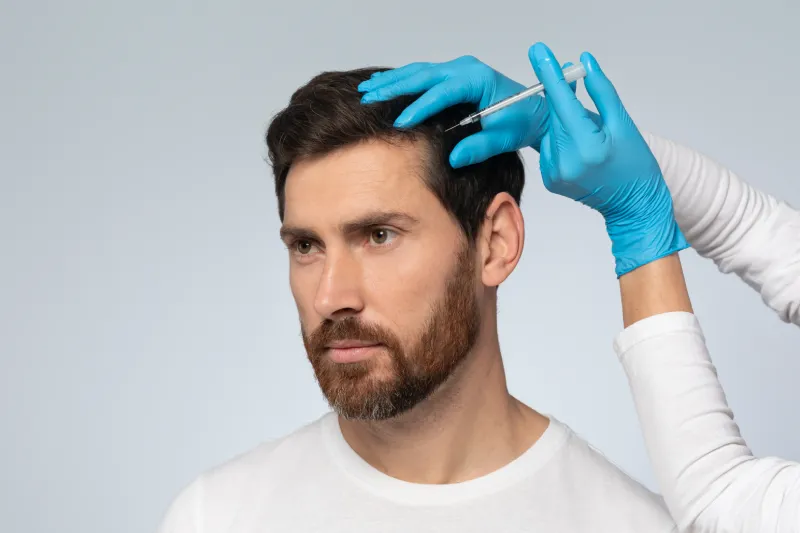
Follicular Unit Extraction (FUE) is a minimally invasive hair transplantation technique. Unlike the older FUT (Follicular Unit Transplantation) method – often called the “strip” method – FUE involves extracting individual hair follicles directly from the donor area (typically the back and sides of the scalp) and transplanting them to the balding or thinning areas. This leaves minimal scarring, a key advantage for many patients. The extracted follicles are carefully prepared and implanted into tiny incisions made in the recipient area. This meticulous process results in a natural-looking hairline and density.
FUE has revolutionized hair restoration, offering a less painful recovery and faster healing time compared to traditional methods. It’s a suitable option for addressing various types of hair loss, including male-pattern baldness (androgenic alopecia), receding hairlines, and thinning crowns.
Who is a Good Candidate for FUE?
Not everyone is an ideal candidate for an FUE hair transplant. Good candidates generally:
- Have sufficient healthy donor hair. The availability of healthy follicles is crucial for a successful transplant.
- Have realistic expectations. A hair transplant can significantly improve hair density, but it may not restore a full head of hair.
- Are in good general health. Underlying medical conditions can affect healing and the success of the procedure.
- Do not smoke. Smoking impairs blood circulation, hindering the healing process.
- Have a stable hair loss pattern. It’s important that hair loss has stabilized before undergoing a transplant, as continuing loss can affect the final result.
- Understand the limitations. FUE is effective for certain types of hair loss, but may not be suitable for all conditions.
A thorough consultation with a qualified hair transplant surgeon is essential to determine if you are a suitable candidate.
How is the FUE Procedure Performed?
The FUE procedure typically involves the following steps:
1. Consultation & Planning: A detailed assessment of your hair loss, scalp condition, and donor area is conducted. The surgeon will discuss your goals and create a personalized treatment plan.
2. Preparation: The donor area is shaved, and local anesthesia is administered to numb the scalp.
3. Extraction: Using a micro-punch tool, individual hair follicles are extracted from the donor area. This is a precise and delicate process.
4. Preparation of Grafts: The extracted follicles are carefully prepared and sorted under a microscope.
5. Implantation: Tiny incisions are made in the recipient area, and the prepared grafts are implanted one by one. The angle and direction of each graft are carefully considered to create a natural-looking hairline.
6. Post-operative Care: Instructions are provided for post-operative care, including wound care, medication, and follow-up appointments.
The entire procedure can take anywhere from 4 to 8 hours, depending on the number of grafts being transplanted.
What is the Recovery Process Like?
The recovery process following an FUE hair transplant is generally straightforward. Patients can expect:
- Initial Discomfort: Mild pain and discomfort are common in the first few days, which can be managed with pain medication.
- Swelling: Some swelling may occur around the forehead and eyes, which typically subsides within a few days.
- Scabbing: Small scabs will form at the implantation sites, which will naturally fall off within 1-2 weeks.
- Redness: The recipient area may remain red for several weeks or months.
- Hair Shedding: The transplanted hair will initially shed within 2-3 weeks, which is a normal part of the process.
- New Growth: New hair growth typically begins around 3-4 months after the procedure, with significant improvement seen after 6-12 months.
Following the surgeon’s post-operative instructions is crucial for optimal healing and results. This includes avoiding strenuous activity, protecting the scalp from sun exposure, and attending follow-up appointments.
Common Questions About FUE Hair Transplants
1. How many grafts will I need? The number of grafts needed varies depending on the extent of hair loss. A typical FUE transplant involves between 2,000 and 5,000 grafts.
2. Is FUE painful? The procedure is performed under local anesthesia, so patients typically experience minimal pain. Some discomfort may be felt during the extraction and implantation phases, but this is usually manageable with pain medication.
3. What are the potential risks and side effects? Like any surgical procedure, FUE carries some risks, including infection, bleeding, scarring, and poor hair growth. However, these risks are generally low when the procedure is performed by a qualified surgeon.
4. How long do the results last? FUE hair transplants provide long-lasting results. The transplanted hair follicles are permanent and will continue to grow for a lifetime. However, existing non-transplanted hair may continue to thin or fall out over time.
5. Can I combine FUE with other treatments? Yes, FUE can be combined with other hair loss treatments, such as minoxidil and finasteride, to further enhance results and maintain hair density.
6. What is the best time of year for an FUE transplant? There isn’t a definitively “best” time, but many prefer cooler months to avoid excessive sun exposure during recovery. Planning for 2026 allows ample time for research and preparation.
Why Choose CureHoliday for Your FUE Hair Transplant?
At CureHoliday, we understand that undergoing a medical procedure abroad can be daunting. That’s why we offer a comprehensive and personalized service to ensure a smooth and stress-free experience.
- Free Consultation: Our expert consultants will assess your needs and provide a free, no-obligation consultation to discuss your hair loss and potential treatment options.
- No Upfront Payment: We believe in transparency and trust. You only pay after you arrive in Turkey and are satisfied with the pre-operative assessment.
- VIP Services: We provide a range of VIP services, including airport transfers, accommodation, translation assistance, and 24/7 support throughout your stay. We handle all the logistics, allowing you to focus on your recovery.
FUE Hair Transplant Cost Comparison: Turkey vs. Other Countries
The FUE hair transplant cost in Turkey is significantly lower than in many other countries, including the UK, USA, and EU. This is due to a combination of factors, including lower labor costs, favorable exchange rates, and government support for medical tourism.
Here’s a cost comparison (approximate figures as of late 2023/early 2026, expect slight variations in 2026):
- Turkey: $2,000 – $5,000 (depending on the number of grafts)
- USA: $5,000 – $15,000
- UK: £3,000 – £8,000 (approximately $3,800 – $10,000)
- EU (Germany, France, Italy): €4,000 – €10,000 (approximately $4,300 – $11,000)
Turkey is 30%-50% more affordable than these destinations, making it an attractive option for patients seeking high-quality hair restoration at a reasonable price. However, it’s important to remember that cost shouldn’t be the only factor. Choosing a reputable clinic with experienced surgeons is crucial for achieving optimal results.
Don’t let hair loss affect your confidence. Take the first step towards a fuller, healthier head of hair. Get a personalized quote
Free Consultation
Fill out the form below to get your free medical travel plan and price quote.
Sources and how to verify this yourself
- Howe M-S, Keys W, Richards D. Long-term (10-year) dental implant survival: a systematic review and sensitivity meta-analysis. Journal of Dentistry, 2019 — pooled 10-year implant survival 96.4% (95% CI 95.2–97.5%); conservative sensitivity estimate 93.2%. source
- Comparative study of graft survival by donor site (scalp, beard, chest) at 12 months — roughly 89% for scalp, 95% for beard and 76% for chest hair; survival also falls the longer grafts stay outside the body. source
- Ministry of Health, Regulation on International Health Tourism and Tourist Health, Official Gazette 26 April 2025, No. 32882 — authorisation requirement for facilities and intermediaries, TÜSKA accreditation, compulsory complication insurance (deadline 31 December 2025 for insurance, 31 December 2026 for accreditation). source
- Ministry of Health, Regulation on Promotion and Information Activities in Health Services, Official Gazette 12 November 2025, No. 33075 — treatment promises and guarantees are prohibited; price and campaign announcements are permitted only within international health tourism. source