Spinal Fusion Surgery in Turkey: A Gateway to Renewed Mobility
For individuals grappling with debilitating spinal conditions, the prospect of regaining mobility and a pain-free life can seem distant. Spinal fusion surgery, a complex yet often highly effective procedure, offers a path towards stabilization and relief. Increasingly, patients are looking beyond their national borders for affordable, high-quality care, and Turkey has emerged as a leading destination for medical tourism, particularly for orthopedic procedures like spinal fusion. This is driven by a combination of factors – Ministry of Health–authorised hospitals ensuring international standards, highly experienced surgeons specializing in spinal care, and significantly lower treatment costs compared to Western Europe and North America.
Understanding Spinal Fusion: When is it Necessary?
Spinal fusion is a surgical procedure that joins two or more vertebrae together, eliminating motion between them. This is typically recommended when spinal instability causes significant pain that doesn’t respond to conservative treatments such as physical therapy, pain medication, and injections. Common conditions that may necessitate spinal fusion include:
- Degenerative Disc Disease: As intervertebral discs break down with age, they lose their cushioning ability, leading to pain and instability.
- Herniated or Bulging Discs: When a disc’s soft inner material protrudes, it can compress nerves, causing pain, numbness, and weakness.
- Spinal Stenosis: Narrowing of the spinal canal can put pressure on the spinal cord and nerves.
- Scoliosis and Kyphosis: These are abnormal curvatures of the spine that can be corrected through fusion.
- Spondylolisthesis: A condition where one vertebra slips forward over another.
- Spinal Fractures: Instability caused by a fractured vertebra may require fusion for stabilization.
It’s crucial to understand that spinal fusion isn’t always the first line of defense. A thorough evaluation by a qualified spine specialist is necessary to determine if you are a suitable candidate.
The Appeal of Medical Tourism in Turkey
Turkey has rapidly become a favoured hub for medical tourists seeking high-quality, affordable healthcare. Several factors contribute to this growth:
- Cost-Effectiveness: Spinal fusion surgery in Turkey can be significantly less expensive – often 40-60% lower – than similar procedures in the United States, Canada, or Western Europe. This includes the cost of surgery, hospital stay, anesthesia, and pre- and post-operative care.
- JCI Accreditation: Many Turkish hospitals have earned Joint Commission International (JCI) accreditation, a globally recognized standard for healthcare quality and patient safety. This signifies that the hospital adheres to rigorous international benchmarks.
- Experienced Surgeons: Turkish surgeons are often highly trained and experienced, many having completed fellowships abroad. They are proficient in the latest surgical techniques and technologies.
- Advanced Medical Facilities: Turkish hospitals are equipped with state-of-the-art medical equipment, including advanced imaging technology, minimally invasive surgical tools, and modern rehabilitation facilities.
- Tourism Opportunities: Turkey offers a rich cultural heritage and diverse landscapes, allowing patients to combine their medical treatment with a memorable vacation.
Preparing for Spinal Fusion Surgery: A Comprehensive Approach
Prior to undergoing spinal fusion in Turkey, a comprehensive pre-operative evaluation is essential. This typically includes:
- Medical History Review: Your surgeon will review your medical history, including any pre-existing conditions, medications, and allergies.
- Physical Examination: A thorough physical exam will assess your overall health and identify any potential risks.
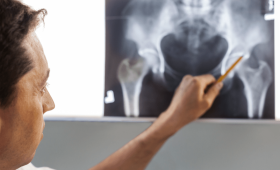
- Imaging Studies: X-rays, MRI scans, and CT scans will provide detailed images of your spine, helping the surgeon plan the procedure.
- Blood Tests: Blood tests will assess your blood count, kidney function, and other important health indicators.
- Consultation with Anesthesiologist: You will meet with an anesthesiologist to discuss your anesthesia options and address any concerns.
It’s important to disclose any medications you are taking, including over-the-counter drugs and herbal supplements. You may be asked to stop taking certain medications, such as blood thinners, before surgery.
Why Choose cureholiday.com for Your Spinal Fusion Journey?
Navigating medical tourism can be complex. cureholiday.com simplifies the process, providing a seamless and stress-free experience for patients seeking spinal fusion surgery in Turkey. We offer:
- Carefully Vetted Hospitals: We partner with Ministry of Health–authorised hospitals and experienced surgeons specializing in spinal procedures.
- Personalized Treatment Plans: We tailor treatment plans to your specific needs and medical condition.
- Dedicated Patient Coordinator: A dedicated patient coordinator will guide you through every step of the journey, from initial consultation to post-operative care.
- Transparent Pricing: We provide clear and transparent pricing with no hidden fees.
- Travel and Accommodation Assistance: We can assist with travel arrangements, airport transfers, and comfortable accommodation.
- Post-Operative Support: We offer ongoing support after your return home, ensuring a smooth recovery.
Don’t let spinal pain limit your life. Take the first step towards a pain-free future. Contact cureholiday.com today to explore your options for spinal fusion surgery in Turkey and rediscover the joy of movement. Visit cureholiday.com for a free consultation and personalized treatment plan.
Understanding the Spinal Fusion Procedure: A Detailed Overview
Turkey has rapidly become a leading global destination for medical tourism, attracting patients seeking high-quality healthcare at competitive prices. A significant portion of this demand stems from complex orthopedic procedures like spinal fusion, performed in Ministry of Health–authorised hospitals by highly experienced surgeons. Spinal fusion surgery is a time-tested procedure designed to alleviate chronic back and neck pain by permanently joining two or more vertebrae. This creates a solid, stable bone structure, reducing pain and improving overall spinal function. This section will provide a comprehensive understanding of the surgical process itself, outlining the steps involved and what you can expect.
The Core Principles of Spinal Fusion
The fundamental goal of spinal fusion isn’t merely to join bones together; it’s to create a biological environment that encourages bone growth and ultimately, solid bony union. There are several techniques employed to achieve this, and the choice depends on your specific condition, vertebral levels involved, and the surgeon’s preference. Common approaches include:
- Posterior Lumbar Interbody Fusion (PLIF): This involves accessing the spine from the back, removing the disc between vertebrae, and inserting a bone graft.
- Transforaminal Lumbar Interbody Fusion (TLIF): Similar to PLIF, but accessed through a smaller opening in the foramen (nerve passageway), potentially minimizing nerve disruption.
- Anterior Lumbar Interbody Fusion (ALIF): This approach involves accessing the spine through the abdomen, offering a direct view of the disc space.
- Lateral Lumbar Interbody Fusion (LLIF): Access is gained from the side, avoiding manipulation of the spinal nerves and posterior muscles.
Regardless of the approach, the core steps generally remain consistent.
Step-by-Step: The Spinal Fusion Procedure
- Anesthesia Administration: You will receive either general anesthesia (completely asleep) or a regional anesthetic (numbness from the waist down). The anesthesiologist, consulted during pre-operative assessments, will determine the most appropriate option for your health profile.
- Incision & Exposure: The surgeon will make an incision to access the spine, utilizing the chosen approach (posterior, anterior, or lateral). Muscles are carefully retracted to expose the vertebrae.
- Disc Removal (Discectomy): The damaged or degenerated intervertebral disc is removed. This creates space for the bone graft.
- Endplate Preparation: The surfaces of the vertebrae (endplates) are prepared to receive the bone graft, often through techniques to encourage bone growth.
- Bone Graft Placement: A bone graft is inserted into the space where the disc was removed. This can be autograft (bone taken from your own body, typically the iliac crest), allograft (bone from a donor), or synthetic bone substitutes.
- Instrumentation (If Required): In many cases, instrumentation—such as screws, rods, and plates—is used to stabilize the spine during the healing process and promote fusion.
- Closure: The muscles are carefully repositioned, and the incision is closed with sutures or staples.
Comparing Bone Graft Options
The choice of bone graft material is critical for successful fusion. Here’s a comparison:
| Bone Graft Type | Source | Advantages | Disadvantages |
|---|---|---|---|
| Autograft | Patient’s own body (iliac crest) | High fusion rates, no risk of rejection | Increased pain at the donor site, limited supply |
| Allograft | Donor | Abundant supply, no donor site morbidity | Slightly lower fusion rates compared to autograft, risk of disease transmission (extremely rare with modern processing) |
| Synthetic Bone Substitute | Manufactured materials | No donor site morbidity, readily available | May have lower fusion rates, requires further research |
Post-Operative Expectations & Recovery
Following surgery, you’ll spend a few days in the hospital for monitoring. Pain management is a priority, and medication will be prescribed. Early mobilization, under the guidance of physical therapists, is crucial to prevent complications and begin the rehabilitation process. The recovery timeline varies, but typically involves a period of bracing, physical therapy, and gradual return to activities. Full fusion can take several months to a year to achieve.
Why Choose cureholiday.com for Spinal Fusion in Turkey?
Undergoing spinal fusion surgery is a significant decision. cureholiday.com understands the complexities of medical tourism and strives to provide a comprehensive and supportive experience. We don’t just connect you with a surgeon; we build a pathway to recovery. We offer:
- Ministry of Health–authorised Hospital Partnerships: We collaborate with hospitals in Turkey that meet the highest international standards of care, ensuring patient safety and quality.
- Tailored Surgical Plans: Your needs are unique. We work with surgeons to create a personalized treatment plan based on your diagnosis and goals.
- Dedicated Patient Coordination: From initial inquiry to post-operative follow-up, a dedicated coordinator will be your single point of contact, managing all aspects of your journey.
- Transparent Costing: No hidden fees. We provide a clear breakdown of all costs associated with your surgery, travel, and accommodation.
- Seamless Travel Logistics: cureholiday.com can assist with flights, airport transfers, and comfortable, recuperative accommodation.
- Continuous Post-Operative Care: Our support doesn’t end when you return home. We provide ongoing guidance and resources to facilitate a smooth recovery.
Don’t let back or neck pain dictate your life. cureholiday.com can help you explore the possibilities of spinal fusion surgery in Turkey and rediscover a pain-free, active lifestyle. Visit cureholiday.com today for a free consultation and a personalized treatment plan designed for you.
Navigating the Spinal Fusion Procedure: A Detailed Look
Turkey has rapidly become a leading destination for individuals seeking high-quality, affordable healthcare, particularly in specialized fields like spinal fusion surgery. This surge in medical tourism is fueled by the country’s commitment to international accreditation – notably JCI (Joint Commission International) – and the expertise of its highly trained surgeons. The combination of advanced medical facilities, competitive pricing, and a supportive patient-focused approach makes Turkey an attractive option for those facing debilitating back and neck pain. This section delves into the specifics of the spinal fusion process itself, outlining the surgical techniques employed and what patients can expect at each stage.
Understanding the Surgical Approaches
Spinal fusion isn’t a single procedure; several techniques can be utilized depending on the patient’s specific condition, the location of the instability, and the surgeon’s preference. The fundamental goal remains the same: to eliminate motion between two or more vertebrae, creating a solid bony bridge. Common approaches include:
- Posterior Lumbar Interbody Fusion (PLIF): This is one of the most frequently performed spinal fusion techniques. The surgeon accesses the spine from the back, removes the disc between the vertebrae, and inserts a bone graft (or a spacer containing bone-like material) to encourage fusion. Instrumentation, such as screws and rods, are then used to stabilize the spine while the bone graft integrates.
- Transforaminal Lumbar Interbody Fusion (TLIF): Similar to PLIF, TLIF is also a posterior approach, but it involves accessing the disc space through the foramen (the opening where spinal nerves exit). This minimizes nerve manipulation compared to PLIF, potentially reducing post-operative pain.
- Anterior Lumbar Interbody Fusion (ALIF): ALIF is performed through an incision in the abdomen, allowing the surgeon to access the spine from the front. This approach can be particularly effective for correcting certain types of spinal instability and restoring proper spinal alignment.
- Lateral Lumbar Interbody Fusion (LLIF): Also known as Direct Lateral Interbody Fusion (DLIF), this minimally invasive technique accesses the spine through the patient’s side. It avoids damage to the posterior muscles and ligaments, potentially leading to faster recovery and reduced pain.
The Spinal Fusion Procedure: A Step-by-Step Overview
Regardless of the chosen approach, the core steps of a spinal fusion surgery generally follow this sequence:
- Anesthesia: Patients are typically placed under general anesthesia.
- Incision: The surgeon makes an incision to access the affected area of the spine. The incision’s location and size will vary based on the chosen surgical approach.
- Discectomy: The damaged disc is removed, relieving pressure on spinal nerves.
- Bone Grafting: A bone graft—either autograft (taken from the patient’s own body, usually the iliac crest) or allograft (from a donor)—is inserted into the space where the disc was removed. Bone graft substitutes, such as synthetic materials, are also frequently used.
- Instrumentation: Screws, rods, plates, or cages are implanted to stabilize the spine and promote fusion.
- Closure: The incision is closed with sutures or staples.
Comparing Fusion Techniques
Choosing the right surgical approach is critical. Here’s a comparative overview:
| Technique | Approach | Potential Benefits | Potential Risks | Recovery Time |
|---|---|---|---|---|
| PLIF | Posterior | Widely used, good visualization | Muscle damage, nerve irritation | 6-12 months |
| TLIF | Posterior | Minimizes nerve manipulation | Muscle damage, potential instability | 6-12 months |
| ALIF | Anterior | Good for correcting alignment, access to nerve roots | Risk to abdominal organs, longer hospital stay | 6-12 months |
| LLIF | Lateral | Minimally invasive, preserves muscles | Nerve injury, iliac crest discomfort | 4-9 months |
Post-Operative Care and Rehabilitation
Following surgery, a period of hospitalization (typically 3-7 days) is required for monitoring and pain management. Post-operative care is paramount, and often includes bracing to limit spinal movement. Physical therapy is essential to regain strength, flexibility, and function. This will progressively increase over the following months.
Why Partner with cureholiday.com?
At cureholiday.com, we understand that navigating the complexities of spinal fusion surgery – especially when considering medical travel – can be overwhelming. We don’t simply offer surgery; we provide a complete, personalized experience designed to prioritize your well-being and ensure a successful outcome. We partner with Ministry of Health–authorised hospitals in Turkey, renowned for their commitment to international standards of care and employing highly skilled spinal surgeons. We take the stress out of medical tourism by offering:
- Comprehensive Pre-Operative Assessment: We connect you with expert surgeons who will thoroughly evaluate your condition and develop a tailored surgical plan.
- Transparent Costing: We provide a detailed breakdown of all costs associated with your procedure, including surgery, hospitalization, anesthesia, and post-operative care, leaving no room for hidden fees.
- Seamless Logistics: cureholiday.com handles all aspects of your travel arrangements, from flights and airport transfers to comfortable accommodation near the hospital.
- Dedicated Patient Support: A dedicated patient coordinator will be your point of contact throughout your entire journey, providing assistance and answering any questions you may have.
- Ongoing Post-Operative Guidance: Our commitment extends beyond your return home. We offer ongoing support and resources to facilitate a smooth and successful recovery.
Don’t let spinal pain limit your life. Let cureholiday.com guide you towards a path of recovery and renewed mobility. Visit cureholiday.com today for a free consultation and discover how we can help you regain a pain-free, active lifestyle.
Navigating Your Spinal Fusion Journey: Why Turkey & cureholiday.com?
Turkey has rapidly become a globally recognized hub for high-quality, affordable medical tourism, attracting patients from around the world seeking advanced procedures like spinal fusion surgery. The country boasts a significant number of hospitals holding Joint Commission International (JCI) accreditation – a testament to their adherence to rigorous international standards of patient care, safety, and service. Coupled with highly skilled and experienced spinal surgeons, Turkey presents a compelling alternative to often lengthy wait times and substantial costs in North America and Europe. However, venturing abroad for a major surgery requires careful planning and a trustworthy partner. This is where cureholiday.com steps in, offering a comprehensive and patient-centric approach to medical tourism.
The cureholiday.com Difference: A Holistic Approach
At cureholiday.com, we recognize that undergoing spinal fusion surgery is a significant life event. It’s not merely about the procedure itself; it’s about the entire experience – from initial consultation to post-operative recovery. We go beyond simply connecting you with a surgeon; we curate a personalized journey designed to alleviate stress, ensure safety, and maximize your chances of a successful outcome. We understand the apprehension associated with medical travel and proactively address those concerns by offering a complete suite of services, all managed by a dedicated team.
Our partnerships are exclusively with Ministry of Health–authorised hospitals in Turkey. This accreditation isn’t just a badge; it’s an assurance that the hospital meets the highest global benchmarks for quality, patient safety, and clinical effectiveness. Our surgeons are leading specialists in spinal fusion techniques, proficient in both traditional open procedures and minimally invasive approaches, allowing them to tailor the best surgical plan to your specific needs.
What cureholiday.com Provides: A Detailed Breakdown
We believe in complete transparency and empower you with all the information you need to make informed decisions. Here’s a closer look at the services cureholiday.com provides:
- Comprehensive Pre-Operative Assessment: We facilitate a thorough evaluation of your medical history, imaging scans (MRI, CT scans, X-rays), and current health status by experienced surgeons. This in-depth assessment forms the basis of a personalized surgical plan, addressing your specific spinal condition and individual goals.
- Transparent Costing: We provide a meticulously detailed cost breakdown, encompassing all aspects of your treatment – the surgical procedure itself, hospital stay (including room and board), anesthesia fees, post-operative medications, physiotherapy, and follow-up consultations. There are absolutely no hidden costs or unexpected charges.
- Seamless Logistics: Forget the logistical headaches of international travel. cureholiday.com handles all travel arrangements, including booking flights (with options to suit your preferences and budget), arranging airport transfers in Turkey, and securing comfortable, high-quality accommodation conveniently located near the hospital.
- Dedicated Patient Support: A dedicated patient coordinator will be your personal guide throughout your entire experience. They will answer your questions, address your concerns, and provide ongoing support before, during, and after your surgery. Communication is available via phone, email, and WhatsApp for your convenience.
- Ongoing Post-Operative Guidance: Our commitment doesn’t end when you return home. We offer comprehensive post-operative instructions, guidance on rehabilitation exercises, and resources to help you navigate your recovery journey. We remain available to answer any questions or concerns you may have during your rehabilitation period.
Frequently Asked Questions
Here are some common questions patients have about undergoing spinal fusion surgery in Turkey with cureholiday.com:
- Is spinal fusion surgery safe in Turkey? Absolutely. We partner exclusively with Ministry of Health–authorised hospitals that adhere to the highest international standards of safety and quality. Our surgeons are highly experienced and qualified in performing spinal fusion procedures.
- How long is the typical hospital stay after spinal fusion? The length of your hospital stay will vary depending on the complexity of your surgery and your individual recovery progress, but generally ranges from 3 to 7 days.
- What is the recovery process like after spinal fusion? Recovery is a gradual process. You will initially require pain management and will gradually begin a physiotherapy program to regain strength, flexibility, and function. Full recovery can take several months.
- Will I need a translator? cureholiday.com provides access to English-speaking medical staff and dedicated patient coordinators, eliminating the need for a personal translator.
- What are the potential risks and complications of spinal fusion surgery? As with any major surgery, there are potential risks, including infection, bleeding, nerve damage, and failure of the fusion. Your surgeon will discuss these risks with you in detail before the procedure.
- How much does spinal fusion surgery cost in Turkey compared to other countries? Spinal fusion surgery in Turkey is generally significantly more affordable than in the United States, Canada, and Western Europe, without compromising on quality. We provide a transparent cost breakdown upfront.
- What type of physiotherapy will be provided? Our partner hospitals have state-of-the-art physiotherapy departments offering personalized rehabilitation programs designed to optimize your recovery.
- Can I get a second opinion from another surgeon if I wish? Yes, absolutely. cureholiday.com can facilitate second opinions from different surgeons within our network to ensure you feel completely confident in your treatment plan.
Don’t allow chronic spinal pain to dictate your life. cureholiday.com is dedicated to providing you with a safe, affordable, and personalized pathway to recovery and renewed mobility. Visit cureholiday.com today for a free consultation and let our expert team guide you toward a pain-free, active future. We’re here to answer your questions and help you embark on a life-changing journey.
Navigating Post-Operative Rehabilitation: Your Journey to Renewed Mobility
Turkey has rapidly emerged as a premier destination for medical tourism, attracting individuals from across the globe seeking high-quality healthcare at competitive prices. This is especially true for complex procedures like spinal fusion surgery. However, successful surgery is only the first step. A comprehensive and meticulously planned rehabilitation program is crucial for achieving optimal long-term outcomes and reclaiming your quality of life. This section will delve into the post-operative recovery process following spinal fusion surgery in Turkey, outlining the expected timeline, physiotherapy components, pain management strategies, and the support cureholiday.com provides to ensure a smooth and successful recovery.
The Immediate Post-Operative Period (Days 1-3)
Following spinal fusion surgery, the initial days are focused on pain management and establishing a foundation for recovery. You will be closely monitored in the hospital’s intensive care or recovery unit. Pain medication, typically a combination of opioids and non-opioid analgesics, will be administered to keep you comfortable. Early mobilization, under the guidance of a physiotherapist, begins almost immediately. This isn’t about rigorous exercise but gentle movements like ankle pumps, leg raises, and controlled breathing exercises to prevent complications like blood clots and pneumonia.
A supportive brace, often a rigid or semi-rigid thoracic-lumbar-sacral orthosis (TLSO), will be fitted to limit spinal movement and promote fusion. Your medical team will instruct you on the proper way to wear and care for the brace. Diet will initially be restricted to liquids and soft foods, gradually advancing as tolerated. Wound care instructions will also be provided, emphasizing the importance of keeping the incision site clean and dry.
Phase Two: Early Rehabilitation (Weeks 1-6)
Once discharged from the hospital (typically within 3-7 days), you’ll transition to a more intensive physiotherapy program. This phase focuses on gradually increasing your strength, flexibility, and range of motion. Exercises will start with gentle core stabilization exercises – learning to activate and strengthen the deep muscles that support your spine. As strength improves, you’ll progress to exercises that strengthen your back, abdominal, and leg muscles.
Walking is strongly encouraged, starting with short distances and gradually increasing the duration and intensity. Proper posture and body mechanics will be emphasized to protect the fused spine. Your physiotherapist will also guide you on how to safely perform activities of daily living (ADLs), such as getting in and out of bed, dressing, and bathing. cureholiday.com ensures you have access to highly skilled and dedicated physiotherapy professionals throughout this crucial phase, often with the convenience of in-home sessions or access to state-of-the-art rehabilitation centers.
Phase Three: Intermediate & Advanced Rehabilitation (Months 3-12)
This phase is dedicated to restoring full functionality and returning to your desired activity level. The program becomes more challenging, incorporating exercises that improve endurance, balance, and coordination. Functional training, simulating real-life movements, is a key component. This might include lifting, bending, twisting, and carrying, all performed with proper technique and under the supervision of your physiotherapist.
Return to work or recreational activities will be gradual and individualized, guided by your surgeon and physiotherapist. The brace may be gradually weaned off, based on imaging (X-rays) that demonstrate solid bone fusion. Maintaining a healthy weight, practicing good posture, and continuing a home exercise program are essential for long-term spinal health.
Frequently Asked Questions
- How will my pain be managed after surgery? Pain management is a priority. A multimodal approach, including medication, physical therapy, and potentially nerve blocks, will be used to minimize discomfort.
- What are the potential complications of spinal fusion surgery? While generally safe, potential complications include infection, bleeding, nerve damage, and pseudarthrosis (failure of the fusion to heal). Our partner hospitals have robust protocols in place to minimize these risks.
- When can I drive again after spinal fusion? Driving is typically permitted once you are off strong pain medication, have regained sufficient strength and coordination, and your surgeon approves. This is generally around 6-12 weeks post-surgery.
- Will I need to make any changes to my home to accommodate my recovery? Depending on your surgery and activity level, you may need to make minor adjustments, such as removing tripping hazards or rearranging furniture.
- How long will it take to see significant improvement? You’ll likely experience noticeable pain relief within a few weeks, but full recovery and return to optimal function can take 6-12 months or longer.
- What if I experience a setback during my recovery? Setbacks are sometimes inevitable. Communication with your physiotherapist and surgeon is crucial. They can adjust your program and address any concerns.
- What kind of support does cureholiday.com offer beyond the surgery itself? cureholiday.com provides comprehensive support including pre-operative planning, hospital liaison, translation services, post-operative rehabilitation coordination, and ongoing support throughout your recovery journey.
- Are there specific exercises I can start preparing with *before* surgery? Yes! Pre-habilitation (pre-operative rehabilitation) can improve your strength and fitness, leading to a faster and smoother recovery. We can provide you with a customized pre-op exercise program.
Don’t let the prospect of rehabilitation intimidate you. cureholiday.com is committed to providing you with a holistic and supportive recovery experience. From expertly coordinated physiotherapy programs to ongoing guidance and communication, we empower you to regain your mobility, reduce pain, and live a fulfilling life. Contact cureholiday.com today to learn more about how we can tailor a spinal fusion journey to your specific needs and help you rediscover a pain-free future.
Embracing Recovery: A Holistic Approach to Post-Operative Care in Turkey
Turkey has rapidly emerged as a leading destination for medical tourism, attracting patients globally with its combination of Ministry of Health–authorised hospitals, highly skilled surgeons, and cost-effective treatment options. Spinal fusion surgery, while transformative, necessitates a carefully planned and executed recovery period. This isn’t merely about physical rehabilitation; it’s a comprehensive journey towards restoring function, alleviating pain, and reclaiming a fulfilling life. cureholiday.com understands this holistic need and provides a fully integrated recovery experience, extending far beyond the operating room.
The Initial Phase: Hospital Stay & Immediate Post-Operative Care
The immediate post-operative period, typically lasting 3-7 days depending on the complexity of the fusion and individual recovery, is crucial. You’ll be closely monitored in the hospital for any immediate complications, such as infection, bleeding, or nerve dysfunction. Pain management will continue to be a priority, employing a multimodal approach. This might involve intravenous pain medication initially, transitioning to oral analgesics as you progress. Early mobilization, guided by a physical therapist, is a cornerstone of recovery. This doesn’t mean strenuous activity, but rather gentle movements designed to prevent blood clots, maintain circulation, and begin the process of restoring muscle strength. cureholiday.com ensures seamless communication between you, the surgical team, and our dedicated hospital liaison, addressing any concerns and ensuring your comfort during this critical phase.
Rehabilitation: Regaining Strength, Mobility & Function
Following discharge from the hospital, the focus shifts to intensive rehabilitation. This is where cureholiday.com‘s commitment truly shines. We coordinate a customized physiotherapy program tailored to your specific fusion level, surgical technique, and pre-operative fitness. The rehabilitation process typically unfolds in several stages:
- Phase 1 (Weeks 1-6): Focuses on wound care, pain management, and gentle range-of-motion exercises. Core stabilization exercises are introduced to protect the fused spine and rebuild supporting muscles. Assistive devices, such as a brace or walker, may be necessary during this phase.
- Phase 2 (Weeks 6-12): Gradually increases the intensity of exercises, focusing on strengthening core, back, and leg muscles. Proprioceptive exercises – those that improve balance and body awareness – are incorporated. The aim is to wean off assistive devices and improve functional movements, such as walking, bending, and lifting.
- Phase 3 (Weeks 12-24+): Emphasis on advanced strengthening, endurance training, and return to functional activities, including work, hobbies, and sports (with appropriate modifications). A long-term maintenance program is crucial to prevent re-injury and maximize long-term spinal health.
The duration of each phase varies significantly based on the individual and the extent of the surgery. cureholiday.com provides access to highly qualified and experienced physiotherapists who will closely monitor your progress and adjust the program accordingly. We understand that each recovery is unique and adapt our approach to ensure optimal outcomes.
Addressing Potential Complications & Long-Term Management
While spinal fusion surgery is generally safe, potential complications exist. These include infection, bleeding, nerve damage, and pseudarthrosis (failure of the fusion to heal). Our partner hospitals are equipped with state-of-the-art technology and adhere to stringent protocols to minimize these risks. cureholiday.com provides ongoing support to monitor for any potential complications and facilitate prompt medical attention if needed. Long-term management involves regular follow-up appointments with your surgeon, adherence to your exercise program, and maintaining a healthy lifestyle.
Frequently Asked Questions
- How long will it take to return to work after spinal fusion surgery? The timeline varies greatly depending on your job demands and the extent of the surgery. Light duty work may be possible within 6-12 weeks, while more physically demanding jobs may require 6-12 months or longer.
- Will I be able to bend and twist after spinal fusion? While some degree of bending and twisting will be possible, it will be limited compared to before surgery. The fused segment restricts movement, but the goal is to maximize functional mobility within safe limits.
- What kind of pain can I expect after surgery? You’ll experience post-operative pain, but it will be managed with medication and physical therapy. The intensity and duration of pain vary, but most patients experience a significant reduction in pain over time.
- What are the restrictions after spinal fusion surgery? Restrictions typically include lifting heavy objects, bending, twisting, prolonged sitting, and high-impact activities. These restrictions are gradually lifted as you progress through rehabilitation.
- What role does nutrition play in my recovery? A healthy diet rich in protein, calcium, and vitamin D is crucial for bone healing and tissue repair. cureholiday.com can provide guidance on optimizing your nutrition for a faster recovery.
- What support does cureholiday.com offer beyond the surgery itself? cureholiday.com provides comprehensive support including pre-operative planning, hospital liaison, translation services, post-operative rehabilitation coordination, and ongoing support throughout your recovery journey.
- Are there specific exercises I can start preparing with *before* surgery? Yes! Pre-habilitation (pre-operative rehabilitation) can improve your strength and fitness, leading to a faster and smoother recovery. We can provide you with a customized pre-op exercise program.
Don’t navigate the complexities of spinal fusion recovery alone. cureholiday.com is your dedicated partner, providing unwavering support and guidance throughout every step of your journey. We empower you to regain your mobility, reduce pain, and live a fulfilling life, free from the limitations of spinal issues. Contact cureholiday.com today to discover how we can tailor a complete spinal fusion experience to your specific needs and help you rediscover a pain-free future in Turkey.
Schedule a consultation for Spinal Fusion Surgery in Turkey in Turkey with cureholiday.com
Free Consultation
Fill out the form below to get your free medical travel plan and price quote.
Sources and how to verify this yourself
- Ministry of Health, Regulation on International Health Tourism and Tourist Health, Official Gazette 26 April 2025, No. 32882 — authorisation requirement for facilities and intermediaries, TÜSKA accreditation, compulsory complication insurance (deadline 31 December 2025 for insurance, 31 December 2026 for accreditation). source
- Ministry of Health, Regulation on Promotion and Information Activities in Health Services, Official Gazette 12 November 2025, No. 33075 — treatment promises and guarantees are prohibited; price and campaign announcements are permitted only within international health tourism. source