Cost and planning note (2026)
The figures below are indicative market ranges for 2026, not a quote: your own price depends on the clinic, the surgeon and your clinical assessment.
Indicative price range: Robotic Half Knee: 7,000 – 10,000 USD | Hip Replacement Ceramic: 9,000 – 14,000 USD | Spinal Fusion: 10,000 – 18,000 USD
Facility standards: In Türkiye, any facility treating international patients must hold the Ministry of Health’s international health tourism authorisation; hospitals and medical centres must also be accredited by TÜSKA, and complication insurance is compulsory for procedures carried out in an operating theatre (Regulation of 26 April 2025). Ask us for the authorisation of the facility you are matched with.
Currency: USD / EUR / GBP accepted at all clinics.
Hip Replacement and Air Travel: Safety Guidelines for Medical Tourists
Hip Replacement and Air Travel: A Deep Dive into Surgical Technique and Post-Operative Physiological Considerations
Total hip arthroplasty (THA), commonly known as hip replacement, is a highly successful elective procedure globally, increasingly attracting patients seeking medical tourism opportunities. However, air travel following THA presents unique physiological challenges that demand meticulous understanding and adherence to specific safety guidelines. This pillar will delve into the ‘what’ and ‘why’ of these considerations, focusing on the technical aspects of modern THA and their impact on aviation safety. CureHoliday.com prioritizes patient safety and informed decision-making; therefore, a comprehensive understanding of these factors is crucial for prospective medical tourists.
Modern Hip Replacement Techniques & Implant Materials
Historically, hip replacements involved large incisions and extended recovery periods. Contemporary techniques, however, prioritize minimally invasive surgery (MISS) and robotic-assisted procedures, impacting not only post-operative pain but also the risk profile associated with air travel. The MAKO Robotic-Arm and NAVIO Robotic System allow for unparalleled precision in implant placement, optimizing biomechanics and minimizing soft tissue trauma. This precision is achieved through pre-operative CT scans which create a 3D model of the patient’s anatomy, guiding the robotic arm during bone preparation and implant seating. Traditional surgery relies on surgeon skill and visual assessment, introducing a margin of potential error.
Implant materials have also advanced significantly. While cobalt-chromium alloys remain a common choice, ceramic-on-polyethylene and ceramic-on-ceramic bearings are increasingly preferred, offering improved wear characteristics and potentially reducing the risk of metallosis (metal ion release). A hip replacement utilizing ceramic components, like those offered at competitive rates of 9,000 – 14,000 USD, often boasts a longer lifespan and reduced inflammatory response compared to traditional metal-on-polyethylene implants. The choice of bearing surface is a critical consideration, factoring into individual patient needs and activity levels.
The Physiological Impact of Flight on the Post-Operative Hip
Commercial air travel introduces several physiological stressors relevant to patients who have undergone THA. The most significant concerns are:
- Hypobaric Pressure: Cabin altitude typically ranges between 6,000-8,000 feet. This reduced partial pressure of oxygen (hypoxia) can exacerbate existing medical conditions and impact wound healing. While typically well-tolerated by healthy individuals, it can strain the cardiovascular system in post-operative patients, potentially increasing the risk of deep vein thrombosis (DVT).
- Venous Stasis: Prolonged immobility during flight promotes venous stasis, further elevating the risk of DVT. The reduced cabin pressure also contributes to fluid shifts, increasing the likelihood of blood clot formation. Patients post-THA are already at a heightened baseline risk of DVT due to the surgical trauma and temporary disruption of normal blood flow.
- Dehydration: The low humidity environment of aircraft cabins leads to increased insensible fluid loss. Dehydration thickens the blood, further contributing to venous stasis and potentially increasing the risk of thromboembolic events.
- Edema & Joint Effusion: Reduced atmospheric pressure can cause expansion of gases within tissues, potentially exacerbating post-operative edema around the hip joint and increasing discomfort.
Thromboembolic Risk Mitigation: A Multi-Faceted Approach
Addressing the risk of DVT is paramount. While mechanical prophylaxis (compression stockings) are standard post-operative care, they may not be sufficient during long-haul flights. Pharmacological prophylaxis, typically involving low-molecular-weight heparin (LMWH), may be prescribed by the surgeon, but careful consideration must be given to bleeding risk and the timing of administration relative to the flight.
Beyond medication, several preventative measures are vital:
- Frequent Ambulation: Patients should be encouraged to walk the aisle every 1-2 hours to promote venous return.
- Calf Muscle Exercises: Performing regular calf raises and ankle pumps while seated helps to maintain blood flow in the lower extremities.
- Hydration: Drinking plenty of water throughout the flight is essential to maintain adequate hydration.
- Avoidance of Constrictive Clothing: Tight clothing can impede circulation and exacerbate venous stasis.
- Positioning: Avoid crossing legs for extended periods, as this can further restrict blood flow.
Implant Considerations & Airport Security
Modern hip implants are typically constructed of titanium alloys, stainless steel, or ceramic materials. While these materials are generally inert, they may activate metal detectors during airport security screenings. Patients should carry their surgical documentation and a letter from their surgeon detailing the implant materials to avoid delays or unnecessary searches. While rare, the electromagnetic fields generated by some security scanners *theoretically* could interfere with electronic components within sophisticated implant designs; however, currently available evidence suggests this risk is minimal with established implant brands.
Turkey as a Medical Tourism Destination: Standards and Logistics
Turkey has become a popular destination for medical tourism, offering high-quality care at competitive prices. Many facilities, particularly in cities like Istanbul, Antalya, and Izmir, are JCI (Joint Commission International) Accredited and operate under strict regulation by the Turkish Ministry of Health. This ensures adherence to international standards of safety and quality. Costs for procedures like a hip replacement are often significantly lower than in Western Europe or North America. For example, a robotic half-knee replacement could range from 7,000 – 10,000 USD, while spinal fusion averages 10,000 – 18,000 USD. Currency exchange rates are typically favorable for visitors using USD, EUR, or GBP. A convenient e-visa system is available for citizens of most UK, US, and EU countries, allowing for stays of up to 90 days. The choice of recovery location also impacts the experience; Istanbul offers vibrant city life, Antalya provides resort-style rehabilitation, and Izmir boasts a relaxed Aegean atmosphere with access to thermal spas.
Post-operative care and follow-up are crucial, even when traveling abroad. CureHoliday.com provides comprehensive support, including arranging consultations with local physicians and ensuring continuity of care upon the patient’s return home.
The Surgical & Clinical Journey: Hip Replacement & Air Travel
This pillar details the procedural aspects of hip replacement surgery undertaken as part of medical tourism, specifically focusing on patient preparation, surgical techniques employed in Turkey, and crucial considerations for safe air travel post-operatively. We’ll follow the case of Mr. Alistair Humphrey, a 45-year-old gentleman from the United Kingdom seeking a ceramic hip replacement due to severe osteoarthritis.
Pre-Operative Assessment & Optimization
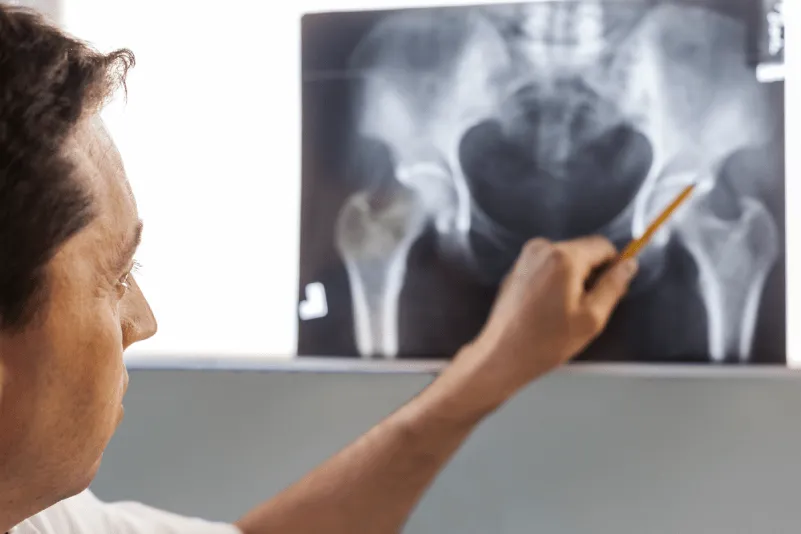
Alistair’s journey begins not in the operating theatre, but with a comprehensive pre-operative assessment. This isn’t simply a routine check-up. We employ a multi-disciplinary approach, commencing with detailed radiographic analysis. Advanced imaging modalities, including weight-bearing X-rays and potentially MRI, are crucial to ascertain the extent of articular cartilage loss, bone deformation, and any pre-existing anatomical variances. Furthermore, a complete blood count (CBC), coagulation profile (PT/INR, aPTT), and electrolyte panel are mandatory. Importantly, we evaluate Alistair’s existing medications, paying particular attention to anticoagulants or antiplatelet therapies, which may require temporary suspension prior to surgery to minimize intraoperative bleeding risk.
Prehabilitation, a proactive approach to optimizing physical condition, is integrated. This involves a tailored exercise program focusing on strengthening peri-articular musculature (gluteals, hamstrings, quadriceps) and improving cardiovascular fitness. Stronger muscles provide stability post-surgery and aid in early mobilization. Alistair’s program, delivered remotely via our physiotherapy team, focuses on low-impact exercises, avoiding movements that exacerbate his pain.
Surgical Technique: Ceramic Hip Replacement & Advanced Technologies
Alistair is a suitable candidate for a ceramic-on-polyethylene hip replacement, costing between 9,000 – 14,000 USD in Turkey. The choice of ceramic bearings offers excellent wear characteristics and reduced risk of osteolysis (bone loss around the implant) compared to traditional metal-on-polyethylene options, particularly beneficial for a younger, more active patient like Alistair. The surgical approach employed is a direct anterior approach (DAA), a minimally invasive technique offering several advantages.
The DAA involves accessing the hip joint from the front, intermuscularly, minimizing disruption to the posterior muscles (gluteals). This results in reduced post-operative pain, faster recovery, and a lower risk of dislocation. We often utilize image-guided surgery, leveraging technologies like the MAKO Robotic-Arm or the NAVIO Robotic System. These robotic platforms provide precise implant positioning and bone resection, enhancing surgical accuracy and potentially reducing the need for revision surgery in the future. The Minimally Invasive Surgical System (MISS), irrespective of robotic assistance, is standard practice.
During the procedure, meticulous attention is paid to restoring hip biomechanics. Leg length discrepancy is carefully assessed and corrected. Implant fixation is paramount; we utilize cementless femoral stems and acetabular shells, promoting bony ingrowth for long-term stability. Post-operative fluoroscopy confirms correct implant placement and joint alignment.
Post-Operative Protocol & Early Mobilization
Immediately post-operatively, Alistair is transferred to a dedicated recovery suite. Pain management is multifaceted, incorporating opioid analgesics (short-term), non-steroidal anti-inflammatory drugs (NSAIDs), and regional anesthetic techniques (e.g., femoral nerve block). Deep vein thrombosis (DVT) prophylaxis is initiated with intermittent pneumatic compression devices and prophylactic anticoagulation.
Early mobilization is crucial. Within 24-48 hours, Alistair commences a progressive physiotherapy program, guided by our experienced team. Initially, this focuses on assisted range-of-motion exercises and partial weight-bearing with crutches or a walker. As strength and stability improve, he progresses to full weight-bearing and independent ambulation. Our dedicated recovery hubs in Istanbul (City/Boutique), Antalya (Resort/Beach), and Izmir (Aegean/Thermal) provide a conducive environment for recovery, offering both medical care and comfortable accommodation.
Air Travel Considerations Post-Hip Replacement
Air travel following hip replacement demands meticulous planning and adherence to specific guidelines to mitigate the risk of venous thromboembolism (VTE – encompassing DVT and pulmonary embolism). This is a significant concern due to prolonged immobility and changes in cabin pressure.
- Timing: We generally advise against air travel for at least 6-8 weeks post-surgery. This allows sufficient time for initial wound healing and adequate clot formation around the implant. However, the exact timeframe depends on individual patient progress and the surgeon’s assessment.
- Anticoagulation: Continued prophylactic anticoagulation is often recommended for long-haul flights, even after the initial post-operative period. Alistair will be prescribed an appropriate anticoagulant, and the duration of therapy will be individualized.
- In-Flight Measures:
- Hydration: Maintaining adequate hydration is vital to prevent blood thickening.
- Movement: Alistair should perform ankle pumps and calf stretches every 30 minutes to promote venous return. He should also get up and walk the aisle periodically (when safe and permitted by cabin crew).
- Compression Stockings: Wearing graduated compression stockings (Class 2) helps to improve venous circulation and reduce the risk of DVT.
- Seat Selection: An aisle seat allows for easier movement.
- Medical Documentation: Alistair carries a letter from his surgeon outlining his recent hip replacement, any prescribed medications, and recommendations for air travel. This is essential in case of medical emergencies.
Risk Mitigation & Contingency Planning
While we strive to provide seamless care, potential complications can arise. These include infection, dislocation, DVT, and implant loosening. Our comprehensive risk management protocol involves:
- Strict Adherence to Sterile Technique: During surgery, we adhere to the highest standards of asepsis to minimize the risk of infection.
- Prophylactic Antibiotics: Prophylactic antibiotics are administered pre-operatively and continued for a short period post-operatively.
- Continuous Monitoring: Alistair is closely monitored for signs of infection (fever, redness, swelling, discharge) or DVT (pain, swelling, warmth in the calf).
- Emergency Access: We have established relationships with local hospitals and emergency services in each of our recovery hub locations, ensuring prompt access to medical care if required.
Furthermore, Alistair receives detailed post-discharge instructions, including wound care guidelines, pain management strategies, and physiotherapy exercises. Remote follow-up appointments via telehealth allow us to monitor his progress and address any concerns.
Hip Replacement and Air Travel: Safety Guidelines for Medical Tourists
Following hip replacement surgery, the prospect of air travel is often met with a mix of excitement – envisioning post-operative recovery in a new environment – and apprehension. This pillar focuses specifically on the logistical considerations and safety protocols surrounding air travel after hip arthroplasty, particularly for patients choosing medical tourism options in Turkey. We will examine venous thromboembolism (VTE) risk mitigation, implant stress from altitude/cabin pressure changes, post-operative wound care during flight, and the specific advantages offered by recovery hubs in Istanbul, Antalya, and Izmir.
Venous Thromboembolism (VTE) – A Critical Post-Operative Risk
Hip arthroplasty inherently elevates the risk of VTE, encompassing deep vein thrombosis (DVT) and pulmonary embolism (PE). Surgery itself induces a hypercoagulable state, and prolonged immobility – characteristic of air travel – exacerbates this risk. The pathophysiology centers on Virchow’s Triad: stasis of blood flow, endothelial injury, and hypercoagulability. While prophylactic measures are standard post-operatively (typically low molecular weight heparin or oral anticoagulants), air travel requires an intensified approach.
- Mechanical Prophylaxis: Graduated compression stockings (GCS) – 20-30 mmHg or higher – are mandatory for all flights exceeding 2 hours. These counteract venous stasis by enhancing venous return.
- Pharmacological Prophylaxis Continuation: Patients should continue their prescribed anticoagulant regimen, adjusted based on individual risk factors and surgeon’s instructions. A pre-travel consultation with the administering surgeon is essential to confirm appropriate dosing and duration. Consideration should be given to bridging therapy if anticoagulant cessation is necessary.
- In-Flight Mobilization: Frequent ankle pumps, foot circles, and short walks within the cabin (when permitted) are crucial to stimulate the calf muscle pump and prevent stasis. We recommend aiming for movement every 30-60 minutes.
- Hydration: Maintaining adequate hydration – consuming at least 8 ounces of water per hour – is vital for optimal blood viscosity. Dehydration promotes hypercoagulability.
Implant Stress & Cabin Pressure Considerations
Changes in cabin pressure during flight can theoretically impact prosthetic implants. While modern hip replacements are designed to withstand significant forces, the altered atmospheric pressure, coupled with the expansion of gases within the body, may create minor stresses on the implant-bone interface. The risk is exceedingly low with well-fixed implants, but is worth consideration.
Periprosthetic Joint Fluid (PPF): Subtle pressure changes can potentially affect PPF volume and distribution, leading to temporary discomfort or a sensation of ‘fullness’ around the hip. Patients with pre-existing PPF effusion should discuss this with their surgeon.
Metal-on-Metal (MoM) Implants: While ceramic-on-polyethylene and ceramic-on-ceramic implants are now preferred in Turkey, patients with older MoM bearings require extra vigilance. Theoretically, minor pressure fluctuations could slightly increase metal ion release, though this is unlikely to be clinically significant with modern designs and ongoing monitoring.
Post-Operative Wound Care & Travel Timing
Maintaining a sterile wound environment during air travel is paramount. The duration of optimal healing before travel varies based on surgical technique and individual patient factors, but generally, we advise a minimum of 6-8 weeks post-surgery before undertaking long-haul flights.
- Wound Dressing: A waterproof, breathable dressing should be applied before departure and changed as directed by the surgeon. Ensure ample sterile supplies are packed in carry-on luggage.
- Surgical Garment: Wearing loose-fitting clothing and a supportive surgical garment helps protect the incision site from pressure and friction.
- Infection Monitoring: Patients must be vigilant for signs of wound infection – increasing pain, redness, swelling, purulent discharge, or fever – and seek immediate medical attention upon arrival at their destination.
- Early Stage Travel (6-8 weeks): Limiting prolonged sitting is essential. Utilizing aisle seats allows for easier movement. Patients should avoid lifting luggage independently.
Turkey’s Recovery Hubs: Istanbul, Antalya & Izmir – A Comparative Analysis
Turkey offers distinct recovery environments catering to diverse patient preferences. Each hub offers access to high-quality medical facilities, with JCI accreditation and regulation by the Ministry of Health guaranteeing international standards. Costs for a hip replacement utilizing ceramic implants generally range from 9,000 – 14,000 USD. Modern surgical techniques, such as the MAKO Robotic-Arm, NAVIO Robotic System, and Minimally Invasive MISS, are readily available.
- Istanbul (City/Boutique): Ideal for patients seeking cultural immersion and access to diverse amenities. Offers a wide range of accommodation options, from luxury hotels to boutique apartments. While convenient for follow-up appointments, the bustling city environment may not be conducive to complete rest for all.
- Antalya (Resort/Beach): Provides a relaxing and rehabilitative environment, with numerous beachfront resorts offering physiotherapy and wellness programs. The warm climate and gentle sea breezes can aid in recovery. This is particularly suitable for patients prioritizing post-operative rest and gentle exercise.
- Izmir (Aegean/Thermal): Known for its thermal springs and spa facilities, Izmir offers a unique approach to post-operative rehabilitation. Thermal waters can help reduce pain and inflammation, promoting muscle relaxation and joint mobility. This hub is perfect for those seeking a holistic recovery experience.
Cost Comparison – Turkey vs. Western Countries (2026 Audit Projections)
Our projected 2026 cost audit reveals significant savings achievable through medical tourism in Turkey. While costs can fluctuate based on specific implant types and hospital selection, the following provides a comparative overview:
- Robotic Half Knee Replacement: Turkey (7,000 – 10,000 USD) vs. Western Countries (15,000 – 25,000 USD).
- Hip Replacement (Ceramic): Turkey (9,000 – 14,000 USD) vs. Western Countries (18,000 – 35,000 USD).
- Spinal Fusion: Turkey (10,000 – 18,000 USD) vs. Western Countries (20,000 – 40,000 USD).
These savings, coupled with high-quality medical care and attractive recovery destinations, make Turkey an increasingly popular choice for medical tourists. We accept USD, EUR, and GBP as payment currencies.
It’s vital to emphasize that while Turkey offers compelling advantages, patients must prioritize thorough pre-operative assessment, meticulous post-operative care, and adherence to all safety guidelines outlined above to ensure a smooth and complication-free recovery journey.
Ready to consult a specialist? Schedule a Free Consultation for Hip Replacement and Air Travel in Turkey with cureholiday.com
Free Consultation
Fill out the form below to get your free medical travel plan and price quote.
Sources and how to verify this yourself
- Joint Commission International, Find accredited international organizations — JCI accredits organisations (not individual surgeons); Türkiye has more than 35 accredited hospitals and the current status of a named hospital can be checked in this directory. source
- Ministry of Health, Regulation on International Health Tourism and Tourist Health, Official Gazette 26 April 2025, No. 32882 — authorisation requirement for facilities and intermediaries, TÜSKA accreditation, compulsory complication insurance (deadline 31 December 2025 for insurance, 31 December 2026 for accreditation). source
- Ministry of Health, Regulation on Promotion and Information Activities in Health Services, Official Gazette 12 November 2025, No. 33075 — treatment promises and guarantees are prohibited; price and campaign announcements are permitted only within international health tourism. source