About the prices on this page. The figures below are indicative market prices and country comparisons, not a quote. Our own current, all-inclusive prices are published on our cosmetic surgery in Turkey page, and we confirm your figure in writing before you commit to anything.
Cost and planning note (2026)
The figures below are indicative market ranges for 2026, not a quote: your own price depends on the clinic, the surgeon and your clinical assessment.
Indicative price range:
Facility standards: In Türkiye, any facility treating international patients must hold the Ministry of Health’s international health tourism authorisation; hospitals and medical centres must also be accredited by TÜSKA, and complication insurance is compulsory for procedures carried out in an operating theatre (Regulation of 26 April 2025). Ask us for the authorisation of the facility you are matched with.
Currency: USD / EUR / GBP accepted.
Cost and planning note (2026)
The figures below are indicative 2026 market ranges, not a quote.
Indicative costs in Türkiye: See article |
Facility standards: In Türkiye, any facility treating international patients must hold the Ministry of Health’s international health tourism authorisation; hospitals and medical centres must also be accredited by TÜSKA, and complication insurance is compulsory for procedures carried out in an operating theatre (Regulation of 26 April 2025).
Managing “Shock Loss” after Hair Transplant: What is Normal and What to Expect?
Undergoing a hair transplant is a significant step towards restoring your hairline and confidence. However, it’s crucial to understand that the process isn’t immediately transformative. A common concern post-transplant is “shock loss,” the temporary shedding of existing, non-transplanted hair. This article will explain what shock loss is, what’s considered normal, and how to manage it, particularly in the context of medical tourism to Turkey, a popular destination for hair transplants.
Understanding Shock Loss
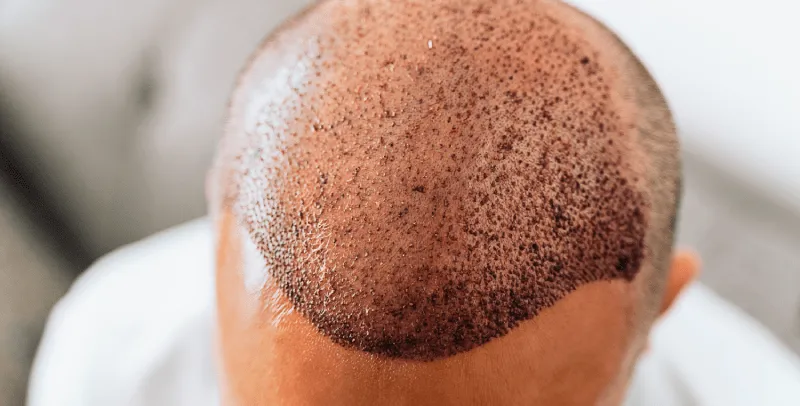
Shock loss refers to the abrupt but temporary shedding of existing hair follicles in the donor and recipient areas after a hair transplant. This happens because the surgical process, even with meticulous technique, causes trauma to the scalp. The shock can disrupt the hair growth cycle, causing hairs to enter a telogen (shedding) phase prematurely. It’s important to differentiate shock loss from graft failure – shock loss involves existing hair, while graft failure refers to transplanted follicles not taking root. While alarming, shock loss is typically a natural part of the recovery process and does *not* indicate a failed transplant.
What to Expect: Timeline & Severity
The timing and severity of shock loss vary depending on the transplant technique (FUT or FUE), individual physiology, and the extent of the procedure. Generally:
- Initial Shedding (2-3 weeks): Expect to see increased shedding of existing hair around the recipient and donor areas begin within 2-3 weeks post-op.
- Peak Shedding (4-8 weeks): Shedding typically peaks between 4 and 8 weeks. This is when the loss will be most noticeable.
- Stabilization (3-4 months): Hair shedding should gradually stabilize around 3-4 months. New hair growth from transplanted grafts will begin to emerge.
- Regrowth (6-12 months): Full regrowth, including the recovery of shocked native hairs, typically takes 6-12 months.
The amount of shock loss is also variable. Some patients experience minimal shedding, while others may lose up to 50-75% of the hair in the affected areas. However, the vast majority of this hair will regrow.
Hair Transplant Standards in Turkey
Turkey has become a leading destination for hair transplants due to its competitive pricing and increasingly high medical standards. Clinics operating in Turkey are subject to regulation by the Ministry of Health, and many are also JCI (Joint Commission International) Accredited. This accreditation ensures adherence to international quality and patient safety standards. When considering a hair transplant in Turkey, prioritize clinics with these credentials to minimize risk and maximize the chances of a successful outcome.
Recovery and Logistics for International Patients
For patients travelling to Turkey for hair transplants, understanding recovery hubs is essential. Popular options include:
- Istanbul (City/Boutique): Offers a vibrant urban experience with a wide range of hotels and amenities.
- Antalya (Resort/Beach): Provides a relaxing recovery environment with beach access and resort-style accommodations.
- Izmir (Aegean/Thermal): Combines coastal beauty with access to thermal spas, which can aid in recovery.
When budgeting for your trip, keep the following in mind:
- Currency Focus: Clinics commonly accept USD, EUR, and GBP.
- Visa Information: An E-visa is available for most citizens of the UK, US, and EU, allowing for a 90-day stay.
Managing Shock Loss: Tips & Best Practices
- Follow Post-Op Instructions: Adhere strictly to the post-operative care instructions provided by your surgeon.
- Gentle Hair Care: Handle your hair with extreme care during the recovery period. Avoid harsh shampoos, vigorous brushing, and tight hairstyles.
- Nutritional Support: Maintain a healthy diet rich in vitamins and minerals essential for hair growth.
- Stress Management: Minimize stress, as it can exacerbate hair loss.
- Be Patient: Remember that recovery takes time. Don’t panic if you experience significant shedding; it’s usually temporary.
Cost and planning note (2026)
The figures below are indicative 2026 market ranges, not a quote.
Indicative costs in Türkiye: See article |
Facility standards: In Türkiye, any facility treating international patients must hold the Ministry of Health’s international health tourism authorisation; hospitals and medical centres must also be accredited by TÜSKA, and complication insurance is compulsory for procedures carried out in an operating theatre (Regulation of 26 April 2025).
Managing “Shock Loss” after Hair Transplant: What is Normal and What to Expect?
Undergoing a hair transplant is a significant step towards restoring your hairline and confidence. However, it’s crucial to be prepared for the immediate post-operative period, particularly the phenomenon known as “shock loss.” This article details what shock loss is, what to expect, and how to differentiate it from more serious complications, focusing on the experience of patients travelling to Turkey for hair transplantation. We’ll also cover recovery options in popular Turkish hubs.
Understanding Shock Loss
Shock loss refers to the temporary shedding of existing, non-transplanted hair following a hair transplant procedure. It’s a common and typically normal reaction to the trauma experienced by the scalp during the implantation process. The surgical process, even with meticulous technique, disrupts the blood supply to surrounding follicles, causing them to enter a temporary resting phase and eventually shed. It’s important to distinguish this from rejection or a failed graft – shock loss is almost always reversible.
What to Expect: A Timeline
Shock loss doesn’t happen immediately. Here’s a typical timeline:
- Weeks 1-3: Initial shedding often begins around 2-3 weeks post-op. This is most noticeable in the area directly surrounding the transplanted grafts. Expect to see increased shedding during shampooing.
- Weeks 4-8: The shedding can become more pronounced, affecting a larger area than initially. This is often the period where patients experience the most anxiety.
- Weeks 8-16: The shedding usually plateaus and then begins to slow down. New growth from the transplanted follicles should start to become visible.
- Months 4-9: Most patients experience regrowth of their native hair, although it may take up to 9 months to fully recover. The final result – a combination of transplanted and native hair – will be apparent.
The degree of shock loss varies greatly from person to person. Factors influencing severity include hair density, scalp laxity, surgical technique, and individual healing abilities.
Patient Persona: Meet David
Let’s look at a typical patient, David, a 38-year-old from the UK who travelled to Turkey for an FUE (Follicular Unit Extraction) hair transplant. David was concerned about shock loss. He had a consultation with the clinic and understood the possibility, but still felt anxious when he noticed increased shedding at the 3-week mark. He was staying in Istanbul (City/Boutique) for a week after the surgery for initial aftercare and monitoring. The clinic provided him with detailed aftercare instructions, including a specialized shampoo and a saline spray to keep the scalp hydrated. David’s total cost, including the procedure, accommodation, and aftercare, was approximately £3,500 (equivalent to roughly 4,100 USD, 3,800 EUR, as of late 2026).
Differentiating Shock Loss from Other Issues
While shock loss is usually temporary, it’s crucial to be able to identify potential complications that require medical attention. Here’s what to look out for:
- Fever: A temperature above 38°C (100.4°F) could indicate an infection.
- Excessive Scalp Swelling: Significant swelling that doesn’t subside after a few days needs to be evaluated.
- Signs of Infection: Redness, pus, or increasing pain at the incision sites.
- Persistent Numbness: Numbness is common immediately after surgery, but should start to improve within a few weeks. Prolonged numbness warrants investigation.
- Poor Graft Survival: While initial shedding is normal, if you notice very few transplanted hairs emerging after 4 months, contact your surgeon.
Recovery Hubs in Turkey & Cost Considerations
Turkey is a popular destination for hair transplants due to the quality of care and competitive pricing. The country’s medical facilities are generally JCI (Joint Commission International) Accredited and regulated by the Ministry of Health. Here’s a look at recovery options in different Turkish hubs:
- Istanbul (City/Boutique): Offers a vibrant urban experience with a wide range of hotels and amenities. Convenient access to medical facilities.
- Antalya (Resort/Beach): Provides a relaxing recovery environment with access to beaches and resort-style accommodations.
- Izmir (Aegean/Thermal): Known for its thermal spas and tranquil atmosphere, ideal for post-operative recovery.
Patients traveling from the UK, US, or EU can typically obtain an E-visa for a stay of up to 90 days. The cost of a hair transplant in Turkey generally ranges from 2,000 USD to 6,000 USD depending on the number of grafts and the clinic chosen. Clinics commonly accept payment in USD, EUR, and GBP.
Managing Shock Loss – What You Can Do
- Follow Aftercare Instructions: Adhere strictly to your surgeon’s post-operative guidelines.
- Gentle Shampooing: Use a mild, sulfate-free shampoo as recommended by your surgeon.
- Scalp Hydration: Use a saline spray to keep the scalp moisturized.
- Avoid Sun Exposure: Protect your scalp from direct sunlight with a hat or sunscreen.
- Be Patient: Regrowth takes time. Avoid stressing about the shedding, and focus on maintaining a healthy lifestyle.
Cost and planning note (2026)
The figures below are indicative 2026 market ranges, not a quote.
Indicative costs in Türkiye: See article |
Facility standards: In Türkiye, any facility treating international patients must hold the Ministry of Health’s international health tourism authorisation; hospitals and medical centres must also be accredited by TÜSKA, and complication insurance is compulsory for procedures carried out in an operating theatre (Regulation of 26 April 2025).
Managing “Shock Loss” after Hair Transplant: What is Normal and What to Expect?
Experiencing hair shedding after a hair transplant is incredibly common – and often a source of anxiety. This phenomenon is known as “shock loss,” and understanding it can significantly ease your post-operative experience. This article details what to expect, the recovery timeline, and potential costs, especially for those considering treatment in Turkey.
What is Shock Loss?
Shock loss isn’t actual transplant failure. It’s a temporary shedding of existing, non-transplanted hairs in and around the transplanted area. This occurs due to the trauma of the procedure – the follicles are essentially “shocked” by the surgical process. It affects both the donor area (where hair is harvested from) and the recipient area (where hair is implanted). The extent of shock loss varies significantly from person to person.
Recovery Timeline
The recovery process after a hair transplant unfolds over several phases, with shock loss being prominent during the initial stages:
- 1-2 Weeks: Significant shedding typically begins within this timeframe. You may notice a considerable amount of hair falling out when washing or combing your hair. This is the most alarming phase for many, but it’s crucial to remember this is temporary.
- 3-4 Weeks: Shedding usually peaks during this period. The scalp may be sensitive and slightly red. Follow your surgeon’s aftercare instructions diligently.
- 6-8 Weeks: Shedding starts to slow down. You might begin to see small “fuzz” or miniaturized hairs emerging in the recipient area – these are the new transplanted hairs beginning their growth cycle.
- 3-4 Months: New hair growth becomes more noticeable. The transplanted hairs enter the anagen (growth) phase. Expect about 20-40% of the transplanted hair to be actively growing.
- 6-12 Months: Significant growth and thickening occur. Approximately 60-80% of the transplanted hair should be growing.
- 12-18 Months: Full results are typically visible. The remaining transplanted hair will mature, and the overall density will be established. Shock loss should be completely resolved by this point.
What’s Normal vs. What’s Not?
Distinguishing between normal shock loss and potential complications is vital.
- Normal: Temporary shedding of existing hairs (donor and recipient areas) within the first few weeks/months. Shedding is generally even across the treated area. The scalp remains otherwise healthy (no signs of infection).
- Concerning: Excessive inflammation, fever, pus, or increasing pain. These symptoms could indicate an infection and require immediate medical attention. Persistent, localized redness or swelling, or signs that transplanted grafts are being expelled.
Costs of Hair Transplant & Recovery in Turkey
Turkey has become a popular destination for hair transplants due to its high-quality medical standards and competitive pricing. The country’s medical facilities are JCI (Joint Commission International) Accredited and regulated by the Ministry of Health, ensuring patient safety and care.
Here’s a general cost breakdown (estimates as of 2026, focusing on USD, EUR, and GBP):
- Hair Transplant Procedure: Approximately USD $2,000 – $5,000, EUR €1,800 – €4,500, GBP £1,500 – £3,800. (Price varies based on the number of grafts.)
- Accommodation: USD $50 – $150 per night, EUR €45 – €140, GBP £38 – £120 (average for 5-7 night stay).
- Medications & Aftercare: USD $100 – $200, EUR €90 – €180, GBP £75 – £150.
- Travel & Visa: Variable, depending on origin. An E-visa is available for most citizens of the UK/US/EU, allowing a 90-day stay.
Popular recovery hubs in Turkey include:
- Istanbul (City/Boutique): Offers a vibrant cultural experience and a wide range of accommodation options.
- Antalya (Resort/Beach): Provides a relaxing beachside recovery environment.
- Izmir (Aegean/Thermal): Known for its thermal springs and calmer atmosphere.
It’s important to factor in all these costs when budgeting for your hair transplant journey.
Free Consultation
Fill out the form below to get your free medical travel plan and price quote.
Sources and how to verify this yourself
- Comparative study of graft survival by donor site (scalp, beard, chest) at 12 months — roughly 89% for scalp, 95% for beard and 76% for chest hair; survival also falls the longer grafts stay outside the body. source
- Ministry of Health, Regulation on International Health Tourism and Tourist Health, Official Gazette 26 April 2025, No. 32882 — authorisation requirement for facilities and intermediaries, TÜSKA accreditation, compulsory complication insurance (deadline 31 December 2025 for insurance, 31 December 2026 for accreditation). source
- Ministry of Health, Regulation on Promotion and Information Activities in Health Services, Official Gazette 12 November 2025, No. 33075 — treatment promises and guarantees are prohibited; price and campaign announcements are permitted only within international health tourism. source