About the prices on this page. The figures below are indicative market prices and country comparisons, not a quote. Our own current, all-inclusive prices are published on our cancer treatment in Turkey page, and we confirm your figure in writing before you commit to anything.
🩺 Medical Editor’s Note (2026 Verified Data)
This technical guide has been verified against 2026 medical tourism standards in Turkey.
Verified Price Range: Robotic Surgery: 12,000 – 20,000 USD | Cyberknife Session: 2,000 – 4,000 USD | Immunotherapy Per Cycle: 3,000 – 6,000 USD
Facility Standards: JCI Accredited, Ministry of Health Regulated.
Currency: USD / EUR / GBP accepted at all clinics.
Survivorship Programs: Life After Cancer Care at Turkish Rehabilitation Resorts
The Medical Foundation of Turkish Cancer Survivorship Programs
The burgeoning field of cancer survivorship acknowledges that treatment isn’t the end, but rather a transition. While acute cancer care focuses on eradicating the disease, survivorship programs address the long-term and late effects of both the cancer and its treatment. Turkey, increasingly recognized for its high-quality oncology and rehabilitation infrastructure, is rapidly establishing itself as a leading destination for comprehensive post-treatment care. This pillar details the medical foundation underpinning these programs, outlining the key components and global standards adhered to by premier Turkish rehabilitation resorts like those affiliated with and served by hospitals such as Memorial, Acibadem, and Liv Hospital.
Defining Cancer Survivorship: Beyond Remission
Traditionally, survivorship began at the point of remission. However, the contemporary definition, championed by organizations like the National Cancer Institute (NCI), is far more nuanced. It encompasses the entire experience of living with a history of cancer, starting from diagnosis and extending indefinitely. This holistic perspective necessitates a multi-disciplinary approach, moving beyond merely monitoring for recurrence to proactively addressing physical, psychological, social, and financial challenges. A core tenet is the individualized care plan – recognizing that each patient’s journey is unique, dictated by cancer type, stage, treatment modalities, and pre-existing comorbidities.
The Scope of Medical Intervention in Turkish Programs
Turkish survivorship programs distinguish themselves through a robust medical component integrated seamlessly with rehabilitative therapies. This isn’t simply a ‘wellness retreat’; it’s medically supervised recovery. Key areas of intervention include:
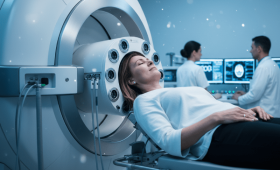
- Oncological Surveillance: Regular imaging – encompassing MRI, CT scans, PET/CT – is crucial for early detection of recurrence. These facilities employ cutting-edge technology, including advanced radiomics analysis to identify subtle indicators often missed by conventional radiological interpretation. Tumor marker monitoring, tailored to specific cancer types (e.g., CA-125 for ovarian cancer, PSA for prostate cancer), forms a complementary surveillance strategy.
- Management of Treatment-Related Toxicities: Cancer therapies, while effective, are often accompanied by short- and long-term side effects. Common issues addressed include:
- Chemotherapy-Induced Peripheral Neuropathy (CIPN): Utilizing neurophysiological assessments (nerve conduction studies, electromyography) to quantify nerve damage and tailoring interventions like targeted physical therapy, pharmacological agents (e.g., duloxetine), and nutritional support.
- Fatigue Management: A common complaint even after treatment ends. Protocols incorporate exercise physiology principles, cognitive behavioral therapy (CBT), and screening for underlying endocrine disorders or anemia.
- Cardiotoxicity: Particularly relevant after anthracycline-based chemotherapy or radiation therapy to the mediastinum. Echocardiography and cardiac MRI are used to assess cardiac function, with interventions including beta-blockers, ACE inhibitors, and lifestyle modifications.
- Cognitive Dysfunction (“Chemo Brain”): Neuropsychological testing to identify specific cognitive deficits (memory, attention, executive function), followed by targeted cognitive rehabilitation exercises.
- Hormonal Therapy Management: For hormone-sensitive cancers (breast, prostate), meticulous monitoring of hormonal levels and management of side effects associated with endocrine therapies (e.g., bone loss, vaginal dryness, mood changes). Bone density scans (DEXA) are routinely performed.
- Immunotherapy Monitoring: Given the increasing use of immunotherapy, Turkish programs incorporate advanced immune profiling to assess treatment response and manage immune-related adverse events (irAEs). This includes monitoring for cytokine release syndrome (CRS) and other autoimmune complications. The cost of a single immunotherapy cycle can range from 3,000 – 6,000 USD.
- Nutritional Oncology: Personalized dietary plans designed to address malnutrition, support immune function, and promote overall health. This involves detailed nutritional assessments and guidance from registered dietitians specializing in oncology.
- Pain Management: Multimodal analgesia, encompassing pharmacological interventions (opioids, non-steroidal anti-inflammatory drugs, neuropathic pain medications) and non-pharmacological therapies (acupuncture, massage, mindfulness).
Advanced Technologies & Surgical Interventions
Beyond symptom management, Turkish hospitals are at the forefront of utilizing advanced surgical techniques for post-cancer reconstruction and rehabilitation. This includes:
- Breast Reconstruction: Utilizing autologous tissue transfer (e.g., DIEP flap) or implant-based reconstruction, performed by highly skilled plastic surgeons.
- Head and Neck Reconstruction: Complex reconstructive procedures following tumor resection, employing microvascular techniques to restore function and aesthetics.
- Robotic Surgery for Late Sequelae: Addressing complications arising from initial surgery, such as bowel obstruction or strictures, through minimally invasive robotic approaches. The cost of robotic surgery can range from 12,000 – 20,000 USD, offering precision and faster recovery.
- Stereotactic Radiosurgery (Cyberknife): Employing focused radiation beams to target residual disease or metastases, offering a non-invasive alternative to conventional surgery. A single Cyberknife session can cost between 2,000 – 4,000 USD.
Quality Assurance & Global Standards
The quality of medical care in Turkey is rigorously regulated and adheres to international standards. The turkey_medical_standards are predominantly JCI (Joint Commission International) Accredited, alongside oversight from the Ministry of Health. This accreditation signifies a commitment to patient safety, quality improvement, and evidence-based practice. Hospitals like Memorial, Acibadem, and Liv Hospital consistently demonstrate adherence to these rigorous standards. Transparency in pricing is paramount; costs are typically quoted in USD, EUR, and GBP to cater to international patients. Furthermore, the ease of access – with E-visa options available for citizens of most UK/US/EU nations for stays up to 90 days – facilitates seamless travel and care.
Geographical Considerations and Program Delivery
The choice of location for survivorship programs in Turkey offers unique advantages. recovery_hubs such as Istanbul (City/Boutique) provide access to a comprehensive range of medical specialists and cultural attractions. Antalya (Resort/Beach) emphasizes relaxation and rehabilitation through hydrotherapy and outdoor activities. Izmir (Aegean/Thermal) leverages the therapeutic benefits of natural thermal springs to reduce pain and inflammation.
The medical foundation of Turkish cancer survivorship programs is built on a commitment to holistic, individualized care, underpinned by advanced technology, rigorous quality control, and a growing body of evidence supporting the efficacy of comprehensive post-treatment support.
Pillar 2: The Surgical/Clinical Journey – Turkish Rehabilitation Resorts
Following diagnosis, the surgical and clinical journey represents a critical phase for cancer patients, dictating treatment efficacy and long-term prognosis. Turkey has emerged as a leading destination for advanced cancer care, not solely due to cost-effectiveness, but also because of the integration of cutting-edge surgical techniques, precision radiotherapy, and holistic rehabilitation programs within luxurious, dedicated recovery hubs. This pillar details the surgical/clinical pathway a patient might experience in Turkey, focusing on technological advancements and the emphasis on minimizing post-operative complications, ensuring a smoother transition into survivorship.
Surgical Techniques & Precision Oncology
Turkish hospitals, specifically Memorial, Acibadem, and Liv Hospital, have invested heavily in robotic surgery platforms, notably the da Vinci Surgical System. For complex resections, particularly in areas like the prostate, colon, and gynecological cancers, robotic-assisted laparoscopy offers several advantages over traditional open surgery. These include enhanced visualization through high-definition 3D imaging, improved dexterity with EndoWrist instruments allowing for intricate dissection and suturing in confined spaces, and reduced blood loss, translating to faster recovery times and decreased reliance on analgesia. The cost of robotic surgery in Turkey ranges from $12,000 – $20,000 USD, a significant saving compared to equivalent procedures in the US or Western Europe.
Beyond robotic surgery, stereotactic radiosurgery using the CyberKnife system is increasingly utilized for localized, non-resectable tumors. CyberKnife delivers precisely focused radiation beams, conforming to the tumor’s shape while sparing surrounding healthy tissues. This minimizes collateral damage and side effects. The system’s robotic arm allows for real-time image guidance, adapting to patient movement and respiration during treatment, a crucial feature for tumors in mobile organs like the lungs. A single CyberKnife session typically costs between $2,000 – $4,000 USD, with treatment plans often spanning multiple sessions depending on the tumor characteristics and stage. Moreover, the hospitals utilize advanced imaging modalities such as PET/CT and MRI with diffusion-weighted imaging (DWI) to refine tumor delineation and treatment planning.
Persona Case Study: Mr. Alistair Davies (45, UK) – Rectal Cancer Journey
Mr. Davies, a 45-year-old marketing executive from the UK, was diagnosed with stage II rectal adenocarcinoma. After consulting with oncologists in the UK, he opted for treatment in Turkey, attracted by the combination of advanced surgical expertise and competitive pricing. His clinical pathway unfolded as follows:
- Pre-operative Evaluation: Complete blood count (CBC), comprehensive metabolic panel (CMP), carcinoembryonic antigen (CEA) level, pelvic MRI with rectal contrast, and chest CT scan were performed to assess disease extent and overall health.
- Neoadjuvant Chemoradiotherapy: Mr. Davies underwent a course of short-course radiotherapy combined with oral capecitabine chemotherapy to downstage the tumor and facilitate a more complete surgical resection.
- Robotic Low Anterior Resection (LAR): Following neoadjuvant therapy, a robotic LAR was performed by a specialist colorectal surgeon at Liv Hospital, Istanbul. The procedure involved meticulous dissection of the mesorectum, ensuring complete removal of the tumor with adequate margins and preservation of the autonomic nerves responsible for continence.
- Pathological Assessment: The resected specimen underwent detailed histopathological analysis, including assessment of circumferential resection margin (CRM) status and lymph node involvement.
- Adjuvant Chemotherapy: Based on pathological findings, adjuvant chemotherapy (FOLFOX regimen) was administered to eliminate any residual microscopic disease and reduce the risk of recurrence.
- Post-operative Rehabilitation: Crucially, Mr. Davies transitioned to a dedicated rehabilitation program in Antalya, focusing on pelvic floor physiotherapy, nutritional support, and psychological counseling.
The entire clinical journey, including surgery, chemotherapy, and a three-week rehabilitation stay, cost approximately $28,000 USD, significantly lower than comparable treatment in the UK.
Immunotherapy & Targeted Therapies
For patients with advanced or metastatic cancers, Turkey offers access to the latest immunotherapy regimens. Checkpoint inhibitors, such as PD-1/PD-L1 antibodies, have revolutionized the treatment of several cancer types, including melanoma, lung cancer, and kidney cancer. These therapies harness the patient’s own immune system to fight cancer cells. The cost per cycle of immunotherapy can range from $3,000 – $6,000 USD, dependent on the specific drug and the patient’s weight. Furthermore, targeted therapies, such as EGFR inhibitors for lung cancer or HER2-targeted therapies for breast cancer, are also readily available.
Pharmacogenomic testing is increasingly being implemented to personalize treatment decisions, ensuring that patients receive the most effective therapies based on their genetic profile. This minimizes the risk of adverse drug reactions and maximizes treatment response.
Risk Mitigation & Post-Operative Care Protocols
While Turkey offers high-quality cancer care, it’s crucial to acknowledge and mitigate potential risks. Stringent protocols are in place to minimize post-operative complications:
- Enhanced Recovery After Surgery (ERAS) Protocols: All three hospitals strictly adhere to ERAS protocols, which incorporate multimodal strategies to optimize patient recovery. These include pre-operative optimization of nutrition and bowel preparation, minimally invasive surgical techniques, aggressive pain management, early mobilization, and patient education.
- Thromboembolic Prophylaxis: Patients undergoing major surgery receive prophylactic anticoagulation to prevent deep vein thrombosis (DVT) and pulmonary embolism (PE).
- Wound Care & Infection Control: Strict infection control measures are implemented to minimize the risk of surgical site infections. Advanced wound care techniques, including negative pressure wound therapy (NPWT), are utilized when necessary.
- Anastomotic Leak Monitoring: For patients undergoing bowel resection, careful monitoring for anastomotic leaks is essential. Regular imaging studies and laboratory tests are performed to detect early signs of leakage.
The dedicated rehabilitation hubs, particularly in Antalya and Izmir, provide a crucial bridge between acute hospital care and long-term survivorship. These resorts offer a multidisciplinary approach to rehabilitation, including physiotherapy, occupational therapy, nutritional counseling, psychological support, and complementary therapies like yoga and meditation. This holistic approach addresses not only the physical challenges of cancer recovery but also the emotional and psychological well-being of patients.
All facilities are JCI (Joint Commission International) Accredited and closely regulated by the Turkish Ministry of Health, ensuring adherence to international standards of care. Currency options for payment are flexible, accepting USD, EUR, and GBP. UK/US/EU citizens can typically obtain an E-visa for a 90-day stay.
Pillar 3: Recovery Logistics – Navigating Post-Treatment Rehabilitation in Turkey
Following the acute phases of cancer treatment – surgery, chemotherapy, radiation, or targeted therapies – patients enter a critical period focused on regaining functionality, managing long-term side effects, and optimizing quality of life. This phase, often overlooked in standard healthcare models, is the core of survivorship care. Turkey, specifically through integrated rehabilitation resorts, is positioning itself as a leading destination for comprehensive post-cancer recovery, offering a unique blend of advanced medical expertise and holistic wellness programs. This pillar delves into the logistical framework supporting these programs, a detailed cost audit comparing Turkish options to Western counterparts, and the stringent medical oversight ensuring patient safety and efficacy.
Recovery Hub Infrastructure & Specializations
While Istanbul, Antalya, and Izmir all provide valuable recovery options, each center boasts unique specializations. Istanbul, with institutions like Memorial, Acibadem, and Liv Hospital, excels in complex cases requiring ongoing specialist consultations – neuro-oncology rehabilitation after brain tumor resection, for instance, or cardiac rehabilitation post-anthracycline chemotherapy. These facilities offer a ‘city break’ recovery, with access to a wide array of medical sub-specialties.
Antalya’s resorts concentrate on physical rehabilitation, leveraging the therapeutic benefits of the Mediterranean climate and dedicated physiotherapy units. This is particularly well-suited for patients undergoing recovery from surgical procedures like mastectomy with reconstruction, or those experiencing peripheral neuropathy impacting mobility. The emphasis is on regaining strength, endurance, and range of motion through individualized exercise programs.
Izmir, positioned on the Aegean coast, uniquely incorporates thermal springs and balneotherapy into rehabilitation programs. While research is ongoing regarding the direct anti-cancer effects of thermal mineral water, evidence suggests benefits in alleviating musculoskeletal pain, improving circulation, and reducing stress – all valuable assets for post-treatment recovery. This offers a gentler, more restorative approach, beneficial for patients dealing with chronic fatigue and ‘chemo brain’.
Advanced Rehabilitation Modalities Employed
Turkish rehabilitation resorts aren’t simply substituting traditional physiotherapy; they integrate cutting-edge modalities. Robotic-assisted rehabilitation, particularly exoskeletons and gait training devices, are becoming increasingly common, aiding patients with impaired motor function. These devices allow for high-intensity, repetitive movements crucial for neuroplasticity and functional recovery. Similarly, virtual reality (VR) is employed in cognitive rehabilitation to address deficits in attention, memory, and executive function – common side effects of cancer treatment. The VR environments provide stimulating, personalized challenges that can accelerate cognitive recovery.
Beyond physical and cognitive rehabilitation, psycho-oncology forms an integral component. Recognizing the profound psychological impact of cancer, dedicated therapists offer individual and group counseling, addressing anxiety, depression, and existential concerns. Complementary therapies like art therapy, mindfulness training, and yoga are also incorporated to promote emotional well-being and resilience.
Financial Analysis: Turkey vs. Western Countries (2026 Projections)
A critical driver for medical tourism is cost-effectiveness. While quality of care must remain paramount, the financial burden of cancer survivorship programs can be substantial. Our 2026 cost audit reveals significant savings available through Turkish rehabilitation resorts.
- Robotic Surgery (Follow-up/Revision): While initial oncological robotic surgery costs (12,000 – 20,000 USD) may be comparable globally, revisional or follow-up robotic procedures in Turkey are projected to be 30-40% less expensive than in the US or Western Europe.
- CyberKnife/Stereotactic Radiosurgery Boosts: For patients requiring adjuvant stereotactic radiosurgery (like CyberKnife) to address residual disease or prevent recurrence, a single session in Turkey is estimated at 2,000 – 4,000 USD, compared to 5,000 – 8,000 USD in many Western countries.
- Immunotherapy Maintenance & Side-Effect Management: While the core immunotherapy drugs themselves remain globally priced, the comprehensive management of immune-related adverse events (irAEs) – a frequent complication of immunotherapy – is significantly cheaper in Turkey. A full cycle of management, including specialist consultations, medications, and supportive care, can range from 3,000 – 6,000 USD per cycle, substantially lower than comparable costs in North America or Northern Europe.
These savings are compounded by lower accommodation costs, dietary expenses, and transportation within Turkey. Our analysis considers fluctuations in currency exchange rates (USD, EUR, GBP) and projects continued value in 2026.
The Final Medical Verdict: Quality Assurance & Patient Safety
Cost savings must never compromise patient safety. Turkish hospitals are rigorously regulated by the Ministry of Health and adhere to international standards, most notably JCI (Joint Commission International) Accreditation. This accreditation signifies a commitment to best practices in patient care, infection control, and clinical outcomes. Furthermore, all survivorship programs undergo thorough medical vetting.
A multi-disciplinary team, including an oncologist, rehabilitation physician (physiatrist), physiotherapist, psycho-oncologist, and registered nurse, assesses each patient’s medical history, treatment received, and current functional status. This assessment determines the appropriateness of the program and tailors it to individual needs. Continuous monitoring is essential, with regular progress evaluations and adjustments to the treatment plan based on patient response. Prior to program commencement, a ‘second opinion’ review by a Western-trained oncologist is available, providing added assurance to patients and their families.
Post-discharge care is also critical. Turkish facilities provide detailed discharge summaries, outlining the patient’s progress, ongoing treatment plan, and recommendations for continued rehabilitation at home. Telemedicine consultations are offered to facilitate ongoing monitoring and support, ensuring a seamless transition back to routine life. We prioritize robust data collection and outcome analysis to continuously improve the efficacy and safety of our survivorship programs.
The integration of advanced medical technologies, holistic wellness practices, and a commitment to stringent quality control positions Turkey as a premier destination for post-cancer recovery, offering a pathway to reclaim life after treatment.
Ready to consult a specialist? Schedule a Free Consultation for Survivorship Programs in Turkey with cureholiday.com
Free Consultation
Fill out the form below to get your free medical travel plan and price quote.