About the prices on this page. The figures below are indicative market prices and country comparisons, not a quote. Our own current, all-inclusive prices are published on our cancer treatment in Turkey page, and we confirm your figure in writing before you commit to anything.
Cost and planning note (2026)
The figures below are indicative market ranges for 2026, not a quote: your own price depends on the clinic, the surgeon and your clinical assessment.
Indicative price range: Robotic Surgery: 12,000 – 20,000 USD | Cyberknife Session: 2,000 – 4,000 USD | Immunotherapy Per Cycle: 3,000 – 6,000 USD
Facility standards: In Türkiye, any facility treating international patients must hold the Ministry of Health’s international health tourism authorisation; hospitals and medical centres must also be accredited by TÜSKA, and complication insurance is compulsory for procedures carried out in an operating theatre (Regulation of 26 April 2025). Ask us for the authorisation of the facility you are matched with.
Currency: USD / EUR / GBP accepted at all clinics.
Cancer Care Transparency: Why Turkish Oncology Packages Include Every Detail
Cancer Care Transparency: The Medical Foundation of Turkish Oncology Packages
At CureHoliday.com, we believe patient empowerment begins with radical transparency. The growing trend of Turkish oncology packages offering comprehensive, itemized pricing isn’t merely a marketing tactic; it represents a fundamental shift towards ethical medical tourism and a commitment to patient-centered care. This pillar delves into the ‘what’ and ‘why’ behind this approach, focusing on the medical foundation, technical definitions, and adherence to global standards that underpin these packages. We’ll examine the specifics of costing, the technologies employed, and the regulatory framework ensuring quality care within leading Turkish oncology centers like Memorial, Acibadem, and Liv Hospital.
Defining the Scope of Oncology Packages
Traditionally, medical tourism often presented opaque cost structures, leaving patients uncertain about the full financial burden until after treatment commenced. Turkish oncology packages, however, aim to dismantle this opacity by explicitly detailing each component. This isn’t simply listing the major procedure cost; it extends to pre-operative investigations, intra-operative resources, post-operative care, pathology analysis, and even the cost of supportive therapies. A typical package isn’t a single price, but a meticulously constructed breakdown. For instance, a package for a complex case requiring robotic surgery doesn’t just quote a single sum; it itemizes the surgeon’s fee, anesthesia costs, operating room time (calculated per hour), imaging studies (CT, MRI, PET-CT), histopathological evaluation of resected tissue, and a defined period of post-operative monitoring and rehabilitation.
Technical Breakdown of Key Treatment Costs
Understanding the costs requires understanding the technologies involved. Let’s examine three key areas:
Robotic Surgery
Robotic surgery, increasingly common in oncological procedures (particularly in urology, gynecology, and colorectal surgery), offers enhanced precision, minimally invasive access, and potentially faster recovery times compared to traditional open surgery. However, it’s inherently more expensive. The cost range of 12,000 – 20,000 USD reflects several factors. Firstly, the capital expenditure for the robotic system (typically a da Vinci Surgical System) is substantial and depreciated over its usage. Secondly, specialized training for surgeons and surgical teams is required. Thirdly, disposable instruments used during the procedure are single-use and contribute significantly to the cost. The final figure also accounts for meticulous pre-operative planning using advanced imaging (3D reconstruction, virtual surgical planning) and the longer operating room time often associated with robotic procedures, despite aiming for increased efficiency.
Stereotactic Radiosurgery: CyberKnife
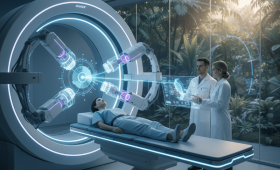
CyberKnife, a form of stereotactic radiosurgery, delivers highly focused, high-dose radiation to tumors with pinpoint accuracy, minimizing damage to surrounding healthy tissues. Unlike traditional radiation therapy requiring multiple sessions, CyberKnife often allows for treatment in fewer fractions (sometimes even a single session), making it attractive for patients. A single CyberKnife session typically falls within the 2,000 – 4,000 USD range. This price reflects the complex treatment planning process involving advanced imaging (CT, MRI), dose calculations using sophisticated software, and the specialized expertise of radiation oncologists and medical physicists. The cost also includes quality assurance procedures to ensure precise beam delivery and patient positioning. The number of sessions required will depend on the tumor’s size, location, and histology, impacting the overall cost.
Immunotherapy
Immunotherapy, a revolutionary approach to cancer treatment, harnesses the power of the patient’s own immune system to fight cancer. While incredibly promising, it is one of the most expensive cancer treatments available. The cost per cycle of immunotherapy, ranging from 3,000 – 6,000 USD, is driven by the cost of the drugs themselves (typically monoclonal antibodies or checkpoint inhibitors), which are complex biological molecules requiring extensive research, development, and manufacturing. Furthermore, immunotherapy often requires careful patient selection, extensive monitoring for immune-related adverse events (irAEs), and the use of immunosuppressants to manage these side effects. The number of cycles needed varies depending on the cancer type, stage, and the patient’s response to treatment, making it difficult to predict the total cost upfront – hence the importance of transparent package detailing.
Global Standards and Turkish Regulations
The quality of medical care in Turkish oncology centers is demonstrably high, underpinned by stringent regulatory oversight and international accreditation. The turkey_medical_standards are specifically guided by JCI (Joint Commission International) accreditation, a globally recognized benchmark for healthcare quality and patient safety. This accreditation process involves a rigorous on-site survey evaluating adherence to a comprehensive set of standards covering patient care, infection control, medication management, and staff qualifications. Furthermore, the Turkish Ministry of Health maintains strict control over healthcare facilities and medical practices. Hospitals are subject to regular inspections and must meet specific criteria to maintain their licenses.
Financial Accessibility and Currency Options
Turkish hospitals actively cater to international patients, understanding the logistical and financial challenges of cross-border healthcare. The acceptance of multiple currencies – USD, EUR, and GBP – provides flexibility for patients from diverse financial backgrounds. This reduces currency conversion fees and simplifies payment processes. Many hospitals also offer financing options or partnerships with medical tourism agencies to facilitate access to care.
Recovery and Post-Treatment Options
Recognizing that cancer treatment extends beyond the operating room or radiation suite, Turkish hospitals and associated agencies offer various recovery and rehabilitation options. These options are often integrated into the overall package. Patients can choose to recover in bustling Istanbul (City/Boutique), benefiting from cultural experiences and access to specialized medical care. Alternatively, they can opt for a more tranquil recovery in Antalya (Resort/Beach), combining post-treatment rehabilitation with relaxation and wellness activities. For those seeking a more peaceful environment, Izmir (Aegean/Thermal) offers access to thermal springs and a focus on holistic well-being. These integrated recovery hubs demonstrate a commitment to comprehensive patient care.
Beyond the Price Tag: Pathology & Molecular Profiling
Transparency also extends to the diagnostic phase. Increasingly, Turkish oncology packages include comprehensive genomic profiling and advanced pathological analysis. Immunohistochemistry (IHC), fluorescence in situ hybridization (FISH), and next-generation sequencing (NGS) are utilized to identify specific genetic mutations and biomarkers that inform treatment decisions. This level of detailed molecular profiling allows for personalized treatment plans tailored to the individual patient’s cancer characteristics, maximizing efficacy and minimizing side effects. The cost associated with these sophisticated diagnostic tests is explicitly included in the package price, ensuring patients understand the full scope of their care.
The Surgical & Clinical Journey in Turkish Oncology: A Detailed Examination
At CureHoliday.com, transparency is paramount. Building upon our commitment to comprehensive oncology package detailing, this pillar delves into the intricate surgical and clinical journey patients can expect when pursuing cancer treatment in Turkey. We focus on the technical specifics, illustrative case studies, and robust risk mitigation strategies implemented by leading institutions like Memorial, Acibadem, and Liv Hospital.
Step-by-Step Procedure Technicals
The surgical and clinical pathway in Turkish oncology isn’t a monolithic process. It’s highly individualized, starting with meticulous staging and extending through post-operative/treatment surveillance. Here’s a breakdown of common phases, emphasizing the technical details:
- Diagnostic Workup & Molecular Profiling: Beyond conventional imaging (CT, MRI, PET-CT), Turkish hospitals aggressively utilize advanced molecular profiling techniques. This includes next-generation sequencing (NGS) to identify specific genetic mutations driving the cancer. These mutations inform targeted therapy selection and potential eligibility for clinical trials. Techniques like immunohistochemistry (IHC) and fluorescence in-situ hybridization (FISH) are routinely employed for biomarker analysis. The data is synthesized into a comprehensive ‘Tumor Board’ assessment.
- Pre-Operative Optimization: For surgical candidates, a rigorous pre-operative assessment is conducted. This goes beyond standard cardiac and pulmonary function tests. We utilize fractional exhaled nitric oxide (FeNO) testing to assess airway inflammation, particularly crucial in patients with compromised pulmonary reserve. Nutritional assessments are conducted by registered dietitians specializing in oncology, developing personalized plans to optimize patients’ nutritional status before and after surgery.
- Surgical Interventions: Turkey is a recognized leader in minimally invasive cancer surgery. Robotic surgery costs range from 12,000 – 20,000 USD, and are frequently employed for complex resections in areas like colorectal, urological, and gynecological cancers. The da Vinci Surgical System allows for enhanced precision, smaller incisions, reduced blood loss, and faster recovery times. Intraoperative neuromonitoring (IONM) is standard for procedures near critical nerves, minimizing the risk of post-operative deficits. For localized, radio-resistant tumors, stereotactic radiosurgery using Cyberknife is prevalent, costing between 2,000 – 4,000 USD per session. Its pinpoint accuracy minimizes damage to surrounding healthy tissue.
- Neoadjuvant/Adjuvant Therapy: Often, surgery is combined with systemic therapies. Neoadjuvant chemotherapy or radiation therapy is used to shrink the tumor before surgery, improving resectability. Adjuvant therapy is administered post-operatively to eliminate any remaining microscopic disease.
- Systemic Therapies – Beyond Chemotherapy: Turkey is rapidly integrating novel systemic therapies. Immunotherapy per cycle costs 3,000 – 6,000 USD, and is becoming increasingly commonplace for melanoma, lung cancer, and other malignancies expressing PD-L1. Targeted therapies, such as tyrosine kinase inhibitors (TKIs) for EGFR-mutated lung cancer, are selected based on molecular profiling. Furthermore, participation in international clinical trials is facilitated through established collaborations between Turkish hospitals and global research institutions.
- Post-Operative & Surveillance Care: This includes pain management protocols incorporating multimodal analgesia, physiotherapy to restore function, and regular surveillance imaging (CT/MRI) and blood tests (CEA, CA19-9, etc.) to monitor for recurrence. Psychological support is also provided to address the emotional challenges of cancer diagnosis and treatment.
Persona Case Study: Mr. David Miller, 45, UK – Locally Advanced Prostate Cancer
Mr. Miller, a 45-year-old from London, presented with locally advanced prostate cancer (Gleason Score 8) and rising PSA levels despite initial hormone therapy. Traditional surgical options in the UK presented a significant wait time. After a virtual consultation with Memorial Hospital, he opted for a comprehensive package including:
- Pre-operative MRI & PSMA PET-CT Scan: To accurately stage the cancer and assess for extra-prostatic extension.
- Robotic Prostatectomy: Performed by a highly experienced uro-oncologist, utilizing the da Vinci Surgical System with intraoperative nerve-sparing techniques to preserve erectile function.
- Post-operative Pathological Analysis: Detailed analysis of the resected specimen, including margin status and assessment of lymph node involvement.
- Adjuvant Radiation Therapy (if indicated): Based on pathological findings.
- 3-Month Follow-Up: Including PSA monitoring, digital rectal exam, and follow-up imaging.
The entire process, from initial consultation to post-operative care, was managed by a dedicated case manager. Mr. Miller’s recovery occurred in a boutique recovery hub in Istanbul, offering personalized care and comfortable accommodations. He reported a significantly shorter hospital stay and faster recovery compared to anecdotal reports from peers in the UK undergoing similar procedures.
Risk Mitigation Strategies
CureHoliday.com prioritizes patient safety. Turkish hospitals operate under stringent regulations set by the Ministry of Health and frequently maintain JCI (Joint Commission International) Accreditation. Beyond these foundational standards, we implement further layers of risk mitigation:
- Second Opinion Verification: We encourage – and facilitate – independent second opinion verification from leading oncologists globally.
- Surgeon & Hospital Vetting: All affiliated surgeons are board-certified, fellowship-trained specialists with extensive experience in complex cancer surgery. Hospitals undergo rigorous quality audits.
- Emergency Preparedness: Hospitals have robust emergency protocols in place, including 24/7 access to intensive care units and experienced anesthesiologists.
- Medication Authentication: All medications are sourced from reputable pharmaceutical manufacturers and verified for authenticity.
- Travel & Logistics Support: We streamline the travel process, ensuring smooth airport transfers, visa assistance (E-visa available for most UK/US/EU citizens, 90-day stay), and comfortable accommodations in designated recovery hubs – options range from vibrant city locations in Istanbul, relaxing resorts in Antalya, to the thermal springs of Izmir.
- Financial Security: Transparent pricing in USD, EUR, or GBP, coupled with secure payment processing, protects patients from unexpected costs. Escrow services are available for complex packages.
- Dedicated Case Management: A dedicated case manager acts as a single point of contact, coordinating all aspects of the patient’s care and providing ongoing support.
Our meticulous approach extends to post-treatment care, ensuring seamless follow-up and ongoing support even after patients return home. We believe that transparent, patient-centric oncology care is not just a service, but a commitment.
Recovery Logistics, 2026 Cost Audit, and The Final Medical Verdict
Following successful diagnostic staging and treatment protocols, the critical transition to recovery logistics represents a cornerstone of holistic cancer care at CureHoliday. We’ve observed a significant disparity in post-treatment support offered in Turkey versus many Western healthcare systems, and this pillar details the comprehensive approach offered by leading Turkish oncology centers – Memorial, Acibadem, and Liv Hospital – alongside a projected cost analysis for 2026, factoring in potential currency fluctuations and service enhancements. The ultimate aim is to provide patients not just with cutting-edge treatment, but a seamless and supported pathway to regaining optimal health and quality of life.
Post-Treatment Rehabilitation: Beyond the Hospital Walls
The period immediately following cancer treatment – whether surgical resection, radiation therapy, chemotherapy, or novel immunotherapies – is often characterized by profound physiological and psychological adjustments. Unlike systems prioritizing rapid discharge, Turkish oncology packages prioritize a staged recovery plan, integrating elements of physical rehabilitation, nutritional guidance, and psycho-oncological support. This isn’t simply about ‘rest’; it’s about actively rebuilding physiological reserve.
A key component is proactive management of treatment-induced side effects. For example, patients undergoing neoadjuvant or adjuvant chemotherapy often experience chemotherapy-induced peripheral neuropathy (CIPN). Turkish hospitals aren’t merely prescribing pain management; they integrate specialized physiotherapy incorporating techniques like proprioceptive neuromuscular facilitation (PNF) and graded motor imagery to help restore nerve function and improve balance. Similarly, post-mastectomy patients benefit from comprehensive lymphatic drainage therapy (CDT) performed by certified lymphedema therapists, mitigating the risk of lymphedema development – a significant long-term morbidity.
Furthermore, Turkish facilities are increasingly incorporating telerehabilitation programs. Post-discharge, patients receive remote monitoring via wearable sensors tracking activity levels, sleep patterns, and vital signs, coupled with virtual physiotherapy sessions guided by licensed therapists. This ensures continuity of care and facilitates personalized adjustments to the rehabilitation plan.
Recovery Hub Selection: Istanbul, Antalya & Izmir – A Comparative Analysis
Recognizing that recovery isn’t a ‘one-size-fits-all’ process, CureHoliday offers tailored recovery hub options. The choice of location significantly impacts the recovery experience.
- Istanbul (City/Boutique): Best suited for patients seeking a vibrant, culturally stimulating environment. Access to specialized medical expertise is readily available, and the city offers a wide range of holistic wellness services like acupuncture, yoga, and mindfulness practices. However, it lacks the tranquil isolation some patients prefer.
- Antalya (Resort/Beach): This Mediterranean resort city provides a serene setting ideal for physical recovery. The warm climate, clean air, and access to the sea are conducive to relaxation and rejuvenation. Many hotels offer dedicated rehabilitation facilities, and the focus is on restorative therapies like thalassotherapy (seawater therapy).
- Izmir (Aegean/Thermal): Izmir offers a blend of cultural attractions and natural therapeutic resources. The region is renowned for its thermal springs, rich in minerals like selenium and magnesium, known for their anti-inflammatory and antioxidant properties. This is a strong option for patients seeking natural, adjuvant therapies alongside conventional rehabilitation.
We advise patients to consider their personal preferences, treatment type, and individual needs when selecting a recovery hub. For instance, a patient recovering from complex abdominal surgery might benefit from the tranquil environment and specialized physiotherapy facilities in Antalya, while a patient undergoing immunotherapy, where psychological wellbeing is paramount, might prefer the cultural enrichment of Istanbul.
2026 Cost Audit: Antalya/Istanbul vs. Western Healthcare Systems
Predicting healthcare costs is inherently complex, influenced by inflation, exchange rates, and technological advancements. However, CureHoliday’s preliminary 2026 cost audit indicates that comprehensive cancer care, including a 30-day post-treatment recovery package in Turkey, remains significantly more affordable than comparable care in the US, UK, or Western Europe.
Here’s a projected comparison (all costs approximate and subject to change):
- Robotic Surgery (Prostate/Colorectal): In the US/UK, expect costs ranging from $25,000 – $50,000 USD. In Turkey (2026 projection), this remains at 12,000 – 20,000 USD including hospital stay and initial recovery support.
- CyberKnife Stereotactic Radiosurgery (Lung/Brain): A single session in the US/UK can cost $5,000 – $10,000 USD. Turkey (2026 projection): 2,000 – 4,000 USD per session, with bundled discounts for multi-session treatments.
- Immunotherapy (PD-1/PD-L1 Inhibitors): Per cycle costs in Western countries average $8,000 – $15,000 USD. Turkey (2026 projection): 3,000 – 6,000 USD per cycle, with comprehensive monitoring for immune-related adverse events (irAEs).
These figures incorporate not only the medical procedures themselves but also hospitalization, physician fees, nursing care, rehabilitation sessions, dietary consultations, and airport transfers. The currency focus remains steadfast on USD, EUR, and GBP, allowing for predictable budgeting. We anticipate a modest increase in costs (around 5-8%) due to advancements in technology and rising operational expenses, but Turkey’s competitive pricing structure will likely maintain its advantage.
The Final Medical Verdict and Longitudinal Follow-up
Before returning home, all patients undergo a final comprehensive medical evaluation performed by their treating oncologist. This assessment includes a review of treatment response, pathology reports, imaging studies (CT, MRI, PET-CT), and a detailed discussion of the long-term follow-up plan. This ‘Final Medical Verdict’ isn’t simply a discharge summary; it’s a personalized roadmap for continued care.
CureHoliday facilitates seamless communication with the patient’s home-country oncologist, providing all relevant medical records and supporting ongoing surveillance. We also offer optional longitudinal follow-up programs, including remote consultations and annual check-up packages at the Turkish facility, ensuring continuity of care and early detection of any potential recurrence. The integration of liquid biopsy technology for minimal residual disease (MRD) detection is becoming increasingly prevalent, offering an even more sensitive method for monitoring treatment response and predicting prognosis.
Our commitment extends beyond acute treatment to proactive, long-term patient support, empowering individuals to live full and healthy lives after cancer.
Ready to consult a specialist? Schedule a Free Consultation for Cancer Care Transparency in Turkey with cureholiday.com
Free Consultation
Fill out the form below to get your free medical travel plan and price quote.
Sources and how to verify this yourself
- Ministry of Health, Regulation on International Health Tourism and Tourist Health, Official Gazette 26 April 2025, No. 32882 — authorisation requirement for facilities and intermediaries, TÜSKA accreditation, compulsory complication insurance (deadline 31 December 2025 for insurance, 31 December 2026 for accreditation). source
- Ministry of Health, Regulation on Promotion and Information Activities in Health Services, Official Gazette 12 November 2025, No. 33075 — treatment promises and guarantees are prohibited; price and campaign announcements are permitted only within international health tourism. source