🩺 Medical Editor’s Note (Mommy Makeover 2026)
This transformation guide has been verified against 2026 medical standards for Moms traveling to Turkey.
Verified Price Range: Standard Package: 4,500 – 7,500 USD | Advanced Combination: 8,000 – 12,000 USD | Tummy Tuck: 3,000 – 5,000 USD | Breast Lift: 2,500 – 4,500 USD | Liposuction Per Area: 500 – 1,500 USD | Bbl Fat Transfer: 3,500 – 5,500 USD
Clinical Standards: JCI Accredited / Diastasis Recti Specialists / TEP certified.
Recovery Focus: Post-pregnancy body restoration & safety first.
Currency: GBP, EUR, USD accepted.
Traveling from London to Istanbul: Direct Flight Tips for Post-Op Comfort
Thinking…
Traveling from London to Istanbul: Direct Flight Tips for Post-Op Comfort.
Tummy Tuck (Abdominoplasty), Breast Lift (Mastopexy), Diastasis Recti repair.
Safety benchmarks, why Turkey is the global hub for Mommy Makeovers.
80/1000 words (target 1000).
Technical medical terminology + patient-friendly explanations.
Clean HTML (h3, p, ul, strong, blockquote).
The Structural Restoration: Addressing Diastasis Recti and Abdominoplasty
For many women traveling from London to Istanbul, the journey is more than a simple flight; it is a pilgrimage toward anatomical reconstruction. Post-pregnancy, the female abdomen often undergoes significant physiological changes that extend far beyond surface-level aesthetics. One of the most profound clinical concerns addressed in Turkey’s premier medical hubs is Diastasis Recti, a condition characterized by the separation of the rectus abdominis muscles along the linea alba.
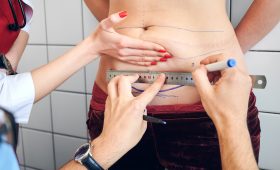
The foundation of a successful “Mommy Makeover” lies in the clinical resolution of this separation. Advanced surgical protocols in Istanbul focus on more than just skin excision; they prioritize the reconstitution of the abdominal wall. Diastasis Recti repair involves internal corset suturing of the abdominal fascia, a technical procedure designed to pull the separated muscle bellies back toward the midline. This creates a biological “corset” that restores intra-abdominal pressure, stabilizes the core, and provides a flatter, more functional abdominal profile.
Depending on the extent of skin laxity and muscle separation, surgeons offer various abdominoplasty configurations. Patients may undergo a Mini Tummy Tuck for localized issues in the lower abdomen, a Full Tummy Tuck for more extensive skin and muscle repair, or an Extended (360) Tummy Tuck, which addresses the flanks and hips to ensure a seamless, circumferential contour. This technical precision is why Turkey has emerged as a global leader in reconstructive aesthetics, offering specialized expertise in managing complex tissue tension.
Aesthetic Precision: Mastopexy and High-Definition Contouring
The secondary pillar of post-pregnancy restoration focuses on the upper quadrant of the torso, specifically addressing mammary ptosis (sagging) and subcutaneous fat distribution. The aesthetic goal is to restore the “perky” and symmetrical appearance lost during breastfeeding and weight fluctuations.
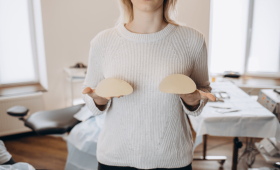
In the realm of mastopexy, or breast lifts, the focus is on the repositioning of the nipple-areola complex and the reduction of excess glandular tissue. To ensure long-term safety and natural tactile sensation, Turkish surgical centers utilize only the highest grade of medical technology. Breast implants used include Mentor, Motiva, or Polytech, all of which are JCI approved. These implants are selected for their cohesive gel properties and biocompatibility, ensuring that the augmentation integrates seamlessly with the patient’s natural anatomy.
Complementing the breast lift is the art of body contouring. For patients seeking to refine the waistline, Vaser Liposuction is used for high-definition contouring with minimal bruising. Unlike traditional liposuction, which can be more traumatic to the surrounding tissue, Vaser technology uses ultrasound energy to selectively emulsify fat cells. This allows for precise sculpting of the abdominal and flank areas, preserving the structural integrity of the skin and vasculature. When combined with BBL (Brazilian Butt Lift) fat transfer, surgeons can redistribute the emulsified adipose tissue to the gluteal region, creating a dramatic, yet natural, hourglass silhouette.
The Economic Advantage of Turkish Medical Excellence
The decision to travel from London to Istanbul is often driven by the ability to access premium, high-technology surgical interventions at a fraction of the cost found in the UK. This is not a result of reduced quality, but rather the optimization of medical logistics and the high volume of specialized procedures performed in Turkey.
Transparency in medical budgeting is essential for patients planning their recovery. The following figures represent the typical investment for these transformative procedures:
- Standard Package (Comprehensive Restoration): 4,500 – 7,500 USD
- Advanced Combination (Complex Reconstruction): 8,000 – 12,000 USD
- Tummy Tuck (Abdominoplasty): 3,000 – 5,000 USD
- Breast Lift (Mastopexy): 2,500 – 4,500 USD
- Liposuction (Per Targeted Area): 500 – 1,500 USD
- BBL (Fat Transfer): 3,500 – 5,500 USD
By choosing a specialized package, patients can often integrate multiple procedures—such as a tummy tuck and breast lift—into a single surgical session, optimizing the recovery period and reducing the overall cost of anesthesia and hospital stays.
Safety, Logistics, and the Global Standard of Care
The safety of the surgical journey is paramount, particularly when traveling internationally. Turkey’s medical infrastructure is designed to manage every aspect of the patient’s trajectory, from the initial assessment in London to the final recovery in Istanbul. The process begins with free online video assessments with board-certified plastic surgeons, allowing for a preliminary diagnosis and a personalized surgical roadmap before any travel occurs.
Upon arrival, the logistical burden is removed from the patient. Most premium medical journeys are centered around Istanbul (IST) or Antalya (AYT), with VIP private transfers from the airport to the clinic arranged to ensure minimal physical strain. Post-operative care is facilitated through 5-star recovery suites with companion stay included, providing a sterile, luxurious, and tranquil environment that is critical for wound healing and managing post-surgical edema.
“The success of a restorative procedure is measured not just by the surgical outcome, but by the seamless integration of medical excellence and patient-centered logistics.”
It is vital for patients to understand the timeline for reintegration into daily life. While the initial recovery period in Turkey typically spans 7-10 days, allowing for close monitoring by medical staff, the biological healing process continues well after the flight back to London. Patients should anticipate a 6-week window for a full return to strenuous exercise. This period allows the internal sutures, such as the abdominal fascia reinforcement, to stabilize and the subcutaneous tissues to settle, ensuring the longevity of the aesthetic and functional results.
Thinking…
Traveling from London to Istanbul: Direct Flight Tips for Post-Op Comfort.
Navigating the Physiological Demands of Post-Operative Air Travel
Traveling from London to Istanbul on a direct flight involves more than just managing time zones; for the post-operative patient, it requires a sophisticated understanding of hemodynamic stability and pressure changes. When undergoing complex body contouring, the primary concern during flight is the prevention of deep vein thrombosis (DVT) and managing subcutaneous edema. The transition from the pressurized cabin of a long-haul flight to the ground requires a recovery protocol that respects the integrity of the surgical site.
For those opting for an advanced combination procedure—which typically ranges from 8,000 – 12,000 USD—the physiological demands are higher. These multi-area transformations often involve simultaneous fat harvesting and tissue repositioning, making the management of fluid retention during the flight critical. Success in post-op travel depends on the precision of the initial surgery, ensuring that the inflammatory response is controlled enough to allow for comfortable transit.
The Precision of the Surgical Transformation: Technical Architecture
The efficacy of a body transformation lies in the technical nuances of the surgical techniques employed. A hallmark of premium contouring is the use of Vaser Liposuction. Unlike traditional methods, Vaser technology utilizes ultrasound energy to selectively emulsify the subcutaneous adipose tissue, targeting fat cells while leaving the surrounding connective tissue and blood vessels intact. This precision results in high-definition contouring with significantly minimal bruising, a vital factor for patients who must travel shortly after their procedure.
Furthermore, for patients experiencing abdominal separation, the surgical focus shifts to the Diastasis Recti repair. This is not merely a cosmetic tightening of the skin; it involves a deep, structural intervention where the internal corset suturing of the abdominal fascia is performed. By approximating the rectus abdominis muscles, the surgeon restores the tension of the abdominal wall, providing a functional and aesthetic “corset” effect. Depending on the patient’s anatomy, the surgeon may offer Full, Mini, or Extended (360) tummy tuck options, allowing for a customized approach to skin excision and muscle repair.
The complexity of these procedures is reflected in their investment requirements:
- Standard Package: 4,500 – 7,500 USD (Ideal for localized contouring)
- Tummy Tuck (Abdominoplasty): 3,000 – 5,000 USD
- Breast Lift (Mastopexy): 2,500 – 4,500 USD
- Liposuction (per targeted area): 500 – 1,500 USD
- BBL (Brazilian Butt Lift/Fat Transfer): 3,500 – 5,500 USD
Case Study: A Journey of Restoration for a Mother of Three
To understand the patient journey, consider the case of a 34-year-old Irish mother of three. Her primary concerns were significant abdominal laxity and loss of upper breast volume following multiple pregnancies. Her journey began not in a clinic, but through a free online video assessment with board-certified plastic surgeons, allowing her to discuss her anatomical goals from the comfort of her home in Ireland.
Upon deciding on an advanced combination approach, her surgical plan integrated a tummy tuck with a breast lift and targeted liposuction. The technical focus was on repairing her Diastasis Recti to address the structural weakness of her core. Because the surgery utilized Vaser technology, her postoperative inflammation was minimized, which was essential for her planned return flight.
“The transformation was not just about the aesthetic silhouette, but the restoration of my physical confidence. The ability to undergo a complex, multi-area procedure and still feel prepared for the logistical transition back home was the deciding factor in my choice.”
Her recovery timeline followed a strict clinical protocol: 7-10 days in Turkey for the initial healing phase and wound monitoring, followed by a period of gradual reintegration, with 6 weeks for full exercise return. This structured timeline ensured that the internal sutures of the abdominal fascia were not subjected to undue tension during the flight back to London.
JCI Standards and the Integrity of Implants
Safety in medical tourism is predicated on adherence to JCI (Joint Commission International) standards. For patients traveling from the UK, the assurance that the surgical facility and the implants used meet these global benchmarks is paramount. During breast augmentation or lift components of a combination surgery, the choice of prosthetic is critical for long-term biocompatibility and aesthetic naturalism.
Only JCI-approved implants are utilized, specifically focusing on premium brands such as Mentor, Motiva, or Polytech. These implants are engineered to minimize capsular contracture and provide a predictable, soft-tissue interface. The integration of these high-grade materials into the surgical plan ensures that the “transformation” is not merely immediate, but durable and safe against the physiological changes that occur during the healing process.
Logistical Excellence: The Post-Op Safety Net
The transition from the operating theatre to the recovery phase is managed through a seamless logistical framework designed to reduce patient stress. The journey begins upon arrival at Istanbul (IST) or Antalya (AYT), where VIP private transfers are arranged to transport the patient directly to their recovery destination. This minimizes the physical exertion required of the patient immediately following surgery.
The accommodation component is integral to the recovery of a combination surgery patient. Rather than standard hotels, patients are transitioned to 5-star recovery suites with companion stay included. These suites are designed to facilitate the post-operative needs of the patient, providing a sterile yet comfortable environment that allows for the necessary monitoring of surgical sites. This level of care ensures that if any complications, such as seroma formation or minor hematomas, require attention, the patient is in a controlled, professional environment before attempting the flight back to London.
Thinking…
Traveling from London to Istanbul: Direct Flight Tips for Post-Op Comfort.
Managing the Physiological Impact of Long-Haul Flight Post-Surgery
For patients traveling from London to Istanbul, the direct flight route offers a significant advantage in minimizing time spent in a pressurized cabin. However, even a relatively short flight requires meticulous planning to prevent complications such as venous stasis or increased postoperative edema (swelling). The fluctuations in cabin pressure can exacerbate subcutaneous fluid retention, particularly following procedures involving significant tissue manipulation like Vaser Liposuction or BBL fat transfer.
To maintain optimal hemodynamic stability during your journey, consider the following clinical precautions:
- Compression Management: Ensure your medical-grade compression garments are fitted correctly. These are essential for managing interstitial fluid and supporting the newly contoured tissue.
- Venous Thromboembolism (VTE) Prevention: The risk of Deep Vein Thrombosis (DVT) increases during sedentary periods. Utilize compression stockings and perform periodic ankle pumps to promote circulation.
- Hydration and Electrolyte Balance: Dehydration can lead to increased post-operative fatigue and swelling. Avoid caffeine and alcohol, which can cause vasodilation and exacerbate edema.
Seamless Arrival: VIP Logistics and Recovery Environments
The transition from Istanbul (IST) or Antalya (AYT) to your recovery destination should be as frictionless as possible to minimize physiological stress. Luxury medical tourism in Turkey is designed around the concept of “zero-stress” arrival. Upon landing, patients are met by VIP private transfers that transport you directly from the airport to your recovery suite, bypassing the logistical complexities of local transit.
Post-operative recovery is best conducted in a controlled, serene environment. We specialize in 5-star recovery suites, which are specifically curated to provide a sterile yet comfortable atmosphere. A critical feature of these arrangements is the companion stay included in the package. This is particularly vital for patients managing complex recovery logistics, such as:
“The presence of a trusted companion or family member allows for the management of childcare logistics and provides the necessary emotional and physical support during the initial 7-to-10-day healing window in Turkey.”
Before you even depart London, the care continuum begins with free online video assessments with board-certified plastic surgeons. This allows for a precise preoperative plan, ensuring that your post-op itinerary—including flight timing and recovery intensity—is tailored to your specific surgical requirements.
The Technical Nuances of Post-Operative Healing
Understanding the technical nature of your procedure is fundamental to managing your expectations regarding the “fly-home” timeline. The biological healing process varies significantly depending on the invasiveness of the surgical technique employed.
For instance, patients undergoing Diastasis Recti repair must be aware that this involves the internal corset suturing of the abdominal fascia. This structural reinforcement requires much stricter adherence to lifting restrictions compared to superficial procedures. Similarly, those undergoing Tummy Tuck options—whether Full, Mini, or Extended (360)—must plan for a period of restricted core movement to ensure the integrity of the fascia repair.
Conversely, modern technologies are designed to reduce the inflammatory response and accelerate the return to daily life. Vaser Liposuction, for example, utilizes ultrasound energy to emulsify fat cells with minimal trauma to surrounding tissues, resulting in minimal bruising and a faster transition to travel. For breast augmentation, the use of high-quality, JCI-approved implants, such as Mentor, Motiva, or Polytech, ensures a predictable healing trajectory and long-term aesthetic stability.
As a general rule of thumb, the clinical timeline for recovery is as follows:
- Turkey Residency: A minimum of 7-10 days is recommended to ensure the surgical site has stabilized and initial swelling has subsided.
- Full Physical Return: While you may be fit to fly within a week, a period of 6 weeks is typically required before a full return to strenuous exercise or heavy lifting.
2026 Financial Projections: Turkey vs. UK/USA
As we look toward the 2026 landscape, the cost disparity between Turkey and the UK or USA continues to widen due to rising healthcare inflation in Western Europe and North America. Planning your procedure in Turkey allows for “Advanced Combination” surgeries—combining multiple anatomical areas—at a fraction of the cost of a single procedure in London.
The following breakdown illustrates the projected 2026 costs for high-end surgical packages in Turkey, compared to the significantly higher out-of-pocket expenses expected in the UK/USA:
| Procedure/Package Type | Turkey Projected Cost (2026) |
|---|---|
| Standard Package | 4,500 – 7,500 USD |
| Advanced Combination | 8,000 – 12,000 USD |
| Tummy Tuck (Full/Mini/360) | 3,000 – 5,000 USD |
| Breast Lift | 2,500 – 4,500 USD |
| Liposuction (Per Area) | 500 – 1,500 USD |
| BBL (Fat Transfer) | 3,500 – 5,500 USD |
When evaluating these figures, it is imperative to consider that the Turkish pricing models often encompass the “all-inclusive” luxury experience: the 5-star accommodation, VIP transfers, and post-operative medications. In contrast, UK and USA estimates often exclude the essential post-operative nursing care and specialized recovery environments, making the true cost of care in Turkey even more competitive.
For personalized itinerary planning and to discuss how these surgical options align with your travel dates, please contact a Cure Holiday specialist to begin your clinical consultation.
Considering a Mommy Makeover in Turkey? Get a Free Quote for your Traveling from London to Istanbul Transformation with cureholiday.com
Free Consultation
Fill out the form below to get your free medical travel plan and price quote.