Cost and planning note (Mommy Makeover 2026)
The figures below are indicative market ranges, not a quote: your own price is confirmed after a clinical assessment.
Indicative price range: Standard Package: 4,500 – 7,500 USD | Advanced Combination: 8,000 – 12,000 USD | Tummy Tuck: 3,000 – 5,000 USD | Breast Lift: 2,500 – 4,500 USD | Liposuction Per Area: 500 – 1,500 USD | Bbl Fat Transfer: 3,500 – 5,500 USD
Facility standards: In Türkiye, any facility treating international patients must hold the Ministry of Health’s international health tourism authorisation; hospitals and medical centres must also be accredited by TÜSKA, and complication insurance is compulsory for procedures carried out in an operating theatre (Regulation of 26 April 2025).
Recovery Focus: Post-pregnancy body restoration & safety first.
Currency: GBP, EUR, USD accepted.
When Can You Fly Business Class? Is the Extra Space Worth it for Recovery?
The Physiological Intersection of Long-Haul Travel and Post-Surgical Recovery
When planning a restorative journey for post-pregnancy reconstruction, the question of cabin class is rarely about luxury and almost always about physiological safety. For patients undergoing complex procedures such as a Tummy Tuck or Diastasis Recti repair, the primary concern during flight is the management of venous return and the prevention of edema (swelling). The pressurized environment of a cabin, combined with prolonged immobility, can pose risks to the surgical site, particularly regarding deep vein thrombosis (DVT) and localized hematoma formation.
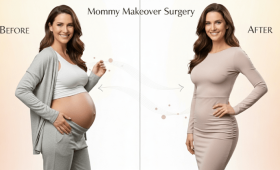
Choosing Business Class is a clinical recommendation for many undergoing “Mommy Makeover” components. The increased legroom allows for the essential frequent ankle pumps and seated movements necessary to maintain circulation. Furthermore, the ability to recline reduces the intra-abdominal pressure that can strain fresh incisions in the abdominal wall. As patients navigate the 7-10 days required for their initial recovery in Turkey before their return flight, the ergonomic advantages of an expanded seat pitch are instrumental in ensuring that the inflammatory phase of healing does not escalate into significant complications.
Reconstructing the Core: Diastasis Recti and Abdominal Wall Integrity
Post-pregnancy restoration often begins with addressing the structural separation of the rectus abdominis muscles, known as Diastasis Recti. This is not merely a cosmetic concern but a functional one, as the separation can lead to a permanent protrusion of the midsection and weakened core stability. The surgical gold standard involves a sophisticated Diastasis Recti repair, which involves internal corset suturing of the abdominal fascia. By re-approximating the tensioned muscle layers, the surgeon restores the natural tension of the abdominal wall.
Depending on the extent of the skin laxity and the degree of muscle separation, surgeons may recommend different approaches:
- Mini Tummy Tuck: Focused on the lower abdomen, ideal for patients with minimal scarring concerns.
- Full Tummy Tuck: Addresses the entire abdominal region, removing excess skin and subcutaneous fat.
- Extended (360) Tummy Tuck: A comprehensive reconstruction that addresses the flanks and the posterior abdominal wall, providing a seamless circumferential contour.
The cost for these specialized procedures varies based on the complexity of the tissue reconstruction. A tummy_tuck typically ranges from 3,000 – 5,000 USD, while the more comprehensive advanced_combination packages, which may integrate liposuction or muscle repair, can range between 8,000 – 12,000 USD. For those seeking a streamlined approach, a standard_package for basic abdominal contouring is often priced between 4,500 – 7,500 USD.
Advanced Contouring via Vaser Liposuction and Fat Transfer
To achieve the “sculpted” look desired in post-pregnancy restoration, surgeons often pair abdominal tightening with high-definition liposuction. The implementation of Vaser Liposuction is used for high-definition contouring with minimal bruising. Unlike traditional mechanical liposuction, Vaser uses ultrasound energy to emulsify fat cells, allowing for more precise extraction while preserving the surrounding microvasculature and nerves. This precision is critical for reducing the postoperative inflammatory response, which in turn facilitates a smoother transition back to travel.
In many cases, the harvested fat is repurposed through autologous fat transfer, specifically a BBL_fat_transfer, which can cost between 3,500 – 5,500 USD. This procedure, when combined with liposuction_per_area (ranging from 500 – 1,500 USD), allows for a holistic reconfiguration of the hips and gluteal region. The objective is to restore the anatomical curves that pregnancy may have diminished.
Mastopexy and Augmentation: Precision in Breast Reconstruction
Breast volume loss and ptosis (sagging) are hallmark results of breastfeeding and pregnancy. Restorative mastopexy (breast lift) is designed to reposition the nipple-areola complex and reshape the breast tissue. The structural integrity of the result depends heavily on the choice of implants, if augmentation is required. To ensure long-term safety and biocompatibility, breast implants used are JCI-approved, specifically selecting from brands such as Mentor, Motiva, or Polytech.
The financial investment for breast restoration is highly dependent on whether the patient requires a simple lift or a combined augmentation. A breast_lift procedure generally ranges from 2,500 – 4,500 USD. When integrated into a larger restorative plan, these costs are often bundled into the comprehensive packages mentioned previously to provide a more cost-effective surgical roadmap.
“The success of a Mommy Makeover is measured not just by the aesthetic outcome, but by the seamless integration of surgical precision and postoperative care. The goal is to restore the patient’s anatomical baseline while minimizing the physiological stress of the recovery period.”
Turkey: The Global Hub for Aesthetic Reconstruction
Turkey has emerged as the global epicenter for post-pregnancy restoration, driven by a convergence of high-tier surgical expertise and unparalleled logistical efficiency. The ability to access board-certified surgeons who specialize in complex abdominal wall reconstruction at a fraction of Western costs allows patients to invest more in their recovery environment. This includes 5-star recovery suites with companion stay included, ensuring that the patient is never isolated during the critical first week of healing.
The logistical framework is designed to minimize patient stress through:
- Seamless Transit: Utilizing major international hubs such as Istanbul (IST) or Antalya (AYT).
- VIP Logistics: VIP private transfers from airport to clinic ensure that the patient avoids the physical strain of navigating public transport or navigating complex city layouts.
- Pre-Surgical Clarity: Free online video assessments with board-certified plastic surgeons allow for detailed preoperative planning, ensuring the patient arrives with a clear understanding of their surgical roadmap.
While the physical recovery period involves 7-10 days in Turkey for initial wound stabilization, patients must adhere to a structured timeline for physical activity, with 6 weeks for full exercise return. This window is vital for ensuring that the internal sutures of the diastasis repair and the skin grafts of the tummy tuck remain intact under physiological load. By planning the return journey with the comfort of Business Class in mind, patients can navigate this critical period with the necessary physiological support to ensure a successful, long-term aesthetic transformation.
The Physiological Necessity of Space: Why Comfort Governs Post-Operative Travel
When planning a return flight following a major aesthetic procedure, the question of “When can I fly?” is often secondary to the question of “How will I fly?” For patients undergoing extensive body contouring, the transition from the surgical suite to long-haul travel requires more than just medical clearance; it requires a logistical environment that minimizes physiological stress. While the decision to upgrade to Business Class is often viewed through the lens of luxury, in the context of post-surgical recovery, it serves a functional purpose in managing edema (swelling) and maintaining circulatory efficiency.
Post-operative swelling, particularly following lipoplasty or abdominal tightening, can be exacerbated by the cabin pressure and reduced mobility associated with economy seating. The expanded legroom and ability to recline in Business Class allow for more frequent micro-movements and the positioning of limbs to prevent venous congestion. For patients arriving via Istanbul (IST) or Antalya (AYT), the period between the final post-operative check-up and the flight home is a critical window for monitoring the stability of the surgical sites.
The Technical Architecture of Advanced Combination Surgery
The modern approach to body sculpting has moved away from isolated procedures toward “Advanced Combination” protocols. These complex surgical interventions are designed to address multiple anatomical concerns in a single session, optimizing the healing timeline and reducing the number of required anesthetic exposures. The advanced_combination package, typically ranging from 8,000 – 12,000 USD, represents the pinnacle of this transformative approach.
At the core of these transformations is the precision of the technology used. For instance, Vaser Liposuction is frequently employed to achieve high-definition contouring. Unlike traditional aspiration, Vaser uses ultrasound energy to selectively emulsify fat cells while leaving the surrounding connective tissue, nerves, and blood vessels intact. This results in significantly minimal bruising and a more refined, sculpted appearance.
Furthermore, for patients experiencing postpartum abdominal separation, the surgical focus shifts to Diastasis Recti repair. This is not merely a cosmetic skin tightening; it involves the internal corset suturing of the abdominal fascia. By re-approximating the separated rectus abdominus muscles, the surgeon restores the structural integrity of the abdominal wall, creating a flatter, stronger core. This is often paired with various tummy tuck options, including Full, Mini, or Extended (360) techniques, depending on the patient’s skin laxity and fat distribution.
“The goal of combination surgery is not just aesthetic change, but the anatomical restoration of the body’s natural proportions through precise, multi-layered surgical techniques.”
Case Study: The Restoration of a Maternal Silhouette
To understand the profound impact of the surgical journey, consider the case of a 34-year-old Irish mother of three. Following three pregnancies, she presented with significant skin laxity, abdominal muscle separation, and localized fat deposits. Her journey began with a free online video assessment with board-certified plastic surgeons, a critical step in establishing a personalized surgical roadmap without the need for immediate international travel.
Her transformation involved a multi-faceted approach:
- Abdominal Reconstruction: Addressing the Diastasis Recti through internal fascia suturing.
- Liposuction: Targeted fat removal in the flanks and lower abdomen, priced between 500 – 1,500 USD per area.
- BBL Fat Transfer: Re-injecting harvested adipose tissue to enhance the gluteal projection, a procedure costing between 3,500 – 5,500 USD.
For this patient, the standard_package (ranging from 4,500 – 7,500 USD) was insufficient to meet her anatomical goals, necessitating the more comprehensive advanced_combination approach. Her recovery period was meticulously managed in a 5-star recovery suite with a companion stay included, ensuring that her post-operative care was supported by both medical monitoring and personal assistance. Her itinerary followed a strict protocol: 7-10 days in Turkey for intensive healing, followed by a period of controlled activity, with a 6 weeks for full exercise return.
Safety Standards and Material Integrity
The success of any surgical transformation is predicated on the adherence to rigorous safety protocols. At the heart of high-end surgical care is the JCI (Joint Commission International) accreditation, which ensures that every aspect of the patient journey—from sterilization to anesthesia monitoring—meets the highest global standards. This level of oversight is non-negotiable when performing complex procedures like a breast_lift (ranging from 2,500 – 4,500 USD) or advanced abdominoplasty.
Material selection is equally critical. The integrity of breast augmentation depends entirely on the biocompatibility and structural stability of the implants. For all reconstructive or augmentative procedures, only JCI approved implants are utilized, specifically brands such as Mentor, Motiva, or Polytech. These implants are engineered to mimic the natural feel of adipose tissue while maintaining long-term structural cohesion.
The Logistics of the Recovery Journey
The post-operative journey is a choreographed sequence of medical and logistical events designed to minimize patient anxiety. The process begins the moment the patient lands at Istanbul (IST) or Antalya (AYT). To mitigate the physical strain of post-surgical travel, VIP private transfers from airport to clinic are standard, ensuring that the patient is not subjected to the rigors of public transport or heavy luggage handling during a period of heightened vulnerability.
The transition from the operating theatre to the 5-star recovery suites is designed to facilitate the 7-10 days of essential healing. These suites are not merely hotels; they are clinical environments tailored for convalescence, providing the necessary privacy and medical accessibility required during the initial inflammatory phase of healing. This seamless integration of luxury and clinical care is what allows patients to focus entirely on their physiological recovery, ensuring that by the time they board their return flight, they are traveling in a state of stability and comfort.
The Physiological Impact of Air Travel on Post-Operative Healing
For patients returning from Turkey following reconstructive or aesthetic surgery, the primary concern is often not the surgery itself, but the physiological stress of the return flight. The transition from a controlled, post-operative recovery environment to the pressurized cabin of an aircraft introduces significant variables that can impact wound healing and lymphatic drainage. When considering the logistics of flying home, one must evaluate the impact of cabin altitude on subcutaneous edema (swument) and the risk of Deep Vein Thrombosis (DVT).
During flight, the reduction in atmospheric pressure can lead to an expansion of gases within the body, often resulting in increased swelling around surgical sites. For patients who have undergone Vaser Liposuction—a technique utilized for high-definition contouring with minimal bruising—the management of interstitial fluid is critical. The increased pressure changes can exacerbate localized edema, potentially putting undue tension on newly sutured tissues. Similarly, for those undergoing Diastasis Recti repair, which involves the complex internal corset suturing of the abdominal fascia, any significant abdominal swelling can lead to discomfort or even compromise the integrity of the internal repair.
While the standard recovery period in Turkey is typically 7-10 days, the physiological “window of vulnerability” extends much longer. While you may be medically cleared to fly shortly after discharge, the 6 weeks for full exercise return serves as a reminder that the internal tissues are still in a state of remodeling. Therefore, the decision to upgrade to Business Class is often a medical recommendation rather than a mere luxury.
Is Business Class Worth the Investment for Post-Op Recovery?
When evaluating the “worth” of Business Class, one must look beyond comfort and focus on the mechanical advantages of the seat configuration. The ability to maintain an ergonomic position is vital for patients recovering from extensive procedures such as a Full, Mini, or Extended (360) Tummy Tuck. In Economy Class, the inability to recline or expand the legs can lead to venous stasis, increasing the risk of blood clots.
“The ergonomic freedom of a lie-flat seat in Business Class allows for better circulation and reduces the mechanical strain on abdominal incisions and fat transfers, making it a strategic component of long-term recovery logistics.”
The advantages of Business Class for post-surgical patients include:
- Enhanced Circulation: The ability to extend the legs and move the ankles helps mitigate the risk of DVT, especially after BBL fat transfer where compression and circulation are paramount.
- Reduced Edema: The ability to use more space for leg elevation can assist in managing the fluid retention common after liposuction per area (costing between 500 – 1,500 USD).
- Controlled Environment: Reduced noise and less physical jostling from neighboring passengers minimize the risk of sudden movements that could disrupt the healing of sensitive areas, such as those treated with Mentor, Motiva, or Polytech (JCI approved) implants.
- Hydration and Nutrition: Business Class services allow for easier access to hydration, which is essential for maintaining skin elasticity and preventing the dehydration that can lead to skin tightness and discomfort.
Post-Operative Logistics: From VIP Transfers to Villa Recovery
A seamless recovery journey is built upon the strength of the logistics chain. The process begins long before you arrive in Turkey, often starting with free online video assessments with board-certified plastic surgeons. This allows for a precise preoperative plan, ensuring that the logistics of your stay are tailored to the complexity of your surgery.
Upon arrival at Istanbul (IST) or Antalya (AYT), the recovery protocol utilizes VIP private transfers from airport to clinic. This minimizes physical exertion during the most sensitive period of the post-operative window. For many, the recovery does not take place in a standard hospital setting but in 5-star recovery suites with companion stay included. These suites are designed to provide a luxury convalescence, allowing patients to manage the initial 7-10 days of healing in a sterile, high-end environment that mimics the comforts of home while providing 24/7 access to care.
The transition from these suites back to your home country requires meticulous planning, particularly regarding childcare and domestic responsibilities. Because the 6 weeks for full exercise return is a strict physiological timeline, patients must coordinate their “fly-home” window to ensure they are not returning to high-stress environments or physical labor too early.
2026 Cost Breakdown: Turkey vs. UK/USA
As we look toward 2026, the economic disparity between medical tourism in Turkey and traditional healthcare in the UK or USA remains a primary driver for patients. The following breakdown illustrates the cost-efficiency of choosing a comprehensive Turkish package compared to the inflated costs of domestic procedures.
| Procedure/Package Type | Estimated Turkey Cost (2026) |
|---|---|
| Standard Package | 4,500 – 7,500 USD |
| Advanced Combination Package | 8,000 – 12,000 USD |
| Tummy Tuck (Full/Mini/360) | 3,000 – 5,000 USD |
| Breast Lift (Mastopexy) | 2,500 – 4,500 USD |
| Liposuction (Per Area) | 500 – 1,500 USD |
| BBL (Fat Transfer) | 3,500 – 5,500 USD |
When comparing these figures to the UK or USA, where a single Tummy Tuck can easily exceed 15,000 USD and a BBL can surpass 10,000 USD (excluding surgeon fees and hospital stays), the savings in Turkey often cover the cost of Business Class upgrades and luxury villa recovery multiple times over. This allows patients to reinvest their savings into a superior recovery experience, ensuring that the “extra space” in flight is not just a luxury, but a strategic investment in their surgical outcome.
Considering a Mommy Makeover in Turkey? Get a Free Quote for your When Can You Fly Business Class? Is the Extra Space Worth it for Recovery? Transformation with cureholiday.com
Free Consultation
Fill out the form below to get your free medical travel plan and price quote.
Sources and how to verify this yourself
- Ministry of Health, Regulation on International Health Tourism and Tourist Health, Official Gazette 26 April 2025, No. 32882 — authorisation requirement for facilities and intermediaries, TÜSKA accreditation, compulsory complication insurance (deadline 31 December 2025 for insurance, 31 December 2026 for accreditation). source
- Ministry of Health, Regulation on Promotion and Information Activities in Health Services, Official Gazette 12 November 2025, No. 33075 — treatment promises and guarantees are prohibited; price and campaign announcements are permitted only within international health tourism. source