About the prices on this page. The figures below are indicative market prices and country comparisons, not a quote. Our own current, all-inclusive prices are published on our weight loss surgery in Turkey page, and we confirm your figure in writing before you commit to anything.
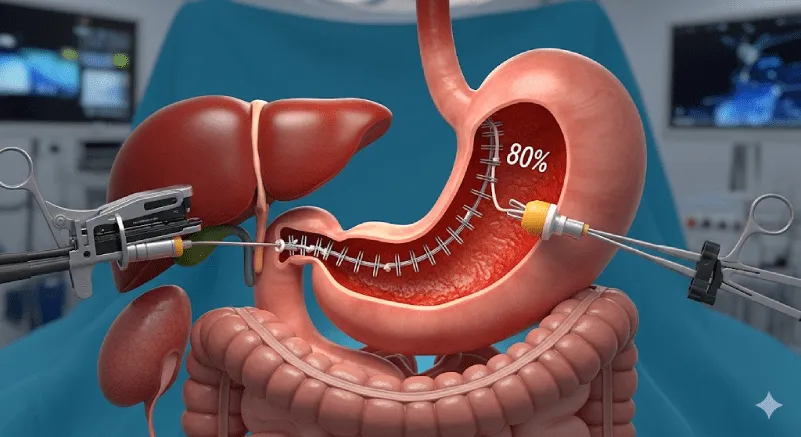
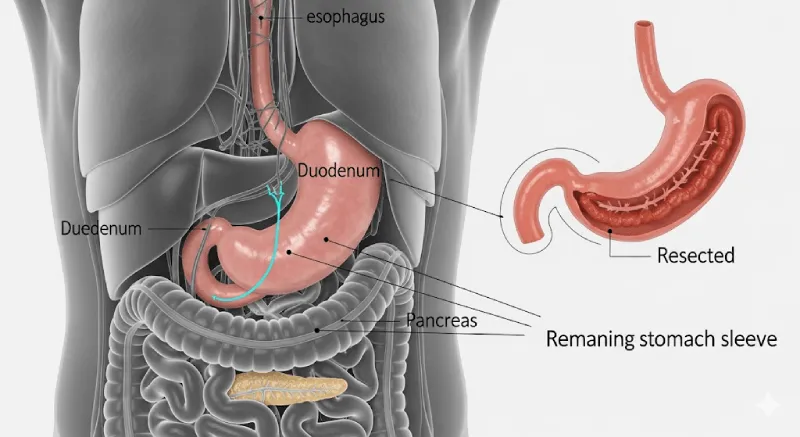
What Is Gastric Sleeve?
What Will Happen After Turkey Gastric Sleeve?
Gastric sleeve (Sleeve Gastrectomy) surgery is an important step in the fight against obesity. After having this surgery in Turkey, paying attention to the post-operative period is of great importance for a successful recovery and weight loss process. Here’s what awaits you after the surgery:
First Days in the Hospital
You usually stay in the hospital for 2 to 4 days after the surgery. During this time, doctors and nurses will closely monitor your general condition.
- Pain Control: Post-operative pain is controlled with the medications you will be given.
- Fluid Intake: A few hours after the surgery, you can start consuming water or ice chips in very small sips under the supervision of a nurse.
- Early Mobilization: To prevent blood clots and speed up recovery, you will be encouraged to walk slowly with the help of a nurse on the first day after the surgery.
Nutrition: The Foundation of Your New Lifestyle
Post-operative nutrition is a phased process and one of the most important parts. This process helps your stomach heal and helps you acquire new eating habits.
1. Liquid Phase (First 1-2 Weeks)
For the first week after leaving the surgery, you will only consume clear liquids.
- Clear Liquids: Water, sugar-free compote juice, fat-free broth, and seedless, strained vegetable juices.
- Rule: Consume in small sips and slowly. Wait a while after taking a sip.
2. Pureed Phase (3rd and 4th Weeks)
During this period, you will transition to pureed foods with a blender-like consistency.
- Pureed Foods: Yogurt, pudding, pureed vegetables and fruits, well-cooked and pureed fish or chicken.
- Rule: Avoid using salt and spices. Chew every bite thoroughly and eat slowly.
3. Soft Solid Foods Phase (After 1st Month)
At this stage, soft and easily chewable solid foods are added to the menu.
- Soft Foods: Boiled egg, cheese, soft baked fish, well-cooked vegetables.
- Rule: Continue to mash or puree foods to avoid straining your post-operative stomach.
4. Normal Diet Phase (After 2-3 Months)
At this stage, you can slowly transition to almost all normal foods. However, some rules still apply.
- Protein Priority: Prioritize protein in every meal.
- Slow Consumption: Eat slowly and chew your food very well.
- Separation of Liquids and Solids: Do not consume liquids during meals and 30 minutes before and after a meal.
Vitamin and Mineral Supplements
Due to the reduction of your stomach size, adequate nutrient intake becomes difficult. Therefore, you need to use the vitamin and mineral supplements recommended by your doctor and dietitian for life. Vitamin B12, iron, calcium, and vitamin D supplements are especially vital.
Physical Activity and Exercise
During the post-operative recovery process, exercise is very important to support weight loss and maintain muscle mass.
- First Days: Short walks.
- Following Weeks: Slow-paced walks and light exercises.
- After 2-3 Months: With your doctor’s approval, you can start more intense exercises (running, swimming, weightlifting).
Follow-up Appointments
Regular follow-up appointments are essential for a successful process. Most surgeons in Turkey recommend the following follow-ups for the first year after the surgery:
- First Year: Appointments in the 1st, 3rd, 6th, and 12th months.
- Following Years: Annual check-ups.
During these appointments, blood tests are performed, and your general health status is evaluated.
What Problems Can Be After Gastric Sleeve?
Gastric sleeve surgery, or sleeve gastrectomy, is a major bariatric procedure that, while effective for weight loss, carries potential risks and complications. These can be categorized into early, short-term issues and late, long-term problems.
Short-Term (Early) Complications
These complications typically occur within the first 30 days after the surgery.
- Bleeding: The most common early complication is bleeding, which can occur from the staple line, damaged blood vessels, or other organs like the spleen. Symptoms include a rapid heart rate, low blood pressure, and a drop in hemoglobin.
- Staple Line Leak: This is a serious, life-threatening complication where a weak spot in the staple line allows stomach contents to leak into the abdominal cavity. It can lead to severe infection and sepsis. Signs often include a fever, worsening abdominal pain, and a rapid heart rate.
- Blood Clots: Due to the nature of major surgery and immobility, patients are at risk for blood clots, most commonly in the legs (deep vein thrombosis). If a clot travels to the lungs (pulmonary embolism), it can be fatal.
- Wound Infection: The surgical incisions can become infected, showing signs of redness, swelling, increased pain, or pus-like drainage.
- Adverse Reactions to Anesthesia: As with any surgery, there is a risk of adverse reactions to the general anesthesia.
Long-Term (Late) Complications
These issues can develop months or even years after the procedure.
- Gastroesophageal Reflux Disease (GERD): One of the most frequent long-term issues is the development or worsening of acid reflux. This can be caused by the increased pressure in the new, smaller stomach.
- Nutritional Deficiencies: Because the stomach is smaller, patients eat less and may not absorb all the necessary vitamins and minerals. Lifelong supplementation of vitamins and minerals, such as iron, vitamin B12, and vitamin D, is often required to prevent deficiencies like anemia and osteoporosis.
- Gastric Stenosis (Narrowing): The new, sleeve-shaped stomach can narrow or become constricted, usually due to scar tissue. This can make it difficult to swallow and can cause vomiting. This may require an outpatient procedure to stretch the narrowed area.
- Weight Regain: While the surgery is a powerful tool for weight loss, it is not a permanent solution on its own. If a patient does not follow the recommended diet and exercise plan, the stomach can stretch over time, leading to weight regain.
- Gallstones: Rapid weight loss is a significant risk factor for developing gallstones, which can be painful and may require the surgical removal of the gallbladder.
- Hair Loss: Many patients experience temporary hair loss in the months following surgery, which is often a result of the body’s reaction to rapid weight loss and a decrease in protein intake.
Which Country Is Best For Gastric Sleeve?
To decide on the best country for a sleeve gastrectomy, it’s important to consider several factors. The definition of “best” varies from person to person, as it’s influenced by elements like cost, surgeon experience, hospital quality, ease of travel, and post-operative follow-up services.
Based on these criteria, some countries stand out:
Gastric Sleeve in Turkey
Turkey has seen a significant rise in medical tourism in recent years and is one of the most popular destinations for sleeve gastrectomy surgery.
- Expertise and Experience: Turkey has many surgeons specializing in bariatric surgery with international experience. The high number of successful surgeries performed makes Turkey a reliable option in this field.
- Cost: The cost of sleeve gastrectomy in Turkey is quite affordable compared to countries in Europe and North America. The lower cost doesn’t mean a compromise on quality; it’s mainly due to lower living and operational expenses.
- Hospitals and Technology: Many hospitals in Turkey have international accreditations like JCI (Joint Commission International) and are equipped with the latest technology.
- Ease of Travel: Turkey is strategically located and easily accessible from Europe, Asia, the Middle East, and Africa, making travel practical for patients.
Gastric Sleeve in Mexico
Mexico is a popular choice, especially for patients coming from the United States and Canada.
- Cost: It offers competitive prices, which are significantly lower than those in the United States.
- Proximity: The travel distance is short and easy for patients from North America.
- Experienced Surgeons: The country has many surgeons experienced in bariatric surgery who work in modern facilities.
Gastric Sleeve in India
India is another country known for its cost-effectiveness in medical tourism.
- Prices: Sleeve gastrectomy and other bariatric operations are much more affordable than in Western countries.
- Medical Quality: Many hospitals are state-of-the-art facilities that offer services meeting international standards. The widespread use of English among medical professionals makes communication easy.
Gastric Sleeve in Poland and Lithuania
For patients from Europe, Eastern European countries like Poland and Lithuania are also popular choices.
- Balance of Quality and Cost: They combine high medical standards with lower costs compared to Western Europe.
- Accreditations: Some clinics have international accreditations and work with experienced surgeons.
Important Points
No matter which country you choose, it’s crucial to consider the following points when making your decision:
- Surgeon’s CV: Be sure to research the surgeon’s experience in the field, the number of surgeries they have performed, and patient reviews, if available.
- Hospital Accreditation: Check whether the hospital you choose has international quality standards (e.g., JCI or ISO accreditation).
- Post-Operative Follow-up: Plan in advance how the post-operative check-up and follow-up process will work and how you will manage it in your home country.
- Package Contents: Find out in detail what the surgery cost covers (hospital stay, surgeon and anesthesia fees, pre-operative tests, post-operative check-ups, accommodation, etc.).
By evaluating all these factors, you can make the most suitable decision for your needs and budget.
Why Do People Go To Turkey For Gastric Sleeve?
Gastric sleeve surgery is one of the most frequently preferred surgical methods for fighting obesity. In recent years, a significant increase has been observed in the number of international patients traveling to Turkey for this surgery. The main reasons behind this are as follows:
1. Affordable Pricing Advantage
One of the biggest reasons Turkey stands out in health tourism is that the prices for gastric sleeve surgery are very reasonable compared to many Western countries. These prices are often offered in packages that include not only the surgical procedure but also hospital accommodation, anesthesia, medication, and even interpreter services. For patients living in high-cost countries, this provides great financial relief.
2. High-Quality Healthcare Services
A low cost does not mean low quality. Many hospitals in Turkey are accredited by international organizations and have state-of-the-art medical equipment. The doctors who perform the surgical operations are generally experts in their fields, experienced, and competent in treating international patients. This increases the patients’ trust.
3. Fast and Efficient Service
In some countries’ public healthcare systems, there can be long waiting times for gastric sleeve surgery. In private hospitals in Turkey, these waiting times are quite short. Patients can often get a surgery appointment and plan their operations a short time after their first contact. This speed allows patients to find quicker solutions to their health problems.
4. The Allure of Health Tourism
Turkey offers a unique health tourism experience for patients seeking gastric sleeve surgery. They have the opportunity to explore the historical and cultural riches of cities like Istanbul, Izmir, and Antalya before and after the surgery. Many patients prefer to spend their recovery period in a vacation environment. Hospitals and clinics often provide special services for tourists during this process.
5. Geographical Location and Easy Transportation
Turkey’s location provides a great advantage for patients coming especially from Europe, the Middle East, and North Africa. Transportation is quite easy and affordable thanks to the regular flights of many airline companies. This accessibility allows international patients to comfortably make their travel plans.
How Much Is Gastric Sleeve In Turkey
Based on recent data, the cost of gastric sleeve surgery in Turkey generally ranges from €1.800 to €4,000.
This price can vary depending on several factors, including:
- The clinic or hospital: Prices differ between private hospitals and specialized clinics.
- The surgeon’s experience: A highly experienced and reputable surgeon may have higher fees.
- The city: Costs can vary between different cities in Turkey. For example, prices in major cities like Istanbul may differ from those in other regions.
- The package contents: Many clinics offer all-inclusive packages that cover the surgery, hospital stay, pre-operative tests, post-operative follow-ups, and sometimes even accommodation and airport transfers. This can significantly affect the total cost.
For a precise and up-to-date quote, it’s best to contact the clinics or hospitals directly to get a personalized offer based on your specific needs.
Is Gastric Sleeve Safe In Turkey?
Gastric sleeve (sleeve gastrectomy) surgery is one of the most widely performed and effective methods for treating obesity. The safety of the surgery depends on many factors, such as choosing the right surgeon and hospital. Turkey stands out in this field with its advanced healthcare infrastructure and expert surgeons.
Medical Tourism and Standards in Turkey
Turkey has become a global center for medical tourism. The foundation of this success lies in:
- Government Investments: Significant state investments in the healthcare sector.
- Accreditation: Many hospitals hold international accreditations, such as Joint Commission International (JCI), ensuring they meet specific quality standards.
- Experienced Surgeons: The presence of expert surgeons with international experience in bariatric surgery who have performed a high volume of successful operations.
- Competitive Prices: More affordable costs compared to Europe and North America.
Factors Affecting Surgical Safety
The most important points to consider for a safe gastric sleeve surgery are:
- Surgeon’s Experience: The most critical aspect of the surgery is the experience of the surgeon performing the operation. Choosing a surgeon who specializes in bariatric surgery and has performed a large number of successful operations significantly reduces the risk of complications.
- Hospital and Clinic Selection: The technical equipment, hygiene standards, and facilities like the intensive care unit (ICU) of the hospital where the surgery will be performed are of great importance. Hospitals with international certifications like JCI are a guarantee of a certain quality standard.
- Comprehensive Evaluation: Before the surgery, the patient’s overall health status must be thoroughly evaluated. Opinions from specialists in different fields such as endocrinology, cardiology, psychiatry, and dietetics should be sought. This is vital for determining if the patient is suitable for the surgery.
- Post-Operative Follow-up: The success of the operation is not limited to the surgical procedure itself. Regular follow-up and support on post-operative nutrition, vitamin supplements, and lifestyle changes are essential for long-term success and preventing possible complications.
- Potential Risks: Like any surgical procedure, gastric sleeve surgery carries some risks. These risks can be minimized when the surgery is performed by an experienced team. Possible risks include bleeding, leakage, blood clots (embolism), and vitamin deficiencies. These risks can be largely managed with the right surgeon choice, pre-operative preparation, and careful post-operative follow-up.
Turkey Gastric Sleeve Cost
The cost of a gastric sleeve surgery in Turkey varies depending on several factors. These factors include the type of hospital (state or private), the experience of the surgeon, the location of the hospital, and the services included in the package.
Average Price Range
According to 2025 data, the cost of gastric sleeve surgery in Turkey generally ranges from €1,800 to €4,000. These prices can differ based on packages that may include the operation itself, hospital stay, pre- and post-operative tests, nutritionist follow-ups, and other additional services.
Main Factors Affecting the Price
- Type of Hospital: In state hospitals, this surgery can be performed for free or at a very low cost for patients who meet certain conditions under the social security institution (SGK). The cost is higher in private hospitals.
- Surgeon’s Experience: Surgeries performed by a well-known and experienced surgeon in their field may generally have a higher cost.
- Package Content: The price usually includes the surgery fee, hospital accommodation, anesthesia, medications, and follow-up check-ups. Some packages may also include additional services like a one-year nutritionist follow-up, vitamin-mineral supplements, or airport transfers.
- Hospital Location: Prices at private hospitals located in large cities, especially metropolises like Istanbul, can be higher.
Free Consultation
Fill out the form below to get your free medical travel plan and price quote.