Embryo freezing is one of the most valuable opportunities that science and technology offer to reproductive health. Also known as cryopreservation, this process allows embryos to be stored at ultra-low temperatures for future pregnancies. This method has a wide range of uses, from increasing success rates in in vitro fertilization (IVF) treatment to offering couples the flexibility to plan their careers. Turkey, with its high-tech centers and expert staff in this field, offers an attractive treatment option for international patients. Especially health tourism organizations like Cure Holiday seamlessly transform the entire process into a perfect experience, guiding our readers to Turkey for this vital treatment.
What is Embryo Freezing (Cryopreservation)?
Embryo freezing is the storage of fertilized egg cells (embryos) in liquid nitrogen at extremely low temperatures, such as -196 degrees Celsius, through a specialized process. This procedure aims to preserve the embryos to remain viable and healthy for many years by stopping their biological activity. Cryopreservation allows embryos to be used in future pregnancy attempts by preserving their genetic and morphological integrity. Thanks to modern vitrification techniques, embryo survival rates during freezing and thawing are quite high.
Why is the Embryo Freezing Procedure Performed?
The main purpose of the embryo freezing procedure is to preserve high-quality surplus embryos obtained during IVF treatment. In this way, if pregnancy is not achieved in the first attempt, or if the couple wishes to have an additional child in the future, there is no need for costly and tiring stages such as repeating the egg retrieval and fertilization process. Additionally, for patients with a high risk of ovarian hyperstimulation syndrome (OHSS) during IVF, embryo transfer can be postponed to allow the uterus to rest, and the embryos can be safely stored by freezing. This procedure provides flexibility and cost-effectiveness in treatment.
In Which Cases is Embryo Freezing Recommended?
Embryo freezing is a procedure recommended for various medical and personal reasons. When more than one high-quality embryo is obtained during IVF treatment, freezing is mandatory for future attempts. For patients facing fertility-threatening treatments (such as chemotherapy or radiation) for cancer, freezing is performed to preserve their reproductive potential. It is also used to wait for results when preimplantation genetic testing (PGT) is performed or to select the appropriate embryo in individuals with genetic diseases.
What is the Role of Embryo Freezing in IVF Treatment?
In IVF treatment, embryo freezing significantly increases the effectiveness and safety of the treatment cycle. Freezing the remaining embryos after a successful IVF cycle offers couples the chance for a future ‘Cryotransfer’ (frozen embryo transfer). This provides the opportunity to achieve pregnancy without the patient having to undergo challenging processes like ovarian stimulation and egg retrieval again. Furthermore, freezing allows the transfer to be performed when the uterine lining (endometrium) is most suitable for pregnancy, thereby optimizing pregnancy rates.

How is Embryo Freezing Performed Before Cancer Treatment?
Embryo freezing before cancer treatment is of critical importance for fertility preservation. Treatments like chemotherapy and radiation can cause permanent damage to reproductive cells. Therefore, before starting treatment, the patient undergoes controlled ovarian stimulation, eggs are retrieved, and fertilized with the partner’s sperm in the laboratory. The developing embryos are frozen using the vitrification method and stored. After the patient completes cancer treatment and recovers their health, these embryos can be thawed and used for pregnancy, thus preserving the patient’s dream of becoming a mother.
How Does the Embryo Freezing Process Progress Step by Step?
The embryo freezing process begins following the egg retrieval and fertilization stages. First, high-quality embryos that have completed their development on Day 3 (cleavage stage) or Day 5 (blastocyst stage) after fertilization are selected. Then, the embryos are washed with cryoprotectants, a special protective solution, which prevents the formation of ice crystals by replacing the intracellular water. In the final stage, the embryos are cooled very rapidly to ultra-low temperatures, achieving vitrification (glassification), and are placed in liquid nitrogen tanks for long-term storage.
How Does Embryo Quality Affect Freezing?
Embryo quality is the most important factor directly affecting the survival rate during the freezing and thawing process. Blastocyst stage embryos that are morphologically good, have regular cell division, and normal development speed successfully overcome the freezing process. Lower quality embryos have a higher risk of damage or loss of viability after thawing. Therefore, IVF centers generally prefer to freeze only the highest quality embryos, aiming to maximize the success chance of future transfers.
At Which Development Stage Are Embryos Frozen?
Embryos are generally frozen at two main development stages: Day 3 embryos (Cleavage Stage) and Day 5 embryos (Blastocyst Stage). Day 5 embryos are more commonly preferred today because they have passed the natural selection process and have a higher potential for implantation in the uterus. However, in some situations (for example, when a small number of embryos are obtained), Day 3 embryos can also be frozen. Which stage is chosen is decided by the embryologist after examining the embryo’s development rate and morphological structure.
What is the Vitrification Technique and Why is It Preferred?
Vitrification is an ultra-rapid freezing technique used in the embryo freezing process, which means “glassification.” In this method, embryos are cooled down to -196°C within seconds using high concentrations of cryoprotectant solutions. The formation of ice crystals, which occurs in the traditional slow freezing method and damages cells, is completely prevented by vitrification. This rapid freezing technique is preferred as the standard today because it increases embryo survival rates after thawing to over 90%, significantly boosting the chance of pregnancy.
Does the Embryo Thawing Process Affect the Success Rate?
The embryo thawing process is as critical and sensitive as the freezing process. After the embryos are removed from the freezer, they are quickly brought to body temperature in the laboratory using special solutions. If the embryo cells are not damaged during this thawing process, the embryo’s viability rate remains high, and it is ready for transfer. Thanks to the vitrification technique, over 90% of thawed embryos remain viable, which means high pregnancy success rates similar to fresh embryo transfer. The quality of the thawed embryos continues to be the main factor determining the outcome of the transfer.
How Long Can Frozen Embryos Be Stored?
Embryos can theoretically be stored for an indefinite period as long as they are kept in liquid nitrogen tanks at a temperature of -196°C. This ultra-low temperature completely stops the biological processes within the embryo and prevents cellular damage. Although legal regulations vary from country to country, in Turkey, embryos can be stored for specific periods (generally up to 5 years), and these periods can be extended with the consent of the couple. Scientific data shows that long-term storage does not adversely affect the embryo’s quality or the pregnancy success rate after thawing.
What are the Ethical and Legal Aspects of Embryo Freezing?
The embryo freezing process brings with it significant ethical and legal responsibilities. Couples must provide detailed written consent regarding the storage period, destruction, donation to science, or how the embryos will be used in situations like divorce/death. Legally, embryo donation or surrogacy is prohibited in Turkey; this means that the frozen embryos can only be used by the couple involved. Medical centers are obliged to maintain the highest level of security and confidentiality for the embryos.
How is the Uterus Prepared for a Successful Embryo Transfer?
Before frozen embryo transfer (FET), the inner lining of the uterus (endometrium) must be brought to the ideal thickness and maturity for embryo implantation. This preparation is usually achieved with hormone medications (estrogen and progesterone). Estrogen thickens the uterine lining, while progesterone makes this lining ready to accept the embryo. Uterine thickness is closely monitored with ultrasonography, and the transfer is performed during the optimal time window when the uterine lining is receptive (implantation window). This meticulous preparation plays a key role in increasing the chance of pregnancy.
Comparison of Fresh and Frozen Embryo Transfer
Recent studies show that frozen embryo transfers (FET) can provide pregnancy rates that are at least as high as, and in some cases even higher than, fresh embryo transfers. The main reason for this is that in the FET cycle, the uterus can be prepared in a more natural and rested hormonal environment with medications. In a fresh transfer, the high hormone levels resulting from ovarian stimulation can negatively affect uterine receptivity. Therefore, many centers are now adopting the “freeze-all” strategy.
Are Babies Born from Frozen Embryos Safe?
Scientific research and long-standing clinical experience indicate that babies born from frozen embryos do not carry any increased risk in terms of health, development, and birth defects compared to babies born from fresh embryos. The process of freezing and thawing the embryo does not cause a permanent change in its genetic structure. The only risk is the loss of embryos that cannot survive the freezing and thawing process. Embryos that are successfully thawed and transferred allow for the development of completely normal and healthy babies.
Embryo Freezing in Cases of Recurrent IVF Failure
The embryo freezing strategy has become an important part of the treatment approach in cases of recurrent IVF failure. Some of the failures can be due to the deterioration of the quality of the uterine lining during ovarian stimulation. In this case, all embryos are frozen, and in the next cycle, the transfer is performed after the uterus is brought to ideal conditions with a natural cycle or controlled medications. This approach has the potential to significantly increase the chance of pregnancy by optimizing uterine receptivity.
Cost of the Freezing Procedure and Long-Term Storage Fees
The embryo freezing procedure, while being a cost factor itself, is much more economical than the cost of repeating IVF treatment. The cost includes the freezing procedure itself and annual storage fees. In terms of reducing the cost of IVF treatment, freezing the remaining embryos is a long-term cost-effective solution. In Turkey, these costs are offered at more affordable levels compared to international standards, which facilitates access to treatment. Cure Holiday offers all these costs in transparent packages.
Chance of Pregnancy with Frozen Embryo Transfer
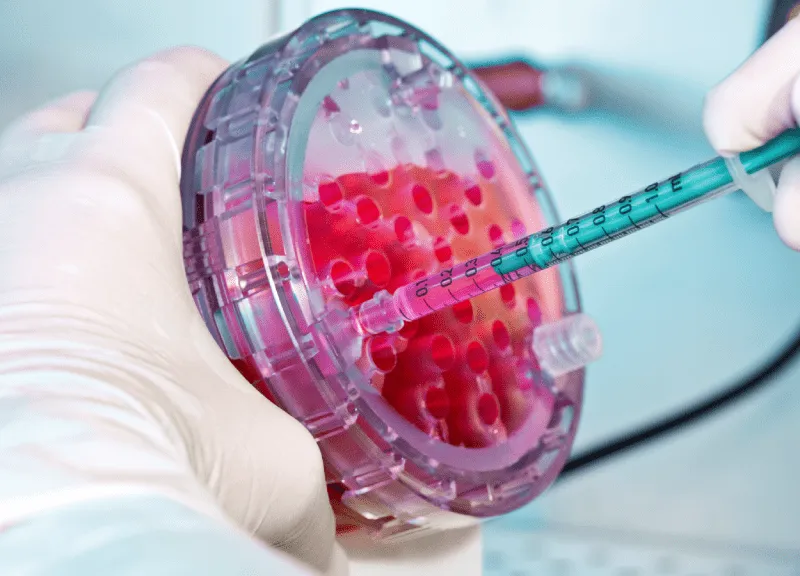
The chance of pregnancy with frozen embryo transfer (FET) is comparable to, and sometimes even higher than, fresh transfers. Success rates depend on the quality of the embryo at the time of freezing, the woman’s age, and the success of the uterine preparation. Especially for embryos frozen on Day 5 (Blastocyst), the successful thawing and implantation rates are quite high. Clinics report that with transfers involving high-quality frozen embryos, the chance of achieving a successful pregnancy in a single cycle can range between 40% and 60%.
Management of Surplus Embryos and Family Decisions
The management of surplus embryos obtained as a result of IVF treatment requires important ethical and emotional decisions. Couples must decide on the future of the embryos when the storage period expires (continuing storage, destruction, or donation/giving to science). Although legal regulations in Turkey restrict donation and giving to science options, it is important that couples are psychologically supported when making these decisions. IVF centers and counselors guide couples through this difficult decision-making process.
Psychological Counseling for Couples Before Treatment
The embryo freezing and IVF process can carry intense emotional stress and uncertainty for couples. Therefore, receiving psychological counseling before and during treatment is extremely important. Counseling helps couples manage their anxieties, adapt to the treatment process more healthily, and make more informed ethical decisions about the future of frozen embryos. Cure Holiday prioritizes the emotional well-being of its patients by including psychological support services in its treatment packages.
Use in Individuals at Risk of Premature Ovarian Failure
For young women at risk of Premature Ovarian Insufficiency (POI/POF), embryo freezing is the most important step to take in preserving their fertility. Women with a family history of early menopause or certain autoimmune diseases can have their eggs retrieved, fertilized with their partner’s sperm, and the embryos frozen before their ovarian reserve is depleted. This offers them the chance to have biological children in the future and eliminates time pressure. This protective method expands fertility options.
Technical Requirements for Embryo Freezing Before PGT
When Preimplantation Genetic Testing (PGT) or screening (PGS) is to be performed, freezing the embryos becomes technically mandatory. After the biopsy is taken, the embryo is frozen, and the genetic analysis results are awaited. Once the results arrive, the embryos determined to be genetically healthy are thawed and transferred. This process prevents the embryo from being kept in the laboratory for a long time, while ensuring that the healthiest embryo is selected before transfer, thus increasing the chance of a healthy pregnancy.
Embryo Freezing and Single Embryo Transfer (SET) Strategy
Embryo freezing forms the basis of the Single Embryo Transfer (SET) strategy, which minimizes the risk of multiple pregnancies. When high-quality embryos are frozen in IVF treatment, couples can opt for the transfer of a single embryo each time. This severely reduces the risk of twin or triplet pregnancies, which carry high risks for both the mother and the babies. Freezing the remaining embryos allows for a new attempt immediately in case of failure, maintaining the chance of pregnancy without compromising safety.
Role of Medical Advancements in Reproductive Health Treatments
Continuous medical advancements in embryo freezing have increased the overall success of IVF treatment. The development of the vitrification technique has made frozen embryo transfer a reliable method by increasing post-thaw survival rates. Furthermore, time-lapse imaging systems, which monitor embryo development in the laboratory, help in more accurately selecting the highest quality embryos to be frozen. These technological advancements are actively used in modern IVF centers in Turkey.
Why Has Turkey Become a Center for Reproductive Health Treatments?
Turkey has become a globally recognized center for reproductive health and IVF treatments. Behind this success are not only cost-effective treatments but also highly qualified doctors specialized in their fields and state-of-the-art laboratories. Thanks to its geographical location, providing easy access from Europe, Asia, and Africa, and government policies supporting health tourism, thousands of international patients choose Turkey every year. The quality of healthcare services is equivalent to Western standards.
Legal Framework of IVF and Embryo Freezing Treatment in Turkey
Reproductive health treatments in Turkey are strictly regulated by the Ministry of Health. Embryo freezing and storage processes are absolutely subject to the written consent of the couples within the legal framework. Legally, the donation of eggs, sperm, and embryos, as well as surrogacy, is strictly prohibited in Turkey. These strict legal and ethical boundaries provide a high level of security and confidentiality, as patients know that their embryos can only be used by themselves and for their personal purposes.
International Standards and Accreditations of Turkish IVF Centers
Leading IVF centers in Turkey hold internationally recognized standards and accreditations. Many hospitals are accredited by prestigious organizations such as JCI (Joint Commission International), indicating that the quality of service and patient safety are maintained at the highest level. Embryology laboratories use the latest technology and perform embryo freezing-thawing procedures with high success rates. These international standards ensure that foreign patients can receive treatment with confidence.
Global Comparison of Embryo Freezing Costs in Turkey
Turkey offers significantly lower costs for embryo freezing and general IVF treatments compared to America and Western European countries. This cost advantage stems from lower general living expenses and operating costs, and does not imply a compromise in service quality. An IVF cycle and embryo freezing procedure of the same quality can be performed in Turkey with prices that are up to 50% to 70% more affordable. This situation is a major attraction for international patients looking to reduce treatment costs.
Expertise of Turkish Reproductive Endocrinologists and Embryologists
Reproductive endocrinologists and embryologists in Turkey are experts who have received extensive training in their fields, published in international journals, and managed thousands of successful cases. Many have gained experience in reputable institutions abroad. They have a high level of expertise, especially in sensitive laboratory techniques such as embryo freezing and thawing. This accumulation of expertise and experience ensures that treatment processes are completed with high success rates, earning the trust of patients.
Advanced Technology Laboratories in Turkey
The embryology laboratories of Turkish IVF centers are equipped with the latest technologies necessary for embryo freezing. Vitrification equipment for rapid freezing of embryos, precise microscopes, and advanced incubators (including time-lapse systems like Embryoscope) are used as standard. Environmental factors such as air quality and temperature control in the laboratory environment are also continuously monitored to optimize embryo development. This technological infrastructure maximizes the survival rates of frozen embryos.

Accommodation and Logistics Facilities During the Treatment Process
Health tourism companies in Turkey plan the accommodation and logistics needs of international patients from start to finish. Comfortable hotel options, close to the hospital and suitable for the treatment process, are offered. All transportation services, including airport transfers and movement between the hospital and the hotel, are organized. This comprehensive logistical support reduces the stress of receiving treatment in a foreign country, allowing patients to focus solely on their medical procedures and rest, making the treatment process more peaceful.
Support Services for Foreign Patients in Turkish Hospitals
Hospitals in Turkey have established special units to meet the cultural and linguistic needs of international patients. These units ensure seamless communication between patients and their surgeons and medical team through multilingual patient coordinators and professional interpreters. Furthermore, food and accommodation services tailored to the cultural preferences and dietary requirements of foreign patients are offered, aiming for patients to feel as comfortable as they would in their own homes.
Ethical and Religious Acceptance of the Treatment Process in Turkey
Turkey adheres to strict ethical and legal rules in reproductive health treatments. The embryo freezing process, in particular, is carried out with respect for religious and ethical sensitivities. Allowing embryos to be stored and used only for their biological parents increases the ethical acceptability of the treatment. This situation makes patients with religious beliefs or ethical concerns feel more secure in Turkey, as it is guaranteed that the treatment is solely for the purpose of procreation.
Scientific Approach Behind High Success Rates
The high pregnancy success rates of IVF centers in Turkey are achieved through personalized treatment protocols and scientifically based approaches. Each patient is given a special treatment plan that considers their ovarian reserve, age, and medical history. Embryologists evaluate embryo quality at the highest level to determine the most appropriate time for freezing and transfer. Advanced genetic tests (PGT) and uterine preparation techniques also further increase success rates.
Combining Treatment with a Historical and Cultural Experience
Receiving treatment in Turkey is not just a health journey, but also an opportunity for historical and cultural exploration. The thousands of years of history in Istanbul, the Aegean atmosphere of Izmir, or the sunshine of Antalya offer a relaxing environment that supports the patients’ recovery processes. Patients can reduce the stress of the treatment process and turn the experience into an unforgettable memory by visiting historical sites or resting by the sea before or after their treatment, with their doctor’s permission.
Comfort and Privacy of the Hospital Environment in Turkey
Private hospitals in Turkey offer hotel-like comfort for international patients. Single rooms with private bathrooms, equipped with high technology and comfortable beds, maximize patient privacy and comfort. Privacy is of great importance in sensitive processes such as IVF and embryo freezing. Hospitals, considering this sensitivity, commit to protecting the confidentiality of all medical and personal information at the highest level. This comfortable and secure environment contributes to the psychological relaxation of patients.
What is Cure Holiday’s Expertise in Reproductive Health?
Cure Holiday is an organization with deep expertise in international health tourism, especially in the areas of IVF and fertility preservation (embryo freezing). The organization provides the advanced technology treatments patients need, collaborating with Turkey’s most successful and JCI-accredited centers in the field. Cure Holiday’s expertise is not limited to coordinating medical procedures; it also includes flawlessly planning the patient’s entire travel experience, including logistics, accommodation, and cultural integration.
Cure Holiday’s Role in the Embryo Freezing Process
Cure Holiday guides the patient from start to finish throughout the embryo freezing process. In the first stage, they review the patient’s medical reports to determine the most suitable IVF center and embryologist. They organize appointments and online consultations. From arrival in Turkey, they track hospital transfers, accommodation, and all appointments during the treatment process. Most importantly, Cure Holiday facilitates the process by providing all necessary translation and legal consultancy support to the patient on sensitive legal issues such as the freezing procedure and long-term storage contracts.
The Best IVF Centers Cure Holiday Collaborates With
Cure Holiday strategically collaborates with centers across Turkey that have high success rates in reproductive health, advanced technology embryology laboratories, and international accreditations. The collaborating centers have proven expertise in areas such as vitrification technique and PGT applications. This selective cooperation guarantees that patients receive the highest possible quality treatment and embryo freezing services. Patients can easily access Turkey’s best doctors through Cure Holiday.
Scope of Treatment Packages: The All-Inclusive Approach
Cure Holiday’s treatment packages are designed with an “all-inclusive” approach that covers all stages of the embryo freezing procedure. These packages generally include the IVF/freezing procedure, a portion of the medications, hospital and doctor fees, the first year’s storage cost, airport transfers, luxury hotel accommodation, and a personal interpreter service throughout the entire process. This comprehensive approach eliminates the need for patients to deal with logistical and cost calculations outside of their treatment.
Special Accommodation and VIP Transfers for Patient Comfort
Cure Holiday ensures that patients stay at the highest standards of comfort throughout their treatment process. The collaborated hotels are both luxurious and hygienic and are located close to the IVF centers. Airport meet-and-greet with private VIP transfer vehicles and all transportation between the hospital and the hotel are meticulously planned to minimize the patient’s treatment fatigue. This comfortable and stress-free logistics contributes to psychological relaxation, which supports treatment success.
Personal Escort and Interpreter Support During Treatment
Receiving medical treatment in a foreign country can be worrying, especially for sensitive topics like reproductive health. Cure Holiday assigns a personal escort and medical interpreter who speak the patient’s language and are by their side throughout the treatment. This support ensures that the patient communicates accurately and completely with their doctor and provides emotional and practical support at every step of the treatment process, helping the patient feel secure.
Financial Transparency and Absence of Hidden Costs with Cure Holiday
Cure Holiday adopts financial transparency as a core principle. The treatment packages and fees offered to patients are presented with a detailed breakdown, and the “all-inclusive” packages do not contain any surprises or hidden costs. The price quote clearly states what is included and what is external (such as long-term storage fees). This transparent pricing policy helps patients plan their budgets correctly and reinforces their trust in Cure Holiday.
Detailed Preparation and Planning Before Coming to Turkey
Cure Holiday manages the preparation process that starts months before the patients arrive in Turkey. A detailed roadmap is provided for pre-tests, medication protocols, and travel arrangements required before starting treatment. The patient can follow all the preparations they need to make in their home country step by step. This detailed pre-planning ensures that the treatment can begin immediately and under the most favorable conditions upon arrival in Turkey, preventing loss of time.

Remote Follow-up and Communication Channels After Surgery
Cure Holiday’s support continues even after the patient returns to their home country. Easily accessible communication channels (telehealth, e-mail) are offered for questions about pregnancy follow-up after embryo transfer, the storage status of frozen embryos, and general health status. The medical team at the center can provide remote support by coordinating with the patient’s own doctor. This uninterrupted follow-up ensures that patients feel secure even at home.
How Does Cure Holiday Reduce the Stress of the Treatment Journey?
IVF treatment stress must be reduced. Cure Holiday minimizes stress by taking the complexity of logistics, translation, and medical procedures off the patient’s shoulders. The fact that everything is planned and organized in advance reassures the patient’s mind. Furthermore, providing psychological counseling services upon request and adding cultural rest opportunities to the treatment process enhance the emotional well-being of patients, turning the treatment journey into a more peaceful experience.
Cultural Excursion and Rest Opportunities During the Treatment Process
Cure Holiday offers rest and cultural excursion opportunities to balance the intensity of medical procedures such as embryo freezing and transfer. Especially during the rest periods before and after the transfer, relaxing programs such as light activities, visits to historical sites, or spa services can be organized with the doctor’s permission. This ensures that patients do not spend their time in Turkey solely within hospital walls, thereby strengthening their overall mood and, consequently, their faith in the treatment.
Cure Holiday’s High Patient Satisfaction Standards
Cure Holiday aims to maintain the highest patient satisfaction standards in all its services. Providing fast, empathetic, and effective solutions to patients’ needs is a fundamental principle. Service quality is continuously improved through constant feedback mechanisms. This focus on high satisfaction ensures that patients see Cure Holiday not just as an intermediary but as a reliable partner throughout their entire treatment journey, guaranteeing a positive treatment experience in Turkey.
Why Should You Choose Cure Holiday for Embryo Freezing?
Embryo freezing is a critical decision that secures your future, and you deserve the highest quality in this process. Cure Holiday works with Turkey’s leading experts and laboratories, aiming for the highest embryo survival and pregnancy success rates. With financial transparency, luxurious comfort, and personalized 24/7 support, it eliminates all the stress of your treatment process. As you invest in your future, Cure Holiday offers you the safest, most comfortable, and most cost-effective journey.
Take the First Step with Cure Holiday and Achieve Your Dreams
Taking the first step for embryo freezing and your future pregnancy plans has never been easier. Cure Holiday’s expert consultants are ready to answer all your questions and create a personalized treatment plan for you. By easily contacting them through their website or calling, you can immediately start your access to high-quality and affordable reproductive health services in Turkey. Do not postpone your dreams, contact Cure Holiday today.
Free Consultation
Fill out the form below to get your free medical travel plan and price quote.