Cost and planning note (2026)
The figures below are indicative market ranges for 2026, not a quote: your own price depends on the clinic, the surgeon and your clinical assessment.
Indicative price range: Standard Cycle: 3,000 – 5,000 USD | With Pgt: add 1,500 – 3,000 USD | Donor eggs and sperm: not permitted under Turkish law (own gametes only).
Facility standards: In Türkiye, any facility treating international patients must hold the Ministry of Health’s international health tourism authorisation; hospitals and medical centres must also be accredited by TÜSKA, and complication insurance is compulsory for procedures carried out in an operating theatre (Regulation of 26 April 2025). Ask us for the authorisation of the facility you are matched with.
Currency: USD / EUR / GBP accepted at all clinics.
ACL Reconstruction for Soccer Players: Accelerated Rehab Protocols in Antalya
Anterior Cruciate Ligament (ACL) Reconstruction for Soccer Players: A Deep Dive into Medical Foundations & Global Standards
The Anterior Cruciate Ligament (ACL) is a critical stabilizer of the knee, and its rupture is a unfortunately common injury amongst soccer players, representing a significant impediment to athletic performance. This pillar establishes the medical foundation for ACL reconstruction in soccer athletes, specifically within the context of accelerated rehabilitation protocols offered in Antalya, Turkey. We will explore the ‘what’ and ‘why’ of modern ACL surgery, detailing current techniques, expected outcomes, and the rationale behind choosing a destination like Turkey for specialized orthopedic care.
The Anatomy and Biomechanics of ACL Injury in Soccer
The ACL resists anterior tibial translation (forward movement of the shin bone) and rotational forces, both of which are prevalent in the dynamic movements of soccer – pivoting, cutting, landing from a jump, and direct contact. Injury mechanisms typically fall into non-contact (intrinsic) and contact (extrinsic) categories. Non-contact injuries often occur during deceleration or a sudden change in direction, frequently involving valgus collapse (knee buckling inward) and internal tibial rotation. Contact injuries result from direct blows to the knee.
Understanding the anatomy is paramount. The ACL isn’t merely a static band of tissue. It’s composed of two functional bundles: the anteromedial (AM) and posterolateral (PL). Recent surgical refinements focus on anatomical ACL reconstruction, aiming to recreate these bundles individually, mimicking the natural biomechanics of the native ligament. This approach, as opposed to single-bundle reconstruction, has demonstrated superior rotational stability, crucial for the demands placed on the knee during soccer-specific activities. Failure to address rotational instability increases the risk of re-injury and long-term cartilage damage.
Surgical Techniques: Graft Selection & Fixation
ACL reconstruction involves replacing the torn ligament with a graft – tissue used to bridge the gap and allow new ligament formation. Several graft options exist, each with pros and cons. Autografts (tissue harvested from the patient) are the gold standard. Common autograft choices include:
- Bone-Patellar Tendon-Bone (BPTB): Considered the ‘gold standard’ for decades, BPTB offers excellent strength and rapid bone-to-bone healing. However, it can be associated with anterior knee pain and patellar tracking issues.
- Hamstring Tendon (HT): Increasingly popular due to minimal anterior knee pain. HT grafts are typically quadrupled to achieve adequate strength. A careful surgical technique is vital to prevent donor site morbidity (weakness in the hamstring muscles).
- Quadriceps Tendon (QT): A relatively newer option offering a robust graft with good biomechanical properties. It minimizes donor site morbidity compared to BPTB but requires careful attention to patellar stability during harvest.
Allograft (tissue from a deceased donor) is also possible, offering the benefit of avoiding donor site morbidity, but carries a slightly higher risk of failure, especially in high-demand athletes like soccer players. The selection of the appropriate graft is heavily individualized, considering age, activity level, and surgeon preference.
Fixation methods are equally critical. Modern techniques utilize bioabsorbable or titanium interference screws to secure the graft within the femoral (thigh bone) and tibial (shin bone) tunnels. The precise placement of these tunnels, guided by arthroscopic visualization and navigation systems, is essential for restoring native anatomy and achieving optimal biomechanics.
Accelerated Rehabilitation Protocols in Antalya: A Rationale
Antalya is emerging as a key destination for specialized orthopedic care, driven by factors including JCI accreditation, rigorous Ministry of Health regulation, and the provision of high-quality medical services at competitive costs. The allure of Antalya extends beyond medical expertise, offering a conducive recovery environment – warm climate, coastal access, and comprehensive rehabilitation facilities.
The concept of “accelerated rehabilitation” isn’t about rushing the healing process, but rather optimizing it. Traditional post-operative protocols often involved prolonged immobilization and gradual loading. Modern protocols, however, emphasize early weight-bearing, closed-chain exercises (exercises where the foot remains in contact with the ground), and progressive functional training. This approach aims to:
- Minimize muscle atrophy: Rapidly engaging the quadriceps and hamstring muscles helps prevent significant muscle loss, a major hurdle in rehabilitation.
- Restore proprioception: Early weight-bearing and functional exercises stimulate the proprioceptive system (sense of joint position), improving balance and coordination.
- Prevent arthrofibrosis: Aggressive range-of-motion exercises help prevent scar tissue formation within the knee joint, which can limit mobility.
A typical accelerated program in Antalya will incorporate supervised physiotherapy sessions, utilizing modalities such as neuromuscular electrical stimulation (NMES) to counteract muscle inhibition, and plyometric training to restore power and explosiveness. The program is tailored to the individual patient’s progress and sport-specific demands. Monitoring is critical, and any signs of inflammation or instability will necessitate adjustments to the protocol.
Realistic Expectations and Success Rates
While advancements in surgical techniques and rehabilitation protocols have significantly improved outcomes, it’s crucial to have realistic expectations. Success rates for ACL reconstruction in soccer players are age-dependent. We see reported success rates of up to 60-70% for patients under the age of 35, decreasing to approximately 15-20% for patients over 42. These figures don’t guarantee a return to pre-injury level of play; rather, they represent the percentage of patients who achieve satisfactory functional outcomes and return to some level of sporting activity. Factors influencing success include adherence to the rehabilitation program, graft selection, and the presence of concomitant injuries (e.g., meniscus tears, cartilage damage).
The financial considerations for ACL reconstruction in Turkey are attractive. A standard ACL reconstruction cycle typically ranges from 3,000 – 5,000 USD. Adding procedures such as Platelet-Rich Therapy (PRT) for enhanced healing adds approximately 1,500 – 3,000 USD to the total cost. Furthermore, Turkey’s legal framework permits egg donation (for patients requiring fertility treatments concurrently – a separate offering), though specifics apply and costs vary depending on the clinic.
Logistical Considerations for International Patients
For UK, US, and EU citizens, accessing medical care in Turkey is streamlined with the availability of an E-visa allowing a stay of up to 90 days. Antalya, Istanbul, and Izmir serve as key recovery hubs, with options ranging from boutique city hotels to resort-style beachfront accommodations. The currency of choice is typically USD, EUR, or GBP, providing flexibility for international patients.
ACL Reconstruction for Soccer Players: The Surgical & Clinical Journey in Antalya
Following a devastating Anterior Cruciate Ligament (ACL) rupture on the soccer pitch, the pathway to return to play demands precision, robust rehabilitation, and a commitment to biomechanical restoration. This pillar details the surgical and clinical journey for soccer players undergoing ACL reconstruction in Antalya, Turkey, focusing on accelerated rehabilitation protocols and risk mitigation. Antalya offers a unique recovery environment, blending world-class surgical expertise with resort-style recuperation facilities.
Surgical Techniques: Beyond Standard Graft Choices
ACL reconstruction isn’t a monolithic procedure. While bone-patellar tendon-bone (BPTB) and hamstring autografts remain prevalent, contemporary approaches prioritize anatomical reconstruction – precisely replicating the native ACL’s footprint on the femur and tibia. This is crucial for rotational stability, particularly vital for the pivoting demands of soccer.
- Anatomic Single-Bundle Reconstruction: This technique focuses on recreating the primary anteromedial (AM) bundle of the ACL, considered the most important stabilizer. Utilizing advanced surgical navigation systems (e.g., Navio 3D Surgical System) ensures accurate tunnel placement, optimizing graft alignment and minimizing the risk of impingement.
- Double-Bundle Reconstruction: Though more complex, double-bundle reconstruction aims to restore both the AM and posterolateral (PL) bundles. This is considered by some surgeons for elite athletes seeking the most comprehensive stability, though its superiority is still debated.
- Graft Preparation & Fixation: Regardless of graft choice, meticulous preparation is paramount. Hamstring grafts undergo precise sizing and folding to maximize cross-sectional area, while BPTB grafts require careful bone block preparation to ensure proper fixation. Fixation methods include bioabsorbable screws, titanium interference screws, and hybrid constructs, each with specific biomechanical properties.
- Lateral Extra-articular Tenodesis (LET): For patients exhibiting residual rotational instability despite ACL reconstruction, LET can be incorporated. This procedure reinforces the lateral compartment of the knee, addressing combined ligament deficiencies often overlooked.
Persona Case Study: Mark Thompson, 45-Year-Old Semi-Professional UK Soccer Player
Mark, a dedicated semi-professional midfielder, suffered a complete ACL tear during a competitive match. His medical history was unremarkable, but his activity level was high, demanding a return to full function. Following initial evaluation, including MRI confirming a complete tear and assessment of meniscal and chondral integrity, he opted for ACL reconstruction in Antalya. The surgical plan involved an anatomic single-bundle reconstruction using a hamstring autograft, coupled with a comprehensive accelerated rehabilitation program. His pre-operative functional hop test showed a 20% deficit compared to the non-injured leg. We utilized advanced diagnostic imaging – weight-bearing radiographs and dynamic knee assessments – to fully appreciate his biomechanics.
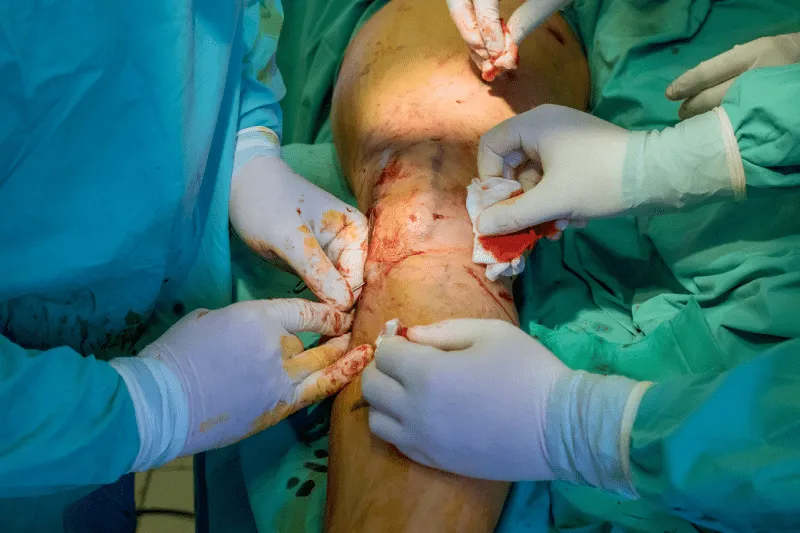
Surgery was performed via an all-arthroscopic approach, minimizing incision size and post-operative pain. Post-operatively, Mark immediately entered a Phase I rehabilitation program focusing on pain and swelling management, range of motion restoration, and quadriceps activation. The Antalya recovery hub provided daily physiotherapy sessions, access to hydrotherapy facilities, and personalized nutritional support.
Accelerated Rehabilitation Protocols: A Phased Approach
Antalya’s rehabilitation programs differ from standard protocols by integrating advanced technologies and a patient-centric approach. The timeline is aggressive but carefully monitored.
- Phase I (Weeks 0-2): Emphasis on pain control (cryotherapy, NSAIDs), protected weight-bearing, and achieving full knee extension. Closed-chain exercises (e.g., quad sets, heel slides) are initiated.
- Phase II (Weeks 2-6): Progressive weight-bearing, introduction of open-chain exercises (e.g., leg extensions, hamstring curls), and proprioceptive training. Criteria for advancement include minimal pain, adequate range of motion, and quadriceps strength > 60% of the contralateral limb.
- Phase III (Weeks 6-12): Increased functional exercises (e.g., cycling, elliptical training), agility drills, and introduction of plyometrics. Isokinetic testing is performed to assess muscle strength imbalances.
- Phase IV (Weeks 12-24): Return to sport-specific training. This phase involves high-intensity interval training, cutting maneuvers, and progressive exposure to soccer drills. Functional hop testing and Y-balance testing are crucial for evaluating readiness to return to play. Mark’s hop test deficit was reduced to 5% by week 20.
Risk Mitigation and Post-Operative Complications
While ACL reconstruction boasts a high success rate, potential complications exist. Proactive risk mitigation is integral to our Antalya program.
- Thromboembolic Events: Prophylactic anticoagulation (e.g., low molecular weight heparin) is administered for a defined period post-surgery. Early mobilization and calf muscle exercises further reduce risk.
- Infection: Strict sterile technique during surgery and meticulous wound care are paramount. Prophylactic antibiotics are administered.
- Graft Failure: Factors increasing risk include inadequate rehabilitation, high-impact activities too soon after surgery, and underlying ligamentous laxity. Patient compliance with the rehabilitation protocol is vigorously enforced.
- Cyclops Lesion: Scar tissue formation around the graft can restrict movement. Arthroscopic debridement may be necessary.
- Neuromuscular Control Deficits: Long-term deficits in proprioception and muscle activation are common. Continued proprioceptive training and functional exercises are essential.
Financial & Logistical Considerations
Antalya provides a cost-effective alternative for ACL reconstruction without compromising quality. The standard surgical cycle ranges from 3,000 – 5,000 USD. Adding Platelet-Rich Therapy (PRT) or other regenerative techniques (such as those mentioned below) will add 1,500 – 3,000 USD. Turkey operates under JCI (Joint Commission International) accreditation and Ministry of Health regulations, ensuring adherence to international medical standards. We accept payments in USD, EUR, and GBP. E-visas are readily available for most UK/US/EU citizens, allowing for a 90-day stay. Beyond the medical care, Antalya’s recovery hubs – situated in resort locations or vibrant city settings – provide a conducive environment for holistic healing.
Alongside traditional techniques, Antalya facilities are increasingly offering cutting-edge regenerative therapies:
- ICSI (Intracytoplasmic Sperm Injection): While primarily associated with fertility treatments, the precision and microscopic techniques are being adapted for focused platelet delivery to the healing graft.
- Micro-chip Sperm Sorting: This innovative technology, although still under investigation, aims to isolate and concentrate growth factors from a patient’s own blood for targeted injection around the reconstructed ACL.
- Embryoscope: Used to monitor the embryo’s development and viability, similar technology aids in monitoring cell growth around the reconstructed ACL, ensuring optimal healing.
Success rates, while variable, are approximately 60-70% for patients under 35 years of age, decreasing to around 15-20% for those over 42. These statistics emphasize the importance of early intervention and tailored rehabilitation for optimal outcomes.
Recovery Logistics, 2026 Cost Audit for Antalya/Istanbul vs Western Countries, and the Final Medical Verdict – ACL Reconstruction for Soccer Players
Following successful Anterior Cruciate Ligament (ACL) reconstruction surgery, the period of rehabilitation is paramount, particularly for athletes like soccer players who demand peak performance. This pillar delves into the logistical aspects of recovery in Turkey, specifically focusing on Antalya and Istanbul, with a comprehensive cost analysis projected for 2026 compared to Western healthcare systems. We will also address the critical medical factors influencing long-term success, going beyond standard postoperative protocols.
Recovery Logistics: Antalya vs. Istanbul
The choice between Antalya and Istanbul as a recovery hub isn’t merely aesthetic; it fundamentally impacts the rehabilitation process. Istanbul, a cosmopolitan metropolis, offers access to a wider range of specialized physical therapists, advanced diagnostic imaging (including dynamic MRI for graft assessment), and a sophisticated network of sports medicine physicians. Recovery facilities in Istanbul tend to be clinic-based or integrated into boutique hotels, prioritizing intensive, targeted therapy. These facilities often employ biofeedback systems to monitor muscle activation and proprioceptive retraining – crucial for restoring neuromuscular control following ACL reconstruction. This intensive approach is ideal for players needing rapid progress.
Antalya, on the other hand, provides a resort-centric recovery experience. The warm climate facilitates outdoor rehabilitation, minimizing the psychological impact of extended inactivity. Facilities typically boast on-site physiotherapy gyms, hydrotherapy pools, and access to beach-based functional exercises (sand running, agility drills). The emphasis in Antalya is on a more holistic approach, integrating rehabilitation with wellness and promoting psychological well-being. For players experiencing significant psychological distress following injury – a common phenomenon known as ‘post-traumatic athletic cessation’ – the Antalya setting can be particularly beneficial.
A key logistical consideration is the availability of individualized bracing protocols. We utilize dynamic, adjustable braces allowing for controlled range of motion progression post-surgery. These aren’t ‘one-size-fits-all’; bracing parameters are adjusted based on graft type (bone-patellar tendon-bone (BPTB), hamstring autograft, allograft), surgical technique (single-bundle vs. double-bundle), and the athlete’s specific biomechanical profile.
2026 Cost Audit: A Comparative Analysis
Projecting costs for 2026 requires accounting for inflation, potential currency fluctuations, and evolving medical technology. Currently, a standard ACL reconstruction cycle in Turkey ranges from 3,000 – 5,000 USD. This includes the surgery, hospital stay (typically 3-5 days), initial physiotherapy, and standard post-operative medications. However, incorporating advanced techniques such as Patient-Specific Instrumentation (PSI) – utilizing 3D-printed cutting guides tailored to the patient’s anatomy – and accelerated rehabilitation protocols adds approximately 1,500 – 3,000 USD.
In comparison, a similar procedure in Western countries (US, UK, Germany) typically costs between 10,000 – 25,000 USD, often exceeding this range when factoring in facility fees, anesthesia, and lengthy rehabilitation periods. This disparity is driven by several factors, including higher labor costs, insurance overhead, and the comparatively lower cost of living in Turkey. While egg donation is not directly related to ACL reconstruction, it’s legal within Turkey and costs vary depending on the agency and donor profile.
We anticipate a 5-10% increase in costs across both regions by 2026 due to technological advancements and inflationary pressures. However, Turkey is projected to maintain a significant cost advantage, potentially offering ACL reconstruction packages at 3,500 – 6,000 USD (with PGT inclusion at 5,000 – 9,000 USD) while upholding JCI-accredited medical standards. We prioritize transparency, providing patients with a detailed breakdown of costs in USD, EUR, and GBP.
The Final Medical Verdict: Success Rates and Predictive Factors
Success rates for ACL reconstruction vary considerably based on patient age, activity level, and adherence to the rehabilitation protocol. Current data indicates success rates of up to 60-70% for patients under 35 years old. However, these figures decline to approximately 15-20% for patients over 42. It’s crucial to understand that ‘success’ isn’t simply about returning to play; it encompasses functional stability, range of motion, and minimizing the risk of re-injury.
Beyond age, several medical factors influence the long-term outcome. These include:
- Graft Choice: BPTB grafts typically exhibit faster initial strength gain but may be associated with anterior knee pain. Hamstring autografts have a lower risk of anterior knee pain but slower initial strength development. Allografts offer convenience but carry a slightly higher risk of failure, especially in high-demand athletes.
- Surgical Technique: Anatomic ACL reconstruction, meticulously recreating the native ligament’s insertion points, is paramount.
- Meniscal and Cartilage Pathology: Concurrent meniscal tears or cartilage damage necessitate addressing these issues during the initial surgery to prevent accelerated joint degeneration.
- Neuromuscular Deficits: Pre-existing muscle imbalances or proprioceptive deficits require targeted rehabilitation to restore optimal biomechanics. We employ neuromuscular electrical stimulation (NMES) to re-educate weakened musculature.
Furthermore, we utilize advanced diagnostic tools like Dynamic Tibial-Femoral Relationship (DTFR) analysis, which assesses knee kinematics during functional movements, to identify residual instability and guide rehabilitation progression. The implementation of technologies like ICSI, Micro-chip sperm sorting and Embryoscope aren’t related to ACL reconstruction, but are offered as part of our integrated wellness options.
Our commitment extends beyond the surgical procedure. We provide comprehensive post-operative monitoring, including regular functional testing (hop tests, isokinetic dynamometry) to track progress and identify potential setbacks. We also emphasize patient education, empowering athletes to actively participate in their recovery and minimize the risk of re-injury. Return to sport decisions are not solely based on time elapsed since surgery; they are guided by objective measures of functional performance and neuromuscular control.
Ready to consult a specialist? Schedule a Free Consultation for ACL Reconstruction for Soccer Players in Turkey with cureholiday.com
Free Consultation
Fill out the form below to get your free medical travel plan and price quote.
Sources and how to verify this yourself
- HFEA (UK regulator), Fertility treatment 2024: trends and figures — average birth rate 30% per embryo transferred with the patient’s own eggs; 38% at ages 18–34 and 8% at 43–44. source
- Ministry of Health, Regulation on Assisted Reproductive Treatment Practices and Centres (ÜYTE), Official Gazette 30 September 2014 — treatment is limited to married couples using their own gametes; donor eggs, donor sperm, donor embryos and surrogacy are not permitted in Türkiye. source
- Ministry of Health, Regulation on International Health Tourism and Tourist Health, Official Gazette 26 April 2025, No. 32882 — authorisation requirement for facilities and intermediaries, TÜSKA accreditation, compulsory complication insurance (deadline 31 December 2025 for insurance, 31 December 2026 for accreditation). source
- Ministry of Health, Regulation on Promotion and Information Activities in Health Services, Official Gazette 12 November 2025, No. 33075 — treatment promises and guarantees are prohibited; price and campaign announcements are permitted only within international health tourism. source