About the prices on this page. The figures below are indicative market prices and country comparisons, not a quote. Our own current, all-inclusive prices are published on our medical travel in Turkey page, and we confirm your figure in writing before you commit to anything.
Cost and planning note (2026)
The figures below are indicative market ranges for 2026, not a quote: your own price depends on the clinic, the surgeon and your clinical assessment.
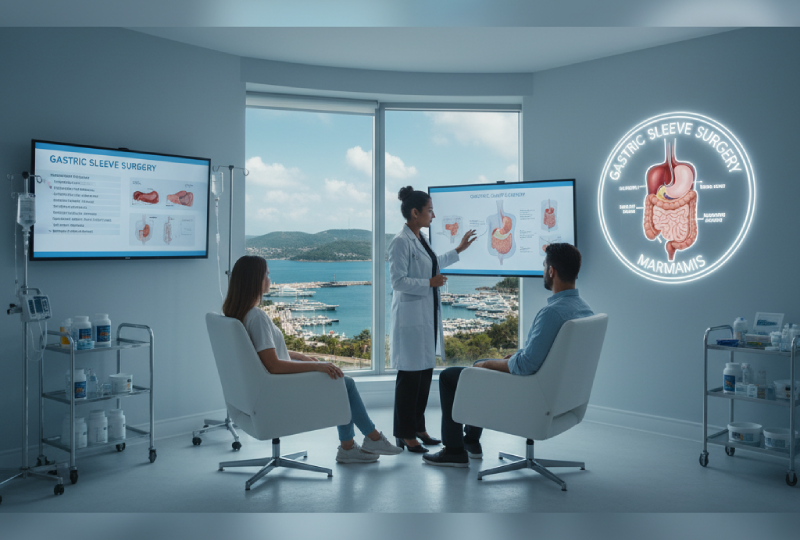
Indicative price range: Gastric Sleeve: 3,500 – 5,500 USD | Gastric Bypass: 4,500 – 7,500 USD | Gastric Balloon: 2,000 – 3,000 USD
Facility standards: In Türkiye, any facility treating international patients must hold the Ministry of Health’s international health tourism authorisation; hospitals and medical centres must also be accredited by TÜSKA, and complication insurance is compulsory for procedures carried out in an operating theatre (Regulation of 26 April 2025). Ask us for the authorisation of the facility you are matched with.
Currency: USD / EUR / GBP accepted at all clinics.
Arm Lift (Brachioplasty) for Massive Weight Loss Patients: Achieving a Toned Look
Brachioplasty Following Massive Weight Loss: A Deep Dive into Anatomy, Indications, and Procedural Nuances
Following substantial weight loss achieved through bariatric surgery or dedicated lifestyle modifications, individuals often experience significant improvements in overall health. However, this positive transformation frequently reveals excess skin and subcutaneous fat in the upper arm – a condition known as platysma and brachioradialis redundancy. Brachioplasty, commonly referred to as an arm lift, addresses this issue, restoring a more toned and aesthetically pleasing contour. This pillar will delve into the medical foundation of brachioplasty specifically for patients who have undergone massive weight loss (MWL), exploring the anatomical considerations, precise surgical techniques, and globally recognized standards relevant to this procedure.
Anatomical Considerations in the Post-MWL Arm
The upper arm’s anatomy is crucial to understanding brachioplasty outcomes. The brachium contains several key muscle groups: the biceps brachii (flexor), triceps brachii (extensor), brachialis (flexor, deeper muscle), and the brachioradialis (primarily a forearm muscle but contributes to arm contour). Massive weight loss often leads to significant loss of subcutaneous tissue, but the underlying muscular structure remains unchanged. This discrepancy results in ptosis (sagging) and redundant skin, creating a “winged” appearance.
Furthermore, the neurovascular bundle – comprising the brachial artery, median, radial, and ulnar nerves – courses down the arm, supplying vital structures. Dissection during brachioplasty *must* meticulously respect this bundle to avoid iatrogenic injury, potentially leading to sensory deficits or even vascular compromise. The lymphatic drainage of the arm, particularly the axillary lymph nodes, also needs careful consideration; disruption can contribute to seroma formation and lymphedema, though these are relatively uncommon with modern techniques.
Indications and Patient Selection
Brachioplasty is not simply an aesthetic procedure for MWL patients; it often addresses functional limitations. Excess skin can impede activity, cause skin irritation in the axilla and medial arm, and limit range of motion. The generally accepted American Society of Plastic Surgeons guidelines, and echoed by international standards, dictate that candidates typically have:
- A stable weight for at least six months following MWL. Fluctuations can compromise results.
- Significant skin redundancy extending from the elbow to the armpit.
- Realistic expectations regarding the achievable outcome. Brachioplasty aims for improvement, not perfection.
- A Body Mass Index (BMI) generally above 35 or above 30 with significant co-morbidities related to obesity. This reflects the typical profile of patients undergoing bariatric procedures leading to MWL.
It’s essential to differentiate between localized skin excess and generalized skin laxity. Generalized laxity may require addressing larger body contouring concerns before considering isolated brachioplasty. Pre-operative assessment should include a thorough medical history, physical examination, and photography to document the degree of skin redundancy and evaluate skin quality (elasticity, thickness).
Surgical Techniques: Variations on a Theme
Several brachioplasty techniques exist, each with its advantages and disadvantages. The classic approach involves an incision extending from the axilla to the elbow. This allows for maximal skin removal and repositioning. However, it often leaves a visible scar. Modified techniques aim to minimize scarring:
- Standard Brachioplasty: As described above, suitable for significant skin excess.
- Extended Brachioplasty: Incorporates an incision extending further towards the chest wall, addressing skin redundancy in the adjacent area.
- Limited Brachioplasty (Short Scar Arm Lift): A shorter incision, typically limited to the axilla. Effective for mild to moderate skin excess but may not achieve the same degree of correction as the standard approach.
- Circular Brachioplasty: An incision around the entire upper arm, allowing for significant skin excision and repositioning. This is reserved for extreme cases and carries a higher risk of complications.
Regardless of the technique, the underlying principle involves excising excess skin and fat, tightening the underlying tissues (fascia), and re-draping the skin to create a smoother contour. Liposuction is often used adjunctively to refine the shape and remove localized fat deposits. Skin grafting may be necessary in cases of extreme skin excision, though this is relatively uncommon with careful surgical planning.
Global Standards and Considerations for International Patients
For patients considering medical tourism, particularly to destinations like Turkey, adhering to internationally recognized standards is paramount.
- Accreditation: Selecting a facility accredited by organizations like the JCI (Joint Commission International) ensures adherence to rigorous quality and safety standards. The Ministry of Health regulation in Turkey provides further oversight.
- Surgeon Qualifications: The surgeon should be a board-certified plastic surgeon with extensive experience in body contouring procedures, particularly brachioplasty in post-MWL patients.
- Anesthesia & Post-operative Care: A qualified anesthesiologist should administer anesthesia, and comprehensive post-operative care, including compression garments and wound monitoring, is crucial.
Common costs for bariatric procedures often precede the arm lift. These can range from 3,500 – 5,500 USD for gastric sleeve, 4,500 – 7,500 USD for gastric bypass, and 2,000 – 3,000 USD for a gastric balloon. Brachioplasty costs themselves will vary depending on the surgeon, facility, and technique used, but typically fall within the 2,500 – 6,000 USD range internationally.
For UK, US, and EU citizens, Turkey offers a convenient travel option with readily available e-visas allowing for a 90-day stay. Popular recovery hubs include Istanbul (offering city and boutique hotel options), Antalya (providing a resort/beach setting), and Izmir (known for its Aegean coastline and thermal spas). Currency exchange considerations include accepting USD, EUR, and GBP at most reputable facilities.
Post-operative care is vital. Compression garments are worn for several weeks to minimize swelling and help the skin conform to the new contours. Scar management techniques, including silicone sheeting or massage, can improve the appearance of the scar over time. Patients should be counseled about potential complications, such as infection, hematoma, seroma, and nerve injury, and instructed to report any concerning symptoms promptly.
Brachioplasty for Post-Massive Weight Loss: A Surgical Deep Dive
Following substantial weight loss achieved through bariatric procedures – gastric sleeve (3,500 – 5,500 USD), gastric bypass (4,500 – 7,500 USD), or even gastric balloon (2,000 – 3,000 USD) – many patients experience significant skin laxity in the upper arms. This excess skin, often unresponsive to exercise, not only affects aesthetics but can also lead to functional issues like intertrigo (skin chafing) and discomfort. Brachioplasty, or arm lift surgery, is a surgical solution designed to address this, restoring a more toned and defined arm contour. Patients typically qualify if they meet the general standards for bariatric surgery – a BMI over 35 or a BMI over 30 with significant co-morbidities.
Surgical Technique: A Step-by-Step Approach
The brachioplasty procedure is highly customizable, dictated by the amount of excess skin and fat, as well as the patient’s desired outcome. Several techniques exist, each with specific indications:
- Standard Brachioplasty: This involves an incision extending from the axilla (armpit) to the elbow. The underlying tissues are then sculpted, removing excess fat via liposuction – often utilizing VASER (Vibration Amplification of Sound Energy at Resonance) for precise fat removal and tissue tightening – and excising redundant skin. The remaining skin is redraped and secured with sutures.
- Extended Brachioplasty: Indicated for patients with significant skin laxity extending towards the chest wall. The incision is lengthened, continuing around the armpit to address the upper chest area. This provides a more comprehensive lift and improves contouring.
- Minimal Incision Brachioplasty: Employing a shorter incision, usually limited to the axilla, this technique relies heavily on internal reshaping and tightening of tissues. It’s suitable for patients with moderate skin excess and good skin elasticity. Radiofrequency (RF) assisted skin tightening may be incorporated to enhance results.
- Circumferential Brachioplasty: This approach combines elements of standard and extended techniques, addressing skin laxity around the entire upper arm.
Regardless of the chosen technique, key surgical steps remain consistent:
- Marking and Anesthesia: The patient is positioned prone (face down) or semi-reclined. The surgeon meticulously marks the incision lines, accounting for natural skin creases and patient anatomy. Anesthesia is typically general anesthesia, ensuring patient comfort and muscle relaxation.
- Incision and Skin Flap Elevation: The incisions are made with a scalpel. A subcutaneous flap of skin and fat is elevated, exposing the underlying musculature – the biceps and triceps.
- Liposuction and Tissue Reshaping: Liposuction is performed to remove localized fat deposits, creating a smoother contour. The underlying muscle fascia (connective tissue) may be plicated (sutured) to further tighten the arm.
- Skin Excision and Closure: Excess skin is carefully excised. The remaining skin flaps are redraped and secured with layered sutures, often using absorbable sutures in the deeper layers and non-absorbable sutures for skin closure.
- Dressing and Compression: A compression garment is applied immediately post-operatively to minimize swelling, support the tissues, and aid in skin retraction. Sterile dressings are applied to protect the incisions.
Persona Case Study: Eleanor, 45, from the UK
Eleanor, a 45-year-old marketing executive from the UK, underwent gastric bypass surgery two years ago, achieving a significant weight loss of 75kg. While thrilled with her improved health, she was increasingly self-conscious about the excess skin on her upper arms. This impacted her clothing choices and participation in activities like swimming. Her BMI post-surgery was 28, qualifying her for body contouring procedures.
Following a virtual consultation and in-person assessment at our Istanbul clinic (a leading recovery hub), Eleanor was deemed an excellent candidate for a standard brachioplasty. Pre-operative blood tests and an ECG were performed to ensure her suitability for anesthesia. During the surgical planning phase, 3D imaging was used to simulate the expected outcome, helping Eleanor visualize the potential results and address her expectations. The procedure, performed under general anesthesia, lasted approximately 3.5 hours. Post-operatively, she stayed in our boutique recovery center in Istanbul for 7 days, receiving wound care, pain management, and lymphatic drainage massage to minimize swelling.
Eleanor reported minimal pain, managed effectively with prescribed analgesics. She diligently wore her compression garment for 6 weeks and followed the post-operative rehabilitation protocol, focusing on gentle range-of-motion exercises. At her 3-month follow-up, Eleanor expressed immense satisfaction with the results, noting a significant improvement in her arm contour and a renewed confidence in her appearance.
Risk Mitigation and Complication Management
As with any surgical procedure, brachioplasty carries inherent risks. Proactive mitigation strategies are crucial. These include:
- Thorough Pre-operative Assessment: Detailed medical history, physical examination, and appropriate laboratory investigations are essential to identify and address any pre-existing medical conditions. Patients with a history of smoking are strongly advised to cease smoking several weeks prior to surgery to optimize wound healing.
- Venous Thromboembolism (VTE) Prophylaxis: Patients undergoing prolonged surgery, like brachioplasty, are at risk of developing blood clots. Prophylactic measures, such as sequential compression devices (SCDs) and/or pharmacological prophylaxis (low molecular weight heparin), are implemented.
- Seroma Management: Seroma (fluid accumulation under the skin) is a common post-operative complication. Prophylactic drainage with small-bore suction drains may be utilized. Should a seroma develop, aspiration with a needle and syringe is performed.
- Wound Healing Complications: Meticulous surgical technique, proper wound care, and adherence to post-operative instructions are crucial to minimize the risk of infection or wound dehiscence (separation of wound edges). Patients with diabetes or impaired immune function require particularly close monitoring.
- Nerve Injury: The brachial plexus (network of nerves supplying the arm) lies in close proximity to the surgical site. Careful anatomical dissection and nerve monitoring techniques (when indicated) are employed to minimize the risk of nerve injury, which can result in temporary or permanent numbness or weakness.
- Skin Necrosis: In rare cases, skin flaps may experience inadequate blood supply, leading to necrosis (tissue death). This risk is higher in smokers and patients with vascular disease. Intraoperative monitoring of tissue perfusion and meticulous surgical technique are critical.
We adhere to stringent medical standards, including JCI (Joint Commission International) accreditation and regulation by the Turkish Ministry of Health. Patients traveling from the UK, US, or EU benefit from readily available e-visas allowing for a 90-day stay, and can choose from our recovery hubs in Istanbul, Antalya or Izmir, offering varying levels of luxury and amenities.
Arm Lift (Brachioplasty) for Massive Weight Loss Patients: Recovery Logistics, Cost Audit & Medical Verdict
Following significant weight loss achieved through bariatric surgery or dedicated lifestyle interventions, many patients experience residual skin laxity in the upper arms. This excess skin, medically termed pseudopectoral excess, can lead to both functional limitations – hindering activity and causing skin irritation – and psychosocial distress. Brachioplasty, or arm lift surgery, addresses this concern by removing excess skin and fat, reshaping the remaining tissue to create a more toned and proportional upper arm contour. This pillar focuses on the crucial recovery logistics, a detailed cost comparison between Turkey (Antalya & Istanbul) and Western countries, and the final medical verdict regarding suitability and potential complications, specifically catering to the post-massive weight loss patient.
Post-Operative Recovery: A Phased Approach
Recovery from brachioplasty isn’t merely a period of rest; it’s a meticulously phased process. Immediately post-operatively, patients will experience significant swelling, bruising, and discomfort managed with prescribed analgesics, typically a multimodal approach incorporating opioid and non-opioid medications. Compression garments – essential for minimizing edema and shaping the healing tissue – are applied immediately and worn continuously for 6-8 weeks, then nightly for a further 4-6 weeks. The initial phase (days 1-7) focuses on wound care, drain management (if applicable – modern techniques increasingly favor drainless approaches to reduce infection risk), and gentle range-of-motion exercises guided by a physiotherapist.
Phase two (weeks 2-6) prioritizes scar management. Silicone sheeting or gel, coupled with massage, are employed to optimize scar maturation and minimize hypertrophic scarring or keloid formation – a greater concern in individuals with a predisposition based on ethnicity or prior scarring. Light, non-impact activities are gradually reintroduced. Importantly, this is when patients begin active assisted range of motion exercises, crucial to preventing contractures and restoring full upper extremity function. Neuromuscular electrical stimulation (NMES) can be a beneficial adjunct to accelerate muscle recovery and address any residual weakness.
The final phase (months 2-6+) focuses on refining the aesthetic outcome. While major swelling subsides within 3-6 months, subtle changes in contour and scar appearance continue for up to 18 months. Patients are encouraged to maintain a healthy lifestyle, including consistent exercise to build and maintain muscle mass, and to protect the healing skin from excessive sun exposure (strict sun avoidance or high SPF sunscreen is paramount). Serial photography is vital for objectively tracking progress.
Cost Audit: Turkey vs. Western Nations (2026 Projections)
For patients undergoing bariatric surgery, often a prerequisite for brachioplasty, understanding the financial landscape is critical. The total cost consideration extends beyond the surgical fee and encompasses pre-operative evaluations, anesthesia, hospital stay, post-operative care, compression garments, and travel/accommodation. Here’s a comparative analysis, projecting costs to 2026, and factoring in currency fluctuations (focusing on USD, EUR, and GBP):
- United States: Brachioplasty typically ranges from $8,000 – $15,000 USD depending on the surgeon’s experience, geographical location, and extent of the procedure. Anesthesia costs can add $800 – $1,500 USD, and facility fees $1,000 – $2,000 USD.
- United Kingdom: Costs generally fall between £6,000 – £12,000 GBP (approximately $7,500 – $15,000 USD). Private hospital stays and consultant fees contribute significantly.
- Western Europe (Germany, France, Italy): Prices are comparable to the UK, ranging from €6,000 – €12,000 EUR (approximately $6,500 – $13,000 USD).
- Turkey (Istanbul): Brachioplasty in Istanbul is considerably more affordable, ranging from $3,000 – $6,000 USD. Hospital stays are typically shorter, and labor costs are lower.
- Turkey (Antalya): Offering a more relaxed recovery environment, Antalya sees prices slightly higher at $3,500 – $7,000 USD, reflecting the resort infrastructure.
Importantly, bariatric procedures significantly influence the overall cost. For context, current (2026) pricing for bariatric surgery is: Gastric Sleeve: $3,500 – $5,500 USD; Gastric Bypass: $4,500 – $7,500 USD; Gastric Balloon: $2,000 – $3,000 USD. Combining these with brachioplasty necessitates careful financial planning. The currency exchange rates and potential travel expenses must also be factored into the equation.
Medical Verdict: Patient Selection & Potential Complications
Not all patients post-massive weight loss are ideal candidates for brachioplasty. The minimum requirement is generally a Body Mass Index (BMI) of >35 or >30 with significant co-morbidities (e.g., type 2 diabetes, hypertension, obstructive sleep apnea) that have improved post-bariatric surgery. Stable weight for at least 6-12 months following bariatric surgery is crucial, allowing tissues to reach a plateau. Smoking cessation is mandatory, as it compromises wound healing and increases the risk of complications. Pre-operative assessment includes a thorough medical history, physical examination, and potentially vascular studies to assess blood flow to the arm.
Potential complications, while relatively uncommon with experienced surgeons, include:
- Seroma: Fluid accumulation under the skin, often requiring drainage.
- Hematoma: Collection of blood under the skin, potentially necessitating surgical evacuation.
- Infection: Rare with strict adherence to sterile technique and post-operative care.
- Wound Dehiscence: Wound separation, more common in patients with poor tissue quality or uncontrolled comorbidities.
- Nerve Damage: Temporary or, rarely, permanent numbness or altered sensation in the arm and hand due to disruption of cutaneous nerves. Meticulous surgical technique and nerve identification are paramount.
- Deep Vein Thrombosis (DVT) & Pulmonary Embolism (PE): Prophylactic anticoagulation is often employed to mitigate this risk, especially in patients with pre-existing risk factors.
Choosing a surgeon certified by a recognized board and operating in a JCI (Joint Commission International) Accredited and Ministry of Health regulated facility is paramount, regardless of location. Turkey offers reputable medical facilities, particularly in Istanbul and Antalya, ensuring adherence to international standards. Post-operative care must be comprehensive, encompassing wound monitoring, compression garment compliance, and physical therapy to optimize functional and aesthetic outcomes. Careful patient selection, thorough pre-operative evaluation, and meticulous surgical technique are the cornerstones of a successful brachioplasty, empowering post-weight loss patients to achieve a toned and confident physique.
Ready to consult a specialist? Schedule a Free Consultation for Arm Lift (Brachioplasty) for Massive Weight Loss Patients in Turkey with cureholiday.com
Free Consultation
Fill out the form below to get your free medical travel plan and price quote.
Sources and how to verify this yourself
- Eisenberg D, et al. 2022 ASMBS and IFSO Indications for Metabolic and Bariatric Surgery. — surgery is recommended at BMI ≥35 regardless of co-morbidity, and considered at BMI 30–34.9 with metabolic disease (lower thresholds for Asian populations). source
- Ministry of Health, Regulation on International Health Tourism and Tourist Health, Official Gazette 26 April 2025, No. 32882 — authorisation requirement for facilities and intermediaries, TÜSKA accreditation, compulsory complication insurance (deadline 31 December 2025 for insurance, 31 December 2026 for accreditation). source
- Ministry of Health, Regulation on Promotion and Information Activities in Health Services, Official Gazette 12 November 2025, No. 33075 — treatment promises and guarantees are prohibited; price and campaign announcements are permitted only within international health tourism. source