Arthritis of the Shoulder: Exploring Advanced Treatment Options in Turkey
Shoulder arthritis, a debilitating condition characterized by pain, stiffness, and reduced range of motion, affects millions worldwide. While often associated with age, it can stem from injury, overuse, or autoimmune diseases. For those seeking comprehensive, high-quality care at an accessible price point, Turkey has emerged as a leading destination for medical tourism, particularly for orthopedic procedures. Building on the success of robotic-assisted knee and hip replacements – a standard practice in Turkey’s top hospitals – the nation is now at the forefront of innovative shoulder arthritis treatments. This article series will delve into the specifics of addressing this condition in Turkey, focusing on diagnosis, treatment pathways, and the benefits of choosing this destination for your orthopedic care.
Understanding Shoulder Arthritis and its Impact
The shoulder joint, a ball-and-socket joint, allows for a remarkable range of motion. Arthritis disrupts this smooth movement, leading to cartilage breakdown and bone-on-bone friction. This results in persistent pain, difficulty with everyday tasks such as reaching, lifting, and even sleeping. There are several types of arthritis that can affect the shoulder, including:
- Osteoarthritis: The most common type, caused by the gradual wear and tear of cartilage.
- Rheumatoid Arthritis: An autoimmune disease causing inflammation of the joint lining.
- Post-traumatic Arthritis: Develops after a shoulder injury, such as a fracture or dislocation.
Early diagnosis and intervention are crucial to managing the symptoms and preventing further deterioration. However, conservative treatments like medication, physical therapy, and injections may only provide temporary relief. When these fail, surgical options become increasingly important.
Why Choose Turkey for Shoulder Arthritis Treatment?
Turkey offers a compelling combination of factors that make it an attractive destination for medical tourists seeking shoulder arthritis treatment. Beyond the competitive pricing, several key advantages contribute to a positive patient experience and excellent outcomes:
- Highly Experienced Surgeons: Turkish orthopedic surgeons frequently receive advanced training in Europe and the United States, ensuring they are well-versed in the latest techniques and technologies. Their expertise, coupled with significant clinical experience, translates to superior surgical precision.
- Ministry of Health–authorised Facilities: Rest assured, the hospitals that partner with cureholiday.com strictly adhere to international standards of quality and safety. Joint Commission International (JCI) accreditation signifies a commitment to patient care, meticulous protocols, and world-class facilities.
- Advanced Technology: While initially focused on knee and hip procedures, the implementation of robotic-assisted surgery is rapidly expanding to shoulder replacements. This technology offers enhanced precision, minimal invasiveness, and faster recovery times.
- Comprehensive Rehabilitation: Post-operative rehabilitation is a critical component of successful shoulder arthritis treatment. Turkey boasts specialized rehabilitation centers that provide intensive, personalized therapy programs designed to restore range of motion, strength, and function. These centers often incorporate cutting-edge equipment and techniques.
- Cost-Effectiveness: Medical procedures in Turkey are significantly more affordable than in many Western countries, without compromising on quality. This allows patients to access world-class care at a fraction of the cost.
Diagnostic Procedures for Shoulder Arthritis
Accurate diagnosis is the first step towards effective treatment. Turkish hospitals employ a range of diagnostic tools to assess the extent of shoulder arthritis and determine the most appropriate course of action. These include:
- Physical Examination: A thorough evaluation of your range of motion, pain levels, and overall shoulder function.
- X-rays: Used to visualize the bones and identify signs of joint damage, such as narrowing of the joint space or bone spurs.
- MRI Scans: Provide detailed images of the soft tissues, including the cartilage, ligaments, and tendons, allowing for early detection of cartilage breakdown and other abnormalities.
- CT Scans: Can offer more detailed images of bone structures, particularly useful for assessing complex fractures or bone spurs.
- Arthroscopy: In some cases, a minimally invasive procedure called arthroscopy may be used to directly visualize the inside of the shoulder joint and confirm the diagnosis.
The diagnostic process ensures that your treatment plan is tailored to your specific needs and the severity of your condition. cureholiday.com facilitates connections with hospitals that prioritize thorough and accurate diagnostics as the foundation for successful treatment.
In the following parts of this series, we will examine specific surgical and non-surgical treatment options available in Turkey, including details on robotic-assisted shoulder replacement, rehabilitation protocols, and a comprehensive comparison of different procedures.
Begin your journey towards pain-free mobility today. Contact cureholiday.com to learn more about shoulder arthritis treatment options in Turkey and receive a personalized consultation.
Shoulder Arthritis Treatment in Turkey: A Detailed Diagnostic Approach
Turkey is rapidly becoming a premier destination for orthopedic medical tourism, particularly for complex procedures like shoulder arthritis treatment. Leading Turkish hospitals routinely employ cutting-edge technologies like robotic-assisted joint replacements (already standard for knee and hip surgeries) and boast recovery periods significantly streamlined through dedicated rehabilitation centers. Crucially, the surgeons performing these procedures are often highly experienced, having undergone extensive training in Europe and the USA, and operate within Ministry of Health–authorised facilities – ensuring the highest standards of patient safety and care. This combination of advanced technology, skilled professionals, and rigorous accreditation delivers exceptional outcomes at a competitive cost, making Turkey an increasingly attractive option for patients seeking relief from shoulder arthritis.
Diagnostic Procedures for Shoulder Arthritis
Accurate diagnosis is the cornerstone of effective treatment. Turkish hospitals utilize a comprehensive suite of diagnostic tools to assess the extent of shoulder arthritis and tailor a precise treatment plan to individual patient needs. This thorough approach ensures optimal outcomes and minimizes potential complications.
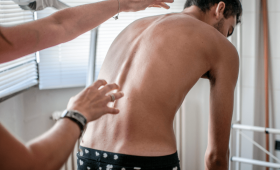
- Physical Examination: A detailed evaluation forms the initial step. This encompasses assessing your range of motion – both active (movements you perform yourself) and passive (movements performed by the examiner) – to identify limitations and pain triggers. The physician will also palpate the shoulder joint to identify areas of tenderness, swelling, or crepitus (a crackling sensation). Neurological assessments are also performed to rule out any nerve involvement that could mimic arthritis symptoms.
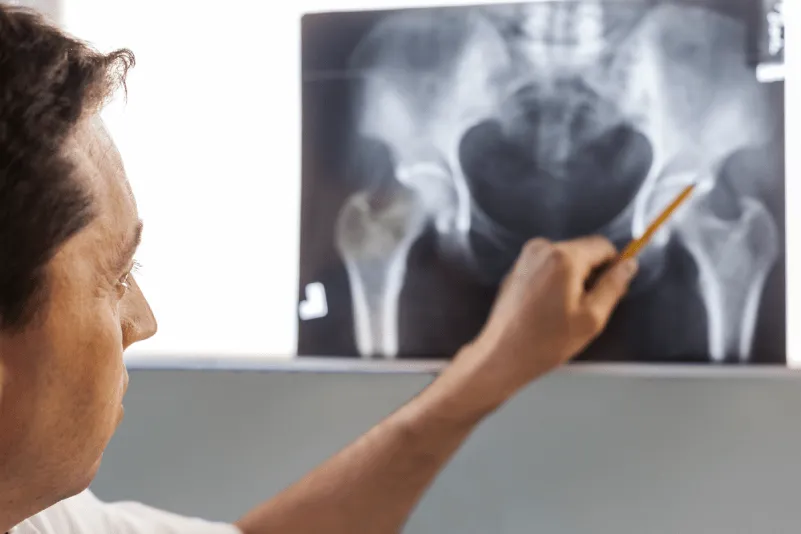
- X-rays: Radiographic imaging is a fundamental diagnostic tool. Standard X-rays, including anteroposterior (AP), axillary, and scapular Y-view projections, provide essential information about bone structure. Key findings indicative of shoulder arthritis include narrowing of the joint space (representing cartilage loss), the presence of bone spurs (osteophytes), and subchondral sclerosis (increased bone density).
- MRI Scans: Magnetic Resonance Imaging offers a significantly more detailed view of the shoulder’s soft tissues. Unlike X-rays, MRI can visualize cartilage, ligaments, tendons, and the rotator cuff muscles. This allows for the early detection of cartilage breakdown, labral tears (damage to the cartilage rim of the shoulder socket), tendonitis, and other soft tissue abnormalities often associated with or contributing to arthritis. Different MRI sequences (e.g., T1-weighted, T2-weighted, proton density) are utilized to best visualize specific structures.
- CT Scans: Computed Tomography provides a detailed cross-sectional image of the bones. While MRI excels at visualizing soft tissues, CT scans are superior for evaluating complex fractures, bone spurs, and subtle bone changes that might not be apparent on X-rays. CT scans are particularly useful for pre-surgical planning, allowing surgeons to precisely assess the anatomy and identify potential challenges.
- Arthroscopy: In select cases, arthroscopy may be employed both diagnostically and therapeutically. This minimally invasive procedure involves inserting a small camera (arthroscope) into the shoulder joint through tiny incisions. This provides a direct visualization of the joint’s interior, allowing the surgeon to confirm the diagnosis, assess the extent of cartilage damage, and even perform minor procedures like debridement (removal of damaged tissue) during the same procedure.
Beyond these core diagnostic tools, blood tests may be conducted to rule out other causes of shoulder pain, such as rheumatoid arthritis or other inflammatory conditions. A careful review of the patient’s medical history and symptoms is also critical to establishing an accurate diagnosis.
Understanding the Types of Shoulder Arthritis
Properly identifying the *type* of arthritis is crucial for selecting the most effective treatment strategy. Common types include:
- Osteoarthritis (OA): This is the most common form, resulting from the gradual breakdown of cartilage due to wear and tear.
- Rheumatoid Arthritis (RA): An autoimmune disease causing inflammation of the joint lining, leading to cartilage and bone damage.
- Post-traumatic Arthritis: Develops after a significant injury to the shoulder joint, such as a fracture or dislocation.
- Glenohumeral Osteoarthritis: Affects the main shoulder joint.
- Acromioclavicular (AC) Arthritis: Affects the joint where the clavicle (collarbone) meets the acromion (part of the shoulder blade).
The diagnostic process at Turkish hospitals is designed to accurately pinpoint both the presence and the specific type of shoulder arthritis, ensuring you receive a truly personalized treatment plan.
cureholiday.com prioritizes partnerships with hospitals that utilize this sophisticated diagnostic approach. We meticulously vet our affiliated facilities to guarantee they adhere to the highest international standards of medical practice and deliver accurate, reliable diagnoses.
In the following parts of this series, we will delve into the specific surgical and non-surgical treatment options available in Turkey, including detailed explanations of robotic-assisted shoulder replacement techniques, post-operative rehabilitation protocols, and a comprehensive comparison of different procedures to help you make an informed decision.
Take the first step towards regaining your shoulder health and enjoying a pain-free life. Contact cureholiday.com today to schedule a personalized consultation and discover the tailored treatment options available to you in Turkey.
Arthritis of the Shoulder Treatment in Turkey: A Detailed Exploration of Diagnostic and Treatment Pathways
Turkey has rapidly emerged as a leading destination for medical tourism, particularly for complex orthopedic procedures like shoulder arthritis treatment. Driven by advancements in technology, including robotic-assisted surgery mirroring standards seen in Europe and the USA, coupled with access to highly experienced surgeons and Ministry of Health–authorised facilities, patients are consistently achieving excellent outcomes with significantly reduced recovery times. Specialized rehabilitation centers further contribute to a comprehensive and effective treatment journey. This section delves deeper into understanding the types of shoulder arthritis and the diagnostic precision offered at leading Turkish hospitals.
Understanding the Types of Shoulder Arthritis
Properly identifying the type of arthritis is crucial for selecting the most effective treatment strategy. Common types include:
- Osteoarthritis (OA): This is the most common form, resulting from the gradual breakdown of cartilage due to wear and tear.
- Rheumatoid Arthritis (RA): An autoimmune disease causing inflammation of the joint lining, leading to cartilage and bone damage.
- Post-traumatic Arthritis: Develops after a significant injury to the shoulder joint, such as a fracture or dislocation.
- Glenohumeral Osteoarthritis: Affects the main shoulder joint.
- Acromioclavicular (AC) Arthritis: Affects the joint where the clavicle (collarbone) meets the acromion (part of the shoulder blade).
The diagnostic process at Turkish hospitals is designed to accurately pinpoint both the presence and the specific type of shoulder arthritis, ensuring you receive a truly personalized treatment plan.
cureholiday.com prioritizes partnerships with hospitals that utilize this sophisticated diagnostic approach. We meticulously vet our affiliated facilities to guarantee they adhere to the highest international standards of medical practice and deliver accurate, reliable diagnoses.
The Diagnostic Process in Turkish Hospitals
A comprehensive diagnosis typically involves a multi-stage process. Initially, a detailed medical history is taken, followed by a thorough physical examination of the shoulder, assessing range of motion, strength, and specific pain points. This is then supported by advanced imaging techniques:
- X-rays: Provide initial visualization of the joint space, bone spurs, and any structural abnormalities.
- Magnetic Resonance Imaging (MRI): Offers detailed images of soft tissues, including cartilage, ligaments, and tendons, enabling the detection of early-stage cartilage damage and inflammation not visible on X-rays.
- Computed Tomography (CT) Scan: Can be used to assess bone density and identify subtle fractures or bony changes.
- Blood Tests: Crucial for differentiating between osteoarthritis and inflammatory arthritis like rheumatoid arthritis. Specific markers of inflammation and autoimmune activity are assessed.
In some cases, arthroscopy (a minimally invasive surgical procedure) may be employed to directly visualize the inside of the shoulder joint, confirm the diagnosis, and assess the extent of damage. This allows for greater precision in identifying the specific type of arthritis and its severity.
Treatment Approaches: A Spectrum of Options
Treatment for shoulder arthritis in Turkey encompasses a range of both non-surgical and surgical interventions. The optimal approach is tailored to the individual’s specific needs, considering the type and severity of arthritis, age, activity level, and overall health.
Non-Surgical Treatments: These are often the first line of defense for mild to moderate arthritis and aim to manage pain and improve function. Options include:
- Physical Therapy: Strengthening exercises, range-of-motion exercises, and posture correction.
- Medications: Pain relievers, nonsteroidal anti-inflammatory drugs (NSAIDs), and corticosteroid injections.
- Lifestyle Modifications: Weight management and activity modification.
Surgical Treatments: When non-surgical methods fail to provide adequate relief, surgical options may be considered. These include:
- Arthroscopic Debridement: Removal of damaged cartilage and bone spurs to smooth the joint surface.
- Shoulder Replacement (Arthroplasty): Replacing the damaged joint surfaces with artificial implants. Leading Turkish hospitals are at the forefront of robotic-assisted shoulder replacement, offering enhanced precision, reduced trauma, and faster recovery times.
| Treatment Option | Suitable For | Expected Recovery Time |
|---|---|---|
| Physical Therapy | Mild to Moderate Arthritis | Ongoing – Focus on Maintenance |
| Corticosteroid Injections | Moderate Arthritis (Temporary Relief) | Days to Weeks |
| Arthroscopic Debridement | Early Stage Arthritis, Minimal Damage | 6-12 Weeks |
| Robotic-Assisted Shoulder Replacement | Severe Arthritis, Significant Damage | 3-6 Months (With Intensive Rehabilitation) |
Following any surgical procedure, patients benefit from access to dedicated rehabilitation centers in Turkey, providing structured post-operative care and personalized exercise programs designed to maximize recovery and restore shoulder function.
cureholiday.com understands that choosing the right treatment pathway can be overwhelming. We offer expert guidance and support, connecting you with top orthopedic specialists in Turkey and facilitating a seamless medical tourism experience. We handle all aspects of your journey, from pre-operative assessments and hospital bookings to post-operative care and rehabilitation coordination.
Take the first step towards regaining your shoulder health and enjoying a pain-free life. Contact cureholiday.com today to schedule a personalized consultation and discover the tailored treatment options available to you in Turkey.
Navigating Your Recovery: Post-Treatment Rehabilitation & Support in Turkey
Turkey has rapidly become a leading destination for orthopedic care, particularly for complex procedures like shoulder arthroplasty. This success isn’t solely due to the adoption of cutting-edge technologies like robotic-assisted surgery – though these are certainly significant. Equally crucial is the country’s commitment to comprehensive post-operative rehabilitation. Top Turkish hospitals consistently achieve excellent outcomes not only through surgical precision but also through dedicated recovery programs, mirroring standards found in leading European and US facilities. These specialized rehabilitation centers, staffed by qualified physiotherapists and overseen by experienced orthopedic surgeons, are instrumental in maximizing patient recovery and restoring optimal shoulder function.
Following any treatment for shoulder arthritis – from arthroscopic debridement to full shoulder replacement – a structured rehabilitation plan is paramount. The length and intensity of this plan will vary depending on the treatment received (as outlined in the table above), but the core principles remain consistent: minimizing pain and swelling, regaining range of motion, and strengthening the surrounding musculature. Early mobilization, under the guidance of a trained physiotherapist, is now recognized as vital to prevent stiffness and promote a faster return to everyday activities.
The Rehabilitation Process: A Step-by-Step Overview
The immediate post-operative period (days 1-2) focuses on pain management and gentle range-of-motion exercises. This typically involves passive range of motion – where the therapist moves the arm for the patient – to avoid stressing the healing tissues. As pain subsides, active-assisted exercises are introduced, requiring the patient to participate in the movements with therapist guidance.
Over the following weeks, the focus shifts to strengthening exercises. These begin with isometric exercises (contracting muscles without movement) and progress to resistance exercises using weights, bands, or specialized equipment. Proprioceptive exercises are also incorporated to improve balance and coordination, helping the patient regain natural movement patterns. For patients undergoing robotic-assisted shoulder replacement, the rehabilitation timeline is often accelerated due to the minimally invasive nature of the procedure and the increased precision of implant placement. However, adherence to the prescribed rehabilitation program remains absolutely critical, even with faster initial recovery.
Turkish rehabilitation centers offer a variety of therapeutic modalities, including:
- Manual Therapy: Hands-on techniques to address muscle imbalances and joint restrictions.
- Electrotherapy: Utilizing electrical stimulation to reduce pain and muscle spasm.
- Hydrotherapy: Exercising in water to reduce stress on the joint and facilitate movement.
- Personalized Exercise Programs: Tailored routines designed to address individual needs and goals.
Understanding Recovery Timelines
The recovery timeline presented earlier is an estimate. Individual healing rates vary based on age, overall health, the severity of arthritis, and adherence to the rehabilitation program. The dedicated rehabilitation centers in Turkey provide continuous monitoring and adjust the treatment plan accordingly, ensuring optimal progress. Patients undergoing shoulder replacement can typically expect to regain significant function within 3-6 months, with continued improvement over the following year. Arthroscopic procedures generally have shorter recovery times, but full restoration of strength and range of motion may still take several months of consistent rehabilitation.
Frequently Asked Questions
Q: How intense is the physiotherapy after robotic-assisted shoulder replacement?
A: Physiotherapy is intensive but carefully structured. The initial phase focuses on pain and swelling control, followed by progressive exercises to regain range of motion and strength. The intensity is gradually increased as your body heals.
Q: What if I experience pain during rehabilitation?
A: Some discomfort is normal, but sharp or persistent pain should be reported to your physiotherapist or surgeon immediately. They will assess the cause and adjust your treatment plan accordingly.
Q: Are there any restrictions on activities after surgery?
A: Yes, certain activities will be restricted for a period of time to allow the shoulder to heal properly. Your surgeon will provide specific guidelines based on the type of surgery you undergo.
Q: How long will I need to stay in Turkey for rehabilitation?
A: The length of stay depends on the procedure. Generally, patients stay for 1-3 weeks for intensive rehabilitation following shoulder replacement. Shorter stays are typical after less invasive procedures.
Q: Will I receive support after I return home?
A: cureholiday.com facilitates continued remote support and guidance, including connecting you with resources for ongoing physiotherapy in your home country.
Q: What is the role of JCI accreditation in ensuring quality care?
A: JCI (Joint Commission International) accreditation signifies that a hospital meets rigorous international standards for patient safety and quality of care. cureholiday.com only partners with Ministry of Health–authorised facilities to guarantee the highest level of medical excellence.
Q: Is language support available during my stay?
A: Absolutely. cureholiday.com provides dedicated case managers who offer comprehensive language assistance throughout your entire journey.
Q: What if I have other medical conditions?
A: All pre-existing medical conditions will be thoroughly assessed before treatment. We work closely with your specialists to ensure a safe and effective treatment plan.
Q: How does cureholiday.com ensure a seamless medical tourism experience?
A: We handle all aspects of your journey, including visa assistance, flights, accommodation, hospital bookings, pre-operative assessments, post-operative care coordination, and translation services. Our goal is to provide a stress-free and comfortable experience from start to finish.
Taking the Next Step
Don’t let shoulder arthritis dictate your quality of life. cureholiday.com is dedicated to connecting you with the best orthopedic specialists in Turkey and providing a comprehensive medical tourism experience tailored to your individual needs. We understand the complexities of medical travel and are committed to ensuring a safe, comfortable, and successful journey towards regaining your shoulder health. Contact cureholiday.com today for a personalized consultation and discover the tailored treatment options available to you. We will guide you through every step of the process, from initial assessment to post-operative rehabilitation, ensuring you receive the highest standard of care and achieve lasting relief.
Understanding the Comprehensive Support Offered by cureholiday.com
Beyond the Operating Room: A Holistic Approach to Shoulder Arthritis Treatment
Turkey is rapidly becoming a global leader in orthopedic surgery, and for good reason. Top Turkish hospitals routinely employ cutting-edge techniques like robotic-assisted procedures – a standard offering for both knee and hip replacements, and increasingly utilized in complex shoulder surgeries. This commitment to innovation, combined with the expertise of surgeons often trained in Europe and the USA, positions Turkey as a compelling destination for medical tourism. However, excellent surgery is only one piece of the puzzle. At cureholiday.com, we recognize that a truly successful outcome requires a holistic approach that extends far beyond the operating room. This section delves into the comprehensive support system we provide to ensure your entire journey, from initial consultation to long-term rehabilitation, is seamless, comfortable, and focused on achieving lasting relief from shoulder arthritis.
The Importance of Specialized Rehabilitation
Following shoulder arthritis treatment, robust rehabilitation is critical for restoring function, reducing pain, and maximizing long-term results. Turkey boasts a network of specialized rehabilitation centers staffed by experienced physiotherapists and occupational therapists. These centers offer individually tailored programs designed to address your specific needs and recovery goals. cureholiday.com doesn’t just book your surgery; we coordinate your post-operative care, including placement in a leading rehabilitation facility best suited to your recovery trajectory. These programs typically include:
- Pain Management Techniques: Strategies to minimize discomfort and facilitate movement.
- Range of Motion Exercises: Gentle exercises to restore flexibility and prevent stiffness.
- Strengthening Exercises: Targeted exercises to rebuild muscle strength and stability around the shoulder joint.
- Proprioceptive Training: Exercises to improve balance and coordination.
- Functional Training: Activities that simulate everyday tasks to help you regain independence.
Navigating the Medical Tourism Journey – cureholiday.com’s Role
We understand that travelling abroad for medical treatment can feel daunting. That’s why cureholiday.com acts as your dedicated partner, managing all logistical details so you can focus on your health. Our comprehensive support services include:
- Visa Assistance: We provide guidance and support with the visa application process, ensuring a smooth and stress-free entry into Turkey.
- Flight Coordination: We assist with booking convenient and cost-effective flights to and from Turkey.
- Accommodation Arrangements: We secure comfortable and conveniently located accommodation, ranging from hotels to serviced apartments.
- Hospital Bookings and Communication: We handle all communication with the hospital and ensure your appointment is confirmed and prepared for.
- Pre-Operative Assessments: We coordinate any necessary pre-operative tests and consultations to ensure you are fully prepared for surgery.
- Translation Services: Our dedicated case managers provide comprehensive translation services throughout your entire stay, eliminating language barriers and ensuring clear communication with medical staff.
- Post-Operative Care Coordination: We monitor your recovery progress and coordinate any necessary follow-up appointments or therapies.
Frequently Asked Questions
Here are some common questions potential patients have regarding shoulder arthritis treatment in Turkey with cureholiday.com:
Q: What is the typical length of stay for shoulder arthritis treatment in Turkey?
A: The length of stay varies depending on the complexity of the procedure and your individual recovery needs. Generally, you can expect to stay for approximately 7-14 days, including pre-operative assessments, surgery, and initial post-operative rehabilitation.
Q: What types of shoulder arthritis are typically treated in Turkey?
A: Turkish orthopedic specialists are experienced in treating all types of shoulder arthritis, including osteoarthritis, rheumatoid arthritis, and post-traumatic arthritis.
Q: What kind of post-operative pain management is provided?
A: Pain management is a priority. Hospitals utilize a multi-modal approach, including pain medication, nerve blocks, and physical therapy, to minimize discomfort and promote recovery.
Q: Is it possible to have a virtual consultation with a surgeon before travelling?
A: Yes, cureholiday.com can arrange virtual consultations with qualified orthopedic surgeons, allowing you to discuss your case and receive a preliminary assessment from the comfort of your home.
Q: Will I receive a detailed post-operative care plan?
A: Absolutely. You will receive a comprehensive post-operative care plan, including detailed instructions on medication, wound care, exercise protocols, and follow-up appointments.
Q: What if I require ongoing care after returning home?
A: cureholiday.com can coordinate with your local healthcare provider to ensure a seamless transition of care and facilitate ongoing support after you return home.
Q: How does cureholiday.com ensure patient safety and quality control?
A: We only partner with Ministry of Health–authorised hospitals, signifying the highest standards of patient safety and quality. Our case managers meticulously review your medical history and treatment plan to ensure it aligns with your needs and expectations.
JSON-LD FAQ Schema
{
    {
      }
    },
    {
      }
    }
  ]
}
Don’t delay your journey to a pain-free life. cureholiday.com provides a fully managed, end-to-end solution for shoulder arthritis treatment in Turkey. We handle the complexities of medical travel, allowing you to focus on regaining your health and well-being. for a personalized consultation and discover how we can help you achieve lasting relief and renewed quality of life. Let cureholiday.com be your trusted partner in restoring your shoulder health and unlocking a brighter future.
cureholiday.com understands that embarking on medical tourism for a condition like shoulder arthritis requires trust, thorough information, and a commitment to superior care. The burgeoning field of orthopedic surgery in Turkey, particularly concerning joint replacement and arthritis treatment, has positioned the country as a leading destination for international patients. Top Turkish hospitals are increasingly adopting cutting-edge technologies, such as robotic-assisted procedures for both knee and hip replacements – a testament to their commitment to precision and minimally invasive techniques. This same dedication extends to shoulder arthritis treatment, leveraging advanced surgical skills honed through training in Europe and the USA. Crucially, these facilities prioritize patient safety, consistently maintaining Joint Commission International (JCI) accreditation, and offering comprehensive recovery programs in specialized rehabilitation centers. This holistic approach, coupled with competitive pricing, makes Turkey a compelling choice for individuals seeking relief from shoulder arthritis.
Navigating Your Treatment Journey with cureholiday.com
At cureholiday.com, we recognize that planning medical travel can be daunting. That’s why we offer a fully managed experience, streamlining every aspect of your shoulder arthritis treatment in Turkey – from initial consultation and diagnostic review to post-operative rehabilitation and ongoing support.
Pre-Treatment Assessment & Planning
The first step involves a comprehensive review of your medical history, including previous imaging (X-rays, MRI scans) and diagnostic reports. Our experienced case managers work directly with leading Turkish orthopedic specialists to formulate a personalized treatment plan tailored to your specific type and severity of shoulder arthritis. This plan will outline the proposed surgical procedure (if applicable), estimated recovery timeline, and all associated costs. We ensure complete transparency, providing a detailed breakdown of expenses, including hospital fees, surgeon’s fees, anesthesia, medication, and rehabilitation sessions.
Understanding Shoulder Arthritis Treatment Options
Turkish orthopedic surgeons are proficient in treating all forms of shoulder arthritis, including:
- Osteoarthritis: Often managed with pain medication, physical therapy, and in severe cases, shoulder replacement surgery.
- Rheumatoid Arthritis: Treatment focuses on managing the systemic inflammation and addressing joint damage through medication and potentially surgery.
- Post-Traumatic Arthritis: Develops after an injury and may require cartilage repair, reconstruction, or joint replacement.
Surgical interventions may include:
- Arthroscopic Debridement: A minimally invasive procedure to remove damaged cartilage and bone spurs.
- Shoulder Joint Replacement (Arthroplasty): Replacing the damaged joint with an artificial implant. Modern implants are designed for longevity and optimal function.
Post-Operative Rehabilitation: A Cornerstone of Recovery
Following surgery, a dedicated rehabilitation program is vital for achieving optimal results. Turkish hospitals often include dedicated rehabilitation centers staffed by qualified physiotherapists. These programs are designed to:
- Restore range of motion and strength
- Reduce pain and swelling
- Improve functionality and daily living activities
Rehabilitation typically begins shortly after surgery and continues for several weeks or months, depending on your individual progress and the complexity of the procedure. cureholiday.com ensures seamless coordination of your rehabilitation schedule and provides guidance on exercises to continue at home after your return.
Ensuring Quality & Safety: The cureholiday.com Difference
Patient safety and quality control are our top priorities. We meticulously vet all partner hospitals, ensuring they meet the stringent standards of JCI accreditation. This accreditation signifies a commitment to:
- Patient-centered care
- Effective infection control
- Qualified medical staff
- Continuous quality improvement
Our case managers diligently review your medical history and treatment plan to ensure it aligns with your specific needs and expectations. We also provide access to a dedicated patient coordinator who will be your point of contact throughout your entire journey, offering support and answering any questions you may have.
Frequently Asked Questions
Q: What level of aftercare support does cureholiday.com offer post-treatment?
Q: What is included in the all-inclusive package offered by cureholiday.com?
Q: How long will I need to stay in Turkey for rehabilitation after shoulder surgery?
Q: Is there a language barrier, and how does cureholiday.com address it?
Q: What types of pain management options are available after shoulder surgery in Turkey?
Q: Can I get a second opinion from another specialist if I’m not comfortable with the initial treatment plan?
Q: What financial protection measures are in place with cureholiday.com?
JSON-LD FAQ Schema
{
    {
      }
    },
    {
      }
    }
  ]
}
Don’t let shoulder arthritis dictate your life. cureholiday.com is dedicated to providing a seamless and supportive experience, allowing you to focus on regaining your mobility and enjoying a pain-free future. for a personalized consultation and let us guide you towards a brighter, healthier tomorrow. Choose cureholiday.com – your trusted partner in orthopedic medical tourism.
Schedule a consultation for Arthritis of the Shoulder Treatment in Turkey with cureholiday.com
Free Consultation
Fill out the form below to get your free medical travel plan and price quote.
Sources and how to verify this yourself
- Ministry of Health, Regulation on International Health Tourism and Tourist Health, Official Gazette 26 April 2025, No. 32882 — authorisation requirement for facilities and intermediaries, TÜSKA accreditation, compulsory complication insurance (deadline 31 December 2025 for insurance, 31 December 2026 for accreditation). source
- Ministry of Health, Regulation on Promotion and Information Activities in Health Services, Official Gazette 12 November 2025, No. 33075 — treatment promises and guarantees are prohibited; price and campaign announcements are permitted only within international health tourism. source