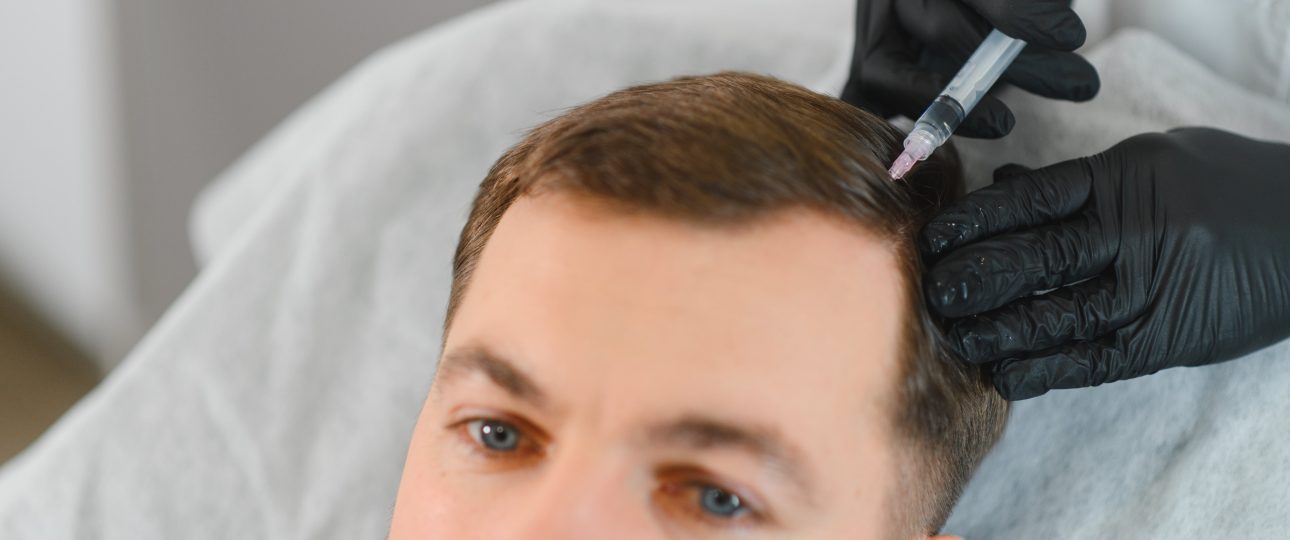
Cost and planning note (2026)
The figures below are indicative market ranges for 2026, not a quote: your own price depends on the clinic, the surgeon and your clinical assessment.
Indicative price range: Standard Cycle: 3,000 – 5,000 USD | With Pgt: add 1,500 – 3,000 USD | Donor eggs and sperm: not permitted under Turkish law (own gametes only).
Facility standards: In Türkiye, any facility treating international patients must hold the Ministry of Health’s international health tourism authorisation; hospitals and medical centres must also be accredited by TÜSKA, and complication insurance is compulsory for procedures carried out in an operating theatre (Regulation of 26 April 2025). Ask us for the authorisation of the facility you are matched with.
Currency: USD / EUR / GBP accepted at all clinics.
Choosing the Right Hair Transplant Clinic: Avoiding “Technician-Only” Operations
Understanding the Medical Foundation of Hair Transplantation: Beyond Just Follicular Unit Extraction
The proliferation of hair transplant clinics globally presents a paradox of choice. While increased accessibility seems positive, it has simultaneously eroded standards, leading to the rise of what we term “technician-only” operations. These clinics prioritize volume over verifiable medical expertise, potentially jeopardizing patient outcomes. This pillar will delve into the crucial medical foundations of legitimate hair transplantation, moving beyond simply understanding the *how* (FUE, FUT) to a detailed exploration of the *why* – the underlying biology, the importance of pre-operative assessment, and the global standards that separate exceptional care from risky ventures.
The Biological Imperative: Dihydrotestosterone (DHT) and Follicular Sensitivity
Hair loss, primarily androgenetic alopecia (AGA), is rarely a simple cessation of hair growth. It’s a genetically predisposed miniaturization of hair follicles due to the action of dihydrotestosterone (DHT), a potent androgen. Understanding DHT’s role is paramount. DHT binds to androgen receptors in genetically susceptible follicles, shortening the anagen (growth) phase and causing follicles to shrink, eventually producing vellus hairs – the fine, barely visible ‘peach fuzz.’ Successful hair transplantation isn’t just about moving hairs; it’s about relocating DHT-resistant follicular units (FUs) from the donor area (typically the back and sides of the scalp) to the recipient area. The donor area’s resistance is genetically determined, meaning follicles from this region are less likely to succumb to DHT-induced miniaturization even when transplanted.
Pre-Operative Assessment: Beyond the Norwood Scale
A thorough pre-operative assessment is the cornerstone of a successful procedure, far exceeding a simple assessment using the Norwood-Hamilton scale (a classification system for male pattern baldness). This evaluation necessitates a comprehensive medical history, including medications, allergies, and underlying health conditions. Crucially, a detailed trichoscopic examination is vital. Trichoscopy, utilizing a dermatoscope, allows for magnification and in-depth analysis of the scalp and hair characteristics, identifying factors like hair shaft diameter, follicular density, and the presence of inflammation. This dictates the surgical plan and expected density achievable. Beyond scalp health, blood tests assessing thyroid function, iron levels (ferritin particularly), and vitamin D status are crucial, as deficiencies can impede hair growth and recovery. Furthermore, evaluation of the donor area’s density and quality is non-negotiable. A surgeon needs to accurately assess how much harvestable follicular unit density is available without compromising the donor area’s aesthetic appearance.
Technical Nuances: Follicular Unit Dissection (FUD) and Graft Preparation
While Follicular Unit Extraction (FUE) dominates the market due to its minimal invasiveness, the technical skill in FUD – the dissection of the scalp to isolate individual FUs – remains critical, regardless of the extraction method. Experienced surgeons employ techniques to minimize transection rates (damage to the hair follicle during extraction), a major factor influencing graft survival. This is where technician-only operations often fall short; precise FUD requires years of training and artistic skill. Graft preparation is equally important. Follicular units contain varying numbers of hairs (1-4 typically). Careful categorization and placement – placing single-hair grafts in the hairline for a natural look, and multi-hair grafts further back – are crucial for aesthetic results. This isn’t just about counting hairs; it’s about understanding follicular unit angulation and ensuring natural hair flow.
Global Standards and Accreditation: Ensuring Medical Rigor
Navigating the landscape of international hair transplant clinics requires a keen eye for verifying medical standards. In Turkey, a popular destination for hair transplantation, clinics adhering to rigorous international standards are identifiable by JCI (Joint Commission International) accreditation and regulation by the Turkish Ministry of Health. JCI accreditation signifies a commitment to patient safety and quality of care, encompassing areas from surgical protocols to infection control and staff qualifications. While many clinics *claim* adherence, verifiable accreditation is the key.
Financial considerations are also important when evaluating clinics. Expect a standard hair transplant cycle to cost between 3,000 – 5,000 USD. Adding Platelet-Rich Plasma (PRP) therapy, a regenerative technique utilizing the patient’s own platelets to stimulate hair growth, will typically add 1,500 – 3,000 USD to the overall cost. Be wary of clinics offering significantly lower prices, as this often indicates compromised quality or unqualified personnel.
Success Rates: Realistic Expectations and Influencing Factors
Success rates in hair transplantation are not absolute guarantees, but rather probabilities influenced by various factors. For patients under 35 years of age, success rates can reach up to 60-70%. However, this percentage diminishes with age, dropping to approximately 15-20% for those over 42. Factors impacting success include the severity of hair loss (Norwood scale), the quality of the donor area, patient adherence to post-operative instructions, and underlying medical conditions. A responsible clinic will provide realistic expectations and transparently discuss potential outcomes.
Advanced Technologies: Beyond the Standard Toolset
While FUE and FUT remain the primary techniques, advancements in related technologies are improving outcomes. These aren’t replacements for surgical skill, but adjuncts that can enhance the process. Examples include:
- ICSI (Intracytoplasmic Sperm Injection): While typically associated with IVF, ICSI principles are sometimes applied to analyze follicular unit health at a cellular level, though this is still experimental.
- Micro-chip sperm sorting: This may be offered in conjunction with PRP to enhance the growth factors present in the injected solution, although evidence supporting its clinical efficacy is limited.
- Embryoscope: Used in IVF, some clinics are exploring the application of time-lapse imaging (as used with an Embryoscope) to monitor the health and viability of extracted follicular units during graft preparation.
Destination Considerations: Recovery and Logistics
Turkey offers attractive pricing and experienced surgeons, but choosing the right location within the country is crucial. Istanbul provides a cosmopolitan environment with access to a wide range of amenities, ideal for a “city break” recovery experience. Antalya offers a resort-style recovery, leveraging the Mediterranean climate and beach access. Izmir, on the Aegean coast, is known for its thermal spas, potentially aiding post-operative recovery.
Practical considerations include currency exchange rates (USD, EUR, and GBP are widely accepted) and visa requirements. An e-visa is typically available for most UK, US, and EU citizens, allowing for a 90-day stay. However, verifying current visa regulations before travel is essential. A genuine medical tourism agency will handle these logistical details alongside your surgical planning.
The Surgical/Clinical Journey: Beyond Technician-Driven Hair Restoration
The allure of affordable hair transplantation, particularly in destinations like Turkey, is undeniable. However, the rapid growth of the industry has unfortunately led to a proliferation of clinics operating on a “technician-only” model. This means procedures are performed primarily – or even entirely – by technicians with varying levels of training, under minimal direct surgeon oversight. While superficially cost-effective, this approach dramatically increases the risk of suboptimal results, complications, and the need for corrective procedures. This section delves into the intricacies of the surgical journey at a reputable clinic, focusing on the technical procedures, a representative case study, and critical risk mitigation strategies.
Step-by-Step Procedure Technicals: From Extraction to Implantation
Modern hair transplantation predominantly utilizes two core techniques: Follicular Unit Extraction (FUE) and Follicular Unit Transplantation (FUT). The choice depends on the patient’s donor hair density, scalp laxity, and desired aesthetic outcome. At a high-quality clinic, the process isn’t merely *which* technique is used, but *how* it’s executed.
- Donor Area Analysis & Design: A crucial initial step often overlooked. A skilled surgeon doesn’t simply harvest from the densest area. They analyze the scalp’s vascularity, hair caliber, and future hair loss patterns. Using a densitometer to measure follicular unit density informs the number of grafts harvestable without compromising future donor area coverage. A precise hairline and recipient site design, factoring in the patient’s facial aesthetics and natural hair flow, is created.
- FUE – Precision Extraction: The cornerstone of modern transplantation. We utilize a Choi Implanter Pen, a sophisticated instrument allowing for simultaneous extraction and direct implantation of grafts – minimizing out-of-body time and potentially improving graft survival rates. Key is the use of varying punch sizes (typically 0.8mm – 1.0mm) tailored to individual follicular unit characteristics. Automated FUE robots, while offering speed, must be overseen by a surgeon to ensure graft quality and avoid transection.
- FUT – The Strip Harvesting Refinement: While FUE is generally favored, FUT remains viable for patients requiring large graft numbers. A skilled surgeon meticulously closes the donor wound using Trichophytic closure – a technique minimizing visible scarring through angled incision and skin edge approximation. The harvested strip undergoes dissection under high magnification (typically 10x – 20x) to isolate individual follicular units.
- Graft Preparation & Storage: Following extraction, grafts are meticulously prepared under refrigerated conditions utilizing a specialized holding solution (e.g., HypoThermosol). Maintaining a constant temperature of 4°C is critical for preserving graft viability. Skilled technicians carefully dissect each follicular unit, ensuring minimal damage to the follicular bulge – the key area for future hair growth.
- Recipient Site Creation: This is where artistry meets science. Recipient sites are created using blades of varying sizes (18-23G) and angles to mimic the natural hair growth direction. Depth control is paramount; grafts implanted too shallowly will not survive, while those implanted too deeply can result in cysts.
- Implantation: Utilizing the Choi Implanter Pen, or delicate forceps, grafts are implanted into the recipient sites with precision and care. Density and directionality are crucial considerations, creating a natural-looking hairline and maximizing coverage.
Persona Case Study: Mr. David Miller, 45, UK
Mr. Miller presented with Norwood-Hamilton Stage III hair loss and a desire for a natural-looking result. After consultation, we determined he was a suitable candidate for FUE. His donor area density was assessed at 80 follicular units/cm². We planned for a 3,000 graft procedure focusing on the frontal hairline and crown.
During the procedure, the surgeon identified a small area of subtle scarring from a previous, unsuccessful attempt at a hairline lowering. This was addressed by carefully angling recipient site creation to camouflage the existing scar. Post-operatively, Mr. Miller was prescribed a prophylactic antibiotic and anti-inflammatory regimen, and detailed aftercare instructions were provided. Six months post-op, Mr. Miller reported excellent graft survival rates (estimated 85-90% based on photographic analysis) and was highly satisfied with the natural density and appearance of his transplanted hair.
Risk Mitigation: Identifying and Addressing Potential Complications
While hair transplantation is generally safe, complications can occur. A reputable clinic proactively mitigates these risks through rigorous protocols and experienced personnel.
- Infection: Strict adherence to sterile technique, prophylactic antibiotics, and patient education on post-operative wound care minimize this risk.
- Poor Graft Survival: Experienced technicians, meticulous graft handling, and optimal storage conditions are crucial. Pre-operative optimization of patient health (addressing smoking, nutritional deficiencies) also improves graft viability.
- Scarring: FUT scars are minimized through Trichophytic closure and careful post-operative scar management. FUE can leave small, punctate scars, but these are usually barely visible.
- Unnatural Appearance: This is often a consequence of technician-only operations. A skilled surgeon ensures natural hairline design, appropriate graft density, and correct hair direction.
- Swelling & Pain: Controlled with anti-inflammatory medication and ice packs.
Financial Considerations & Logistics
The cost of hair transplantation in Turkey varies significantly. A standard cycle typically ranges from 3,000 – 5,000 USD. Adding Platelet-Rich Plasma (PRP) therapy – a regenerative technique believed to enhance graft survival – can increase the cost to 4,500 – 7,000 USD. For patients seeking pre-implantation genetic testing (PGT) to determine the likelihood of future hair loss progression, the cost increases to 5,500 – 8,000 USD. Donor egg treatment is prohibited in Turkey; Turkish regulations permit assisted reproduction only with the couple’s own gametes.
For UK/US/EU citizens, an E-visa is generally sufficient for a 90-day stay. Popular recovery hubs include Istanbul (offering a vibrant city experience), Antalya (providing resort-style relaxation), and Izmir (known for its Aegean coastline and thermal spas). Clinics adhering to international standards are typically JCI (Joint Commission International) accredited and regulated by the Turkish Ministry of Health. Payment is typically accepted in USD, EUR, and GBP.
Success rates are influenced by age. Up to 60-70% graft survival is achievable for patients under 35, decreasing to approximately 15-20% for those over 42. However, these figures are averages, and individual results vary.
Navigating the Post-Transplant Landscape: Recovery Logistics, Cost Analysis & The Final Medical Verdict
Following the meticulous surgical phase of a hair transplant, the recovery period is paramount. It’s not simply about ‘waiting to heal’; it’s a complex interplay of biological processes, diligent post-operative care, and strategic logistical planning. This pillar focuses on optimizing this critical phase, particularly when considering clinics in Antalya and Istanbul, Turkey, and contextualizing those costs against options in Western countries. We’ll delve into the nuances of recovery hubs, dissect cost variables beyond the initial graft price, and offer a final, medically-informed assessment of the overall value proposition.
Recovery Hubs: Beyond the Brochure
The choice of recovery location significantly impacts the healing process and overall experience. While Antalya and Istanbul dominate the Turkish hair transplant tourism market, Izmir presents an emerging, often overlooked, alternative. Each hub offers unique advantages and disadvantages.
- Istanbul (City/Boutique): The most established hub, boasting the highest concentration of clinics. Recovery is often integrated into boutique hotels offering 24/7 nurse access, ideal for those requiring intensive post-op monitoring – particularly relevant for patients undergoing large sessions (over 3,000 grafts) or those with pre-existing comorbidities. However, the bustling city environment may not be conducive to complete rest.
- Antalya (Resort/Beach): Appeals to those desiring a more relaxed recovery. Resort-style accommodations, coupled with the therapeutic benefits of sea air (rich in negative ions which promote tissue oxygenation), can contribute to accelerated healing. However, access to specialized medical care beyond routine post-op checks is less readily available than in Istanbul. Potential for UV exposure necessitates diligent adherence to sun protection protocols – prolonged exposure can negatively impact nascent grafts and cause hyperpigmentation.
- Izmir (Aegean/Thermal): A rising star, Izmir offers a balanced approach. The Aegean climate is temperate, and the region is known for its thermal springs. Mineral-rich thermal waters, under the guidance of a physician, may offer adjuvant benefits by improving microcirculation and potentially reducing inflammation – though robust, peer-reviewed evidence is still emerging. Izmir also offers a lower cost of living than Istanbul and Antalya, which can translate to savings on accommodation and daily expenses.
Critically, evaluating the *quality* of post-operative care provided, irrespective of location, is crucial. This includes the frequency of scheduled checks (days 1, 3, 7, 14, 30, 60, 90 post-op are optimal), access to a qualified medical professional for immediate concerns (24/7 availability is highly desirable), and the provision of detailed, individualized aftercare instructions – translated into the patient’s native language.
The 2026 Cost Audit: Deconstructing the Price Tag
The widely quoted price range of 3,000 – 5,000 USD for a standard hair transplant cycle in Turkey often represents only the surgical fee. A comprehensive 2026 cost audit reveals numerous ancillary expenses that can significantly inflate the total investment. These include:
- Pre-operative Diagnostics: Complete blood count (CBC), coagulation profile, thyroid function tests (TFT), and vitamin D levels are essential to assess patient suitability and minimize surgical risks. Budget approximately 150-300 USD.
- Medication: Post-operative medications (antibiotics, anti-inflammatory drugs, minoxidil, finasteride – if applicable) require ongoing procurement. Costs vary depending on duration and dosage, estimated at 100-200 USD for the initial 6-month period.
- PRP Therapy (Platelet-Rich Plasma): Increasingly offered as an adjunct to hair transplantation, PRP utilizes the patient’s own growth factors to stimulate follicular growth. A series of 3-6 PRP sessions, spaced 4-6 weeks apart, adds approximately 600-1,200 USD to the overall cost.
- Accommodation & Transfers: While many clinics offer package deals, the quality of accommodation and transfer services can vary dramatically. Expect to pay 500-1,500 USD for a comfortable, well-located hotel and reliable airport transfers.
- PGT (Preimplantation Genetic Testing): Although primarily associated with IVF, PGT is being integrated into more advanced hair transplant programs to screen for genetic predispositions to androgenetic alopecia. Adding PGT incurs an additional cost of 1,500 – 3,000 USD. While not universally necessary, it may be beneficial for patients with a strong family history of aggressive hair loss.
When comparing Turkish clinics to Western counterparts (UK, US, Canada), it’s crucial to consider these hidden costs. While the surgical fee in Turkey may be significantly lower, the cumulative expenses can narrow the gap. Furthermore, the quality of medical expertise and the stringency of regulatory oversight are also important factors.
The Final Medical Verdict: Assessing Value & Mitigating Risk
Turkey’s emergence as a leading hair transplant destination is undeniably linked to its cost-effectiveness. However, cost should not be the sole determinant. A responsible patient must prioritize medical competence, adherence to international standards (JCI accreditation and Ministry of Health regulation are vital), and a comprehensive post-operative care plan.
Success rates, while widely advertised, are heavily influenced by patient age, Norwood-Hamilton scale (degree of hair loss), and donor area capacity. Clinics should provide realistic expectations, acknowledging that success rates are approximately 60-70% for patients under 35, declining to around 15-20% for those over 42. Be wary of clinics promising unrealistic outcomes.
Furthermore, be aware of the potential for “technician-only” operations. A truly reputable clinic will have a qualified, experienced hair transplant *surgeon* overseeing all procedures, not simply a technician executing the graft implantation. The surgeon’s artistic vision and understanding of follicular density, hairline design, and aesthetic principles are crucial for achieving a natural-looking result.
Emerging technologies like ICSI (Intracytoplasmic Sperm Injection) for follicular isolation, micro-chip sperm sorting (potentially enhancing graft viability), and the use of Embryoscopes for pre-implantation follicular evaluation are promising but remain largely experimental. Focus on clinics demonstrating expertise in established techniques – FUE (Follicular Unit Extraction) and FUT (Follicular Unit Transplantation) – with a proven track record of consistent, high-quality results.
Finally, consider the logistical aspects. E-visas are readily available for citizens of most UK/US/EU nations, allowing for a 90-day stay. However, currency exchange rates (USD, EUR, GBP) can fluctuate, impacting the final cost. Thorough due diligence, meticulous planning, and a realistic understanding of the entire process are essential for maximizing the benefits of hair transplant tourism.
Ready to consult a specialist? Schedule a Free Consultation for Choosing the Right Hair Transplant Clinic in Turkey with cureholiday.com
Free Consultation
Fill out the form below to get your free medical travel plan and price quote.
Sources and how to verify this yourself
- Comparative study of graft survival by donor site (scalp, beard, chest) at 12 months — roughly 89% for scalp, 95% for beard and 76% for chest hair; survival also falls the longer grafts stay outside the body. source
- HFEA (UK regulator), Fertility treatment 2024: trends and figures — average birth rate 30% per embryo transferred with the patient’s own eggs; 38% at ages 18–34 and 8% at 43–44. source
- Ministry of Health, Regulation on Assisted Reproductive Treatment Practices and Centres (ÜYTE), Official Gazette 30 September 2014 — treatment is limited to married couples using their own gametes; donor eggs, donor sperm, donor embryos and surrogacy are not permitted in Türkiye. source
- Ministry of Health, Regulation on International Health Tourism and Tourist Health, Official Gazette 26 April 2025, No. 32882 — authorisation requirement for facilities and intermediaries, TÜSKA accreditation, compulsory complication insurance (deadline 31 December 2025 for insurance, 31 December 2026 for accreditation). source
- Ministry of Health, Regulation on Promotion and Information Activities in Health Services, Official Gazette 12 November 2025, No. 33075 — treatment promises and guarantees are prohibited; price and campaign announcements are permitted only within international health tourism. source