Cost and planning note (Kuşadası 2026 Data)
The figures below are indicative market ranges, not a quote: your own price is confirmed after a clinical assessment.
Indicative price range: Hollywood Smile Full: 3,000 – 5,000 USD | Zirconia Crown Per: 180 – 300 USD | E Max Veneer Per: 250 – 400 USD | Dental Implant Per: 400 – 800 USD (Top Brands) | All On 4 System: 4,000 – 7,000 USD | All On 6 System: 5,500 – 9,000 USD | Laser Whitening: 200 – 350 USD
Facility standards: In Türkiye, any facility treating international patients must hold the Ministry of Health’s international health tourism authorisation; hospitals and medical centres must also be accredited by TÜSKA, and complication insurance is compulsory for procedures carried out in an operating theatre (Regulation of 26 April 2025).
Location: Proximity to Ege Port Cruise Terminal & Ephesus.
Currency: GBP, EUR, USD accepted.
Dental Implants for Diabetics: Safety Protocols in Kuşadası Hospitals
Dental Implants in Kuşadası: A Foundation for Restorative Excellence
Kuşadası, a vibrant coastal city on Turkey’s Aegean coast, is rapidly becoming a sought-after destination for dental tourism, particularly for complex procedures like dental implants. This pillar focuses on the technical foundations that underpin the high standards of implant dentistry available to international patients, specifically those seeking a “Hollywood Smile” transformation. We’ll delve into the sophisticated technology, stringent accreditation processes, and the unique advantages Kuşadası offers, going beyond mere aesthetics to highlight the biomechanical principles and patient-centric care that define successful implantology.
Precision Diagnostics: Beyond Radiographic Assessment
Successful dental implant placement isn’t simply about screwing a titanium post into bone. It demands meticulous pre-operative planning based on a comprehensive understanding of the patient’s anatomy. While traditional 2D radiographs offer valuable information, Kuşadası’s leading dental facilities utilize 3D Cone Beam Computed Tomography (CBCT) imaging as a standard of care. CBCT provides a volumetric, three-dimensional representation of the maxilla and mandible, allowing clinicians to assess bone density (specifically the D1 and D2 classifications), bone height and width, the proximity of vital structures like the inferior alveolar nerve and maxillary sinus, and even subtle cortical plate irregularities.
This detailed assessment extends to the application of specialized software for surgical planning. Utilizing CAD/CAM Digital Smile Design, clinicians can virtually position implants, accounting for occlusal forces, prosthetic requirements, and aesthetic considerations. This digital workflow significantly enhances predictability and minimizes the potential for post-operative complications. Intraoral scanners, generating highly accurate digital impressions, eliminate the need for traditional, often uncomfortable, impression materials, further streamlining the diagnostic process. The resulting data is not simply visual; it is quantifiable, allowing for precise measurement and analysis of bone volume, and ideal implant placement angles – typically aiming for a restorative space that aligns with optimal prosthetic emergence profiles.
Implant Material Science & Biocompatibility
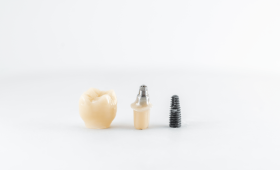
The foundation of a long-lasting implant lies in the material itself. Kuşadası’s hospitals prioritize the use of top-tier implant brands, utilizing materials like commercially pure titanium (Grade 4) and titanium alloys (Ti-6Al-4V). These materials exhibit exceptional biocompatibility, meaning they integrate seamlessly with surrounding bone tissue through a process known as osseointegration. Osseointegration isn’t merely physical adherence; it’s a dynamic biological process involving the formation of a direct structural and functional connection between living bone and the implant surface. The surface topography of the implant plays a crucial role – micro and nano-scale roughness promotes osteoblast adhesion and proliferation, accelerating osseointegration.
Furthermore, implant surfaces are often treated with bioactive coatings, such as hydroxyapatite (HA), to enhance bone bonding and improve long-term stability. The choice of implant connection type—internal or external—also influences biomechanical behavior and stress distribution. Kuşadası’s dental specialists expertly select the appropriate implant system based on individual patient needs, bone quality, and prosthetic design, ensuring optimal load transfer and minimizing the risk of peri-implantitis.
Surgical Protocols and Precision Placement
Implant surgery in Kuşadası isn’t a ‘one-size-fits-all’ approach. Clinicians often employ guided surgery, using surgical templates generated from the pre-operative digital planning data. These templates ensure accurate implant placement, minimizing surgical trauma and reducing the need for bone grafting. When bone volume is insufficient, techniques like sinus lifts, split crest alveolar ridge expansion, and lateral bone grafting are routinely performed to create a stable foundation for implant integration.
The use of soft tissue lasers plays a significant role in achieving optimal soft tissue architecture around the implant. These lasers facilitate precise gingivectomy or gingivoplasty procedures, creating a biologically favorable environment that promotes healing and minimizes inflammation. Careful attention is also paid to primary stability—achieving sufficient initial fixation of the implant during surgery. This is critical for successful osseointegration, and is assessed using techniques like resonance frequency analysis. For patients requiring full arch rehabilitation, the All-on-4 or All-on-6 systems (costing between 4,000 – 7,000 USD and 5,500 – 9,000 USD respectively) are frequently employed, offering a fixed, immediate-load solution. These techniques require a deep understanding of biomechanics and occlusal principles to ensure long-term functional and aesthetic success.
Addressing Diabetes and Implant Success
Diabetic patients present unique challenges in implant dentistry due to their compromised wound healing capabilities and increased susceptibility to infection. Kuşadası hospitals have established stringent safety protocols for treating diabetic patients undergoing implant procedures. These protocols involve a comprehensive medical evaluation, including HbA1c level assessment, to determine glycemic control. Patients with poorly controlled diabetes may require pre-operative optimization, involving collaboration with an endocrinologist.
Surgical techniques are meticulously planned to minimize trauma and promote vascularization. Post-operative care is particularly crucial, with a strong emphasis on maintaining strict glycemic control, meticulous oral hygiene, and prophylactic antibiotic therapy (guided by current antibiotic stewardship programs). The use of platelet-rich plasma (PRP) or platelet-rich fibrin (PRF) membranes can be considered to enhance tissue regeneration and promote faster healing in these patients. Regular monitoring and follow-up appointments are essential to detect and address any potential complications early on.
Kuşadası: The Ideal Recovery Environment
Beyond the technical expertise, Kuşadası offers a unique advantage in terms of post-operative recovery. Patients can choose from a range of accommodation options, including luxury boutique hotels, beachfront resorts, and even thermal spas, providing a relaxing and conducive environment for healing. The proximity to attractions like the Ephesus Ancient City (20 min), Pigeon Island (Güvercinada), Ladies Beach, and the Dilek Peninsula National Park allows for gentle distraction and promotes a positive mental state during recovery. Furthermore, the ease of access via Izmir Adnan Menderes (ADB) airport (45-60 min transfer) and the convenience of the Ege Port Kuşadası cruise port make Kuşadası particularly appealing for patients combining dental treatment with a vacation.
Cost Transparency & Comprehensive Care
Kuşadası offers significant cost savings compared to dental implant treatments in Western Europe and North America. A single dental implant with a top-brand component can range from 400 – 800 USD, while a zirconia crown costs 180 – 300 USD per unit, and E-max veneers are priced between 250 – 400 USD each. A full “Hollywood Smile” transformation can be achieved for between 3,000 – 5,000 USD. This pricing structure does *not* compromise quality; it reflects lower overhead costs and competitive market forces. Laser teeth whitening is available for 200 – 350 USD. Patients also benefit from the provision of English, German, and Irish-specialized Patient Coordinators, facilitating seamless communication and addressing any concerns throughout the treatment journey.
Dental Implants in Kuşadası for Diabetics: A Structured Clinical Journey
For patients with diabetes, the prospect of dental implants requires a meticulously planned and executed approach. Kuşadası hospitals, recognized for their commitment to international standards and advanced dental technology, offer a compelling option for those seeking restorative dental care. This pillar details the structural journey a diabetic patient undergoes when receiving dental implants in Kuşadası, focusing on safety protocols and illustrating the process through a representative case study.
Pre-Operative Assessment & Diabetic Control
The foundation of successful implant dentistry in diabetic patients is rigorous pre-operative evaluation. Hyperglycemia significantly impairs osseointegration – the biological process where the implant fuses with the jawbone – and elevates the risk of post-operative infection. Kuşadası facilities adhere to strict protocols beginning with a comprehensive medical history, focusing on the patient’s HbA1c levels (a measure of long-term blood glucose control). An HbA1c of less than 7% is generally considered the threshold for proceeding, though this is assessed on a case-by-case basis by the attending oral surgeon and endocrinologist.
- Glycemic Control Verification: Patients are typically requested to provide documentation from their primary care physician or endocrinologist confirming stable glycemic control. In some instances, a consultation with a local endocrinologist in Kuşadası is arranged.
- Comprehensive Oral Examination: This includes radiographic assessments using 3D CBCT Imaging to evaluate bone density (specifically the D1 and D2 classifications) and identify any pre-existing pathology. Panoramic radiographs are also utilized for initial assessment.
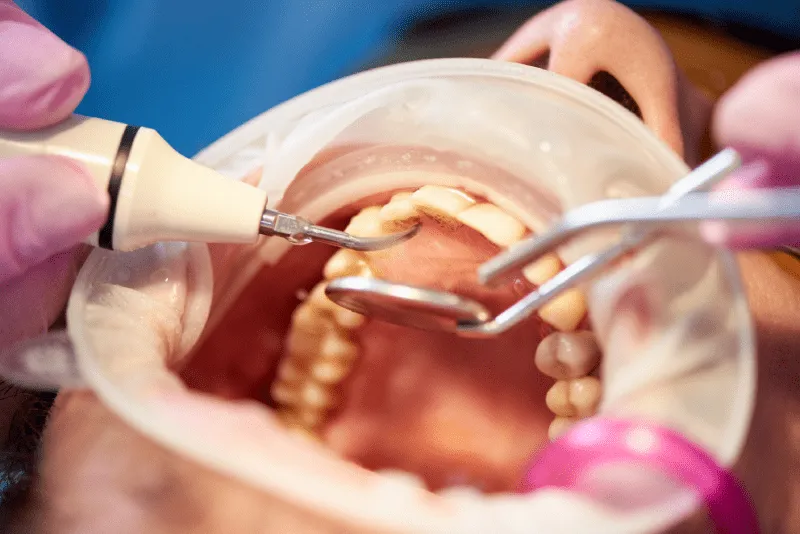
- Periodontal Evaluation: Diabetics are more susceptible to periodontal disease, which must be addressed before implant placement. This involves probing depths, bleeding on probing, and assessment of clinical attachment loss. Non-surgical periodontal therapy, including scaling and root planing, may be necessary.
- Salivary Analysis: Reduced salivary flow (xerostomia), a common side effect of diabetes and certain medications, impacts oral health. Salivary analysis helps assess salivary volume and buffering capacity, informing preventative strategies.
Step-by-Step Surgical Procedure
The implant placement procedure in Kuşadası leverages cutting-edge technology. CAD/CAM Digital Smile Design is paramount, allowing for precise pre-surgical planning and the creation of surgical guides. This minimizes invasiveness and maximizes implant positioning for optimal functional and aesthetic outcomes.
- Surgical Planning & Guide Fabrication: Based on the 3D CBCT scan, a digital treatment plan is developed. The surgical guide, fabricated using Intraoral Scanners and 3D printing, dictates the precise angle and depth of implant placement.
- Anaesthesia & Sterilisation: Local anesthesia, often combined with sedation for patient comfort, is administered. Rigorous sterilization protocols are followed, exceeding international benchmarks. The surgical site is prepared using antiseptic solutions.
- Flap Design & Osteotomy Preparation: A mucoperiosteal flap is elevated to expose the underlying bone. Osteotomies (bone preparation) are meticulously performed using cooled drills, adhering to precise protocols to prevent bone necrosis.
- Implant Placement & Immediate Loading (When Applicable): The implant is carefully inserted into the prepared osteotomy. In suitable cases (assessed through bone density and stability criteria), immediate loading with a temporary restoration may be considered.
- Suturing & Post-Operative Instructions: The mucoperiosteal flap is repositioned and sutured. Detailed post-operative instructions, including specific oral hygiene regimens and dietary recommendations, are provided.
Case Study: 55-Year-Old UK Patient
Mr. David H., a 55-year-old male from the UK with type 2 diabetes, presented with significant tooth loss in the lower arch. His HbA1c was 7.2% at initial assessment. Following consultation with Cure Holiday specialists, arrangements were made for pre-operative endocrinological assessment and optimization of his diabetes management. His HbA1c was successfully lowered to 6.8% prior to travel.
Upon arrival in Kuşadası, a 3D CBCT scan revealed adequate bone volume in the posterior mandible, although with some degree of bone resorption. A treatment plan involving four dental implants – an All-on-4 system – was proposed. Digital treatment planning and a surgical guide were fabricated. The surgical procedure was completed successfully over a single day. A temporary acrylic restoration was fitted, allowing for immediate function. After a four-month osseointegration period, a final fixed porcelain fused to zirconia (PFZ) bridge was delivered, restoring both function and aesthetics. Mr. H. was able to combine his dental treatment with a short holiday, enjoying the local attractions such as Ephesus Ancient City.
Safety Protocols & Infection Control
Maintaining a sterile surgical environment is paramount, particularly for diabetic patients. Kuşadası hospitals employ stringent infection control measures including:
- Hospital Accreditation: Facilities boast internationally recognized accreditations such as JCI (Joint Commission International), TÜRSAB Medical Tourism Certified, and are fully Ministry of Health Regulated.
- Advanced Sterilization: Autoclaves, chemical sterilization, and barrier techniques are employed to ensure all instruments and surfaces are free of microorganisms.
- Antibiotic Prophylaxis: Depending on individual risk factors, prophylactic antibiotics may be administered pre-operatively.
- Post-Operative Monitoring: Close monitoring for signs of infection is crucial. Patients are provided with clear instructions on how to recognize and report any potential complications.
- Soft Tissue Laser Application: Soft Tissue Lasers are utilized for precise and minimally invasive soft tissue management, promoting faster healing and reducing post-operative discomfort.
Financial Considerations
Kuşadası offers competitive pricing for dental implant procedures. Estimated costs include:
- Dental Implant per: 400 – 800 USD (Top Brands)
- All-on-4 System: 4,000 – 7,000 USD
- All-on-6 System: 5,500 – 9,000 USD
- Zirconia Crown per: 180 – 300 USD
These costs typically include the implant, abutment, and crown. Additional expenses may include pre-operative assessments, temporary restorations, and post-operative care.
Logistical Advantages
Kuşadası offers a seamless experience for medical tourists. The nearest airport is Izmir Adnan Menderes (ADB), approximately a 45-60 minute transfer away. The city’s proximity to the Ege Port Kuşadası cruise port allows for convenient consultations and even day treatments for cruise passengers. Beyond dental care, patients can enjoy attractions such as the ancient city of Ephesus, Pigeon Island, and Dilek Peninsula National Park. Accommodation options range from luxury boutique hotels to beachfront resorts and thermal spas, facilitating a comfortable recovery.
Patients considering dental implants in Kuşadası, particularly those with diabetes, can be assured of receiving high-quality care within a meticulously structured clinical journey, underpinned by stringent safety protocols and advanced technology.
Kuşadası: Seamless Travel Logistics & Recovery for Dental Implant Patients
Cure Holiday recognizes that undergoing dental implant treatment, particularly for patients managing diabetes, extends beyond the surgical procedure itself. Successful osseo-integration and long-term oral health demand a holistic approach, incorporating not only advanced dental technology but also comprehensive pre- and post-operative care, logistical ease, and a conducive recovery environment. Kuşadası, Turkey, offers a uniquely advantageous setting for dental tourism, particularly for individuals seeking dental implants, and is poised to become a premier recovery hub. This pillar details the travel, logistical, and recovery infrastructure available, specifically tailored to the needs of international patients undergoing complex procedures like dental implantology.
Navigating Arrival & Departure: Optimized for Dental Travelers
Accessibility is paramount. Kuşadası benefits from proximity to Izmir Adnan Menderes (ADB) Airport, a major international gateway, with a convenient transfer time of 45-60 minutes. This minimizes travel fatigue, a critical factor for patients undergoing even minimally invasive procedures. Beyond standard private airport transfers, arrangements can be streamlined to facilitate immediate post-operative assessment by a dedicated dental professional if requested – a service particularly beneficial for diabetic patients requiring vigilant glucose monitoring and wound care post-surgery.
For cruise passengers, Kuşadası’s Ege Port Kuşadası represents an unparalleled opportunity. The port’s location allows for rapid consultations and, in suitable cases, even same-day procedures such as initial assessments, diagnostic imaging (utilizing 3D CBCT Imaging, see Technical Standards), and temporary restorative solutions. This ‘cruise-and-treat’ model is ideal for patients requiring minor interventions or those wishing to initiate the diagnostic phase of implant planning during their travels. Careful pre-assessment via our free Online Video Consultation is crucial to determine suitability for such time-sensitive treatment.
Diabetes & Dental Implants: Pre-Operative Optimization
Patients with diabetes present unique challenges in implant dentistry. Uncontrolled hyperglycemia impacts osteoblast and osteoclast activity, hindering bone formation and increasing susceptibility to peri-implantitis – inflammation around the implant. Kuşadası hospitals acknowledge this and have implemented strict pre-operative protocols. These go beyond standard medical history reviews and include:
- Glycated Hemoglobin (HbA1c) Testing: A crucial indicator of long-term blood sugar control. Patients with HbA1c levels exceeding established thresholds (typically >7%) may require medical optimization prior to surgery.
- Comprehensive Periodontal Evaluation: Diabetic patients are at increased risk of periodontal disease, which can compromise implant stability. Detailed probing depths, radiographic assessment, and potentially microbiological analysis are undertaken.
- Bone Density Assessment: While 3D CBCT Imaging provides volumetric bone density data, supplementary assessments like quantitative CT scans may be employed to ensure adequate bone support, particularly in the posterior maxilla and mandible.
- Pharmacological Review: A detailed review of all medications, including anti-diabetic drugs, is conducted to identify potential interactions or contraindications with anesthesia or post-operative analgesics.
Pre-operative optimization often involves collaboration between the dental surgical team and the patient’s endocrinologist or primary care physician, ensuring a coordinated approach to maximize treatment outcomes.
Post-Operative Recovery: A Holistic Approach
Recovery in Kuşadası extends beyond simply resting. The region’s diverse accommodation options cater to various needs and preferences. Luxury Boutique Hotels offer personalized attention and privacy, while Beachfront Resorts provide a relaxing atmosphere conducive to healing. For those seeking therapeutic benefits, Thermal Spas leverage the region’s natural mineral springs, potentially aiding in tissue repair and reducing inflammation (though evidence supporting this is still emerging).
Specifically for diabetic patients post-implant surgery, recovery protocols emphasize:
- Strict Glucose Monitoring: Post-operative stress can significantly affect blood sugar levels. Patients are educated on self-monitoring techniques and provided with necessary supplies.
- Dietary Guidance: A soft-food diet, rich in protein and low in carbohydrates, is recommended to support wound healing and maintain stable glucose levels.
- Wound Care Instruction: Detailed instructions on oral hygiene practices, including gentle irrigation with chlorhexidine mouthwash and avoidance of direct pressure on the surgical site, are provided.
- Pain Management Protocol: Analgesic regimens are carefully tailored to minimize discomfort while avoiding medications that may negatively impact glucose metabolism.
- Regular Follow-Up Appointments: Close monitoring of implant integration, soft tissue healing, and glucose control is paramount. Multiple follow-up appointments are scheduled during the recovery period.
Beyond Treatment: Embracing Kuşadası’s Cultural Offerings
Kuşadası’s appeal extends beyond dental care. Patients can enrich their recovery experience by exploring the region’s historical and natural attractions. The Ephesus Ancient City (20 min) offers a fascinating glimpse into Roman history, while Pigeon Island (Güvercinada) provides stunning coastal views. Relaxation on Ladies Beach or exploration of the pristine wilderness of Dilek Peninsula National Park can contribute to overall well-being.
Technical Standards & Future Cost Projections
Kuşadası hospitals adhere to rigorous international standards. Accreditation by organizations like JCI (Joint Commission International), TÜRSAB Medical Tourism Certified status, and stringent regulation by the Ministry of Health guarantee quality and patient safety. Technological advancements are continuously integrated, including CAD/CAM Digital Smile Design, Intraoral Scanners, and Soft Tissue Lasers, enabling precise and minimally invasive implant placement.
Regarding costs, current pricing (as of late 2026) indicates:
- Dental Implant (per implant, Top Brands): 400 – 800 USD
- All-on-4 System: 4,000 – 7,000 USD
- All-on-6 System: 5,500 – 9,000 USD
- Hollywood Smile (Full Mouth): 3,000 – 5,000 USD
- Zirconia Crown (per crown): 180 – 300 USD
- E-max Veneer (per veneer): 250 – 400 USD
- Laser Whitening: 200 – 350 USD
Looking ahead to 2026, Cure Holiday anticipates a comprehensive cost audit to ensure continued value and transparency. This audit will consider fluctuations in material costs, exchange rates, and advancements in dental technology, maintaining Kuşadası’s position as a competitive and accessible destination for high-quality dental implant treatment.
Furthermore, hospitals are increasingly investing in AI-powered diagnostic tools to refine pre-operative planning and personalize treatment protocols, enhancing precision and predictability for all patients, especially those with complex medical histories like diabetes.
Planning a dental visit to Kuşadası? Get a Free Quote for Dental Implants for Diabetics in Kuşadası with cureholiday.com
Free Consultation
Fill out the form below to get your free medical travel plan and price quote.
Sources and how to verify this yourself
- Howe M-S, Keys W, Richards D. Long-term (10-year) dental implant survival: a systematic review and sensitivity meta-analysis. Journal of Dentistry, 2019 — pooled 10-year implant survival 96.4% (95% CI 95.2–97.5%); conservative sensitivity estimate 93.2%. source
- Joint Commission International, Find accredited international organizations — JCI accredits organisations (not individual surgeons); Türkiye has more than 35 accredited hospitals and the current status of a named hospital can be checked in this directory. source
- Ministry of Health, Regulation on International Health Tourism and Tourist Health, Official Gazette 26 April 2025, No. 32882 — authorisation requirement for facilities and intermediaries, TÜSKA accreditation, compulsory complication insurance (deadline 31 December 2025 for insurance, 31 December 2026 for accreditation). source
- Ministry of Health, Regulation on Promotion and Information Activities in Health Services, Official Gazette 12 November 2025, No. 33075 — treatment promises and guarantees are prohibited; price and campaign announcements are permitted only within international health tourism. source