About the prices on this page. The figures below are indicative market prices and country comparisons, not a quote. Our own current, all-inclusive prices are published on our medical travel in Turkey page, and we confirm your figure in writing before you commit to anything.
Cost and planning note (2026)
The figures below are indicative market ranges for 2026, not a quote: your own price depends on the clinic, the surgeon and your clinical assessment.
Indicative price range:
Facility standards: In Türkiye, any facility treating international patients must hold the Ministry of Health’s international health tourism authorisation; hospitals and medical centres must also be accredited by TÜSKA, and complication insurance is compulsory for procedures carried out in an operating theatre (Regulation of 26 April 2025). Ask us for the authorisation of the facility you are matched with.
Currency: USD / EUR / GBP accepted at all clinics.
Full Mouth Reconstruction for 70+ Seniors: Comfort-First Protocols in Istanbul
Full Mouth Reconstruction for 70+ Seniors: A Medical Foundation
Full mouth reconstruction (FMR) for patients aged 70 and beyond presents a unique set of clinical challenges and opportunities. This pillar establishes the foundational medical understanding underpinning successful FMR in this demographic, emphasizing patient-centric comfort protocols crucial for optimal outcomes. We focus on the ‘what’ and ‘why’ – the underlying physiology, diagnostic rigor, and treatment philosophies driving our approach at CureHoliday in Istanbul, Turkey.
Understanding Geriatric Dental Complexity
Age-related physiological changes significantly impact dental treatment planning. Salivary gland function commonly diminishes (xerostomia), increasing susceptibility to caries, periodontal disease, and mucosal complications. Reduced masticatory muscle strength and temporomandibular joint (TMJ) degeneration can alter occlusal forces and complicate prosthetic design. Moreover, polypharmacy – the concurrent use of multiple medications – is prevalent in this age group. Medications can cause xerostomia as a side effect, interfere with wound healing (e.g., anticoagulants), or even induce gingival hyperplasia (calcium channel blockers). A thorough medical history, including detailed medication review and consultation with the patient’s primary care physician, is therefore paramount.
Diagnostic Protocol: Beyond Traditional Assessments
Traditional diagnostic methods, while essential, require augmentation in geriatric FMR. Cone-beam computed tomography (CBCT) is routinely employed. This allows for precise 3D visualization of the alveolar bone, identification of subtle root fractures, and accurate assessment of sinus proximity – critical when planning implant placement. Beyond CBCT, a comprehensive assessment *must* include:
- Digital Occlusal Analysis: Utilizing pressure mapping technology (e.g., Tekscan) to evaluate occlusal forces and identify areas of excessive loading or instability. This guides prosthetic design to redistribute forces evenly, minimizing stress on compromised bone and implants.
- Salivary Flow Rate Measurement: Objective assessment of salivary flow using quantitative methods. Low salivary flow necessitates proactive strategies like saliva substitutes, meticulous oral hygiene protocols, and avoidance of sugary or acidic foods.
- Peri-Apical Assessment: While radiographic examination highlights obvious pathology, a focus on subtle peri-apical changes via CBCT is critical. Often, elderly patients present with chronic, low-grade inflammation that doesn’t manifest acutely but compromises long-term implant stability.
- Nutritional Status Evaluation: Malnutrition and vitamin deficiencies (e.g., Vitamin D, Calcium) can impair bone healing and tissue regeneration. We integrate a basic nutritional assessment and recommend supplementation when indicated.
Treatment Planning: Prioritizing Comfort & Minimizing Morbidity
FMR for seniors necessitates a phased approach prioritizing patient comfort and minimizing surgical morbidity. The treatment plan is not merely about restoring function; it’s about enhancing quality of life. Key considerations include:
- Socket Shield Technique: For immediate implant loading, the Socket Shield Technique is favored where appropriate. This involves preserving buccal cortical bone during tooth extraction and utilizing it as a shield around the implant, minimizing bone resorption and improving aesthetic outcomes, particularly in areas of thin biotype gingiva.
- Short Implant Strategy: When bone volume is limited, particularly in the posterior maxilla, short implants (10-12mm) can provide adequate stability and avoid the need for complex bone grafting procedures. However, meticulous case selection and careful occlusal management are essential.
- Pterygoid Implants: In cases of severe maxillary atrophy, pterygoid implants offer a viable alternative to traditional zygomatic implants, providing enhanced stability and reducing the risk of sinus complications.
- All-on-X/All-on-4 Concepts: Fully edentulous arches are often addressed using implant-supported overdentures. The All-on-X/All-on-4 concept (depending on bone availability and occlusal forces) provides excellent retention, stability, and aesthetics. However, prosthetic design must account for age-related muscle atrophy and potential difficulties with denture control. Magnetic attachments are frequently employed to facilitate easy cleaning and patient independence.
- Biohormetic Materials: Utilizing materials like bioactive glass and PRP (Platelet-Rich Plasma) during implant placement and bone grafting procedures promotes accelerated healing and enhanced osseointegration. This is particularly beneficial in seniors with compromised healing capabilities.
Material Selection & Prosthetic Design
The choice of materials significantly impacts long-term success. We prioritize biocompatibility, durability, and aesthetics. Zirconia is favored for its superior strength and aesthetic qualities, particularly for posterior crowns and bridges. For removable prostheses, flexible thermoplastic materials are preferred for their comfort and ease of use. Prosthetic design must consider:
- Reduced Vertical Dimension of Occlusion (VDO): Age-related changes in facial muscles and bone structure often lead to a loss of VDO. Careful assessment and appropriate adjustment are crucial to prevent TMJ dysfunction and improve aesthetics.
- Broadened Occlusal Tables: Expanding the occlusal table on posterior teeth distributes occlusal forces more evenly and reduces stress on implants.
- Anatomical Pontic Design: For fixed partial dentures, anatomical pontics that mimic natural tooth morphology promote proper plaque flow and facilitate oral hygiene.
Post-Operative Comfort & Recovery Protocols
Post-operative care is paramount. Our “Comfort-First” protocols include:
- Pharmacological Management: Gentle analgesics (e.g., Tramadol) are prescribed, avoiding strong opioids whenever possible. Steroid rinses can reduce inflammation and promote healing.
- Dietary Guidance: A soft diet is recommended for the first 2-4 weeks, gradually transitioning to a normal diet as tolerated.
- Oral Hygiene Instructions: Patients receive detailed instructions on proper oral hygiene, including the use of interdental brushes, water flossers, and antimicrobial mouth rinses.
- Regular Monitoring: Post-operative visits are scheduled at regular intervals to monitor healing, assess implant stability, and address any complications.
Financial Transparency & Logistics
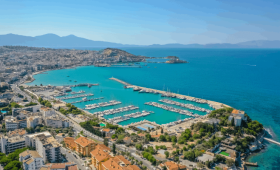
We understand the financial considerations for seniors undergoing FMR. A full mouth reconstruction in Istanbul can range from €8,000 – €18,000 (depending on the complexity of the case and materials used), £7,000 – £16,000, or $9,000 – $20,000. This represents significant savings compared to similar procedures in Western Europe or North America. We offer transparent pricing, payment plans, and assistance with travel arrangements. Turkey offers convenient e-visa access for citizens of the UK, US, and most EU countries, allowing for a 90-day stay. We offer recovery support in various locations: Istanbul (city/boutique hotels), Antalya (resort/beachside recovery), and Izmir (Aegean coast/thermal spas), catering to diverse preferences and recovery needs. Our medical facilities are JCI (Joint Commission International) Accredited and fully regulated by the Ministry of Health guaranteeing the highest standards of care.
The Surgical/Clinical Journey – Full Mouth Reconstruction for 70+ Seniors in Istanbul
Full mouth reconstruction (FMR) for patients aged 70 and above presents unique challenges and necessitates a meticulously planned surgical and clinical journey. At CureHoliday.com, we prioritize comfort and efficacy, leveraging advanced techniques and stringent quality control within Istanbul’s accredited medical facilities. This pillar details the step-by-step procedure, illustrates its application through a realistic case study, and outlines robust risk mitigation strategies tailored to the senior demographic.
Phase 1: Comprehensive Diagnostic & Pre-Surgical Planning
The initial phase transcends simple impressions and radiographs. For senior patients, a geriatric-specific medical history is crucial, encompassing co-morbidities (cardiovascular disease, diabetes, osteoporosis), medication lists, and allergy profiles. This informs anesthetic protocols and potential peri-operative management. We employ Cone-Beam Computed Tomography (CBCT) for detailed 3D imaging of the maxilla and mandible, revealing bone density, sinus proximity, and nerve canal locations – vital for implant planning. Traditional periapical and panoramic radiographs are supplemented by digital intraoral scanning using devices like the TRIOS system, generating highly accurate models for virtual treatment planning. This virtual planning allows for precise implant placement, avoiding critical anatomical structures and optimizing prosthetic outcomes.
Furthermore, a psychological assessment is conducted to understand the patient’s expectations and anxiety levels. FMR is a significant undertaking, and addressing emotional concerns pre-operatively improves compliance and satisfaction. Nutritional assessments identify potential deficiencies (e.g., Vitamin D, Calcium) and recommend supplementation to enhance bone healing and overall recovery.
Phase 2: Surgical Protocol – Implant Placement & Grafting
Our surgical approach for seniors prioritizes minimal invasiveness. Immediate-load dental implants are often feasible, particularly with sufficient bone volume. However, in cases of significant bone resorption (common in edentulous seniors), guided bone regeneration (GBR) using bioactive scaffolds (e.g., bovine bone mineral, collagen matrices) and/or sinus lifts may be necessary. We utilize piezoelectric surgery – a micro-vibration technique – to minimize trauma to the surrounding tissues during bone preparation, leading to reduced post-operative pain and swelling.
Implant selection considers factors beyond diameter and length. Surface modifications (e.g., SLA – sandblasted, large grit, acid-etched) enhance osseointegration, crucial for long-term stability, especially in compromised bone. We favour implants manufactured by leading companies like Straumann, Nobel Biocare, and Dentsply Sirona, renowned for their quality and biocompatibility. During implant placement, computer-guided surgery, utilising pre-planned surgical guides based on CBCT data, ensures accuracy and minimizes deviation from the ideal implant position. The use of PRP (Platelet-Rich Plasma) or PRF (Platelet-Rich Fibrin) during surgery accelerates healing and reduces the risk of infection.
Case Study: Mrs. Eleanor Vance, 72, UK Resident
Mrs. Vance presented with severe generalized periodontitis leading to complete edentulism. She had a history of controlled hypertension and osteoporosis. Following comprehensive diagnostics, a treatment plan involving 10 zygomatic implants and 6 conventional implants in the anterior mandible was proposed. Due to significant maxillary atrophy, zygomatic implants – anchored in the zygomatic bone – offered a stable solution without extensive bone grafting. Her osteoporosis required bisphosphonate holiday prior to surgery and careful monitoring of bone healing post-operatively. The surgical phase, performed under intravenous sedation by a qualified anesthesiologist, took approximately 6 hours. Immediate temporization with acrylic dentures allowed Mrs. Vance to regain functionality and aesthetics during the osseointegration phase. Final prosthetic delivery, consisting of a fixed, screw-retained zirconia bridge, was completed 4 months post-surgery. The total cost of her FMR was approximately $28,000 USD.
Phase 3: Prosthetic Rehabilitation & Follow-Up
Following a suitable osseointegration period (typically 3-6 months), prosthetic rehabilitation commences. For seniors, we prioritize prosthetic designs that are easy to clean, lightweight, and comfortable. CAD/CAM milled zirconia frameworks offer superior strength, aesthetics, and biocompatibility compared to traditional acrylic dentures. The use of magnetic attachments for overdentures simplifies cleaning and improves retention, particularly for patients with limited dexterity.
During the try-in phase, meticulous occlusal adjustments are performed to ensure proper bite distribution and prevent temporomandibular joint (TMJ) issues. Digital Bite Registration systems ensure accurate recording of the patient’s centric relation. We emphasize patient education on proper oral hygiene practices, including the use of interdental brushes, water flossers, and non-abrasive toothpaste.
Risk Mitigation Strategies – Geriatric Focus
- Pre-operative Medical Optimization: Strict control of pre-existing conditions (diabetes, hypertension) through collaboration with the patient’s primary care physician.
- Anesthesia Management: Utilizing experienced anesthesiologists familiar with geriatric anesthetic protocols, prioritizing minimal invasiveness and continuous monitoring.
- Post-operative Infection Control: Prophylactic antibiotic therapy tailored to the patient’s medical history, and meticulous surgical technique to minimize bacterial contamination.
- Osteoporosis Management: Assessing bone density and implementing appropriate calcium and Vitamin D supplementation. Temporary cessation of bisphosphonate therapy (with physician approval) may be necessary.
- Fall Risk Assessment: Evaluating fall risk and implementing preventative measures (e.g., assistive devices, home modifications) during the recovery period.
- Dedicated Recovery Support: Offering personalized post-operative care, including home visits by nurses or physiotherapists, particularly for patients opting for recovery in Istanbul (Istanbul (City/Boutique)), Antalya (Antalya (Resort/Beach)), or Izmir (Izmir (Aegean/Thermal)).
CureHoliday.com provides transparent pricing, with FMR packages starting from $20,000 USD depending on the complexity of the case and materials used. We accept payments in USD, EUR, and GBP. E-visas are readily available for most UK/US/EU citizens, allowing for a convenient 90-day stay in Turkey.
Recovery Logistics, 2026 Cost Audit, and the Final Medical Verdict for Full Mouth Reconstruction in Turkey (70+ Seniors)
Following the meticulous surgical planning and procedural execution of full mouth reconstruction (FMR) for patients aged 70 and above – as detailed in Pillars 1 & 2 – the critical phase of post-operative recovery demands a dedicated and nuanced logistical framework. CureHoliday.com prioritizes a ‘comfort-first’ approach, acknowledging the unique physiological considerations of senior patients undergoing complex dental rehabilitation. This pillar details the intricacies of recovery hubs, post-operative protocols, a projected 2026 cost comparison for FMR between Turkey (Istanbul & Antalya) and Western nations, and ultimately, the criteria for a definitive medical verdict regarding treatment success.
Recovery Hubs: Tailoring the Environment to the Patient
The post-operative environment significantly influences healing trajectory and patient wellbeing. CureHoliday.com offers three distinct recovery hub options, each tailored to different preferences and needs:
- Istanbul (City/Boutique): Ideal for active seniors who desire cultural immersion. Accommodations are within easy reach of the clinic for follow-up appointments. However, this environment necessitates a higher degree of patient self-sufficiency regarding transportation and accessing amenities. We partner with boutique hotels offering in-room physiotherapy and dietary consultations. This is best suited for patients with robust pre-existing mobility.
- Antalya (Resort/Beach): This hub prioritizes relaxation and passive recovery. Resort infrastructure provides readily available assistance, accessible dining, and the therapeutic benefits of mild climate and sea air. We select resorts with dedicated on-site nursing support and physiotherapy facilities. Post-operative swelling can often be minimized with gentle lymphatic drainage massage, readily available at these resorts.
- Izmir (Aegean/Thermal): Leveraging the established Turkish tradition of thermal therapy, Izmir offers a unique recovery experience. Mineral-rich thermal waters are believed to promote tissue regeneration and reduce inflammation – although rigorous scientific evidence is still emerging, anecdotal benefits are significant, and we carefully monitor patient responses. We collaborate with clinics specializing in post-surgical rehabilitation alongside thermal spa treatments.
A comprehensive pre-operative assessment determines the most appropriate hub based on patient health status, mobility, psychological preferences, and logistical considerations. For example, patients with significant co-morbidities (e.g., severe cardiac conditions, uncontrolled diabetes) would be preferentially directed towards Antalya or Izmir where immediate medical attention is readily available. All hubs adhere to JCI (Joint Commission International) accreditation standards, ensuring consistent quality of care.
Post-Operative Protocols: Beyond Standard Care
FMR for seniors necessitates a phased recovery protocol extending beyond the typical 4-6 weeks. Key considerations include:
- Soft Diet Management (Weeks 1-4): Transitioning from a purely liquid diet to progressively softer foods requires precise nutritional monitoring. We employ registered dieticians specializing in post-surgical nutrition, ensuring adequate protein intake (crucial for wound healing – a minimum of 80g per day) and micronutrient sufficiency (Vitamin D, Calcium, Zinc). The use of oral nutritional supplements is frequently indicated.
- Speech Therapy Integration (Weeks 2-8): Significant alterations in oral anatomy can temporarily impact speech clarity. Our integrated speech therapy program focuses on articulation exercises and neuromuscular re-education to restore optimal communicative function. This is particularly vital to prevent dysphagia (difficulty swallowing).
- Geriatric-Specific Pain Management: Senior patients often exhibit altered pharmacokinetics and pharmacodynamics. We prioritize non-opioid analgesics whenever possible, utilizing multimodal pain management strategies (e.g., local anesthetic infiltration, nerve blocks, transcutaneous electrical nerve stimulation – TENS) to minimize systemic side effects. Careful monitoring of renal and hepatic function is paramount.
- Prosthetic Adjustment & Occlusal Stabilization: Regular prosthetic adjustments are critical to prevent pressure sores and ensure proper occlusal (bite) harmony. Digital impression technology allows for rapid prototyping and modification of provisional prostheses. We incorporate myo-monitoring to assess muscle function and fine-tune the prostheses.
- Long-Term Monitoring (6-12 months): Annual follow-up appointments, including clinical examination, radiographic assessment (cone-beam computed tomography – CBCT), and prosthetic evaluation, are mandatory to detect early signs of complications (e.g., peri-implantitis, prosthetic failure).
2026 Cost Audit: Turkey vs. Western Nations
Based on current market trends and projected inflation rates, CureHoliday.com anticipates the following cost comparisons for a complete full mouth reconstruction (including implants, prostheses, and associated services) in 2026:
- Turkey (Istanbul/Antalya): $18,000 – $28,000 USD (depending on implant system, prosthetic material, and complexity of the case). This includes all pre-operative assessments, surgical procedures, post-operative care, and accommodation.
- United States: $40,000 – $80,000 USD (or higher, depending on location and specialist fees).
- United Kingdom: £30,000 – £60,000 GBP (equivalent to approximately $38,000 – $76,000 USD).
- Germany/Switzerland: €35,000 – €70,000 EUR (equivalent to approximately $38,000 – $76,000 USD).
These figures are estimates and will vary based on individual patient needs. However, the significant cost differential underscores the financial advantages of seeking FMR in Turkey, without compromising on quality. Currency exchange rates (USD, EUR, GBP) are continuously monitored to provide accurate cost projections.
The Final Medical Verdict: Defining Treatment Success
Successful FMR for 70+ seniors is not solely defined by anatomical restoration. We employ a multi-faceted assessment criteria:
- Functional Restoration: Ability to masticate a diverse range of foods without pain or difficulty. Objective measurements include chewing efficiency (using chromic acid indicator) and maximal bite force.
- Aesthetic Outcome: Achieving a natural-looking and harmonious smile that enhances facial aesthetics and patient self-esteem. Photographic documentation and patient-reported outcome measures (PROMs) are utilized.
- Patient-Reported Quality of Life: Assessing the impact of FMR on overall quality of life, including improvements in speech, social interaction, and psychological wellbeing, using validated questionnaires (e.g., Oral Health Impact Profile – OHIP).
- Biological Integrity: Maintaining long-term implant osseointegration, prosthetic stability, and peri-implant tissue health. Regular radiographic and clinical examinations are conducted.
- Absence of Complications: Minimizing post-operative complications such as infection, nerve damage, or prosthetic failure. A detailed complication registry is maintained for continuous quality improvement.
A final medical verdict is rendered only after a minimum of 12 months of post-operative monitoring and verification of all these criteria. CureHoliday.com provides a comprehensive warranty covering prosthetic maintenance and repair, offering long-term peace of mind. Our commitment to holistic care extends beyond the surgical procedure, ensuring a comfortable, fulfilling, and sustainable outcome for our senior patients.
Ready to consult a specialist? Schedule a Free Consultation for Full Mouth Reconstruction for 70+ Seniors in Turkey with cureholiday.com
Free Consultation
Fill out the form below to get your free medical travel plan and price quote.
Sources and how to verify this yourself
- Ministry of Health, Regulation on International Health Tourism and Tourist Health, Official Gazette 26 April 2025, No. 32882 — authorisation requirement for facilities and intermediaries, TÜSKA accreditation, compulsory complication insurance (deadline 31 December 2025 for insurance, 31 December 2026 for accreditation). source
- Ministry of Health, Regulation on Promotion and Information Activities in Health Services, Official Gazette 12 November 2025, No. 33075 — treatment promises and guarantees are prohibited; price and campaign announcements are permitted only within international health tourism. source