Navigating Fertility Treatment in Istanbul: A Comprehensive Guide
Istanbul, Turkey has rapidly emerged as a leading global destination for individuals and couples seeking In Vitro Fertilization (IVF) treatment. This isn’t simply due to competitive pricing, but a combination of factors including highly advanced reproductive technologies, experienced medical professionals, and notably high success rates. For many, the prospect of building a family feels increasingly within reach thanks to the dedication of Turkish clinics to cutting-edge techniques like Next Generation Sequencing (NGS) and Intracytoplasmic Sperm Injection (ICSI). Success rates for women under 35 undergoing IVF in Istanbul consistently exceed 60%, making it a particularly appealing option. However, navigating a medical journey abroad requires careful consideration. This guide focuses on understanding the landscape of IVF clinics in Istanbul, with a specific emphasis on those offering comprehensive care in English, and how cureholiday.com can streamline your experience.
Why Choose Istanbul for IVF?
Several key factors contribute to Istanbul’s growing reputation as a fertility hub:
- Advanced Technology: Clinics routinely employ the latest technologies, including Preimplantation Genetic Testing for Aneuploidy (PGT-A) – a common practice to screen embryos for chromosomal abnormalities – and sophisticated laboratory environments vital for optimal embryo development.
- Experienced Specialists: Turkey boasts a highly trained and experienced team of reproductive endocrinologists and embryologists dedicated to achieving successful outcomes.
- Cost-Effectiveness: Compared to many Western countries, IVF treatment in Istanbul offers significant cost savings without compromising on quality of care.
- Accessibility & Tourism: Istanbul is a well-connected international hub, making travel relatively easy and convenient. Combined with the city’s rich cultural heritage, patients can combine treatment with a memorable travel experience.
- English-Speaking Staff: Recognizing the needs of international patients, many leading clinics prioritize having English-speaking doctors, nurses, and patient coordinators to ensure clear communication and a comfortable experience.
Understanding the IVF Process in Istanbul
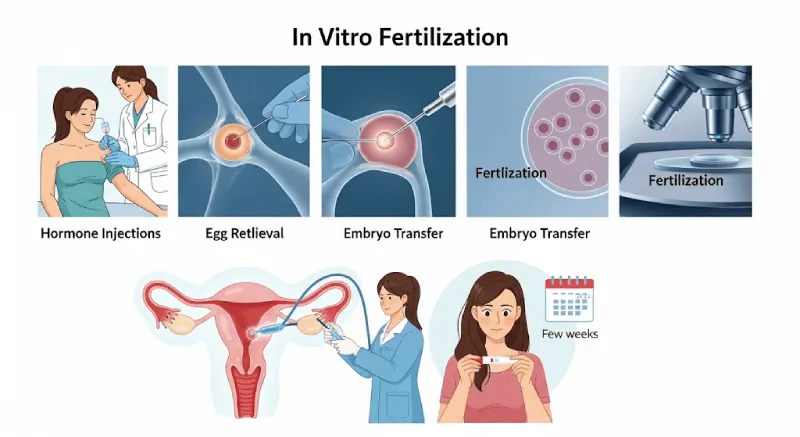
The IVF process, while largely standardized globally, can vary slightly between clinics. However, a typical cycle generally involves the following stages:
- Initial Consultation & Evaluation: This includes a thorough review of your medical history, a physical examination, and various diagnostic tests for both partners (including hormonal assessments, semen analysis, and uterine evaluation).
- Ovarian Stimulation: Fertility medications are prescribed to stimulate the ovaries to produce multiple eggs. Regular monitoring via ultrasound and blood tests is crucial during this phase.
- Egg Retrieval: Once the eggs have matured, they are retrieved from the ovaries through a minimally invasive procedure performed under sedation.
- Sperm Collection & Preparation: A sperm sample is collected and prepared for fertilization. ICSI is frequently utilized to enhance fertilization rates, especially in cases of male factor infertility.
- Embryo Culture & Selection: The eggs are fertilized with sperm in the laboratory, and the resulting embryos are cultured for several days. PGT-A, when appropriate, is performed to screen embryos for genetic health.
- Embryo Transfer: One or more healthy embryos are transferred into the woman’s uterus.
- Pregnancy Test: Approximately two weeks after the embryo transfer, a blood test is performed to determine if pregnancy has occurred.
Legal Considerations & Gender Selection
It’s important to understand the legal framework surrounding assisted reproductive technologies in Turkey. While gender selection for non-medical reasons is prohibited, comprehensive medical genetic screening (PGT-A) is legally permitted and routinely offered to identify embryos with chromosomal abnormalities. This screening enhances the chances of a healthy pregnancy and reduces the risk of miscarriage. Clinics adhere strictly to ethical and legal guidelines regarding embryo handling and storage.
The Importance of English-Speaking Medical Teams
Undergoing fertility treatment is emotionally and physically demanding. Effective communication with your medical team is paramount. Choosing a clinic with doctors and staff proficient in English eliminates language barriers, ensuring you fully understand the treatment plan, potential risks, and expected outcomes. This promotes trust, reduces anxiety, and empowers you to make informed decisions about your fertility journey.
Partnering with cureholiday.com for a Seamless Experience
Navigating the process of international medical travel can be complex. cureholiday.com offers a comprehensive suite of services designed to simplify your IVF journey to Istanbul. We provide:
- Clinic Selection: We connect you with reputable clinics that meet your specific needs and preferences, ensuring they have experienced English-speaking doctors.
- Treatment Coordination: We manage all aspects of your treatment plan, from initial consultation to post-transfer care.
- Travel & Accommodation Assistance: We can assist with booking flights, hotels, and transportation, making your travel arrangements stress-free.
- Dedicated Patient Support: Our dedicated patient coordinators are available 24/7 to answer your questions and provide ongoing support.
- Cost Transparency: We provide clear and upfront pricing, eliminating hidden fees and ensuring financial peace of mind.
Don’t leave your fertility journey to chance. Let cureholiday.com be your trusted partner in Istanbul, providing you with expert guidance, personalized care, and the support you need to achieve your dream of parenthood.
Unlocking Fertility Potential: Advanced IVF Techniques in Istanbul
Istanbul has rapidly become a leading global destination for IVF treatment, attracting patients from across the world. This surge in popularity isn’t simply due to competitive pricing, but more importantly, to consistently high success rates – often exceeding 60% for women under 35. These impressive outcomes are fueled by the adoption of cutting-edge reproductive technologies, particularly within advanced laboratory settings. Turkish clinics routinely utilize techniques like Next Generation Sequencing (NGS) and Intracytoplasmic Sperm Injection (ICSI) to optimize embryo selection and fertilization. While gender selection is legally prohibited, Preimplantation Genetic Testing for Aneuploidy (PGT-A) – a sophisticated form of medical genetic screening – is commonly employed to identify and select embryos with a higher chance of successful implantation and reduce the risk of miscarriage, as previously discussed.
Understanding the IVF Process: A Step-by-Step Guide
The journey to parenthood through IVF is multifaceted. Here’s a detailed overview of the typical stages involved in an IVF cycle undertaken in Istanbul:
- Ovarian Stimulation: The process begins with stimulating the ovaries to produce multiple eggs, rather than the single egg typically released during a natural menstrual cycle. This is achieved through daily injections of follicle-stimulating hormone (FSH) and other medications. Regular monitoring via ultrasound and blood tests ensures optimal stimulation and minimizes the risk of ovarian hyperstimulation syndrome (OHSS).
- Egg Retrieval: Once the follicles have matured, eggs are retrieved through a minor surgical procedure called transvaginal oocyte retrieval. This is performed under sedation and guided by ultrasound. A thin needle is inserted through the vaginal wall to aspirate the eggs from the follicles.
- Sperm Collection & Preparation: On the same day as egg retrieval, a sperm sample is collected from the male partner (or donor sperm is used). The sperm undergoes a process called capacitation, which prepares it for fertilization. In cases of male factor infertility, Intracytoplasmic Sperm Injection (ICSI) is often employed – a technique where a single sperm is directly injected into each egg.
- Fertilization & Embryo Culture: The eggs and sperm are combined in the laboratory, allowing fertilization to occur. Fertilized eggs, now called zygotes, are monitored closely as they develop into embryos over the next 3-7 days. Clinics in Istanbul often utilize time-lapse imaging to track embryo development without disturbing them, providing a more accurate assessment of quality.
- Embryo Selection: This is a critical stage. Embryologists assess the embryos based on their morphology (appearance) and developmental rate. Increasingly, clinics are utilizing Preimplantation Genetic Testing for Aneuploidy (PGT-A) to screen embryos for chromosomal abnormalities, significantly improving implantation rates and reducing the risk of miscarriage.
- Embryo Transfer: One or two carefully selected embryos are transferred into the woman’s uterus via a thin catheter. This is a relatively painless procedure that typically doesn’t require anesthesia.
- Pregnancy Test: Approximately two weeks after embryo transfer, a blood test is performed to determine if implantation has occurred and pregnancy has been established.
Advanced Techniques: PGT-A and ICSI Explained
As previously stated, Turkish IVF clinics are at the forefront of employing advanced techniques to maximize success. Let’s examine two pivotal procedures in greater detail:
Intracytoplasmic Sperm Injection (ICSI): ICSI is a revolutionary technique particularly beneficial for couples facing male factor infertility, such as low sperm count, poor sperm motility, or abnormal sperm morphology. Instead of allowing fertilization to occur naturally, a single sperm is directly injected into the egg, bypassing many of the barriers that might prevent fertilization. ICSI has dramatically improved outcomes for couples previously struggling to conceive.
Preimplantation Genetic Testing for Aneuploidy (PGT-A): PGT-A involves biopsying a few cells from an embryo before implantation to screen for chromosomal abnormalities. Chromosomal abnormalities are a major cause of failed IVF cycles and miscarriages. By selecting embryos with a normal chromosome complement, PGT-A significantly increases the chance of successful implantation and a healthy pregnancy. It is important to note that PGT-A is a screening test, not a diagnostic test, but provides valuable information to optimize embryo selection.
Comparing IVF Approaches: A Simplified Overview
| Feature | Traditional IVF | IVF with ICSI | IVF with PGT-A |
|---|---|---|---|
| Sperm Handling | Sperm & egg allowed to fertilize naturally | Single sperm injected directly into egg | Same as ICSI, with genetic screening |
| Ideal For | Couples with no known male factor infertility | Male factor infertility, previous fertilization failures | Recurrent miscarriage, advanced maternal age, family history of genetic disorders |
| Cost | Generally less expensive | More expensive than traditional IVF | Most expensive due to laboratory analysis |
| Success Rate | Varies based on patient factors | Higher for couples with male factor infertility | Potentially higher implantation rates & reduced miscarriage risk |
Navigating Your Medical Journey with cureholiday.com
Embarking on IVF treatment abroad requires careful planning and support. cureholiday.com is dedicated to providing a seamless and stress-free experience for patients seeking fertility care in Istanbul. We understand the emotional and logistical complexities involved, and we’re here to guide you every step of the way.
With cureholiday.com, you’ll benefit from:
- Expert Clinic Matching: We carefully vet and select only the most reputable clinics with experienced, English-speaking medical teams.
- Personalized Treatment Plans: We work with the clinic to create a treatment plan tailored to your specific needs and medical history.
- Comprehensive Travel Assistance: From flight bookings and hotel reservations to airport transfers and local transportation, we handle all your travel arrangements.
- 24/7 Patient Support: Our dedicated patient coordinators are available around the clock to answer your questions and provide ongoing support throughout your journey.
- Transparent Costing: We provide a clear breakdown of all costs upfront, so you can budget with confidence.
Don’t navigate this complex process alone. Let cureholiday.com be your trusted partner, providing you with expert guidance, personalized care, and the unwavering support you need to realize your dream of building a family.
Understanding Advanced IVF Techniques Available in Istanbul
Istanbul has rapidly become a globally recognized hub for reproductive medicine, attracting patients from around the world seeking advanced and affordable IVF treatments. Turkey’s commitment to cutting-edge laboratory technology, combined with highly skilled medical professionals, contributes to consistently high success rates – often exceeding 60% for women under 35. This isn’t simply about cost-effectiveness; it’s about access to some of the most innovative techniques available, including Next Generation Sequencing (NGS) and Intracytoplasmic Sperm Injection (ICSI). While gender selection is legally restricted, the country’s robust medical genetic screening practices, specifically Preimplantation Genetic Testing for Aneuploidy (PGT-A), offer enhanced possibilities for healthy pregnancies.
Preimplantation Genetic Testing (PGT): A Closer Look
PGT represents a significant advancement in IVF, allowing for the genetic screening of embryos before implantation. This process is crucial for couples facing recurrent miscarriage, those with advanced maternal age, or those with a family history of genetic disorders. PGT-A, the most commonly performed type, screens embryos for chromosomal abnormalities (aneuploidy), significantly increasing the chances of a successful implantation and reducing the risk of miscarriage. The process begins with a biopsy, where a few cells are carefully extracted from the trophectoderm (the outer layer of the embryo) typically on day 5 or 6 of development (blastocyst stage). These cells are then sent to a specialized genetic laboratory for analysis. Only embryos deemed chromosomally normal are selected for transfer.
The ICSI Procedure: Overcoming Male Factor Infertility
Intracytoplasmic Sperm Injection (ICSI) is a specialized form of IVF used to address male factor infertility, where sperm count, motility, or morphology are compromised. Traditional IVF relies on sperm naturally fertilizing the egg in a laboratory setting. However, ICSI involves directly injecting a single sperm into each mature egg. This procedure bypasses many of the barriers to fertilization, dramatically improving the chances of successful fertilization, particularly in cases of severe male factor infertility. The process is precise, requiring specialized equipment and a skilled embryologist.
Step-by-Step IVF Procedure in Istanbul
- Initial Consultation & Evaluation: A thorough assessment of both partners’ medical histories and fertility profiles, including blood tests, semen analysis, and uterine evaluation.
- Ovarian Stimulation: The female partner receives hormone injections to stimulate the ovaries to produce multiple eggs. Regular monitoring via ultrasound and blood tests is essential.
- Egg Retrieval: Once the eggs are mature, they are retrieved from the ovaries using a transvaginal ultrasound-guided needle aspiration.
- Sperm Collection & Preparation: Sperm is collected from the male partner and prepared in the laboratory. ICSI may be performed at this stage if indicated.
- Fertilization & Embryo Development: Eggs and sperm are combined (or ICSI is performed) and monitored for fertilization. Developing embryos are cultured in the laboratory.
- PGT-A (if applicable): Biopsy and genetic screening of embryos.
- Embryo Transfer: One or more healthy embryos are transferred into the woman’s uterus using a thin catheter.
- Pregnancy Test: A blood test is performed approximately two weeks after the embryo transfer to determine if implantation has occurred.
Comparing Common IVF Techniques
| Technique | Description | Ideal Candidate | Approximate Added Cost |
|---|---|---|---|
| Traditional IVF | Sperm and egg are combined in a lab; relies on natural fertilization. | Couples with unobstructed fallopian tubes, normal sperm parameters, and no significant genetic concerns. | Base IVF Cost |
| ICSI | Single sperm is injected directly into the egg. | Couples with male factor infertility (low sperm count, poor motility, or abnormal morphology). | Moderate – covers lab procedures. |
| PGT-A | Genetic screening of embryos to detect chromosomal abnormalities. | Couples with recurrent miscarriage, advanced maternal age, or a family history of genetic disorders. | Significant – due to laboratory analysis. |
Choosing the right IVF technique is a highly individualized process. cureholiday.com offers expert clinic matching services, ensuring that you are connected with a clinic best suited to your specific needs and medical history. Our team works closely with the clinic to develop a personalized treatment plan tailored to maximize your chances of success.
Don’t let the complexities of medical tourism overwhelm you. cureholiday.com provides comprehensive travel assistance, handling everything from flight bookings and hotel reservations to airport transfers and local transportation. We also offer 24/7 patient support, ensuring that you have a dedicated patient coordinator available to answer your questions and provide ongoing guidance throughout your entire journey. We believe in transparent costing, providing a clear breakdown of all expenses upfront so you can budget with confidence.
Let cureholiday.com be your trusted partner in Istanbul, providing the expert care and unwavering support you deserve.
Navigating IVF Treatment Options in Istanbul
Turkey has rapidly become a leading destination for individuals and couples seeking In Vitro Fertilization (IVF) treatment, largely due to its advanced reproductive technologies, internationally recognized clinics, and notably high success rates. For those under 35, success rates often exceed 60%, a testament to the sophisticated laboratory environments – incorporating technologies like Next-Generation Sequencing (NGS) and Intracytoplasmic Sperm Injection (ICSI). While gender selection is legally prohibited, comprehensive medical genetic screening, specifically Preimplantation Genetic Testing for Aneuploidy (PGT-A), is routinely offered to ensure the healthiest possible embryos are transferred. This section will further explore common IVF techniques offered in Istanbul, and how cureholiday.com can streamline your journey.
Understanding Common IVF Techniques
The path to successful IVF isn’t one-size-fits-all. The optimal technique depends heavily on the underlying cause of infertility and individual patient circumstances. Here’s a breakdown of some prevalent IVF methods used in Istanbul clinics:
| Technique | Description | Ideal Candidate | Estimated Cost Impact |
|---|---|---|---|
| Traditional IVF | Sperm and egg are combined in a lab; relies on natural fertilization. | Couples with unobstructed fallopian tubes, normal sperm parameters, and no significant genetic concerns. | Base IVF Cost |
| ICSI | Single sperm is injected directly into the egg. | Couples with male factor infertility (low sperm count, poor motility, or abnormal morphology). | Moderate – covers lab procedures. |
| PGT-A | Genetic screening of embryos to detect chromosomal abnormalities. | Couples with recurrent miscarriage, advanced maternal age, or a family history of genetic disorders. | Significant – due to laboratory analysis. |
Beyond these core techniques, variations and adjunct treatments may be incorporated, such as assisted hatching, blastocyst culture, and cryopreservation (freezing embryos for later use). Your chosen clinic will discuss these options in detail and determine the most appropriate approach based on your specific needs.
What to Expect: A Typical IVF Journey in Istanbul
The IVF process generally involves several key stages:
- Initial Consultation & Testing: This includes a comprehensive review of your medical history, a physical examination, and various diagnostic tests for both partners to identify the cause of infertility.
- Ovarian Stimulation: Fertility medications are administered to stimulate the ovaries to produce multiple eggs. This stage is closely monitored through ultrasound and blood tests.
- Egg Retrieval: Once the eggs are mature, they are retrieved from the ovaries using a minimally invasive procedure guided by ultrasound.
- Fertilization & Embryo Development: The retrieved eggs are fertilized with sperm in the laboratory. Embryos are then cultured for several days, allowing them to develop.
- Embryo Transfer: One or more embryos are transferred into the uterus, with the goal of implantation and pregnancy.
- Pregnancy Test: Approximately two weeks after the embryo transfer, a blood test is performed to determine if pregnancy has occurred.
The entire process typically takes between 3 to 4 weeks per cycle, excluding the initial diagnostic phase.
Frequently Asked Questions (FAQ)
Here are some common questions prospective patients have about undergoing IVF treatment in Istanbul:
- Q: What is the success rate of IVF in Turkey?
- A: Success rates vary depending on age and individual factors, but generally, they are comparable to or exceed those in many Western countries, with rates above 60% for those under 35.
- Q: Is IVF affordable in Istanbul?
- A: IVF treatment in Istanbul is generally more affordable than in many other countries, including the United States and Western Europe, without compromising quality.
- Q: Are English-speaking doctors available?
- A: Yes, many clinics in Istanbul have doctors and staff who are fluent in English, ensuring clear communication throughout your treatment journey.
- Q: What does PGT-A involve, and is it safe?
- A: PGT-A (Preimplantation Genetic Testing for Aneuploidy) is a genetic screening process performed on embryos to identify chromosomal abnormalities. It is considered a safe and effective procedure.
- Q: How long does a typical IVF cycle last?
- A: A complete IVF cycle typically lasts around 3-4 weeks, excluding the initial consultations and diagnostic tests.
- Q: What aftercare is provided?
- A: Clinics offer post-transfer monitoring and support, including blood tests and ultrasounds, to confirm pregnancy and ensure a healthy start.
- Q: Can I combine my IVF treatment with a vacation?
- A: Istanbul offers a rich cultural experience, and it’s often possible to combine your treatment with a short break, although prioritizing rest during critical stages is important.
Disclaimer: This information is for general knowledge and informational purposes only, and does not constitute medical advice. It is essential to consult with a qualified healthcare professional for any health concerns or before making any decisions related to your health or treatment.
Let cureholiday.com take the stress out of your medical tourism experience. We understand the emotional and logistical challenges of seeking fertility treatment abroad. cureholiday.com provides a seamless end-to-end solution, encompassing clinic selection based on your individual needs, personalized treatment plans, comprehensive travel arrangements (flights, accommodation, transfers), and 24/7 patient support. We prioritize transparent costing, providing a clear breakdown of all expenses, ensuring you can focus on what matters most: building your family.
Navigating Your IVF Journey in Istanbul: Essential Questions Answered
Turkey has rapidly become a leading destination for individuals and couples seeking IVF treatment, particularly Istanbul. This is due to a confluence of factors: world-class medical facilities utilizing advanced reproductive technologies like Next Generation Sequencing (NGS) and Intracytoplasmic Sperm Injection (ICSI), experienced medical professionals, and significantly more affordable treatment costs compared to many Western countries. Success rates, particularly for women under 35, frequently exceed 60%, making it a compelling option. However, undertaking medical tourism requires careful consideration. This section addresses common questions prospective patients have regarding IVF procedures in Istanbul, focusing on the practicalities and what to expect.
Understanding Preimplantation Genetic Testing (PGT)
Modern IVF clinics in Istanbul often offer a range of genetic testing options to improve the chances of a successful and healthy pregnancy. While gender selection is legally prohibited, Preimplantation Genetic Testing – specifically PGT-A – is widely available and increasingly common.
- Q: What is the difference between PGT-A, PGT-M, and PGT-SR?
- A: PGT-A (Preimplantation Genetic Testing for Aneuploidy) screens embryos for the correct number of chromosomes. PGT-M (Preimplantation Genetic Testing for Monogenic/Single Gene Defects) tests for specific inherited genetic disorders. PGT-SR (Preimplantation Genetic Testing for Structural Rearrangements) identifies embryos with chromosomal structural abnormalities. Clinics will recommend the appropriate testing based on your medical history and family background.
- Q: What happens during the PGT-A process?
- A: A small number of cells are carefully removed from the trophectoderm (the outer layer of the embryo) typically on day 5-7 of embryo development. These cells are then analyzed to determine if the embryo has the correct number of chromosomes. Only chromosomally normal embryos are typically selected for transfer.
- Q: How does PGT-A improve IVF success rates?
- A: By selecting chromosomally normal embryos, PGT-A reduces the risk of miscarriage and increases the chances of a healthy pregnancy. It’s particularly beneficial for women of advanced maternal age or those with a history of recurrent miscarriages.
- Q: What are the potential risks associated with PGT-A?
- A: While considered generally safe, PGT-A carries a very small risk of damage to the embryo during cell biopsy. However, experienced embryologists utilize techniques to minimize this risk. It’s also important to note that PGT-A is not a guarantee of a successful pregnancy, but rather a tool to improve the odds.
- Q: How long does PGT-A add to the IVF cycle?
- A: PGT-A typically adds approximately 1-2 weeks to the overall IVF cycle, as the genetic testing process requires time for analysis.
The Typical IVF Cycle Timeline
Understanding the stages of an IVF cycle is crucial for managing expectations and planning your time in Istanbul. While individual experiences may vary, here’s a general overview:
- Phase 1: Initial Consultation & Diagnostic Testing (1-2 weeks): This involves a thorough medical evaluation of both partners, including blood tests (hormonal profile, ovarian reserve assessment), semen analysis, and potentially imaging (ultrasound).
- Phase 2: Ovarian Stimulation (10-12 days): Fertility medications are administered to stimulate the ovaries to produce multiple eggs. Regular monitoring via ultrasounds and blood tests is crucial to track follicle development.
- Phase 3: Egg Retrieval (1 day): Once the follicles reach maturity, eggs are retrieved using a minimally invasive ultrasound-guided procedure.
- Phase 4: Fertilization & Embryo Culture (3-7 days): Eggs are fertilized with sperm in the laboratory. Embryos are cultured and monitored for development. PGT-A, if selected, is performed during this stage.
- Phase 5: Embryo Transfer (1 day): One or two healthy embryos are transferred into the uterus.
- Phase 6: Pregnancy Test & Monitoring (2 weeks): A blood test is performed approximately two weeks after embryo transfer to confirm pregnancy. Continued monitoring via ultrasounds ensures a healthy early pregnancy.
Combining Treatment with a Cultural Experience
Istanbul is a vibrant and historically rich city, and many patients choose to combine their IVF treatment with a short vacation. While it’s certainly possible, it’s vital to prioritize rest and adhere to medical instructions, particularly during critical stages like ovarian stimulation and the immediate post-transfer period. Heavy physical activity and strenuous sightseeing should be avoided.
- Q: Is it possible to sightsee during my IVF cycle?
- A: Light, relaxing activities are generally permissible, but consult with your doctor before engaging in any extensive sightseeing.
- Q: What type of accommodation is best during IVF treatment?
- A: Comfortable and convenient accommodation close to the clinic is recommended to minimize travel stress.
- Q: What about dietary recommendations during treatment?
- A: Clinics will likely provide dietary advice focused on a balanced and healthy diet.
Disclaimer: This information is for general knowledge and informational purposes only, and does not constitute medical advice. It is essential to consult with a qualified healthcare professional for any health concerns or before making any decisions related to your health or treatment.
Don’t navigate the complexities of medical tourism alone. Let cureholiday.com take the stress out of your medical tourism experience. We understand the emotional and logistical challenges of seeking fertility treatment abroad. cureholiday.com provides a seamless end-to-end solution, encompassing clinic selection based on your individual needs, personalized treatment plans, comprehensive travel arrangements (flights, accommodation, transfers), and 24/7 patient support. We prioritize transparent costing, providing a clear breakdown of all expenses, ensuring you can focus on what matters most: building your family.
Planning Your IVF Journey: Practical Considerations for Patients in Istanbul
Turkey has rapidly become a leading destination for individuals and couples seeking In Vitro Fertilization (IVF) treatment, and Istanbul is at the heart of this growth. This is due to a confluence of factors, notably the advanced technologies employed in Turkish reproductive medicine – including Next Generation Sequencing (NGS) and Intracytoplasmic Sperm Injection (ICSI) – and, critically, often significantly lower costs compared to Western countries. Clinics consistently report success rates exceeding 60% for women under 35, making Turkey a compelling option. However, navigating a medical procedure in a foreign country requires careful planning. This section will address crucial practical considerations to help ensure a smooth and successful IVF experience in Istanbul.
Understanding the Treatment Timeline and Combining it with Travel
A typical IVF cycle spans approximately 21-28 days, although this can vary depending on individual protocols. The process involves several key stages: ovarian stimulation, egg retrieval, fertilization, and embryo transfer. Each stage demands specific attention and adherence to medical instructions. While Istanbul offers the allure of combining treatment with a vacation, it’s crucial to prioritize your health and the delicate nature of the IVF process.
The most intensive periods are ovarian stimulation (typically 8-14 days) and the two-week wait (luteal phase) following embryo transfer. During stimulation, frequent monitoring appointments – involving blood tests and ultrasounds – are essential. This necessitates being readily available and close to the chosen clinic. Post-transfer, absolute rest and minimizing stress are paramount. While gentle exploration of the city is possible, strenuous activities and long journeys should be avoided.
Accommodation and Logistics
Selecting the right accommodation is vital. cureholiday.com specializes in securing comfortable and conveniently located hotels or serviced apartments close to leading IVF clinics in Istanbul. This minimizes travel time to and from appointments, reducing stress and allowing you to focus on your well-being. We understand the need for a relaxing and supportive environment during this sensitive time. Consider apartments with kitchen facilities, allowing for greater control over your diet (discussed below).
Beyond accommodation, cureholiday.com handles all logistical aspects of your trip, including airport transfers and, if required, assistance with local transportation. We aim to remove the burden of practical arrangements, so you can concentrate fully on your treatment and emotional well-being.
Dietary Guidance During IVF Treatment
While clinics will provide detailed dietary advice tailored to your specific needs, general recommendations include a balanced diet rich in fruits, vegetables, lean protein, and whole grains. Focus on foods high in folic acid, antioxidants, and omega-3 fatty acids. It’s generally advisable to limit caffeine intake, avoid alcohol and smoking, and stay well-hydrated.
Clinics often suggest avoiding processed foods, sugary drinks, and excessive amounts of red meat. A healthy diet supports egg quality (for women) and sperm health (for men), potentially increasing the chances of a successful outcome. cureholiday.com can assist in identifying restaurants offering healthy menu options or provide information on local grocery stores to facilitate self-catering.
Understanding Legal and Medical Considerations
It’s important to be aware that gender selection for non-medical reasons is legally restricted in Turkey. However, Preimplantation Genetic Testing for Aneuploidy (PGT-A), a medical genetic screening performed on embryos before transfer, is commonly offered to assess chromosomal health and improve implantation rates. This testing is performed in advanced labs equipped with the latest technology.
Frequently Asked Questions
- Q: What documents do I need to bring for IVF treatment in Istanbul?
- A: Typically, you’ll need your medical history, previous fertility reports, a copy of your ID/passport, and potentially a letter from your primary care physician. cureholiday.com provides a comprehensive checklist to ensure you have everything required.
- Q: How does cureholiday.com ensure transparency in costing?
- A: We provide a detailed, itemized breakdown of all expenses, including consultation fees, treatment costs, medication, accommodation, transfers, and any additional services. There are no hidden fees.
- Q: What if I have specific dietary requirements or allergies?
- A: We will communicate your dietary needs to the clinic and can assist in arranging suitable meals or identifying restaurants that cater to your requirements.
- Q: Is language support available throughout my treatment?
- A: Yes, cureholiday.com provides dedicated patient coordinators who are fluent in English and will accompany you to appointments, translating medical information and providing support.
- Q: What kind of follow-up care is provided after the embryo transfer?
- A: Clinics offer post-transfer monitoring, including blood tests to confirm pregnancy. cureholiday.com ensures you receive clear instructions and support throughout the follow-up period, even after you return home.
- Q: What about medication? Is it included in the cost and where will I obtain it?
- A: Medication costs are typically separate, though we provide detailed costings. Medication will be prescribed by the clinic and can be obtained from local pharmacies in Istanbul. We can arrange for assistance with obtaining medication if needed.
Disclaimer: This information is for general knowledge and informational purposes only, and does not constitute medical advice. It is essential to consult with a qualified healthcare professional for any health concerns or before making any decisions related to your health or treatment.
Don’t leave your fertility journey to chance. cureholiday.com offers a complete, stress-free medical tourism experience, designed to maximize your chances of success and ensure a comfortable and supportive journey to parenthood. From meticulous clinic selection to comprehensive travel arrangements and 24/7 patient support, we are with you every step of the way.
Schedule a consultation for IVF Clinics in Istanbul with in Turkey with cureholiday.com
Free Consultation
Fill out the form below to get your free medical travel plan and price quote.
Sources and how to verify this yourself
- HFEA (UK regulator), Fertility treatment 2024: trends and figures — average birth rate 30% per embryo transferred with the patient’s own eggs; 38% at ages 18–34 and 8% at 43–44. source
- Ministry of Health, Regulation on Assisted Reproductive Treatment Practices and Centres (ÜYTE), Official Gazette 30 September 2014 — treatment is limited to married couples using their own gametes; donor eggs, donor sperm, donor embryos and surrogacy are not permitted in Türkiye. source
- Ministry of Health, Regulation on International Health Tourism and Tourist Health, Official Gazette 26 April 2025, No. 32882 — authorisation requirement for facilities and intermediaries, TÜSKA accreditation, compulsory complication insurance (deadline 31 December 2025 for insurance, 31 December 2026 for accreditation). source
- Ministry of Health, Regulation on Promotion and Information Activities in Health Services, Official Gazette 12 November 2025, No. 33075 — treatment promises and guarantees are prohibited; price and campaign announcements are permitted only within international health tourism. source