About the prices on this page. The figures below are indicative market prices and country comparisons, not a quote. Our own current, all-inclusive prices are published on our cosmetic surgery in Turkey page, and we confirm your figure in writing before you commit to anything.
Cost and planning note (Mommy Makeover 2026)
The figures below are indicative market ranges, not a quote: your own price is confirmed after a clinical assessment.
Indicative price range: Standard Package: 4,500 – 7,500 USD | Advanced Combination: 8,000 – 12,000 USD | Tummy Tuck: 3,000 – 5,000 USD | Breast Lift: 2,500 – 4,500 USD | Liposuction Per Area: 500 – 1,500 USD | Bbl Fat Transfer: 3,500 – 5,500 USD
Facility standards: In Türkiye, any facility treating international patients must hold the Ministry of Health’s international health tourism authorisation; hospitals and medical centres must also be accredited by TÜSKA, and complication insurance is compulsory for procedures carried out in an operating theatre (Regulation of 26 April 2025).
Recovery Focus: Post-pregnancy body restoration & safety first.
Currency: GBP, EUR, USD accepted.
Liposuction for “Love Handles” and Muffin Tops: Tailored Contouring in Turkey
Post-Pregnancy Restoration: Foundations for a Renewed Physique
Pregnancy profoundly alters the female body, often leaving lasting changes in abdominal musculature and breast structure. While the joy of motherhood is immeasurable, the physical toll can impact self-confidence and overall well-being. This pillar focuses on the foundational procedures – Tummy Tuck (Abdominoplasty), Breast Lift (Mastopexy), and Diastasis Recti repair – that form the cornerstone of post-pregnancy body contouring. We’ll delve into the technical aspects of these procedures, the rigorous safety benchmarks expected in advanced surgical tourism destinations like Turkey, and why this region has become globally recognized as a leading hub for comprehensive “Mommy Makeovers.”
Understanding Diastasis Recti & Targeted Repair
Diastasis Recti, a common condition following pregnancy, involves the separation of the rectus abdominis muscles – the ‘six-pack’ muscles. This separation isn’t merely aesthetic; it can contribute to lower back pain, pelvic instability, and difficulty with core strengthening. The severity ranges from mild separation, amenable to physiotherapy, to significant gaps requiring surgical intervention.
Surgical repair, performed as part of a Tummy Tuck or as a standalone procedure, goes beyond simply bringing the separated muscles back together. Diastasis Recti repair involves internal corset suturing of the abdominal fascia. This utilizes strong, non-absorbable sutures to create a lasting, internal ‘brace,’ effectively re-approximating the linea alba (the fibrous structure connecting the rectus abdominis). A crucial aspect often overlooked is the plication of the deeper abdominal fascia layers. This plication, a deliberate folding and suturing technique, reinforces the repair and prevents recurrence, offering enhanced long-term stability. The precise technique depends on the degree of separation and individual patient anatomy. Pre-operative assessment with dynamic ultrasound imaging is paramount to determine the optimal surgical approach.
Tummy Tuck Variations: Tailoring the Approach
The Abdominoplasty, commonly known as a Tummy Tuck, isn’t a one-size-fits-all procedure. Several variations cater to different levels of abdominal laxity and patient goals. Options include:
- Full Tummy Tuck: Addressing significant skin excess and muscle separation, this involves an incision from hip to hip and around the umbilicus. The navel is meticulously repositioned to maintain a natural appearance.
- Mini Tummy Tuck: Ideal for patients with localized excess skin below the umbilicus and minimal muscle separation. This involves a shorter incision, often resulting in a smaller scar and quicker recovery.
- Extended Tummy Tuck (360): This more comprehensive approach addresses skin excess around the entire torso, encompassing the flanks and back. It’s frequently sought by patients who’ve experienced significant weight fluctuations or have generalized skin laxity.
Beyond the incision length, the technique employed for tightening the abdominal muscles is critical. Traditional suturing techniques are often combined with techniques like component separation, allowing for greater muscle tightening without compromising vascular supply to the abdominal skin flaps. The choice is individualized based on pre-operative assessment and surgical planning.
Breast Lift Techniques & Implant Considerations
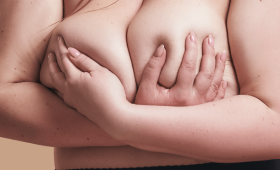
Pregnancy and breastfeeding significantly impact breast volume and shape, often leading to ptosis (sagging). A Breast Lift (Mastopexy) restores youthful contour and improves breast position. Similar to the Tummy Tuck, variations exist:
- Anchor Mastopexy: This addresses moderate to severe ptosis, providing a significant lift and reshaping the breast tissue.
- Stem Mastopexy: Suitable for mild to moderate ptosis, this technique preserves more of the original breast tissue and nipple sensation.
- Inverted-T Mastopexy: Used for the most significant ptosis, this involves a vertical and horizontal incision pattern for maximum lift and reshaping.
Often, a Breast Lift is combined with breast augmentation using implants. When choosing implants, surgeons prioritize safety and longevity. Breast implants used: Mentor, Motiva, or Polytech (JCI approved). These manufacturers adhere to stringent quality control standards, minimizing the risk of complications. The implant profile (height and projection) and volume are carefully selected to achieve a natural-looking and proportionate result, considering the patient’s existing breast tissue and desired aesthetic.
Advanced Liposuction for Contour Refinement: Vaser & Beyond
While the Tummy Tuck and Breast Lift address laxity and structural changes, Liposuction refines the body’s contours by removing localized fat deposits. Traditional liposuction is effective, but Vaser Liposuction is used for high-definition contouring with minimal bruising. Vaser utilizes ultrasound energy to selectively break down fat cells before removal, resulting in smoother contours and reduced trauma to surrounding tissues. This leads to less swelling, bruising, and a faster recovery period. Liposuction is frequently used to target persistent “love handles” and muffin tops that don’t respond to diet and exercise. The cost for liposuction per area ranges from 500 – 1,500 USD depending on the extent of the treatment.
Turkey as a Global Hub for Mommy Makeovers: Safety & Logistics
Turkey has emerged as a premier destination for Mommy Makeovers due to a combination of highly skilled surgeons, modern facilities, and cost-effectiveness. However, choosing a reputable provider is paramount. Safety benchmarks should include:
- Board Certification: Ensure the surgeon is board-certified in plastic surgery by a recognized national or international body.
- JCI Accreditation: Facilities with Joint Commission International (JCI) accreditation adhere to rigorous quality and safety standards.
- Anesthesia Expertise: Qualified anesthesiologists with experience in complex plastic surgery procedures are crucial.
- Post-Operative Care: Comprehensive post-operative care protocols, including pain management and wound care, are essential for optimal healing.
Furthermore, comprehensive packages should include:
- Logistics: Seamless arrangements including airport transfers from Istanbul (IST) or Antalya (AYT), and accommodation in 5-star recovery suites with companion stay included.
- Consultations: Thorough pre-operative evaluations, including free online video assessments with board-certified plastic surgeons to discuss goals and expectations.
Typical package costs for a standard Mommy Makeover (Tummy Tuck & Breast Lift) range from 4,500 – 7,500 USD. More advanced combinations, including Diastasis Recti repair or BBL fat transfer, may range from 8,000 – 12,000 USD. A BBL (Brazilian Buttock Lift) with fat transfer to the buttocks, using fat harvested during liposuction, is becoming increasingly popular and costs between 3,500 – 5,500 USD.
Recovery: 7-10 days in Turkey, 6 weeks for full exercise return. During the initial recovery period, close monitoring by the surgical team is vital. Patients are provided with detailed post-operative instructions and ongoing support to ensure a smooth and complication-free healing process.
The Surgical Transformation: Addressing “Love Handles” & Muffin Tops with Liposuction in Turkey
For individuals seeking targeted body contouring, particularly addressing the persistent fat deposits commonly known as “love handles” and “muffin tops,” advanced liposuction techniques offered in Turkey represent a sophisticated solution. This pillar details the surgical process, patient journey, and uncompromising safety standards that define a comprehensive approach to this increasingly popular procedure. Unlike generalized weight loss, these localized fat pockets often resist diet and exercise, prompting consideration of surgical intervention.
Pre-Operative Assessment & Surgical Planning
The journey begins with a thorough online video consultation with a board-certified plastic surgeon. This initial assessment isn’t simply a visual evaluation; it’s a detailed exploration of the patient’s medical history, lifestyle, and specific aesthetic goals. A crucial element is identifying the underlying anatomical factors contributing to the “love handle” or “muffin top” appearance. Often, the issue isn’t just subcutaneous fat, but also the relative laxity of the underlying musculature and the presence, or degree, of Diastasis Recti – a separation of the abdominal muscles. This is particularly common post-pregnancy.
High-resolution imaging and potentially 3D/4D modelling are employed to create a personalized surgical plan. This allows the surgeon to map the fat distribution, identify the optimal incision points (typically minimal and strategically placed), and determine the appropriate liposuction technique. Consideration is also given to skin elasticity. Patients with significantly reduced skin tone may be advised to combine liposuction with procedures like a tummy tuck (abdominoplasty) to achieve optimal results. The costs for a tummy tuck range from 3,000 – 5,000 USD.
The Liposuction Procedure: Vaser & Combination Techniques
While various liposuction methods exist, Vaser Liposuction is frequently utilized for achieving high-definition contouring in the flank and abdominal areas. This ultrasound-assisted liposuction uses targeted ultrasonic energy to liquefy fat cells before they are gently aspirated. Vaser technology allows for greater precision, minimizing trauma to surrounding tissues and resulting in less bruising and faster recovery compared to traditional liposuction. This precision is vital when sculpting the delicate curves of the waistline.
However, for patients presenting with more complex concerns—such as diastasis recti alongside localized fat—a more advanced combination surgery is often recommended. This might involve:
- Liposuction targeting the “love handles” and “muffin top” areas.
- Diastasis Recti repair, which involves internal corset suturing of the abdominal fascia to restore core strength and improve the abdominal profile. The technique utilizes strong, biocompatible sutures to re-approximate the separated muscles.
- In some cases, a limited skin excision to remove excess skin and further tighten the abdominal wall.
This holistic approach addresses both the fat deposits and the underlying structural issues, yielding more natural-looking and long-lasting results. The cost of a standard liposuction package is between 4,500 – 7,500 USD, while the advanced combination surgery ranges from 8,000 – 12,000 USD. The selection of the best approach is determined by the individual patient’s anatomy and goals.
Case Study: A 34-Year-Old Irish Mother of Three
Consider the case of a 34-year-old Irish mother of three who, despite maintaining a healthy lifestyle, struggled with persistent “muffin tops” following her pregnancies. She presented with mild Diastasis Recti and a desire to regain her pre-pregnancy figure. After a detailed online consultation and 3D imaging, the surgical team recommended a combination of Vaser Liposuction, and a mini tummy tuck. The mini tummy tuck was chosen due to the limited skin laxity and focused on addressing the lower abdomen.
The surgery was performed under general anesthesia with meticulous attention to detail. The Vaser probes were used to precisely sculpt the flanks, while the mini tummy tuck addressed the diastasis recti and removed the excess skin. The patient reported minimal post-operative discomfort and a significant improvement in her abdominal contour. At her six-month follow-up, she expressed complete satisfaction with the results, noting a restored confidence in her appearance.
Safety Standards & Post-Operative Care
Patient safety is paramount. All facilities adhere to stringent JCI (Joint Commission International) standards, which encompass meticulous sterilization protocols, qualified surgical teams, and comprehensive patient monitoring. The breast implants utilized, if part of a combined procedure such as a breast lift (costing 2,500 – 4,500 USD), are sourced from reputable manufacturers – Mentor, Motiva, or Polytech – all JCI approved.
Post-operatively, patients typically remain in Turkey for 7-10 days to facilitate initial recovery and monitoring. Accommodation is provided in 5-star recovery suites, and a companion stay is included. VIP private transfers are arranged from the airport (Istanbul (IST) or Antalya (AYT)) to the clinic, and throughout the recovery period. Compression garments are essential for minimizing swelling and supporting the healing process. Pain management is proactively addressed with appropriate analgesia.
The return to full exercise is generally advised around the 6-week mark, although this can vary depending on individual healing rates and the extent of the surgery. Ongoing support and follow-up are provided remotely by the surgical team, ensuring optimal long-term results.
Additional Considerations & Combined Procedures
Patients interested in more extensive body contouring may explore combining liposuction with other procedures. For example, a Brazilian Butt Lift (BBL) with fat transfer (3,500 – 5,500 USD) can utilize the fat harvested during liposuction to augment the buttocks, creating a sculpted silhouette. Liposuction per individual area is also available, priced between 500 – 1,500 USD.
It’s important to understand that liposuction is not a weight-loss solution, but rather a body contouring procedure. Ideal candidates are individuals who are close to their ideal weight and have localized fat deposits that are resistant to conventional methods. A realistic understanding of expectations, combined with meticulous surgical planning and adherence to post-operative instructions, are key to achieving a satisfying and natural-looking outcome.
Post-Operative Villa Recovery & Childcare in Turkey: A Comprehensive Guide
Following liposuction to address “love handles” and muffin tops – technically known as flank and supra-pubic adiposity – the post-operative period is paramount for achieving optimal results and minimizing complications. This pillar details the robust recovery logistics offered within a Turkish medical tourism framework, extending beyond the immediate surgical period to encompass a seamless transition back to everyday life, even for parents. We focus on the nuanced requirements of post-operative care, childcare considerations, realistic timelines for return to flight, and a detailed cost comparison to procedures undertaken in the UK and USA.
The Initial 7-10 Days: Dedicated Recovery Suites
The first 7-10 days post-surgery are crucial for initial wound healing, edema resolution, and pain management. Unlike standard hospital stays, Cure Holiday arrangements prioritize private, luxury recovery suites, frequently integrated into villa-style accommodations. These are not merely hotels; they are specifically designed spaces providing a comfortable and hygienic environment conducive to healing. Each suite typically includes a dedicated caregiver (nurse) for the first 48-72 hours, providing 24/7 monitoring and administering prescribed analgesics, antibiotics (prophylactic, to minimize risk of infection) and anti-inflammatory medications.
Drainage tubes, if utilized – determined by the extent of liposuction and technique employed (such as Vaser Liposuction, which tends to yield less post-operative fluid accumulation due to its selective fat disruption) – are typically removed within 5-7 days. Compression garments are mandatory, usually applied immediately post-operatively and worn continuously for 4-6 weeks to minimize seroma formation and optimize skin retraction. These garments provide crucial external support to the treated areas, aiding in the remodeling of subcutaneous tissues and contributing to a smoother contour. Patients are carefully instructed on proper garment care and donning/doffing techniques.
Childcare Logistics & Support
For parents undergoing this procedure, logistical arrangements for childcare are paramount. Recovery villas can comfortably accommodate a companion, often a partner or trusted caregiver, and many providers offer dedicated childcare services, including in-villa nannies or access to reputable local childcare facilities. It’s crucial to understand that full physical exertion is restricted for 6 weeks, rendering tasks such as lifting, running, or prolonged standing impossible. Therefore, comprehensive childcare planning is essential.
Considerations include age-specific needs. Infants require continuous care, while older children might need assistance with school runs, meal preparation, and extracurricular activities. Cure Holiday specialists can assist in pre-arranging these services, ensuring continuity of care and allowing the recovering parent to focus solely on healing. We advise against travel with infants under 6 months unless absolutely necessary, prioritizing maternal recovery.
Returning Home: Fly-Home Timelines & Considerations
While many patients feel physically improved after 7-10 days, air travel requires careful consideration. Factors influencing flight readiness include the extent of liposuction performed (number of areas treated), individual healing rates, and the presence of any complications. Generally, short-haul flights are permissible after 10-14 days, provided a certificate of fitness is obtained from the surgeon. Long-haul flights are typically recommended to be delayed until after 3-4 weeks to minimize the risk of deep vein thrombosis (DVT).
Preventative measures against DVT are crucial. These include wearing compression stockings during the flight, staying adequately hydrated, performing ankle pumps regularly, and ambulating within the cabin whenever possible. We strongly advise against flying economy class, as the restricted legroom can exacerbate DVT risk. Business or First Class is preferable due to the increased space and ability to move more freely.
2026 Cost Breakdown: Turkey vs. UK/USA
The appeal of medical tourism in Turkey extends beyond the quality of care; cost savings are significant. The following provides a projected cost comparison for 2026, factoring in anticipated inflation (estimated at 3-5% annually):
- Standard Package (Liposuction of flanks & Supra-pubic area): 4,500 – 7,500 USD
- Advanced Combination (Vaser Liposuction + Post-op Villa Recovery): 8,000 – 12,000 USD
- Tummy Tuck (with or without Liposuction): 3,000 – 5,000 USD (often combined for optimal results)
- Breast Lift (associated with post-partum body changes): 2,500 – 4,500 USD
- Liposuction (per area): 500 – 1,500 USD
- Brazilian Butt Lift (BBL) with fat transfer: 3,500 – 5,500 USD (utilizing liposuctioned fat)
In comparison, the same procedures in the UK or USA typically range from:
- Liposuction (flanks & Supra-pubic): £6,000 – £12,000 (UK) / $8,000 – $15,000 (USA)
- Tummy Tuck: £7,000 – £15,000 (UK) / $10,000 – $20,000 (USA)
- BBL: £8,000 – £18,000 (UK) / $12,000 – $25,000 (USA)
These estimates include surgical fees, anesthesia, facility costs, and initial post-operative garments. However, they *do not* include accommodation, travel, childcare, or potential complication management, which can significantly increase the overall cost in the UK/USA. The Turkish packages detailed here generally encompass all-inclusive options, simplifying budgeting and financial planning.
Addressing Complications & Follow-Up
While rare, potential complications following liposuction include seroma, hematoma, infection, skin necrosis, and asymmetry. The initial 7-10 days in Turkey allow for close monitoring for these issues, with immediate access to the surgical team for intervention. Diastasis Recti repair, often addressed concurrently, requires particularly diligent post-operative care to ensure optimal healing of the abdominal fascia.
Post-discharge, patients receive detailed aftercare instructions and are encouraged to maintain regular communication with their surgeon via telemedicine. Follow-up appointments are typically scheduled at 3, 6, and 12 months post-operatively to assess results and address any concerns. While follow-up care is ideally managed by the original surgical team, options for continuity of care with a qualified plastic surgeon in the patient’s home country can be facilitated.
It’s important to remember that individual healing timelines vary. Adhering to post-operative instructions, maintaining a healthy lifestyle, and attending all scheduled follow-up appointments are essential for achieving lasting results and ensuring a smooth recovery journey.
Considering a Mommy Makeover in Turkey? Get a Free Quote for your Liposuction for “Love Handles” and Muffin Tops Transformation with cureholiday.com
Free Consultation
Fill out the form below to get your free medical travel plan and price quote.
Sources and how to verify this yourself
- Ministry of Health, Regulation on International Health Tourism and Tourist Health, Official Gazette 26 April 2025, No. 32882 — authorisation requirement for facilities and intermediaries, TÜSKA accreditation, compulsory complication insurance (deadline 31 December 2025 for insurance, 31 December 2026 for accreditation). source
- Ministry of Health, Regulation on Promotion and Information Activities in Health Services, Official Gazette 12 November 2025, No. 33075 — treatment promises and guarantees are prohibited; price and campaign announcements are permitted only within international health tourism. source