Cost and planning note (2026)
The figures below are indicative market ranges for 2026, not a quote: your own price depends on the clinic, the surgeon and your clinical assessment.
Indicative price range: Standard Cycle: 3,000 – 5,000 USD | With Pgt: add 1,500 – 3,000 USD | Donor eggs and sperm: not permitted under Turkish law (own gametes only).
Facility standards: In Türkiye, any facility treating international patients must hold the Ministry of Health’s international health tourism authorisation; hospitals and medical centres must also be accredited by TÜSKA, and complication insurance is compulsory for procedures carried out in an operating theatre (Regulation of 26 April 2025). Ask us for the authorisation of the facility you are matched with.
Currency: USD / EUR / GBP accepted at all clinics.
Secondary Infertility: Why Families Return to Turkey for Their Second Child
Secondary Infertility: A Medical Overview & Turkey’s Rising Role
Secondary infertility – the inability to conceive after previously bearing a child – is an increasingly prevalent concern, accounting for a significant proportion of all infertility diagnoses. Unlike primary infertility, it carries unique emotional and psychological burdens, often compounded by the assumption that conception ‘should’ be straightforward. Understanding the medical foundations of secondary infertility is paramount, as is evaluating the treatment options available to those seeking to expand their families, which explains the rising trend of medical tourism to Turkey.
The Etiology of Secondary Infertility: A Deep Dive
Establishing the underlying cause of secondary infertility requires a comprehensive diagnostic workup, often differing from that performed for primary infertility. While initial investigations frequently mirror those for primary infertility – assessing ovulatory function, sperm parameters, and uterine patency – the focus shifts towards identifying factors that have *changed* since the first successful pregnancy.
- Female Factors: Postpartum complications like uterine scarring (Asherman’s Syndrome) following D&C procedures (dilation and curettage), or Cesarean section adhesions, can impede implantation. Endometriosis, often latent, can progress and affect tubal function and ovarian reserve. Peritubal adhesions following pelvic inflammatory disease (PID), even mild cases potentially missed initially, can also contribute. A decline in ovarian reserve with age, measured via Anti-Müllerian Hormone (AMH) and Antral Follicle Count (AFC), is a crucial assessment. Subtle thyroid imbalances or the development of Polycystic Ovary Syndrome (PCOS) post-pregnancy can disrupt ovulation.
- Male Factors: While often assumed constant, sperm quality can decline over time. Factors such as age, lifestyle changes (smoking, alcohol consumption, obesity), and even exposure to environmental toxins can impact sperm morphology, motility, and concentration. Damage to the testicular vessels, or subtle varicocele formation, might contribute.
- Combined Factors: Secondary infertility frequently involves a combination of male and female factors. Identifying these requires coordinated evaluation of both partners.
- Unexplained Infertility: Despite thorough investigation, a cause remains elusive in a notable percentage of cases. In these scenarios, advanced diagnostic techniques, like hysteroscopy and laparoscopy, might be warranted to rule out subtle anatomical issues.
Advanced Assisted Reproductive Technologies (ART) Employed in Turkey
Turkey has emerged as a leading destination for secondary infertility treatment, driven by a combination of advanced medical technology, cost-effectiveness, and established regulatory frameworks. Clinics specializing in ART offer a full spectrum of procedures beyond standard in vitro fertilization (IVF).
- Intracytoplasmic Sperm Injection (ICSI): A cornerstone of modern ART, ICSI involves the direct injection of a single sperm into an egg, bypassing potential fertilization barriers. This is particularly beneficial in cases of male factor infertility, even with seemingly minor abnormalities.
- Micro-chip Sperm Sorting: Leveraging microfluidic technology, these devices separate sperm based on DNA fragmentation and motility. Selecting sperm with intact DNA minimizes the risk of failed fertilization and early pregnancy loss, a crucial factor for those who have previously experienced miscarriages.
- Embryoscope Time-Lapse Imaging: Traditional incubators provide a static environment. Embryoscopes continuously monitor and record embryonic development using time-lapse photography. This allows embryologists to select the most viable embryos for transfer, significantly enhancing implantation rates and reducing the need for multiple cycles. The system assesses parameters like mitotic index, fragmentation rate, and blastocyst formation time – details often unavailable with conventional methods.
- Preimplantation Genetic Testing (PGT): For couples with recurrent miscarriages, advanced maternal age, or a family history of genetic disorders, PGT – encompassing PGT-A (aneuploidy screening), PGT-M (monogenic/single gene defects), and PGT-SR (structural rearrangements) – provides critical insights into embryonic genetic health. The cost for PGT adds approximately 1,500 – 3,000 USD to a standard IVF cycle.
- Endometrial Receptivity Analysis (ERA): This test assesses the optimal timing for embryo transfer by analyzing gene expression in the endometrium. It’s particularly valuable for patients with recurrent implantation failure, identifying whether the embryo is being transferred at the most receptive stage of the uterine lining.
Cost & Standards: The Turkish Advantage
The cost of ART in Turkey represents a significant draw for international patients. A standard IVF cycle typically ranges from 3,000 – 5,000 USD. This price point is substantially lower than comparable treatment in many Western European countries or the United States. However, cost should not be the sole determining factor.
Turkish medical facilities specializing in reproductive medicine adhere to rigorous international standards. Many clinics are Joint Commission International (JCI) accredited, demonstrating a commitment to quality patient care and safety. The Turkish Ministry of Health provides comprehensive regulation of ART practices, ensuring adherence to ethical guidelines and clinical protocols. Furthermore, the availability of multiple currency options – USD, EUR, and GBP – simplifies financial arrangements for international patients.
Logistical Considerations & Recovery Hubs
Obtaining a visa for Turkey is streamlined for citizens of most UK, US, and EU nations, with an e-visa providing a stay of up to 90 days. This facilitates convenient travel and accommodation for the duration of treatment.
Turkey offers diverse recovery options catering to different preferences:
- Istanbul: A vibrant cosmopolitan city with a wide range of hotels, from boutique accommodations to luxury resorts, providing a blend of medical care and cultural experiences.
- Antalya: A renowned resort destination on the Mediterranean coast, ideal for a relaxing recovery period with access to beaches and wellness facilities.
- Izmir: Situated on the Aegean coast, Izmir boasts thermal spas and a more laid-back atmosphere, perfect for those seeking a tranquil recovery environment.
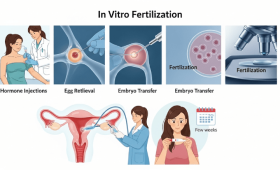
The duration of stay required for an IVF cycle in Turkey is typically between 10-14 days, including initial consultations, monitoring, egg retrieval, embryo transfer, and a brief observation period. Follow-up care can be coordinated remotely, ensuring continuity of care after returning home.
The Surgical & Clinical Journey: Navigating Secondary Infertility Treatment in Turkey
For families facing the emotional and physiological challenges of secondary infertility – the inability to conceive after previously bearing a child – the path to expanding their family can be complex. While initial success with a first pregnancy doesn’t preclude underlying issues, subsequent difficulty often requires a more detailed diagnostic and therapeutic approach. Turkey has emerged as a leading destination for international patients seeking advanced infertility treatments, and specifically, for those navigating the nuances of secondary infertility. This pillar will detail the clinical journey, technical protocols, and crucial risk mitigation strategies implemented within Turkish fertility clinics.
Diagnostic Precision: Uncovering the Root Cause
Unlike primary infertility, secondary infertility requires a careful assessment of changes since the first successful pregnancy. A comprehensive evaluation begins with a detailed medical history review, focusing on any complications from the previous pregnancy or delivery, gynecological surgeries, and changes in lifestyle factors. For the female partner, this includes:
- Hysterosalpingography (HSG): A radiographic examination to assess uterine cavity morphology and patency of the fallopian tubes. Postpartum, uterine synechiae (Asherman’s Syndrome) – internal scar tissue – can obstruct implantation.
- Transvaginal Ultrasound & Follicle Monitoring: Evaluates ovarian reserve via Antral Follicle Count (AFC) and assesses response to ovarian stimulation. Changes in ovarian function are common with increasing age and even following pregnancy.
- Hormonal Profiling: Measurements of Follicle-Stimulating Hormone (FSH), Luteinizing Hormone (LH), Estradiol, Progesterone, and Anti-Müllerian Hormone (AMH) provide crucial insights into ovarian function and potential ovulatory disorders.
- Endometrial Biopsy: A histological examination of the uterine lining to evaluate receptivity and rule out endometrial pathologies. This is especially important if recurrent implantation failure is suspected.
Male factor infertility, often overlooked in secondary infertility cases, requires equally diligent investigation:
- Semen Analysis: A thorough assessment of sperm count, motility, morphology, and DNA fragmentation. Changes in semen parameters can occur over time.
- DNA Fragmentation Testing: High levels of DNA fragmentation can impair fertilization and embryo development. This is a critical assessment, particularly if previous IVF cycles have failed.
- Hormonal Evaluation: Testing for Testosterone, FSH, and LH can identify hormonal imbalances impacting sperm production.
Advanced Technologies Employed
Turkish fertility clinics frequently integrate state-of-the-art technologies to optimize outcomes. Several key techniques are routinely utilized for secondary infertility cases:
- Intracytoplasmic Sperm Injection (ICSI): A cornerstone of modern IVF, ICSI involves injecting a single sperm directly into an egg, bypassing potential issues with sperm motility or morphology. This is particularly beneficial when male factor infertility contributes to secondary infertility.
- Micro-chip Sperm Sorting: This technology separates sperm based on DNA fragmentation levels. By selecting sperm with minimal DNA damage, the chances of successful fertilization and healthy embryo development are increased. It’s especially useful in cases of high DNA fragmentation identified through previous testing.
- Embryoscope Time-Lapse Imaging: This advanced incubator continuously monitors embryo development, providing detailed information about cell division patterns and chromosomal stability. This allows embryologists to select the most viable embryos for transfer, increasing implantation rates and reducing miscarriage risk. The non-invasive nature is a key benefit.
- Preimplantation Genetic Testing (PGT): For patients with a history of recurrent miscarriage or known genetic disorders, PGT (including PGT-A for aneuploidy screening and PGT-M for monogenic/single gene defects) can identify chromosomally normal embryos, improving implantation rates and reducing the risk of genetic conditions. Adding PGT to a standard IVF cycle increases the cost to 3,000 – 5,500 USD.
A Persona Case Study: Eleanor, 45, UK
Eleanor and her husband successfully conceived their first child via natural conception seven years ago. After attempting to conceive for two years without success, they sought consultation at a leading Turkish fertility clinic. Initial investigations revealed diminished ovarian reserve (low AMH) and mild endometriosis identified through laparoscopy. Her husband’s semen analysis was within normal limits. The proposed treatment plan involved ovarian stimulation with a gonadotropin protocol, ICSI, and Embryoscope monitoring. PGT-A was discussed due to her age and the increased risk of aneuploidy. After a successful transfer of a genetically screened embryo, Eleanor conceived and delivered a healthy baby boy. The total cost of her treatment, including PGT, was approximately 5,200 USD. The recovery period was spent in Antalya, utilizing the resort’s facilities for post-treatment relaxation and wellness.
Risk Mitigation & Quality Assurance
Choosing a clinic with robust quality control measures is paramount. Turkish clinics actively pursue JCI (Joint Commission International) accreditation, demonstrating adherence to international healthcare standards. Furthermore, all clinics are regulated by the Turkish Ministry of Health, ensuring patient safety and ethical practices.
- Infection Control Protocols: Stringent sterilization and hygiene protocols are in place to minimize the risk of infection.
- Embryo Safety Systems: Clinics employ sophisticated embryo monitoring and security systems to prevent loss or misidentification.
- Experienced Medical Team: Clinics boast highly qualified reproductive endocrinologists, embryologists, and nursing staff with extensive experience in managing complex infertility cases.
- Transparent Communication: Clear and consistent communication with patients throughout the treatment process is prioritized, fostering trust and informed decision-making.
Financial & Logistical Considerations
A standard IVF cycle in Turkey typically costs between 3,000 – 5,000 USD. Clinics offer packages that often include consultations, diagnostic tests, medication, and embryo transfer. Payment is typically accepted in USD, EUR, and GBP. Most UK, US, and EU citizens are eligible for an e-visa, allowing a stay of up to 90 days. Patients can choose to recover in various locations, including the vibrant city of Istanbul, the resort areas of Antalya, or the peaceful Aegean coast of Izmir, catering to diverse preferences and budgets.
Secondary infertility presents unique challenges, but with precise diagnosis, advanced technologies, and a commitment to quality care, Turkish fertility clinics offer a viable and increasingly popular path towards achieving family completion.
Recovery Logistics, 2026 Cost Audit & The Final Medical Verdict – Secondary Infertility in Turkey
For families who have successfully conceived and raised a child, facing secondary infertility – the inability to conceive after previously having a healthy pregnancy – can be profoundly distressing. While the emotional toll is significant, the practical considerations for treatment, particularly for international patients, are complex. This pillar details the recovery logistics, a projected cost analysis for 2026, and a critical assessment of Turkey’s medical capabilities, specifically addressing the needs of those navigating secondary infertility.
Recovery Hubs: Beyond the Clinic Walls
The recovery phase following Assisted Reproductive Technology (ART) procedures is crucial for implantation success and overall maternal well-being. Unlike initial fertility journeys, families pursuing a second child often have existing commitments – work, schooling for their first child, and established routines. Turkey offers distinct recovery hub options to accommodate these needs.
- Istanbul (City/Boutique): Ideal for patients who prefer a dynamic environment with access to cultural experiences. Hotels often offer in-room nursing care and tailored wellness programs. Post-transfer, patients benefit from access to a range of specialists – endocrinologists monitoring progesterone levels, hematologists addressing potential clotting disorders (thrombophilias), and immunologists investigating potential immune-mediated infertility. This is particularly relevant in secondary infertility where subtle immunological factors may be at play.
- Antalya (Resort/Beach): A popular choice prioritizing relaxation and stress reduction. The warm climate and access to holistic therapies, such as acupuncture and massage (utilized cautiously and under medical supervision post-transfer), can support psychological well-being. Antalya’s infrastructure caters well to families, with children’s facilities and activities.
- Izmir (Aegean/Thermal): Izmir presents a unique option with thermal spas offering mineral-rich waters. While not a direct treatment for infertility, the therapeutic benefits of balneotherapy can alleviate stress and muscle tension, potentially enhancing overall receptivity during the luteal phase post-embryo transfer. Careful monitoring by the clinic is essential to ensure spa treatments don’t interfere with medication protocols.
Crucially, CureHoliday.com prioritizes clinics offering dedicated post-transfer support – 24/7 nurse lines, proactive follow-up appointments, and coordinated care with local general practitioners upon return home. This includes detailed discharge summaries outlining all medications, dosages, and potential complications requiring immediate attention.
2026 Cost Audit: Antalya vs. Istanbul & Western Country Comparison
The economic landscape of fertility treatment is constantly shifting. A projected cost audit for 2026 reveals Turkey continues to offer significant savings compared to Western nations, even factoring in travel and accommodation. The currency focus for international patients remains USD, EUR, and GBP, with clinics generally offering fixed pricing in these currencies to mitigate exchange rate fluctuations.
Here’s a projected breakdown:
- Standard IVF/ICSI Cycle: Projected cost of 3,000 – 5,000 USD in Turkey (Istanbul & Antalya). Comparable cycles in the US range from 12,000 – 20,000 USD, in the UK 5,000 – 10,000 GBP, and in Western Europe 8,000 – 15,000 EUR.
- IVF/ICSI with Preimplantation Genetic Testing (PGT): Adding PGT for chromosomal screening (PGT-A) or monogenic/single gene defects (PGT-M) increases the cost to 4,500 – 8,000 USD in Turkey. This remains substantially lower than Western country pricing, which can exceed 25,000 USD in the US, 12,000 GBP in the UK, and 18,000 EUR in Western Europe. PGT is increasingly utilized in secondary infertility cases where there may be a higher risk of aneuploidy with advancing maternal age or a family history of genetic disorders.
- Egg Donation (If Applicable): Egg donation is legally permitted in Turkey under specific regulations. Costs vary depending on donor characteristics and agency fees, but generally fall between 2,500 – 6,000 USD inclusive of donor screening, medication, and retrieval.
It’s important to note that these figures are estimates. Additional costs may include medications, travel insurance, and optional add-ons such as endometrial receptivity analysis (ERA) or advanced sperm selection techniques.
The Final Medical Verdict: Addressing Secondary Infertility Etiology
Secondary infertility often presents a more complex diagnostic challenge than primary infertility. A thorough investigation is paramount, moving beyond the standard semen analysis and ovarian reserve testing. Turkish fertility clinics specializing in secondary infertility employ a comprehensive approach:
- Advanced Semen Analysis: Beyond motility and morphology, DNA fragmentation analysis assesses sperm genetic integrity, crucial as DNA damage can impact fertilization and embryo development. Micro-chip sperm sorting (e.g., MicroSort) is available to select for X or Y chromosome-bearing sperm, though its efficacy and ethical considerations are debated.
- Hysterosalpingography (HSG) & Hysteroscopy: Assessing uterine cavity integrity is critical. Asherman’s syndrome (uterine scarring) following D&C procedures or cesarean sections is a known cause of secondary infertility. Hysteroscopy allows for direct visualization and potential correction of uterine abnormalities.
- Laparoscopy: For cases with unclear etiology, laparoscopy can identify endometriosis, pelvic adhesions, or tubal blockage, even if initial HSG results were normal.
- Endocrine Evaluation: A detailed hormonal profile, including AMH, FSH, estradiol, progesterone, thyroid hormones, and prolactin, is essential. Subtle thyroid dysfunction or hyperprolactinemia can disrupt ovulation and implantation.
- Immunological Testing: Assessment for antiphospholipid antibodies (APL), antinuclear antibodies (ANA), and natural killer (NK) cell activity can identify potential immune-mediated infertility. Treatment may involve immunosuppressants under strict medical supervision.
- Embryoscope Technology: Many clinics utilize time-lapse imaging with an Embryoscope to monitor embryo development without external disturbance. This allows embryologists to select the most viable embryos for transfer, improving implantation rates.
Turkey’s JCI (Joint Commission International) accreditation and strict Ministry of Health regulations ensure adherence to international medical standards. Clinics employ techniques like ICSI (Intracytoplasmic Sperm Injection) as standard practice, increasing fertilization rates, and are actively integrating advanced diagnostic tools to personalize treatment for each patient’s unique circumstances. Success rates are reported to be up to 60-70% for age < 35, and approx 15-20% for age > 42, aligning with global averages but often exceeding them due to the clinic’s dedication to technological advancement and personalized care.
Furthermore, the availability of a robust network of supporting medical professionals – anesthesiologists specializing in reproductive procedures, genetic counselors, and psychologists – ensures holistic care for families navigating the emotional and physical challenges of secondary infertility.
Ready to consult a specialist? Schedule a Free Consultation for Secondary Infertility in Turkey with cureholiday.com
Free Consultation
Fill out the form below to get your free medical travel plan and price quote.
Sources and how to verify this yourself
- HFEA (UK regulator), Fertility treatment 2024: trends and figures — average birth rate 30% per embryo transferred with the patient’s own eggs; 38% at ages 18–34 and 8% at 43–44. source
- Ministry of Health, Regulation on Assisted Reproductive Treatment Practices and Centres (ÜYTE), Official Gazette 30 September 2014 — treatment is limited to married couples using their own gametes; donor eggs, donor sperm, donor embryos and surrogacy are not permitted in Türkiye. source
- Ministry of Health, Regulation on International Health Tourism and Tourist Health, Official Gazette 26 April 2025, No. 32882 — authorisation requirement for facilities and intermediaries, TÜSKA accreditation, compulsory complication insurance (deadline 31 December 2025 for insurance, 31 December 2026 for accreditation). source
- Ministry of Health, Regulation on Promotion and Information Activities in Health Services, Official Gazette 12 November 2025, No. 33075 — treatment promises and guarantees are prohibited; price and campaign announcements are permitted only within international health tourism. source