Cost and planning note (Kuşadası 2026 Data)
The figures below are indicative market ranges, not a quote: your own price is confirmed after a clinical assessment.
Indicative price range: Hollywood Smile Full: 3,000 – 5,000 USD | Zirconia Crown Per: 180 – 300 USD | E Max Veneer Per: 250 – 400 USD | Dental Implant Per: 400 – 800 USD (Top Brands) | All On 4 System: 4,000 – 7,000 USD | All On 6 System: 5,500 – 9,000 USD | Laser Whitening: 200 – 350 USD
Facility standards: In Türkiye, any facility treating international patients must hold the Ministry of Health’s international health tourism authorisation; hospitals and medical centres must also be accredited by TÜSKA, and complication insurance is compulsory for procedures carried out in an operating theatre (Regulation of 26 April 2025).
Location: Proximity to Ege Port Cruise Terminal & Ephesus.
Currency: GBP, EUR, USD accepted.
The Impact of Smoking on Dental Implant Success in Medical Tourism
The Impact of Smoking on Dental Implant Success in Medical Tourism: A Kuşadası Perspective
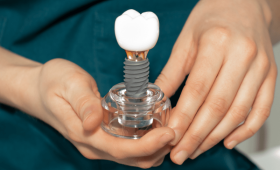
Dental implantology represents a pinnacle of restorative dentistry, offering patients a long-term solution for missing teeth. However, the success of these titanium-rooted prosthetics isn’t solely dictated by surgical precision and advanced technology. Patient-specific factors, notably smoking status, wield a substantial influence on osseointegration – the biological process where the implant fuses with the surrounding bone – and ultimately, long-term implant viability. This is particularly crucial within the burgeoning field of dental medical tourism, where patients travel to destinations like Kuşadası, Turkey, seeking high-quality, cost-effective dental care.
Kuşadası has rapidly become a favored destination for dental tourists, leveraging its strategic location, world-class facilities, and competitive pricing. The cost of a single dental implant in Kuşadası ranges from 400 – 800 USD per implant utilizing top brands, a significant difference compared to many Western European and North American markets. Full “Hollywood Smile” transformations are available for 3,000 – 5,000 USD, and more extensive solutions like the All-on-4 system are priced between 4,000 – 7,000 USD. This affordability, coupled with the convenience of being near Izmir Adnan Menderes (ADB) airport (a 45-60 minute transfer) and the Ege Port Kuşadası cruise terminal, attracts a growing number of international patients. However, maximizing the benefits of this accessible care requires a comprehensive understanding of factors impacting implant success, and proactive management of detrimental habits like smoking.
Osseointegration & The Compromised Smoker
Osseointegration is the cornerstone of dental implant stability. It requires a robust blood supply to the peri-implant tissues – the bone and soft tissues surrounding the implant. Nicotine, a primary component of tobacco smoke, acts as a potent vasoconstrictor, acutely reducing blood flow. This localized ischemia (restricted blood flow) hinders the osteoblastic activity necessary for bone formation and integration around the implant. While temporary vasoconstriction is present even with occasional smoking, chronic smoking leads to sustained microvascular damage and impaired healing capacity.
Specifically, smoking affects the following critical phases of osseointegration:
- Inflammation Control: While a controlled inflammatory response is essential for healing, smoking disrupts the delicate balance, often leading to chronic inflammation. This prolongs healing times and can trigger bone resorption.
- Angiogenesis: The formation of new blood vessels (angiogenesis) is vital for nutrient and oxygen delivery to the healing tissues. Smoking significantly inhibits angiogenesis, starving the implant site of resources.
- Bone Remodeling: Mature bone isn’t static; it’s constantly remodeled by osteoblasts (bone-building cells) and osteoclasts (bone-resorbing cells). Smoking impairs osteoblast function, tipping the balance towards bone loss.
Quantifying the Risk: Clinical Evidence
Numerous studies demonstrate a clear correlation between smoking and dental implant failure rates. Meta-analyses consistently reveal significantly higher failure rates in smokers compared to non-smokers. While reported failure rates vary, studies indicate smokers experience implant failure rates ranging from 5-15%, whereas non-smokers typically experience rates below 2%. This translates to a 2.5 to 7.5 times greater risk of implant loss in smokers.
The severity of smoking is also a critical factor. Heavy smokers (more than 20 cigarettes per day) exhibit a markedly higher risk than light smokers. Furthermore, the duration of smoking history is equally important. Long-term smokers often display compromised bone density and reduced vascularity, further exacerbating the risk of implant failure. It’s not simply the act of smoking but the cumulative physiological damage incurred over years.
Diagnostic & Pre-Treatment Considerations in Kuşadası
Clinics in Kuşadası, adhering to standards like JCI accreditation, TÜRSAB Medical Tourism Certification, and regulations from the Ministry of Health, prioritize comprehensive pre-treatment assessments. These evaluations extend beyond conventional radiographic analysis (like 3D CBCT Imaging) to include detailed medical history questionnaires focused on smoking status and pack-years (a measure of lifetime smoking exposure).
Prior to implant placement, several diagnostic tools are employed to assess bone quality and vascularity:
- Peri-Implant Crevicular Probe (PCP): While primarily used post-implant to assess gingival health, baseline PCP measurements can provide an indication of initial soft tissue health and inflammation.
- Transmucosal Vascularity Assessment: Specialized imaging techniques, sometimes involving laser Doppler flowmetry, can assess blood flow to the gingival tissues around the proposed implant site.
- Bone Density Evaluation via CBCT: While CBCT primarily assesses bone volume, radiopacity can provide clues to bone density, although this is not a definitive indicator.
Mitigation Strategies & Post-Operative Protocols
For patients unwilling or unable to quit smoking prior to implant surgery, certain mitigation strategies can be implemented. These don’t eliminate the risk, but aim to improve the chances of success:
- Grafting Procedures: In cases of significant bone resorption, bone grafting using biocompatible materials can augment bone volume and provide a more stable foundation for the implant.
- Surface Modifications: Implants with modified surface topographies (e.g., SLA – sandblasted, large grit, acid-etched) promote faster osseointegration, potentially counteracting some of the negative effects of smoking.
- Post-Operative Care Protocol: Strict adherence to post-operative instructions, including chlorhexidine mouth rinses and avoidance of trauma to the surgical site, is paramount.
Furthermore, the use of CAD/CAM Digital Smile Design and intraoral scanners ensures precise implant positioning and prosthetic design, minimizing stress on the implant and surrounding tissues. Clinics employ English, German, and Irish-specialized Patient Coordinators to ensure comprehensive pre- and post-operative support, including detailed counseling on the risks associated with smoking and the importance of smoking cessation.
While Kuşadası offers a cost-effective pathway to dental restoration with procedures like zirconia crowns (180 – 300 USD per unit) and E-max veneers (250 – 400 USD per unit), the long-term success of dental implants hinges on patient compliance and responsible lifestyle choices. A frank and honest discussion about smoking habits, coupled with proactive risk management, is essential for optimizing outcomes and ensuring patient satisfaction.
The Structural Journey: Dental Implant Success & Smoking in Kuşadası
Dental implantology represents a paradigm shift in restorative dentistry, offering a predictable, long-term solution for edentulism. However, achieving osseointegration – the crucial biological process where the implant fuses with the surrounding bone – is predicated on a confluence of factors, not least of which is the patient’s systemic health. This pillar focuses on the procedural intricacies and safety protocols surrounding dental implant placement in Kuşadası, with a critical lens on the detrimental impact of smoking on implant success rates. We examine the patient journey, from initial imaging through to post-operative care, emphasizing how clinics prioritize patient safety and deliver consistently high-quality outcomes.
Pre-Operative Assessment & Risk Stratification
The structural journey begins well before the surgical stage. A comprehensive diagnostic protocol is essential, incorporating advanced imaging techniques. Clinics in Kuşadası routinely utilize 3D Cone Beam Computed Tomography (CBCT) – a key element of our technical standards – to generate a detailed, volumetric assessment of the patient’s bone density and anatomy. This allows for precise implant planning, avoiding vital structures such as the inferior alveolar nerve or maxillary sinus.
Crucially, a thorough medical history, including detailed smoking habits, is obtained. Smoking, even moderate smoking, significantly compromises implant success through multiple mechanisms. Nicotine causes peripheral vasoconstriction, reducing blood flow to the surgical site and impairing the healing process. This diminished vascularity directly impacts osteoblast activity – the cells responsible for bone formation – hindering osseointegration. Furthermore, smoking reduces the delivery of oxygen and essential nutrients to the peri-implant tissues, increasing the risk of infection.
Patients are rigorously risk-stratified based on smoking status. While complete cessation is the ideal, often unrealistic, goal, minimizing consumption is heavily encouraged. Clinics may employ tools like the Fagerström Test for Nicotine Dependence to quantify the habit and tailor pre-operative counselling accordingly. For heavy smokers, alternative treatment options might be discussed, or supplementary protocols implemented to mitigate risks (described later).
Surgical Protocol: A Step-by-Step Approach
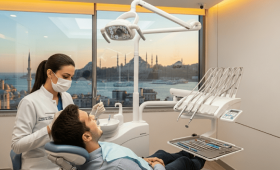
The typical surgical procedure in Kuşadası follows a carefully orchestrated sequence. Following CBCT assessment and digital treatment planning using CAD/CAM Digital Smile Design, the patient undergoes a local anaesthetic. In select cases, conscious sedation is available to enhance patient comfort. A full-thickness mucoperiosteal flap is elevated, exposing the alveolar bone. Precise osteotomy preparation – the creation of the implant recipient site – is then executed using computer-guided surgery. This technique, increasingly prevalent, leverages the CBCT data to ensure optimal implant placement, maximizing bone-implant contact and minimizing surgical trauma.
For patients opting for full-arch rehabilitation, such as the All-on-4 System (4,000 – 7,000 USD) or All-on-6 System (5,500 – 9,000 USD)), immediate loading protocols are frequently employed. This involves the placement of a provisional fixed denture onto the implants on the day of surgery, offering immediate aesthetic and functional benefits. However, this requires meticulous surgical technique and careful patient selection; smoking further complicates this approach.
After implant placement, the mucoperiosteal flap is repositioned and secured with sutures. In some instances, guided bone regeneration (GBR) or sinus lift procedures may be necessary, particularly in cases of significant bone resorption. Soft Tissue Lasers, part of our tech used, are employed for precise and gentle tissue manipulation, minimizing post-operative discomfort.
Post-Operative Management & Smoking-Specific Protocols
Post-operative care is pivotal to long-term implant success. Patients receive detailed instructions on oral hygiene, dietary modifications, and medication regimens. Chlorhexidine mouthwash is prescribed to maintain asepsis and prevent bacterial biofilm formation. Regular follow-up appointments are scheduled to monitor healing and assess osseointegration.
For smokers, supplementary protocols are crucial. These may include:
- Increased Chlorhexidine Use: Extended use of chlorhexidine mouthwash (0.12%) is recommended for a longer duration than for non-smokers.
- Systemic Antibiotics: Prophylactic systemic antibiotics may be prescribed for a longer course to combat the increased risk of infection.
- Hyperbaric Oxygen Therapy (HBOT): Though less common, some clinics offer or recommend HBOT as an adjunct therapy. HBOT increases oxygen levels in the tissues, potentially mitigating the vasoconstrictive effects of nicotine and promoting angiogenesis (new blood vessel formation).
- Enhanced Nutritional Support: Emphasis is placed on a diet rich in Vitamin C, Vitamin D, and antioxidants to bolster the immune system and support tissue healing.
Clinics emphasize the importance of maintaining strict oral hygiene, as smokers are more susceptible to peri-implant mucositis – an inflammatory condition affecting the soft tissues around the implant. Early detection and treatment of mucositis are crucial to prevent progression to peri-implantitis, a more serious condition that can lead to implant failure.
Logistical Considerations & Patient Comfort
Kuşadası provides a conducive environment for medical tourism. Patients arriving at Izmir Adnan Menderes (ADB) Airport, with a convenient 45-60 minute transfer, can combine their treatment with a relaxing holiday. The proximity to the cruise port, Ege Port Kuşadası, allows for quick consultations and even same-day procedures for eligible patients. Beyond dental care, Kuşadası offers attractions like the Ephesus Ancient City, Pigeon Island, and Ladies Beach. Accommodation options range from luxury boutique hotels to beachfront resorts and thermal spas, facilitating a comfortable recovery process.
Safety & Accreditation
Patient safety is paramount. Clinics in Kuşadası adhere to stringent technical standards and are subject to rigorous oversight by the Ministry of Health Regulated authorities. Many facilities have achieved international accreditations, including JCI (Joint Commission International) and TÜRSAB Medical Tourism Certified, demonstrating a commitment to quality and patient care. Furthermore, clinics employ English, German, and Irish-specialized Patient Coordinators to ensure seamless communication and address any concerns. The 90-day E-visa accessible for citizens of the UK, Irish, US, and EU streamlines the travel process, while a free online video consultation is available prior to travel.
While dental implants offer a remarkable solution for tooth loss, their success is intrinsically linked to the patient’s overall health. Clinics in Kuşadası recognize the significant challenges posed by smoking and proactively implement strategies to mitigate these risks, ensuring optimal outcomes and long-term implant longevity.
The Impact of Smoking on Dental Implant Success in Medical Tourism: A Kuşadası Perspective
For patients considering dental implant procedures as part of their medical tourism journey to Kuşadası, Turkey, achieving a predictable and long-lasting outcome demands a holistic assessment. While advanced surgical techniques and cutting-edge technology – such as the 3D CBCT Imaging and CAD/CAM Digital Smile Design available locally – significantly enhance success rates, patient-specific factors play a crucial role. Among these, smoking remains a demonstrably significant impediment to osseointegration, the biological process by which the implant fuses with the jawbone. This pillar focuses on understanding this impact within the context of travel logistics and post-operative recovery available in the Kuşadası region.
Physiological Mechanisms & Smoking’s Detrimental Effects
Osseointegration is predicated on a robust vascular supply to the peri-implant tissues. Nicotine, a primary component of cigarette smoke, acts as a potent vasoconstrictor, acutely reducing blood flow. This diminished perfusion impairs osteoblast activity (bone-forming cells) and angiogenesis (the formation of new blood vessels), both essential for successful bone-to-implant contact. Chronic smoking induces systemic hypoxia, further compromising tissue oxygenation and hindering the healing cascade.
Beyond vascular effects, smoking impacts immune function. The plethora of toxins in cigarette smoke suppresses both the innate and adaptive immune responses. This leads to impaired neutrophil and macrophage function, increasing the risk of post-operative infection – a primary cause of implant failure. Furthermore, smokers exhibit altered cytokine profiles, shifting the inflammatory response towards a catabolic state that favors bone resorption rather than formation. Clinically, this translates to reduced bone density at the implant site and a decreased capacity for bone remodeling, jeopardizing long-term implant stability.
Quantifying the Risk: Success Rates & Smoking Status
Meta-analyses consistently demonstrate a statistically significant correlation between smoking and dental implant failure. While success rates for non-smokers can range from 95-98% for conventionally placed implants, this figure drops dramatically in smokers, potentially falling below 85%, depending on the pack-years smoked (the number of cigarette packs smoked per day multiplied by the number of years smoking). The risk is further compounded with all-on-x full arch rehabilitations, such as the All-on-4 system (4,000 – 7,000 USD) or All-on-6 system (5,500 – 9,000 USD), which rely on a greater surface area of osseointegration and thus are more sensitive to compromised healing. Patients considering these procedures should be particularly diligent in addressing smoking habits.
Pre-Operative Evaluation & Mitigation Strategies
Comprehensive pre-operative evaluation is paramount. During the free online video consultation facilitated by Cure Holiday, specialists assess patient health history, including smoking status and duration. Patients are educated on the potential risks and encouraged to abstain from smoking for a minimum of 8-12 weeks before surgery and for at least 3-6 months post-operatively. This timeframe allows for partial restoration of vascular function and immune competence.
While complete cessation is ideal, partial mitigation strategies may be considered in cases where complete abstinence is unattainable. These include:
- Nicotine Replacement Therapy (NRT): Patches, gums, or lozenges can help manage cravings and reduce nicotine exposure, though their efficacy remains debated.
- Platelet-Rich Plasma (PRP): Some clinicians advocate the use of PRP, derived from the patient’s own blood, to enhance angiogenesis and promote bone regeneration.
- Bone Augmentation: In cases of pre-existing bone deficiency exacerbated by smoking, guided bone regeneration (GBR) or sinus lifts may be necessary to provide a sufficient foundation for implant placement.
Kuşadası’s Recovery Environment & Post-Operative Monitoring
The Kuşadası region offers a unique advantage for post-operative recovery. The availability of diverse accommodation options – from Luxury Boutique Hotels to Beachfront Resorts and Thermal Spas – allows patients to select a setting conducive to relaxation and healing. Post-operative care protocols emphasize meticulous oral hygiene, soft diet adherence, and regular follow-up appointments.
Crucially, Kuşadası’s proximity to both Izmir Adnan Menderes (ADB) airport (45-60 minute transfer) and Ege Port Kuşadası cruise port provides flexibility for travel arrangements. The cruise port, in particular, is advantageous for patients requiring shorter stays for initial consultations or single-stage implant placement and immediate loading. This streamlined logistics minimizes disruption to their travel plans.
Technological Advancements & Treatment Planning
The use of advanced diagnostic tools, such as Intraoral Scanners, enables precise treatment planning and the creation of customized surgical guides. These guides, coupled with the precision of Soft Tissue Lasers for soft tissue management, minimize surgical trauma and promote faster healing. Furthermore, the implementation of digital workflows facilitates remote monitoring of healing progress through secure image sharing, ensuring that potential complications are addressed promptly.
Cost Considerations & Long-Term Value
While the initial cost of dental implants in Kuşadası is competitive – approximately 400 – 800 USD per implant (Top Brands), 180 – 300 USD per zirconia crown, or 250 – 400 USD per e-max veneer – patients must consider the long-term implications of smoking. The potential for implant failure necessitates additional treatment, including implant removal, bone grafting, and re-implantation, significantly increasing the overall financial burden. A “Hollywood Smile Full” package (3,000 – 5,000 USD) offers significant aesthetic benefits, but its longevity is compromised by continued smoking. Investing in smoking cessation before treatment, therefore, represents a cost-effective strategy in the long run.
Accreditations & Quality Assurance
Cure Holiday partners with facilities adhering to the highest international standards. These facilities boast accreditations from JCI (Joint Commission International), TÜRSAB Medical Tourism Certified, and are strictly Ministry of Health Regulated. This commitment to quality ensures that patients receive safe, effective, and evidence-based dental care. Furthermore, the availability of English, German, and Irish-specialized Patient Coordinators facilitates seamless communication and provides personalized support throughout the entire treatment journey. The 2026 Cost Audit will ensure continued price transparency and value.
Planning a dental visit to Kuşadası? Get a Free Quote for The Impact of Smoking on Dental Implant Success in Medical Tourism in Kuşadası with cureholiday.com
Free Consultation
Fill out the form below to get your free medical travel plan and price quote.
Sources and how to verify this yourself
- Howe M-S, Keys W, Richards D. Long-term (10-year) dental implant survival: a systematic review and sensitivity meta-analysis. Journal of Dentistry, 2019 — pooled 10-year implant survival 96.4% (95% CI 95.2–97.5%); conservative sensitivity estimate 93.2%. source
- Ministry of Health, Regulation on International Health Tourism and Tourist Health, Official Gazette 26 April 2025, No. 32882 — authorisation requirement for facilities and intermediaries, TÜSKA accreditation, compulsory complication insurance (deadline 31 December 2025 for insurance, 31 December 2026 for accreditation). source
- Ministry of Health, Regulation on Promotion and Information Activities in Health Services, Official Gazette 12 November 2025, No. 33075 — treatment promises and guarantees are prohibited; price and campaign announcements are permitted only within international health tourism. source