Cost and planning note (Mommy Makeover 2026)
The figures below are indicative market ranges, not a quote: your own price is confirmed after a clinical assessment.
Indicative price range: Standard Package: 4,500 – 7,500 USD | Advanced Combination: 8,000 – 12,000 USD | Tummy Tuck: 3,000 – 5,000 USD | Breast Lift: 2,500 – 4,500 USD | Liposuction Per Area: 500 – 1,500 USD | Bbl Fat Transfer: 3,500 – 5,500 USD
Facility standards: In Türkiye, any facility treating international patients must hold the Ministry of Health’s international health tourism authorisation; hospitals and medical centres must also be accredited by TÜSKA, and complication insurance is compulsory for procedures carried out in an operating theatre (Regulation of 26 April 2025).
Recovery Focus: Post-pregnancy body restoration & safety first.
Currency: GBP, EUR, USD accepted.
The Importance of “Clear Liquids” in the First 12 Hours Post-Surgery
The Physiological Imperative of Clear Liquid Intake Post-Anesthesia
In the immediate aftermath of major reconstructive procedures—such as an extended (360) tummy tuck or a complex breast lift—the first 12 hours represent a critical physiological window. Following the administration of general anesthesia, the gastrointestinal tract often experiences a period of reduced motility, known as post-operative ileus. During this phase, the transition from a fasting state to oral intake must be managed with extreme precision to mitigate the risk of post-operative nausea and vomiting (PONV) and to stabilize hemodynamic homeostasis.
The primary objective of the “clear liquids” protocol is to reintroduce hydration and electrolytes without taxing the digestive system. Clear liquids—including water, diluted fruit juices, and electrolyte-rich broths—are easily absorbed through the intestinal mucosa, requiring minimal enzymatic breakdown. This is particularly vital for patients undergoing extensive body contouring, where the metabolic demand of the body is heightened by the inflammatory response triggered by surgical trauma. Maintaining systemic hydration is not merely about comfort; it is a foundational safety benchmark used to ensure renal perfusion and to facilitate the clearance of anesthetic agents from the bloodstream.
“The careful titration of clear liquids in the initial post-operative hours is a fundamental component of the clinical protocol, designed to prevent dehydration-induced complications and to support the early stages of tissue healing.”
Navigating the Immediate Post-Operative Window in Mommy Makeover Recovery
Post-pregnancy restoration often involves a combination of highly technical procedures designed to address the structural changes caused by gestation and breastfeeding. When a patient undergoes a combined procedure, such as an advanced combination of a tummy tuck and breast augmentation, the physiological impact is profound. The complexity of these surgeries necessitates a highly controlled recovery environment.
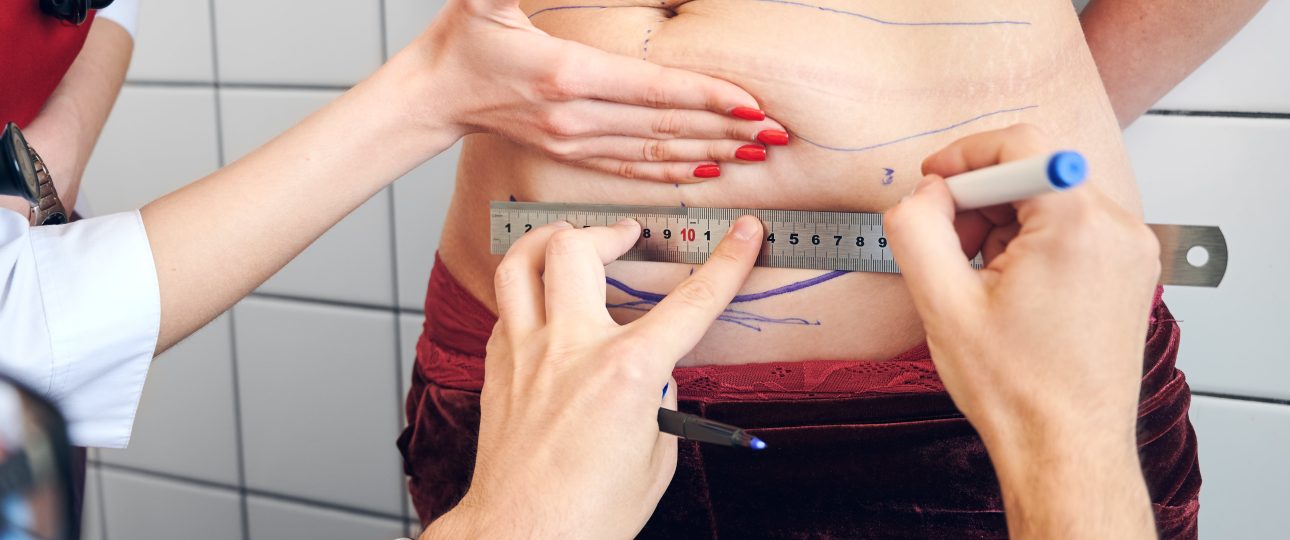
For instance, in a Diastasis Recti repair, the surgeon performs internal corset suturing of the abdominal fascia to close the separation of the rectus abdominis muscles. This structural reconstruction, while transformative for the core, requires the patient to avoid any intra-abdominal pressure that could compromise the integrity of the sutures. Concurrently, if Vaser Liposuction is utilized for high-definition contouring of the flanks, the body’s inflammatory response is significant. The use of Vaser technology—which employs ultrasonic frequencies to emulsify adipose tissue—is designed for minimal bruising, yet the metabolic need for hydration remains paramount to manage the resulting edema.
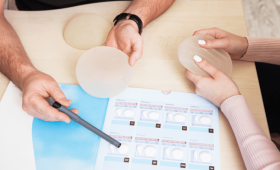
Furthermore, the management of breast reconstruction or augmentation involves the placement of highly sophisticated medical devices. Whether utilizing Mentor, Motiva, or Polytech (JCI approved) implants, the initial postoperative period requires the patient to remain in a state of physiological stability. The metabolic “reset” provided by controlled clear liquid intake supports the lymphatic system as it begins the process of managing interstitial fluid around the new implants.
Global Standards of Care: Why Turkey Leads the Post-Pregnancy Restoration Sector
Turkey has emerged as the global epicenter for Mommy Makeovers, not merely due to competitive pricing, but because of its unparalleled integration of surgical excellence and luxury convalescence. The Turkish medical model for post-pregnancy restoration is built upon a foundation of safety benchmarks that mirror or exceed Western standards. This is characterized by a seamless transition from the operating theater to high-end recovery environments.
The logistical infrastructure in Turkey is specifically engineered to support the delicate recovery period of complex surgeries. Patients arriving via Istanbul (IST) or Antalya (AYT) are met with VIP private transfers from the airport to the clinic, ensuring that the physical stress of travel is minimized. This level of care extends to the accommodation phase, where patients stay in 5-star recovery suites with companion stay included. These suites are not merely luxury hotels; they are clinical-adjacent environments where the strict 12-hour post-op protocols, including supervised liquid intake and vital sign monitoring, can be executed with precision.
The ability to access free online video assessments with board-certified plastic surgeons allows for a pre-surgical period of deep consultation, ensuring that the patient’s surgical plan—whether it is a Full, Mini, or Extended (360) Tummy Tuck—is meticulously mapped out before they even depart for Turkey. This ensures that the 7-10 days in Turkey are focused entirely on the foundational stages of healing, leading toward the 6 weeks required for a full return to exercise.
Investment in Excellence: Comprehensive Cost Structuring
Planning for a Mommy Makeover requires a transparent understanding of the financial investment involved. The Turkish market offers a tiered pricing structure that allows patients to tailor their restoration journey to their specific anatomical needs and budgetary requirements. By bundling procedures, patients can access significant value without compromising on the quality of the JCI-approved materials or the expertise of the surgeons.
The following estimates reflect the current market landscape for high-end post-pregnancy restoration:
- Standard Package (e.g., Tummy Tuck and Breast Lift): 4,500 – 7,500 USD
- Advanced Combination (Comprehensive Body Sculpting): 8,000 – 12,000 USD
- Tummy Tuck (Full, Mini, or Extended): 3,000 – 5,000 USD
- Breast Lift (Mastopexy): 2,500 – 4,500 USD
- Liposuction (Per targeted area): 500 – 1,500 USD
- BBL (Fat Transfer/Brazilian Butt Lift): 3,500 – 5,500 USD
When evaluating these costs, it is imperative to consider that the “Advanced Combination” often encompasses the logistical luxury of the 5-star recovery suites and the specialized post-operative care that manages the delicate transition from clear liquids to a full diet. This holistic approach ensures that the technical success of the internal corset suturing or the Vaser-mediated contouring is matched by a recovery experience that is as safe as it is premium.
The Physiological Imperative: Navigating the First 12 Hours Post-Anesthesia
The immediate post-operative period, specifically the first 12 hours following a major surgical intervention, represents a critical window of metabolic vulnerability. Following the administration of general anesthesia, the body enters a state of controlled physiological depression. The primary objective of the clinical team during this phase is the restoration of homeostasis—specifically, the stabilization of hemodynamic parameters, respiratory function, and gastrointestinal motility.
One of the most vital components of this recovery protocol is the controlled introduction of “clear liquids.” While it may seem simple, the transition from an NPO (nothing by mouth) state to oral hydration is a highly regulated medical process. This protocol is designed to mitigate the risks of postoperative nausea and vomiting (PONV), prevent dehydration-induced renal strain, and gently stimulate the enteric nervous system to resume peristalsument without inducing abdominal distension.
“The transition to clear liquids is not merely about quenching thirst; it is a precision-based medical intervention aimed at preventing post-surgical complications such as ileus and electrolyte imbalances during the body’s most vulnerable metabolic state.”
Case Study: Siobhan’s Journey to Physical Restoration
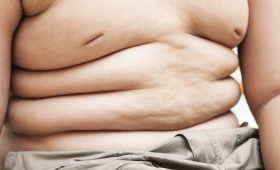
To understand the profound impact of these clinical protocols, we look to the journey of Siobhan, a 34-year-old mother of three from Ireland. After three pregnancies, Siobhan faced significant abdominal wall laxity and subcutaneous fat redistribution. Her goal was not merely aesthetic but restorative. She sought an advanced_combination procedure, a complex surgical orchestration involving a Full Tummy Tuck, BBL Fat Transfer, and Diastasis Recti repair.
Siobhan’s surgical plan was comprehensive. The Diastasis Recti repair involved the intricate internal corset suturing of the abdominal fascia to close the separation of the rectus abdominis muscles. Simultaneously, Vaser Liposuction was utilized for high-definition contouring of the flanks, a technique chosen for its ability to provide precise sculpting with minimal bruising and trauma to the surrounding adipose tissue. To complete her transformation, fat harvested during the lipoplasty was processed and transferred to the gluteal region via B/B/L fat transfer.
For Siobhan, the first 12 hours in her 5-star recovery suite were defined by this strict hydration protocol. Because her surgery involved significant abdominal manipulation, the medical team monitored her closely to ensure that the introduction of clear liquids did not cause any bloating that might put tension on the new internal sutures. Her recovery in Turkey lasted 7-10 days, with a structured plan for her 6 weeks of restricted activity before returning to full exercise.
The Technical Synergy of Hydration and Advanced Techniques
The necessity of the clear liquid protocol is heightened in complex combination surgeries. When a patient undergoes Vaser Liposuction, the body must process the physiological changes associated with fat emulsification and fluid shifts. Controlled hydration supports the lymphatic system’s ability to manage interstitial fluid, reducing the risk of seroma formation.
Furthermore, the type of implants used significantly influences the post-operative care plan. Whether the patient has received Mentor, Motiva, or Polytech breast implants (all of which are JCI approved), the stability of the surgical site depends on minimizing systemic inflammation. Clear liquids, such as electrolyte-balanced broths and diluted juices, provide necessary glucose for cellular repair without the metabolic load of complex solids.
The complexity of these surgeries is reflected in the surgical options available:
- Tummy Tuck Variations: Patients may undergo Full, Mini, or Extended (360) procedures depending on the extent of skin laxity.
- Liposuction Precision: Using Vaser technology, surgeons can target specific areas at a cost of 500 – 1,500 USD per area.
- Structural Integrity: The Diastasis Recti repair focuses on the internal mechanical strength of the abdominal wall.
Global Standards and Logistical Excellence
The success of the first 12 hours is inextricably linked to the JCI (Joint Commission International) safety standards maintained by the surgical centers. These standards dictate the rigorous monitoring of fluid intake, vital signs, and the immediate availability of advanced nursing care. This level of care is standard within the premium recovery ecosystems offered to international patients.
The patient journey is designed for seamless continuity, from the initial free online video assessments with board-certified plastic surgeons to the physical arrival at Istanbul (IST) or Antalya (AYT). Upon arrival, patients are met with VIP private transfers from the airport to the clinic, ensuring that the stress of travel does not interfere with the delicate post-operative physiological state.
Financial Transparency in Surgical Transformation
Understanding the investment required for such transformative journeys is essential for long-term planning. The costs vary significantly based on the complexity of the anatomical reconstruction and the specific technologies employed.
Below is a breakdown of the typical investment for the procedures discussed:
- Standard Package: 4,500 – 7,500 USD
- Advanced Combination Surgery: 8,000 – 12,000 USD
- Tummy Tuck (Full, Mini, or Extended): 3,000 – 5,000 USD
- Breast Lift: 2,500 – 4,500 USD
- Liposuction (Per Area): 500 – 1,500 USD
- BBL Fat Transfer: 3,500 – 5,500 USD
By integrating rigorous medical protocols—such as the 12-hour clear liquid window—with world-class surgical techniques and luxury recovery logistics, the patient journey is transformed from a mere medical procedure into a comprehensive restorative experience. Cure Holiday specialists remain dedicated to ensuring that every facet of this journey, from the first consultation to the final post-operative check-up, adheres to the highest global standards of safety and excellence.
Navigating Gastric Motility: The Physiological Necessity of Clear Liquids Post-Anesthesia
The immediate post-operative period, specifically the first 12 hours following a surgical procedure, represents a critical window of physiological stabilization. Following the administration of general anesthesia, the body undergoes a period of profound suppression of the autonomic nervous system, which directly impacts the gastrointestinal tract. This state often results in delayed gastric motility, a condition clinically referred to as post-operative ileus.
During this phase, the primary objective is to reintroduce fluids without inducing emesis (vomiting) or placing undue strain on the digestive system. This is why “clear liquids”—such as diluted apple juice, electrolyte-rich broths, and clear glucose solutions—are strictly mandated. Unlike solid foods, clear liquids do not require significant mechanical or enzymatic breakdown, allowing the stomach to resume peristalsumentary functions with minimal metabolic demand. Maintaining hydration through these specific mediums is vital to prevent dehydration-induced hypotension, which can compromise wound healing and increase the risk of postoperative nausea and vomiting (PONV).
“The transition from a fasted state to oral rehydration is the cornerstone of preventing complications such as electrolyte imbalances and gastric distension in the first 12 hours of recovery.”
The Logistics of High-End Recovery: From Clinic to 5-Star Suites
Recovery in Turkey is designed as a seamless transition, moving from the precision of the surgical theater to the luxury of specialized environments. For patients arriving via Istanbul (IST) or Antalya (AYT), the logistical framework is engineered to minimize physical exertion. Upon discharge from the clinical setting, patients are typically met with VIP private transfers from airport to clinic or directly to their recovery accommodations, ensuring that the physical stress of travel is mitigated.
The recovery ecosystem in Turkey focuses on “Post-op villa recovery,” a concept that separates the patient from the clinical environment to foster psychological well-being. These 5-star recovery suites with companion stay included are specifically curated to handle the nuances of post-surgical care. The presence of a companion is not merely for comfort; it is a logistical necessity for managing the early stages of mobility, assisting with the administration of prescribed medications, and monitoring for any signs of localized edema or hematoma.
Technical Nuances in Post-Operative Care and Wound Management
The specific requirements of a patient’s post-operative regimen are dictated by the technical complexity of the procedure performed. Understanding the surgical specifications is essential for planning the subsequent 7-10 days in Turkey.
- Abdominal Reconstruction: For patients undergoing a tummy tuck (options include Full, Mini, or Extended (360)), the management of intra-abdominal pressure is paramount. If the procedure involved Diastasis Recti repair, which involves internal corset suturing of the abdominal fascia, the patient must avoid any lifting or strenuous core activation to prevent dehiscence (wound separation).
- High-Definition Contouring: Patients undergoing Vaser Liposuction, used for high-definition contouring with minimal bruising, require diligent lymphatic drainage management and compression garment adherence to prevent seroma formation.
- Aesthetic Integrity in Breast Surgery: When utilizing premium implants such as Mentor, Motiva, or Polytech (JCI approved), the focus of the first 12 hours is on minimizing tension on the incision lines through controlled positioning and restricted arm movement.
2026 Financial Projections: Comparative Cost Analysis
As we look toward the 2026 medical tourism landscape, the cost disparity between Turkey and traditional Western hubs (UK/USA) remains a significant driver for patient travel. While the quality of care and the use of JCI-approved materials remain world-class, the operational efficiencies in Turkey allow for a substantial reduction in out-of-pocket expenses.
The following breakdown provides an estimated cost comparison for 2026 surgical packages:
- Standard Surgical Package: 4,500 – 7,500 USD
- Advanced Combination Procedures: 8,000 – 12,000 USD
- Tummy Tuck (Abdominoplasty): 3,000 – 5,000 USD
- Breast Lift (Mastopexy): 2,500 – 4,500 USD
- Liposuction (Per Area): 500 – 1,500 USD
- BBL (Brazilian Butt Lift/Fat Transfer): 3,500 – 5,500 USD
When compared to the UK or USA, where a single abdominoplasty can easily exceed 15,000 USD (excluding the significant costs of anesthesia and hospital stays), the Turkish model offers a comprehensive “all-inclusive” approach that covers everything from VIP private transfers to 5-star accommodation.
The Timeline of Return: Managing Post-Op Milestones
A successful recovery plan requires strict adherence to a biological timeline. The period spent in Turkey is focused on the “acute” phase of healing. The 7-10 days in Turkey are dedicated to wound stabilization, managing inflammatory responses, and ensuring that the patient is hemodynamically stable enough for long-haul flight. During this time, the focus remains on low-impact movement and the aforementioned clear liquid diet to ensure the GI tract is functioning optimally.
However, the “sub-acute” phase continues long after the patient has returned home. While the patient may be cleared to fly shortly after their stay, the physiological structural integrity of the surgery requires patience. Patients should note that 6 weeks for full exercise return is the standard clinical recommendation. Attempting to bypass this window—particularly after procedures involving fat transfer or fascia suturing—can lead to permanent structural alterations in the desired aesthetic outcome.
For patients navigating the complexities of international surgery, Cure Holiday specialists recommend utilizing free online video assessments with board-certified plastic surgeons prior to departure. This allows for a personalized preoperative briefing, ensuring that the patient’s dietary, logistical, and physical recovery plans are synchronized with their specific surgical requirements.
Considering a Mommy Makeover in Turkey? Get a Free Quote for your The Importance of “Clear Liquids” in the First 12 Hours Post-Surgery Transformation with cureholiday.com
Free Consultation
Fill out the form below to get your free medical travel plan and price quote.
Sources and how to verify this yourself
- Ministry of Health, Regulation on International Health Tourism and Tourist Health, Official Gazette 26 April 2025, No. 32882 — authorisation requirement for facilities and intermediaries, TÜSKA accreditation, compulsory complication insurance (deadline 31 December 2025 for insurance, 31 December 2026 for accreditation). source
- Ministry of Health, Regulation on Promotion and Information Activities in Health Services, Official Gazette 12 November 2025, No. 33075 — treatment promises and guarantees are prohibited; price and campaign announcements are permitted only within international health tourism. source