Cost and planning note (Mommy Makeover 2026)
The figures below are indicative market ranges, not a quote: your own price is confirmed after a clinical assessment.
Indicative price range: Standard Package: 4,500 – 7,500 USD | Advanced Combination: 8,000 – 12,000 USD | Tummy Tuck: 3,000 – 5,000 USD | Breast Lift: 2,500 – 4,500 USD | Liposuction Per Area: 500 – 1,500 USD | Bbl Fat Transfer: 3,500 – 5,500 USD
Facility standards: In Türkiye, any facility treating international patients must hold the Ministry of Health’s international health tourism authorisation; hospitals and medical centres must also be accredited by TÜSKA, and complication insurance is compulsory for procedures carried out in an operating theatre (Regulation of 26 April 2025).
Recovery Focus: Post-pregnancy body restoration & safety first.
Currency: GBP, EUR, USD accepted.
The Role of “Vitamin C” in Collagen Synthesis and Scar Strength
The Physiological Foundation: Restoring the Post-Pregnancy Core
The physiological metamorphosis experienced during pregnancy is profound, often leaving lasting structural changes to the abdominal wall and mammary tissues. For many women, the primary objective of restorative surgery is not merely aesthetic, but the anatomical correction of tissue laxity and muscular separation. The cornerstone of this restoration is the treatment of Diastasis Recti, a condition characterized by the transverse separation of the rectus abdominis muscles.
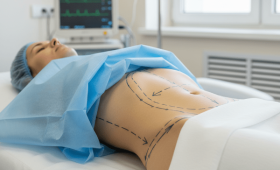
In advanced reconstructive procedures, the surgical focus extends beyond the skin to the deeper fascial layers. Diastasis Recti repair involves internal corset suturing of the abdominal fascia, a technique designed to pull the separated muscle bellies back to the midline. This “internal corset” provides much-needed intra-abdominal pressure support, effectively narrowing the waistline and restoring the functional integrity of the core. When this repair is integrated into an abdominoplasty, the results are far more durable than surface-level skin excision alone.
Advanced Abdominoplasty: From Mini-Tucks to 360-Degree Contouring
The decision between different abdominoplasty modalities depends entirely on the degree of skin redundancy and the distribution of subcutaneous adipose tissue. Patients may choose from several specialized approaches:
- Full Abdominoplasty: Indicated for patients with significant skin laxity and umbilical displacement, involving a complete reshaping of the abdominal wall.
- Mini Abdominoplasty: A more localized approach for patients with minor skin sagging confined to the lower abdomen.
- Extended (360) Tummy Tuck: A comprehensive circumferential contouring that addresses the flanks and lower back, ensuring a seamless transition from the abdomen to the hips.
To complement these structural repairs, modern aesthetic medicine utilizes Vaser Liposuction, which is used for high-definition contouring with minimal bruising. By using ultrasonic energy to emulsify fat cells before aspiration, surgeons can precisely sculpt the flanks and iliac crest, creating a highly defined transition between the abdomen and the waist. This is particularly effective when paired with a BBL fat transfer, which typically ranges from 3,500 USD to 5,500 USD, to enhance the posterior curves of the lower body.
Mastopexy and Implantology: Restoring Mammary Volume and Projection
Post-pregnancy, the mammary glands often undergo significant ptosis (sagging) and volume loss. A breast lift, or mastopexy, is the surgical standard for correcting nipple-areola complex (NAC) displacement. The complexity of the lift depends on the degree of tissue descent and whether augmentation is required to restore projection.
Safety and biocompatibility are the paramount benchmarks in mammary reconstruction. In Turkey, the gold standard for surgical excellence involves the use of highly regulated, JCI approved implants, specifically brands such as Mentor, Motiva, or Polytech. These implants are engineered to mimic the natural feel of adipose tissue while maintaining structural stability.
The cost of these procedures is a critical component of the restorative journey. A specialized breast lift typically ranges from 2,500 USD to 4,500 USD. When patients opt for a more comprehensive “Mommy Makeover” that combines tissue lifting with volume augmentation, the advanced combination package can range from 8,000 USD to 12,000 USD, providing a total aesthetic overhaul that is often much more cost-effective than localized procedures performed separately in Western Europe or North America.
The Role of Vitamin C in Collagen Synthesis and Scar Strength
While the surgeon’s technical precision is the primary driver of surgical success, the biological environment of the patient plays an equal role in the longevity of the result. The strength of the surgical incision and the quality of the resulting scar are fundamentally linked to the body’s ability to synthesize collagen.
“The structural integrity of post-surgical scar tissue is dependent on the hydroxylation of proline and lysine residues within the collagen molecule—a biochemical process that is strictly dependent on the availability of Vitamin C as a vital cofactor.”
As the patient undergoes the healing phase, maintaining optimal levels of ascorbic acid is essential for the stabilization of the collagen triple helix. Without sufficient Vitamin C, the newly formed collagen fibers may lack the tensile strength required to withstand the tension placed on the abdominal fascia or the breast incision. Therefore, nutritional optimization is a non-negotiable element of the post-operative protocol to ensure that the “internal corset” and skin incisions heal with minimal scarring and maximum durability.
Turkey: The Global Benchmark for Aesthetic Excellence and Logistics
Turkey has emerged as the global epicenter for the “Mommy Makeover” due to a unique intersection of high-tier medical technology and unparalleled patient logistics. The region offers a sophisticated healthcare infrastructure that allows patients to access board-certified surgeons who utilize the same advanced techniques found in the most prestigious Western clinics.
The economic landscape for restorative surgery in Turkey is highly structured, offering comprehensive packages that include more than just the surgical fee. A standard package typically ranges from 4,500 USD to 7,500 USD, often encompassing the surgical procedure, anesthesia, and essential post-operative care. For those seeking targeted fat reduction, liposuction per area can be found between 500 USD and 1,500 USD.
The logistical ease of undergoing surgery in Turkey significantly reduces the stress of the post-operative period. The process begins with free online video assessments with board-certified plastic surgeons, allowing for an accurate preoperative plan before the patient even leaves home.
- Arrival: Seamless entry via major international hubs, specifically Istanbul (IST) or Antalya (AYT).
- Transportation: Upon arrival, patients are met with VIP private transfers from the airport to the clinic and hotel.
- Accommodation: Recovery is facilitated in 5-star recovery suites, with a companion stay included to ensure the patient has continuous support during the initial healing phase.
The recovery timeline is carefully managed to balance safety with the return to daily life. While the initial recovery period in Turkey lasts between 7-10 days, allowing for close monitoring by medical staff, the physiological healing of the deeper tissues—such as the abdominal fascia—requires patience. Patients are advised that a full return to strenuous exercise typically takes 6 weeks. This period of controlled movement is vital to protect the integrity of the new collagen structures and the surgical sutures, ensuring that the transformation is both beautiful and permanent.
The Biochemical Foundation of Healing: Vitamin C and Collagen Stability
While surgical precision defines the immediate aesthetic outcome of a contouring procedure, the long-term aesthetic success—specifically the texture, strength, and maturation of the scar tissue—is dictated by subcutaneous biochemistry. Central to this process is the role of Vitamin C (ascorbic acid) in collagen synthesis. During the proliferative phase of wound healing, fibroblasts are responsible for synthesizing Type I and Type III collagen. However, this synthesis cannot occur effectively without Vitamin C, which acts as a critical cofactor for the enzymes prolyl hydroxylase and lysyl hydroxylase.
These enzymes are responsible for the hydroxylation of the amino acids proline and lysine within the procollagen peptide chain. This biochemical modification is what allows the collagen molecules to form a stable, tightly wound triple helix. Without sufficient ascorbic acid, the collagen fibers lack cross-linking strength, leading to a fragile extracellular matrix and an increased risk of hypertrophic scarring or wound dehiscended tension. For patients undergoing intensive combination surgeries, optimizing micronutrient intake is as vital as the surgical technique itself to ensure the structural integrity of the new contours.
Case Study: Restoring Maternal Confidence through Advanced Combination Surgery
To understand the clinical application of these surgical principles, we examine the journey of a 34-year-old patient from Ireland, a mother of three, who presented with significant postpartum anatomical changes. Her primary concerns were abdominal skin laxity, muscle separation (diastasis recti), and loss of upper thoracic volume.
The surgical plan developed by Cure Holiday specialists was not a single-site procedure but an advanced combination approach. This integrated protocol was designed to address the entire kinetic chain of the torso, moving from adipose contouring to muscular reconstruction, and finally to glandular augmentation. For a patient of this profile, the advanced combination package, typically ranging from 8,000 – 12,000 USD, provides a comprehensive anatomical transformation that single-site procedures cannot achieve.
The Surgical Protocol: A Step-by-Step Technical Breakdown
The transformation of our Irish patient involved a meticulously sequenced intraoperative workflow, ensuring that tissue trauma was minimized to facilitate the Vitamin C-dependent healing process described above.
- Step 1: High-Definition Adipose Contouring: The procedure commenced with Vaser Liposuction. Unlike traditional mechanical aspiration, Vaser technology uses ultrasound to selectively emulsify adipose tissue. This allows for high-definition contouring of the flanks and flanks with minimal bruising and preserved vascularity, which is essential for post-operative nutrient delivery to the skin. The cost for liposuction per area typically ranges from 500 – 1,500 USD.
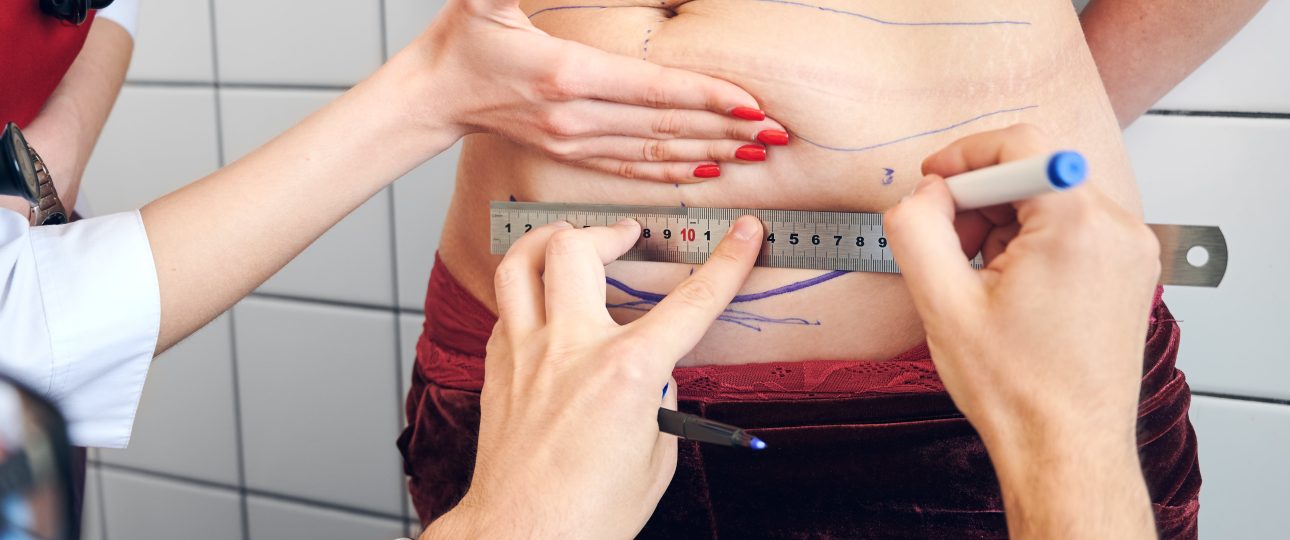
- Step 2: Abdominal Reconstruction (Abdominoplasty): To address the patient’s postpartum diastasis recti, a Full Tummy Tuck was performed. This involved the internal corset suturing of the abdominal fascia to close the separation of the rectus abdominus muscles. This structural repair provides the “internal scaffolding” necessary to support the abdominal wall. Depending on the extent of skin excision, patients may opt for Full, Mini, or Extended (360) options.
- Step 3: Aesthetic Breast Augmentation and Mastopexy: To complement the midsection, a breast lift (mastopexy) was performed to correct ptosis, often combined with implants to restore volume. The patient was provided options for JCI-approved implants, including Mentor, Motiva, or Polytech. The breast lift component typically ranges from 2,500 – 4,500 USD, while the tummy tuck portion of her journey was valued between 3,000 – 5,000 USD.
“The success of a multi-component surgery relies on the surgeon’s ability to manage tension. By repairing the diastasis recti through internal suturing, we reduce the lateral tension on the incision line, allowing the Vitamin C-driven collagen synthesis to create a flatter, more resilient scar.”
Global Safety Standards and JCI Accreditation
A primary concern for international patients is the standardization of care. The surgical journey for our patient was conducted under strict adherence to JCI (Joint Commission International) safety standards. This accreditation ensures that the surgical theater, anesthesia protocols, and sterilization processes meet the highest global benchmarks for patient safety and infection control. This is particularly critical during combination surgeries, where the duration of anesthesia is longer and the physiological demands on the patient are increased.
The Patient Journey: Logistics and Post-Operative Recovery
The transition from the operating theater to recovery is managed through a seamless, premium logistics network. For our patient, the journey began with VIP private transfers from Istanbul (IST) or Antalya (AYT) directly to her recovery suite. To ensure optimal healing and minimize the stress of travel, the itinerary included stays in 5-star recovery suites with companion stay included, providing a controlled environment for wound monitoring.
The recovery timeline is structured into two distinct phases:
Phase 1: Acute Recovery (7-10 days in Turkey)
During this period, the focus is on managing edema and ensuring the surgical incisions remain stable. This is the most critical window for micronutrient optimization, where maintaining high levels of Vitamin C is essential to prevent wound dehiscence during the initial inflammatory phase.
Phase 2: Long-term Integration (6 weeks for full exercise return)
As the patient returned to Ireland, the focus shifted to gradual physical reintegration. While light walking is encouraged immediately to prevent deep vein thrombosis (DVT), a full return to strenuous physical activity is typically restricted for 6 weeks to allow the newly synthesized collagen matrix to mature and strengthen the surgical site.
By combining advanced surgical technologies like Vaser Liposuction with rigorous adherence to biochemical healing principles and JCI safety standards, the transformation of the 34-year-old patient stands as a testament to the efficacy of modern, integrated plastic surgery.
The Role of “Vitamin C” in Collagen Synthesis and Scar Strength
The biological integrity of a surgical scar is fundamentally dependent on the hydroxylation of proline and lysine residues within the collagen polypeptide chains. This biochemical process, mediated by the enzymes prolyl hydroxylase and lysyl hydroxylase, is strictly dependent on the presence of ascorbic acid, commonly known as Vitamin C. Without sufficient ascorbic acid, the collagen triple helix cannot achieve the necessary thermal stability or tensile strength, leading to fragile tissue and potential wound dehiscence. While nutritional optimization is a cornerstone of post-operative care, the physiological success of this synthesis is inextricably linked to the controlled environment provided during the initial recovery phase.
In the context of advanced body contouring—such as Vaser Liposuction, which is utilized for high-definition contouring with minimal bruising—the stability of the newly formed extracellular matrix is paramount. The precision of Vaser technology allows for targeted adipocyte disruption, yet the final aesthetic outcome depends on how the patient’s body manages the inflammatory response and subsequent collagen remodeling. This is why the recovery logistics provided in Turkey are not merely a matter of comfort, but a medical necessity to protect the structural integrity of the surgical site.
The Biological Imperative of the Recovery Timeline
The post-operative window is divided into two critical phases: the inflammatory phase and the proliferative phase. During the first 7-10 days in Turkey, the body is focused on hemostasis and the recruitment of neutrophils and macrophages. This is a period of high vulnerability. The logistics of your recovery are designed to mitigate physical stress that could compromise the delicate suturing, particularly in complex procedures like Diastasis Recti repair, which involves internal corset suturing of the abdominal fascia.
A controlled, low-stimulus environment is essential to prevent excessive tension on the incision lines. The recovery timeline following surgery typically requires 7-10 days of localized care in Turkey, followed by a period of 6 weeks for full exercise return. During this 6-week window, the transition from Type III collagen (immature) to Type I collagen (mature) is occurring. Any premature physical exertion or logistical stress—such as managing intense travel or heavy lifting—can disrupt the cross-linking of these fibers, leading to hypertrophic scarring.
“The structural strength of a surgical scar is a product of both biochemical availability—specifically Vitamin C-dependent hydroxylation—and the mechanical protection of the wound during the proliferative phase of healing.”
Logistical Excellence: Ensuring Wound Stability
To facilitate this period of biological reconstruction, our recovery models prioritize seamless movement and minimal physiological disruption. The logistical framework is designed to remove the burden of “recovery management” from the patient.
- Arrival and Transit: Patients typically arrive via Istanbul (IST) or Antalya (AYT). Upon arrival, VIP private transfers from airport to clinic are provided, ensuring that the patient avoids the physical strain and dehydration associated with public transit or unmanaged travel.
- Accommodation and Post-Op Support: The recovery process is centered around 5-star recovery suites with companion stay included. This is a critical component of the aftercare strategy; having a companion present assists with mobility and ensures that the patient can focus entirely on the nutritional and medicinal protocols required for collagen synthesis.
- Pre-Surgical Planning: To ensure the surgical plan aligns with the patient’s biological healing capacity, free online video assessments with board-certified plastic surgeons are available. This allows for a precise evaluation of tissue elasticity and surgical requirements before the patient ever departs their home country.
Technical Precision in Body Contouring
The complexity of the surgery dictates the level of aftercare required. For instance, the choice of implants in aesthetic breast surgery significantly impacts the healing trajectory. Whether utilizing Mentor, Motiva, or Polytech (JCI approved) implants, the goal is to minimize tissue trauma to allow the Vitamin C-driven collagen synthesis to stabilize the pocket around the implant.
Similarly, the type of abdominal surgery performed necessitates different post-operative care protocols:
- Full Tummy Tuck: Requires maximal restriction of movement to protect the extensive abdominal fascia repair.
- Mini Tummy Tuck: Focuses on a localized area, allowing for a slightly less restrictive movement profile.
- Extended (360) Tummy Tuck: Demands a comprehensive approach to wound care around the entire circumference of the torso.
2026 Cost Breakdown and Investment Analysis
When comparing the investment required for premium surgical care in Turkey versus the UK or USA, the disparity is significant. The following breakdown reflects the projected 2026 pricing for our comprehensive recovery packages, which include the aforementioned 5-star logistics, VIP transfers, and surgical expertise.
Standard Recovery Package: 4,500 – 7,500 USD (Includes essential post-op care and local transfers).
Advanced Combination Package: 8,000 – 12,000 USD (Ideal for multi-area contouring like Lipo and BBL).
Individual Procedure Estimates:
- Tummy Tuck (Full, Mini, or Extended): 3,000 – 5,000 USD
- Breast Lift (Mastopexy): 2,500 – 4,500 USD
- Liposuction (per area): 500 – 1,500 USD
- BBL (Fat Transfer): 3,500 – 5,500 USD
By integrating high-tier surgical technology, such as Vaser Liposuction, with a logistical framework that protects the biochemical process of collagen synthesis, we ensure that the aesthetic result is not only visually striking but structurally permanent. The focus remains on providing a sanctuary where the body’s natural healing mechanisms—driven by essential nutrients like Vitamin C—can operate without the interference of external physiological stressors.
Considering a Mommy Makeover in Turkey? Get a Free Quote for your The Role of “Vitamin C” in Collagen Synthesis and Scar Strength Transformation with cureholiday.com
Free Consultation
Fill out the form below to get your free medical travel plan and price quote.
Sources and how to verify this yourself
- Ministry of Health, Regulation on International Health Tourism and Tourist Health, Official Gazette 26 April 2025, No. 32882 — authorisation requirement for facilities and intermediaries, TÜSKA accreditation, compulsory complication insurance (deadline 31 December 2025 for insurance, 31 December 2026 for accreditation). source
- Ministry of Health, Regulation on Promotion and Information Activities in Health Services, Official Gazette 12 November 2025, No. 33075 — treatment promises and guarantees are prohibited; price and campaign announcements are permitted only within international health tourism. source