About the prices on this page. The figures below are indicative market prices and country comparisons, not a quote. Our own current, all-inclusive prices are published on our dental treatment in Turkey page, and we confirm your figure in writing before you commit to anything.
Cost and planning note (Kuşadası 2026 Data)
The figures below are indicative market ranges, not a quote: your own price is confirmed after a clinical assessment.
Indicative price range: Hollywood Smile Full: 3,000 – 5,000 USD | Zirconia Crown Per: 180 – 300 USD | E Max Veneer Per: 250 – 400 USD | Dental Implant Per: 400 – 800 USD (Top Brands) | All On 4 System: 4,000 – 7,000 USD | All On 6 System: 5,500 – 9,000 USD | Laser Whitening: 200 – 350 USD
Facility standards: In Türkiye, any facility treating international patients must hold the Ministry of Health’s international health tourism authorisation; hospitals and medical centres must also be accredited by TÜSKA, and complication insurance is compulsory for procedures carried out in an operating theatre (Regulation of 26 April 2025).
Location: Proximity to Ege Port Cruise Terminal & Ephesus.
Currency: GBP, EUR, USD accepted.
Your Comprehensive 2026 Guide to Dental Implants in Kuşadası
Technical Dental Foundation for Kuşadası Tourists
Kuşadası, a vibrant coastal gem on Turkey’s Aegean coast, is rapidly becoming a premier destination for dental implantology and comprehensive restorative dentistry, particularly for patients seeking ‘Hollywood Smile’ transformations. This isn’t merely a function of attractive pricing; it’s a convergence of highly skilled specialists, adoption of cutting-edge technology, rigorous accreditation standards, and a tourism infrastructure uniquely suited for medical travellers. This pillar delves into the technical foundation underpinning the quality and reliability of dental implant procedures performed in Kuşadası, going beyond surface-level descriptions to provide a detailed understanding of the standards patients can expect.
The Rise of Kuşadası as an Implant Hub
Several factors contribute to Kuşadası’s prominence. The geographical location provides easy accessibility, with Izmir Adnan Menderes Airport (45-60 min transfer) acting as a major international gateway. Critically, the proximity of the Ege Port Kuşadası cruise terminal facilitates efficient pre-treatment consultations and, in certain cases, even single-day procedures for appropriately prepared patients – a logistical advantage unavailable in many other dental tourism destinations. However, the true engine of growth is the commitment to international standards within the dental community. The increased number of practitioners pursuing post-graduate training in implantology and advanced aesthetic dentistry has led to a noticeable uplift in the quality of care. This is coupled with a proactive approach to adopting digital workflows, streamlining treatment planning and execution.
Implant Systems and Biocompatibility
While cost is a consideration for many, the cornerstone of a successful dental implant lies in the implant system itself and its biocompatibility. In Kuşadası, reputable dental centres consistently utilize top-tier implant brands, with costs ranging from $400 – $800 USD per implant. This isn’t simply about the price; it’s about the materials science and surface engineering involved. Modern implants often employ titanium alloys with modified surface topographies – such as SLA (Sandblasted, Large Grit, Acid-Etched) or RBM (Roughness by Micro-Particles) – to enhance osseointegration. Osseointegration, the direct structural and functional connection between living bone and the implant surface, is paramount for long-term stability. The material’s chemical composition and surface characteristics directly influence the rate and quality of this process. Furthermore, implant diameters and lengths are carefully selected based on precise pre-operative assessments using 3D CBCT Imaging to ensure optimal primary stability and load distribution.
Digital Dentistry: Precision and Predictability
The integration of digital dentistry technologies is transforming the field of implantology. CAD/CAM Digital Smile Design allows for precise treatment planning and visualization of the final aesthetic outcome *before* any surgical intervention. This process begins with the use of Intraoral Scanners to create highly accurate digital impressions of the patient’s oral cavity, eliminating the need for traditional, often uncomfortable, impression materials. The resulting digital models are then used to virtually plan the implant placement, considering bone volume, nerve locations, and aesthetic considerations. This data drives the fabrication of surgical guides, ensuring accurate angulation and depth of implant insertion, minimizing the risk of complications. Beyond surgical planning, CAD/CAM technology extends to the fabrication of customized prosthetic components, such as crowns and abutments, ensuring a precise fit and natural-looking aesthetic.
‘Hollywood Smile’ & Aesthetic Considerations: Beyond Veneers
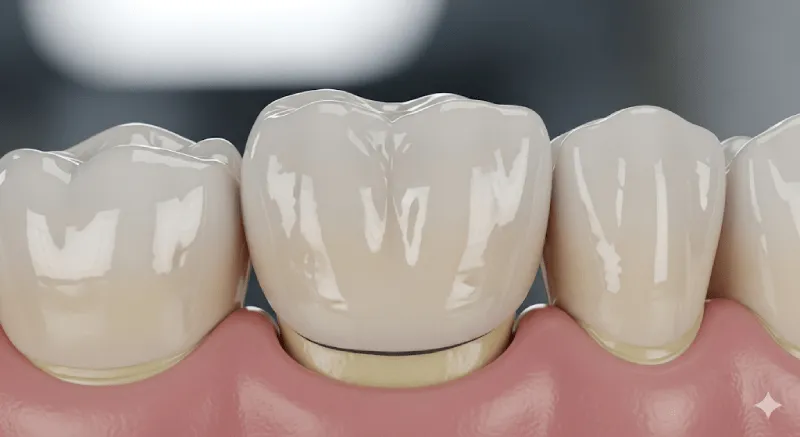
The demand for ‘Hollywood Smile’ transformations drives significant interest in Kuşadası. While often perceived as solely relating to veneers (with E-max veneers costing between $250 – $400 USD per unit), a truly holistic ‘Hollywood Smile’ involves a comprehensive assessment of bite dynamics, neuromuscular function, and facial aesthetics. Complex cases frequently necessitate a multi-disciplinary approach involving periodontal treatment to establish healthy gums, restorative procedures to address existing decay, and, in some instances, orthognathic surgery to correct skeletal discrepancies. The choice of restorative materials is also crucial. Zirconia crowns ( $180 – $300 USD per unit) offer excellent strength and biocompatibility, while layered zirconia or porcelain fused to zirconia provide superior aesthetics. When considering full-arch rehabilitation, the All-on-4 ($4,000 – $7,000 USD) and All-on-6 ($5,500 – $9,000 USD) systems are frequently employed. These techniques utilize strategically placed implants to support a full arch prosthetic, eliminating the need for removable dentures. The success of these procedures relies heavily on meticulous surgical planning and accurate prosthetic design, capitalizing on the precision offered by digital workflows. Soft Tissue Lasers are increasingly utilized for precise gingival sculpting, enhancing the aesthetic outcome and promoting faster healing.
Accreditation and Quality Assurance
Choosing a qualified and accredited dental provider is paramount. Kuşadası is witnessing an increasing number of centres actively pursuing internationally recognized accreditations. JCI (Joint Commission International) accreditation signifies adherence to stringent quality and patient safety standards. TÜRSAB Medical Tourism Certified status demonstrates compliance with Turkish regulations governing medical tourism practices. Importantly, all dental facilities are subject to oversight by the Ministry of Health, ensuring that minimum standards of hygiene and sterilization are maintained. Verification of these accreditations is crucial for potential patients. Furthermore, experienced practitioners will readily demonstrate their credentials and explain their treatment protocols in detail.
Post-Operative Care & Recovery Options
The recovery period following dental implant surgery is a vital component of the overall treatment success. Kuşadası provides a variety of recovery options, ranging from comfortable Luxury Boutique Hotels and relaxing Beachfront Resorts to specialized Thermal Spas offering therapeutic treatments to accelerate healing and reduce discomfort. Post-operative instructions emphasize meticulous oral hygiene, soft diet adherence, and regular follow-up appointments to monitor osseointegration and prosthetic adaptation. The presence of English, German and Irish-specialized Patient Coordinators facilitates communication and provides ongoing support throughout the entire treatment journey.
The combination of advanced technical capabilities, rigorous quality standards, and a welcoming tourism infrastructure positions Kuşadası as a leading destination for patients seeking high-quality, affordable dental implantology and aesthetic restorative services.
The Structural Journey: Your Dental Implant Procedure in Kuşadası
Embarking on dental implant treatment is a significant investment in both oral health and quality of life. In Kuşadası, a burgeoning hub for dental tourism, the process is streamlined and utilizes cutting-edge technology. This pillar delves into the precise, step-by-step clinical procedure, a detailed case study illustrating patient experience, and the rigorous safety protocols in place to ensure optimal outcomes.
Pre-Operative Assessment & Digital Planning
The journey begins not with surgery, but with comprehensive diagnostics. Beyond the initial clinical examination, facilities in Kuşadası prioritize 3D Cone Beam Computed Tomography (CBCT) imaging. This allows for a precise, three-dimensional assessment of bone volume and density in the edentulous (toothless) areas. A failing or missing tooth can impact surrounding bone structure over time; CBCT imaging details the extent of this resorption, crucial for determining implant placement viability.
Following CBCT, intraoral scanners capture highly accurate digital impressions of the patient’s mouth, eliminating the need for messy traditional impressions. This data, coupled with CBCT scans, is fed into CAD/CAM (Computer-Aided Design/Computer-Aided Manufacturing) software. This enables a “digital smile design” – a meticulous pre-operative plan visualizing the final prosthetic restoration and guiding implant positioning. The software simulates optimal implant angulation, depth, and prosthetic emergence profiles for both functional and aesthetic success. This digital planning minimizes surgical surprises and ensures a predictable result.
Surgical Phase: Implant Placement
The surgical procedure, typically performed under local anesthesia (with sedation options available for anxious patients), is meticulously executed. After sterile preparation and administration of local anesthetic (often articaine or lidocaine with epinephrine for vasoconstriction and prolonged effect), a mucoperiosteal flap is elevated to expose the alveolar bone. Guided surgery, using surgical guides fabricated from the pre-operative CAD/CAM data, is increasingly common. These guides ensure precise implant placement in accordance with the digital plan, minimizing the risk of nerve damage or sinus perforation (in the maxillary arch).
Implant osteotomy (bone preparation) is performed using a sequence of specialized drills. The drill diameter is gradually increased, carefully respecting the bone’s density and avoiding overheating which can lead to osteonecrosis. Once the osteotomy is at the correct diameter and depth, the dental implant – typically constructed from biocompatible titanium or zirconium – is gently inserted. Primary stability, which refers to the initial rigidity of the implant within the bone, is critical for successful osseointegration. This is assessed using insertion torque and radiographic evaluation. If primary stability is insufficient, bone grafting or immediate loading protocols may be considered.
Following implant placement, a healing abutment is connected. This serves as an interface between the implant and the future crown or restoration. Depending on the case and bone quality, a closed-mouth healing approach (where the abutment is covered with tissue) or an open-mouth healing approach (where the abutment is exposed) may be chosen. Soft tissue lasers are frequently utilized for precise soft tissue management, promoting faster healing and minimizing post-operative discomfort.
Prosthetic Phase: From Abutment to Restoration
Once osseointegration – the biological fusion of the implant with the jawbone – is complete (typically 3-6 months), the restorative phase commences. The healing abutment is removed, and a custom-made abutment is connected. This abutment is specifically designed to match the shade and contour of the adjacent teeth, contributing to a natural-looking restoration.
Impressions are taken (either traditional or digital) to fabricate the final prosthetic restoration. Options include single crowns, bridges, or full-arch restorations like the All-on-4 or All-on-6 systems – costing between 4,000 – 7,000 USD and 5,500 – 9,000 USD respectively. Zirconia or e-max crowns are commonly used, with per-unit costs ranging from 180 – 300 USD and 250 – 400 USD respectively. The restoration is carefully tried-in, adjusted for proper occlusion (bite), and finally cemented or screwed onto the abutment.
Case Study: A 55-Year-Old UK Patient
Mr. Davies, a 55-year-old from the UK, presented with extensive bone loss in the lower jaw due to long-standing periodontitis. After thorough evaluation, including CBCT imaging, a treatment plan involving two dental implants and a fixed porcelain-fused-to-metal bridge was proposed. The procedure was completed over a seven-day period. Day 1 involved initial diagnostics and digital planning. Day 2 consisted of implant placement under intravenous sedation. Days 3-5 were dedicated to healing and soft tissue management. Days 6 and 7 involved the fitting and cementing of the final restoration. Mr. Davies reported minimal post-operative discomfort and was able to resume his holiday activities with a fully functional and aesthetically pleasing smile.
Safety Protocols & Quality Assurance
Facilities catering to international dental patients in Kuşadası adhere to stringent safety standards. Accreditations such as JCI (Joint Commission International), TÜRSAB Medical Tourism Certified, and regulation by the Ministry of Health demonstrate a commitment to quality care. Sterilization protocols follow internationally recognized guidelines, including autoclaving of instruments, use of disposable barriers, and meticulous surface disinfection.
Patient coordinators, proficient in English, German, and Irish languages, provide comprehensive support throughout the entire treatment process. This includes assistance with visa applications (a 90-day E-visa is available for citizens of the UK, Ireland, US, and EU), airport transfers (from Izmir Adnan Menderes Airport – ADB, a 45-60 minute transfer), and post-operative care instructions. Free online video consultations are available to facilitate pre-treatment assessment and answer patient queries.
Furthermore, the proximity of the Ege Port Kuşadası cruise port offers a unique opportunity for patients to combine dental treatment with a relaxing Mediterranean cruise, allowing for quick consultations and even single-day procedures, dependent on the complexity of the case. The local area provides a multitude of recovery options, from luxury boutique hotels and beachfront resorts to tranquil thermal spas. The total cost of a ‘Hollywood Smile’ full arch restoration can range from 3,000 – 5,000 USD, making Kuşadası an attractive and affordable destination for dental implants.
Navigating Kuşadası: Your 2026 Travel & Recovery Blueprint
Kuşadası, Turkey is rapidly establishing itself as a premier destination for dental implantology and restorative dentistry, attracting patients globally. While superior clinical expertise forms the bedrock of this growth, the holistic patient experience – encompassing seamless travel, comfortable recovery, and enriching post-operative leisure – is paramount. This guide, focused on this section, details the logistical framework that positions Kuşadası as an unparalleled choice for dental tourism in 2026, incorporating a preliminary cost audit for the period.
Arrival & Transfer Protocols: Izmir Adnan Menderes Airport (ADB)
The primary international gateway for dental travelers to Kuşadası is Izmir Adnan Menderes Airport (ADB). In 2026, anticipate refined and expanded private transfer services specifically tailored for dental patients. These aren’t merely taxi services; they involve medically-attuned drivers, vehicles equipped to accommodate post-operative comfort (reclining seats, temperature control), and pre-programmed navigation avoiding potentially jarring routes. The average transfer time from ADB to Kuşadası remains consistent at 45-60 minutes, however, in 2026, expect smart traffic management solutions deployed by the local municipality to further optimize this journey. Consideration is also being given to helicopter transfer options for expedited travel, particularly for patients requiring urgent procedures or those with limited timeframes.
Ege Port Kuşadası: A Unique Dental Access Point
Kuşadası’s strategic positioning as a major cruise destination presents a unique opportunity for ‘dental tourism lite’. Ege Port Kuşadası facilitates quick consultations, preliminary assessments (utilizing portable digital radiography), and even single-day procedures like dental crown fitting or laser teeth whitening (200 – 350 USD). For patients on extended cruises, this allows for minimally disruptive dental care. The port authorities are working with local dental providers to establish dedicated ‘health tourism’ lounges, providing privacy and comfort for pre- and post-treatment evaluations. This option is ideally suited to patients seeking preventative or cosmetic treatments rather than complex implant procedures requiring multi-stage healing phases.
Accommodation & Recovery Environments
Recovery following dental implant surgery, or even full mouth rehabilitation like All-on-4 (4,000 – 7,000 USD) or All-on-6 (5,500 – 9,000 USD) systems, demands a nurturing environment. Kuşadası caters to diverse preferences:
- Luxury Boutique Hotels: Offer personalized attention, in-room nursing care (available upon request), and curated wellness programs. These emphasize dietary considerations post-surgery – soft food menus designed by nutritionists to promote optimal osseointegration.
- Beachfront Resorts: Provide a relaxing atmosphere conducive to recovery. Proximity to the sea encourages gentle exercise, crucial for circulation and minimizing post-operative swelling. Many resorts are investing in dedicated physiotherapy suites specializing in maxillofacial rehabilitation.
- Thermal Spas: Kuşadası’s thermal springs offer a unique recovery modality. The mineral-rich waters, when used under the guidance of a physician, can aid in reducing inflammation and promoting tissue healing. Be aware that thermal spa use immediately post-surgery requires careful medical supervision.
The focus for 2026 is on integrating remote patient monitoring technologies into these accommodation options. This includes wearable sensors tracking vital signs (heart rate, temperature) and transmitting data to the treating dentist, allowing for proactive intervention if necessary.
Exploring Kuşadası: Beyond the Clinic
Dental tourism shouldn’t solely revolve around appointments. Kuşadası offers a wealth of cultural and natural attractions:
- Ephesus Ancient City: A mere 20 minutes from Kuşadası, this UNESCO World Heritage site provides a fascinating glimpse into antiquity. However, patients in the immediate post-operative phase should opt for guided tours with minimal walking.
- Pigeon Island (Güvercinada): Offering panoramic views of the Aegean Sea, this historic island is accessible via a short walk or taxi ride.
- Ladies Beach: A popular sandy beach ideal for gentle relaxation.
- Dilek Peninsula National Park: A haven for nature lovers, featuring hiking trails (suitable for patients well into their recovery) and pristine beaches.
In 2026, expect curated ‘recovery-friendly’ tour packages tailored for dental patients. These prioritize comfort, accessibility, and medically-informed itineraries, minimizing strain and maximizing enjoyment.
2026 Cost Audit: A Snapshot of Anticipated Pricing
While subject to currency fluctuations, the following provides a preliminary cost audit for 2026, based on current trends and anticipated inflation:
- Dental Implant (per implant, Top Brands): 400 – 800 USD
- Zirconia Crown (per crown): 180 – 300 USD
- E-max Veneer (per veneer): 250 – 400 USD
- Hollywood Smile (Full Mouth Rehabilitation): 3,000 – 5,000 USD
- Laser Teeth Whitening: 200 – 350 USD
It’s crucial to note that these figures represent estimated treatment costs only and do *not* include accommodation, transfers, or ancillary expenses. Detailed, personalized treatment plans are essential for accurate cost projections. Furthermore, advancements in digital dentistry, such as utilizing CAD/CAM technology and intraoral scanners, are contributing to increased precision and potentially reduced lab fees, offering long-term cost savings.
Technical Standards & Patient Safety
Kuşadası dental facilities consistently adhere to rigorous international standards. Accredited clinics demonstrate commitment through certifications including: JCI (Joint Commission International), TÜRSAB Medical Tourism Certified, and adherence to Ministry of Health Regulations. Clinics are increasingly integrating advanced diagnostic technologies like 3D CBCT Imaging for precise implant planning, CAD/CAM Digital Smile Design for aesthetic predictability, and Intraoral Scanners for accurate impression capture. The availability of skilled English, German, and Irish-specialized Patient Coordinators ensures effective communication and facilitates a seamless patient journey. Emphasis is placed on meticulous sterilization protocols and adherence to best practices in infection control, mitigating the risk of post-operative complications. Biocompatibility assessments of implant materials, utilizing advanced surface characterization techniques, are standard procedure.
Visa Requirements & Pre-Travel Consultation
For citizens of the UK, Irish, US, and EU, a 90-day E-visa is generally accessible, simplifying the travel process. However, it is *imperative* to verify specific requirements based on nationality and purpose of travel through official government channels. Cure Holiday specialists can assist in navigating these regulations. Furthermore, a Free Online Video Consultation is available prior to travel, allowing patients to discuss their treatment plan, address concerns, and receive preliminary assessments from qualified dental professionals.
Planning a dental visit to Kuşadası? Get a Free Quote for Your Comprehensive 2026 Guide to Dental Implants in Kuşadası in Kuşadası with cureholiday.com
Free Consultation
Fill out the form below to get your free medical travel plan and price quote.
Sources and how to verify this yourself
- Howe M-S, Keys W, Richards D. Long-term (10-year) dental implant survival: a systematic review and sensitivity meta-analysis. Journal of Dentistry, 2019 — pooled 10-year implant survival 96.4% (95% CI 95.2–97.5%); conservative sensitivity estimate 93.2%. source
- Ministry of Health, Regulation on International Health Tourism and Tourist Health, Official Gazette 26 April 2025, No. 32882 — authorisation requirement for facilities and intermediaries, TÜSKA accreditation, compulsory complication insurance (deadline 31 December 2025 for insurance, 31 December 2026 for accreditation). source
- Ministry of Health, Regulation on Promotion and Information Activities in Health Services, Official Gazette 12 November 2025, No. 33075 — treatment promises and guarantees are prohibited; price and campaign announcements are permitted only within international health tourism. source