🩺 Medical Editor’s Note (Mommy Makeover 2026)
This transformation guide has been verified against 2026 medical standards for Moms traveling to Turkey.
Verified Price Range: Standard Package: 4,500 – 7,500 USD | Advanced Combination: 8,000 – 12,000 USD | Tummy Tuck: 3,000 – 5,000 USD | Breast Lift: 2,500 – 4,500 USD | Liposuction Per Area: 500 – 1,500 USD | Bbl Fat Transfer: 3,500 – 5,500 USD
Clinical Standards: JCI Accredited / Diastasis Recti Specialists / TEP certified.
Recovery Focus: Post-pregnancy body restoration & safety first.
Currency: GBP, EUR, USD accepted.
Why “Board Certified” has a Specific Meaning in the Turkish Medical Registry
Thinking…
Why “Board Certified” has a Specific Meaning in the Turkish Medical Registry.
Safety benchmarks, why Turkey is the global hub for Mommy Makeovers.
The Rigor of the Turkish Medical Registry: Redefining Board Certification
When patients navigate the complexities of international medical tourism, the term “Board Certified” is often used as a generic seal of approval. However, within the Turkish Medical Registry, this designation carries a weight that is significantly more profound than its colloquial usage in many Western territories. For those seeking post-pregnancy restoration—specifically the highly technical procedures known as “Mommy Makeovers”—the distinction lies in the surgeon’s mastery of reconstructive plastic surgery rather than mere aesthetic refinement.
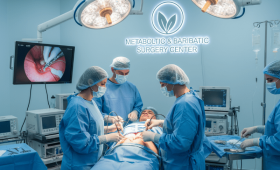
In Turkey, a Board Certified plastic surgeon must demonstrate specialized proficiency in managing complex anatomical reconstructions. This is critical when addressing the physiological changes following childbirth, such as the separation of the rectus abdominis muscles. The registry ensures that these surgeons are not only skilled in skin excision but are experts in the structural re-tensioning of the abdominal wall, a prerequisite for the high-success rates seen in the Turkish medical sector.
Anatomical Foundations: Diastasis Recti and the Internal Corset
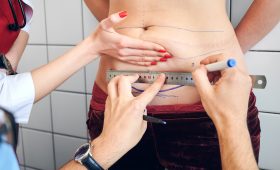
The cornerstone of post-pregnancy restoration is the correction of Diastasis Recti. This condition, characterized by the lateral displacement of the rectus abdominis muscles, creates a permanent protrusion in the mid-abdominal region that cannot be addressed through diet or exercise alone. True restoration requires more than a simple skin tightening; it necessitates a deep, structural intervention.
The gold standard for this procedure involves Diastasis Recti repair involving internal corset suturing of the abdominal fascia. During this process, the surgeon utilizes heavy-duty, absorbable sutures to pull the separated muscle bellies back toward the midline, effectively creating a biological “corset.” This reinforces the abdominal wall, restores intra-abdominal pressure, and provides a flatter, more stable core. When combined with a tummy tuck, this technical precision is what differentiates a standard cosmetic procedure from a true reconstructive milestone.
“The success of a post-pregnancy abdominal contour depends less on the amount of skin removed and more on the integrity of the underlying fascial repair.”
The Spectrum of Abdominal Contouring: From Mini to Extended 360
Turkey has emerged as the global hub for abdominal reconstruction due to its ability to offer highly customized surgical planes. Depending on the degree of skin laxity and the extent of fat distribution, surgeons offer three distinct protocols:
- Mini Tummy Tuck: Focused on the lower abdominal quadrant, ideal for patients with localized laxity.
- Full Tummy Tuck: Addresses the entire abdominal region, including the umbilical area.
- Extended (360) Tummy Tuck: A comprehensive circumferential approach that includes the flanks, ensuring a seamless transition from the abdomen to the sides of the torso.
unli>
The financial investment for these procedures reflects the technical complexity involved. A targeted tummy tuck typically ranges from 3,000 USD to 5,000 USD, while more comprehensive advanced combination packages—which may integrate liposuction or muscle repair—are valued between 8,000 USD and 12,000 USD. A standard package for foundational restoration generally falls within the 4,500 USD to 7,500 USD range.
Precision Breast Reconstruction: Mastopexy and Implant Integrity
Post-pregnancy, the mammary glands often undergo significant volume loss and ptosis (sagging). The Turkish approach to the “Breast Lift” (Mastopexy) focuses on restoring the projection and nipple-areola complex position without sacrificing the natural aesthetic. To ensure long-term safety and biocompatibility, the medical standards in Turkey mandate the use of only the highest-tier, JCI-approved implants.
Surgeons frequently utilize Mentor, Motiva, or Polytech implants, ensuring that the device’s shell integrity and gel consistency meet international safety benchmarks. A breast lift, which addresses tissue repositioning, typically costs between 2,500 USD and 4,500 USD. When combined with augmentation to restore volume lost during breastfeeding, the results provide a rejuvenated silhouette that mirrors the patient’s pre-pregnancy anatomy.
High-Definition Sculpting via Vaser Technology
To complement abdominal and breast reconstruction, adipose tissue redistribution is often necessary. The use of Vaser Liposuction has revolutionized the “Mommy Makeover” by allowing for high-definition contouring with minimal trauma to the surrounding tissue. Unlike traditional cannula-based methods, Vaser uses ultrasonic energy to selectively emulsify fat cells, preserving the structural integrity of the blood vessels and nerves. This results in minimal bruising and a much more refined, athletic appearance.
Costs for fat-focused procedures vary by the volume of extraction:
- Liposuction per area: 500 USD to 1,500 USD.
- BBL (Brazilian Butt Lift) via fat transfer: 3,500 USD to 5,500 USD.
The Logistics of Excellence: The Recovery Ecosystem
The reason Turkey maintains its status as the global epicenter for these complex procedures is not merely the surgical skill, but the integrated recovery ecosystem. The “post-operative” phase is treated with the same clinical rigor as the surgery itself. This includes 5-star recovery suites with companion stay included, ensuring that the patient’s environment is optimized for healing and lymphatic drainage.
The logistical framework is designed to minimize patient stress, featuring:
- VIP private transfers from Istanbul (IST) or Antalya (AYT) directly to the clinic and recovery suite.
- Free online video assessments with board-certified plastic surgeons, allowing for precise pre-operative planning and anatomical evaluation from the patient’s home.
- A structured recovery timeline: Patients typically spend 7-10 days in Turkey for post-operative monitoring, with a recommendation of 6 weeks for a full return to strenuous exercise.
By merging the high-level technical expertise of the Turkish Medical Registry with a seamless, luxury-tier logistical infrastructure, the Turkish medical landscape provides a level of comprehensive care that is unparalleled in the global reconstructive market.
Thinking…
Why “Board Certified” has a Specific Meaning in the Turkish Medical Registry.
The Regulatory Weight of “Board Certified” in the Turkish Medical Registry
When patients navigate the complexities of international medical tourism, the term “Board Certified” often appears as a standard marketing descriptor. However, within the Turkish Medical Registry, this designation carries a specific, rigorous legal and clinical weight that differs significantly from generalized aesthetic practitioners. For a surgeon to be truly board-certified in Turkey, they must have completed an intensive residency program and be formally recognized by the Turkish Board of Plastic, Recontructive, and Aesthetic Surgery.
This distinction is critical because it separates specialists trained in complex reconstructive maneuvers—such as Diastasis Recti repair—from those who focus solely on superficial cosmetic adjustments. In the context of JCI (Joint Commission International) accredited facilities, this certification ensures that the surgeon’s credentials are verified against a national database, ensuring that the surgical technique, anesthesia protocols, and post-operative care meet stringent international safety benchmarks. When you engage with Cure Holiday specialists, the focus is on identifying surgeons whose registry status confirms their expertise in high-complexity, multi-area transformations.
The Engineering of the Advanced Combination Surgery
The modern surgical frontier is moving away from isolated procedures toward “Advanced Combination” surgeries. This approach is designed to achieve a holistic anatomical reconfiguration in a single anesthetic event, optimizing the recovery timeline and maximizing the aesthetic result. The technical complexity of these procedures requires a deep understanding of tissue planes and subcutaneous architecture.
A primary component of these transformations is the utilization of Vaser Liposuction. Unlike traditional aspiration, Vaser technology uses low-frequency ultrasound to selectively emulsify fat cells while leaving nerves, blood vessels, and connective tissue intact. This allows for high-definition contouring with minimal bruising and much smoother skin retraction. When paired with an abdominal procedure, the surgeon may perform a Diastasis Recti repair, which involves the precise, internal corset suturing of the abdominal fascia to close the separation of the rectus abdominates caused by pregnancy or weight fluctuations.
Depending on the patient’s anatomical requirements, Tummy tuck options are tailored through three distinct methodologies:
- Mini Abdominoplasty: Focused on the lower abdominal region with minimal scarring.
- Full Abdominoplasty: Addressing the entire abdominal wall, including the umbilical area.
- Extended (360) Abdominoplasty: A circumferential approach that includes the flanks, often integrated with liposuction for a complete midsection reconfiguration.
er
“The success of a combination surgery lies not in the number of areas treated, but in the seamless integration of different surgical planes—reconstructing the underlying musculature while simultaneously sculpting the subcutaneous fat layers.”
Case Study: The Post-Pregnancy Transformation
To understand the profound impact of this surgical precision, consider the journey of a 34-year-old Irish mother of three. Her clinical presentation involved significant skin laxity following her third pregnancy, characterized by a persistent “pooch” in the lower abdomen and a loss of volume in the upper flanks. Her primary goal was not merely fat removal, but a structural reconstruction of her midsection.
The journey began with free online video assessments with board-certified plastic surgeons, allowing for a preliminary evaluation of skin elasticity and muscle separation. Upon choosing the advanced_combination path, her surgical itinerary was meticulously coordinated. The procedure involved a simultaneous BBL fat transfer to restore hip projection, Vaser Liposultion for the flanks, and an Extended (360) Tummy Tuck to address the abdominal wall.
The logistical execution was seamless: upon arrival at Istanbul (IST), she was met by VIP private transfers and escorted to a 5-star recovery suite, where a companion stay was included to facilitate her post-operative care. This period of intensive clinical monitoring is essential during the 7-10 days in Turkey, ensuring that any early-stage complications are managed within a JCI-standard environment before her flight back to Ireland.
Safety Standards and Implant Integrity
A cornerstone of the surgical journey is the uncompromising standard of surgical materials. In JCI-accredited Turkish hospitals, there is no compromise on the provenance of implants. Only highly vetted, medical-grade prosthetics are utilized, specifically Mentor, Motiva, or Polytech implants. These brands are globally recognized for their cohesive gel technology and shell durability, ensuring long-term stability and biocompatibility.
The recovery trajectory is a structured physiological process. While the patient remains in Turkey for the acute phase (7-10 days), the biological healing of the fascia and fat grafting requires a longer window. Patients are advised that full exercise return typically requires 6 weeks to ensure the internal sutures—particularly those used in the abdominal corset—remain structurally sound and the new fat grafts have successfully revascularized.
Financial Investment in Surgical Excellence
Transparency in pricing is vital for patients planning international medical journeys. The following figures represent the investment required for various levels of surgical intervention:
- Standard Package: 4,500 – 7,500 USD
- Advanced Combination: 8,000 – 12,000 USD
- Tummy Tuck (Individual): 3,000 – 5,000 USD
- Breast Lift (Individual): 2,500 – 4,500 USD
- Liposuction (Per Area): 500 – 1,500 USD
- BBL Fat Transfer: 3,500 – 5,500 USD
These costs encompass the surgical fee, the use of premium Motiva or Mentor implants, anesthesia, and the high-tier VIP transfers and 5-star hotel accommodations essential for a premium recovery experience.
Thinking…
The Nuances of Board Certification in the Turkish Medical Registry
When navigating the landscape of international medical tourism, the term “Board Certified” is often used as a generic marker of quality. However, within the Turkish Medical Registry, this designation carries a specific, rigorous technical weight that differs from the broader interpretations found in some Western jurisdictions. For patients arriving from the UK or USA, understanding this distinction is vital for assessing the surgical competency and the subsequent recovery safety of their procedure.
In Turkey, a Board Certified plastic surgeon has undergone a highly regulated period of specialized residency and postgraduate training, verified by the Turkish Medical Association. This certification ensures that the surgeon is not merely a general practitioner performing aesthetic procedures, but a specialist trained in the complex anatomical intricacies required for reconstructive and aesthetic surgery. This level of expertise is critical when undergoing complex procedures such as Diastasis Recti repair, which involves the highly technical internal corset suturing of the abdominal fascia to restore core stability.
The precision of these surgeons is further evidenced by their use of advanced technology. For instance, the application of Vaser Liposuction is standard in high-tier Turkish facilities, utilized specifically for high-definition contouring with minimal bruising. This technical proficiency directly impacts the post-operative recovery period, as refined surgical techniques reduce the inflammatory response and accelerate the healing timeline.
“The strength of the Turkish medical system lies in its integration of high-level surgical specialization with advanced, JCI-approved prosthetic technology, ensuring that ‘Board Certified’ is a guarantee of both skill and safety.”
Post-Operative Luxury: The Villa Recovery Model and Care Logistics
The transition from the operating theatre to the recovery phase is where the “Cure Holiday” experience diverges from traditional hospital stays. For many patients, the primary concern is not just the surgery, but the logistical management of their post-operative period. The premium recovery model in Turkey focuses on a “Villa Recovery” concept, designed to mitigate the stress of healing.
Post-operative care is typically centered around 5-star recovery suites, which are curated to provide a sterile yet comfortable environment. A significant feature of these high-end accommodations is that they are designed with a companion stay included. This is a critical logistical advantage for patients traveling with family or those who require a dedicated caregiver for the initial days of healing. This arrangement allows for seamless care without the need for separate hotel bookings or the logistical burden of managing separate itineraries.
Logistical fluidity is maintained through a dedicated-service infrastructure:
- Airport Connectivity: Seamless arrivals through major international hubs, specifically Istanbul (IST) or Antalya (AYT).
- Private Transit: All patient movement is handled via VIP private transfers from airport to clinic, ensuring that the patient avoids the physical strain of navigating public transport or standard taxis during their sensitive post-op window.
- Pre-Arrival Planning: To ensure all logistical and surgical requirements are met, free online video assessments with board-citified plastic surgeons are provided, allowing for a clinical review of the patient’s anatomy and recovery expectations before they even board a flight.
Technical Recovery Milestones and Clinical Timelines
Understanding the biological timeline of healing is essential for planning “fly-home” logistics. Recovery is not a singular event but a phased physiological process. While the immediate post-operative period in Turkey typically lasts between 7-10 days, the biological “return to normalcy” requires more stringent adherence to medical protocols.
Patients must account for a 6 weeks for full exercise return. During this window, the structural integrity of the surgical site is being re-established. For those undergoing abdominal procedures, such as Full, Mini, or Extended (360) Tummy Tucks, the healing of the subcutaneous layers is paramount. Similarly, for breast augmentations using Mentor, Motiva, or Polytech (JCI approved) implants, the management of lymphatic drainage and swelling is the primary focus of the first fortnight.
The technical complexity of these procedures dictates the recovery intensity:
- Liposuction & BBL: Utilizing Vaser Liposuction allows for a more rapid return to light movement, though BBL (fat transfer) requires strict adherence to weight-distribution protocols to ensure graft survival.
- Abdominal Reconstruction: The internal corset suturing required for Diastasis Recti necessitates a period of restricted lifting and core-straining activities.
- Breast Procedures: The use of JCI-approved implants ensures a lower risk of capsular contracture, though the initial 7-10 day window is critical for minimizing seroma formation.
2026 Financial Projection: Turkey vs. UK and USA
As we look toward 2026, the economic disparity between Turkish medical excellence and Western healthcare costs continues to widen. For patients from the UK and USA, the cost-to-quality ratio in Turkey remains unparalleled, even when accounting for the premium logistics of 5-star recovery and VIP transfers.
The following breakdown represents the projected 2026 cost structures for comprehensive surgical packages in Turkey, compared to the significantly higher out-of-pocket expenses typically seen in London or New York:
| Procedure Type | Projected 2026 Cost (Turkey) |
|---|---|
| Standard All-Inclusive Package | 4,500 – 7,500 USD |
| Advanced Combination Surgery | 8,000 – 12,000 USD |
| Tummy Tuck (Full/Mini/360) | 3,000 – 5,000 USD |
| Breast Lift (Mastopexy) | 2,500 – 4,500 USD |
| Liposuction (Per Targeted Area) | 500 – 1,500 USD |
| BBL (Fat Transfer) | 3,500 – 5,500 USD |
When these figures are compared to the UK or USA, where a single tummy tuck or BBL can often exceed 15,000 USD before even accounting for hospital fees or anesthesia, the Turkish model provides a significant financial advantage. This surplus allows patients to reallocate their budget toward the premium recovery logistics—such as luxury villa stays and private nutritional support—that define the true excellence of the Turkish medical journey.
Considering a Mommy Makeover in Turkey? Get a Free Quote for your Why “Board Certified” has a Specific Meaning in the Turkish Medical Registry Transformation with cureholiday.com
Free Consultation
Fill out the form below to get your free medical travel plan and price quote.