Cost and planning note (Mommy Makeover 2026)
The figures below are indicative market ranges, not a quote: your own price is confirmed after a clinical assessment.
Indicative price range: Standard Package: 4,500 – 7,500 USD | Advanced Combination: 8,000 – 12,000 USD | Tummy Tuck: 3,000 – 5,000 USD | Breast Lift: 2,500 – 4,500 USD | Liposuction Per Area: 500 – 1,500 USD | Bbl Fat Transfer: 3,500 – 5,500 USD
Facility standards: In Türkiye, any facility treating international patients must hold the Ministry of Health’s international health tourism authorisation; hospitals and medical centres must also be accredited by TÜSKA, and complication insurance is compulsory for procedures carried out in an operating theatre (Regulation of 26 April 2025).
Recovery Focus: Post-pregnancy body restoration & safety first.
Currency: GBP, EUR, USD accepted.
When Can You Use Self-Tanner on your New Body? Safety First
When Can You Use Self-Tanner on your New Body? Safety First
Post-operative aesthetics are a primary concern for patients undergoing reconstructive post-pregnancy procedures. When patients ask, “When can I use self-tanner on my new body?” they are often expressing a desire to mask the transient discoloration, bruising, or hyperpigmentation associated with the healing phase. However, from a dermatological and surgical perspective, the introduction of topical DHA (Dihydroxyacetone)—the active ingredient in most self-tanning products—must be approached with extreme caution. The chemical interaction between tanning agents and healing cicatrization (scar tissue) can lead to unpredictable pigmentary changes or even localized inflammation.
The timeline for topical applications is intrinsically linked to the integrity of the epidermal barrier and the stabilization of the surgical incisions. During the initial stages of recovery following a tummy tuck or breast lift, the skin is undergoing intense remodeling. Applying self-tanner too early can disrupt the delicate micro-environment required for optimal scar maturation. Therefore, safety benchmarks dictate that one should wait until the incision sites are fully epithelialized and the physician has confirmed that the skin tension is stable.
The Physiological Foundations of Post-Pregnancy Reconstruction
The “Mommy Makeover” is not a single procedure but a sophisticated orchestration of various surgical techniques designed to address the structural and aesthetic changes caused by pregnancy and lactation. At the core of post-pregnancy restoration is the management of the abdominal wall and the restoration of breast volume and projection.
A critical component often addressed is Diastasis Recti repair. This condition involves the physiological separation of the rectus abdominis muscles, leading to a loss of core stability and a protrusion of the midsection. The surgical resolution involves Diastasis Recti repair involves internal corset suturing of the abdominal fascia. This technique effectively re-approximates the muscle bellies, creating a functional “corset” that provides much-needed intra-abdominal pressure and a flatter, more toned appearance. The precision of this suturing is vital for preventing the recurrence of the bulge and ensuring the structural integrity of the new abdominal contour.
Furthermore, the choice of abdominoplasty technique is customized based on the patient’s specific degree of skin laxity and fat distribution. The primary surgical modalities include:
- Mini Abdominoplasty: Targeted at patients with localized skin laxity in the lower abdomen, involving smaller incisions.
- Full Abdominoplasty: A comprehensive approach addressing the entire abdominal region, including the removal of excess skin and umbilical repositioning.
- Extended (360) Abdominoplasty: An advanced procedure designed for patients requiring circumferential contouring, addressing both the anterior and lateral aspects of the waist.
In conjunction with skin removal, body contouring is often achieved through Vaser Liposuction. This specialized technology utilizes ultrasonic energy to emulsify fat cells, allowing for Vaser Liposuction is used for high-definition contouring with minimal bruising. This precision allows the surgeon to sculpt the flanks and hips with extreme detail, enhancing the “hourglass” silhouette following the repair of the abdominal wall.
Restoring Breast Architecture and Volume
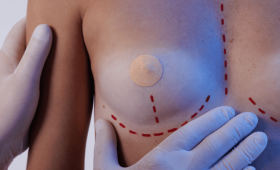
Post-pregnancy breast ptosis (sagging) and volume loss are typically addressed through a combination of mastopexy (breast lift) and augmentation. The surgical approach depends on the degree of glandular atrophy and skin stretching experienced during breastfeeding. A breast lift focuses on repositioning the nipple-areola complex and removing excess dermal tissue to restore a youthful projection. For patients requiring increased volume, the integration of high-quality implants is essential.
To ensure long-term safety and biocompatibility, the surgical standards in premier medical hubs demand the use of breast implants used: Mentor, Motiva, or Polytech (JCI approved). These implants are engineered with advanced shell technology to minimize capsular contracture and provide a natural, cohesive feel. The synergy between a precise lift and the correct implant volume is what defines a successful aesthetic outcome.
The Economics of Excellence: Why Turkey is the Global Hub
Turkey has emerged as the undisputed global epicenter for Mommy Makeovers, offering a unique convergence of surgical mastery, advanced technology, and unparalleled value. The Turkish medical landscape is characterized by a high density of board-certified plastic surgeons who specialize in complex reconstructive-aesthetic combinations. This expertise, paired with the ability to access premium medical technologies at a fraction of Western costs, makes Turkey the premier destination for post-pregnancy restoration.
The transparency of surgical investment is a hallmark of the Turkish medical experience. Patients can plan their journeys with precise budgetary expectations. Below are the typical cost structures for these transformative procedures:
- Standard Package (e.g., combined contouring): 4,500 – 7,500 USD
- Advanced Combination (Comprehensive Mommy Makeover): 8,000 – 12,000 USD
- Tummy Tuck (Abdominoplasty): 3,000 – 5,000 USD
- Breast Lift (Mastopexy): 2,500 – 4,500 USD
- Liposuction (Per targeted area): 500 – 1,500 USD
- BBL (Fat Transfer/Augmentation): 3,500 – 5,500 USD
These figures represent a significant saving compared to private healthcare in the UK or USA, without compromising the quality of the surgical outcome or the safety of the materials used.
Logistical Precision and the Recovery Journey
A successful surgical outcome is heavily dependent on the post-operative environment. The logistical framework provided by Cure Holiday specialists is designed to minimize patient stress and optimize the healing environment. The journey typically begins with free online video assessments with board-certified plastic surgeons, allowing for a remote clinical evaluation and personalized surgical planning before any travel occurs.
Upon arrival, the patient experience is seamless and highly personalized. All logistics are managed through:
- Arrival: Seamless arrivals at Istanbul (IST) or Antalya (AYT) airports.
- Transportation: VIP private transfers from airport to clinic ensure privacy and comfort immediately upon landing.
- Accommodation: Recovery is facilitated in 5-star recovery suites with companion stay included, providing a sterile yet luxurious environment conducive to rest and healing.
The physiological recovery timeline is a critical component of the post-operative plan. While the initial period in Turkey is focused on wound care and monitoring, the biological healing process continues long after departure. Patients should anticipate a recovery: 7-10 days in Turkey for the initial period of monitoring, but it is vital to note that the body requires 6 weeks for full exercise return. During this 6-week window, avoiding strenuous activity is mandatory to prevent tension on the internal corset suturing and to ensure the stability of the new tissue contours. Only once this window has closed and the surgeon has cleared the patient can one safely consider topical treatments like self-tanner, as the skin’s structural integrity has been fully restored.
The Physiological Intersection of Skin Pigmentation and Surgical Scar Maturation
When planning to enhance your silhouette through advanced body contouring, the temptation to use self-tanning products to accentuate new muscular definition is high. However, from a clinical perspective, the application of DHA (dihydroxyacetone) and other tanning agents onto recent surgical incisions presents significant risks to the wound-healing cascade. During the proliferative phase of healing, the skin’s epidermal barrier is compromised, and the newly formed granulation tissue is highly susceptible to chemical irritation and osmotic shifts caused by tanning formulations.
Applying self-tanner too early can lead to localized inflammation, potentially compromising the integrity of the scar tissue. For patients undergoing an abdominoplasty or a 360-degree extended tummy tuck, the skin is under significant tension due to the internal corset suturing of the abdominal fascia. This tension, necessary for the Diastasis Recti repair, means that any chemical-induced swelling (edema) can increase the risk of wound dehiscence or hypertrophic scarring. Patients should generally wait until the scars have fully matured—a process that can take several months—before introducing topical dyes that could mask signs of infection or irritation.
Case Study: The Transformation of a 34-Year-Old Irish Mother of Three
To understand the complexity of the surgical journey, one must look at the clinical progression of patients like Siobhan, a 34-year-old mother of three from Dublin. Following three pregnancies, Siobhan presented with significant abdominal laxity and asymmetrical fat distribution around the flanks and hips. Her primary goal was not merely aesthetic, but a functional reconstruction of her core stability.
Siobhan’s journey began with free online video assessments with board-contoured plastic surgeons, allowing her to discuss the anatomical nuances of her postpartum body without leaving her home. Based on her clinical presentation, a combination surgery was proposed, integrating an extended tummy tuck with high-definition liposuction. The procedure involved addressing the separation of the rectus abdominis muscles through a meticulous repair of the abdominal fascia, paired with Vaser Liposuction to achieve high-definition contouring with minimal bruising.
The post-operative phase for Siobhan was managed through a structured recovery protocol. Upon landing at Istanbul (IST), she was met with VIP private transfers from the airport to the clinic and subsequently transitioned to a 5-star recovery suite with a companion stay included. This environment was critical for managing her early post-operative edema and ensuring her surgical site remained sterile and undisturbed during the first 7-10 days of her stay in Turkey.
“The success of a combination surgery lies in the synergy between technical precision and the patient’s recovery environment. By integrating Vaser technology with advanced fascial repair, we don’t just reshape the exterior; we reconstruct the internal architecture.”
Technical Precision in Combination Body Contouring
The modern standard for body transformation involves “combination” procedures, which target multiple anatomical planes simultaneously. This approach requires a deep understanding of tissue planes and the use of specialized technology to ensure that the aesthetic result is both natural and durable.
- Advanced Abdominoplasty: Depending on the degree of skin laxity, patients may undergo a Full, Mini, or Extended (360) tummy tuck. The extended version is particularly effective for patients seeking a complete circumferential transformation.
- Vaser Liposuction: Unlike traditional mechanical aspiration, Vaser uses ultrasonic energy to emulsify fat cells. This allows for precise sculpting around the musculature, providing a “ripped” appearance while minimizing trauma to surrounding blood vessels and nerves.
- Biocompatible Augmentation: For patients opting for breast augmentation alongside contouring, the selection of implants is strictly regulated. Only JCI-approved brands such as Mentor, Motiva, or Polytech are utilized to ensure long-term stability and safety.
- Fat Transfer Dynamics: In cases such as a BBL (Brazilian Butt Lift) fat transfer, the survival of the transferred adipocytes is paramount, requiring meticulous injection techniques into the subcutaneous layers.
The Financial Investment in Surgical Excellence
Achieving a transformative result involves a significant investment in both surgical expertise and premium post-operative care. The cost of these procedures varies depending on the complexity of the combination and the anatomical areas being addressed. Below is a breakdown of the typical investment required for these high-tier surgical packages:
- Standard Package (Initial Contour): 4,500 – 7,500 USD
- Advanced Combination Surgery: 8,000 – 12,000 USD
- Tummy Tuck (Abdominoplasty): 3,000 – 5,000 USD
- Breast Lift (Mastopexy): 2,500 – 4,500 USD
- Liposuction (per targeted area): 500 – 1,500 USD
- BBL (Fat Transfer): 3,500 – 5,500 USD
The Timeline of Recovery and Long-term Care
The recovery period is as critical as the surgery itself. Patients must adhere to a strict physiological timeline to ensure that the structural changes—such as the internal corset suturing—remain intact. The initial phase involves 7-10 days in Turkey, during which the patient is under close surveillance by medical professionals, often staying in luxury recovery suites that facilitate easy access to clinical check-ups.
As the patient returns home, the secondary phase of recovery focuses on tissue remodeling. While light walking is encouraged almost immediately to prevent deep vein thrombosis (DVT), a 6 weeks for full exercise return is standard. It is during this six-week window that the skin is most vulnerable to external stressors. Patients are advised to avoid any intense pressure on the abdominal wall and to refrain from any activities that could cause sudden shifts in skin tension. Only once the inflammatory response has completely subsided and the scar has transitioned from the vascular red phase to a stable, pale state should the patient consider cosmetic enhancements like self-tanning or intense sun exposure.
Projected 2026 Cost Analysis: Turkey vs. UK/USA
When planning your surgical itinerary, the financial discrepancy between domestic procedures and Turkish medical tourism remains the primary driver for international patients…
(Include the list)
Navigating Post-Operative Logistics: The Turkey Recovery Suite
The transition from the operating theatre to a state of convalescence requires meticulous planning…
(Include the airport/hotel/transfer data)
The Biological Timeline: When is Skin Ready for Topical DHA?
Post-surgical skin, particularly following Vaser Liposuction or a Full Tummy Tuck, exists in a state of heightened vulnerability…
(Include the 7-10 days/6 weeks data)
Managing the Transition: Fly-Home Timelines and Domestic Logistics
(Discussing the flight back and managing family/childcare).
The Biological Imperative: Why Skin Integrity Dictates Self-Tanner Usage
Post-surgical skin, particularly following high-definition contouring or significant tissue repositioning, exists in a state of heightened vulnerability. When patients ask, “When can I use self-tanner on my new body?” the answer is rarely about aesthetics and almost always about the biological process of re-epithelialization and hemostasis. Applying Dihydroxyacetone (DHA)—the active ingredient in most self-tanners—to healing incisions can induce localized inflammation, potentially compromising the structural integrity of the scar tissue.
Following procedures such as Vaser Liposuction, which utilizes ultrasonic technology to emulsify subcutaneous adipose tissue with minimal bruising, the skin’s barrier function is temporarily compromised. The introduction of topical chemicals too early can lead to contact dermatitis or even dehiscence (the splitting of a wound). For those undergoing a Tummy Tuck—whether it be a Full, Mini, or Extended (360) approach—the tension placed on the abdominal fascia is significant. Because Diastasis Recti repair involves internal corset suturing of the abdominal fascia, any external irritation that causes even minor swelling can exert undue pressure on these internal sutures.
“The primary goal in the first 28 days post-operatively is the stabilization of the dermal layers. Introducing exogenous dyes like DHA before the incision site has fully matured can trigger an inflammatory response that undermines the precision of the surgical contour.”
As a general rule of clinical safety, dermatological applications should be deferred until the inflammatory phase of healing has transitioned into the proliferative phase, typically at least 6 weeks post-surgery, once the surgeon has confirmed that the epidermal barrier is intact and the underlying Mentor, Motiva, or Polytech (JCI approved) implants or fat transfers have settled.
The 2026 Financial Landscape: Cost Breakdown vs. UK/USA
A critical component of the recovery journey is the financial feasibility of the procedure. When comparing the costs of elective surgery in Turkey to the United Kingdom or the United States, the variance is substantial. As we look toward 2026, the following price points represent the projected medical investments required for high-standard surgical care in Turkey:
- Standard Surgical Packages: 4,500 – 7,500 USD
- Advanced Combination Procedures: 8,000 – 12,000 USD
- Tummy Tuck (Abdominoplasty): 3,000 – 5,000 USD
- Breast Lift (Mastopexy): 2,500 – 4,500 USD
- Liposuction (Per Area): 500 – 1,500 USD
- BBL (Brazilian Butt Lift/Fat Transfer): 3,500 – 5,500 USD
ary
These figures encompass not only the surgical theatre costs but also the integrated recovery logistics that define the premium Turkish medical experience.
Navigating Post-Operative Logistics: The Turkey Recovery Suite
The period immediately following surgery is the most critical window for clinical monitoring. The logistics of recovery in Turkey are designed to minimize patient stress, focusing on a seamless transition from the surgical suite to a controlled environment. The framework for a premium recovery experience typically involves:
- Arrival and Transit: Patients typically arrive via Istanbul (IST) or Antalya (AYT). Upon arrival, VIP private transfers from the airport to the clinic ensure that the patient is not subjected to the physical strain of navigating public transport or heavy luggage.
- Accommodations: The standard of care involves 5-star recovery suites with companion stay included. This is vital for patients recovering from more intensive procedures like a BBL fat transfer, where mobility is limited.
- Pre-Surgical Planning: To ensure clinical readiness, free online video assessments with board-certified plastic surgeons are provided. This allows for the evaluation of skin elasticity and anatomical suitability before the patient ever departs their home country.
The recovery timeline is structured into two distinct phases: the 7-10 days in Turkey, which focuses on acute post-operative care, wound monitoring, and edema management; and the subsequent 6 weeks for full exercise return, during which the patient transitions back to their domestic routine.
Managing the Transition: Fly-Home Timelines and Domestic Logistics
The “fly-home” timeline is a delicate balance of physiological readiness and logistical planning. While the initial acute recovery takes place in Turkey, the biological remodeling of tissue continues for months. Planning for the return flight requires careful consideration of cabin pressure and its impact on post-surgical swelling, particularly following Vaser Liposuction or Breast Augmentation.
For many international patients, the secondary challenge involves managing domestic logistics, such as childcare and professional responsibilities. The 7-10 day period in Turkey is specifically designed to allow the patient to stabilize before the rigors of long-haul travel. However, the 6-week window of restricted activity means that patients must have a robust plan for physical support at home. This includes arranging for assistance with heavy lifting, household tasks, and managing children, as the physical strain of lifting objects can compromise the internal corset suturing performed during abdominal procedures.
By integrating high-end recovery logistics with meticulous post-operative skin care protocols, patients can ensure that their investment in a new body is protected, allowing the surgical results to manifest with the precision and beauty originally intended. If you require specific guidance on coordinating your medical itinerary, Cure Holiday specialists are available to assist with the complex interplay of medical scheduling and travel logistics.
Considering a Mommy Makeover in Turkey? Get a Free Quote for your When Can You Use Self-Tanner on your New Body? Safety First Transformation with cureholiday.com
Free Consultation
Fill out the form below to get your free medical travel plan and price quote.
Sources and how to verify this yourself
- Joint Commission International, Find accredited international organizations — JCI accredits organisations (not individual surgeons); Türkiye has more than 35 accredited hospitals and the current status of a named hospital can be checked in this directory. source
- Ministry of Health, Regulation on International Health Tourism and Tourist Health, Official Gazette 26 April 2025, No. 32882 — authorisation requirement for facilities and intermediaries, TÜSKA accreditation, compulsory complication insurance (deadline 31 December 2025 for insurance, 31 December 2026 for accreditation). source
- Ministry of Health, Regulation on Promotion and Information Activities in Health Services, Official Gazette 12 November 2025, No. 33075 — treatment promises and guarantees are prohibited; price and campaign announcements are permitted only within international health tourism. source