Cost and planning note (Mommy Makeover 2026)
The figures below are indicative market ranges, not a quote: your own price is confirmed after a clinical assessment.
Indicative price range: Standard Package: 4,500 – 7,500 USD | Advanced Combination: 8,000 – 12,000 USD | Tummy Tuck: 3,000 – 5,000 USD | Breast Lift: 2,500 – 4,500 USD | Liposuction Per Area: 500 – 1,500 USD | Bbl Fat Transfer: 3,500 – 5,500 USD
Facility standards: In Türkiye, any facility treating international patients must hold the Ministry of Health’s international health tourism authorisation; hospitals and medical centres must also be accredited by TÜSKA, and complication insurance is compulsory for procedures carried out in an operating theatre (Regulation of 26 April 2025).
Recovery Focus: Post-pregnancy body restoration & safety first.
Currency: GBP, EUR, USD accepted.
When Can You Wear Tight Jeans again? Protecting the Navel and Hip Scars
The Biomechanics of Scar Tension: Why Waistbands Matter
The question of when one can return to wearing restrictive clothing, such as high-waisted or tight-fitting jeans, is rarely about fashion and almost always about the physiological integrity of the healing incision. Following a Mommy Makeover—specifically procedures involving abdominoplasty (tummy tuck) and hip contouring—the skin and underlying subcutaneous tissues undergo a complex biological process known as remodeling. During the initial months, the newly sutured edges of the umbilical (navel) and lateral (hip) incisions are highly sensitive to mechanical tension.
Applying excessive pressure via a tight waistband can induce “strangulation” of the microvasculature, potentially compromising the blood supply to the incision edges. This can lead to ischemia, delayed wound healing, or even dehiscence (the opening of the wound). While the superficial epidermis may appear closed within weeks, the deep dermal layers and the fascia require a much longer period to regain their tensile strength. For most patients, the clinical benchmark for resuming moderate pressure on the midsection is typically aligned with the six-week mark, though dermatological scars require even longer to mature and flatten.
Foundational Reconstruction: Diastasis Recti and Abdominal Integrity
Post-pregnancy restoration is not merely a surface-level aesthetic endeavor; it is a structural necessity. The core of a successful Mommy Makeover lies in addressing Diastasis Recti—the separation of the rectus abdominis muscles. To restore the abdominal wall, surgeons perform a Diastasis Recti repair, which involves the internal corset suturing of the abdominal fascia. This technique pulls the separated muscle bellies back together, creating a stable, mid-line reinforcement that mimics the function of a natural abdominal binder.
Depending on the degree of skin laxity and muscle separation, patients may choose from several abdominoplasty modalities:
- Mini Tummy Tuck: Targeted at patients with localized laxity in the lower abdomen, involving a smaller incision and minimal disruption to the umbilicus.
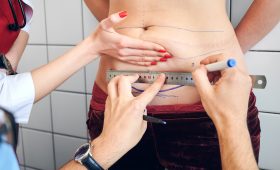
- Full Abdominoplasty: A comprehensive approach that addresses the entire abdominal region, allowing for the repositioning of the navel.
- Extended (360) Tummy Tuck: The most advanced option, providing circumferential tension and contouring that extends around the flanks to the back, ideal for patients undergoing simultaneous liposuction.
The financial investment for these foundational repairs varies based on the complexity of the musculature reconstruction. A tummy tuck alone typically ranges from 3,000 – 5,000 USD, whereas a standard_package encompassing basic abdominal and breast work can be found between 4,500 – 7,500 USD. For those requiring comprehensive structural and aesthetic overhaul, an advanced_combination package generally ranges from 8,000 – 12,000 USD.
Sculpting the Silhouette: Advanced Liposuction and Breast Augmentation
While the abdominal wall provides the foundation, the contouring of the hips and breasts provides the aesthetic finish. Modern plastic surgery in Turkey has moved toward high-definition results through the use of Vaser Liposuction. Unlike traditional methods, Vaser technology uses ultrasound energy to emulsify fat cells with extreme precision, allowing for high-definition contouring with minimal bruising and less trauma to the surrounding capillaries.
This precision is essential when performing liposuction on the flanks or hips, where the goal is to create a smooth transition from the waist to the pelvic bone. The cost of liposuction_per_area is highly scalable, typically ranging from 500 – 1,500 USD. When this is paired with a bbl_fat_transfer (Brazilian Butt Lift)—which uses the emulsified fat to augment the gluteal region—the cost for the fat transfer component sits between 3,500 – 5,500 USD.
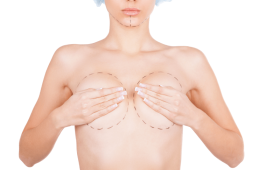
Simultaneously, addressing breast ptosis (sagging) is a cornerstone of the Mommy Makeover. A breast_lift (mastopexy) is often required to reposition the nipple-areola complex. To ensure long-term structural stability and a natural aesthetic, surgeons utilize highly regulated, JCI-approved implants, including Mentor, Motiva, or Polytech. The cost for a breast_lift generally ranges from 2,500 – 4,500 USD, depending on the degree of tissue excision required.
“The hallmark of a successful post-pregnancy restoration is the seamless integration of structural repair and aesthetic refinement. We are not just removing skin; we are reconstructing the biological corset of the female form.”
Turkey: The Global Hub for Precision Mommy Makeovers
The global shift toward Turkey for aesthetic surgery is driven by a unique convergence of medical expertise, advanced technology, and logistical excellence. Turkish surgeons are renowned for their proficiency in complex, multi-stage procedures that require meticulous planning. This is supported by a robust infrastructure designed to handle the specific needs of international patients.
The logistical experience is engineered to minimize patient stress, which is critical for post-operative healing. Most patients arrive via major international hubs such as Istanbul (IST) or Antalya (AYT). Upon arrival, VIP private transfers ensure a seamless transition from the airport to the clinic. The recovery phase is typically spent in 5-star recovery suites with companion stay included, providing a sterile yet luxurious environment that facilitates the 7-10 days in Turkey required for the initial post-operative monitoring.
Furthermore, the accessibility of expertise is unprecedented. Through free online video assessments with board-certified plastic surgeons, patients can undergo a preliminary surgical audit before ever booking a flight. This allows for the precise calculation of surgical needs and an accurate understanding of the recovery timeline, which mandates a 6 weeks for full exercise return to ensure the integrity of the abdominal fascia and the newly placed implants.
The Biological Timeline of Scar Maturation: When Can You Wear Tight Jeans?
The anticipation of wearing form-fitting denim after a body contouring procedure is one of the primary psychological drivers for patients. However, from a clinical perspective, the ability to wear restrictive clothing like tight jeans is dictated by the physiological stages of wound healing—specifically the transition from the proliferative phase to the remodeling phase. During the first few weeks, the peri-abdominal incision and the umbilical (navel) site are in a state of active revascularization. Pressure from a waistband can induce mechanical tension on the newly formed collagen fibers, potentially leading to hypertrophic scarring or wound dehiscence.
The umbilical scar, or the navel incision, is particularly sensitive to compression. Because this area undergoes significant structural changes during an abdominoplasty, the “internal corset” created by the surgeon requires stability. Most surgeons recommend avoiding high-pressure waistbands for at least 6 to 8 weeks. While the skin surface may appear closed, the underlying dermal-epidermal junction is still strengthening. For those undergoing an extended (360) tummy tuck, the lateral hip scars also require protection from friction to prevent “stretching” the scar tissue, which could result in a wider, more visible mark.
“The goal of post-operative compression is not merely to reduce edema, but to provide a structural scaffold that allows the new abdominal fascia to settle without the interference of external mechanical tension.”
The Anatomy of a Transformation: The Technical Execution of Combination Surgery
Modern body contouring has moved away from isolated procedures toward highly sophisticated, multi-dimensional combination surgeries. This approach allows for a holistic anatomical reconfiguration in a single anesthetic session, optimizing the recovery period. The technical precision of these procedures relies on advanced technologies like Vaser Liposuction and specialized suturing techniques.
A typical advanced combination surgery often involves the following technical stages:
- High-Definition Contouring: Using Vaser Liposuction, surgeons employ ultrasonic technology to emulsify subcutaneous adipose tissue. This allows for precise, high-definition sculpting of the flanks and waistline with significantly less trauma to the surrounding vasculature, resulting in minimal bruising compared to traditional methods.
- Abdominal Reconstruction: Beyond skin excision, the core of the procedure is the Diastasis Recti repair. This involves the meticulous internal corset suturing of the abdominal fascia to close the separation between the rectus abdominis muscles. Depending on the patient’s requirements, the surgeon may perform a Full, Mini, or Extended (360) tummy tuck.
- Volume Augmentation: Following liposuction, the harvested fat is processed and redistributed via BBL (Brazilian Butt Lift). This fat transfer aims to enhance the gluteal projection and lateral hip fullness, creating a more pronounced hourglass silhouette.
- Breast Refinement: In many transformation cases, the procedure is paired with an augmentation or lift. To ensure long-term safety and biocompatibility, only JCI-approved implants—such as Mentor, Motiva, or Polytech—are utilized.
Case Study: The Journey of a 34-Year-Old Mother of Three
To understand the patient journey, we look at the case of a 34-year-old patient from Ireland. After three pregnancies, she presented with significant abdominal ptosis (sagging), persistent skin laxity, and a loss of muscular integrity due to severe diastasis recti. Her goal was not merely aesthetic, but functional—to restore the core strength and abdominal contour lost during her motherhood journey.
Her surgical plan involved an advanced combination of an extended tummy tuck, Vaser liposuction of the flanks, and a BBL. The procedure was executed under strict JCI (Joint Commission International) safety standards, ensuring that every aspect of the surgical environment, from sterilization protocols to anesthesia monitoring, met global benchmarks for excellence.
Her recovery was divided into two distinct phases. The initial 7-10 days were spent in a 5-star recovery suite in Turkey, focused on wound monitoring and edema management. During this period, her care was supported by VIP private transfers and a dedicated clinical team. The second phase involved a gradual return to daily life, with a strict instruction that while light walking was encouraged, a return to full physical exercise was prohibited for 6 weeks to protect the integrity of the fascial repair.
Clinical Estimates and Investment in Excellence
Planning for a surgical transformation requires a clear understanding of the financial investment involved. While costs vary based on the complexity of the anatomical reconstruction, the following ranges represent the standard of care provided through our specialist networks:
- Standard Package (Single Procedure): 4,500 – 7,500 USD
- Advanced Combination Surgery: 8,000 – 12,000 USD
- Abdominoplasty (Tummy Tuck) alone: 3,000 – 5,000 USD
- Breast Lift/Augmentation: 2,500 – 4,500 USD
- Liposuction (per targeted area): 500 – 1,500 USD
- BBL (Fat Transfer): 3,500 – 5,500 USD
Logistical Seamlessness and Patient Safety
The success of a surgical journey is heavily dependent on the logistical framework surrounding the procedure. For international patients, the transition from arrival to the operating theatre must be seamless to minimize preoperative cortisol (stress) levels, which can negatively impact healing.
Cure Holiday specialists coordinate the entire itinerary, ensuring patients arrive via Istanbul (IST) or Antalya (AYT) airports, where they are met by VIP private transfers. The postoperative period is spent in 5-star recovery suites, where a companion stay is often included to ensure the patient has the necessary support during the first critical days of healing. Furthermore, the process begins long before arrival, with free online video assessments conducted by board-certified plastic surgeons to provide an initial clinical evaluation and personalized surgical roadmap.
The Physiological Impact of Compression: Why Your Waistline Matters Post-Surgery
The question of when you can return to your favourite high-waisted denim or restrictive clothing is one of the most frequent concerns during the post-operative period. While the aesthetic goal of procedures like a tummy tuck or liposuction is to achieve a streamlined silhouette, the biological reality of wound healing involves a complex period of inflammation, proliferation, and remodeling. Specifically, the navel (umbilical) area and the hip incisions are highly sensitive to external pressure and mechanical tension.
During a Full, Mini, or Extended (360) tummy tuck, the surgeon must manage the tension placed on the abdominal wall. If you have undergone a Diastasis Recti repair, the procedure involves the internal corset suturing of the abdominal fascia to close the gap between the rectus abdominis muscles. This internal structural reinforcement is critical for long-term stability, but in the early weeks, the area is highly susceptible to “tension-induced dehiscence”—where the pressure from a tight waistband could potentially compromise the integrity of the sutures.
“The umbilical incision is often the most delicate part of an abdominoplasty. Pressure from restrictive clothing can impede lymphatic drainage and increase the risk of localized edema or hematoma formation.”
For patients undergoing Vaser Liposuction, the focus is on high-definition contouring with minimal bruising. While Vaser technology is less traumatic to the surrounding tissue than traditional methods, the post-operative period still requires the use of medical-grade compression garments to ensure the skin adheres to the new contours. These garments provide the necessary uniform pressure, whereas the uneven, localized pressure from a denim waistband can create “indentations” in the healing tissue.
The Recovery Timeline: From Turkey to Home
Understanding the transition from your recovery suite in Turkey to your home environment is essential for planning your return to normalcy. The recovery process is generally divided into two distinct phases: the acute clinical phase and the functional reintegration phase.
- The Acute Phase (7-10 days in Turkey): This period is spent in 5-star recovery suites with companion stay included. During these initial days, the focus is on wound monitoring, managing swelling, and ensuring the surgical sites are pristine. Your VIP private transfers from Istanbul (IST) or Antalya (AYT) ensure that you arrive at your recovery location with minimal physical exertion.
- The Functional Phase (Weeks 2-6): As you fly home, the focus shifts to gradual movement. While you may feel capable of light walking, 6 weeks for full exercise return is the gold standard for ensuring the internal fascia and implants (such as Mentor, Motiva, or Polytech (JCI approved) breast implants) have settled into their permanent positions.
For those managing complex logistics, such as childcare or professional commitments, the timeline must be meticulously planned. The period immediately following your flight is when the lymphatic system is most active in clearing surgical fluid. It is highly recommended to coordinate your free online video assessments with board-certified plastic surgeons during this window to monitor healing without the need for immediate international travel.
Managing Post-Operative Logistics and Family Care
One of the most overlooked aspects of medical tourism is the “logistics of care.” When traveling to Turkey for advanced body contouring, patients are not merely booking a surgery; they are booking a recovery ecosystem. The availability of 5-star recovery suites allows for a controlled environment that is far superior to the high-stress environment of a standard hotel.
For patients traveling with a partner or a caregiver, the inclusion of a companion stay is vital. This person can assist with the management of compression garments, monitor for any signs of redness around the hip or navel scars, and assist with the mobility required during the first 72 hours post-op. This level of support is essential for those who must manage complex post-operative care, such as managing drains or performing specialized wound care for extended abdominoplasty incisions.
2026 Cost Breakdown: Turkey vs. UK and USA
The financial decision to undergo surgery in Turkey is often driven by the significant disparity in pricing compared to the UK or USA. However, when calculating the cost, it is important to look at the “all-inclusive” nature of the Turkish packages, which often include VIP private transfers, luxury accommodation, and post-operative care, which are often separate line items in Western healthcare.
As we look toward the 2026 medical landscape, the following price structures represent the projected costs for high-standard, board-certified surgical care:
| Procedure Type | Estimated Cost (USD) |
| Standard Package (Comprehensive Care) | 4,500 – 7,500 USD |
| Advanced Combination (e.g., Lipo + BBL) | 8,000 – 12,000 USD |
| Tummy Tuck (Full/Extended) | 3,000 – 5,000 USD |
| Breast Lift (Mastopexy) | 2,500 – 4,500 USD |
| Liposuction (Per Targeted Area) | 500 – 1,500 USD |
| BBL (Fat Transfer) | 3,500 – 5,500 USD |
When comparing these figures to the UK or USA, the savings are often as high as 60-70%. However, the true value lies in the integrated recovery model. While a patient in the USA may pay 15,000 USD for a tummy tuck alone, the Turkish model provides the surgery, the 5-star recovery environment, and the logistics of care within a much more predictable and transparent budget.
To ensure your surgical journey is seamless, we recommend initiating your journey with free online video assessments with board-certified plastic surgeons. This allows you to discuss the specific technicalities of your procedure—whether it be Vaser Liposuction or Diastasis Recti repair—and receive a tailored recovery and logistical plan before you ever board a plane.
Considering a Mommy Makeover in Turkey? Get a Free Quote for your When Can You Wear Tight Jeans again? Protecting the Navel and Hip Scars Transformation with cureholiday.com
Free Consultation
Fill out the form below to get your free medical travel plan and price quote.
Sources and how to verify this yourself
- Ministry of Health, Regulation on International Health Tourism and Tourist Health, Official Gazette 26 April 2025, No. 32882 — authorisation requirement for facilities and intermediaries, TÜSKA accreditation, compulsory complication insurance (deadline 31 December 2025 for insurance, 31 December 2026 for accreditation). source
- Ministry of Health, Regulation on Promotion and Information Activities in Health Services, Official Gazette 12 November 2025, No. 33075 — treatment promises and guarantees are prohibited; price and campaign announcements are permitted only within international health tourism. source