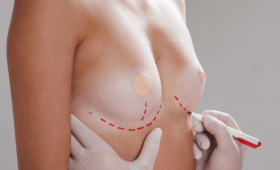
Cost and planning note (Mommy Makeover 2026)
The figures below are indicative market ranges, not a quote: your own price is confirmed after a clinical assessment.
Indicative price range: Standard Package: 4,500 – 7,500 USD | Advanced Combination: 8,000 – 12,000 USD | Tummy Tuck: 3,000 – 5,000 USD | Breast Lift: 2,500 – 4,500 USD | Liposuction Per Area: 500 – 1,500 USD | Bbl Fat Transfer: 3,500 – 5,500 USD
Facility standards: In Türkiye, any facility treating international patients must hold the Ministry of Health’s international health tourism authorisation; hospitals and medical centres must also be accredited by TÜSKA, and complication insurance is compulsory for procedures carried out in an operating theatre (Regulation of 26 April 2025).
Recovery Focus: Post-pregnancy body restoration & safety first.
Currency: GBP, EUR, USD accepted.
Why “Early Detection” of Redness or Heat can save your Results
The Physiology of Post-Operative Vigilance: Understanding Erythema and Hyperthermia
In the delicate window of post-surgical recovery, the body undergoes a complex biological cascade known as the inflammatory response. While a certain degree of edema (swelling) and mild erythema (redness) is a physiological necessity for tissue repair, the ability to distinguish between “normal healing” and “pathological inflammation” is the cornerstone of a successful aesthetic outcome. For patients undergoing restorative procedures like a Tummy Tuck or Breast Lift, the early detection of localized heat or spreading redness is not merely a precaution—it is a critical safeguard against complications such as cellulitis, hematoma, or seroma formation.
When the skin feels significantly warmer to the touch than the surrounding tissue, or when redness begins to migrate away from the incision line, it may indicate an underlying increase in vascular permeability or an underlying bacterial invasion. In the context of advanced abdominal reconstruction, such as Diastasis Recti repair—which involves the meticulous internal corset suturing of the abdominal fascia—maintaining a sterile and stable environment is paramount. Any disruption in the healing of this deep structural layer can compromise the entire aesthetic and functional result of the “Mommy Makeover.”
Precision in Restoration: Technical Foundations of the Post-Pregnancy Makeover
Achieving a seamless transition from post-pregnancy morphology to a contoured silhouette requires a high degree of surgical precision. The “foundations” of this restoration rely on several key technical modalities, each requiring specific post-operative monitoring protocols:
- Abdominal Reconstruction: Patients may choose from Full, Mini, or Extended (360) Tummy Tucks. The Extended (360) approach is particularly vital for patients requiring significant lateral tightening, as it involves larger surface areas that necessitate vigilant monitoring for skin tension and perfusion.
- Breast Augmentation and Mastopexy: To ensure the longevity of the nipple-areolar complex (NAC), surgeons utilize JCI-approved implants from industry leaders such as Mentor, Motiva, or Polytech. The primary goal of a Breast Lift (Mastopexy) is to reposition the tissue while maintaining optimal blood supply to the nipple.
- High-Definition Contouring: Through the use of Vaser Liposuction, surgeons can achieve precise subcutaneous adipose tissue removal with minimal disruption to surrounding capillaries. This technology is engineered for high-definition contouring with minimal bruising, yet the patient must still monitor for any unusual heat, which could signal deep tissue irritation.
- Structural Integrity: In cases of severe abdominal separation, the Diastasis Recti repair provides the necessary tension to prevent future bulging, effectively rebuilding the “internal corset.”
“The difference between a transformative result and a surgical complication often lies in the patient’s ability to recognize the subtle physiological shifts in the first 72 hours post-operatively.”
Turkey: The Global Standard for Safety and Integrated Recovery
Turkey has emerged as the preeminent global hub for complex Mommy Makeovers, not merely due to cost-effectiveness, but because of its unparalleled integration of medical excellence and luxury recovery logistics. The Turkish surgical model is built upon a “safety-first” framework that extends far beyond the operating theater.
The infrastructure in Turkey allows for a continuous loop of care. The journey often begins with free online video assessments with board-certified plastic surgeons, ensuring that the surgical plan is technically sound before the patient even departs. Upon arrival, the logistical seamlessness reduces the physiological stress (cortisol levels) on the patient, which is a known factor in wound healing.
The recovery ecosystem includes:
- Seamless Transit: VIP private transfers from the airport (Istanbul [IST] or Antalya [AYT]) to the clinic ensure that the patient is not subjected to the physical strain of navigating unfamiliar environments.
- Regulated Recovery Environments: Patients stay in 5-star recovery suites with companion stay included. This is a critical safety benchmark; having a companion present allows for the “early detection” mentioned in our title, as a secondary observer can more easily identify subtle changes in skin temperature or incision appearance.
The Economic Landscape of Aesthetic Restoration
Transparency in medical investment is essential for informed decision-making. While the complexity of the surgery dictates the final price, the following benchmarks represent the current market standards for high-quality, comprehensive care in Turkey:
| Procedure/Package Type | Estimated Cost (USD) |
| Standard Package (Foundation) | 4,500 – 7,500 USD |
| Advanced Combination (Comprehensive) | 8,000 – 12,000 USD |
| Tummy Tuck (Standalone) | 3,000 – 5,000 USD |
| Breast Lift (Standalone) | 2,500 – 4,500 USD |
| Liposuction (Per Area) | 500 – 1,500 USD |
| BBL / Fat Transfer | 3,500 – 5,500 USD |
The Recovery Roadmap: Timelines and Expectations
Post-operative management is a structured process. Patients should prepare for an intensive period of healing that is divided into two distinct phases: the local recovery and the global reintegration.
The initial phase involves a 7-10 day period in Turkey. During this time, the focus is on wound stability, managing edema, and ensuring that the surgical site remains free of heat or spreading erythema. This period is vital for the first follow-up assessments with your surgical team.
The second phase is the long-term physiological stabilization. While you may return to light daily activities shortly after your departure from Turkey, a period of 6 weeks for full exercise return is strictly recommended. This duration allows the internal corset suturing of the abdominal fascia to achieve sufficient tensile strength and ensures that the newly contoured breast tissue has settled into its permanent position without the undue stress of high-impact movement.
In the immediate post-operative period following complex body contouring, the distinction between physiological inflammation and pathological complication often rests on a single clinical observation: the presence of localized erythema (redness) or hyperthermia (heat) at the incision site. While some degree of swelling and warmth is a standard component of the body’s inflammatory response to surgical trauma, an escalation in these symptoms can signal the onset of a hematoma, seroma, or, more critically, a deep-seated infection. For patients undergoing high-complexity procedures, the ability to differentiate between “normal” healing and a “red flag” event is the difference between a seamless recovery and a secondary surgical intervention.
The Clinical Case: Restoring Maternal Anatomy
To understand the weight of this vigilance, consider the journey of Siobhan, a 34-year-old mother of three from Ireland. Following three pregnancies, Siobhan presented with significant abdominal laxity and a loss of postural integrity. Her clinical presentation included both subcutaneous fat accumulation in the flanks and a visible separation of the rectus abdominis muscles—a condition known as Diastasis Recti.
Siobhan’s surgical roadmap was not a single-modality procedure but an advanced combination surgery designed to address the holistic pelvic and abdominal architecture. Her package, falling within the 8,000 – 12,000 USD range for an advanced_combination, involved a multi-faceted approach: an Extended (360) Tummy Tuck, Vaser Liposuction, and a Breast Lift. This level of surgical complexity requires not just technical precision from the surgeon, but an acute post-operative monitoring protocol to ensure the integrity of the internal sutures and the stability of the fat grafts.
“The success of a combination procedure is measured not just in the operating theatre, but in the patient’s ability to manage the inflammatory cascade during the first 72 hours of recovery.”
The Technical Architecture of Combination Surgery
The efficacy of Siobhan’s transformation relied on specific, high-tier surgical modalities. In addressing her abdominal wall, the surgeon performed a Diastasis Recti repair, which involves the internal corset suturing of the abdominal fascia. This process pulls the separated muscle bellies back toward the midline, creating a stable, tension-based foundation that supports the skin excision of the tummy tuck. Depending on the patient’s specific needs, surgeons may utilize Full, Mini, or Extended (360) tummy tuck techniques to ensure complete circumferential contouring.
To refine the flanks and waistline, Vaser Liposuction was employed. Unlike traditional cannula-based suction, Vaser technology uses ultrasound to selectively fragment the subcutaneous adipose tissue, preserving the vital microvasculature and nerve endings. This results in high-definition contouring with significantly reduced bruising and a lower risk of skin irregularities. Following the contouring, a BBL (Brazilian Butt Lift) fat transfer was performed, utilizing the harvested processed fat to augment the gluteal region, a procedure typically priced between 3,500 – 5,500 USD.
For her upper body, a breast lift was integrated to address ptosis (sagging). The surgical safety of this procedure was guaranteed through the use of JCI-approved implants, specifically choosing from Mentor, Motiva, or Polytech brands. These implants are selected for their biocompatibility and structural integrity, essential for preventing capsular contracture. The cost for such a breast_lift typically ranges from 2,500 – 4,500 USD, while localized liposuction_per_area can range from 500 – 1,500 USD.
The Patient Journey: From Digital Assessment to Recovery
The journey for patients like Siobhan begins long before the flight to Turkey. The process is initiated via free online video assessments with board-certified plastic surgeons. These consultations allow for a preliminary analysis of skin elasticity, BMI, and anatomical suitability, ensuring that the standard_package (ranging from 4,500 – 7,500 USD) or more complex plans are medically appropriate.
Upon arrival, the logistical framework is designed to minimize physiological stress. Patients typically land at Istanbul (IST) or Antalya (AYT), where they are met with VIP private transfers from airport to clinic. This seamless transition is vital, as the reduction of cortisol (the stress hormone) is essential for optimal wound healing and the prevention of post-operative hypertension.
The recovery phase is divided into two distinct stages:
- The Acute Phase (7-10 days in Turkey): During this window, patients are housed in 5-star recovery suites with companion stay included. This period is the most critical for the “early detection” mentioned in our title. The medical staff monitors for any signs of localized hyperthermia or unusual erythema. Having a companion present allows for a secondary layer of observation, ensuring that any changes in wound exudate or skin temperature are reported to Cure Holiday specialists immediately.
- The Remodeling Phase (6 weeks): While the patient returns home, the physiological remodeling of the tissue continues. The 6 weeks for full exercise return protocol is strictly enforced to prevent the disruption of the internal corset suturing and to allow the newly transferred fat cells in the BBL to establish a permanent blood supply (neovascularization).
Safety Standards and JCI Compliance
The primary reason why early detection of heat and redness is so critical is that it serves as the first clinical indicator of a breach in JCI (Joint Commission International) safety standards. All surgical protocols within our network are designed to meet these rigorous global benchmarks. JCI standards mandate strict sterilization, precise anesthetic monitoring, and standardized post-operative care pathways.
When a patient observes an area of heat that feels significantly warmer than the surrounding tissue, they are essentially identifying a potential deviation from the expected healing trajectory. By adhering to the structured recovery timeline and maintaining the high level of vigilance taught during the post-operative briefing, patients can ensure that the advanced surgical techniques—from the Vaser high-definition contouring to the complex fascial suturing—yield the permanent, aesthetic results they have invested in.
The Clinical Significance of Erythema and Localized Thermogenesis
In the high-stakes period following aesthetic surgery, the margin between a flawless result and a surgical complication often rests on a patient’s ability to identify subtle physiological shifts. When discussing the “early detection” of redness (erythema) or heat (localized thermogenesis), we are not merely discussing aesthetic concerns; we are discussing the clinical identification of potential hematomas, seromas, or early-stage cellulitis. For a patient who has invested in an advanced combination procedure, such as a 8,000 – 12,000 USD transformation, the ability to monitor these symptoms is the most critical component of post-operative vigilance.
Erythema is often the first sign of vascular compromise or inflammatory response. While some degree of redness is expected following the use of Vaser Liposuction—a technology designed for high-definition contouring with minimal bruising—persistent, spreading redness accompanied by an increase in skin temperature can indicate that the underlying tissue is struggling to manage post-surgical edema. Similarly, if a patient has undergone a tummy tuck (whether a Full, Mini, or Extended (360) approach), monitoring the integrity of the incision site is paramount. Because these procedures involve the internal corset suturing of the abdominal fascia to repair Diastasis Recti, any localized heat could signal tension on the internal sutures or an underlying collection of fluid.
“The difference between a seamless recovery and a surgical revision often lies in the first 72 hours of post-operative observation. Recognizing the distinction between standard inflammatory response and pathological heat is vital.”
The Golden Window: 7-10 Days in Turkey vs. The Flight Home
The logistics of a Turkish surgical journey are strategically designed to bridge the gap between surgery and the return to a home environment. The recovery timeline is divided into two distinct phases: the acute post-operative phase (the first 7-10 days in Turkey) and the long-term integration phase (the 6 weeks required for full exercise return).
During those initial 7-10 days, the patient is typically situated in 5-star recovery suites, often part of a luxury villa experience. This period is not merely for rest; it is a clinical observation window. The inclusion of a companion stay within these suites is a deliberate logistical choice. A companion acts as a second set of eyes, monitoring for the very signs mentioned above—unusual swelling, skin temperature changes, or unexpected discoloration. This proximity to the surgical team, facilitated by VIP private transfers from Istanbul (IST) or Antalya (AYT), ensures that if redness or heat is detected, Cure Holiday specialists can coordinate immediate medical reassessment.
The danger arises during the “fly-home” window. Transitioning from the controlled environment of a Turkish recovery suite to the pressurized cabin of an international flight can exacerbate edema. Therefore, the logistical plan must include rigorous monitoring of the surgical site during the transit from IST or AYT back to the UK or USA.
2026 Cost Breakdown: The Value of Comprehensive Aftercare
When evaluating the financial viability of surgical tourism in 2026, it is essential to move beyond the base price of the surgery and consider the “Total Cost of Care.” The cost advantage of Turkey remains significant, but this advantage is only “real” if the recovery logistics are handled with precision. Below is a projected breakdown of the investment required for various procedures, reflecting the high standard of care provided.
- Standard Package (Single Area): 4,500 – 7,500 USD
- Advanced Combination (Multiple Areas): 8,000 – 12,000 USD
- Tummy Tuck (Full, Mini, or 360): 3,000 – 5,000 USD
- Breast Lift (Mastopexy): 2,500 – 4,500 USD
- Liposuction (Per Area): 500 – 1,500 USD
- BBL (Fat Transfer): 3,500 – 5,500 USD
While these figures represent a fraction of the costs encountered in the UK or USA, the “true” cost includes the logistical infrastructure: the 5-star accommodation, the private transfers, and the continuous access to surgical expertise. The 2026 economic landscape suggests that the gap between Turkish premium care and Western domestic costs will continue to widen, making the efficiency of the Turkish recovery model even more attractive.
Technological Precision and Implant Integrity
The efficacy of the recovery period is heavily dependent on the surgical technology used. The use of JCI-approved implants, such as Mentor, Motiva, or Polytech, provides a standardized level of safety that is globally recognized. When these implants are placed, the primary goal is to minimize the inflammatory response that leads to the “redness and heat” mentioned in our title. High-quality materials and precise surgical techniques, such as Vaser Liposuction, are specifically chosen to reduce the trauma to the subcutaneous layers, thereby shortening the window of heightened risk.
Furthermore, the precision of Diastasis Recti repair via internal corset suturing means that the patient’s post-operative “movement” is restricted. This is why the 6-week period before returning to full exercise is non-negotiable. Any premature physical exertion could compromise the abdominal fascia, leading to the very heat and swelling that necessitates emergency intervention.
The Digital Safety Net: Remote Consultations and Monitoring
In the modern era of medical tourism, the surgeon’s oversight does not end when the patient departs Istanbul or Antalya. One of the most critical components of the premium recovery package is the availability of free online video assessments. This allows for a “digital check-up” where the patient can present the surgical site to a board-certified surgeon via high-definition video.
This technology allows for the immediate triage of redness or heat. A specialist can visually inspect the degree of erythema and determine if it is within the expected parameters of post-operative inflammation or if it requires a physical consultation. By integrating these digital assessments into the post-operative logistics, the risk of a “silent complication” traveling undetected across borders is significantly mitigated. For the patient, this transforms the recovery from a period of isolation into a continuous, supervised medical journey.
Considering a Mommy Makeover in Turkey? Get a Free Quote for your Why “Early Detection” of Redness or Heat can save your Results Transformation with cureholiday.com
Free Consultation
Fill out the form below to get your free medical travel plan and price quote.