Cost and planning note (Mommy Makeover 2026)
The figures below are indicative market ranges, not a quote: your own price is confirmed after a clinical assessment.
Indicative price range: Standard Package: 4,500 – 7,500 USD | Advanced Combination: 8,000 – 12,000 USD | Tummy Tuck: 3,000 – 5,000 USD | Breast Lift: 2,500 – 4,500 USD | Liposuction Per Area: 500 – 1,500 USD | Bbl Fat Transfer: 3,500 – 5,500 USD
Facility standards: In Türkiye, any facility treating international patients must hold the Ministry of Health’s international health tourism authorisation; hospitals and medical centres must also be accredited by TÜSKA, and complication insurance is compulsory for procedures carried out in an operating theatre (Regulation of 26 April 2025).
Recovery Focus: Post-pregnancy body restoration & safety first.
Currency: GBP, EUR, USD accepted.
Why “Gratitude Journals” are popular among Mums in Turkish Recovery Villas
The Psychological Symbiosis of Recovery: Why Gratitude Journals Prevail in Turkish Recovery Villas
In the serene, high-end recovery suites of Antalya and Istanbul, a subtle but profound ritual has emerged among women undergoing post-pregnancy restorative procedures. Amidst the quiet luxury of 5-star villas, the “gratitude journal” has become a staple of the convalescent period. While this practice serves a psychological purpose—helping patients process the emotional metamorphosis of a “Mommy Makeover”—it is inextricably linked to the physical reconstruction occurring beneath the surface. For the modern mother, the journal is not merely a diary; it is a meditative tool used to navigate the transition from the physical depletion of pregnancy to the structural restoration of surgical excellence.
This period of healing is defined by the “Post-Pregnancy Restoration Foundation.” This medical philosophy focuses on more than just aesthetic surface changes; it addresses the fundamental anatomical shifts that occur during gestation, specifically targeting the abdominal wall, the mammary tissue, and the subcutaneous fat distribution. As patients document their healing journeys, they are navigating a complex clinical recovery involving advanced tissue manipulation and structural reinforcement.
Reconstructing the Core: The Science of Diastasis Recti Repair
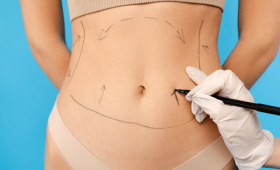
The foundation of any successful post-pregnancy restoration begins with the abdominal midline. One of the most significant physiological legacies of pregnancy is Diastasis Recti—the separation of the rectus abdominis muscles. While often viewed through an aesthetic lens, the medical necessity of repair is centered on core stability and intra-abdominal pressure regulation.
When this repair is integrated into a broader abdominoplasty, patients can choose from various surgical depths:
- Mini-Abdominoplasty: Targeted at patients with localized laxity above the pubic area.
- Full Abdominoplasty: A comprehensive approach involving the removal of excess skin and significant muscle tightening.
- Extended (360) Tummy Tuck: A circumferential reconstruction that addresses the flanks and the posterior abdominal wall, ideal for those seeking total midsection contouring.
The financial investment for these specific abdominal procedures typically ranges from a tummy_tuck cost of 3,000 – 5,000 USD, whereas more complex, multi-area reconstructions are integrated into larger packages.
The Mastopexy and Augmentation Paradigm
The second pillar of restoration is the restoration of the mammary complex. Pregnancy and subsequent breastfeeding often lead to ptosis (sagging) and a loss of glandular volume. The surgical objective in Turkish recovery centers is to restore the “upper pole fullness” and the anatomical position of the nipple-areola complex.
Clinical excellence in this field is defined by the choice of biomaterials and surgical technique. To ensure long-term safety and biocompatibility, surgeons utilize breast implants used: Mentor, Motiva, or Polytech (JCI approved). These implants are selected for their shell integrity, cohesive gel properties, and sophisticated anatomical shaping, allowing for natural-looking projection.
The restorative options for the breast include:
- Mastopexy (Breast Lift): The repositioning of the nipple and removal of redundant skin to correct ptosis. Costs for a breast_lift generally fall between 2,500 – 4,500 USD.
- Augmentation: The introduction of volume to replace lost tissue, often performed in conjunction with a lift.
“The goal of post-pregnancy mastopexy is not merely to increase size, but to restore the anatomical relationship between the breast tissue and the pectoral foundation, ensuring a projection that mimics pre-pregnancy vitality.”
Advanced Contouring: Vaser Technology and Adipose Transfer
For the patient seeking a high-definition silhouette, the integration of liposuction and fat transfer is essential. The modern “Mommy Makeover” relies heavily on Vaser Liposuction, which is used for high-definition contouring with minimal bruising. Unlike traditional cannula-based liposuction, Vaser uses ultrasound energy to selectively emulsify adipose tissue, preserving the surrounding vascular and neural structures. This precision is vital for maintaining skin elasticity during the recovery phase.
Furthermore, the concept of “autologous fat transfer” allows for a more natural aesthetic. By harvesting fat from areas of excess—such as the flanks or abdomen—and injecting it into the hips or buttocks, surgeons can achieve a more harmonious figure. The bbl_fat_transfer component typically requires an investment of 3,500 – 5,500 USD, while liposuction_per_area is priced between 500 – 1,500 USD.
Turkey as the Global Hub: The Logistics of Luxury Recovery
The global ascendancy of Turkey in the field of plastic and reconstructive surgery is not accidental. It is the result of a highly sophisticated medical ecosystem that combines world-class surgical expertise with unparalleled logistical precision. The “Turkish Model” of recovery is designed to minimize patient stress, allowing the aforementioned “gratitude journaling” and mental healing to occur in an environment of total security.
The logistical framework is built upon a foundation of premium service:
- Medical Consultation: Before ever departing, patients can engage in free online video assessments with board-certified plastic surgeons to discuss anatomical goals and surgical planning.
- Seamless Transit: Upon arrival, patients are met with VIP private transfers from airport to clinic, navigating through Istanbul (IST) or Antalya (AYT) with zero logistical friction.
- The Recovery Environment: Post-operative care takes place in 5-star recovery suites with companion stay included, ensuring that the patient has the necessary emotional and physical support during the critical first week.
From a budgetary perspective, the efficiency of the Turkish medical infrastructure allows for significant cost advantages without compromising technical standards. A standard_package for restorative procedures typically ranges from 4,500 – 7,500 USD, while an advanced_combination (incorporating abdominoplasty, mastopexy, and liposuction) ranges from 8,000 – 12,000 USD.
The recovery timeline is strictly regulated to ensure patient safety. While the initial recovery takes 7-10 days in Turkey to monitor for post-operative complications such as seromas or hematomas, patients should anticipate a 6 weeks for full exercise return. This window is crucial for the internal suturing of the abdominal fascia to mature and for the new breast implant position to settle into the subcutaneous pocket. Within this period, the gratitude journal often transitions from a record of physical pain to a celebration of restored identity.
The Quiet Revolution of Recovery: Post-Operative Mindfulness in Turkish Luxury Suites
In the serene, sun-drenched recovery villas of Turkey, a new ritual has emerged among women undergoing transformative body contouring. Beyond the clinical precision of the surgical suite and the luxury of five-star amenities, there is a profound psychological shift occurring. Many mothers, navigating the delicate window of post-operative healing, are found with leather-bound journals in hand. These “Gratitude Journals” are not merely a trend; they are a tool for navigating the profound identity shift that accompanies a major surgical reconstruction.
The process of reclaiming one’s physique—often after the physical toll of multiple pregnancies—requires more than just anatomical correction; it requires a mental integration of the “new self.” For many, the period spent in a recovery suite is the first time in years they have been forced into stillness, allowing for a deep, introspective examination of their journey from motherhood to self-reclamation.
Case Study: The Reconstruction of Sarah, 34
To understand the clinical and emotional intersection of this journey, one must look at the experience of patients like Sarah, a 34-year-old mother of three from Ireland. For Sarah, the physical manifestations of her reproductive history—specifically significant skin laxity and abdominal separation—had become a source of profound dysmorphia. Her journey began not in a clinic, but through a free online video assessment with board-certified plastic surgeons, a critical first step in ensuring surgical alignment with her aesthetic goals.
Sarah’s transformation involved an advanced combination procedure, a complex surgical orchestration designed to address multiple anatomical concerns in a single session. Her surgical plan was priced within the 8,000 – 12,000 USD range, a comprehensive approach that targeted the abdomen, waist, and breasts. For Sarah, the surgery was not merely cosmetic; it was a structural reconstruction of her confidence.
The Technical Precision of Combination Surgery
The success of a “combination” surgery lies in the surgeon’s ability to manage multiple planes of tissue simultaneously. In Sarah’s case, the procedure required a sophisticated approach to both subcutaneous fat removal and deep muscular repair.
- Abdominoplasty and Diastasis Recti Repair: The core of the procedure addressed the “mummy tummy” through a specialized tummy tuck (options including Full, Mini, or Extended 360). Crucially, the surgeon performed a Diastasis Recti repair, which involves internal corset suturing of the abdominal fascia. This technique tightens the separation of the rectus abdominum muscles, providing a permanent, structural reduction in waist circumference. The cost for this specific component typically ranges from 3,000 – 5,000 USD.
- High-Definition Contouring: To refine the flanks, Vaser Liposuction was utilized. This technology uses ultrasound energy to emulsify fat cells, allowing for high-definition contouring with minimal bruising and much smoother skin retraction compared to traditional methods. Depending on the number of areas treated, costs for liposuction per area range from 500 – 1,500 USD.
- Breast Augmentation and Lift: To complement the abdominal tightening, a breast lift was performed to address ptosis (sagging). The clinic utilized JCI-approved implants, specifically choosing from brands such as Mentor, Motiva, or Polytech to ensure long-term biocompatibility and safety. The cost for a breast lift typically sits between 2,500 – 4,500 USD.
- BBL Fat Transfer: To create a seamless transition from the tapered waist to the hips, fat harvested during the Vaser Liposuction was redistributed via a Brazilian Butt Lift (BBL), with costs ranging from 3,500 – 5,500 USD.
“The precision of the internal corset suturing is what differentiates a standard cosmetic procedure from a true structural reconstruction. It is about restoring the anatomical integrity that pregnancy often compromises.”
Safety Standards and the Logistics of Healing
The popularity of these recovery villas is heavily predicated on the rigorous adherence to JCI (Joint Commission International) safety standards. For patients like Sarah, the surgical journey is supported by a seamless logistical framework. Upon arrival at Istanbul (IST) or Antalya (AYT), patients are met with VIP private transfers that escort them directly to their recovery destination.
The recovery environment is designed to minimize physiological stress. Patients are accommodated in 5-star recovery suites, which include a companion stay. This is a vital feature for mothers, as it allows a partner or friend to provide emotional support and physical assistance during the initial 7-10 days in Turkey. While the surgical wounds are healing, the focus shifts to the long-term recovery: a period of 6 weeks for a full return to strenuous exercise.
The Intersection of Physical and Mental Recovery
It is within this high-end, highly controlled environment that the “Gratitude Journal” finds its purpose. As the body undergoes the metabolic demands of healing—reorganizing tissue, absorbing the effects of the internal corset, and settling new implants—the mind is often in a state of heightened sensitivity.
Writing in a journal allows patients to document the transition. They record the “gratitude” for the medical technology that made the 8,000 – 12,000 USD investment possible, the gratitude for the specialized care in their 5-star suite, and, most importantly, the gratitude for the reclamation of their physical identity. The journal becomes a bridge between the woman who underwent the surgery and the woman who will emerge, fully healed, six weeks later.
The Architecture of Recovery: Beyond the Clinical Setting
The recovery experience in Turkey is engineered to be a seamless extension of luxury hospitality, specifically designed to mitigate the physiological stress of surgery. The logistics of post-operative care are centered around 5-star recovery suites with companion stay included, ensuring that the patient is never isolated during the critical initial healing phase. This companion-centric model is vital for mothers, as it allows a partner or trusted caregiver to assist with the immediate needs of the patient while the patient focuses on the biological imperatives of tissue regeneration.
Upon arrival via Istanbul (IST) or Antalya (AYT), the transition from the terminal to the villa is handled via VIP private transfers from airport to clinic. This eliminates the cognitive load of navigating foreign transit, allowing the patient to enter a state of “pre-recovery” immediately. This level of logistical precision is what allows the “gratitude journal” practice to flourish; when the external stressors of transport and navigation are removed, the focus shifts inward to the surgical outcomes and the personal journey of transformation.
The Science of Anatomical Reconstruction and Healing Timelines
The popularity of these retreats is underpinned by the technical excellence of the procedures performed. For many mothers, the primary objective is addressing the physical remnants of pregnancy. This often involves complex procedures such as Diastasis Recti repair, which is far more than a superficial aesthetic fix. This procedure involves the meticulous internal corset suturing of the abdominal fascia, essentially re-tightening the structural wall of the abdomen to restore core stability.
When paired with advanced contouring, the results are transformative. The use of Vaser Liposuction allows for high-definition sculpting by using ultrasonic technology to emulsify fat cells with minimal trauma to surrounding tissues. This precision is critical for reducing the inflammatory response, which in turn minimizes bruising and accelerates the patient’s ability to return to their daily routine.
The surgical options available are highly customizable to the patient’s anatomical needs:
- Tummy Tuck Options: Patients may undergo a Full, Mini, or Extended (360) abdominoplasty, depending on the extent of skin laxity and muscle separation.
- Breast Augmentation Standards: To ensure long-term safety and aesthetic naturalism, only JCI approved implants are utilized, specifically brands such as Mentor, Motiva, or Polytech.
- Body Contouring: The integration of liposuction per area with BBL fat transfer allows for a complete metabolic redistribution of adipose tissue.
However, the physiological reality of these procedures requires strict adherence to a recovery timeline. While the initial recovery takes approximately 7-10 days in Turkey, patients must understand that the biological remodeling of the tissue—especially following fascial suturing—is a long-term process. A 6-week period is required for a full return to strenuous exercise, a period that many patients use to document their progress and physical milestones within their journals.
“The period of post-operative stillness is not a void; it is a foundational phase of reconstruction where the physical and mental healings converge.”
Economic Foresight: The 2026 Cost Breakdown
A significant driver for the popularity of Turkish recovery villas is the unprecedented economic advantage offered to patients from the UK and USA. As we look toward the 2026 landscape, the price disparity remains a compelling factor for those planning their aesthetic transformations. This allows patients to allocate funds not just to the surgery, but to the premium aftercare and the “luxury of time” that the villa experience provides.
The following breakdown outlines the projected costs for high-standard surgical packages:
- Standard Package: 4,500 – 7,500 USD (Includes basic surgical fees and initial recovery logistics).
- Advanced Combination: 8,000 – 12,000 USD (Typically involving multi-area contouring such as Liposuction and BBL).
- Tummy Tuck (Abdominoplasty): 3,000 – 5,000 USD.
- Breast Lift (Mastopexy): 2,500 – 4,500 USD.
- Liposuction (Per Area): 500 – 1,500 USD.
- BBL (Fat Transfer): 3,500 – 5,500 USD.
le>
This transparency allows for meticulous pre-travel planning. To facilitate this, Cure Holiday specialists offer free online video assessments with board-certified plastic surgeons, ensuring that the medical roadmap is clear long before the patient departs for Turkey.
Managing the Transition: Childcare and Post-Op Logistics
For the modern mother, the “fly-home” timeline is the most complex logistical hurdle. Unlike a standard holiday, a post-surgical return requires a calculated plan for childcare and domestic reintegration. The “gratitude journal” often becomes a tool for managing this anxiety, as patients use the period in the villa to map out their return to the UK or USA.
The transition must account for the fact that while the patient may be cleared to fly within the first 10 days, the physical rigors of childcare—lifting, bending, and sudden movements—must be strictly limited for several weeks to protect the integrity of the internal corset suturing and the fat graft stability in procedures like the BBL.
Strategic planning involves:
- Pre-Departure Coordination: Utilizing the villa period to finalize childcare arrangements for the first 14 days post-flight.
- Logistical Re-entry: Ensuring the home environment is prepared for a low-impact recovery, minimizing the need for domestic physical labor.
- Continuous Monitoring: Maintaining contact with the surgical team via digital follow-ups to monitor wound healing and subcutaneous edema.
By treating the recovery as a structured, premium medical event rather than a mere procedure, patients can navigate the complexities of post-operative life with a sense of agency and profound gratitude for their revitalized well-being.
Considering a Mommy Makeover in Turkey? Get a Free Quote for your Why “Gratitude Journals” are popular among Mums in Turkish Recovery Villas Transformation with cureholiday.com
Free Consultation
Fill out the form below to get your free medical travel plan and price quote.
Sources and how to verify this yourself
- Ministry of Health, Regulation on International Health Tourism and Tourist Health, Official Gazette 26 April 2025, No. 32882 — authorisation requirement for facilities and intermediaries, TÜSKA accreditation, compulsory complication insurance (deadline 31 December 2025 for insurance, 31 December 2026 for accreditation). source
- Ministry of Health, Regulation on Promotion and Information Activities in Health Services, Official Gazette 12 November 2025, No. 33075 — treatment promises and guarantees are prohibited; price and campaign announcements are permitted only within international health tourism. source