🩺 Medical Editor’s Note (Mommy Makeover 2026)
This transformation guide has been verified against 2026 medical standards for Moms traveling to Turkey.
Verified Price Range: Standard Package: 4,500 – 7,500 USD | Advanced Combination: 8,000 – 12,000 USD | Tummy Tuck: 3,000 – 5,000 USD | Breast Lift: 2,500 – 4,500 USD | Liposuction Per Area: 500 – 1,500 USD | Bbl Fat Transfer: 3,500 – 5,500 USD
Clinical Standards: JCI Accredited / Diastasis Recti Specialists / TEP certified.
Recovery Focus: Post-pregnancy body restoration & safety first.
Currency: GBP, EUR, USD accepted.
Why many Mums use “NIPPLE Protectors” during the Initial Breast Lift phase
Thinking…
Why many Mums use “NIPPLE Protectors” during the Initial Breast Lift phase.
Safety benchmarks, why Turkey is the global hub for Mommy Makeovers.
Technical medical terms mixed with patient-friendly explanations. Clean HTML (h3, p, ul, strong, blockquote).
Include exact costs, technical specs (Diastasis Recti, Vaser Lipo, Breast implants, Tummy tuck types, Recovery), and logistics (Airports, Hotels, Transfers, Consultations).
Premium, authoritative, professional.
No specific clinics/addresses/phones, no “Introduction/Conclusion” headers, no Medical Editor’s/Conclusion sections. Use bold for costs.
The Physiological Impact of Pregnancy on the Abdominal Wall
Post-pregnancy restoration begins with addressing the structural integrity of the abdominal wall. During gestation, the rectus abdominis muscles undergo significant stretching, often leading to a condition known as Diastasis Recti. This is not merely a cosmetic concern involving skin laxity, but a functional separation of the abdominal muscles that compromises core stability and postural alignment. The foundation of a successful Mommy Makeover relies on the surgical repair of this separation, where the medical objective is the internal corset suturing of the abdominal fascia. By re-approximating the separated muscle bellies, surgeons can restore the tension of the abdominal wall, effectively creating a “corset” effect that stabilizes the midsection.
Complementing this muscular reconstruction is the management of subcutaneous adipose tissue and dermal redundancy. Depending on the degree of skin laxity and fat distribution, surgeons may utilize different Tummy tuck options: Full, Mini, or Extended (360). A Full Abdominoplasty addresses the entire abdominal region, while an Extended (360) approach is often preferred for patients seeking circumferential contouring, integrating the flanks into the abdominal repair. This structural foundation is the prerequisite for all subsequent aesthetic enhancements.
The Science of Mastopexy: Why Nipple Protection is Paramount
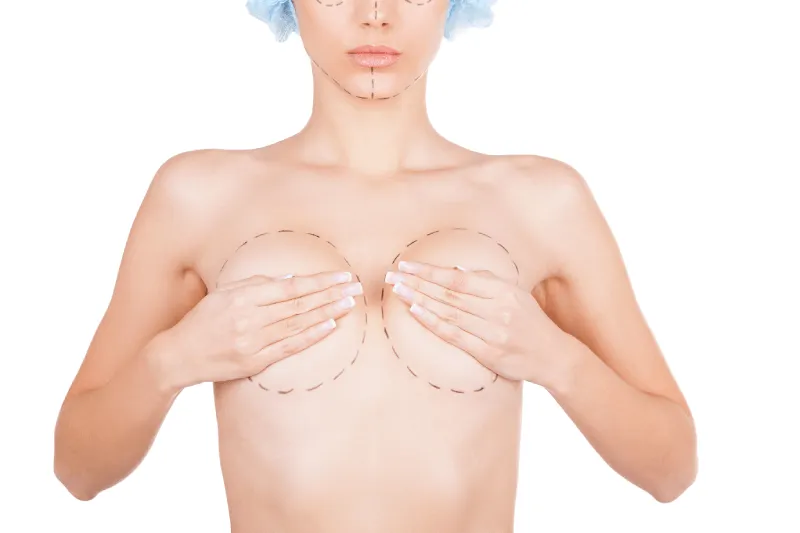
The title of this discussion refers to a subtle but vital aspect of post-operative care: the use of “nipple protectors” or specialized dressings during the initial phase of a Breast Lift (Mastopexy). Following a breast lift, the nipple-areola complex (NAC) is surgically repositioned to a higher anatomical position on the breast mound. This process involves significant manipulation of the underlying glandular tissue and the delicate vasculature that supplies the nipple.
In the immediate post-operative period, the primary surgical concern is maintaining perfusion to the NAC. Any friction, pressure, or shearing forces can compromise the micro-circulation, potentially leading to ischemia or necrosis. “Nipple protectors”—often specialized silicone shields or advanced adhesive dressings—are utilized to shield the newly repositioned NAC from the friction of surgical bras or clothing. This is particularly critical during the “Initial Breast Lift phase,” where the tissue is most vulnerable to swelling and movement.
To achieve the desired volume and projection alongside the lift, surgeons often integrate high-performance implants. To ensure patient safety and longevity, only Breast implants used: Mentor, Motiva, or Polytech (JCI approved) are utilized in premier surgical hubs. These implants are engineered to mimic the natural feel of breast tissue while minimizing the risk of capsular contracture or displacement.
“The success of a Mastopexy is measured not just by the final elevation of the breast, but by the preservation of the neurological and vascular integrity of the nipple-areola complex.”
Precision Contouring: The Integration of Vaser Liposuction and Abdominoplasty
Modern post-pregnancy restoration has evolved beyond simple tissue removal. The integration of Vaser Liposuction represents a leap in high-definition body contouring. Unlike traditional liposuction, which can be more traumatic to the surrounding tissue, Vaser technology uses ultrasound energy to selectively emulsify fat cells. This allows for high-definition contouring with minimal bruising, preserving the structural integrity of the skin and ensuring a smoother transition between the abdominal wall and the flanks.
When combined with fat transfer, this technology allows for a “hybrid” approach. For patients experiencing volume loss in the gluteal region—a common byproduct of pregnancy-related weight shifts—BBL fat transfer can be performed using the harvested adipose tissue. This creates a seamless, holistic silhouette that restores the hourglass proportions lost during the postpartum period.
The Global Standard: Why Turkey Leads in Post-Pregnancy Excellence
Turkey has emerged as the undisputed global hub for Mommy Makeovers, driven by a unique convergence of surgical expertise, technological adoption, and economic efficiency. The Turkish medical landscape is characterized by rigorous adherence to international safety benchmarks, with a heavy emphasis on JCI-accredited facilities. The ability to access advanced technologies like Vaser Lipo and premium implants (Motiva/Polytech) at a fraction of Western costs makes it the premier destination for high-end restorative surgery.
The economic advantage is significant, allowing patients to fund complex, multi-procedure “advanced combination” surgeries that might otherwise be financially prohibitive. The transparency of the Turkish medical model allows for meticulous pre-operative planning, often starting with Free online video assessments with board-certified plastic surgeons, ensuring that the surgical plan is medically sound before the patient even departs for their flight.
The Comprehensive Investment: Cost Transparency and Logistics
Planning a restorative journey requires an understanding of both the clinical and financial commitments. The following breakdown represents the standard investment for high-tier surgical packages in Turkey:
- Standard Package (Foundational Reconstruction): 4,500 – 7,500 USD
- Advanced Combination (Multi-area Restoration): 8,000 – 12,000 USD
- Tummy Tuck (Abdominoplasty): 3,000 – 5,000 USD
- Breast Lift (Mastopexy): 2,500 – 4,500 USD
- Liposuction (Per targeted area): 500 – 1,500 USD
- BBL (Fat Transfer): 3,500 – 5,500 USD
The logistics of the “Cure Holiday” experience are designed to minimize patient stress, allowing the focus to remain entirely on physiological recovery. The patient journey typically begins with arrival at Istanbul (IST) or Antalya (AYT), where VIP private transfers from airport to clinic are provided, ensuring a seamless transition to the medical facility.
Post-operative care is centered around 5-star recovery suites with companion stay included. This is vital for the early stages of recovery, particularly during the first 7-10 days in Turkey, when mobility may be limited and monitoring is essential. Patients are advised that while the initial healing occurs in the luxury of their recovery suite, a 6 weeks for full exercise return is the standard medical recommendation to ensure the internal sutures of the abdominal fascia and the new position of the breast tissue are fully stabilized.
Thinking…
Why many Mums use “NIPPLE Protectors” during the Initial Breast Lift phase.
The Role of Nipple Protectors in Post-Mastopexy Recovery
During the critical healing phase of a breast lift (mastopexy), the preservation of the nipple-areola complex (NAC) is the surgeon’s highest priority. Many mothers, particularly those undergoing significant reconstructive changes, utilize medical-grade nipple protectors or silicone shields. This is not merely a comfort measure but a clinical intervention designed to mitigate the risks of friction-induced ischemia and mechanical trauma to the newly repositioned tissue.
In a mastopexy, the surgeon must physically relocate the nipple to a higher, more youthful position on the breast mound. This process involves intricate suturing of the dermal and glandular tissues. During the initial inflammatory phase of healing—typically the first 7 to 14 days—the NAC is highly sensitive to pressure. Nipple protectors serve as a physical barrier against the abrasive texture of surgical compression bras and the movement of clothing, which can otherwise lead to micro-trauma, disrupted suture lines, or even necrosis of the nipple tip.
Furthermore, these protectors assist in managing post-operative edema (swelling). By providing a stabilized, semi-rigid environment, they prevent the “shifting” of the newly placed tissue, ensuring that the underlying structural scaffolding—often supported by JCI-approved implants such as Mentor, Motiva, or Polytech—remains anatomically precise during the tissue-remodeling phase.
The Patient Journey: A Case Study of Transformation
To understand the profound impact of the surgical transformation, one must look beyond the technical specifications to the lived experience of the patient. Consider the case of a 34-year-old Irish mother of three, who presented to Cure Holiday specialists seeking a comprehensive “Mommy Makeover.” Her primary concerns were significant breast ptosis (sagging) following multiple pregnancies, abdominal diastasis recti (separation of the abdominal muscles), and stubborn subcutaneous fat deposits around the flanks.
Her journey began with a free online video assessment with board-certified plastic surgeons, allowing for a preliminary evaluation of her anatomical needs and the feasibility of a combination approach. For this patient, a single-procedure focus was insufficient; she required an integrated surgical plan to address both the upper and lower torso.
“The decision to undergo a combination surgery was about reclaiming my physical identity. The precision of the surgical plan, focusing on both the breast lift and the abdominal reconstruction, provided a roadmap for a total body transformation that felt both safe and achievable.”
The surgical strategy involved a coordinated effort: a Mastopexy to address the upper torso, an Advanced Combination procedure to reconstruct the abdomen, and Vaser Liposuction to refine the waistline. This multifaceted approach is what defines the premium patient journey in modern medical tourism.
Technical Precision in Combination Surgery
The efficacy of a transformation depends on the technical sophistication of the techniques employed. For mothers dealing with post-pregnancy abdominal changes, a standard tummy tuck is often supplemented with advanced muscular repair. This involves Diastasis Recti repair, which utilizes internal corset suturing of the abdominal fascia to pull the separated muscle bellies back into a centralized, functional position. This creates the “cinched” waist effect that liposuction alone cannot achieve.
Depending on the patient’s degree of skin laxity, the surgeon may propose various tummy tuck options:
- Mini Tummy Tuck: Targeted at patients with localized skin laxity below the navel.
- Full Tummy Tuck: Addressing skin and muscle laxity from the ribs to the pubic area.
- Extended (360) Tummy Tuck: A comprehensive circumferential approach that includes the flanks and back.
To complement the muscular reconstruction, Vaser Liposultion is integrated into the plan. Unlike traditional methods, Vaser technology uses ultrasound energy to emulsify fat cells with extreme precision, allowing for high-definition contouring with significantly minimal bruising. This is particularly vital for patients who wish to minimize downtime and ensure the smoothest possible skin texture following fat removal.
The Financial Framework of Aesthetic Reconstruction
Transparency in medical investment is a hallmark of the premium care provided by Cure Holiday specialists. The costs of these procedures vary significantly based on the complexity of the anatomical requirements and the choice of surgical techniques. Below is a breakdown of the standard investment ranges for these transformative procedures:
- Breast Lift (Mastopexy) only: 2,500 – 4,500 USD
- Tummy Tuck (Full, Mini, or Extended): 3,000 – 5,000 USD
- Liposuction (per targeted area): 500 – 1,500 USD
- BBL / Fat Transfer: 3,500 – 5,500 USD
- Standard Package (Single area focus): 4,500 – 7,500 USD
- Advanced Combination (The Complete Transformation): 8,000 – 12,000 USD
These figures represent a comprehensive approach to care, ensuring that the patient receives world-class surgical expertise, JCI-standardized safety protocols, and premium post-operative support.
Logistics, Safety, and the Recovery Continuum
A successful surgical outcome is inextricably linked to the quality of the post-operative environment. The patient’s journey does not end in the operating theatre; it extends into a highly managed recovery phase. For patients traveling to major medical hubs such as Istanbul (IST) or Antalya (AYT), the logistics are designed to minimize stress and maximize healing.
Upon arrival, patients are met with VIP private transfers directly from the airport to their recovery accommodations. The recovery experience is centered around 5-star recovery suites, which include a companion stay, ensuring that the patient has constant support during the first few days of the healing process. This period of convalescence is critical for monitoring the surgical sites and managing the initial stages of post-operative edema.
While the immediate post-operative period requires a stay of approximately 7-10 days in Turkey, the long-term recovery trajectory is well-defined. Patients are advised to follow a strict protocol of activity restriction, with a 6 weeks window required before a full return to strenuous physical exercise. This timeline allows the internal sutures, including the fascial reinforcements used in Diastasis Recti repair, to reach sufficient tensile strength to support the new body contours.
Thinking…
Why many Mums use “NIPPLE Protectors” during the Initial Breast Lift phase.
The Science of Nipple Protectors: Safeguarding Periareolar Integrity in Post-Mastopexy Care
For many mothers undergoing a mastopexy (breast lift), the period immediately following surgery is defined by a heightened sensitivity to the physical environment. One of the most specific, yet overlooked, components of post-operative aftercare is the use of “nipple protectors.” While seemingly simple, these medical-grade shields play a critical role in the re-epithelialization and structural stabilization of the areola during the initial healing phase.
During a breast lift, the surgeon must reposition the nipple-areola complex (NAC) to a higher, more youthful position on the breast mound. This involves precise periareolar incisions and, in some cases, internal reshaping of the glandular tissue. In the first 7-10 days of recovery, the NAC is highly susceptible to shearing forces—micro-movements caused by the friction of clothing or the bra’s compression against the skin. Nipple protectors serve as a physical barrier, mitigating the risk of tissue ischemia (restricted blood flow) or necrosis at the incision site by preventing any direct friction against the newly repositioned tissue.
By utilizing these protectors, patients can manage the acute post-operative edema (swelling) more effectively. The protection allows the skin edges to knit together without the interference of external pressure, ensuring that the aesthetic outcome of the lift—whether using Mentor, Motiva, or Polytech implants—remains smooth and symmetrical.
The Turkey Recovery Model: Luxury Logistics and Post-Op Villa Care
The logistical framework for recovery in Turkey is specifically engineered to bridge the gap between surgical intervention and the return to domestic life. Unlike the fragmented aftercare found in the UK or USA, the Turkish model focuses on a concentrated, high-intensity recovery window of 7-10 days within the country.
For many “mums” traveling for a Mommy Makeover, the challenge is not just the surgery, but the management of childcare and domestic responsibilities. This is where the 5-star recovery suites become indispensable. These accommodations are not merely hotels; they are specialized post-surgical environments designed to facilitate healing. A key feature of these packages is the companion stay included, allowing a partner or family member to stay in the suite. This is vital for managing the patient’s mobility during the first few days when post-operative ecchymosis (bruising) and stiffness are at their peak.
The logistics are seamless, designed to minimize patient stress:
- Arrival: Seamless VIP private transfers from Istanbul (IST) or Antalya (AYT) directly to your recovery suite or clinic.
- Consultation: Before even booking your flight, free online video assessments with board-certified plastic surgeons allow for a detailed review of your anatomical requirements.
- Environment: Recovery suites provide a controlled, sterile-adjacent environment that promotes rest and reduces the risk of secondary infections.
Technical Complexity: The Mommy Makeover and Diastasis Recti Repair
The “Initial Phase” of recovery is most complex for patients undergoing multi-area procedures. A standard breast lift is often paired with abdominal contouring to address the physiological changes of pregnancy. The technical sophistication of these procedures in Turkey is world-class, utilizing advanced surgical techniques to ensure long-lasting results.
For patients dealing with abdominal separation, the procedure involves Diastasis Recti repair, which requires the internal corset suturing of the abdominal fascia. This reconstructive step is essential for restoring core stability and a flat profile. When paired with Vaser Liposuction, which is utilized for high-definition contouring with minimal bruising, the patient can achieve a sculpted silhouette that traditional liposuction cannot match.
However, this technical excellence requires strict adherence to post-op timelines. While the initial recovery in Turkey is brief, the 6 weeks for full exercise return is a non-negotiable window. During this time, the internal sutures of the abdominal wall and the breast implants must be protected from intra-abdominal pressure and strenuous movement.
2026 Cost Breakdown: Comparative Value Analysis
When planning for a 2026 surgical journey, the financial disparity between Turkey and Western healthcare systems remains the primary driver for medical tourism. The following breakdown illustrates the significant cost advantages when opting for a comprehensive package in Turkey, where high-end surgical technology and luxury aftercare are integrated into the base price.
Estimated 2026 Surgical Investment (USD):
- Breast Lift (Mastopexy) Only: 2,500 – 4,500 USD
- Tummy Tuck (Full, Mini, or Extended 360): 3,000 – 5,000 USD
- Liposuction (Per Area): 500 – 1,500 USD
- BBL (Fat Transfer): 3,500 – 5,500 USD
- Standard Comprehensive Package: 4,500 – 7,500 USD
- Advanced Combination (e.g., Lift + Tummy + Lipo): 8,000 – 12,000 USD
It is important to note that these figures represent a significant saving compared to the UK or USA, where a single procedure like a tummy tuck can often exceed 15,000 USD, even before accounting for the high costs of post-operative nursing or specialized recovery environments. In Turkey, the integration of VIP transfers, 5-star accommodation, and board-certified surgical expertise is bundled into these transparent, all-inclusive pricing structures.
For those navigating the complexities of post-pregnancy body changes, the decision involves weighing the technical precision of the surgery against the logistical ease of the recovery. By utilizing the specialized aftercare protocols—including the use of nipple protectors and the luxury of a companion-inclusive recovery suite—patients can ensure that their investment in 2026 yields a result that is both aesthetically transformative and physically enduring.
Considering a Mommy Makeover in Turkey? Get a Free Quote for your Why many Mums use “NIPPLE Protectors” during the Initial Breast Lift phase Transformation with cureholiday.com
Free Consultation
Fill out the form below to get your free medical travel plan and price quote.