About the prices on this page. The figures below are indicative market prices and country comparisons, not a quote. Our own current, all-inclusive prices are published on our cosmetic surgery in Turkey page, and we confirm your figure in writing before you commit to anything.
The physical discomfort (back, neck, and shoulder pain) and psychological burden caused by large breasts lead many women to consider breast reduction (reduction mammaplasty) surgery. However, the most crucial question that arises when making this decision is: “Can I become a mother and breastfeed my baby after the surgery?” In this comprehensive guide, we will delve into the answer to this question, starting from surgical techniques, extending to treatment options in Turkey, which offers international standard healthcare, and finally covering the exclusive services provided by Cure Holiday.
What is Breast Reduction Surgery and How is it Performed?
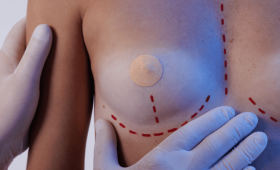
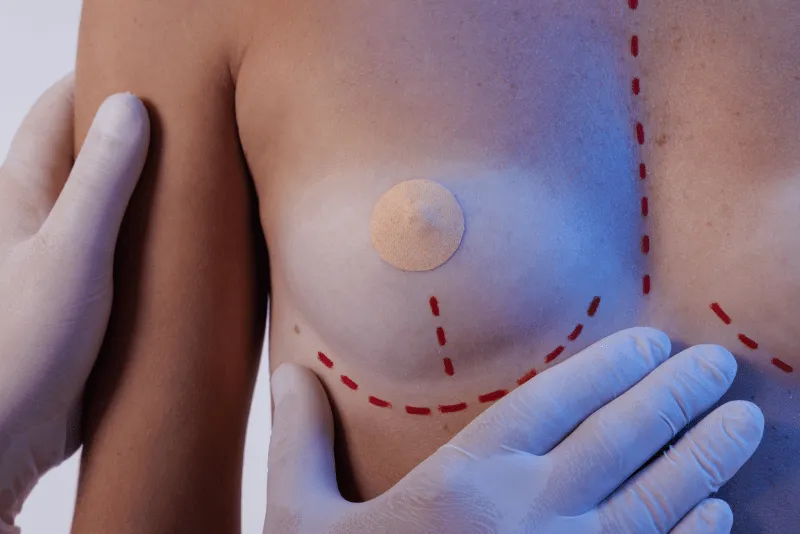
Breast reduction surgery is a surgical procedure aimed at reducing the size, weight, and sagging of excessively large breasts. During this operation, the aesthetic surgeon removes excess breast tissue, fat, and skin. The remaining breast tissue is reshaped, and the nipple-areola complex is repositioned to a more suitable and natural location.
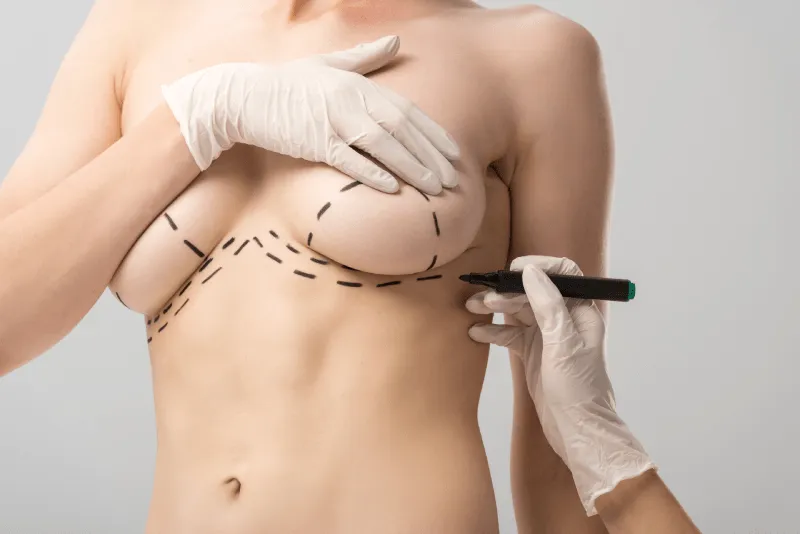
The primary goal of the surgery is to create lighter, more aesthetically pleasing breasts that are proportionate to the patient’s body contours, while also alleviating physical discomfort. The surgeon typically uses incisions around the nipple, vertically downwards, and along the inframammary fold to minimize scarring. This operation takes approximately three to four hours and is performed under general anesthesia.
The Primary Goal and Aesthetic Outcomes of the Surgery
The primary aim of breast reduction surgery is to eliminate the physical symptoms that seriously decrease the patient’s daily quality of life. The relief of chronic neck, back, and shoulder pain is among the most significant benefits of this operation. Aesthetically, proportional and symmetrical breasts are achieved, while skin irritations underneath the breast are significantly reduced.
Post-operation, clothing selection becomes easier, and sports and physical activities can be performed more comfortably. This situation positively contributes to the patients’ self-confidence and psychological well-being. Long-term, lasting, and satisfying results allow patients to feel fitter and healthier.
Who is Suitable for Breast Reduction Surgery?
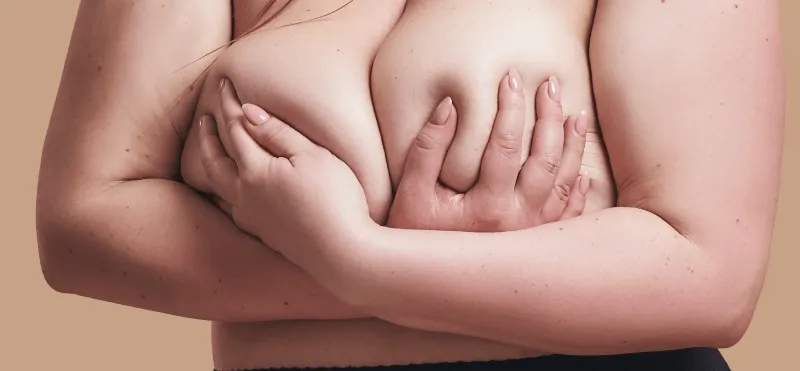
Ideal candidates for breast reduction surgery are individuals experiencing continuous physical discomfort due to the size of their breasts. These discomforts include back pain, deep grooves on the shoulders caused by bra straps, posture problems, and chronic skin rashes developing under the breasts.
Candidates should be in good general health, quit smoking if they use it, and have realistic expectations. Furthermore, the procedure is generally preferred for women who have completed breast development (age 18 and older). If the person plans future breastfeeding, this must be communicated to the surgeon, as the surgical technique used will directly influence this plan.
How is the Pre-operative Preparation Process Managed?
The preparation process before breast reduction surgery begins with a detailed medical evaluation. Your surgeon will examine your breasts and inquire about your general health history, medications you use, and any allergies. Standard pre-operative tests such as routine blood tests and an electrocardiogram (ECG) are performed.
A mammogram or ultrasound is often requested to assess the risk of breast cancer and to view the internal structure of the breast. The patient must strictly stop smoking several weeks before the surgery and discontinue blood-thinning medications. Detailed discussions regarding breastfeeding plans, surgical technique selection, and expected outcomes are held during this period.
Is Breastfeeding Possible After Breast Reduction?
Yes, in most cases, breastfeeding is possible after breast reduction surgery, but this depends on the surgical technique used and the amount of breast tissue removed. Modern surgical approaches prioritize the preservation of breastfeeding function and generally attempt to maintain the critical connections between the nipple and the milk ducts.
Contrary to the “urban legend,” a large proportion of women who have undergone breast reduction surgery can maintain their ability to breastfeed, either partially or fully. The chance of success is directly related to the surgeon’s experience and knowledge of breastfeeding anatomy. Therefore, openly sharing your future motherhood plans with your surgeon is vital for selecting the most appropriate technique.
What are the Surgical Techniques that Preserve Breastfeeding Ability?
Surgical techniques aimed at preserving the ability to breastfeed are generally referred to as “pedicle” techniques. In these techniques, the blood vessels, nerves, and a portion of the milk ducts supplying the nipple and areola are left on a tissue pedicle connected to the main breast tissue, thus preserving them. The most commonly used techniques that preserve breastfeeding potential include superior or central pedicle techniques. The surgeon uses these techniques to achieve both aesthetic reduction and minimal disruption to the connection of the milk ducts to the nipple. The success of these methods depends on the surgeon’s anatomical knowledge and experience.
Are Milk Ducts Damaged During Surgery?
During breast reduction surgery, a natural consequence of the procedure is that some of the milk ducts, along with the excess breast tissue being removed, are inevitably cut. This is a necessary result for achieving absolute reduction. However, the critical point is the preservation of the connection of the main milk ducts and nerves, which are vital for breastfeeding function and located just beneath the nipple. Even if a large portion of the milk ducts is preserved, some loss of capacity may occur. This situation might lead the mother to require supplementation, but it does not often mean a complete inability to breastfeed. The surgeon’s preference should focus on maintaining maximum function with minimal damage.
Why Might Some Techniques Make Breastfeeding Impossible?
In cases of very excessive breast reduction or certain special circumstances, the surgeon may be forced to use the “free nipple graft” technique. In this technique, the nipple-areola complex is completely detached from the breast and reattached like a skin graft to the appropriate position on the reduced and reshaped breast.
This means that all connections of the nipple with blood vessels, nerves, and milk ducts are severed. A woman who undergoes a free nipple graft technique will completely lose her ability to lactate. This technique is generally preferred only in cases of extremely large breasts where the nipple is severely drooping and pedicle techniques are risky, and this situation must be clearly communicated to the patient beforehand.
Should the Breastfeeding Plan be Discussed with the Surgeon Before Surgery?
Absolutely yes. Your future breastfeeding plan is one of the most critical factors in planning your breast reduction surgery. You must clearly state to your surgeon that you wish to have children and plan to breastfeed after the operation. This information allows the surgeon to select the surgical technique that maximally preserves the milk ducts and nerves, keeping your breastfeeding potential at the highest level. Remember, your surgeon’s goal is to optimize both aesthetic and functional results. Transparent communication is the key point to ensure your post-operative outcomes align with your expectations.
Can Breastfeeding Capacity Decrease?
It is a possible situation that a decrease in breastfeeding capacity may occur after breast reduction surgery. The reason for this is that some of the milk-producing glands and the ducts that carry milk to the nipple are removed along with the excess breast tissue during the surgical procedure.
Even if protective techniques are used, the complete preservation of the breast’s milk production capacity cannot always be guaranteed. However, this decrease may not generally be at a level that prevents the baby from being adequately nourished. Many mothers can continue to breastfeed successfully with supplementation or complementary feeding. The important thing is to seek support from a lactation consultant during the post-operative breastfeeding journey.
Does the Risk of Breastfeeding Increase with Extremely Large Breasts?
As the scale of the breast reduction surgery increases and the amount of tissue removed becomes greater, the risk of reduced breastfeeding ability also increases in parallel. In cases of very excessively large breasts, creating a tissue pedicle that adequately supplies blood and nourishment to the nipple can be surgically more challenging.
This situation might lead the surgeon to opt for the “free nipple graft” technique, which completely eliminates breastfeeding function. If your breasts are excessively large, you must discuss these risks in great detail with your surgeon. Alternatively, if breastfeeding is a priority for you, you may consider options for a less radical reduction or postponing the surgery until after your breastfeeding period is complete.
What is the Relationship Between Breast Size and Milk Production?
There is no direct relationship between breast size and the amount of milk a mother will produce. Milk production is primarily determined by the amount of glandular (milk-producing) tissue within the breast and hormonal signals, and it is not related to the breast’s external volume or fat tissue.
Large breasts may generally have more fat tissue, but this does not mean they have more milk glands. Therefore, a successful breast reduction surgery does not necessarily reduce the overall milk production potential of the breast. On the contrary, in some cases, correcting anatomical abnormalities in excessively large breasts can improve the function of the remaining breast tissue.
What Should Be Done to Increase Milk Production After Surgery?
Breastfeeding mothers after breast reduction surgery can implement a series of strategies to increase milk production. The most important factor is the baby latching onto the breast frequently and effectively, as sucking triggers the release of the hormone prolactin, which stimulates milk production. Galactagogue supplements or herbal teas (for example, fenugreek) that help increase breast milk supply can be used under the guidance of a specialist. Furthermore, learning correct breastfeeding positions and seeking support from a lactation consultant can help the remaining milk ducts and glands work efficiently. Adequate fluid intake and a balanced diet are also important factors supporting milk production.
When Should Pregnancy Be Planned?
It is generally recommended to wait between six months to one year after breast reduction surgery before planning a pregnancy. This waiting period is necessary for the breast tissue to fully heal, the surgical scars to mature, and the breasts to settle into their final shape. Early pregnancy can cause the breasts to re-enlarge due to hormonal changes, potentially compromising the surgical results. Most importantly, complete surgical recovery maximizes the breastfeeding potential. Discussing your pregnancy plans with your surgeon is the best way to determine the most suitable waiting time for your personal situation.
What are the Potential Risks of Breast Reduction Surgery?
Like any surgical procedure, breast reduction surgery carries some potential risks. These include infection, bleeding, wound healing problems, and complications related to anesthesia. Temporary or rarely permanent loss of sensation in the nipple may occur. Furthermore, asymmetry between the breasts or unexpected scars may develop. The decrease or complete loss of breastfeeding potential is also a significant risk, although this risk has been minimized with modern protective techniques. All these risks can be substantially reduced when the surgery is performed by an experienced and authorized surgeon in a fully equipped hospital setting.
How Long Does the Recovery Process Take?
The recovery process after breast reduction surgery varies from person to person, but daily activities can usually be resumed within a few weeks. Patients are discharged from the hospital one or two days after the surgery. It is important to rest and avoid strenuous activities during the first week. Stitches are generally removed within ten days. Complete healing and the breasts settling into their final shape can take anywhere from six months to a year. Wearing a special bra during this period and strictly following the surgeon’s instructions are essential for a quick and smooth recovery. Heavy lifting and strenuous exercises should be avoided for at least six weeks.
How is Post-operative Pain Management Done?
The pain experienced after breast reduction surgery can usually be easily controlled with prescribed or over-the-counter pain relievers. Surgeons typically recommend strong pain medication for the first few days post-operation to ensure patient comfort. Pain is usually most intense within the first 24-48 hours and then rapidly subsides.
Swelling, tightness, and a slight burning sensation in the surgical area are normal. It is important to regularly use the medications prescribed by the surgeon for pain management and avoid sudden movements. If the pain intensifies or does not subside despite the medications provided, the surgeon should be consulted immediately.
Psychological and Physical Benefits of the Surgery
The benefits of breast reduction surgery are not limited to the alleviation of physical pain; they also have profound psychological effects. Physically, the reduction in breast weight corrects chronic posture problems and can facilitate easier breathing. Psychologically, a more proportionate body image boosts self-confidence and eliminates feelings of shyness or discomfort experienced in social settings. The ability to resume previously restricted activities like sports and exercise significantly improves patients’ quality of life and overall mood. Patients often report feedback such as, “I wish I had done it sooner.”
Does Breast Lift Surgery Affect Breastfeeding?
Breast lift (mastopexy) surgery generally carries a lower risk to breastfeeding function compared to breast reduction surgery. In the lifting procedure, the focus is more on removing excess skin and reshaping the breast tissue rather than removing significant amounts of glandular tissue. The intervention on the milk ducts and mammary glands is much more limited or non-existent compared to reduction surgery. Even if a small amount of tissue needs to be removed during a breast lift, this usually does not cause a severe loss of breastfeeding ability. However, as with any surgical intervention, discussing your lift plan with your surgeon, along with your future desire to breastfeed, is the safest approach.
How Do Revision Surgeries Affect Breastfeeding Function?
If a patient who has previously undergone breast reduction surgery requires a revision (corrective) surgery, this second surgical intervention may put the breastfeeding function at greater risk. Every new surgical procedure implies an additional risk of damage to the already preserved milk ducts and nerves. If the revision requires significant shape correction or the removal of more tissue, breastfeeding ability may decrease further. Therefore, before deciding on revision surgery, the patient should receive very detailed information from their surgeon about the potential effects of this surgery on their breastfeeding potential. The success of the initial surgery is vital for minimizing the need for revision.
Is Nipple Sensation Loss Experienced After Surgery?
As a natural consequence of breast reduction surgery, the nerves around the nipple and areola may be temporarily affected. This can lead to temporary numbness or loss of sensation in the nipple post-operation. In most patients, this loss of sensation gradually improves over weeks or months, and feeling returns. However, rarely, especially in very large reductions, the loss of sensation can be permanent. Nipple sensation is important for triggering the baby’s suckling reflex and milk release, so if sensation loss occurs, breastfeeding may become difficult. Your surgeon aims to minimize this risk by using nerve-sparing techniques.
How Permanent are the Surgical Results?
The results achieved with breast reduction surgery are permanent in the long term, but there are some natural factors that can affect the size and shape of the breasts. Significant weight gain or loss, pregnancy, breastfeeding, and the aging process can cause minimal changes in the shape and size of the breasts. Breasts may enlarge during pregnancy, but they usually return close to their pre-operative size after breastfeeding ends. To ensure long-term permanence, patients are advised to maintain a healthy lifestyle and keep their ideal weight.
Why Should Turkey Be Chosen for Aesthetic Surgery?
Turkey has become a leading center for aesthetic surgery for international patients in recent years. The main reasons for this popularity include much more affordable costs compared to Europe and North America, uncompromising surgical quality, and high success rates. Surgeons in Turkey have received international training and accumulated significant experience by treating thousands of patients. Furthermore, combining the treatment process with a cultural experience and holiday opportunity makes Turkey an attractive health tourism destination.
The Rise of Medical Tourism in Turkey
Turkey is experiencing a rapidly rising trend in medical tourism thanks to its geographical location, hospitals equipped with advanced technology, and experienced specialist staff. This sector, supported by government incentives and investments, hosts millions of international patients annually. Hospitals are accredited according to international standards, and patient comfort and safety are kept at the highest level. The Turkish health sector offers a global competitive advantage in terms of both cost-effectiveness and service quality, gaining worldwide recognition and reliability, especially in the fields of aesthetics and surgery.
High-Quality Surgeons and Accredited Hospitals
Aesthetic surgeons in Turkey are generally accredited by international organizations and are highly specialized in their fields. Many have been educated abroad or actively participate in international conferences. Hospitals, on the other hand, are accredited by prestigious international organizations such as Joint Commission International (JCI). These accreditations guarantee that the hospitals’ medical and administrative processes meet the highest global standards. As a result, specific operations like breast reduction surgery are performed with high quality, using the latest surgical techniques that preserve breastfeeding function.
Cost Advantage of Breast Reduction Surgery in Turkey
The costs of breast reduction surgery in Turkey are significantly lower compared to Western European countries, the United States, and Canada. This cost advantage does not mean that the quality of the surgery is compromised; on the contrary, it is possible due to lower general operating expenses and currency differences in Turkey. For example, a procedure that might cost $5,000 and above in Western countries can be offered at more accessible prices in Turkey within a much more comprehensive service package. This situation allows patients to receive high-quality surgical services without straining their budgets.
Price Difference Compared to Europe and America
The prices for healthcare services in Turkey are generally 50% to 70% lower than those offered by hospitals of similar quality in Europe and America. This large price difference allows patients to receive comprehensive packages that include the surgery, hospital stay, surgeon’s fee, anesthesia, and in some cases, accommodation and transfer costs. Especially for breast reduction surgeries requiring specialized techniques to preserve breastfeeding potential, this cost advantage makes Turkey a very attractive option for international patients.
Technological Infrastructure of Hospitals in Turkey
Turkey utilizes the latest medical technology in its hospitals thanks to significant investments in the health sector. Robotic surgery systems, advanced imaging devices, and modern operating rooms ensure that treatment processes are safer and more effective. All high-tech equipment necessary for surgeons to apply the most precise techniques in breast reduction surgeries is available. This technological infrastructure not only increases the success of the surgery but also offers opportunities to accelerate the patients’ post-operative recovery processes.
International Experience of Turkish Surgeons
Turkish aesthetic surgeons have extensive experience serving international patients from all over the world, not just domestically. This international patient profile has developed the surgeons’ ability to work with patients having different anatomical features and cultural expectations. Turkish surgeons who constantly work with foreign patients are highly knowledgeable about specific requirements such as preserving breastfeeding function and apply the most up-to-date global surgical approaches in this regard. This experience is a crucial factor that makes patients feel secure.
Ease of Accommodation and Transportation During the Treatment Process
Health tourism companies and hospitals in Turkey offer comprehensive solutions to facilitate the accommodation and transportation needs of international patients. Airport pick-up, transfer services between the hospital and the hotel are usually included in the treatment package. Hospitals in major cities like Istanbul, Ankara, and Izmir are located close to luxury hotels and boutique accommodation options. A comfortable and peaceful environment is provided for rest and recovery after the surgery, aiming for the patient to focus solely on their treatment.

Post-operative Care and Follow-up Services
One of the significant advantages of receiving treatment in Turkey is the detailed post-operative care and follow-up services provided. Surgeons and nurses closely monitor the patient’s recovery process. Services such as dressing changes, stitch checks, and medication management that may be required during the recovery period are meticulously carried out. For international patients, follow-up and consultation services are offered through remote communication (telehealth) even after they return to their home country. This uninterrupted support ensures that patients feel secure and allows for the early detection of possible complications.
The Aspect of Confidentiality and Comfort in Receiving Treatment in Turkey
Health tourism offers patients the opportunity to receive treatment with a high level of confidentiality away from their familiar environment. Hospitals in Turkey place great importance on comfort and privacy in international patient rooms. Since aesthetic surgeries like breast reduction are a personal choice, patients have a high expectation of privacy during this process. Turkey, with its cultural structure and healthcare approach, offers a treatment environment where patients feel comfortable and protected.
The Allure of Cities like Istanbul and Izmir
The major cities of Turkey offer the opportunity to turn the treatment process into a cultural experience. Istanbul, with its historical richness, Bosphorus views, and modern shopping centers, makes the recovery period more enjoyable. Izmir, the pearl of the Aegean, offers a calmer environment where the Mediterranean climate can be enjoyed. Patients can explore the historical and natural beauties of these cities before or after the surgery (with doctor’s permission), thereby reducing the stress of the treatment process.
The Opportunity to Combine Treatment with a Vacation
A unique attraction of medical tourism in Turkey is the possibility to combine healthcare service with a luxury holiday experience. The recovery period required for breast reduction surgery allows patients to simultaneously visit historical sites, sunbathe, or rest. Patients can choose to stay in holiday resorts like Antalya or Bodrum to rest after the surgery, turning their recovery process into an enjoyable retreat.
The Impact of Turkish Hospitality on Health Tourism
Turkish culture is known for its deep-rooted tradition of hospitality. This tradition is also reflected in health tourism services. International patients encounter warm, caring, and helpful staff in hospitals and accommodation facilities. Not only the medical needs but also the cultural and personal comfort of the patients are prioritized. This human-centered approach alleviates the anxiety of receiving treatment in a foreign country and helps patients focus on their treatment with a more positive state of mind.
Are Language Barrier Issues Experienced?
Many large hospitals and health tourism agencies in Turkey employ multilingual staff to serve international patients. Interpreters and patient coordinators who can communicate in languages such as English, Arabic, German, and Russian are available. This ensures that there are no communication disruptions between patients and surgeons. Specialized agencies like Cure Holiday ensure that the patient receives support in their native language throughout the entire process, completely eliminating the concern of a language barrier.
The Reliability of the Treatment Process in Turkey
The health system in Turkey has undergone a major transformation in recent years and is strictly supervised by the state. The international accreditations of the hospitals and the professional competencies of the surgeons guarantee the reliability of the treatment processes. Patient rights and ethical rules are meticulously applied. For aesthetic procedures like breast reduction surgery, it is mandatory for patients to sign informed consent forms and be fully informed about potential risks.
Who is Cure Holiday and What Do They Offer?
Cure Holiday is an organization specializing in health tourism in Turkey, offering exclusive services to international patients. Its mission is to provide patients from abroad with the highest quality medical treatments through Turkey’s leading surgeons and accredited hospitals at affordable costs. Cure Holiday organizes the entire process from the moment patients decide on treatment until their return home, aiming to offer them not just a medical service, but also a stress-free and comfortable travel experience.
Cure Holiday’s Comprehensive Service Packages
Cure Holiday prepares all-inclusive packages for patients considering breast reduction surgery. These packages generally include the surgical operation, hospital stay, anesthesia, medications, necessary medical tests, airport transfers, luxury hotel accommodation, and a personal interpreter/escort service throughout the treatment. Thanks to this holistic approach, patients do not have to deal with logistical details outside of their treatment and can fully concentrate on their recovery process. The content of the packages can be flexible according to the patient’s individual needs.
Personal Consultancy and Support During the Treatment Process
Cure Holiday provides a dedicated personal consultant for its patients. This consultant manages the entire process from the moment the patient first makes contact. They answer the patient’s questions on sensitive issues such as breast reduction surgery and the preservation of breastfeeding potential, ensure that medical reports are delivered to the surgeon, and help organize pre-operative consultations with the surgeon. This personal support ensures that the patient feels informed and secure throughout the entire process.
Hospital Transfer and Accommodation Arrangements
Travel and transfers can be a major source of stress for international patients. Cure Holiday ensures that patients reach their hotels and the hospital comfortably and safely with VIP transfer services from the moment they arrive at the airport. The hotels selected for accommodation are close to the hospital, hygienic, and of high standards. These logistical arrangements facilitate the patient’s rest before and after the surgery without feeling fatigued.
Choosing an Experienced Surgeon with Cure Holiday
Cure Holiday only collaborates with internationally renowned surgeons who are experts in their fields and experienced in techniques that preserve breastfeeding function. The most suitable surgeon with the highest success rate is determined based on the patient’s medical history and future breastfeeding plans. This matching process is vital to ensure the patient receives the best aesthetic and functional outcome from the surgery. The patient is provided with detailed information about the surgeon’s past experience and success stories.
Post-operative Check-ups and Translation Support
Cure Holiday does not leave its patients alone during the post-operative recovery period. Follow-up appointments are organized, and professional translation services are provided to enable the patient to communicate with the surgeon. Interpreters not only overcome the language barrier but are also specialized in medical terminology. Remote follow-up and consultation services continue for patients who return to their home country. This comprehensive translation and follow-up support ensures that international patients feel at home.
Cure Holiday’s Price Transparency and Hidden Costs
Cure Holiday adopts the principle of full price transparency in its service packages. All items included and excluded from the total cost of the surgery are clearly stated in the initial offer presented to the patients. Thus, patients do not encounter surprising hidden costs. The fixed price guarantee facilitates budget planning and allows the patient to enter the treatment process with financial peace of mind. This transparency is an important element that reinforces Cure Holiday’s reliability.
Integration of Treatment and Holiday Programs
Cure Holiday integrates the breast reduction surgery recovery process with cultural excursions and resting opportunities. While the first few days after the surgery are dedicated to resting in the hospital and hotel, programs are offered, with the surgeon’s permission, for the patient to engage in light excursions and visit historical or natural beauties. This integration aims to best implement the “treatment and holiday” concept of health tourism, allowing patients to both heal and experience the beauty of Turkey.
Preparations Before Coming to Turkey
Cure Holiday also actively supports patients in their preparation processes before coming to Turkey. Consultancy is provided regarding necessary visa procedures, travel insurance, and flight reservations. Assistance is given in collecting the required medical documents (mammography, blood test results, etc.). These preliminary preparation services reduce the patient’s travel stress and allow all medical information to be reviewed by the surgeon beforehand, enabling the best possible surgery plan.
A Safe and Peaceful Treatment Journey with Cure Holiday
Breast reduction surgery can be stressful for patients, especially when involving a sensitive issue like breastfeeding. Cure Holiday minimizes this stress by professionally managing the entire process. Experienced surgeons, JCI accredited hospitals, personal consultancy, and full transparency ensure that patients feel secure, special, and peaceful. Our goal is for you to achieve the best surgical results to both improve your physical health and support your future motherhood plans.
Contact and Appointment Process
Taking the first step with Cure Holiday is extremely easy. You can request a meeting with your personal consultant by filling out the contact form on their website or by using their direct telephone line. During the preliminary consultation, your medical history is evaluated, your suitability for the surgery is determined, and surgical options appropriate for your breastfeeding plans are explained in detail. This first step is completely free and non-binding.
Frequently Asked Questions and Answers
Cure Holiday provides a detailed Frequently Asked Questions section to address all the concerns patients may have. It fully informs patients on topics such as surgical technique, recovery process, breastfeeding risks, and legal procedures in Turkey. This transparent sharing of information helps patients make informed decisions about their treatment.
A Safe Health Tourism Experience with Cure Holiday
Cure Holiday is committed to maintaining the highest level of safety for its patients. All hospitals collaborated with fully comply with international health and safety standards. Quick intervention and support are provided in case of any emergency during the treatment process. This secure and controlled environment allows patients to focus solely on their recovery.
Free Consultation
Fill out the form below to get your free medical travel plan and price quote.