Many women turn to exercise programs to increase the size or achieve a perkier appearance of their breasts. However, since breasts are largely composed of glandular tissue consisting mainly of fat and mammary glands, exercise has no direct enlarging effect on this tissue. Exercise can help make the breasts look fuller, perkier, and generally more aesthetically pleasing by strengthening the pectoral muscles located beneath the breasts. However, this is not a permanent appearance and will last only as long as you exercise, reverting to its former state when you stop exercising.
What Exercises Should Be Done to Lift the Breasts?
Although it does not directly enlarge the breasts, strengthening the pectoral muscles (chest muscles) located immediately beneath the breasts helps support the breasts like an “internal bra.” This helps the breasts look higher and fuller. The most effective exercises include push-ups, chest press with dumbbells (bench press), and chest fly movements. These movements target the chest muscles, increasing muscle mass and improving the overall shape and contour of the breasts. When performed regularly and with correct form, a noticeable firming effect can be achieved.
How Does Strengthening Pectoral Muscles Affect Breast Size?
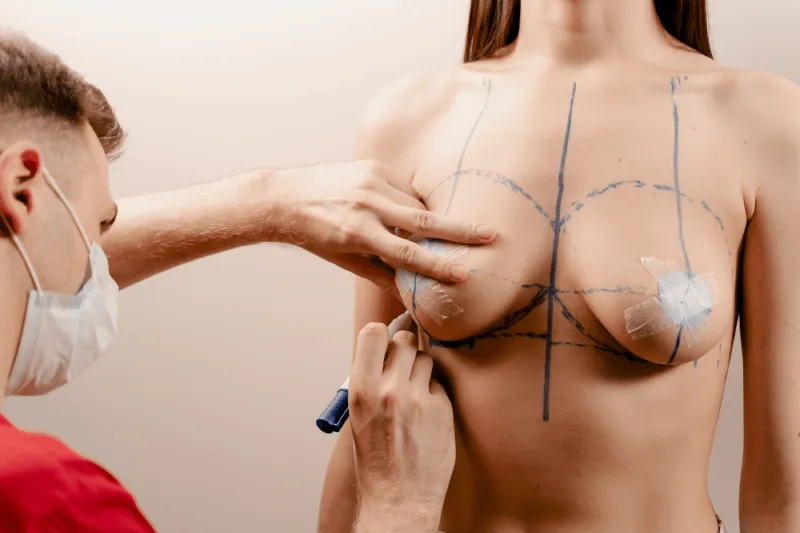
Pectoral muscles are not physically located on the breasts; they are situated on the chest wall beneath the breast. When these muscles are strengthened, they thicken and push the breasts forward, creating a more prominent and lifted profile. This visually creates the illusion of enlargement, especially in individuals with smaller breasts. Additionally, strong pectoral muscles support better posture by pulling your shoulders back. It should be noted that while the muscle tissue grows, the fat and glandular tissue that constitute the breast volume remain the same. Therefore, the effect is visual and supportive in nature.
What Are the Most Effective Breast Firming Exercises That Can Be Done at Home?
Many effective breast firming exercises can be done at home with no or minimal equipment. The classic push-up movement (which can also be done on the knees) is the primary way to target the pectoral muscles. Another popular exercise is the “wall press” or “isometric palm press,” performed by pressing the hands together at chest level. These movements strengthen the muscles by contracting them isometrically. Performing these movements for 3 sets of 10-15 repetitions at least three days a week will provide firmness and lift in a short time.
How Does Poor Posture Change the Appearance of Breasts?
A hunched posture pulls the shoulders forward and inward. This position causes the breasts to look sagging and smaller. In contrast, maintaining an upright posture pulls the shoulders back and pushes the chest out. Even this simple change instantly makes the breasts look perkier and larger than their actual size. Therefore, adding exercises that strengthen the back and shoulder muscles (such as rowing movements) to your exercise routine will not only reduce pain but also guarantee that your breasts look aesthetically better.
Are There Resistance Band Exercises That Tighten the Chest Area?
Yes, resistance bands are an excellent and low-cost tool for working the chest area muscles. The “banded chest press” movement, performed by looping the resistance band behind your back and holding the ends, provides effective resistance to the pectoral muscles without the need for dumbbells. Similarly, attaching the band to a doorknob and performing pulling movements (a variation of the banded chest fly) shapes the sides of the breasts and the tissue beneath the muscle. These exercises maximize firmness and aid in recovery by applying controlled and continuous tension to the muscles.
Can Exercise Permanently Enlarge Breast Tissue?
No, exercise cannot permanently enlarge the fundamental structure that determines breast volume, namely the fat and glandular (mammary gland) tissue. Most breast size is determined by genetics, hormonal levels, and body fat percentage. Exercise only develops the muscles beneath the breasts. Even if these muscles grow, the external appearance and size of the breast fundamentally remain the same. This stems from the fact that the muscles in the chest area can grow like arm or leg muscles, but breast tissue does not have the same structure as these muscles. The fullness achieved through exercise is only a temporary and visual support created by muscle swelling.
Why Does Breast Size Not Increase with Exercise?
The majority of breasts consist of mammary glands, connective tissue, and adipose (fat) tissue; they do not contain muscle tissue. While exercise strengthens and enlarges the muscles in the body, it cannot increase the fat cells or glandular tissue in the breast. In fact, high-intensity cardio and fat-burning exercises can cause breasts to shrink further by reducing the body fat percentage. To increase breast volume, a hormonal or surgical intervention that will increase the fat or glandular tissue in the breast is necessary. The role of exercise is only to improve the posture and appearance of the breast, not its volume.
What Are the Key Factors Determining Breast Size?
The most important factors determining the final size of the breasts are genetic inheritance, hormone levels (especially estrogen and progesterone), and the body’s overall fat percentage. The fat tissue in the breasts is sensitive to changes in body weight; gaining and losing weight can directly affect breast size. Hormonal change periods such as puberty, pregnancy, and menopause can also temporarily or permanently alter the size and density of breast tissue. Family history and ethnic origin also play a determining role in breast shape and size.
Does Fat Burning Cause Breasts to Shrink?
Yes, typically fat burning in the body causes breasts to shrink. A significant portion of the volume in the breasts consists of fat tissue. When an exercise and diet program aimed at losing weight or reducing body fat percentage is implemented, fat melts throughout the body. The breasts are also affected by this fat loss and usually decrease in size. While this is an undesirable outcome for some women, this effect can be balanced by the advantage of exercise in lifting the breast’s shape. However, volume loss is a natural and inevitable consequence of fat burning.
Are Promises of Natural Breast Enlargement Realistic?
Promises of breast enlargement through natural methods such as herbal supplements, creams, or special massage techniques sold in the market are generally lacking in scientific basis and are not realistic. These products usually contain estrogen-like compounds (phytoestrogens). While these compounds could theoretically trigger breast growth, they are not found in doses potent or safe enough to provide clinically proven growth. At best, they may create a temporary feeling of fullness, but they do not provide a permanent and noticeable increase in volume. It is healthier to focus on permanent solutions rather than relying on such products.
What Should Be Considered When Seeking Permanent Solutions for Small Breasts?
Individuals who are permanently dissatisfied with small breasts and seek an increase in size should turn to scientifically proven and reliable methods. There are two permanent and reliable ways to increase breast volume: Breast Augmentation Surgery (silicone implants) or Fat Injection Breast Augmentation (Lipofilling). These solutions offer personalized results according to the individual’s body structure and expectations. When making a decision, it is essential to consult with an expert, experienced plastic surgeon and openly discuss all risks, benefits, and expectations.
What is Breast Augmentation Surgery (Mammoplasty) and How is it Performed?
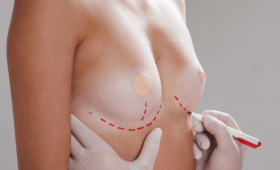
Breast Augmentation Surgery, medically known as Augmentation Mammoplasty, is a surgical procedure involving the placement of silicone or saline-based implants beneath the breast tissue or beneath the pectoral muscle to increase the volume and fullness of the breasts. It is a surgical procedure performed under general anesthesia, lasting approximately 1 to 2 hours. The surgeon places the implant through a small incision made in the inframammary fold, around the nipple, or in the armpit. The main goal of the surgery is to give the breasts a natural-looking volume, a better shape, and a more aesthetic contour.
Who is Breast Augmentation Surgery Suitable For?
Breast augmentation surgery is generally suitable for healthy individuals who are 18 years of age or older, have completed their breast development, and are dissatisfied with the size or fullness of their breasts. Candidates are expected to have realistic expectations, be in good general health, and commit to not smoking or quitting before the surgery. Furthermore, this surgery offers a corrective solution for women who have experienced volume loss or sagging in their breasts after pregnancy, childbirth, or significant weight loss.
What Preparations Should Be Made Before Breast Augmentation Surgery?
Pre-operative preparations are critical for the safety and success of the procedure. A detailed medical history of the patient is taken, blood tests are performed, and breast health checks (mammography or ultrasound) are requested. The surgeon holds a detailed consultation with the patient to understand expectations, and the implant size and type are decided upon. It is mandatory for the patient to quit smoking, and to stop taking certain blood-thinning medications (like aspirin) and herbal supplements at least two weeks before the surgery. Special instructions given by the doctor must be followed the night before and the day of the surgery.
What Are the Types of Breast Implants and Which Should Be Preferred?
Breast implants are fundamentally divided into two types based on their filler material: Silicone gel implants and Saline (salt water) implants. The most commonly preferred today are cohesive silicone gel implants, which offer a feeling and appearance close to natural breast tissue. They are also divided into two types based on their shape: round and anatomical (teardrop). Anatomical implants provide a more natural, teardrop-shaped look, while round implants create more fullness in the upper part of the breast. The preference is determined by the surgeon based on the patient’s body structure, existing breast tissue, and desired outcome.
Are Silicone Implants Safe for Health?
Yes, modern silicone breast implants have been in use for many years and are medical devices whose safety has been approved by authorities like the FDA (U.S. Food and Drug Administration). There is no scientific evidence that silicone implants increase the risk of breast cancer. However, as with any surgical procedure, there are certain risks such as infection or capsular contracture after implant placement. Regular doctor check-ups and breast screenings are important for the long-term safety of the implants. The patient should discuss all potential risks with their surgeon in detail.
How Long Do Breast Implants Last and Do They Need to Be Replaced?
Breast implants are not considered permanent devices. Although modern implants have high durability, their average lifespan can vary between 10 and 20 years. They may need to be replaced if a complication such as implant rupture, leakage (leakage is rare with silicone gel), or capsular contracture (hardening around the implant) develops. Additionally, revision surgery may be performed if the patient ages, gains or loses weight, or their aesthetic preferences change. This indicates that the surgery is not a one-time procedure but potentially a lifelong commitment.
Does Scarring Occur After Breast Augmentation Surgery and Where Is It Located?
Since breast augmentation surgery is a surgical procedure, scarring is inevitable, but an experienced surgeon hides these scars in the least visible areas. The most common incision sites are the inframammary fold, around the nipple (periareolar), and the armpit (axillary) region. The scar in the inframammary fold is usually concealed within the natural crease and fades over time, becoming difficult to notice. The scar around the nipple is naturally camouflaged by the dark areola (nipple circle). The final appearance of the scars depends on the patient’s skin type and wound healing characteristics.
What Are the Different Incision Techniques Used for Implant Placement?
The most frequently used incision techniques for implant placement are:
- Inframammary Incision (Inframammary Fold): The most commonly used technique. It provides the best visibility for the surgeon to place the implant and reduces the risk of nerve damage.
- Periareolar Incision (Around the Nipple): Made along the line where the nipple meets the breast skin, naturally concealing the scars. However, it carries some risks due to its proximity to the milk ducts.
- Axillary Incision (Armpit): Completely removes scars from the breast area. The implant is placed through tunneling.
Which technique will be used is determined based on the patient’s breast, nipple size, and the surgeon’s expertise.
Should the Implant Be Placed Under the Muscle or Over the Muscle?
The layer where the implant will be placed (subpectoral/under the muscle or subglandular/over the muscle) is decided based on the breast’s natural appearance, the patient’s activity level, and the existing breast tissue.
- Under the Muscle Placement: Especially in thin patients with little breast tissue, it prevents the edges of the implant from being visible and provides a more natural transition. However, the recovery period may be slightly longer.
- Over the Muscle Placement: Preferred in patients with sufficient breast tissue. It means faster recovery and less muscle interaction for athletes, but there is a risk of the implant being more noticeable. The surgeon will determine the most appropriate placement.
What is the Average Recovery Time for Breast Augmentation Surgery?
The recovery process after breast augmentation surgery varies from person to person but is generally quick. Patients can walk a few hours after the surgery and are discharged the next day. The first week is the period of most intense pain, swelling, and bruising, and it is important to rest during this time. Most patients can return to light duties or desk work within 5 to 7 days. Full recovery and starting heavy exercise (especially arm and chest movements) are usually possible after 4 to 6 weeks.
How is Pain Management Done After Surgery?
Pain after breast augmentation surgery, especially if the implants are placed under the muscle, can be felt for the first few days. Your surgeon will prescribe pain relievers and muscle relaxants to control this pain. Taking medications at regular intervals prevents the pain from peaking and ensures a comfortable recovery. Applying cold compresses and sleeping in an upright position in the first few days also helps reduce swelling and pain. Generally, pain rapidly decreases after the first 3-4 days and can be managed with simple pain relievers.
When Does Return to Normal Life Occur After Breast Augmentation?
The return to normal life is a gradual process. Light daily activities (such as cooking, showering) are permitted 2-3 days after the surgery. Driving can usually be resumed 1-2 weeks later, as arm movements are restricted. A special bra (similar to a sports bra) must be worn after the surgery, and heavy lifting, pushing, or pulling should be avoided. After a 6-week recovery period, all sports and exercise routines can be gradually resumed with the surgeon’s approval.
What Are the Potential Risks and Complications of Breast Augmentation Surgery?
Like any surgical procedure, breast augmentation surgery also carries some risks and potential complications. These include infection, bleeding, hardening around the implant (capsular contracture), implant deflation or rupture, nipple numbness or excessive sensitivity, implant displacement, or asymmetry. Choosing an experienced surgeon, a sterile environment, and the patient’s full compliance with post-operative instructions significantly minimize these risks. All risks should be discussed in detail with the surgeon during the pre-operative consultation.
Can I Breastfeed After Surgery?
The effect of breast augmentation surgery on breastfeeding ability largely depends on the incision technique used. Incisions in the inframammary fold or armpit incisions involve minimal interference with the milk ducts and glands and generally do not affect breastfeeding ability. However, incisions made around the nipple (periareolar) can increase the risk of damage to the milk ducts. It is important for expectant mothers to openly discuss this issue with their surgeons before the operation and choose the incision technique that minimizes the potential impact on breastfeeding.
What Regular Check-ups Should Be Performed After Breast Augmentation?
Regular check-ups are vital after breast augmentation surgery to monitor the health of the implants and breast tissue. Your surgeon will conduct physical examinations within the first year after the surgery (usually at 1 week, 1 month, 3 months, and 6 months). Additionally, imaging tests such as breast MRI or ultrasound may be recommended at regular intervals (usually after the first 3 years and then every two years) to check the integrity of the implant. These regular follow-ups are critical for the early diagnosis of possible complications.
What Are the Psychological Effects of Surgery on Self-Confidence?
In addition to the physical benefits of breast augmentation surgery, the psychological benefits are also important for many patients. Women who have long suffered from a lack of self-confidence due to the size or shape of their breasts report having a more positive body image after the surgery. Effects such as wearing clothes that fit better and feeling more comfortable on the beach or in social settings can significantly increase overall quality of life and self-confidence. Realistic expectations and psychological preparation are fundamental to achieving these positive outcomes.
What is Fat Injection Breast Augmentation (Lipofilling)?
Fat Injection Breast Augmentation (Lipofilling) is a procedure in which the body’s own fat tissue, harvested from another area of the body (such as the abdomen, waist, or thighs) using the liposuction method, is injected into the breasts to add volume. This method is a natural alternative for patients who do not want a synthetic implant or aim for only a small volume increase (usually one cup size). The advantage of Lipofilling is that it uses the body’s own tissue and provides a natural look, but multiple sessions may be required, and the rate of permanence can vary in each patient.
How Are Breast Augmentation Surgery Prices Determined?
Breast augmentation surgery prices depend on many variables. These include the surgeon’s experience and expertise, the quality of the hospital where the surgery will be performed (private hospital or clinic), the brand and type of implant to be used (silicone, saline, round, anatomical), differences in surgical technique, and anesthesia costs. Additionally, extra expenses such as pre-operative tests and the special bra used after the surgery also affect the total cost. Prices can be more affordable, especially in international markets in countries like Turkey.
Why Should Turkey Be Preferred for Breast Augmentation Surgery?
Turkey has gained international recognition in the field of aesthetic surgery, especially for breast augmentation surgeries. The main reasons for choosing Turkey include the presence of modern hospitals equipped with the latest technology, accredited by JCI, and a high concentration of internationally trained and experienced plastic surgeons with high success rates in this field. At the same time, offering the same quality of service at much more affordable costs compared to European and North American countries makes Turkey an attractive destination for aesthetics.
What is the Cost Advantage of Aesthetic Surgeries in Turkey?
The cost of aesthetic surgeries in Turkey, especially procedures like breast augmentation, is generally 50% to 70% lower compared to Western countries. This cost advantage stems from the lower overall cost of healthcare services and the competitive medical tourism market. The lower price does not mean compromising quality; on the contrary, patients can receive state-of-the-art implants and top-level surgical services economically. This advantage offers the opportunity to combine treatment with a luxurious vacation.
What is Cure Holiday and How Does It Make a Difference in Medical Tourism?
“Cure Holiday” (Treatment Holiday) is a special medical tourism concept that combines the surgical procedure with a luxurious travel and accommodation experience. In the context of breast augmentation surgery, this means the patient spends the pre- and post-operative recovery period in a comfortable hotel environment, away from stress and daily worries. Cure Holiday offers all-inclusive packages that cover not only the surgery but also airport transfers, luxury accommodation, interpreting services, and close post-treatment follow-up, making the patient’s process as comfortable as possible.
Is It Safe to Have Surgery in Turkey?
Many aesthetic surgery centers and hospitals in Turkey are fully compliant with international safety and quality standards (such as JCI). These facilities have the most up-to-date technology, sterile operating rooms, and the necessary equipment for emergencies. Turkish surgeons are highly competent thanks to the training they receive both domestically and internationally and their continuously updated international certifications. Safety is a priority for Cure Holiday companies, which ensure transparency in hospital and surgeon selection.
What Services Do Cure Holiday Packages Cover?
A comprehensive Cure Holiday package for breast augmentation surgery generally includes:
- Surgeon consultation and surgery planning.
- Cost of surgery, implants, and anesthesia.
- One or two nights of hospital stay (if necessary).
- Recovery accommodation in a luxury hotel (usually 4-7 days).
- All airport, hotel, and hospital transfers.
- 24/7 professional interpreter support.
- Post-operative medications, special bra, and long-term online follow-up. These packages eliminate all logistical burdens for patients coming from abroad.
How Are Interpreting Services for Patients Coming from Abroad?
Cure Holiday services in Turkey provide professional medical interpreting services to overcome the language barrier. Interpreters who speak the patient’s native language are available 24/7 and accompany the patient during hospital admission, consultations with the surgeon, communication with the anesthesiologist, and discharge processes. This service ensures that patients correctly understand all medical information and feel safe. Medical interpreters serve not only as language translators but also as cultural bridges.
How is the Post-Operative Recovery Process Managed in a Holiday Setting?
Spending the first few recovery days after surgery in a holiday atmosphere reduces stress and increases comfort. Cure Holiday ensures that patients stay in comfortable and quiet luxury hotels suitable for bed rest and light walking. The patient’s care (necessary dressings, medication follow-up) can be organized by professional nurses or caregivers in the hotel room. The tranquility offered by the holiday environment accelerates psychological recovery and allows the patient to start their return to normal life more vigorously.
How Does the Pre- and Post-Operative Follow-up Process Work in Turkey?
The treatment process in Turkey includes a meticulous follow-up program. Before the surgery, all tests and final planning with the surgeon are completed. After the surgery, the patient is checked by the surgeon before discharge, and necessary medications, special bra, and recovery instructions are given. Long-term online follow-up begins after the patient returns to their country. This follow-up, conducted through video calls, photo checks, and answering questions, usually continues for up to a year. This process is the key to permanent and successful results.
How Long Should I Travel to Turkey for Breast Augmentation?
Patients traveling to Turkey for breast augmentation surgery are generally advised to allocate 5 to 7 days, covering pre-operative consultations and the critical initial recovery period. This duration is ideal for the surgeon to perform the first check-up and suture removal (often not necessary, as dissolvable sutures are used) and for the patient to be comfortable enough to fly. Cure Holiday packages plan this duration to maximize the safety of the procedure and the patient’s comfort.
How Should an Expert Surgeon Be Chosen in Turkey?
When choosing an expert surgeon in Turkey, attention should be paid to the surgeon’s completion of Medical Faculty and Plastic, Reconstructive, and Aesthetic Surgery specialization training. The surgeon’s international society memberships (such as ISAPS), experience (especially the number of cases performed in breast augmentation), and patient reviews should be examined. Most importantly, the surgeon’s “before and after” photos, working style, and aesthetic understanding should be evaluated. Companies like Cure Holiday only work with reliable surgeons who meet these criteria.
How Can You Achieve Your Dream Look with Cure Holiday?
Cure Holiday offers you a personalized roadmap to achieve your dream look. First, your expectations and body type are analyzed. Then, the implant type, size, and placement technique are determined with the best surgeon. After the surgery, you experience a comfortable recovery process in a luxurious holiday environment. Cure Holiday is not just a surgery; it is a support system that accompanies you every step of your journey to regain self-confidence and feel better about yourself.
How Does Receiving Aesthetic Treatment in Turkey Increase Psychological Self-Confidence?
Receiving treatment in Turkey for an aesthetic concern makes the person feel that they are investing in themselves, which naturally increases self-confidence. A successful surgery and a comfortable recovery process help the patient immediately adopt their new look and become psychologically stronger. Individuals who feel more attractive and possess a desired body are positively affected in their social lives, professional relationships, and overall happiness levels. Cure Holiday provides an environment that supports this psychological transformation.
Is It Time to Travel to Turkey for Permanent Breast Enlargement Solutions?
You now know that small breasts cannot be permanently enlarged with exercise and that these efforts only play a supportive role. If you are aiming for a permanent and noticeable increase in volume, Breast Augmentation Surgery (Mammoplasty) is the only scientifically proven and reliable solution. Turkey offers an excellent destination for this aesthetic journey. Combine world-class surgical expertise, cost-effectiveness, and the comfort of a luxury vacation with the Cure Holiday concept. Contact Cure Holiday immediately to take that life-changing step and safely achieve your dream look. Not just surgery, a new lifestyle awaits you.
Free Consultation
Fill out the form below to get your free medical travel plan and price quote.
Sources and how to verify this yourself
- Ministry of Health, Regulation on International Health Tourism and Tourist Health, Official Gazette 26 April 2025, No. 32882 — authorisation requirement for facilities and intermediaries, TÜSKA accreditation, compulsory complication insurance (deadline 31 December 2025 for insurance, 31 December 2026 for accreditation). source
- Ministry of Health, Regulation on Promotion and Information Activities in Health Services, Official Gazette 12 November 2025, No. 33075 — treatment promises and guarantees are prohibited; price and campaign announcements are permitted only within international health tourism. source