Why do gaps occur between teeth?
Multiple factors can play a role in the formation of gaps between teeth. The most common reason is the incompatibility between the jawbone size and the tooth size; that is, if the jaw is large and the teeth are small, gaps naturally occur. Furthermore, the upper lip frenulum (frenum) can attach to the gums closer to the front teeth than it should, causing the two front teeth to move apart. Known medically as diastema, the causes of this condition range from genetic predisposition to poor habits. The correct diagnosis of these causes is the first and most important step in a successful treatment plan.
Is diastema genetic, does it run in the family?
Yes, diastema is largely associated with genetic factors and can be inherited. The genetic determination of an individual’s jaw structure and tooth size plays a key role in diastema formation. If your parents or close relatives have gaps between their teeth, your probability of having this condition increases. Such genetic predispositions often arise from hereditary traits, such as disproportionate tooth size relative to jawbone width. However, genetic tendency is not the sole determinant; environmental factors and bad habits can also trigger this condition.
What is the role of the frenulum in diastema formation?
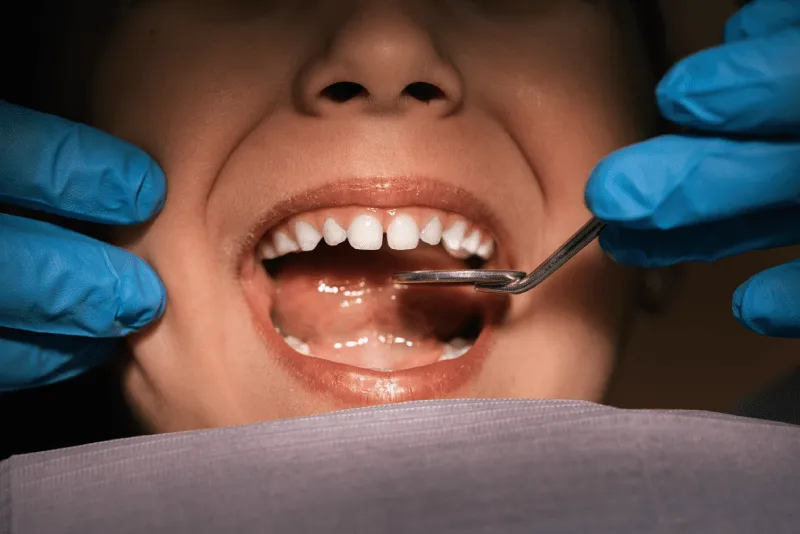
The upper lip frenulum (labial frenum) has an important role in diastema formation. The frenulum is a thin band of tissue that connects the upper lip to the gum. If this band is thicker than normal and attaches to the gum at a point too close to the middle of the two front teeth, it physically prevents the teeth from coming closer together. This tension, over time, causes the teeth to move apart, resulting in a gap. In this situation, surgical correction of the frenulum (frenoplasty) is usually required for the permanent closure of the tooth gap.
Do bad habits in childhood cause gaps?
Absolutely yes. Certain bad habits acquired during childhood can negatively affect the position of the teeth and pave the way for gaps. Habits such as prolonged thumb-sucking, bottle feeding, or pacifier use apply constant pushing pressure to the front teeth, causing them to move forward and gaps to open between them. Detecting and stopping such habits at an early age can reduce the need for extensive orthodontic treatments later on. Therefore, it is of great importance for parents to carefully monitor their children’s oral habits.
How does tooth and jaw size mismatch create a gap?
The mismatch between tooth and jaw size is one of the most fundamental mechanical causes of diastema. If an individual’s jawbone is larger than normal while their teeth are relatively small, the teeth cannot fully occupy their positions on the jaw. This situation leads to the formation of spaces between the teeth. Similar to placing small objects in a large box, the teeth cannot achieve full contact in the dental arch. Such structural incompatibilities are usually inherited and can be resolved with orthodontic treatments or restorative procedures that increase tooth size.
Is it normal for a gap to form when baby teeth fall out?
Yes, the temporary formation of gaps is quite common and usually normal during the mixed dentition period when baby teeth are falling out and permanent teeth are starting to erupt. This condition is known as “ugly duckling stage” or “transient diastema.” As the jaw and permanent teeth develop, these gaps often close spontaneously. Especially when the canine teeth are erupting, the pressure they exert on the front teeth helps the gaps close naturally. If the gaps still do not close after all permanent teeth have erupted, then a dentist should be consulted.
Do gum diseases lead to diastema?
Advanced gum diseases (periodontitis) can play a significant role in the formation of tooth gaps. Periodontitis causes the destruction of the bone and tissues that support the teeth. When bone loss occurs, the support on the tooth roots decreases, and the teeth begin to move, which can lead to an increase in existing gaps or the formation of new gaps. Root surfaces of the teeth may become exposed with gum recession. Therefore, the gum health must be completely restored and the disease must be controlled before starting diastema treatment.
How does the tongue thrust reflex affect tooth spacing?
The tongue thrust reflex (tongue thrust), which is the pushing of the tongue against the front teeth during swallowing, can significantly affect and increase tooth spacing over time. In normal swallowing, the tongue pushes against the palate. However, in people with tongue thrust, the tongue applies a continuous and strong force to the front teeth, causing them to be pushed forward and resulting in a gap between them. This continuous mechanical force slowly moves the teeth away from their proper position. Special tongue habit-breaking appliances and myofunctional therapies may be necessary to correct this condition.
Can missing teeth cause a gap in the front?
Missing teeth, even if they are not in the front area, can affect the entire tooth alignment and cause gaps in the front. The absence of one or more teeth causes the other teeth to shift to close this space. Teeth naturally tend to lean against each other, but the loss of a back tooth disrupts the balance in the entire alignment, eventually causing the front teeth to separate. In such cases, to permanently solve the front tooth gap, it may be necessary not only to close the gap but also to replace the missing tooth with a prosthesis such as an implant or bridge.
Do gaps between teeth close spontaneously?
Whether a gap between teeth will close spontaneously depends on the cause of the gap and the individual’s age. Temporary gaps during the baby tooth stage usually close on their own. However, gaps that appear after the permanent teeth erupt or those caused by a structural reason like a frenulum are highly unlikely to close spontaneously. These types of diastema require active orthodontic force or restorative procedures to close. Therefore, consulting a dentist to determine the cause of the gap and initiating an active treatment plan is a better approach than waiting.
Does the small size of lateral incisors increase the gap?
The small or missing size of the lateral incisors leads to a situation aesthetically referred to as “peg lateral” and indirectly increases front tooth gaps. Small lateral incisors mean they do not occupy enough space in the dental arch. This volume deficiency contributes to the formation of a gap between the two central front teeth by preventing them from coming close enough together. In such cases, the gap problem is fundamentally solved by not only closing the central gap but also bringing the small lateral incisors to their ideal size with composite bonding or porcelain veneers.
Do thumb sucking and pacifier use trigger gaps?
Yes, oral habits such as thumb sucking, finger sucking, and prolonged pacifier use are among the main environmental factors that trigger tooth gaps. When these habits persist after the age of five, they apply continuous and reverse force to the front teeth, causing them to tilt forward and spaces to open between them. This situation can lead not only to diastema but also to more complex orthodontic problems such as an open bite. The earlier the habit is broken, the higher the chance of the teeth returning to their natural positions.
Do gaps between teeth grow with age?
It is possible for gaps between teeth to grow with age, especially if there is an underlying factor causing the gap. For example, gum diseases and bone loss that emerge with advancing age can weaken the supporting structure of the teeth, causing them to move and the gaps to widen. Furthermore, if habits like swallowing and tongue thrust continue as one gets older, this continuous force leads to the enlargement of the gaps. Therefore, starting diastema treatment before getting older can prevent facing bigger problems in the future.
Do gaps shift other teeth after extraction?
The extraction of a tooth disrupts the balance of the dental alignment in the mouth, which can cause the remaining teeth to shift and lead to the formation of new gaps in the front teeth or the widening of existing ones. Teeth tend to fill spaces, so the teeth adjacent to the extraction site move towards this area. This movement creates a domino effect, affecting the entire dental arch and eventually causing the front teeth to separate. Therefore, restoring the gap after extraction with an implant or bridge as quickly as possible is critically important for preserving the tooth alignment.
Are tooth gaps only an aesthetic problem?
While tooth gaps are often first perceived as an aesthetic problem, in some cases they can also lead to functional and speech-related problems. Large gaps, in particular, can make it difficult to pronounce certain sounds like ‘s’ and ‘z’ correctly, causing speech disorders (lisping). Furthermore, food impaction in the areas where the gaps are located can lead to gum inflammation and an increased risk of cavities. Thus, diastema treatment not only beautifies your smile but also improves your oral hygiene and speech quality.

How are front tooth gaps closed, what methods are available?
There are multiple effective methods in modern dentistry to close front tooth gaps, and the choice depends on the size of the gap, its cause, and the patient’s preferences. The main treatment options include orthodontic approaches (clear aligners or traditional braces) and restorative approaches (composite bonding or porcelain laminate veneers). Very small gaps can often be closed in a single session with filling materials, while larger gaps or structural issues may require orthodontic movement or surgical intervention. The dentist will perform a detailed analysis to determine the most appropriate solution.
Does orthodontic treatment (braces/clear aligners) definitely close the gaps?
Orthodontic treatment is one of the most permanent and natural-looking methods for closing tooth gaps, and with proper planning, it can definitely close the gaps. Traditional braces or the increasingly popular clear aligners (e.g., Invisalign) apply controlled forces to the teeth, slowly moving them closer together. Since orthodontics corrects the entire tooth alignment and bite in addition to closing the gap, it is the ideal solution, especially if the gap is caused by a structural problem (such as jaw misalignment). Retainers used at the end of the treatment prevent the gaps from reopening.
What is bonding application for tooth gaps, and how long does it last?
The bonding (composite filling) application for tooth gaps is a popular way to close small and medium-sized gaps quickly and minimally invasively. In this method, a special resin material (composite) matching the color of the tooth is carefully applied to the edges of the teeth, sculpted, and hardened to match the tooth’s natural shape. Bonding is usually completed in a single session and does not harm the tooth structure. Its longevity varies between 5 and 10 years, depending on the patient’s oral hygiene and chewing habits, and it can be renewed with a simple touch-up afterward.
When are porcelain laminate veneers preferred for closing diastema?
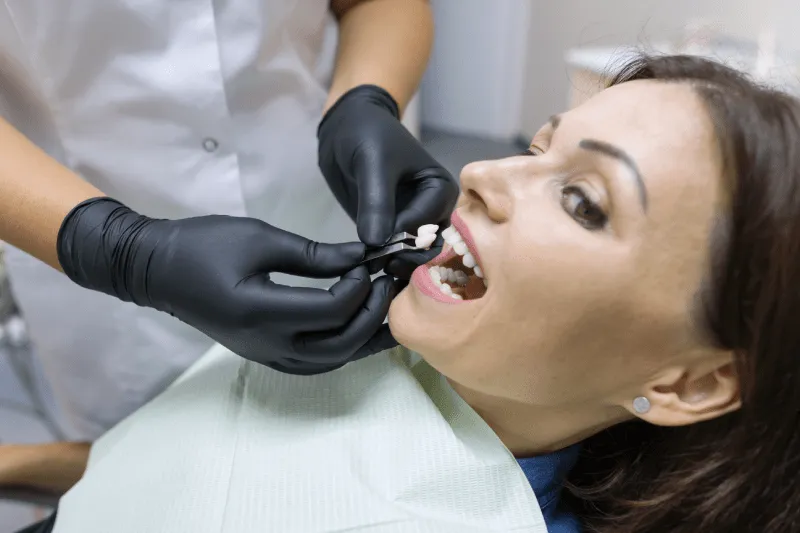
Porcelain laminate veneers are an aesthetic solution preferred when the goal is not only to close diastema but also to correct the color, shape, or slight misalignment of the tooth simultaneously. These thin porcelain coverings, prepared by removing a very thin layer from the front surface of the tooth, close the gap permanently and with excellent aesthetics. Porcelain laminates yield the best results, especially in cases where the size or shape of the teeth needs to be changed while closing the gap (e.g., small lateral incisors). Thanks to the porcelain’s resistance to staining and its longevity, a much brighter and more lasting smile is achieved.
How is the gap closing procedure done with dental crowns?
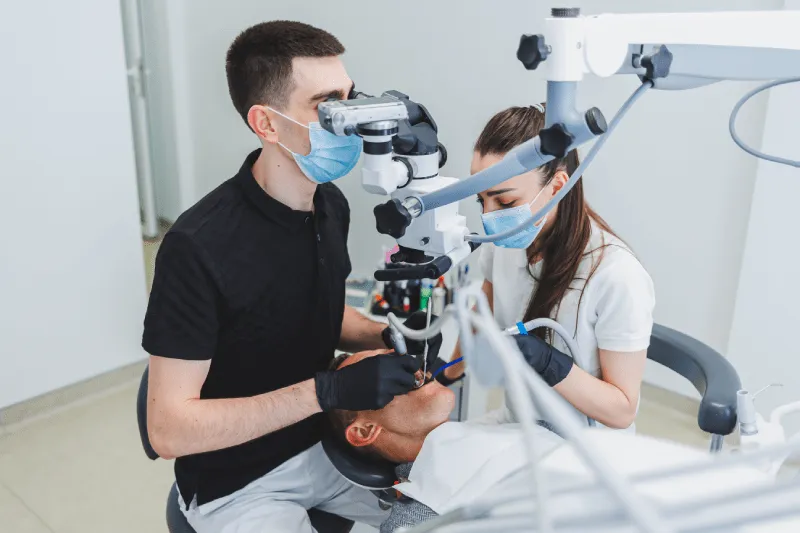
The gap closing procedure with dental crowns is usually applied when there are additional problems with the teeth, such as large fillings, fractures, or severe wear. In this method, the entire tooth is reduced, and porcelain or zirconium-based crowns prepared in the laboratory are placed over it. The crowns are designed in a new, aesthetic form suitable for the patient’s jaw structure and flawlessly close the gap between the front teeth. Since the crown covers the tooth entirely, it both closes the gap and provides maximum protection to the tooth. This is one of the most comprehensive restorative treatment options.
What is laser frenulum surgery (frenoplasty), and when is it necessary?
Laser frenulum surgery (frenoplasty) is a critical step in the treatment of diastema caused by the upper lip frenulum attaching too close to the middle of the two front teeth. In this simple surgical procedure, excess muscle tissue is cut using a laser or scalpel, and the tension of the band is reduced. Frenoplasty is usually performed before the orthodontic or restorative treatment intended to close the tooth gap. This operation is vital in preventing the teeth from separating again after treatment, as it eliminates the main source causing the gap. Thanks to the use of a laser, the procedure is bloodless, and the healing process is quick.
Why is gum health important in gap closing treatment?
Gum health is critically important in tooth gap closing treatment because teeth must move and be supported on a healthy foundation. If gum inflammation (gingivitis) or advanced gum disease (periodontitis) is present, the gap closing procedure cannot be successful. Uncontrolled gum inflammation slows down tooth movement and increases the risk of the gap reopening after treatment. Therefore, before starting any orthodontic or restorative procedure, the dentist must first complete gum treatments to make the oral environment completely healthy.
How do impacted teeth affect gap treatment?
Impacted teeth, especially the canine teeth, can complicate diastema treatment by pushing neighboring teeth or creating gaps when they fail to take their proper place in the dental alignment. Canine teeth normally help close the gaps in the front teeth. If these teeth are impacted, the expected natural closure does not occur, and sometimes it can cause shifting in other teeth. If the presence of impacted teeth is detected, the orthodontist must first restore the balance of the dental alignment by pulling these teeth into the jaw (eruption surgery) or by extraction, if necessary.
Is there pain or sensitivity during gap closing treatments?
The pain or sensitivity experienced during gap closing treatments varies depending on the chosen method. In composite bonding and porcelain laminate veneer applications, only temporary and mild sensitivity usually occurs since the teeth are minimally intervened with. However, in orthodontic treatments (braces or clear aligners), mild pressure or pain can be felt for a few days after the initial placement or aligner change because the teeth are moving. This pain can usually be easily managed with simple painkillers and is a natural sign that the teeth are moving.
Which gap closing method yields the fastest results?
The fastest methods for closing gaps are composite bonding and porcelain laminate veneers. Composite bonding is usually completed in a single dental visit, in about 1-2 hours, closing the gap instantly. Porcelain laminate veneers may take 1 to 2 weeks due to the preparation, impression-taking, and laboratory fabrication stages, but they transform your smile permanently and quickly. Orthodontic treatments can take from 6 months to 2 years, depending on the size of the gap, but they offer the most natural and structural solution.
How many different materials are used in diastema treatment?
The main materials used in diastema treatment vary according to the chosen method. In composite bonding, a special tooth-colored resin material called composite is used. In porcelain laminates and crowns, porcelain or zirconium-based materials that offer high aesthetics and durability are preferred. In orthodontic treatments, wires and brackets made of stainless steel or clear thermoplastic aligners made of medical-grade plastic are used. Each material has its own advantages in terms of aesthetics, durability, and cost.
How should dental care be performed after gap closure?
Dental care after gap closure is vital to ensure the permanence of the treatment and the continuation of oral health. Especially if composite bonding has been done, care should be taken with the consumption of colored foods such as coffee, tea, and red wine to prevent staining, and regular brushing should be maintained. If porcelain veneers or crowns have been applied, it is important to keep the gums healthy by using dental floss and interdental brushes. After orthodontic treatment, the regular use of the protective retainer or fixed retainer recommended by the doctor is essential to prevent the teeth from shifting back to their old positions.
Is there an age limit for closing tooth gaps?
There is no definitive upper age limit for closing tooth gaps. Adults of any age with healthy gums and adequate bone structure can receive diastema treatment. While orthodontic treatments can be applied at any age, only healthy teeth and gums are sufficient for restorative procedures (bonding and veneers). In children, it is generally preferred to wait until the permanent dentition is complete (around 12-14 years old), but protective treatments can be started early to correct bad habits. The important thing is that the overall oral and jaw health is suitable for the treatment.
What is the preparation process before gap closing treatment?
The preparation process before gap closing treatment is crucial for a successful outcome. This process begins with a detailed intraoral examination, X-rays, and photos. The dentist determines the cause of the gap and decides on the most appropriate treatment plan with the patient. If gum diseases or cavities are present, they must be addressed before starting the treatment. Dental cleaning is done before orthodontics, while impressions or digital scans of the teeth are taken for restorative treatments. Sometimes minor surgical procedures like frenulum surgery may also be included in the preparation process.
Can gaps reopen after treatment?
There is a risk of gaps reopening after treatment, but this risk can be minimized with appropriate preventive measures. Especially after orthodontic treatment, the retention phase is critical to ensure that the teeth remain in their new positions. Thin, fixed wires bonded to the back surface of the teeth or clear aligners worn at night prevent this relapse. If the cause of the gap is the frenulum, and orthodontics is applied without frenoplasty, the gap is highly likely to reopen. Strictly following the doctor’s instructions after treatment is the key to permanence.
What determines the prices of diastema closing treatments?
The prices of diastema closing treatments vary greatly depending on the chosen method, the quality of the materials used, the size of the gap, and the geographical location where the treatment will be performed (country/city). For example, composite bonding performed in a single session will be less costly than porcelain veneers covering multiple teeth or long-term orthodontic treatment. Additionally, the expertise of the treating dentist and the technological equipment of the clinic are also influential factors in pricing. Therefore, getting a personalized price quotation after a comprehensive examination is the most accurate approach.
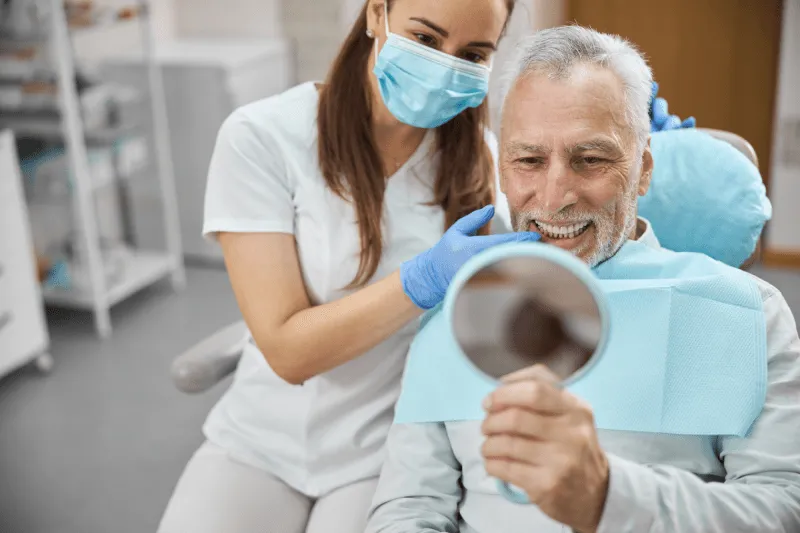
Why has dental treatment in Turkey become so popular?
Turkey has become a global attraction center in the field of dental treatment in recent years. The main reasons for this popularity are modern clinics equipped with advanced technology, internationally recognized and highly educated dentists, much more affordable costs compared to Western countries, and the opportunity to combine the treatment process with a luxurious holiday on the Mediterranean or Aegean coasts. The high standards of quality health services provided, along with the hospitable Turkish culture, have made Turkey an indispensable health tourism destination for international patients. Patients prefer Turkey to both renew their smiles and have an unforgettable holiday experience.
What does it mean to come to Turkey with Cure Holiday (Health Tourism)?
Cure Holiday, or Health Tourism, means combining a significant medical procedure like dental treatment with a cultural and relaxing holiday experience. Patients coming to Turkey not only close their tooth gaps or have other aesthetic procedures done but also get the opportunity to explore the historical richness of Istanbul, the sunny beaches of Antalya, or the vibrant streets of İzmir. Treatment schedules are flexibly adjusted to be integrated into the patient’s holiday plan. Thus, patients return to their home countries with a renewed smile and a rested mind.
Are the costs of closing front tooth gaps advantageous in Turkey?
The costs of closing front tooth gaps in Turkey are between 50% and 70% more advantageous than the same quality of treatments in Europe, North America, and other developed countries. This cost advantage stems from the general economic structure and lower operating expenses, which does not mean compromising the quality of service. All diastema solutions such as composite bonding, porcelain veneers, or orthodontic treatment are offered at much more affordable prices with the latest materials and techniques. This enables patients to achieve the smile they dreamed of without straining their budget.
What kind of clinic facilities are available in cities like Istanbul, Antalya, or Izmir?
Major cities like Istanbul, Antalya, and Izmir are the centers of Turkey’s health tourism infrastructure and boast clinic facilities of international standards. Clinics in these cities utilize the latest technology in digital smile design, CAD/CAM technology for same-day porcelain production, 3D imaging (tomography) devices, and sterilization practices. Staff often speak multiple languages (English, German, etc.) and offer luxury waiting areas, private transfer, and accommodation coordination services for patient comfort. Patients have the opportunity to receive the most advanced treatments with high comfort.
What is the experience and expertise of dentists in Turkey like?
Dentists in Turkey typically undergo a very intensive training process and hold many internationally recognized diplomas and certificates. Turkish dentists, especially those specializing in aesthetic dentistry and orthodontics, are highly skilled in both academic knowledge and practical experience. They continuously attend international congresses and seminars to integrate the latest treatment methods into practice. The high volume of aesthetic cases they handle in Turkey has built deep expertise and experience in solving specific problems like diastema.
How is a travel plan made for treatment in Turkey?
Planning a trip to Turkey for treatment is made quite simple, usually thanks to the comprehensive services offered by the clinics. The first step typically begins with an online consultation or video call with the clinic abroad. In this consultation, the treatment plan, estimated duration, and cost are determined. The clinic then usually assists with flight and visa arrangements (if necessary), airport transfers, and accommodation coordination. All the patient needs to do is determine the suitable dates for treatment and prepare their personal belongings. All logistical details are professionally managed with the patient’s comfort in mind.
How are accommodation and transportation organized during the treatment process?
Health tourism clinics in Turkey generally organize accommodation and transportation needs for international patients from A to Z. Patients are offered comfortable hotel options or private apartment rentals close to the clinic. All transfers from the airport to the hotel and from the hotel to the clinic are provided free of charge with special VIP vehicles. This service eliminates the stress of navigating an unfamiliar city and allows patients to fully focus on their treatment process. Accommodation and transportation organization are provided as an integral part of the treatment package, elevating the patient’s experience to a luxurious level.
What are the guarantees and follow-up procedures for dental treatment in Turkey?
Leading clinics in Turkey usually offer internationally standard guarantees and comprehensive follow-up procedures for the dental treatments they perform. For example, long-term (5-10 years) material and craftsmanship guarantees are provided for porcelain veneers or zirconium crowns. After the treatment is completed, patients are given detailed care instructions and remote check-up options if deemed necessary. Most clinics continue to provide support via easily accessible communication channels for questions or issues that may arise even after patients return to their home countries, so patients feel secure.
Is it possible to combine dental treatment with a holiday in Turkey?
It is absolutely possible, and in fact, this forms the basis of the “Cure Holiday” concept. Procedures like closing front tooth gaps (especially bonding or short-term veneer applications) can usually be completed within a few days. These short treatment times allow the patient to dedicate the rest of their time to holiday activities such as sightseeing, enjoying the beach, and visiting historical and cultural sites. Treatment appointments are scheduled flexibly, such as early mornings or midday, so as not to disrupt the holiday program. This unique combination offers not only treatment but also an opportunity for mental and physical rejuvenation.
What are the reliability and advantages of having dental treatment in Turkey?
The reliability of dental treatment in Turkey is ensured by its modern technological infrastructure, international accreditations, and highly qualified staff of physicians. Clinics operating under the regulations and supervision of the Turkish Ministry of Health strictly adhere to hygiene and quality standards. The main advantages include: access to high-quality treatments, Western-standard service, significantly lower costs, short treatment duration, and the opportunity for a holiday rich in historical/natural beauty. Turkey offers a profitable experience in terms of both health and tourism, exceeding patient expectations.
Is orthodontics or restorative methods better for closing diastema?
Which method is better depends entirely on the individual’s oral structure, the size of the gap, and the underlying cause. Orthodontics closes the gap naturally by moving the teeth and offers a permanent structural solution; however, this process takes time. Restorative methods (bonding/veneers) provide a fast aesthetic result and can correct tooth sizes but usually require intervention on healthy tooth tissue. For small gaps, bonding may be suitable, while for large gaps and general bite issues, orthodontics might be more appropriate. A detailed consultation with a dentist will help you make the most accurate personal decision.
Does closing the gaps in the front teeth affect speech?
Closing the gaps in the front teeth generally has a positive effect on speech. Large diastema, in particular, can cause whistling or air leaks that prevent the correct pronunciation of certain sounds (like s, z, sh). When the teeth are brought closer together and the gap is closed, airflow normalizes, and these speech defects are eliminated. A short adaptation period may be necessary immediately after treatment for the tongue to get used to the new situation, but ultimately, speech becomes clearer and smoother.
How long do aesthetic dental treatments take in Turkey?
The duration of aesthetic dental treatments in Turkey varies greatly depending on the type of procedure. For example, composite bonding is usually completed in a single day, and patients leave with their new smiles on the same day. For porcelain laminate veneers and crowns, a travel plan of typically 5 to 7 days is sufficient, including the laboratory process. Although orthodontic treatments (including clear aligners) take months, it is possible for the patient to come to Turkey for only a few days for the initial placement and regular checks, and then continue the rest of the process by changing their aligners in their home country.
How is digital smile design used for gap closure?
Digital Smile Design (DSD) is a modern planning tool that allows the patient to preview the outcome of the gap closing treatment. Using the patient’s photographs and videos, the dentist designs the ideal form of the teeth and the closed gaps through special software. This design is created considering the patient’s facial features, lips, and personal preferences. The digital model approved by the patient can then be shown in the mouth with a temporary trial model called a mock-up, allowing the patient to clearly see what the final result will be before starting the treatment.
How does gum level correction support gap closure?
Gum level correction (gingivoplasty or gingivectomy) is performed to optimize the aesthetic result, especially when closing gaps with restorative treatments like porcelain veneers or crowns. In patients with gaps between the front teeth, situations such as asymmetrical gums or teeth appearing shorter than they are, are common. By leveling the gum lines with a laser or surgery and revealing the ideal length of the teeth, the smile looks more harmonious and proportionate after the gap closing procedure. Gum aesthetics is a complementary element of a perfect smile.
What are the differences between composite bonding and porcelain veneer?
Composite bonding is done by directly applying and shaping tooth-colored resin onto the tooth; it is more affordable, faster, and involves almost no removal of tooth structure. However, it can be more prone to staining than porcelain, and its average lifespan is shorter. Porcelain veneers are custom-made in a laboratory to the exact measurements of the tooth; they offer extremely high resistance to staining, are much brighter, and provide long-lasting aesthetics that can last up to 15-20 years. Porcelain is generally superior to bonding in terms of aesthetic appearance and permanence, but it is more expensive.
Do gaps in the front teeth affect chewing function?
Gaps in the front teeth generally do not directly affect chewing function, as the main chewing force is provided by the back teeth (molars). However, very large gaps can cause difficulty when biting or tearing certain hard foods. Furthermore, the presence of gaps can lead to food particles getting stuck between the teeth, causing gum sensitivity and discomfort. Therefore, closing the gaps not only improves aesthetics but also indirectly improves eating comfort and overall oral hygiene.
What is the difference between closing a gap with clear aligners versus traditional braces?
Clear aligners make the process of closing tooth gaps more aesthetic and comfortable compared to traditional braces. While braces are fixed and visible, clear aligners are removable, almost invisible, and cause less metal irritation. While braces can manage more complex tooth movements, clear aligners are generally ideal for aesthetic-focused and gentler movements. Oral hygiene is easier to maintain with aligners because they can be removed for eating and brushing. Both methods are effective in closing the gap, but clear aligners are more popular among adults concerned about aesthetics.
What is the success rate of gap closing treatment?
The success rate of tooth gap closing treatment is quite high with correct diagnosis and appropriate method selection. The success in orthodontic treatments depends on the use of a retainer, and permanent results over 90% can be achieved. Restorative treatments (bonding, veneers), when correctly applied, close the gap instantly and with high aesthetics. The key to success is eliminating the underlying cause of the gap (frenulum, tongue thrust, etc.). If the cause is not eliminated, there is a risk of the gap reopening. Therefore, planning by an experienced specialist is very important.
What documents are required for dental treatment in Turkey?
For dental treatment in Turkey, usually only your passport and a confirmation document containing the details of your scheduled appointments are sufficient. In some cases, if you have previous dental records or X-rays that the clinic may request, it is useful to have them with you. Although Turkey does not require a visa for citizens of many countries, it is important to check whether you need one. Since clinics generally provide translation and guidance services to assist you during the treatment process, there is no need to worry about the language barrier.
What foods should people with front tooth gaps avoid?
People with front tooth gaps should avoid certain foods depending on the treatment process. During orthodontic treatment, hard, sticky, and crunchy foods that can damage the brackets (caramel, gum, nuts, etc.) should be avoided. After composite bonding application, it is important to stay away from colored drinks and foods such as coffee, tea, and red wine, especially in the first 48 hours, to minimize the risk of staining. Generally, it is important to avoid biting hard substances with the front teeth until the gaps are closed and to maintain oral hygiene.
Is it possible to close a gap without braces?
Yes, it is possible to close tooth gaps without braces (traditional orthodontic treatment). Composite bonding application or porcelain laminate veneers can be used for small and medium-sized gaps. Additionally, clear aligners (known as invisible orthodontics) are an aesthetic alternative that does not require braces and gives successful results in many diastema cases. These restorative and aesthetic treatments performed without braces are often preferred by adults due to both the quick results and the advantage of not wearing a visible appliance.
When do tooth gaps require emergency treatment?
Tooth gaps generally do not require emergency treatment; they are usually addressed within an aesthetic or functional plan. However, emergency dental intervention may be required if the condition causing the gap is a rapidly progressing gum disease (periodontitis), or if the sudden enlargement of the gap indicates trauma or a serious infection. Furthermore, severe speech difficulties or infections due to continuous food impaction caused by the gap may also necessitate accelerating the treatment process. The dentist will aim to address any underlying health issues first in all cases.
Is translation service provided when getting treatment in Turkey?
Health tourism-focused clinics in Turkey offer comprehensive translation services to ensure international patients do not experience a language barrier. Competent staff or dedicated translators for common languages such as English, German, French, Russian, and Arabic are available throughout the process, from the initial consultation to post-treatment follow-ups. This service ensures that patients fully understand the treatment plan, procedures, and instructions, eliminating misunderstandings or stress that may arise from communication gaps. The translation service is usually included as part of the treatment package.
When is implant treatment used to close a tooth gap?
Implant treatment is used to close a tooth gap when the cause of the gap is a completely missing tooth. If the gap between the front teeth is caused by the congenital absence (agenesis) of the adjacent lateral incisor, an implant is the best way to permanently and naturally replace this missing tooth. The implant acts as an artificial root placed in the jawbone, and the gap is closed with a porcelain crown placed on it. This solution provides the most natural result, both aesthetically and functionally, without touching the adjacent teeth.
How is a comparison of treatment prices for tooth gaps made?
When comparing treatment prices for tooth gaps, it is necessary to pay attention not only to the final figure but also to the services included in the package and the quality of the materials used. Check what is included in the price quotation: X-rays, anesthesia, temporary teeth, laboratory costs, transfers, and warranty period. While composite bonding is inexpensive, porcelain veneers are more costly. When getting a quotation from a clinic in Turkey, ensuring that specialized dentists with international certifications are working and that the quality of the porcelain brands used is high will enable you to make the most accurate decision in terms of price-performance.
Why should clinics in Turkey be preferred for international patients?
Clinics in Turkey have become an attractive option for international patients by offering a range of advantages. These advantages include fast appointment processes that maximize the patient’s time, the ability to complete even complex treatments within a few days, and significant cost savings without compromising the quality of care. Furthermore, hospitals and clinics are internationally accredited and offer comfort and luxury services during the treatment. Turkish hospitality and cultural richness turn the treatment experience into an unforgettable holiday memory.
Is it necessary to come back to Turkey for post-treatment check-ups?
It is generally not necessary to immediately come back to Turkey for post-treatment check-ups. Most Turkish clinics maintain follow-up by cooperating with the patient’s dentists in their home countries or through remote teledentistry methods. A check-up may be recommended within the first year after porcelain or zirconium applications, but this is not mandatory. In orthodontic treatments, the monitoring of aligners is usually done by the patient in their home country. However, if a major issue arises or if the patient wants to feel more secure, many clinics offer affordable check-up visit options.
What is the latest technology used in smile aesthetics treatments?
The latest technologies used in smile aesthetics treatments include artificial intelligence-supported digital smile design (DSD), intraoral 3D scanners, and CAD/CAM technology. 3D scanners make impression-taking more comfortable and precise. CAD/CAM technology shortens the laboratory time for porcelain veneers or crowns, allowing the patient to receive temporary or even final prosthetics on the same day. These technologies accelerate the treatment process, minimize the margin of error, and facilitate meeting expectations by enabling the patient to preview the treatment outcome.
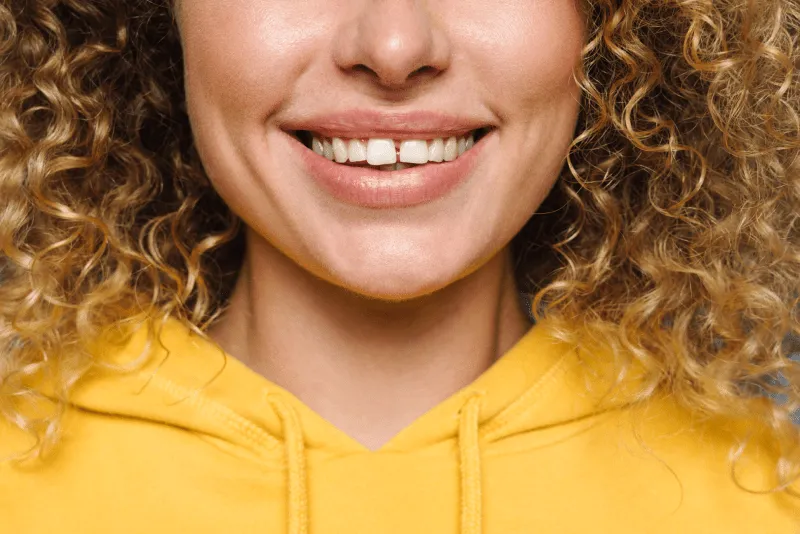
What should be done for long-term prevention of diastema reopening after treatment?
Long-term protection and retention strategies should be implemented to prevent diastema from reopening after treatment. Following orthodontic treatment, a thin, fixed retainer wire placed on the back surface of the teeth or clear protective aligners that must be worn regularly at night are used. In restorative treatments (bonding or veneers), habits that cause the gap (tongue thrust, thumb sucking) must be eliminated. Furthermore, annual dental check-ups and regular professional dental cleaning help keep the teeth in place by protecting gum health.
How meticulous are dental clinics in Turkey regarding hygiene and sterilization?
Dental clinics in Turkey that provide internationally standard services are extremely meticulous about hygiene and sterilization and comply with European Union (EU) standards and international protocols in this regard. Clinics use autoclaves (high-pressure sterilization devices), single-use materials, and strict hygiene protocols to completely eliminate the risk of cross-infection. This meticulousness is one of the fundamental requirements of health tourism to ensure patient safety and complete the treatment process in the healthiest way. Inspections guarantee that these high standards are maintained.
Is the tooth gap closing procedure covered by insurance?
Whether the tooth gap closing procedure is covered by insurance may vary depending on the cause of the gap and the treatment method applied. If the gap is being closed solely for aesthetic concerns, most private health insurance policies may not cover these costs. However, if the gap is caused by gum disease, speech disorder (phonetic problems), or a structural problem affecting chewing function, orthodontic or surgical interventions may be partially covered by insurance. Patients are advised to thoroughly check their insurance policies and get pre-approval from their clinics before starting treatment.
What is the best time frame for dental treatment in Turkey?
The best time frame for dental treatment in Turkey is the spring (April-June) and autumn (September-October) months, when the patient can both focus on treatment and enjoy the holiday. During these periods, the weather temperatures are ideal for a pleasant holiday, tourist sites are less crowded compared to the summer months, and clinic appointments can be more flexible. Winter months can also be appealing in terms of affordability and ease of appointments, while the summer months (July-August) can be busier for clinics and hotels due to the peak tourism season.
Are painkillers or medication used during tooth gap closing treatment?
Painkillers or other medications may be used during and after the tooth gap closing treatment, depending on the procedure applied. Composite bonding or veneer applications are usually painless, so painkillers are rarely required. However, mild sensitivity or pain may occur after a surgical procedure (frenoplasty) or an orthodontic adjustment. In these cases, the dentist may prescribe over-the-counter painkillers or sometimes antibiotics (if there is a risk of infection). Patients must strictly follow the doctor’s instructions for a comfortable recovery process.
How much are teeth reduced when closing front tooth gaps?
How much the teeth are reduced when closing front tooth gaps depends on the chosen treatment method. In composite bonding, teeth are generally not reduced at all, or only a very minimal roughening is done on the surface. For porcelain laminate veneers, only a very thin layer, between 0.3 mm and 0.5 mm—the thickness of a fingernail—may need to be removed from the front surface of the tooth. This minimal abrasion is done to ensure the porcelain fits the tooth perfectly and provides a natural appearance. More tooth structure is reduced for zirconium or full crowns.
What are the reviews and experiences of patients treated in Turkey like?
The reviews and experiences of international patients treated in Turkey are generally very positive and satisfactory. Patients often highlight the modern equipment of the clinics, the expertise of the dentists, the quality of the transfer and accommodation services provided, and the success of the aesthetic results they achieve. Especially when compared to the costs in Europe and America, the fact that they receive the same quality of service in Turkey at a much more affordable price is a great source of satisfaction. Many patients recommend their experience to others because they combine the treatment process with an enjoyable holiday memory.
What should be considered when choosing a dentist?
When choosing a dentist, especially for aesthetic-focused treatments like diastema, attention should be paid to the dentist’s experience and specialization. Check if the dentist has expertise in aesthetic dentistry or orthodontics and if they have international training or certifications. It is also important to examine photos of similar cases the dentist has done before (before/after) and inquire whether they use modern technologies such as digital smile design (DSD). The hygiene standards of the clinic and the way they communicate with patients should also be decisive factors in the decision-making process.
Is the lifespan of teeth reduced after closing a front tooth gap?
Front tooth gaps closed with correct and minimally invasive methods do not reduce the lifespan of the teeth; on the contrary, they can even support dental health by better distributing chewing forces and preventing food impaction. Composite bonding and porcelain veneers cause very little or no damage to the tooth structure. In orthodontic treatment, the teeth merely change position. The important thing is that the treatment is planned by an expert dentist in the field, in a way that preserves the natural structure of the tooth. As long as regular care is provided after treatment, the teeth will remain healthy.
Is a visa required for dental treatment in Turkey?
The visa requirement for patients traveling to Turkey for dental treatment depends on their country of citizenship. Citizens of many European countries and some others can travel to Turkey visa-free. However, an electronic visa (e-Visa) or a visa obtained through an embassy/consulate may be required for some countries. Clinics usually inform their patients about this and provide the necessary guidance. It is always the safest approach for the patient to check the current visa requirements before finalizing their travel plan.
Can the treatment plan be changed without the patient’s consent?
No, a comprehensive dental treatment plan cannot be changed without the patient’s explicit and written consent. Before starting the treatment, the dentist clearly explains all treatment options, expected outcomes, potential risks, and costs to the patient. With digital smile design and mock-up applications, the patient sees what the outcome will be. However, if an unexpected situation arises during treatment (for example, a hidden infection at the tooth root), the dentist informs the patient, explains the new situation, and asks for consent again for the change. Patient consent is always essential in patient-centered healthcare services.
What payment methods do clinics in Turkey accept?
Health tourism clinics in Turkey generally accept multiple payment methods for the convenience of international patients. The most commonly accepted methods include bank transfer (before or after treatment), cash payment (Euro, Dollar, or Turkish Lira), and international credit cards. Some clinics may also offer installment options through agreements with the patient’s bank in their home country. It is most appropriate to discuss payment methods and exchange rate practices in detail with clinic officials before starting treatment.
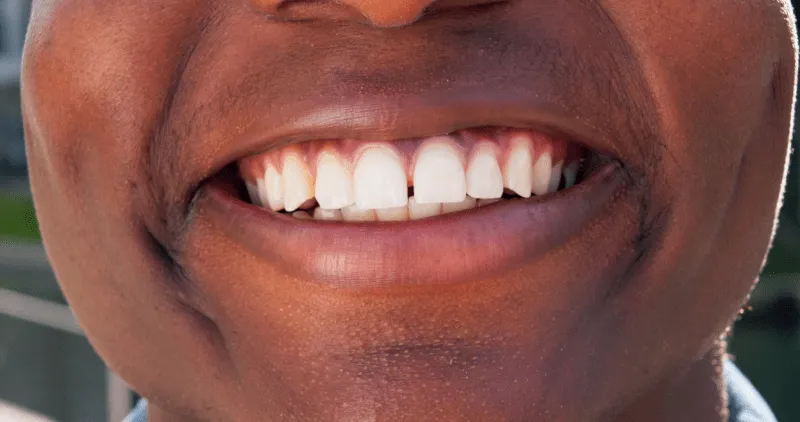
When should people with front tooth gaps consult an aesthetic dentist?
People with front tooth gaps should consult an aesthetic dentist as soon as the condition causes aesthetic discomfort or leads to speech/functional problems. Early diagnosis and intervention usually offer simpler and faster solutions. It is important not to waste time, especially in young ages, when the growth potential of the gaps or inconsistencies between permanent teeth are noticed. Whenever your aesthetic concerns begin, consulting a specialist at that time will be the first step in determining the best personalized treatment plan for you.
Is there time left for touristic activities while getting treatment in Turkey?
There is plenty of time left for touristic activities while getting treatment in Turkey. Aesthetic treatments such as diastema closure are usually planned quickly, and the waiting times in between (for example, the time for porcelain to be prepared in the laboratory) allow patients to take a holiday. Treatment appointments are generally scheduled in the mornings or at short intervals, so patients can explore historical sites, museums, markets, and natural beauties in the afternoons and on weekends. The number of days your treatment process will take will be meticulously organized by the clinic according to your holiday plan.
What should be considered after closing a tooth gap?
The most important thing to consider after closing a tooth gap is to meticulously follow the care instructions that vary according to the type of treatment applied. If bonding or veneers have been applied, the consumption of coloring foods should be limited, and biting hard foods with the front teeth should be avoided to prevent discoloration. After orthodontic treatment, the regular and correct use of retainer devices is indispensable to prevent relapse. For all patients, regular and correct brushing, flossing, and dentist check-ups prolong the life of the treatment.
Is the cost advantage of a treatment holiday only due to lower treatment prices?
The cost advantage of a treatment holiday is not only due to lower treatment prices; it is also integrated with the fact that flight tickets, accommodation, and holiday expenses are more affordable than the general cost of living in Western countries. Most importantly, patients usually save significantly from their overall budget by combining the treatment they would receive at a high price and with long waiting times in their home country, with a shorter, more economical holiday experience in Turkey. This integrated cost advantage makes Turkey a unique option.
What happens if the front tooth gaps cannot be completely closed?
In very rare and complex structural cases, it may be the case that the front tooth gaps cannot be closed completely. If the gap cannot be completely closed, dentists usually aim to reduce the gap to an aesthetically acceptable minimum level or to leave the uncloded part of the gap as a smaller, acceptable space while preserving the natural size of the teeth. The reasons for this situation (extreme jaw misalignment, differences in tooth size) are explained to the patient in advance, and an aesthetic illusion can be created with restorative solutions such as porcelain veneers to hide the remaining gap.
Do clinics in Turkey have international accreditations?
Many leading dental clinics and hospitals in Turkey have international accreditations to prove their service quality and safety standards. These accreditations include Joint Commission International (JCI), International Organization for Standardization (ISO), and Turkish Dental Association (TDB) standards. These certificates show that the clinics provide services compliant with not only Turkish but global health standards. Clinics with international accreditations are an added indicator of reliability and quality, especially for foreign patients coming for health tourism.
Is tooth gap closing treatment planned personally for the individual?
Yes, tooth gap closing treatment is definitely planned personally for the individual. Every person’s jaw structure, tooth size, the cause of the gap, and aesthetic expectations are different. Composite bonding suitable for one patient may be insufficient for another and may require orthodontic treatment. The dentist uses digital smile design (DSD) tools, considering the patient’s facial features, smile line, lip position, and personal wishes. This personalized approach is essential to achieve the most natural results that best meet the patient’s expectations.
Stop Being Afraid to Smile!
Gaps between the front teeth are a common problem that can be permanently and effectively closed with various methods offered by modern dentistry. Whether it’s bonding for a quick fix, porcelain veneers for a comprehensive aesthetic transformation, or orthodontics for a structural correction, there is definitely a suitable solution for you.
Turkey combines world-class clinical services, specialized physicians, and a much more favorable cost advantage compared to Western countries, making it an ideal destination for renewing your smile. As you embark on your journey to close the gaps in your front teeth, you can crown the success of your treatment with a luxurious holiday experience by planning a Cure Holiday in Turkey.
Free Consultation
Fill out the form below to get your free medical travel plan and price quote.