What is Rhinoplasty Surgery and How is it Defined?
Rhinoplasty is one of the most preferred aesthetic surgical procedures worldwide and is commonly known as nose aesthetics among the public. This procedure aims to reshape the nasal structure both visually and functionally. Surgeons can change the size, angle, or bridge structure of the nose by intervening in the bone and cartilage tissue. This change not only beautifies the external appearance but can also increase the breathing capacity, which directly affects the patient’s quality of life. Thanks to the innovations brought by modern medicine, rhinoplasty has now become a much more precise and personalized operation planned specifically for the individual.
Who is a Suitable Candidate for Nose Surgery?
The most ideal candidates for nose aesthetics are healthy individuals who are aesthetically dissatisfied with their nose structure or have difficulty breathing. Since nasal development is generally expected to be completed, people aged 18 and over are considered suitable for this surgery. People with a hump on their nose, those experiencing a drooping nasal tip, those with asymmetrical nostrils, or individuals whose nose structure was damaged as a result of an accident can apply for this procedure. In addition, functional rhinoplasty offers a vital solution for those experiencing health problems such as chronic sinusitis or septum deviation. The fact that the patient’s expectations are realistic before the surgery is a factor that directly affects the satisfaction to be obtained from the result.
How Should the Pre-Surgical Preparation Process Be?
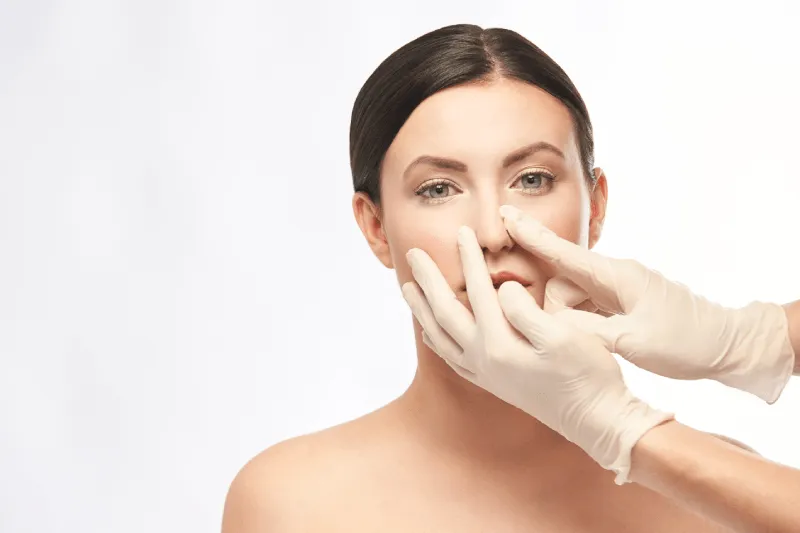
The preparation period for rhinoplasty surgery is a critical stage that determines the success and recovery speed of the operation. The first step is to perform a detailed consultation with a specialist surgeon. In this process, the patient’s medical history is examined, the nose structure is analyzed, and the surgical plan is visualized with digital simulations. It is strongly recommended by surgeons to stop smoking and alcohol use at least two weeks before the surgery and to stop blood-thinning medications. It is also very important to eat healthily and consume enough fluids so that the body enters the operation vigorously. These preparations prevent complications that may occur during the surgery and help bruises and swellings pass faster.
How Long Does Rhinoplasty Surgery Average?
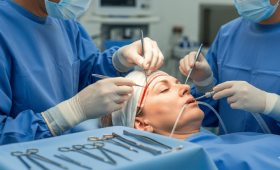
The duration of a rhinoplasty surgery varies according to the current structure of the nose and the scope of the intervention to be performed. Generally, operations involving simple aesthetic touches are completed within 1.5 to 2 hours, while more complex cases where breathing problems are also resolved can take up to 4 hours. If it is necessary to take cartilage from the patient’s rib or ear, this period may be slightly longer. The operation is usually performed under general anesthesia, which ensures that the patient does not feel any pain throughout the process. The experience of the surgeon and the technological equipment used are also important factors that optimize the operation time.
What are the Differences Between Open and Closed Techniques?
Two main techniques are basically used in rhinoplasty surgery: open and closed techniques. In the open technique, a small incision is made in the thin skin area between the nostrils, and the surgeon performs the procedure by seeing the nose structure completely. This method provides a great advantage, especially in difficult cases and revision surgeries. In the closed technique, all incisions remain inside the nostrils, so no scars are visible from the outside. The closed method is generally preferred because the recovery time is shorter and there is less edema. Which technique will be applied is decided jointly according to the patient’s nose structure and the surgeon’s area of expertise.
How Does the Post-Surgical Recovery Process Progress?
Recovery after rhinoplasty is a journey that requires patience but gives pleasing results. For the first few days after the surgery, there may be a splint on the nose and silicone tampons inside. It is completely normal to have bruising and swelling around the eyes in the first 48 hours, and it can be controlled with ice application. At the end of the first week, the stitches and splint are removed; at this point, patients can usually return to their social lives. However, it takes between 6 months and 1 year for the edema in the nose to completely subside and for the nose to take its final shape. During this process, it is critical to avoid heavy sports and protect the nose from impacts.
What are the Aesthetic Benefits of Nose Surgery?
Aesthetically, rhinoplasty brings the nose structure, which is located at the most central point of the face, into perfect harmony with other facial features. Correcting the nasal hump, narrowing the nasal wings that are too wide, or lifting a low nasal tip completely changes the person’s profile image. This change is not just the shaping of an organ, it ensures that the entire face looks younger, more dynamic, and characteristic. Most people notice that they have a more balanced facial structure in their post-operative photos. The key to aesthetic success is that the operation does not look “artificial” and brings the person’s natural beauty to the fore.
How is Facial Symmetry Achieved With Rhinoplasty?
One of the cornerstones of facial beauty is symmetry, and the nose is the epicenter of this symmetry. A crooked nose structure or asymmetrical nostrils disrupt the overall balance of the face and can overshadow other beautiful features. Millimetric corrections made during rhinoplasty surgery ensure that the nose sits exactly on the midline of the face. Surgeons try to catch a ratio (golden ratio) by considering not only the nose but also the patient’s jaw structure and forehead width. Thanks to this holistic approach, asymmetries in the face are eliminated and a more aesthetic, peaceful gaze expression is obtained.
Why is the Increase in Self-Confidence So Important?
For many people, a defect in the nose structure can lead to shyness and low self-confidence in social life. In particular, avoiding taking photos from the side profile or focusing only on the nose when looking in the mirror can become a psychological burden. After a successful rhinoplasty operation, a visible increase in self-confidence is experienced in most patients. The person no longer feels the need to hide and becomes more assertive in their social interactions. This psychological improvement is one of the most valuable gains of the operation, affecting many areas from business life to private life positively.
Is it Possible to Get Permanent Results?
One of the biggest advantages of rhinoplasty surgery is that the results obtained are generally permanent for life. Once the nasal bone and cartilage are structured correctly, they do not show a major change except for the aging process. Of course, there may be some sagging in the skin with age, but the basic structure created by the surgery is preserved. This situation makes rhinoplasty a long-term investment. The fact that patients follow the surgeon’s advice and protect their nose during the recovery period is the biggest guarantee of this permanence. A successful first surgery that does not require revision provides a lifelong satisfaction.
What is Functional Nose Aesthetics?
Functional rhinoplasty is a medical intervention that aims to correct not only the external appearance but also the breathing function, which is the basic task of the nose. Many patients are both dissatisfied with the shape of their nose and experience problems such as inability to breathe at night and sleeping with their mouth open. In this operation, along with aesthetic corrections, the nasal meats (concha), curvatures (deviation), and narrowness inside the nose are also eliminated. In other words, the patient leaves the operating table with both a more beautiful nose and a clearer airway. This double-sided approach is the gold standard of modern nasal surgery and provides maximum benefit to the patient.
Does Septorhinoplasty Solve Breathing Problems?
Septorhinoplasty is a combination of “septoplasty” (internal curvature correction) and “rinoplasty” (external shape correction) procedures and is the most effective method in solving breathing problems. The curvature of the septum, which is the middle section of the nose, can seriously block air flow one-sidedly or two-sidedly. With septorhinoplasty, while this curved bone and cartilage structure is brought to a central position, the aesthetic defects on the outside are also handled in the same session. After the surgery, patients often state that they have never breathed so comfortably before. Therefore, the answer is yes; septorhinoplasty permanently eliminates structural breathing obstacles.
How are Nasal Turbinate Problems Treated?
The “conchae,” known as nasal turbinates among the public, have the task of humidifying and heating the air, but they can grow excessively due to allergies or structural reasons. This growth can make breathing a torture by clogging the nasal passages. During rhinoplasty surgery, surgeons can shrink these turbinates with modern techniques such as radiofrequency or laser. This process expands the space inside the nose and optimizes air passage. The turbinate reduction process generally reduces post-operative nasal congestion complaints by 80-90%. This intervention is a vital step for a comfortable respiration.
What is Septum Deviation and How is it Corrected?
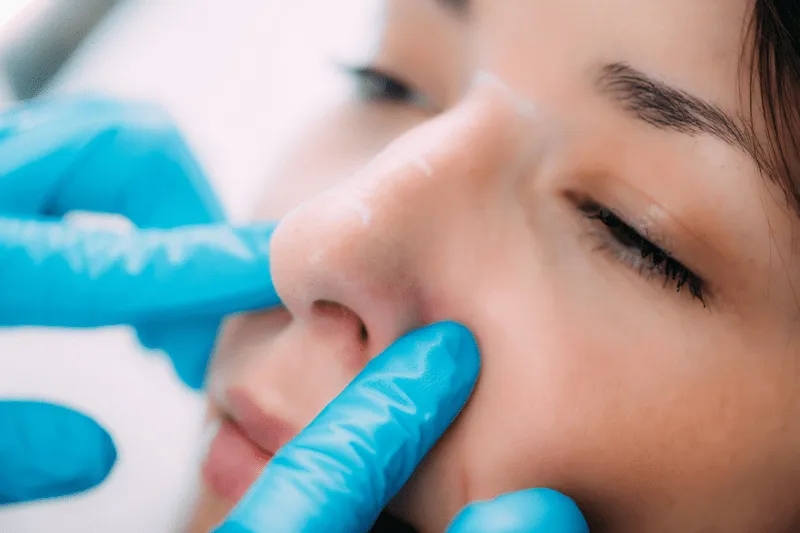
Septum deviation is the condition where the wall separating the nostrils leans to one side. This curvature can be genetic or can be caused by a blow received later. Deviation not only makes breathing difficult; it can also lead to headaches, chronic fatigue, and frequently recurring sinusitis attacks. During the surgery, the surgeon rasps or removes the curved cartilage and bone parts and realigns the septum. A corrected septum increases the amount of air going to the lungs and improves the oxygenation of the body. This creates a big leap in the general health status of the patient.
How Do Nasal Valve Problems Affect Breathing?
The nasal valve is the narrowest point of the nasal passages and adjusts the entry speed of air while breathing. If this area is narrow or the nasal wings collapse inward while breathing (valve collapse), the person feels a serious shortness of breath. During rhinoplasty, this valve area is expanded and supported using small cartilage pieces called “spreader grafts.” In this way, the nasal roof is strengthened and the closing of the channels while breathing is prevented. Valve surgery is very important to provide the high air flow needed especially while doing sports or during physical activity.
When Does Breathing Become Easier After Surgery?
Expecting to breathe very well the very next day after rhinoplasty is not a realistic expectation. Due to the edema and the tampons used inside the nose after the operation, the nose will be clogged for the first few days. However, when the tampons are removed at the end of the first week, patients usually feel a relief. A real and clear breathing improvement begins to be noticed from about the 1st month as the intranasal mucosa heals and the swellings subside. Full recovery and reaching maximum breathing capacity usually occur after the 3rd month. Patients who are patient finally enjoy this great change in their quality of life.
Is it a Solution for the Sleep Apnea Problem?
Sleep apnea is a serious condition characterized by the stopping of breathing during sleep and usually results from blockages in the upper respiratory tract. If the main cause of sleep apnea is a structural blockage in the nose (such as severe deviation), rhinoplasty plays a big role in alleviating this problem. Opening the nasal passage allows the patient to breathe more comfortably, increasing sleep quality and reducing night awakenings. However, sleep apnea can sometimes be throat or tongue base originated; in these cases, rhinoplasty alone may not be sufficient but provides an important support to the treatment process.
Does the Snoring Problem Go Away With Rhinoplasty?
Snoring usually occurs as a result of air vibrating the surrounding soft tissues while passing through a narrow area. Nasal congestion is one of the most important factors triggering snoring by forcing the person to breathe through the mouth. When the nasal passages are expanded with rhinoplasty, the air flow is relaxed and a large decrease in the intensity of snoring is seen. Many patients state that their partners no longer complain about snoring after the surgery. A comfortable breath means a quieter and deeper sleep. This is an improvement that increases the life comfort of both the patient and those around them.
Does Breathing Become Easier While Doing Sports?
Oxygen need of the body increases manifold during physical activity. People who have even the slightest blockage in their nasal passages start to breathe through the mouth rapidly while doing sports, which causes dry throat and getting tired quickly. Since the nasal airways are stabilized after a functional rhinoplasty, athletes can exhibit a higher performance. Being able to take deep breaths through the nose while running, cycling, or doing fitness balances the heart rate and increases endurance. When full recovery is achieved after the surgery, leading an active life becomes much more enjoyable and efficient.
Does it Have an Effect on Chronic Sinusitis?
Chronic sinusitis occurs when the sinus channels are blocked and the drainage inside the nose is disrupted. If there is a septum curvature or excessively grown meats inside the nose, this situation prevents the cleaning of the sinuses and paves the way for constant infection. Rhinoplasty and sinus surgery applications performed together open the drainage paths by correcting the intranasal anatomy. In this way, patients can get rid of the feeling of pressure, facial pain, and nasal discharge that they have been suffering from for years. A healthy nasal anatomy is the strongest shield that minimizes the risk of recurrence of chronic problems such as sinusitis.
Does Post-Surgical Edema Prevent Breathing?
Yes, the tissue edema formed immediately after the surgery can cause temporary congestion by narrowing the space inside the nose. This situation is a natural part of the healing process and should not be worried about. As the body heals, these edemas dissolve rapidly and the airway becomes wider day by day. Nasal sprays and washing kits used in the first weeks help to reduce the pressure created by this edema and provide mucosal cleaning. A large part of the edema subsides in the first month and the patient notices that their breathing becomes more “fluid” every day.
What Should Be Considered During the Recovery Period?
In order to maintain success after rhinoplasty, some rules must be strictly followed. Sleeping with the head elevated for the first few weeks speeds up the disposal of edema. Avoiding blowing the nose, not wearing glasses, and not lifting heavy weights are among the most important warnings of surgeons. Protection from sunlight is critical for the healing of stitch marks and to prevent permanent color change. In addition, keeping the nose clean and using recommended moisturizing creams prevents the risk of infection. A patient recovery period will guarantee not only visual beauty but also a permanent breathing comfort.
How Does Breathing Quality Change After Full Recovery?
When all tissues have healed about a year after the surgery, the breathing quality reaches the highest level. Patients notice that they can hear smells they haven’t noticed before, wake up more vigorously in the mornings, and the feeling of fatigue during the day decreases. Since quality breath taken through the nose ensures that clean and humid air goes to the lungs, it creates a systemic improvement on general health. This is not just the result of an aesthetic surgery, it is a radical revolution in the quality of life. Many people who have had rhinoplasty say “I wish I had this surgery before” at this stage.
Why Should You Have Surgery in Turkey?
Turkey has become the world center for aesthetic surgery and especially rhinoplasty in recent years. The biggest reason for this is the extraordinary skills that Turkish surgeons have gained with thousands of case experiences. Turkish hospitals have the most modern technological equipment and have international accreditations. In addition, thanks to the exchange rate advantage, world-class service is offered at much more affordable costs compared to Europe and America. Not only treatment, but also Turkey’s unique hospitality and cultural richness turn the healing process into a vacation. The balance of trust, quality, and cost carries Turkey to the top.
What Services Does Cure Holiday Offer?
Cure Holiday offers an all-inclusive health tourism experience for international patients who want to be treated in Turkey. The company meticulously manages the entire process from the moment the patient leaves home until the moment they heal and return. Specialist surgeon selection, surgical planning, hospital appointments, and continuous consultancy service are the building stones of Cure Holiday. A team providing 24/7 support is available so that patients never feel alone in a foreign country. With their quality-oriented approach, they take on the role of a reliable companion, not just a health intermediary institution.
What is the Expertise of Surgeons in Turkey?
Aesthetic surgeons in Turkey consist of names who are recognized worldwide and provide training at many international congresses. Working in a geography where the variations of the nose structure are very many has given them a great manual dexterity on different nose types. A Turkish surgeon can perform hundreds or even thousands of rhinoplasty operations a year. This intense practice increases surgical success rates while minimizing the risk of complications. Distinguished institutions like Cure Holiday eliminate risks by cooperating only with these proven surgeons whose academic success is high and whose patient satisfaction is registered.
Why is Turkey a Leader in Medical Tourism?
Turkey’s leadership in medical tourism is not a coincidence, it is the result of strategic investments lasting for years. State-supported health investments, luxury hospital complexes, and an army of expert health personnel are the power behind this success. In addition, the fact that waiting times are almost zero ensures that patients reach treatment as soon as possible. Being easily accessible from Europe, the Middle East, and Asia thanks to its geographical location is also a great advantage. Turkey has gained the trust of patients by showing a performance above world standards not only in surgery but also in post-operative follow-up and care processes.
What are the Accommodation Options With Cure Holiday?
Patients coming to Turkey with Cure Holiday stay in 4 and 5-star luxury hotels specially selected for their comfort, not in ordinary hotels. These hotels are both located in locations close to the hospitals where the surgery is performed and offer the silence and comfort the patient may need during the healing process. The rooms are spacious, hygienic, and equipped with modern facilities. In some packages, extra services are offered for the patient’s companion, ensuring that the process is stress-free for both parties. The accommodation service is one of the most enjoyable and relaxing parts of the Cure Holiday experience.
How Do VIP Transfer Services Work?
From the moment you step into Turkey, Cure Holiday’s VIP transfer service comes into play. You are met at the airport by a friendly team and transferred to your hotel or hospital with specially designed luxury vehicles. All your inner-city transportations; that is, the goings and comings between the hotel-hospital-clinic are also provided with these professional chauffeured vehicles. You don’t have to deal with the trouble of searching for public transport or taxis in a foreign city. This service is a privilege that keeps the patient away from the stress of surgery and allows them to focus only on their recovery, making you feel special.
Why are Surgical Costs More Affordable in Turkey?
Many patients may think that quality is compromised when they see the affordability of prices in Turkey, but the situation is exactly the opposite. The main reason for low costs is that operating expenses, personnel salaries, and material costs in Turkey are lower in terms of local currency compared to Europe or America. In addition, state incentives given to health tourism are another factor that pulls costs down. In this way, patients can receive a much more luxurious and quality service at one-third, sometimes half the price they would pay in their own countries. This is the democratized version of access to high quality.
What Do Patient Reviews Say About Cure Holiday?
Feedback from patients treated through Cure Holiday is the company’s greatest reference. On independent review platforms on the internet, it is seen that patients speak with praise especially about the perfection of the organization, the interest of the surgeons, and the helpfulness of the teams. Comments such as “I felt at home,” “Every step of the process was planned in advance,” “My breath and the shape of my nose are great” are quite common. These sincere experience shares are the most reliable guide for new patients who are thinking about being treated in Turkey but have question marks in their minds.
Can a Turkey Vacation and Treatment Be Together?
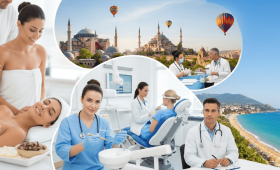
Absolutely yes! Cure Holiday offers a model that combines health and vacation. You can spend your few days before the surgery or the period after the stitches are taken by visiting the historical peninsula of Istanbul, taking a Bosphorus tour, or tasting the unique flavors of Turkish cuisine. Turkey’s fascinating atmosphere increases morale and motivation, making a psychological contribution to the healing process. It becomes possible to both achieve the appearance of your dreams and accumulate an unforgettable travel memory with Cure Holiday. This is much more than a health trip, it is a life change.
Is Cure Holiday Consultancy Service Paid?
The consultancy and pre-evaluation process starting from the moment you first contact Cure Holiday is generally free of charge. Expert consultants are ready to answer your questions, suggest the most suitable surgeon for you, and offer an estimated treatment plan. No fee is requested for the first analyses performed by the surgeons when you transmit your surgery photos online. This transparent approach helps the patient make the right decision without feeling any financial pressure. The company keeps building a relationship based on trust with the patient ahead of all kinds of commercial concerns.
How to Start the Appointment Process?
Starting the appointment process is extremely simple. The first step can be taken by contacting directly via WhatsApp. The patient consultant who contacts you listens to your expectations and health history. Then suitable dates are determined and package options are offered. When you decide, it is enough to buy your flight ticket; all remaining details (hotel, transfer, surgery time) are organized by Cure Holiday. Thanks to this professional planning, it is enough for you to just prepare your suitcase and set out towards change.
What Should You Do for a Healthy Breath in the Future?
It is in your hands to take action for a healthy breath that increases your quality of life and an appearance that makes you feel good. Nasal congestion should not be your fate; you can leave this problem behind forever with modern medicine and expert hands. Every day you postpone means low-quality sleep and a restricted life. Embarking on this journey with Cure Holiday, Turkey’s leading health tourism organization, is the biggest proof that you are in a safe harbor. Take a step today to achieve the nose of your dreams and the comfortable breath you deserve, and open the door to your new life by contacting our expert team.
Free Consultation
Fill out the form below to get your free medical travel plan and price quote.