What Is Eye Color And How Is It Determined?
Eye color is a physical characteristic determined by the pigmentation of the anterior layer of the tissue called the iris and the way light scatters across this tissue. The variety of colors in the human eye depends primarily on the density and distribution of a pigment called melanin. Eye color is not just an aesthetic element; it is also a reflection of our genetic heritage. The iris, which is critical for visual function, regulates the amount of light entering the eye while making each individual unique with the color it carries.
What Is The Structure Of The Iris Layer?
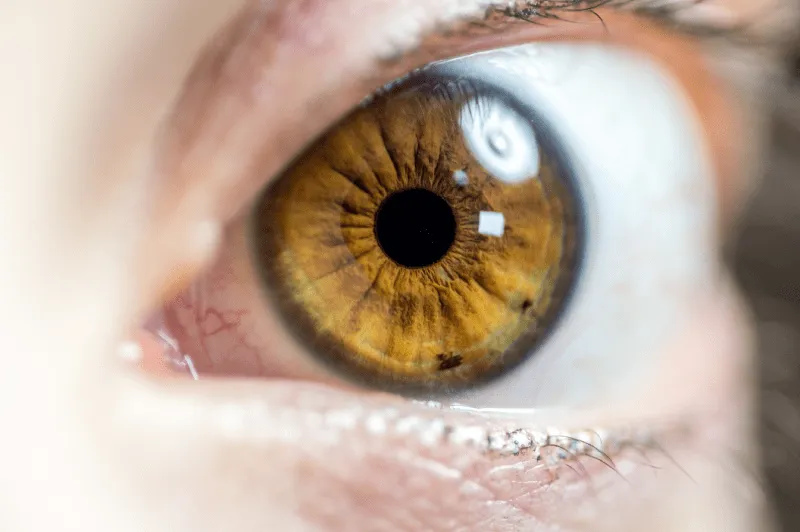
The iris is a ring-shaped muscle tissue located at the front of the eye, containing a space in the middle called the pupil. It consists of two main layers: the stroma at the front and the pigment epithelium at the back. The back layer is dark in almost everyone and prevents light from leaking into the eye. The stroma, the front layer, is where the amount of melanin varies. The density of the fibers in the stroma and the number of melanin cells create the microscopic architecture that directly affects how the eye appears from the outside.
What Is The Role Of Melanin Pigment In Eye Color?
Melanin is the primary substance that gives color to our bodies and performs the same task in the eye. If there is an intense amount of melanin in the stroma layer of the iris, the eyes appear brown. As the amount of melanin decreases, light is scattered within the tissue, and eyes are perceived as green, hazel, or blue as a result of a physical phenomenon called the Tyndall effect. In other words, there is no “blue pigment” in someone with blue eyes; short-wavelength light simply reflects more due to the lack of melanin. Melanin also acts as a shield protecting the eye from the sun’s harmful ultraviolet rays.
How Do Genetic Factors Affect Eye Color?
Eye color follows a polygenic inheritance model, meaning it is determined by the interaction of multiple genes rather than a single gene. Although only the dominant and recessive gene theory (brown dominant, blue recessive) was once accepted, it is now known that many genes, such as OCA2 and HERC2, play a role in this process. Thanks to this complex structure, brown-eyed parents can have blue-eyed children. Our genetic codes determine the melanin production capacity in the iris and the arrangement of this pigment within the tissue before we are even born.
Why Does Eye Color Change Over Time In Babies?
Many babies, especially those with fair skin, are born with blue or gray-toned eyes. This is because melanin production in the iris is not yet complete at the time of birth. As the baby is exposed to light, melanocyte cells begin to produce more melanin. Generally, the eye color darkens and takes its permanent form between the first 6 months and 3 years. This process is a natural biological maturation phase that occurs when the genetic program is triggered by environmental factors such as light.
Can Eye Color Be Permanently Changed?
Yes, thanks to modern medicine and technological developments, it is now possible to permanently change eye color. In the past, this could only be provided temporarily with colored contact lenses, but today, permanent results can be achieved with laser systems, surgical implants, and pigmentation techniques. However, these procedures require serious expertise and advanced technology because they intervene in the very sensitive anatomical structure of the eye. Before deciding on a permanent change, it is vital to understand the mechanisms and safety of current methods.
What Is The Laser Eye Color Change Procedure?
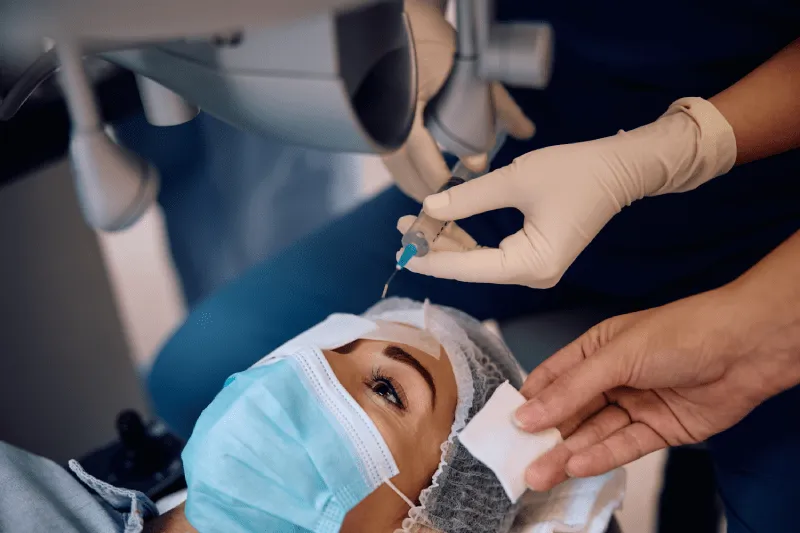
Laser eye color change is a procedure that targets the brown melanin pigments in the stroma layer of the iris. Using a low-energy laser beam, the pigments in the top layer of the iris are fragmented. As a result of this process, the body’s natural cleaning mechanism removes these fragmented pigments from the area over time. The light-colored (usually blue or gray) tissue in the lower layer is revealed. This method is only used to lighten dark-colored eyes; it is not possible to turn a blue eye brown with a laser.
How Is Laser Treatment Applied?
The treatment is usually performed in several sessions, and each session lasts only a few minutes. Before the procedure, numbing drops are applied to the eye so the patient does not feel pain. The computer-controlled laser device makes shots on the iris with a predetermined pattern. Immediately after the procedure, there may be slight blurring or redness in the eye. The removal of pigments by the body and the emergence of the final color usually spread over a time frame ranging from a few weeks to a few months.
Is Laser Eye Color Change Safe?
The laser eye color change procedure is still considered a controversial and high-risk application worldwide. The biggest risk is that the fragmented pigments clog the channels (trabecular meshwork) where the intraocular fluid is discharged. This can lead to an increase in intraocular pressure and glaucoma. In addition, serious complications such as chronic inflammation (uveitis) and corneal damage can be seen. For this reason, those considering this procedure must work with very experienced clinics.
What Is The Keratopigmentation Method?
Keratopigmentation is the process of injecting special medical dyes into the corneal layer. It can also be called a “corneal tattoo,” but this process is applied to micro-tunnels opened in the depths of the cornea with the help of a femtosecond laser. Instead of adding color to the iris itself, a colored ring is created within the cornea. Since this method does not touch the structure of the iris, it has a different mechanism than laser color lightening. It can be used both for aesthetic purposes and as a therapeutic treatment for patients with iris defects.
Is Corneal Tattooing (Keratopigmentation) Permanent?
Keratopigmentation results are considered permanent, but very slight fading may be seen over time depending on the quality of the dyes used. This process is not a reversible process; that is, once the dye is processed into the corneal tissue, it is quite difficult to clean it completely. Therefore, great care should be taken when choosing a color. Dyes used in modern techniques are biocompatible and safe, but the success of the procedure directly depends on the precision of the laser and the experience of the physician.
What Is Iris Implant Surgery?
Iris implant surgery is the process of placing an artificial, colored, and silicone-based disk in front of the natural iris. It was first developed to treat medical conditions such as serious iris injuries, aniridia (absence of iris), or coloboma. However, it has also started to be used for aesthetic purposes in recent years. During the surgery, a small incision is made in the cornea, and the folded implant is placed inside the eye and unfolded over the iris. This method gives the patient an instant and desired colored appearance.
What Are The Risks Of Iris Implants?
Aesthetic iris implants are seen by ophthalmologists as one of the most risky methods. Constant friction of the implant against the tissues inside the eye can cause chronic inflammation, loss of corneal cells, cataract formation, and severe glaucoma. In many cases, the implant had to be removed urgently due to these complications. Unless there is a medical necessity, having an iris implant for purely aesthetic reasons should be evaluated very carefully, as it can lead to vision loss.
How Is The Recovery Process After Eye Color Change Surgery?
Although the recovery process varies according to the chosen method, general sensitivity and light sensitivity are normal for the first few days. Regular use of antibiotic and cortisone eye drops in the postoperative period is critical to prevent the risk of infection and edema. It is recommended that patients stay away from heavy sports, pools, and the sea for a while. While recovery is faster in methods such as keratopigmentation, full recovery in surgical interventions may take several weeks. Regular doctor checks should not be neglected for early detection of possible complications.
Is It Possible To Change Eye Color Naturally?
There is no scientific evidence that methods such as eating honey, following special diets, or drinking certain herbal teas circulating on the internet permanently change eye color. Eye color is determined by the pigments in the deep structure of the iris, and foods taken through the digestive system cannot change the structure or amount of these pigments. Although it is claimed that some raw food diets make the eyes look “brighter,” this is actually a perception illusion related to the improvement of general health and corneal transparency.
Do Eye Drops Change Eye Color?
There are some over-the-counter drops on the market that claim to change eye color, but most of them are unreliable and ineffective. On the other hand, some medical drops containing “prostaglandin analogs” used in the treatment of glaucoma are known to permanently darken light-colored eyes (especially hazel and green) as a side effect. However, this is not a treatment method but an undesirable side effect of the drug. Unapproved drops sold with the promise of lightening eye color can cause serious chemical burns and vision loss.
Are Colored Contact Lenses A Permanent Solution?
Colored contact lenses are the most common, cheapest, and safest “temporary” solution for changing eye color. They do not provide a permanent change; the eye returns to its own color when the lens is removed. However, lens use also carries its own risks. Neglecting hygiene, keeping lenses in the eye for too long, or using lenses of the wrong size can cause corneal scratches and infections. For those who do not want a permanent change but want to try a different look, prescription and high-quality lenses are still the most logical option.
What Is The Cost Of Eye Color Change Procedures?
The cost of eye color change procedures varies greatly depending on the technology used, the experience of the performing surgeon, and the country where the operation is performed. High-tech procedures such as laser color lightening or keratopigmentation are usually in the thousands of dollars range. While these costs are quite high in Europe and the United States, it is possible to receive world-class service at much more accessible prices in health tourism centers like Turkey. When analyzing costs, not only the surgery fee but also control and maintenance costs should be considered.
Why Is Glaucoma Risk Important In Eye Color Change?
Glaucoma is a condition in which the fluid pressure inside the eye increases and damages the optic nerve, leading to irreversible vision loss. Especially in laser color lightening and iris implant methods, glaucoma risk is a primary concern. The fact that fragmented pigments or the implant itself disrupts the drainage system of the eye causes the pressure to rise suddenly or insidiously. Therefore, people considering eye color change must undergo a comprehensive glaucoma screening before surgery and meticulously follow up on pressure after surgery.
What Are The Risks Of Uveitis And Infection?
Any intervention made inside the eye carries the risk of “uveitis,” which means inflammation of the iris. Uveitis manifests itself with pain, redness, and extreme sensitivity to light in the eye and can leave permanent damage if left untreated. In addition, infections occurring during or after surgical procedures (such as endophthalmitis) are very serious medical emergencies. To minimize these risks, it is mandatory that the operation be performed in a fully equipped, sterile hospital environment and by an expert team.
Does Vision Loss Occur After Eye Color Change?
Eye color change procedures performed in the wrong hands or with inappropriate methods can unfortunately result in permanent vision loss. Corneal damage, retinal detachment, severe glaucoma, or uncontrollable infections are factors that threaten the ability to see. However, safer methods such as keratopigmentation offered by modern medicine, when performed with correct patient selection and under the control of an expert surgeon, minimize these risks. The risk of vision loss is the most important factor reminding the patient that the whole process must be carried out with a professional institution.
Who Can Undergo Eye Color Change Surgery?
Adults who are in good general eye health, do not have any chronic eye diseases (glaucoma, uveitis, severe dryness), and have realistic expectations can be candidates for these procedures. During the detailed examination performed before the surgery, corneal thickness, intraocular pressure, and the structure of the iris are examined. Being psychologically ready for this change and fully understanding the risks of the procedure are also among the criteria. In addition, it is recommended to postpone such aesthetic operations for pregnant or breastfeeding mothers.
Which Eye Colors Are Easier To Change?
While the laser color lightening method is only effective on brown eyes, the keratopigmentation method can apply any desired tone to any eye color. In dark brown eyes, the laser lightening process may require more sessions, and the result may not always be at the desired lightness. Keratopigmentation, on the other hand, offers a more dramatic and rapid change as it uses dense pigments that can completely cover dark-colored eyes. In eyes that are already light, such as blue or green, usually only tone changes or highlighting procedures are preferred.
Can Dark Colored Eyes Be Lightened?
Yes, lightening dark-colored eyes is one of the most requested aesthetic eye procedures today. With laser technology, the dark melanin layer in the iris can be cleaned to reveal the natural light tones underneath. If the person’s genetic background does not have a very dark underlying color, very successful results are obtained. Alternatively, with keratopigmentation, pigments in sapphire blue, emerald green, or hazel tones can be directly processed onto dark brown eyes to completely change the eye color.
Which Tests Should Be Performed Before Surgery?
A comprehensive preliminary examination is essential for a successful operation. In this examination, corneal topography (corneal map), pachymetry (corneal thickness measurement), endothelial cell count, intraocular pressure measurement, and detailed retina examination are performed. In addition, the patient’s systemic diseases and medications used are questioned. These tests are vital for determining which method is safest for the patient and for predicting complications that may occur after surgery. A reliable clinic will never start the procedure without performing these tests.
What Should Be Considered After Surgery?
In the first few weeks after the operation, it is very important not to rub the eyes and to avoid dusty and dirty environments. Drops prescribed by the doctor should be used faithfully at the correct hour. If there is sensitivity to light, high-quality sunglasses should be used, and screen time should be restricted to some extent. In case of unexpected pain, decrease in vision, or excessive redness, a physician should be consulted without losing time. The recovery process requires patience, and it should be expected for the tissues to calm down for the final aesthetic result to settle.
Is Eye Color Change A Psychological Need?
Eye color is an element that directly affects a person’s facial expression and self-confidence. Many people believe that achieving the eye color they have dreamed of since childhood will make them feel happier and more confident. While this is sometimes just an aesthetic preference, it is sometimes a part of the person’s way of expressing themselves. What matters is that this decision is made not by the pressure of others, but by the person’s own free will and by knowing the possible consequences. Psychological preparation is as valuable as physical preparation.
How Common Are Aesthetic Eye Surgeries Worldwide?
As interest in aesthetic surgery increases worldwide, specific procedures such as eye color change are becoming more popular. Especially with the influence of social media, people have become more prone to making radical changes in their physical appearance. Although studies are carried out in many countries, especially in America, France, and Spain, certain centers stand out due to both cost and technological infrastructure. Turkey has become one of the most important stops of this global trend and accepts patients from all over the world.
Why Is Turkey Popular In Eye Aesthetics?
Turkey is considered one of the leading countries in the world as the “capital of health tourism.” Especially in the field of ophthalmology (eye sciences), the success of Turkish doctors and the modern technological equipment of the clinics make the country a center of attraction. Its geographical proximity to Europe and the Middle East, visa facilities, and high service quality make Turkey indispensable. In addition, Turkish surgeons have very extensive experience in terms of case variety and number, which increases the success rate of operations.
What Are The Advantages Of Health Tourism In Turkey?
Choosing Turkey for health tourism means receiving a comprehensive service package rather than just a medical operation. Internationally accredited hospitals, advanced technology devices, and professional teams who speak foreign languages ensure that patients feel safe. In addition, organizing processes such as accommodation, transfer, and post-treatment follow-up minimizes the patient’s stress. This “holistic care” approach offered by Turkey makes a big difference compared to other countries.
How Is Eye Color Change Performed With Cure Holiday?
Cure Holiday is a leading health tourism platform specializing in eye color change and other aesthetic treatments in Turkey. A professional process is initiated from the patient’s first application. The patient’s condition is evaluated remotely by expert doctors, necessary tests are requested, and the most appropriate treatment plan (such as laser or keratopigmentation) is determined. Cure Holiday aims to make the result perfect from both an aesthetic and medical point of view by meticulously planning not only the surgery but also the whole travel and recovery process of the patient.
Why Should Cure Holiday Be Preferred?
Choosing Cure Holiday means choosing the importance given to expertise and patient satisfaction. The platform only cooperates with the most experienced surgeons and clinics with the most modern medical devices. A special consultant is assigned to each patient to provide 24/7 support throughout the process. With its transparent price policy, high hygiene standards, and post-treatment follow-up support, Cure Holiday acts as a reliable bridge. For those who want to choose the safest path in a matter that cannot be taken lightly like eye health, Cure Holiday is an ideal partner.
What Is The Cost Advantage Of Getting Treated In Turkey?
One of the biggest advantages of having eye color change surgery in Turkey is being able to receive the same or higher quality service at much lower costs than in Europe or America, sometimes even at half price. The exchange rate difference and the state support Turkey gives to health tourism provide this price advantage. However, the fact that the price is affordable does not mean that quality is compromised; on the contrary, in the highly competitive Turkish market, using the best technology is a standard. This situation allows patients to achieve the appearance of their dreams without straining their budgets.
What Services Does Cure Holiday Offer To Its Patients?
Cure Holiday offers an end-to-end experience to its patients. These services include; airport-hotel-hospital transfers, accommodation in luxury hotels, interpretation support in the native language, and all medical tests and controls before and after surgery. In addition, special city tours and consultancy services are offered for patients to live their time in Turkey like a holiday. The goal is to ensure that the patient completes their treatment in a mentally comfortable way, not just physically, and returns to their country happily.
Why Should Turkey Be Chosen For Eye Color Change?
Eye color change is a process that requires sensitivity and advanced technology. Turkey is one of the first countries in the world to access the latest laser systems (such as femtosecond laser) and biocompatible pigment technologies in this field. The combination of Turkish surgeons’ aesthetic perspective with medical discipline ensures that the results are both natural and safe. Having this procedure done in Turkey with a reliable intermediary institution like Cure Holiday means reaching the most advanced eye aesthetic possibilities in the world in the easiest and most comfortable way.
Free Consultation
Fill out the form below to get your free medical travel plan and price quote.