What are moles and why do they form?
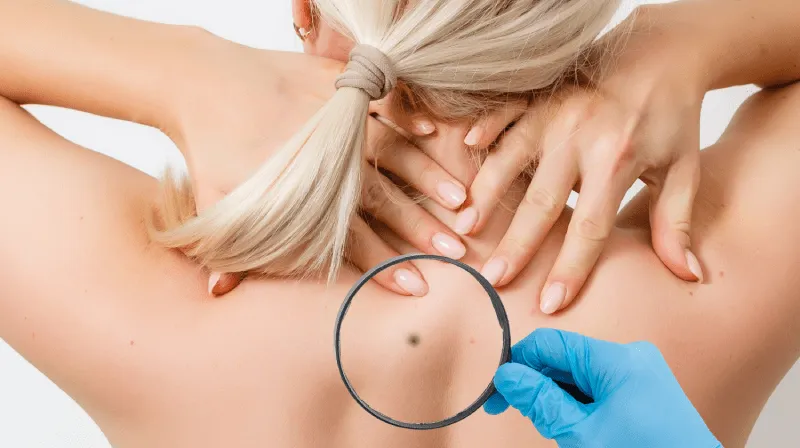
Moles, medically known as nevi, occur when melanocytes—the cells that provide pigment to our skin—cluster together at a specific point. While genetic predisposition plays the most significant role in the development of these structures from infancy, the level of sun exposure can also trigger the formation of new moles over time. Although most moles are harmless, they may need to be removed due to aesthetic concerns or potential medical risks. Cure Holiday, Turkey’s leading health tourism agency, works with expert dermatologists to help you maintain your skin health at the highest level throughout this entire process.
Are moles dangerous?
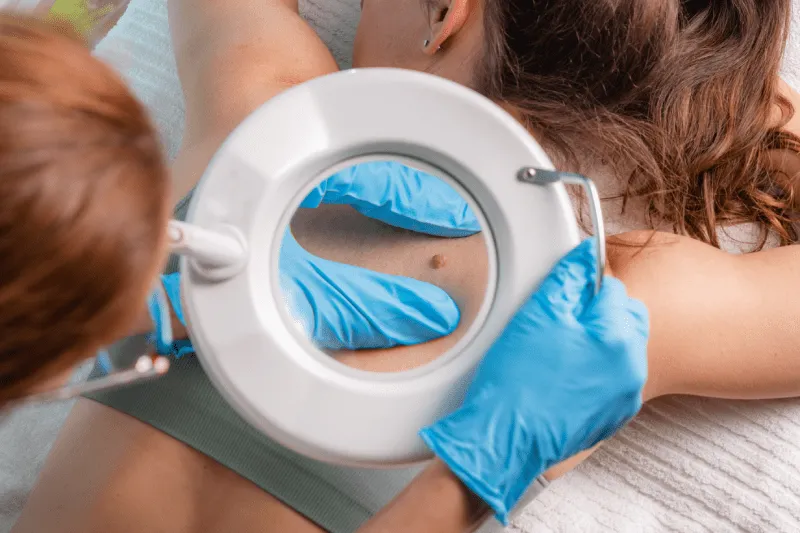
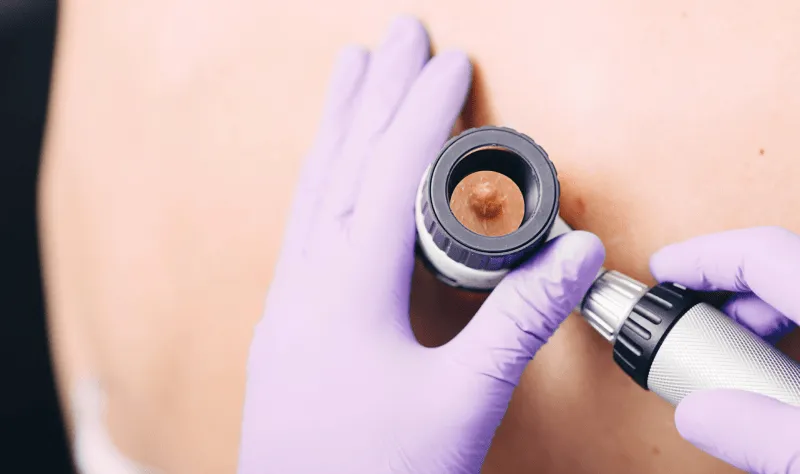
While the vast majority of moles are completely benign, some can change over time and pose a risk of turning into skin cancer, particularly melanoma. To understand whether a mole is dangerous, factors such as asymmetry, border irregularity, color variation, and increase in size should be closely monitored. If symptoms like rapid growth, bleeding, or itching are noticed in a mole, a specialist should be consulted without delay. The expert physicians within the Cure Holiday network utilize digital dermoscopy methods to analyze your moles and perform risk assessments with utmost professional care.
Is mole removal a painful procedure?
Thanks to the opportunities provided by modern medicine, mole removal procedures are now performed quite comfortably and almost painlessly. Before the procedure, a very small dose of local anesthesia is applied to the application area, ensuring complete numbness so that the patient feels no pain during the process. In methods such as laser or radiofrequency, only a slight sensation of warmth might be felt. Our guests who receive treatment in Turkey through Cure Holiday complete their procedures in peace, thanks to state-of-the-art equipment and the delicate touch of experts.
How is laser mole removal performed?
Laser mole removal is one of the most popular methods preferred, especially for small and superficial moles in the facial area. Laser beams target the pigments in the mole tissue, allowing this tissue to evaporate in a controlled manner. The biggest advantage of this method is that it does not require stitches and has a very short recovery time. After the procedure, a slight crusting forms in the area and falls off within a few days. Cure Holiday guarantees you a smooth skin by collaborating with clinics that use the latest laser technologies available today.
In which cases is surgical mole removal preferred?
If there is a suspicion that a mole might be malignant or if the mole extends into the deep layers of the skin, the surgical excision method is the safest option. In this procedure, the mole is completely removed along with a small margin of healthy surrounding tissue, and stitches are usually applied. The greatest advantage of the surgical method is that the removed tissue can be sent for pathological examination. While organizing your operations, Cure Holiday aims to minimize the risk of scarring by choosing surgeons who utilize advanced aesthetic suturing techniques.
Is mole treatment with the radiofrequency method safe?
Radiofrequency (RF) technology uses high-frequency radio waves to remove the mole by either burning or cutting it at the skin level. Offering a bloodless and stitchless application similar to the laser method, this technique does not damage the surrounding healthy tissues. It yields very effective results, particularly on skin tags and raised moles. Cure Holiday organizes treatments performed with radiofrequency devices in Turkey’s most well-equipped medical centers, providing safe and aesthetic solutions for international patients seeking skin perfection.
Does mole removal leave a scar?
Whether a scar remains after mole removal depends directly on the size of the mole, the method used, and the skin’s healing capacity. While the risk of scarring is almost non-existent in methods like laser and radiofrequency, a thin line-shaped scar may remain in surgical procedures; however, these scars fade and become indistinct over time. Choosing the right technique performed by expert hands ensures the best aesthetic result. Under the guidance of Cure Holiday, the specialists you select apply all necessary professional techniques to prevent scarring as much as possible.
How are skin tags removed?
Skin tags (acrochordons) are small, flesh-colored, and pedunculated skin growths that usually form in areas subject to friction. Their treatment is much more practical compared to normal moles; they can be eliminated in seconds using laser, radiofrequency, or electrocautery methods. Removing skin tags does not pose any health risks; on the contrary, it increases the person’s quality of life and self-confidence. Cure Holiday allows you to plan such small procedures quickly and professionally as part of your comfortable holiday in Turkey, ensuring you return home with clearer skin.
What is the recovery process like after mole removal?
The recovery process varies depending on the method applied; however, it is generally completed within 5-7 days for non-surgical methods and 10-14 days for surgical methods involving stitches. It is normal to have slight redness or crusting in the treated area during the first few days. Using antibiotic creams recommended by the physician and keeping the area clean accelerates healing. Cure Holiday stays by your side during the post-operative follow-up process, closely monitoring all stages of recovery and providing you with the necessary support at every step.
How to recognize the risk of a mole becoming cancerous?
When evaluating the risk of a mole turning into cancer, the globally accepted “ABCDE” rule is applied: Asymmetry, Border irregularity, Color variation, Diameter size, and Evolution (change). Moles that show one or more of these symptoms must be examined by an expert dermatologist. Early diagnosis is of life-saving importance in skin cancer types. Cure Holiday connects you with the best dermatology clinics in Turkey so that you can carry out your health checks with the highest level of technological facilities and peace of mind.
Why are home mole removal methods risky?
Home mole removal methods frequently encountered on the internet, such as using acidic liquids, tying with string, or cutting, can lead to irreversible skin damage and serious infections. More importantly, tampering with a potentially cancerous mole at home can cause cells to spread or lead to a delay in diagnosis. Medical procedures must be performed in a sterile environment and under the supervision of a specialist physician. Cure Holiday encourages you to seek safe treatment in a professional environment at affordable costs instead of attempting risky home experiments.
What is the best season for mole removal?
Although mole removal can be performed in any season, the autumn and winter months, when the effect of the sun is less, are generally preferred for the recovery process. This is because the treated area must be protected from UV rays; sun rays can cause spotting on newly healing skin. If the procedure is to be performed in the summer months, high-protection factor sunscreens must be used. Cure Holiday plans your Turkey travel in the most appropriate way according to seasonal conditions, taking your skin health under full protection.
How are facial moles removed?
Since the face is the most sensitive area aesthetically, non-surgical laser or radiofrequency methods are prioritized for removing moles here. If the mole is to be removed surgically, plastic surgery principles are applied, and stitches are placed parallel to the skin lines, reducing the scar to an unnoticeable level. Removing facial moles gives the person a brighter and cleaner facial contour. Cure Holiday aims to offer you the most natural and smooth appearance by working with surgeons experienced in facial aesthetics and dermatological surgery.
Which method is used for large moles on the body?
Large moles with a wide diameter or depth under the skin are usually treated with the surgical excision method. In this technique, after the mole is completely removed, the skin is closed with aesthetic stitches. Pathological examination of large moles is also critical for risk management. In some cases, laser treatment may not be sufficient for these types of moles. Expert physicians within Cure Holiday make the most accurate decision based on the structure of the mole and manage a safe operation process for your long-term health.
Can I go out in the sun after mole removal?
It is very important to protect the area from direct sunlight for the first few weeks after the procedure. The sun can cause pigmentation (spotting) problems in the healing tissue. Therefore, when going out, wide-brimmed hats, protective clothing, and definitely 50+ factor sunscreens should be used. After healing is complete, you can return to your normal life. The Cure Holiday team provides all the guidance regarding sun protection by explaining the post-treatment care protocols to you in detail, ensuring the best possible cosmetic outcome.
What factors determine mole treatment prices?
Mole treatment costs vary according to the number of moles, their size, depth, the type of method to be applied (laser, surgical, radiofrequency, etc.), and the expertise of the physician who will perform the operation. Compared to many countries in the world, Turkey offers both more affordable and much higher standard health services. Cure Holiday prepares different package options suitable for your budget, allowing you to reach quality health services in the most economical way, and stands by you with its transparent pricing policy.
How long does the mole removal procedure take?
Removing a single mole with a laser or radiofrequency is usually completed in a short time, such as 5 to 10 minutes. In the surgical excision method, the duration of the procedure can increase up to 20-30 minutes depending on the size of the mole. It is possible to remove multiple moles in the same session. After the procedure, the patient can immediately return to daily life; hospitalization is not required. In treatments planned with Cure Holiday, time management is handled very professionally, so you can spend the rest of your day enjoying the beauties of Turkey.
Is local anesthesia used in mole removal?
Yes, for the comfort of the patient, local anesthesia is used in almost all mole removal procedures. The anesthetic substance, usually injected under the mole with a very thin needle, numbs the area within seconds. In superficial procedures like laser, sometimes only anesthetic creams may be sufficient. This ensures that no pain or ache is felt throughout the procedure. In clinics within the Cure Holiday network, patient comfort is always accepted as the number one priority, ensuring a stress-free experience for international visitors.
Are stitches required after mole removal?
Whether stitches are required depends entirely on the size and depth of the mole and the method used. Stitches are not necessary for methods like laser, radiofrequency, and cautery, as these techniques treat by evaporating or burning the tissue. however, aesthetic stitches are used in cases where deep and wide moles are surgically removed. Cure Holiday doctors generally prefer to use absorbable sutures under the skin to minimize the scar, ensuring that there is no need for a return visit just to have stitches removed.
Should removed moles be sent for pathology?
Sending moles removed by surgical methods for pathological examination is the gold standard. This examination ensures that the cellular structure of the mole is analyzed and it is confirmed whether there are any cancerous cells within it. In laser mole removal, since the tissue evaporates, it cannot be sent for pathology; therefore, the surgical method is preferred for moles that appear suspicious. Cure Holiday tititiously follows pathology processes in necessary cases, keeping safety at the forefront of all medical procedures for your peace of mind.
How are red moles (angiomas) treated?
Red moles, known as “Cherry Angiomas,” are actually small clusters of blood vessels. These formations are generally benign but can be aesthetically bothersome. Laser or electrocautery methods yield extremely effective results in the treatment of red moles, and it is usually observed that the mole deflates in a single shot. Cure Holiday helps you achieve a smooth and healthy skin appearance by using the most sensitive technologies to get rid of these blemishes on your skin, allowing you to feel more confident in your appearance.
Can congenital moles be removed later?
Yes, congenital nevi, which are present from birth, can be removed by surgical methods in later ages both for aesthetic reasons and due to the risk of malignant transformation. Congenital moles are usually larger than normal moles and may have hair growth on them. Monitoring and treating these types of moles require specialized expertise. Cure Holiday draws the most accurate treatment roadmap by working with experienced physicians specialized in the field of pediatric and adult dermatology for these specific conditions.
Can mole removal be done during pregnancy?
Changing hormones during pregnancy can cause existing moles to darken or new moles to form. Unless there is a medical necessity (suspicious changes), mole removal is generally postponed until after birth to prevent potential effects of local anesthesia and surgical stress on the baby. However, if an emergency situation is present, the procedure can be performed by consulting an obstetrician. Cure Holiday consultants organize detailed preliminary interviews to determine the safest timing for pregnant patients.
When can I shower after mole removal?
After procedures performed with laser and non-surgical methods, the area is generally allowed to come into contact with water after 24-48 hours. In surgical procedures with stitches, this period can reach 3-4 days depending on the doctor’s preference, and it is requested that the area be kept dry. It is important not to rub the treated area during the shower and to dry it with soft movements. Thanks to the Cure Holiday post-operative care guide, you can learn everything you should and should not do during the healing process step by step.
How many sessions does laser mole treatment take?
In most cases, laser mole removal results successfully in a single session. However, in some moles with very dark or deep pigment, the procedure may be divided into two or more sessions to avoid tiring the skin and leaving a scar. The time between sessions is usually 4-6 weeks for the skin to renew itself. When you contact Cure Holiday, our experts will perform a preliminary evaluation through your photos and provide you with information about the estimated number of sessions and the overall duration of your personalized process.
Does mole removal cause hair loss?
The mole removal procedure has nothing to do with general hair loss. Only if a mole located within the scalp is being removed, a few hair follicles on the stitch line may be affected. However, thanks to modern techniques and thin suturing methods, this situation covers an area so small that it will not be noticed from the outside. Cure Holiday specialists show ultimate care to protect aesthetic integrity during operations on the scalp, ensuring that your hair continues to look natural and full after the procedure.
Which creams should be used during the recovery process?
After the procedure, antibiotic creams are usually prescribed to prevent the risk of infection, along with epithelializing (cell-regenerating) ointments to accelerate tissue repair. After the wound is closed, silicone-based gels may be recommended to help prevent scarring. The use of sunscreen cream is a must throughout the healing process to protect the new skin from pigmentation. Cure Holiday provides the necessary support within your treatment package so that you can easily access all the medical supplies and prescription products you might need.
Is there a risk of infection after mole removal?
As with any surgical or interventional procedure, there is a very low risk of infection after mole removal. However, this risk is reduced to almost zero with procedures performed in sterile hospital conditions and correct post-operative care. In case of excessive swelling, severe pain, or purulent discharge in the area, a doctor should be consulted immediately. All operations carried out within Cure Holiday are performed in modernized clinics in accordance with the strictest hygiene protocols, ensuring your safety throughout your stay in Turkey.
Can dark moles be removed with a laser?
Dark-colored moles absorb laser light very well, so they generally respond well to laser treatment. However, since dark color can sometimes indicate depth, the physician must first analyze the depth of the mole. If it is very deep, completely cleaning it with a laser might leave a pit in the skin, so the surgical method might be more logical. Cure Holiday ensures that your aesthetic expectations are met in the most accurate way by determining the method most suitable for your skin structure and the specific characteristics of your moles.
Can people with keloid risk have moles removed?
A keloid is a condition characterized by excessive tissue growth during wound healing. It is critical for people who have had keloids or hypertrophic scars on their bodies before to share this situation with their physicians before having a mole removed. In these individuals, laser may be preferred instead of stitched procedures, or special pressure dressings and silicone gels can be applied after the procedure. Cure Holiday specialists manage risks by developing personalized treatment plans for patients with such special skin structures.
Why should Turkey be preferred for mole treatment?
Turkey has become one of the centers of world health tourism with its highly educated physician staff, state-of-the-art hospitals, and competitive prices. Successes achieved especially in dermatological and aesthetic procedures have won the trust of thousands of patients coming from Europe and the Middle East. Furthermore, the opportunity to discover the historical and natural beauties of Turkey while receiving treatment is an invaluable advantage. Cure Holiday brings these advantages together for you, offering a truly unforgettable and healthy experience.
Is there an age limit for mole removal?
If there is a medical necessity for mole removal (risky change), there is no age limit; the procedure can be performed even on infants. In procedures for aesthetic purposes, it is generally preferred after the adolescence period for the person’s body development to be completed and for them to understand the procedure. Monitoring moles in children is especially important. Cure Holiday has a service approach that prioritizes both medical safety and psychological comfort by exhibiting special approaches for patients in every age group.
When can I apply makeup after mole removal?
There is no harm in applying makeup after the wound in the treated area is completely closed and the crusts have fallen off; this period is usually between 5-10 days. Makeup applied in the early period may prevent the treated area from breathing or increase the risk of infection. It is also important that the makeup products are clean and of high quality to positively affect the healing process. Cure Holiday doctors will inform you of the most accurate timing to start makeup according to the condition of your skin at the end of the treatment.
How is the treatment process planned with Cure Holiday?
The process begins when you contact the Cure Holiday team and send your photos. After a free preliminary evaluation by our expert physicians, a personalized treatment plan and price quote are presented to you. Upon your approval, your flight ticket, accommodation, and transfer procedures are organized by our professional team. When you arrive in Turkey, our friendly team welcomes you and accompanies you throughout your entire treatment process. With Cure Holiday, your health and comfort are in professional hands from start to finish.
What are the advantages of mole treatment in Turkey with Cure Holiday?
Cure Holiday offers not just a treatment, but also a comfortable health tourism experience. Airport transfers, luxury accommodation opportunities, translator support, and access to the best hospitals in Turkey are among the top advantages. Our expert doctor staff produces permanent and aesthetic solutions using international standard equipment. Combining Turkey’s hospitality with professional health management, Cure Holiday is the choice of thousands of happy patients from all around the globe.
Why are medical procedures more economical in Turkey?
The main reasons for Turkey’s cost advantage in health tourism are low general operating costs, exchange rate differences, and incentives provided by the government to this sector. This economic advantage does not mean that quality is compromised; on the contrary, Turkey ranks among the top in the world in terms of the number of JCI-accredited hospitals. Cure Holiday makes these high standards accessible to patients worldwide by creating the best price-performance balance, ensuring you receive world-class care at a fraction of the cost.
Free Consultation
Fill out the form below to get your free medical travel plan and price quote.