About the prices on this page. The figures below are indicative market prices and country comparisons, not a quote. Our own current, all-inclusive prices are published on our weight loss surgery in Turkey page, and we confirm your figure in writing before you commit to anything.
What Is Gastric Sleeve Surgery?
Gastric sleeve, also known professionally as vertical sleeve gastrectomy, is a surgical procedure that involves the permanent removal of approximately 75% to 80% of the stomach. During this operation, the surgeon reshapes the remaining part of the stomach into a narrow tube or “sleeve” similar to the size and shape of a banana. This procedure works in two distinct ways to promote weight loss: first, by significantly reducing the physical capacity of the stomach to hold food, and second, by removing the portion of the stomach that produces the hunger hormone known as “ghrelin.” As a result, patients feel full much faster and experience a substantial decrease in appetite, which leads to rapid and sustainable weight loss. This surgery is typically performed using minimally invasive laparoscopic techniques, which ensures a quicker recovery time and minimal scarring.
How Is Gastric Sleeve Surgery Performed?
The surgical process is carried out under general anesthesia, primarily using advanced laparoscopic techniques to ensure patient safety and comfort. The surgeon makes several small incisions in the abdominal area to insert specialized surgical instruments and a camera. Using these tools, the stomach is divided vertically, and the larger outer portion is removed from the body. The remaining part of the stomach is then sealed using high-precision surgical staples, and a leak test is performed to ensure the integrity of the new structure. The entire procedure usually takes between 45 to 60 minutes. Because of modern medical technology, the risks of complications have been minimized, and the stomach’s capacity is reduced to about 100-150 ml. This small volume necessitates portion control, yet hormonal changes make this dietary restriction feel like a natural state of satiety rather than a forced limitation.
Who Is A Suitable Candidate For This Surgery?
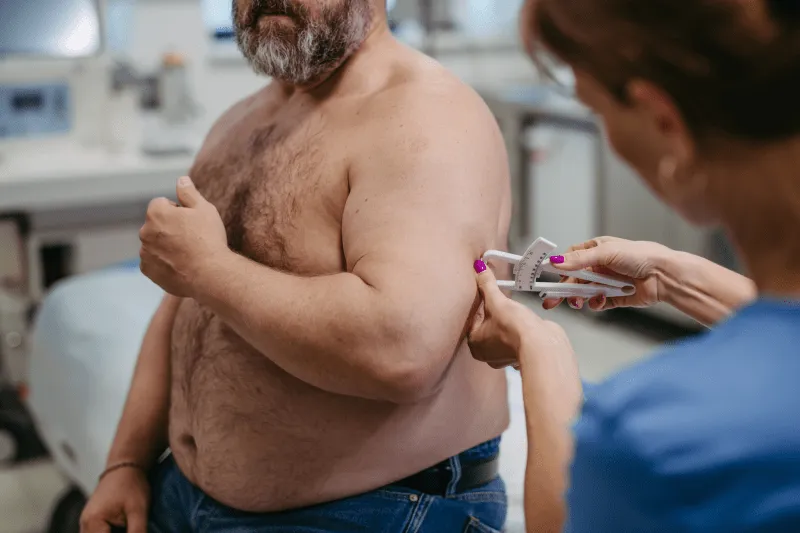
The primary criteria for determining eligibility for gastric sleeve surgery is the Body Mass Index (BMI). Generally, individuals with a BMI of 40 or higher, or those with a BMI of 35 who also suffer from obesity-related conditions such as type 2 diabetes, hypertension, or sleep apnea, are considered ideal candidates. Furthermore, the surgery is recommended for those who have previously attempted to lose weight through traditional methods like diet and exercise but have been unable to achieve or maintain long-term success. Before the operation, a patient’s overall health status, psychological readiness, and ability to commit to lifelong lifestyle changes are thoroughly analyzed by a team of medical experts. It is essential to understand that this journey requires not only physical change but also a deep mental commitment to a healthier future.
What To Expect During The First Week Post-Op?
Immediately following the surgery, patients are typically kept under observation in the hospital for 2 to 3 days to monitor their recovery. During the first week, the focus is entirely on a clear liquid diet. This period is crucial for allowing the surgical staples to heal and letting the body adapt to the newly reduced stomach volume. Patients often find that even a small amount of liquid provides a feeling of fullness. Mild pain and bloating are normal during this stage and can be easily managed with prescribed pain medications. Walking during the first week is critically important to stimulate blood circulation and prevent the risk of blood clots. Most patients begin to see their first weight loss results during this time as the body sheds excess fluids and begins its transformation. It is a week characterized by high motivation but requires careful physical adaptation.
How Much Weight Is Lost On Average In One Month?
The first month after surgery is one of the most dramatic periods of weight loss for most patients. During this time, individuals typically lose between 10% and 15% of their total excess body weight. In numerical terms, depending on the starting weight, it is quite common to see a drop of 8 to 15 kilograms (approximately 17 to 33 pounds). This rapid loss is largely due to the strict adherence to the liquid and pureed food phases of the post-operative diet. The body begins to burn stored fat to meet its energy requirements as caloric intake is significantly restricted. This rapid change not only boosts the patient’s confidence but also begins to alleviate chronic pain and mobility issues associated with obesity. However, it is important to remember that every individual’s metabolism is different, so specific numbers can vary.
How Does The Transformation Look After Three Months?
By the end of the third month, most patients have fully adapted to their new eating habits and have transitioned to consuming solid foods. At this stage, it is expected that approximately 25% to 35% of the total excess weight has been lost. The physical transformation becomes clearly visible to others, and there is usually a significant reduction in clothing sizes. Energy levels begin to rise as the body becomes lighter and more mobile. Patients suffering from conditions like diabetes or high blood pressure often notice that their medication dosages can be reduced or even discontinued entirely. The third month is a vital milestone where the foundations for long-term success are solidified, and maintaining discipline becomes the key factor in continuing the weight loss journey effectively.
What Is The Target Weight Loss At Six Months?
The six-month mark is often considered the midpoint of the “honeymoon period” in bariatric surgery. Statistics show that by the end of six months, patients have generally lost between 45% and 55% of their excess body weight. While the rate of weight loss may slow down slightly compared to the first few months, this is entirely normal. The body is simply adapting to its new weight and attempting to balance its metabolism. During this phase, the importance of regular exercise increases significantly. This is the time when many patients begin to join gyms, take long walks, and participate more actively in social events. Psychologically, individuals feel much happier and lighter. Regular consultations with a nutritionist are vital at this stage to ensure that muscle mass is being preserved while fat loss continues.
What Is The Total Weight Loss After One Year?
The first anniversary of the surgery is usually the peak point of the weight loss process. During this year, patients typically lose an average of 60% to 70% of their excess body weight. If the individual has followed their nutritional program strictly and incorporated exercise into their daily routine, this rate can even climb to 80%. The weight reached at the end of the first year generally becomes the person’s “new normal.” Reaching the one-year mark is not just a numerical achievement; it is proof that a healthy lifestyle has been permanently adopted. While skin sagging may become most noticeable during this time, the overall gain in health and mobility far outweighs any aesthetic concerns. For many, this date is celebrated as the anniversary of the beginning of a completely new life.
Does Weight Loss Stop After Two Years?
Between the 18th and 24th months post-surgery, the weight loss process usually reaches a plateau, and the patient’s weight stabilizes. The body has reached its ideal balance for the new anatomy. From this point forward, the primary challenge shifts from losing weight to maintaining the results achieved. The stomach volume may have stretched slightly over time, which makes continued portion control and the avoidance of high-calorie liquids critical. The success seen at the end of the second year is the greatest indicator that the surgery was used as a tool for lifestyle change rather than a temporary fix. If weight gain begins to occur during this period, dietary habits and physical activity levels must be reviewed immediately. The second year represents a professional phase of protecting gains and maturing into health consciousness.
How Does Age Affect The Rate Of Weight Loss?
Age is a direct factor influencing metabolic rate and the body’s overall healing capacity. Younger patients generally possess a higher basal metabolic rate and more muscle mass, which can make their weight loss process faster and more dramatic. Additionally, younger individuals often have better skin elasticity, meaning they experience less sagging after rapid weight loss. However, gastric sleeve surgery is also a life-saving procedure for older patients. Although the rate of weight loss might be slightly slower in older age groups, the benefits, such as reduced pressure on joints and relief for the cardiovascular system, are immense. Success is achievable in every age group; it simply requires adjusting expectations according to biological realities and following a highly personalized program designed for specific age-related needs.
Is Gender A Significant Factor In Weight Loss?
Biologically, men and women may react differently during the weight loss process due to their distinct physical structures. Generally, men tend to lose weight faster than women in the initial stages because of higher testosterone levels and greater muscle mass. Muscle tissue burns more calories even at rest, providing a metabolic advantage. For women, hormonal cycles and the body’s natural tendency to store fat can cause weight loss to fluctuate occasionally. However, when looking at data one year after the operation, it is evident that both genders achieve very similar success rates. While the starting speed may differ, the final destination is equally rewarding for both groups with patience and discipline. Gender-specific nutritional strategies can help minimize these biological differences and ensure steady progress.
Does Metabolic Rate Change The Final Results?
Every individual’s basal metabolic rate—the amount of energy burned while doing absolutely nothing—is as unique as a fingerprint. Genetic factors, past dieting experiences, thyroid functions, and body composition all play a role in determining this speed. Some patients see very fast results after gastric sleeve surgery, while those with a slower metabolism may reach similar results over a longer period. The key is not to compete with other patients but to track your own body’s unique progress. To keep the metabolism active, regular water consumption, adequate protein intake, and exercises that build muscle mass are essential. A slow metabolism is not an insurmountable obstacle; it just requires more careful monitoring and perhaps a bit more effort to keep the weight loss engine running efficiently.
Is Pre-Operative Weight Loss Necessary?
Many surgeons require their patients to lose a certain amount of weight in the weeks leading up to the operation. This is often referred to as a “liver-shrinking diet.” Losing a few kilograms before surgery reduces the size of the liver, giving the surgeon easier access to the stomach and making the procedure technically safer. Furthermore, this preliminary process helps the patient prepare mentally for the disciplined nutritional habits required after the operation. The more weight lost before surgery, the lower the risk of complications during and after the procedure. Therefore, taking the pre-operative diet seriously is a critical phase that directly affects the safety and success of the entire surgical journey, acting as the very first step toward a new life.
Why Is Protein Consumption So Important?
After gastric sleeve surgery, protein sits at the very top of the nutritional pyramid. Because the stomach volume is so small, every gram of food consumed must provide high nutritional value. Protein prevents the body from burning muscle instead of fat, ensures proper wound healing, and strengthens the immune system. Additionally, protein provides a longer-lasting feeling of fullness compared to carbohydrates and helps boost the metabolism. Patients are usually advised to consume their protein source first in every meal before moving on to vegetables. If daily protein targets are not met, issues such as hair loss, muscle wasting, and fatigue may occur. For this reason, protein powders or high-protein foods must become an inseparable and prioritized part of post-operative life.
Does Drinking Water Speed Up Weight Loss?
Water consumption is a fundamental requirement for the process of flushing out waste products generated during fat burning. During the post-operative period, the body is undergoing massive changes and every cell in the metabolism needs hydration. Drinking enough water ensures that the digestive system functions regularly and prevents common post-surgical problems like constipation. Additionally, the brain can sometimes mistake thirst signals for hunger; therefore, sipping water throughout the day prevents unnecessary snacking. Consuming at least 1.5 to 2 liters of water daily also helps the skin maintain its elasticity, which can slightly reduce the appearance of sagging. Drinking water is not just a basic need; it is the cleanest and most effective fuel for the weight loss motor.
Is Exercise Mandatory For Success?
While gastric sleeve surgery provides you with a perfect starting point for weight loss, exercise is indispensable for making those results permanent and shaping the body. Starting with light walks immediately after surgery, the process should transition into a more active program from the fourth week onwards. Exercise does more than just burn calories; it increases your metabolic rate and releases endorphins that improve your mood. Specifically, resistance training (weight lifting) helps maintain muscle mass, giving the body a firmer and more toned appearance. Patients who do not exercise may simply become “thin,” while those who exercise become fit and healthy. The sustainability of a healthy life depends entirely on a permanently active lifestyle.
Should Vitamin Supplements Be Used?
Because a large portion of the stomach is removed and food intake is restricted, it becomes impossible for the body to obtain all the necessary vitamins and minerals from food alone. Consequently, it is mandatory to use supplements such as multivitamins, B12, calcium, and iron for the duration specified by your doctor, often for life. Vitamin deficiencies can lead to severe energy drops, neurological issues, and bone weakness. Regular blood tests to monitor your levels are the safety net of a healthy weight loss process. A patient who feels energetic and healthy is better able to focus on their diet and exercise routine. These supplements should not be viewed as medicine but as insurance for your new life and should never be neglected.
Do Sugary Foods Stop Weight Loss Progress?
Sugar is the greatest enemy of patients who have undergone gastric sleeve surgery. Sugary foods and drinks occupy very little volume, so they pass through the stomach easily without providing fullness, yet they load the body with massive amounts of “empty calories.” This can lead to a weight loss plateau and even weight regain over time. Furthermore, high sugar consumption can trigger “dumping syndrome,” where the rapid emptying of the stomach into the small intestine causes severe abdominal pain, sweating, palpitations, and diarrhea. Cutting sugar out of your life is necessary not only for weight loss but also for maintaining insulin balance and controlling appetite. Consuming natural sugars, such as those found in fruit, in a controlled manner is the healthiest approach.
How Does Alcohol Consumption Affect Results?
One must be extremely cautious regarding alcohol consumption after surgery. First and foremost, alcohol is high in calories and can block the fat-burning process. Additionally, because the stomach’s anatomy has changed, alcohol is absorbed much faster, and even small amounts can lead to dangerous levels of intoxication. It is recommended to stay away from alcohol entirely during the first year, which is the most critical period for healing and rapid weight loss. In the long term, alcohol consumption carries the risk of “addiction transfer,” where an eating addiction is replaced by an alcohol addiction. For a healthy liver and uninterrupted weight loss, alcohol is a substance that should be avoided during this transformative journey.
Is Psychological Support Necessary?
Obesity surgery is not just a physical intervention on the stomach; it is actually a process of restructuring the brain’s relationship with food. Many patients use food as a way to cope with emotional hunger or stress. Even though your stomach shrinks after surgery, old habits may continue to live in your mind. At this point, psychological support or bariatric therapists can help you overcome “emotional eating” behaviors. Dealing with changes in body perception, the reactions of your social circle to your new self, and the mental shifts brought about by food restriction is much easier with professional guidance. Patients with strong mental health have a much higher success rate in maintaining their weight loss in the long term.
Is Sleep Pattern Effective In Weight Loss?
Sleep is the process during which the body repairs itself and maintains its hormonal balance. Lack of sleep leads to an increase in the hormone “ghrelin,” which triggers hunger, and a decrease in “leptin,” which provides a feeling of fullness. This translates to increased cravings and low energy the following day. During the rapid weight loss phase after surgery, the body is under significant stress, and the best way to manage this stress is through quality sleep. The growth hormone secreted during deep sleep helps repair muscles and supports continued fat burning. Sleeping for at least 7-8 hours a day is a component of your weight loss journey that is just as important as diet and exercise.
What Is Dumping Syndrome And How Is It Prevented?
Dumping syndrome occurs when sugary or very fatty foods pass from the stomach to the small intestine too quickly. Symptoms include severe fatigue, sweating, palpitations, nausea, and diarrhea. This can be quite frightening and uncomfortable for patients, but it is also the body’s way of saying “do not consume this food.” To prevent dumping syndrome, food must be chewed very thoroughly, liquids should not be consumed with meals (the 30-minute rule), and simple sugars must be avoided. This syndrome actually acts as a biological feedback mechanism that teaches the patient correct eating habits. When the rules are followed, the risk of experiencing this discomfort is nearly zero, and the process proceeds much more comfortably.
Can There Be Plateaus In The Weight Loss Process?
Yes, almost every patient experiences “plateaus” or periods where weight loss stalls during their journey. Typically around the 3rd week, 3rd month, and 6th month, the number on the scale may not change for weeks. This is the body’s protective mechanism; the metabolism is trying to stabilize its new weight and restructure tissues. During these periods, the most critical rule is not to lose morale and not to break the diet. Even if the scale doesn’t move, you may still be losing inches and seeing changes in your body composition. To overcome plateaus, it may be helpful to increase water intake, vary your exercise program, or review your protein intake. Remember, this is a marathon, not a sprint, and plateaus are a natural part of the path.
Is Reaching The Ideal Weight Guaranteed?
Surgery provides you with the world’s most powerful key to reaching your ideal weight, but whether you walk through that door depends on your own efforts. The vast majority of gastric sleeve patients reach their ideal weight or a point very close to it. However, success is determined not just by the surgery but by post-operative nutrition, an active lifestyle, and psychological balance. Reaching the ideal weight is a high-probability goal rather than a guaranteed certainty. Individual genetic traits and starting weight also influence the final outcome. Nevertheless, in every case, it is a fact that you will be much healthier, fitter, and free from many obesity-related diseases than you were before the surgery. Setting realistic goals keeps motivation fresh at all times.
How Can Sagging Skin Be Prevented After Surgery?
Rapid weight loss can cause skin sagging, especially in individuals with poor skin elasticity or those losing a very large amount of weight. While it may not always be possible to prevent sagging entirely, its impact can be reduced. The most effective way is to gain muscle while losing fat. Resistance training fills the space under the skin with muscle, providing a fuller and firmer appearance. Additionally, drinking plenty of water keeps the skin hydrated, and consuming foods rich in collagen and Vitamin C supports skin health. Once the weight loss process is completely finished and the weight has stabilized (usually after 1.5 to 2 years), if there is still bothersome sagging, body contouring surgeries can achieve excellent aesthetic results.
How Long Should One Wait For Pregnancy?
For female patients, fertility often increases after gastric sleeve surgery because hormonal balance improves with weight loss. However, for a safe pregnancy, surgeons generally recommend waiting at least 12 to 18 months after the operation. The reason for this waiting period is that during the rapid weight loss phase, nutrient absorption and vitamin stores may not yet be sufficient to support the healthy development of a baby. Furthermore, weight gain during pregnancy can interfere with the success of the weight loss surgery. Pregnancies that occur once the ideal weight is approached and the body is nutritionally balanced are much safer and healthier for both the mother and the baby. Staying in communication with your doctor throughout this process is essential.
Is There A Risk Of Regaining Weight?
The risk of regaining weight after gastric sleeve surgery is usually related to lifestyle errors rather than a surgical failure. The stomach is a muscular organ that can stretch, and if it is consistently forced beyond its capacity over the years or if high-calorie liquid foods (milkshakes, sugary coffees, etc.) are consumed continuously, some weight gain may occur. However, this rarely reaches pre-surgery levels. To prevent weight regain, one must never abandon portion control, avoid “grazing” eating styles, and not skip regular check-ups. The surgery has given you a second chance; protecting this chance is shaped by your daily choices. A disciplined life eliminates the risk of significant weight regain.
Might A Second Surgery Be Necessary?
For most patients, a single gastric sleeve surgery is sufficient for a lifetime. However, in some rare cases, “revision surgery” may be considered due to insufficient weight loss, excessive weight regain, or severe reflux. In these instances, the gastric sleeve is usually converted into a different method, such as Gastric Bypass. Revision surgery is more complex than the first operation and should only be performed by highly experienced surgeons. However, it should be noted that for a patient who strictly follows the rules after their first surgery, the need for a second operation almost never arises. Evaluating the opportunity offered by the first surgery in the best possible way is the smartest approach to guaranteeing success.
How Does Social Life Affect Weight Loss?
Your social circle can be either your greatest supporter or your biggest obstacle during the weight loss process. Having loved ones who understand this journey and encourage you to make healthy choices boosts your morale. Feeling pressure to eat at social gatherings or encountering those who say “just once won’t hurt” can be challenging. Do not hesitate to clearly express your new lifestyle to those around you during this process. Many patients report feeling much more active, confident, and outgoing in their social lives as they lose weight. The old, introverted self is replaced by a new “you” who is extroverted, mobile, and enjoys life. This positive transformation in your social life acts as a fuel that keeps your motivation alive.
Does Gastric Sleeve Or Bypass Result In More Weight Loss?
Gastric Sleeve and Gastric Bypass are the two most popular methods of obesity surgery. Generally speaking, Gastric Bypass may result in slightly more and faster weight loss initially due to its malabsorptive effect. However, patients who undergo Gastric Sleeve achieve very similar success rates in the long term. Bypass is often considered more suitable for patients with severe diabetes or uncontrollable reflux, while Sleeve is the preferred choice for many because it offers a more natural digestive process. What matters is not which method will make you lose more weight in theory, but which one is most compatible with your metabolic structure and lifestyle. You can make the best decision after a detailed analysis with your surgeon.
What Are The Advantages Of Getting Treatment In Turkey?
Turkey is recognized globally as the capital of health tourism. There are numerous advantages to choosing Turkey, especially in the field of obesity surgery. First, Turkish surgeons have a number of cases far above the world average, which translates to high levels of experience and success rates. Second, the hospitals are modern facilities equipped with the latest technology and hold JCI accreditation. The third advantage is cost-effectiveness; in Turkey, you can receive world-class service at a third of the cost compared to Europe or America. Furthermore, the absence of waiting lists and the ability to plan treatment immediately allow patients to step into their new lives without wasting time. Getting treated in Turkey is not just a medical procedure; it is a high-comfort experience.
Why Should Turkey Be Preferred For Health Tourism?
Turkey’s success in health tourism is not only about affordable prices but also about the quality and comprehensiveness of the service provided. When patients come to Turkey, they feel like a “guest” rather than just a “case.” Turkish hospitality is reflected in every stage of the treatment process. Being met at the airport, luxury accommodation options, and 24/7 assistance services make the process very easy. Additionally, Turkey’s unique cultural fabric, sea, and history transform the post-operative recovery period into a holiday atmosphere. Thanks to strict supervision by the Ministry of Health, all clinics and hospitals must comply with the highest standards of sterilization and safety. This combination of trust and quality makes Turkey the first choice for millions of people.
How Does The Treatment Process Work With Cure Holiday?
Cure Holiday is a professional partner that thinks through every step of your health journey for you. The process begins the moment you contact us. First, our medical consultants analyze your health history and offer you the most suitable treatment options. Following your approval, your entire travel plan is organized. From the moment you land in Turkey, you are met with VIP transfer vehicles and brought to meet our expert surgeons in the best hospitals. All your pre-operative tests are completed thoroughly, and the surgical process is carried out safely. At Cure Holiday, we manage your follow-up process not only during the surgery but also after you leave the hospital and return to your country. With us, you always know you are in safe and professional hands.
What Privileges Does Cure Holiday Offer?
When you choose to work with us, you find much more than an ordinary intermediary institution. Cure Holiday has special collaborations with Turkey’s most experienced and globally recognized obesity surgeons. The packages we offer are usually in an “all-inclusive” concept; meaning luxury hotel accommodation, all transfers, medications, and nutritional counseling are part of the package. To ensure you do not have language problems, private translators accompany you. Additionally, the hotels we choose are capable of providing services suitable for your post-operative needs so that you can spend your recovery period in the most comfortable way. For us, success is not just the decrease in your weight, but completing this process in the happiest and most peaceful way possible.
Why Choose Cure Holiday For A New Beginning?
Deciding to lose weight is one of the most important turning points in your life, and you cannot afford to make mistakes on this path. Cure Holiday offers you the most reliable route with years of experience and the references of thousands of happy patients. Our focus is always on “patient safety” and “permanent success.” We combine the most modern surgical techniques with the most compassionate care service. If you need professional guidance to break the chains of obesity and smile at your new self in the mirror, you are in the right place. To regain your health in the fascinating atmosphere of Turkey under expert hands and say “hello” to the life of your dreams, all you need to do is contact us. Your new life is waiting for you just one step away.
Free Consultation
Fill out the form below to get your free medical travel plan and price quote.