What is beard alopecia?
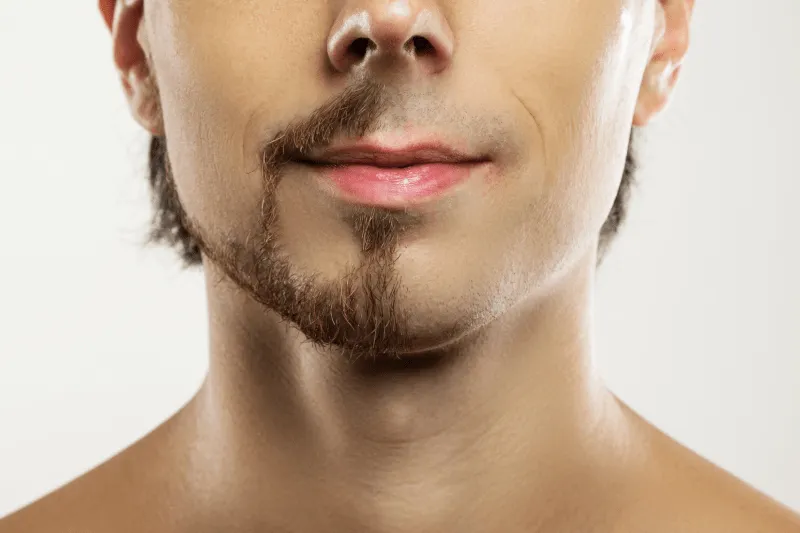
Beard alopecia is a condition where the immune system attacks its own hair follicles, resulting in sudden, usually coin-sized, circular bald patches in the beard area. This condition is a specific form of Alopecia Areata that affects only the hair follicles on the face. It often develops painlessly, and an individual may notice the gaps in the mirror one morning. Beard alopecia is not permanent baldness; the hair follicles do not die, they only enter a dormant phase. Therefore, with the right treatment, it is possible for the beard to regain its previous lush and full appearance.
Why does beard hair loss occur?
The fundamental cause of beard hair loss is an autoimmune disorder. The body’s defense mechanism perceives hair follicles as foreign substances and attacks them, stopping hair production. Behind this can lie genetic predisposition, extreme stress, emotional trauma, and certain viral infections. Additionally, other autoimmune diseases in the body (such as thyroid disorders or vitiligo) can increase the risk of developing beard alopecia. Determining the exact cause is vital for the success of the treatment process and requires a professional dermatological examination.
Does stress trigger beard alopecia?
Yes, stress is one of the most common triggers of beard alopecia. When the body is under intense stress, it secretes the hormone cortisol, which can disrupt the balance of the immune system. It is frequently observed that beard gaps suddenly form in individuals who are going through psychologically difficult periods, are under an excessive workload, or have experienced traumatic events. Unless stress management is practiced, the risk of the disease recurring is quite high even if medical treatments are provided. Therefore, ensuring mental tranquility is considered an integral part of the healing process alongside physical treatment.
What are the symptoms of beard hair loss?
The most prominent symptom is the appearance of smooth, circular, or oval patches of hair loss in the beard area. The loss can happen suddenly, and the skin in the affected area usually looks healthy, although sometimes a slight itching, burning, or tingling sensation may be felt beforehand. In some cases, the hairs shorten and thin into an “exclamation mark” shape before falling out. Multiple areas of hair loss can merge to create larger gaps. Recognizing these symptoms and consulting an expert immediately is the most critical step to stop the hair loss from spreading.
Is beard alopecia contagious?
There is a common misconception among the public that beard alopecia is contagious because it is confused with fungal infections. However, true beard alopecia (Alopecia Barbae) is definitely not contagious. Since it is an immune system disease, it is not transmitted from person to person through contact, the use of shared towels, or razor blades. If there is excessive crusting, inflammation, or redness in the area of hair loss, it may be a fungal infection, and that condition is contagious. Once a correct diagnosis is made, patients do not need to fear transmitting the disease to those around them.
What is the role of genetic factors?
Genetic predisposition plays a significant role in the development of beard alopecia. People with a family history of alopecia areata, beard alopecia, or autoimmune diseases such as type 1 diabetes are more likely to experience this condition. Certain gene variations are known to make the immune system more prone to attacking hair follicles. However, it should be noted that genetics alone are not enough; the disease becomes active when combined with environmental triggers (stress, nutrition, illness). Informing your doctor about your genetic history helps in creating a personalized treatment plan.
Do cortisone injections work?
Cortisone (corticosteroid) injections are one of the most effective and commonly used methods in the treatment of beard alopecia. A specialist doctor injects small doses of cortisone directly under the skin in the area where the loss occurs. This substance suppresses the immune system’s attack in that region, allowing the hair follicles to become active again. Generally, hair growth begins after a few sessions applied at intervals of 4 to 6 weeks. The success rate is quite high, but since side effects such as temporary skin thinning can be seen in the injected area, it must be performed by professional hands.
How are topical creams used?
Creams, ointments, or lotions containing corticosteroids are the first choice in mild cases of beard alopecia. These medications are applied directly to the gap area once or twice a day. The main purpose of the creams is to reduce inflammation and ensure local suppression of the immune system. The effect may be slower than injections, and results may vary according to the skin’s capacity to absorb the drug. Being loyal to the treatment and not stopping usage before the period recommended by the doctor is very important to achieve the desired thick beard.
Does Minoxidil help grow a beard?
Although Minoxidil was originally developed as a blood pressure medication, it is used as a support in the treatment of beard alopecia due to its stimulating effect on hair follicles. It ensures the nutrition of the follicles by increasing the blood flow towards the area where the loss occurs. When used together with cortisone treatment, it can accelerate the healing process. However, it should be known that Minoxidil alone does not treat the underlying autoimmune cause of beard alopecia; it is only an aid that triggers the growth process. Since it can cause dryness or irritation on the skin during use, it is recommended to support it with moisturizers.
How to strengthen the immune system?
Since the root of beard alopecia is the malfunctioning of the immune system, it is very important to keep the system in balance. However, “balancing” is a more accurate term here than “strengthening.” Consuming foods rich in probiotics, getting regular sleep, and staying away from smoking and alcohol support immune health. Supplements such as zinc, selenium, and vitamin D help the system work as it should. Avoiding chemicals that will overstimulate the immune system and putting the body through a general detox process prepares a healthy ground for the return of the beard.
Does beard alopecia go away on its own?
In many cases, beard alopecia can resolve on its own within a year without any treatment being applied. After a while, the body stops the immune attack and the hair starts to grow back. However, during this process, there is a risk of the shed area expanding or new gaps opening in other areas. Waiting for it to pass on its own can be psychologically wearing and lead to a loss of self-confidence in social life. Therefore, seeking professional medical help is always the safest way to speed up the process and prevent the loss from becoming permanent.
Is a beard transplant a definitive solution?
In chronic cases that are resistant to medical treatments (injections, creams, etc.) and where there has been no development in the area of loss for more than two years, a beard transplant is the most definitive and permanent solution. In this procedure, performed with FUE or DHI techniques, healthy hair follicles taken from the donor area are transplanted into the shed areas. When done with modern technologies, a beard transplant offers a natural look and the transplanted hair does not fall out again. Turkey is a world leader in the field of beard transplantation, and organizations like Cure Holiday perform these operations at the highest standards to give patients back their former appearance.
Do herbal oils stop beard hair loss?
There are some studies suggesting that essential oils such as rosemary oil, lavender oil, cedarwood oil, and thyme oil stimulate hair and beard growth. These oils can increase blood circulation in the scalp and face and revitalize the follicles. However, herbal oils should not replace medical treatment and should be seen as supportive methods. Since the direct application of oils to the skin can sometimes cause allergic reactions, they must be used by diluting them with a carrier oil (such as olive oil or coconut oil).
Does garlic treatment work?
In Anatolia and the Middle East, rubbing garlic is the most popular folk remedy for beard alopecia. Garlic draws blood flow to that point by irritating the skin in the area, thanks to its sulfur content and natural antibiotic properties. This irritation can reduce the attack on hair follicles by distracting the immune system. However, rubbing garlic too hard on the skin can lead to serious chemical burns and scar formation. Since hair follicles will die completely in the area where a scar forms, the beard will not grow back naturally. Therefore, one must be very careful before trying such traditional methods.
What is PRP treatment?
PRP (Platelet Rich Plasma) is the process of injecting plasma obtained from the patient’s own blood back into the shed area after it has been enriched. This plasma is very rich in growth factors and triggers cell regeneration in the hair follicles. In the treatment of beard alopecia, PRP is used as a support to ensure that the follicles come out stronger and thicker. It has almost no side effects because the person’s own blood is used. When applied in regular sessions, it both improves the quality of existing beards and supports the new ones that will grow.
How does mesotherapy affect beard health?
Beard mesotherapy is the process of injecting a special mixture of vitamins, minerals, amino acids, and some enzymes into the middle layer of the skin. Hair follicles in areas with beard alopecia are usually left without nutrients. With mesotherapy, these nutrients are delivered directly to the roots. This method revitalizes the micro-circulation in the region and can show a soothing effect on the immune response. It gives very successful results in beard loss just as it does in hair loss. It is frequently preferred in modern clinics because it is a painless procedure and shows quick effects.
Are eating habits important?
Yes, the style of nutrition directly affects hair health. Since hair consists of protein (keratin), adequate protein intake is vital. Additionally, foods containing sugar, processed ingredients, and trans fats can trigger autoimmune attacks by increasing inflammation in the body. Consuming fruits rich in antioxidants, vegetables, fish that are a source of omega-3, and nuts balances the body’s defense mechanism. Drinking plenty of water maintains the skin’s moisture balance and creates a suitable environment for beard follicles to grow healthily. A healthy diet visibly increases the recovery rate of beard alopecia.
Does vitamin deficiency cause hair loss?
Deficiencies in iron, B12, biotin (B7), and vitamin D may exacerbate existing hair loss or delay recovery, even if they are not the primary cause of beard alopecia. Specifically, biotin strengthens the structure of the hair, while iron deficiency slows down hair production by reducing the amount of oxygen reaching the cells. People diagnosed with beard alopecia are recommended to have a comprehensive blood test to determine their missing values and take supplements under a doctor’s supervision. When the mineral and vitamin balance in the body is ensured, beard alopecia treatment responds much faster.
Is laser treatment used for beard alopecia?
Low-level laser therapy (LLLT) has emerged as an innovative approach in the treatment of beard alopecia in recent years. Light at a certain wavelength penetrates under the skin and increases cellular energy (ATP). This condition encourages hair follicles in the resting phase to move into the growth phase. Laser treatment is painless and contains no chemicals. It is generally applied in weekly sessions and creates a synergistic effect when combined with other medical treatments, significantly accelerating hair and beard growth.
How long does the treatment period last?
The duration of beard alopecia treatment varies according to the width of the hair loss, the response of the patient’s immune system, and the chosen method. Usually, the first fuzziness is seen 4 to 12 weeks after the start of treatment. It can take 6 months for the beard to completely regain its old density and for the pigmentation (color) to settle. In some cases, recovery is very fast, while in others, a patient process is required. What matters is not to stop the treatment when results are not obtained within the first few weeks and to remain loyal to the doctor’s plan.
How does beard hair loss affect self-confidence?
For men, the beard is an important part of masculinity, style, and identity. Significant gaps in the beard can cause a person to feel uneasy in social environments, avoid mirrors, and lead to social isolation. This situation can sometimes lead to anxiety disorders and depression. It should not be forgotten that beard alopecia is not only a physical problem but also a mental burden. Therefore, receiving professional treatment not only brings back the beard but also rebuilds the person’s self-confidence and quality of life.
Does beard alopecia recur?
Unfortunately, beard alopecia is a disease that can recur. Even if the loss in one area is completely resolved, it can reappear at a different point months or years later when the body is under stress or the immune balance is disturbed. To prevent this, it is very important to adopt healthy living habits and learn stress control methods. In the event of the disease recurring, early intervention ensures that the loss is stopped before it spreads. Having been treated does not completely eliminate this tendency of the immune system; it only extinguishes the current attack.
How should beard care be done at home?
In home care, the essence is not to irritate the skin. Harsh peelings or very hot water should be avoided. The beard should be kept clean, but instead of shampoos containing excessive chemicals, cleansers with natural ingredients should be preferred. Massaging the areas of hair loss lightly can increase blood circulation. Additionally, the use of a dermaroller (micro-needling) can support beard growth by increasing the absorption of serums when done in a controlled manner. However, maximum attention should be paid to hygiene rules when using a dermaroller, and enough pressure should not be applied to damage the skin.
At what ages is beard alopecia most common?
Beard alopecia is usually more common in young and middle-aged men, that is, between the ages of 20 and 40. These periods are times when life is most stressful, career-oriented, and social changes are intense. However, it is possible for it to be seen in children or older individuals. Since the immune system is more active in young people, autoimmune reactions can sometimes be more severe. As age progresses, the severity of the disease may decrease, but when hair loss occurs, treatment methods should be specially adapted by a dermatologist according to the age group.
How is beard alopecia diagnosed?
Diagnosis is usually made by a physical examination performed by a dermatologist. The doctor may use a device called a “dermatoscope” to closely examine the area of hair loss. This device allows for a clear view of the state of the hair follicles and the deterioration in the hair structure. If the hair loss is not typical, a skin scraping can be taken or a biopsy can be performed to rule out fungus or other skin diseases. Additionally, blood tests (thyroid tests, etc.) may be requested to understand if there is another underlying autoimmune problem. Correct diagnosis is the first step to avoid wasting time with the wrong treatment.
Is beard hair loss permanent?
In the vast majority of beard alopecia (Alopecia Barbae) cases, the loss is not permanent. The hair follicles stay there, but they cannot produce because they are under attack. With treatment or with the immune system calming down on its own, hair production starts again. However, if scar tissue forms in the area as a result of injury, burn, or infection, the baldness in that area becomes permanent. If a true diagnosis of beard alopecia has been made, the chance of regaining the old beard with the right intervention is over 90%. Therefore, instead of falling into despair, it is necessary to trust the experts.
Do beard shampoos stop hair loss?
Most beard shampoos sold on the market are not powerful enough to treat the underlying autoimmune cause of beard alopecia. However, high-quality, natural shampoos containing stimulating substances such as caffeine protect the health of the beard skin and make existing hairs look lusher. Cheap market shampoos containing SLS, parabens, and harsh sulfates can increase sensitivity in the area of loss by drying out the beard skin. A good beard shampoo should be thought of as a “maintenance tool” that supports medical treatment. Instead of expecting a miracle on its own, it should be used as part of a holistic treatment.
Who is a suitable candidate for a beard transplant?
The most suitable candidates for a beard transplant are men whose beard alopecia loss has stopped but whose hair has not grown back, who have sufficient hair follicles in the donor area (usually the nape of the neck), and whose general health status does not pose an obstacle to the operation. Additionally, people whose beards do not grow at all or are sparse are also suitable for this procedure. If beard alopecia is actively continuing—meaning a new gap is formed every passing day—it should be expected that the disease becomes stable before performing a transplant. Cure Holiday experts help you plan the process by offering a free pre-consultation to determine the most appropriate timing for you.
How does the beard grow after treatment?
When treatment is successful, the first hairs that come out are usually very thin, colorless (white or transparent), and like fuzz. This is called “vellus hair.” As the treatment continues and time passes, these hairs gain pigment, darken, and thicken, turning into the normal beard form (terminal hair). In some people, the beard may come out white at first, and this situation can lead to panic; however, this is a sign that the hair follicle is reviving and is usually temporary. Since the beard’s complete return to its old form and color is a biological process, it requires a few months of patience.
Is it possible to prevent beard hair loss?
There is no definitive “prevention recipe” for beard alopecia because it is impossible to predict exactly when the immune system will make a mistake. However, to minimize the risk, it is important to manage stress, eat healthily, do regular sports, and keep the body away from toxins. When you notice early symptoms (slight itching or tiny openings), applying to an expert immediately can prevent the hair loss from spreading. Knowing your own body and listening to its signals is the best way to protect your beard health in the long run.
Why should you receive treatment in Turkey?
Turkey has become an indisputable center for hair and beard treatments worldwide. Modern hospitals, the latest technology equipment, and expert doctors who have performed thousands of successful operations make Turkey a center of attraction. Compared to Europe and America, you can receive VIP service without compromising on quality at much more affordable costs. While receiving treatment, the opportunity to discover the historical and touristic beauties of Turkey turns this process into a “health holiday.” The balance of professionalism and affordable price makes Turkey the first choice.
How does the treatment process start with Cure Holiday?
The moment you contact Cure Holiday, a professional team welcomes you. In the first stage, photos of your beard loss are examined by expert physicians and a treatment plan special to you is created. After the type of treatment (injection, PRP, mesotherapy, or transplant) is decided, your travel plan is organized. From your flight ticket to your accommodation, from your airport transfers to your hospital appointments, every detail is meticulously managed by Cure Holiday. You only focus on healing and enjoying Turkey. You feel safe with a consultant who is by your side at every stage.
What are the advantages offered by Cure Holiday?
Cure Holiday offers not just a health consultancy, but a complete experience. Its greatest advantage is working with Turkey’s best hospitals and doctors. It ensures that you get through the process stress-free with the VIP transfer service, luxury accommodation options, and 24/7 continuous support offered to its patients. Additionally, thanks to the transparent pricing policy, you do not encounter surprise costs later. They continue to monitor the development of your beard remotely with the post-treatment follow-up process. With Cure Holiday, you feel not like a patient, but like a special guest, and you achieve the beard of your dreams.
Are beard transplant prices affordable in Turkey?
Yes, beard transplant prices in Turkey are at the most competitive level in the world in proportion to the quality of service offered. Thanks to the exchange rate advantage and state support given to health tourism, you can receive treatment at the same or higher standard for much less than the figure you would pay in countries like the UK or Germany—sometimes even at a quarter of the price. Cure Holiday collects everything in a single budget, including the operation, accommodation, and transfer, with the package prices it offers its patients. This situation makes it easier for you to plan your budget while ensuring you never compromise on quality.
How should post-treatment care be?
Care after a beard treatment or transplant is vital to making success permanent. In the first few days after the operation, the washing procedures recommended by the doctor should be followed to the letter. The skin should be protected from the sun, excessively hot water, and impacts. Not smoking during the healing process speeds up recovery by improving blood flow. Cure Holiday provides you with the special care sets you need to use after the operation and informs you in detail about which products to use and when. Remember, correct care is a fundamental element that determines the perfection of the result as much as a correct operation.
Free Consultation
Fill out the form below to get your free medical travel plan and price quote.
Sources and how to verify this yourself
- Comparative study of graft survival by donor site (scalp, beard, chest) at 12 months — roughly 89% for scalp, 95% for beard and 76% for chest hair; survival also falls the longer grafts stay outside the body. source
- Ministry of Health, Regulation on International Health Tourism and Tourist Health, Official Gazette 26 April 2025, No. 32882 — authorisation requirement for facilities and intermediaries, TÜSKA accreditation, compulsory complication insurance (deadline 31 December 2025 for insurance, 31 December 2026 for accreditation). source
- Ministry of Health, Regulation on Promotion and Information Activities in Health Services, Official Gazette 12 November 2025, No. 33075 — treatment promises and guarantees are prohibited; price and campaign announcements are permitted only within international health tourism. source