The quest for eternal youth has transitioned from surgical tensioning to biological regeneration. Modern science no longer focuses solely on “pulling” the skin tighter; instead, it focuses on repairing the skin from within. Stem cell-assisted facial aesthetics represent the pinnacle of this shift. By utilizing the body’s own regenerative potential, this procedure offers a natural, long-lasting, and highly effective alternative to traditional fillers and invasive surgeries. In this comprehensive guide, we will explore every facet of this revolutionary treatment, explaining how it works, why it is superior to conventional methods, and what you can expect from the journey.
What Is Stem Cell-Assisted Facial Aesthetics Exactly?
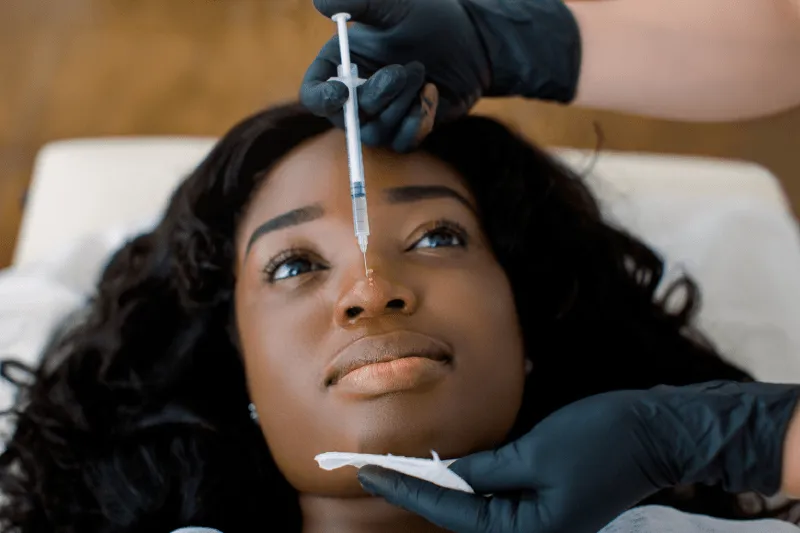
Stem cell-assisted facial aesthetics is a cutting-edge regenerative procedure that uses the patient’s own stem cells—typically derived from adipose (fat) tissue—to rejuvenate the face. Unlike standard fat grafting, where fat is simply moved from one area to another, this method involves enriching the fat with a high concentration of stem cells. These cells, known as mesenchymal stem cells (MSCs), have the unique ability to transform into various cell types and secrete growth factors. When injected into the facial tissues, they repair damaged cells, stimulate collagen production, and improve blood flow, resulting in a more youthful, vibrant, and volumized appearance.
Why Is Stem Cell Technology A Breakthrough In Beauty?
The breakthrough lies in the “living” nature of the treatment. Traditional fillers are synthetic substances that the body eventually breaks down and eliminates. In contrast, stem cell therapy introduces biological components that integrate with the existing tissue. This technology allows for “bio-remodeling,” where the skin’s architecture is fundamentally improved. It doesn’t just mask the signs of aging; it actively works to reverse the cellular degradation that causes wrinkles, thinning skin, and loss of volume. It is a paradigm shift from temporary camouflage to genuine biological restoration.
How Do Stem Cells Differ From Traditional Dermal Fillers?
While dermal fillers like hyaluronic acid provide immediate volume by acting as a physical cushion, they are temporary and do not improve the health of the skin. Stem cell therapy, however, is a two-pronged approach. It provides immediate volume through the fat graft and long-term rejuvenation through the stem cells. While fillers may last 6 to 12 months, the regenerative effects of stem cells can last for years. Furthermore, because the material is autologous (from your own body), there is zero risk of allergic reaction or rejection, which can occasionally occur with synthetic materials.
Where Do Doctors Obtain Stem Cells For Facial Procedures?
In the context of facial aesthetics, the most common source is adipose tissue, or body fat. Fat is an incredibly rich source of mesenchymal stem cells—even richer than bone marrow. These cells are typically harvested from areas with stubborn fat, such as the abdomen, flanks, or inner thighs. The process is minimally invasive and performed under local anesthesia or sedation. By using the patient’s own fat, clinicians can obtain a high yield of viable stem cells that are perfectly compatible with the patient’s facial anatomy.
Why Is Adipose Tissue The Preferred Source For Stem Cells?
Adipose tissue is preferred because it is easily accessible and contains a high density of regenerative cells. A small amount of fat can provide millions of stem cells, making it an efficient “reservoir” for anti-aging treatments. Additionally, the fat itself acts as a natural “scaffold” or filler. When we age, we lose the deep fat pads in our face, leading to a hollowed look. By using adipose-derived stem cells, doctors can replace this lost volume with natural tissue while simultaneously delivering the regenerative power of the cells attached to that tissue.
How Is The Fat Harvesting Process Performed Comfortably?
The fat harvesting process, often referred to as “mini-liposuction,” is designed to be as comfortable as possible. A specialized tumescent solution containing local anesthesia and adrenaline is injected into the donor site. This numbs the area and minimizes bruising. Using very fine, blunt-tipped cannulas, the surgeon gently extracts the required amount of fat. Most patients describe the sensation as a mild pressure rather than pain. Because the volume required for facial rejuvenation is relatively small compared to body contouring, the recovery for the donor site is remarkably quick.
What Is The Science Behind Adipose-Derived Stem Cells?
The science centers on the “Stromal Vascular Fraction” (SVF). When fat is processed in a laboratory or a specialized centrifuge, it is broken down to isolate the SVF, which contains a potent mix of mesenchymal stem cells, endothelial cells, and pericytes. These cells are responsible for angiogenesis (creating new blood vessels) and tissue repair. Once injected into the face, these cells communicate with the surrounding environment through paracrine signaling, telling the body to produce more fibroblasts, which are the primary cells responsible for collagen and elastin synthesis.
How Are Stem Cells Concentrated And Purified For Use?
After the fat is harvested, it must undergo a rigorous purification process. The raw aspirate contains oil, blood, and lidocaine, which can be inflammatory. Using specialized filtration or centrifugation systems, the “clean” fat cells are separated. To further enhance the treatment, a portion of this fat is often processed to isolate the concentrated stem cells (SVF). This concentrate is then mixed back into the fat graft or injected directly into the skin layers. This meticulous preparation ensures that only the most viable, healthy cells are reintroduced into the body.
What Role Do Growth Factors Play In Skin Rejuvenation?
Growth factors are the “chemical messengers” secreted by stem cells. They play a pivotal role in the healing and rejuvenation process. Key factors like Vascular Endothelial Growth Factor (VEGF) stimulate the growth of new capillaries, ensuring the grafted fat receives a steady blood supply to survive. Other factors like Transforming Growth Factor-beta (TGF-β) trigger the production of new collagen. These messengers create a “pro-regenerative” environment that continues to improve skin quality long after the physical volume of the fat has settled.
Is Stem Cell-Assisted Facial Aesthetics Suitable For Everyone?
While most adults looking for facial rejuvenation are good candidates, the best results are seen in individuals with visible volume loss, fine lines, or dull skin texture. It is particularly effective for those who want a natural look and wish to avoid the “over-filled” appearance that can sometimes result from excessive synthetic fillers. However, patients must have enough donor fat (even a very small amount is usually sufficient) and should be in generally good health. Smokers are often advised to quit before the procedure, as nicotine impairs blood flow and can reduce the survival rate of the transplanted cells.
How Does This Procedure Improve Skin Texture And Tone?
One of the most remarkable benefits of stem cell therapy is the “stem cell glow.” Patients often notice that their skin looks more radiant and even-toned within a few months. This is because the stem cells improve the micro-circulation of the skin and help repair sun damage and pigmentary irregularities at a cellular level. Unlike a facelift, which only addresses sagging, stem cell therapy addresses the “quality” of the skin envelope itself. The skin becomes thicker, more elastic, and visibly healthier, reflecting light more effectively.
Can Stem Cells Truly Reverse The Visible Signs Of Aging?
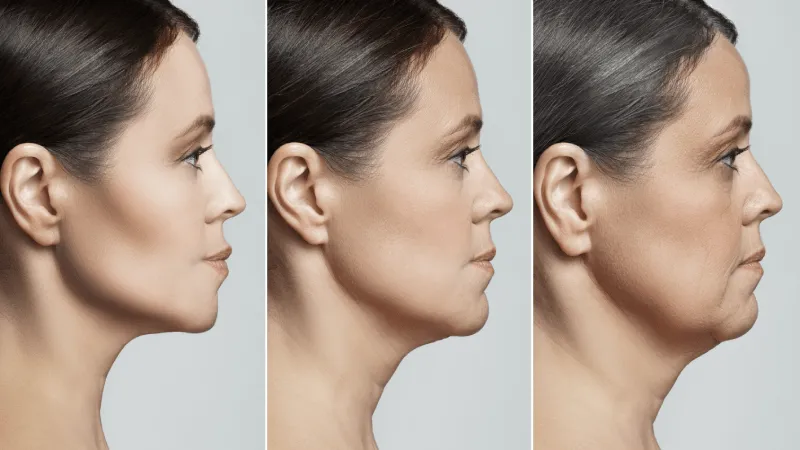
Yes, they can, but it is important to understand that they do so by addressing the root causes of aging rather than just the symptoms. Aging is characterized by cellular senescence and the loss of structural proteins. By reintroducing young, active stem cells and growth factors, the procedure “reboots” the skin’s repair mechanisms. It fills the hollows that make us look tired, smoothes the wrinkles that make us look aged, and restores the youthful contours of the cheeks and jawline, creating a genuine reversal of the aging clock.
How Does The Procedure Stimulate Natural Collagen Production?
Collagen is the protein that provides skin with its structural integrity. As we age, our natural collagen production drops by about 1% every year. Stem cells stimulate collagen in two ways: through direct differentiation (becoming collagen-producing cells) and through paracrine signaling (stimulating existing cells to work harder). As the new collagen fibers weave into the existing dermal matrix, the skin becomes firmer and tighter. This “internal lifting” effect is gradual and looks entirely natural, as the body is essentially rebuilding itself.
What Is The Step-By-Step Process Of The Injection Phase?
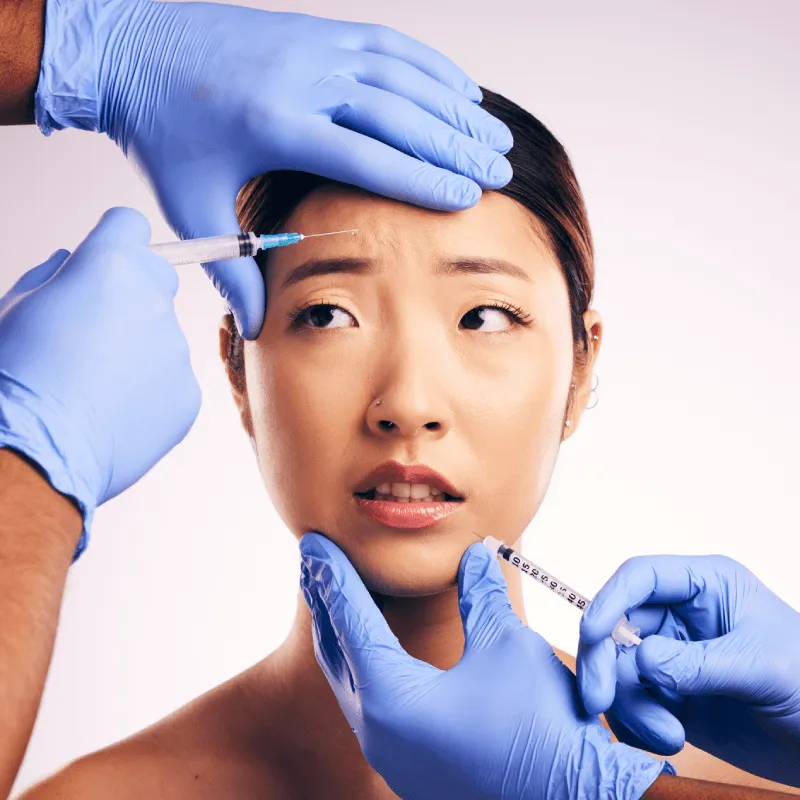
The injection phase is performed with artistic precision. The surgeon uses micro-cannulas to place the enriched fat into different layers of the face. First, volume is restored to the deep compartments, such as the malar (cheek) area and the temples. Then, finer amounts of “nano-fat” (fat that has been further refined) are injected more superficially into fine lines, such as the nasolabial folds or tear troughs. By layering the injections, the surgeon can sculpt the face, creating smooth transitions and restoring the “Triangle of Youth”—wide at the cheeks and narrow at the chin.
How Long Does A Typical Stem Cell Facial Treatment Take?
A complete stem cell-assisted facial aesthetic procedure typically takes between 2 to 4 hours. This timeframe includes the fat harvesting, the processing/concentration of the stem cells in the lab, and the meticulous injection phase. Because it is often performed under local anesthesia with sedation, patients remain comfortable throughout. It is an outpatient procedure, meaning you can return to your hotel or home the same day. The relatively short duration of the procedure makes it an attractive option for international patients seeking efficient yet high-quality care.
What Areas Of The Face Can Benefit Most From Stem Cells?
The entire face can benefit, but certain areas show particularly dramatic results. The mid-face (cheeks) is the most common area, as restoring volume here lifts the entire lower face. The periorbital area (around the eyes) is another prime target; stem cells can thicken the thin skin under the eyes, reducing the appearance of dark circles and hollows. The temples, which often sink with age, can be filled to create a smoother forehead contour. Finally, the jawline and chin can be refined to restore definition that has been lost to sagging and bone resorption.
Can Stem Cells Fix Hollow Temples And Sunken Cheeks?
Hollow temples and sunken cheeks are “hallmarks” of facial aging that are difficult to treat effectively with surgery alone. Stem cell-assisted fat grafting is the gold standard for these issues. Because the material is your own living tissue, it integrates perfectly into these large areas. Unlike fillers, which might feel firm or look “lumpy” in large volumes, stem-cell-enriched fat feels soft and moves naturally with your facial expressions. The result is a soft, youthful fullness that makes the patient look rested rather than “worked on.”
How Do Stem Cells Address Dark Circles Under The Eyes?
Dark circles are often caused by the thinning of the skin, which allows the underlying blood vessels and muscle to show through. Stem cells address this by thickening the dermal layer and improving the health of the skin tissue. When “nano-fat”—which is rich in stem cells but contains no large fat particles—is injected into the under-eye area, it acts as a biological “filter.” It improves the color of the skin and stimulates the repair of the delicate tissues, providing a much more permanent and natural solution than temporary under-eye fillers.
Is It Possible To Combine Stem Cells With Traditional Facelifts?
Absolutely, and many top surgeons recommend this combination. A traditional facelift focuses on the “position” of the skin and muscles, while stem cells focus on “volume” and “quality.” By combining them, a surgeon can lift the sagging tissues and simultaneously restore the lost volume and skin radiance. This is often called a “Bio-Facelift” or “Regenerative Facelift.” The presence of stem cells can also speed up the healing process of the surgical incisions, as the growth factors promote faster tissue repair and reduce scarring.
What Are The Immediate Results Following The Procedure?
Immediately after the procedure, you will see a visible increase in volume. However, it is important to note that some of this is due to minor swelling and the initial volume of the fat graft. About 20-30% of the injected volume may be absorbed by the body in the first few weeks. The stem cells then begin their work of integrating and regenerating. You will look “fuller” and more refreshed right away, but the true “magic”—the improvement in skin quality and the settling of the final contours—unfolds over the coming months.
When Will The Full Benefits Of Stem Cell Therapy Appear?
While the volume effect is visible early on, the biological benefits of stem cell therapy take time. You will typically see the “final” volume result around 3 to 4 months post-procedure. However, the improvement in skin texture, tone, and elasticity continues to evolve for up to 6 to 12 months. This is because the process of collagen remodeling and angiogenesis (new blood vessel formation) is a gradual physiological cycle. Most patients find that they look better a year after the procedure than they did one month after.
How Long Do The Results Of Stem Cell Aesthetics Last?
One of the greatest advantages of this treatment is its longevity. Once the transplanted fat cells establish a blood supply (a process aided by the stem cells), they become a permanent part of your facial tissue. They will grow and shrink with you if you gain or lose weight, and they will age naturally with you. While no procedure can stop the clock entirely, the “baseline” of your appearance is permanently shifted to a more youthful state. Many patients enjoy the results for 5 to 10 years, or even longer, significantly outlasting any synthetic filler.
What Are The Potential Risks Associated With This Treatment?
Since the procedure uses your own cells, the risk of allergic reaction or “foreign body” rejection is non-existent. However, as with any medical procedure, there are minor risks, such as infection, bruising, or temporary swelling. There is also the possibility of “asymmetry” if the fat is absorbed unevenly, though this can usually be corrected with a minor touch-up. Choosing a highly skilled surgeon who uses advanced purification techniques significantly minimizes these risks and ensures the highest survival rate for the transplanted cells.
How Does The Recovery Period Look For Most Patients?
The recovery is relatively mild compared to traditional surgery. Most patients experience swelling and some bruising at both the donor and injection sites for about 7 to 10 days. Social “downtime” is typically one week. You may feel some soreness in the area where the fat was harvested, similar to the feeling after a vigorous workout. Most people can return to light activities within 48 hours and back to work within a week. Wearing a compression garment on the donor site (like the abdomen) for a few days can help minimize swelling.
What Aftercare Steps Ensure The Best Possible Outcome?
Post-operative care is crucial for “cell survival.” You should avoid putting excessive pressure on the injected areas for the first few weeks—this means sleeping on your back and avoiding vigorous facial massages. Hydration is key, as is a healthy diet rich in vitamins to support tissue healing. Crucially, you must avoid smoking, as it restricts the blood flow that the new cells desperately need to survive. Using a high-quality sunblock is also essential to protect the newly regenerated skin from UV damage.
Why Is The Autologous Nature Of This Treatment Safer?
“Autologous” means the material comes from the same individual. This is the ultimate safety feature in aesthetic medicine. When we use your own stem cells, we eliminate the risks of granulomas (hard lumps) or late-onset inflammatory responses that are sometimes seen with synthetic fillers. Your body recognizes these cells as its own, allowing for seamless integration. This makes it an ideal choice for patients with sensitive skin, autoimmune concerns, or those who simply prefer a “clean,” biological approach to beauty.
How Does This Method Provide More Natural-Looking Results?
The most common fear patients have is looking “fake.” Stem cell-assisted aesthetics avoids this by respecting the natural anatomy of the face. Because fat is a soft, pliable tissue, it mimics the appearance of youthful skin perfectly. It doesn’t create the “stiff” look that can sometimes occur with Botox or the “pillowy” look of overdone fillers. Instead, it restores the soft curves and light reflections of a naturally young face. Because the improvement is gradual, people will notice you look rested and “good,” but they won’t necessarily know you’ve had a procedure.
Can Stem Cell Therapy Help With Acne Scarring?
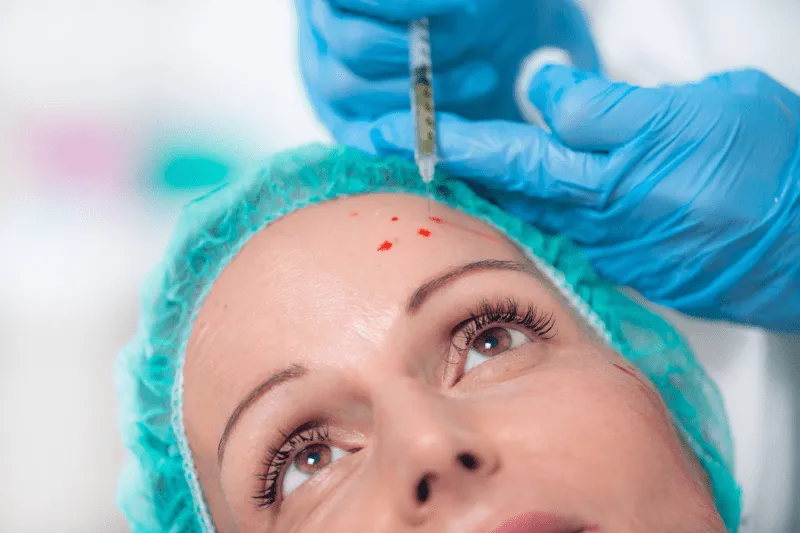
Yes, this is one of the most exciting applications of regenerative medicine. Acne scars are essentially areas of “fibrotic” or damaged tissue where the skin has lost its underlying structure. Stem cells can help break down this scar tissue and replace it with healthy, new collagen. By injecting nano-fat and stem cells directly beneath the scars, the “pits” are lifted, and the texture of the skin is smoothed out. Many patients see a significant reduction in the depth and visibility of scars that were previously resistant to lasers or chemical peels.
What Is The Cost Comparison Between Fillers And Stem Cells?
Initially, stem cell-assisted facial aesthetics has a higher upfront cost than a few syringes of filler. This is because it involves a surgical harvesting process and laboratory processing. however, when you consider the “cost-per-year,” stem cells are often much more economical. Fillers must be repeated every few months to maintain the look, leading to a lifetime of recurring costs. Stem cell therapy is a long-term investment that provides a comprehensive, full-face rejuvenation that lasts for years, often making it the more cost-effective choice in the long run.
Are There Any Non-Surgical Alternatives To This Method?
While there are other treatments like PRP (Platelet-Rich Plasma) or Microneedling that use growth factors, they lack the “volume-restoring” capability of stem cell-assisted fat grafting. PRP is often called a “vampire facial,” and while it improves skin health, it cannot fix sunken cheeks or hollow temples. For patients who need both volume and skin quality improvement, there is currently no non-surgical alternative that matches the potency and longevity of adipose-derived stem cell therapy. It remains the “gold standard” for non-synthetic facial volumization.
Why Is Choosing The Right Clinic Critical For Success?
The success of stem cell therapy depends entirely on the “viability” of the cells. If the fat is harvested too aggressively, or if the laboratory processing is improper, the stem cells will die, and the fat will simply be absorbed by the body. You need a clinic that uses the latest closed-system technology to protect the cells from air and contaminants. Furthermore, the aesthetic eye of the surgeon is paramount; they must understand facial harmony to place the cells exactly where they will provide the most beautiful, natural-looking lift.
Why Should You Choose Cure Holiday For Your Facial Rejuvenation?
When it comes to advanced regenerative medicine, Cure Holiday stands out as a premier destination. We combine world-class surgical expertise with the most advanced laboratory technologies available today. Our surgeons are specialists in the “art of the natural,” ensuring that every stem cell-assisted procedure is tailored to the unique bone structure and aging pattern of the patient. At Cure Holiday, we don’t just provide a treatment; we provide a transformative experience where safety, luxury, and medical excellence converge to help you reclaim your most youthful self.
How Does Cure Holiday Personalize Your Stem Cell Journey?
At Cure Holiday, we understand that no two faces age the same way. Your journey begins with a comprehensive consultation where we analyze your skin quality, volume loss, and aesthetic goals. We use this data to create a “Biological Mapping” of your face, determining exactly where stem cell enrichment will yield the most impact. Whether you need a subtle refresh of the eye area or a complete mid-face restoration, our team ensures that the procedure is perfectly calibrated to your needs, providing results that are as unique as you are.
What Makes Cure Holiday A Leader In Medical Tourism?
Cure Holiday is more than a medical provider; we are your partners in beauty and health. For our international patients, we offer a seamless, all-inclusive experience that removes the stress of travel. From luxury transfers and five-star accommodations to multilingual patient coordinators who stay by your side, we ensure your focus remains entirely on your recovery and results. Our facilities are JCI-accredited, adhering to the highest international standards of safety and hygiene, making us the trusted choice for thousands of patients worldwide.
How Can You Start Your Transformation With Cure Holiday Today?
Your path to a younger, more radiant version of yourself is just a message away. Starting your journey with Cure Holiday is simple: contact us for a free digital consultation. Our experts will review your photos and medical history to provide a personalized treatment plan and a transparent quote. Don’t let time dictate how you look and feel. Embrace the power of regenerative medicine and let the experts at Cure Holiday help you unlock the beauty of your own stem cells. Contact us today and take the first step toward a timeless transformation.
Free Consultation
Fill out the form below to get your free medical travel plan and price quote.